



How 3.3 kV Motor Boosts Efficiency in Industrial Fans and Pumps
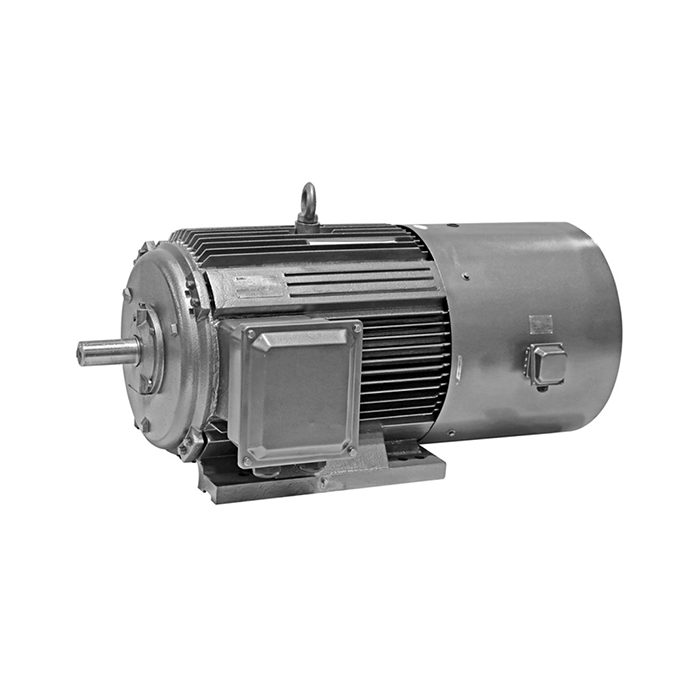
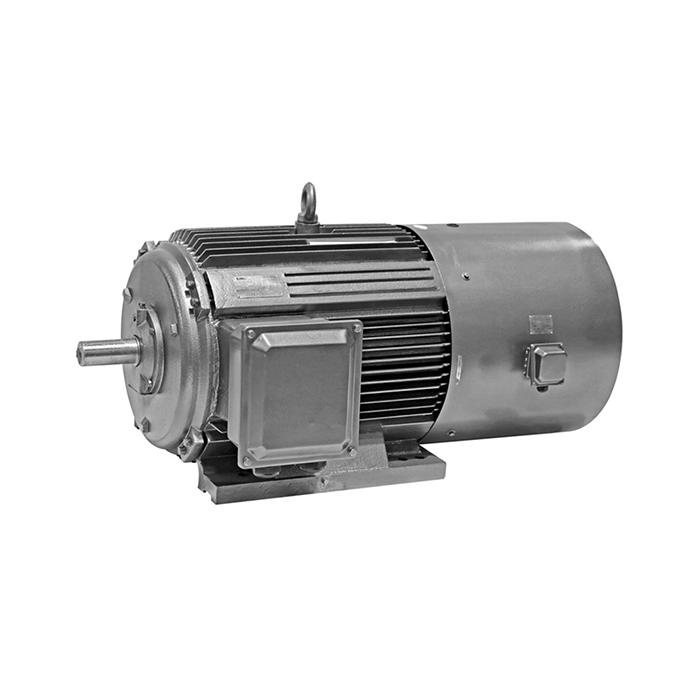
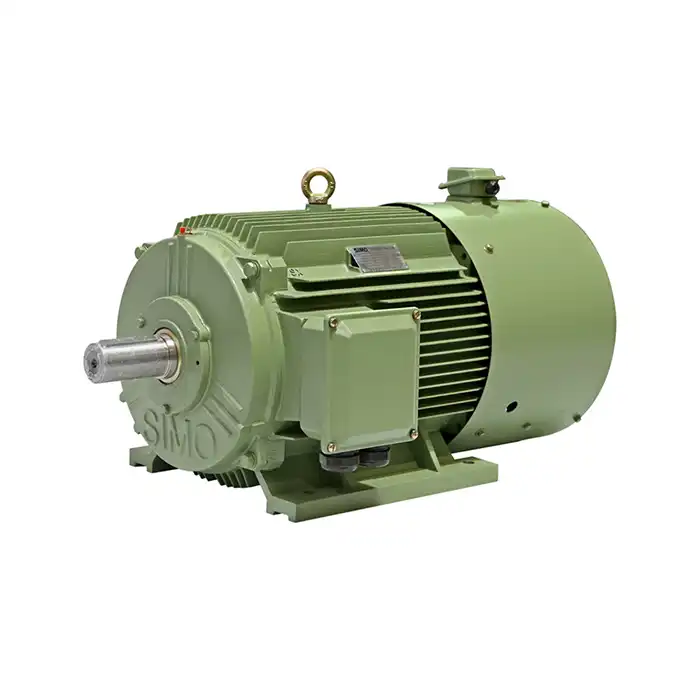
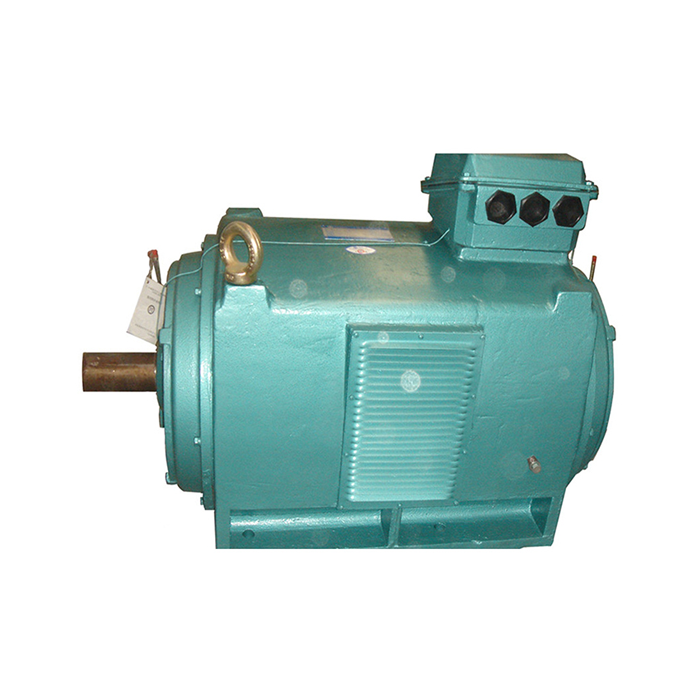
A 3.3 kV motor makes industrial fans and pumps more efficient by lowering electrical losses, improving starting qualities, and better managing heat. Because they work with middle voltage, these motors draw as little power as possible, which keeps cables from getting too hot and stops energy from being wasted when they're not being used. Their strong insulation systems and advanced cooling mechanisms keep working well even when they're under a lot of stress. This saves money and makes tools last longer in HVAC, process control, and industry settings.
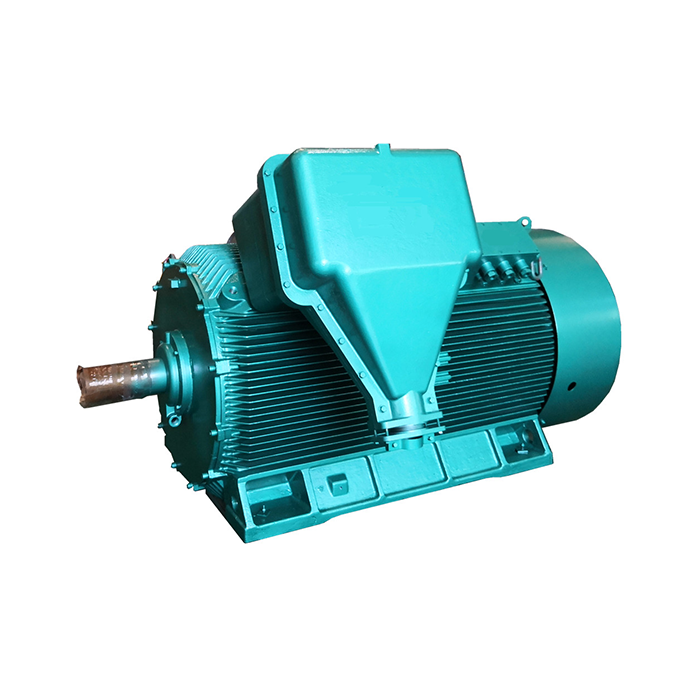
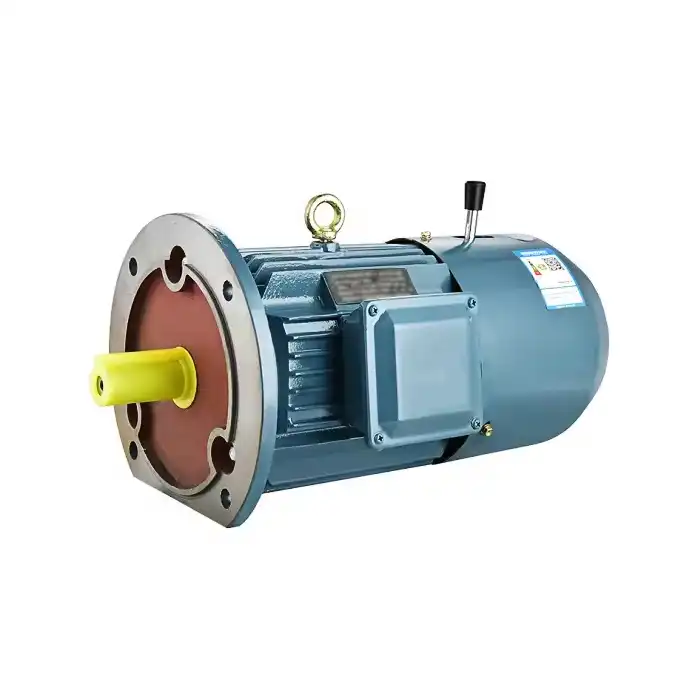
Series:Y2
Protection level:IP54
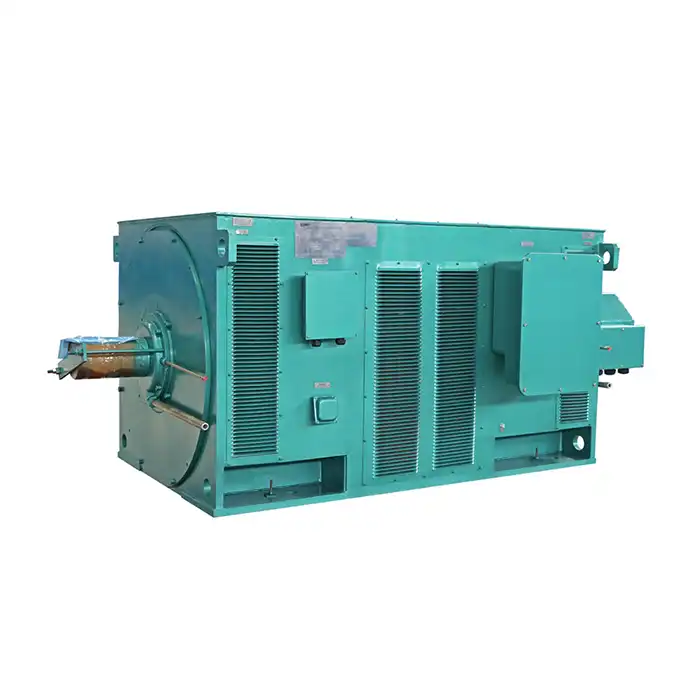
Voltage range:3000V±5%,3300V±5%,6000V±5%,6600V±5%,10000V±5%,11000V±5%
Power range:160-1600 kW
Application:fans, water pumps, compressors, crushers, cutting machine tools, transportation machinery, etc.
Advantage:compact structure, light weight, low noise, small vibration, long service life, easy installation and maintenance.
Standard: This series of products complies withJB/T10444-2004 standards.
Others: SKF, NSK, FAG bearings can be replaced according to customer requirements.
Understanding the Role of 3.3 kV Motors in Industrial Fans and Pumps
Medium-voltage motors are essential for heavy-duty manufacturing tasks that need to be reliable all the time. Medium-voltage units can handle large power needs without too much current flow, unlike low-voltage options that work at 415 V. Because of this basic feature, they work especially well as big fans that move air through large buildings and pumps that move fluids around in water treatment plants or cooling systems.
Working Principles of Medium-Voltage Motors
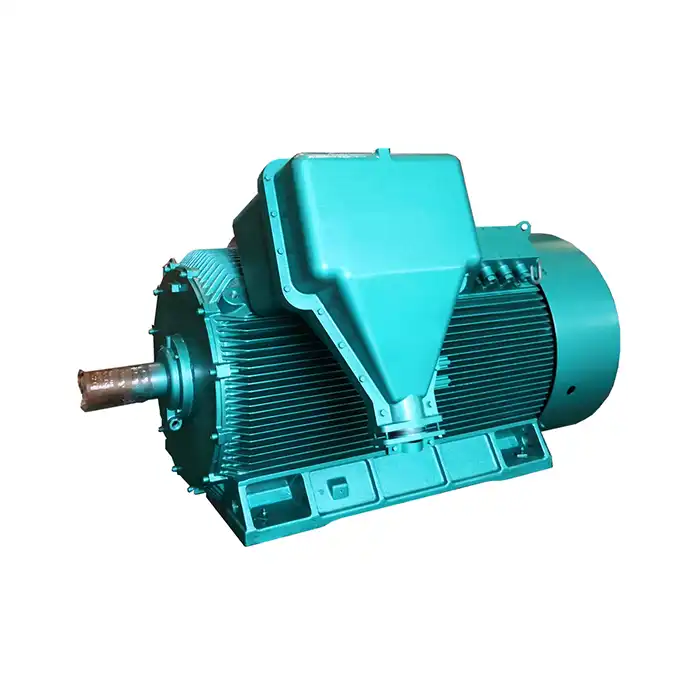
The main goal of a 3.3 kV motor's design is to safely handle higher voltage levels while still providing a steady mechanical output. Inside the case, electromagnetic windings make magnetic fields that spin and move the rotor. These windings are protected from voltage stress and heat breakdown by better insulation materials, usually Class F or Class H. The IP54 level of security keeps dust and water splashes from getting into internal parts. This is very important in industrial settings where contaminants are common.
Cooling method IC411 uses outside fans that are attached to the motor frame's surface and move air around it. This method gets rid of the heat that is made during work without using complicated liquid cooling systems. With carefully planned airflow paths, the design keeps the right temperature for operation even during long job cycles.
Voltage Class Comparisons
When engineers look at motor specs, the choice of voltage has a big effect on how the system is designed. For the same amount of power flow, 415 V low-voltage motors need conductors that are heavier to carry bigger currents. At 415 V, a 500 kW load needs about 695 A of current, but at 3300 V, the same load only needs about 87 A. This big cut lowers the cost of cables, power drops, and resistive warmth in the whole distribution system.
When you step up to 6.6 kV or 11 kV, the power drops even more, but you have to think about more safety and protection issues. The 3300 V range is perfect for pump and fan uses between 160 kW and 1600 kW because it reduces current without the need for complicated high-voltage equipment. A lot of industrial buildings already have 3.3 kV distribution networks, which makes integration easy and doesn't require expensive electricity changes.
How 3.3 kV Motors Boost Efficiency in Industrial Fans and Pumps
Using too much energy and having high prices are always problems for industrial processes. Traditional motors waste a lot of power because they lose power when they lose heat or when they start up inefficiently. These problems can be fixed in a number of ways by upgrading to properly defined medium-voltage motors.
Reducing Electrical Losses Through Lower Current
The square of the current makes the resistive losses in wires and switches bigger. A 3.3 kV motor cuts these I²R losses by a huge amount because it runs at a higher voltage. Take a look at a 750 kW pump system. At 415 V, the wires that carry the power might lose 3–5% of it as heat. At 3300 V, the same kind of equipment loses less than 0.5%. This difference adds up to big energy savings over thousands of hours of operation each year, which have a direct effect on running costs.
Because the power is lower, circuit breakers, contactors, and wire cross-sections can also be smaller. In addition to saving money on the initial cost of the equipment, lower-rated equipment works closer to its temperature limits, which means it needs less upkeep and service.
Advanced Insulation and Thermal Management
Vacuum pressure impregnation is used in modern motor building to fill in tiny holes in coil insulation. This process gets rid of any air spaces that could cause an electrical discharge. This is especially important at medium-voltage levels. This makes the insulation last longer and lowers the chance that it will break from electrical stress.
Thermal control has a direct effect on how well and how long a motor works. Our motors have specially designed airflow tracks that send cool air right where heat builds up, around the turning end-turns and rotor bars. Temperature monitors placed in key areas give early warning of unusually high or low temperatures, so action can be taken before damage happens. Keeping the windings within the stated temperature limits stops the insulation from breaking down, which speeds up the age process and makes the system less reliable.
Optimized Starting Characteristics
It can be hard to get big machines to start. During direct-online starting, the inrush current can reach 6 to 8 times the maximum current. This causes voltage drops that affect electronics nearby. This problem can be fixed with soft starts and variable frequency drives, which slowly raise the voltage or frequency. When a 3.3 kV motor is paired with the right starting equipment, it draws controlled current. This keeps both the motor and the power distribution system safe.
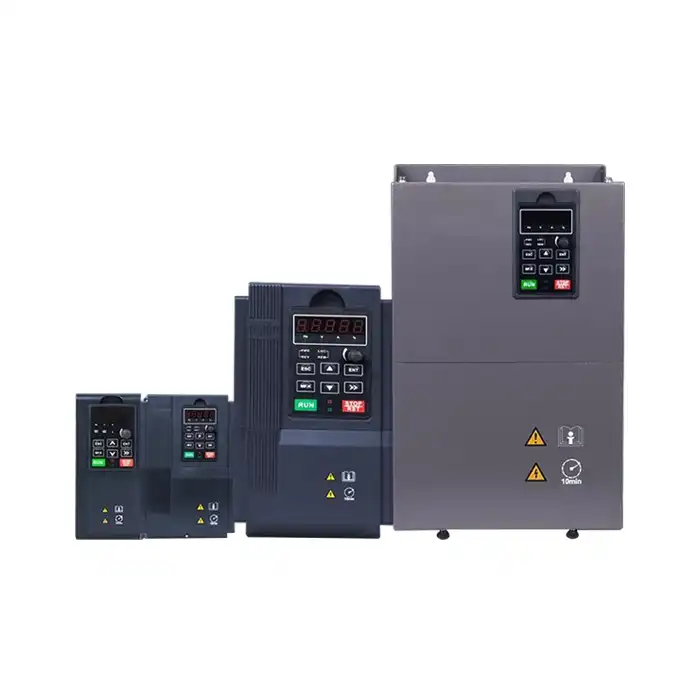
With variable frequency drives, you can also change the speed. Drive-controlled motors adjust speed based on demand, so valves don't have to be used to limit pump output, which loses energy. If a water pump only needs to give 60% of its full flow, lowering its speed to 60% of its maximum RPM will cut its power use to about 22% of full load. In situations with changing loads, this cubic link between speed and power saves a lot of money.
Comparing 3.3 kV Motors with Other Voltages and Models
To choose the right motor specifications, you have to weigh a lot of technical and financial factors. We are still focusing on medium-voltage units, but knowing how they stack up against other options helps us see their benefits.
Voltage Level Trade-offs
Low-voltage motors are most common in uses below 200 kW because they are easier to handle and cost less to buy at first. Once you go over this limit, the costs of cables and switches quickly go up. When power needs call for medium-voltage infrastructure, the switch to 3.3 kV motors happens easily.
Higher voltage classes, such as 6.6 kV and 11 kV, are best for systems with more than 2000 kW of power or for long wire runs that need very little current. Specialized equipment, trained staff, and strict safety rules are needed for these systems. The 3300 V range reduces current the most while still being easy for regular industrial repair teams to reach.
Mounting Configurations and Design Variants
Foot-mounted motors are bolted directly to solid foundations or pre-made baseplates, which makes it possible for horizontal placements to be stable. This setup works for most pump and fan uses where there is enough room for a standard mount. Flange-mounted versions connect directly to equipment housings and are often used in vertical pump setups or places with limited room.
Synchronous motors keep the same speed no matter what the source frequency is. This makes them perfect for situations where precise speed control is needed but variable frequency drives are not available. Induction motors, which are more popular in factories, can handle changing loads and tough conditions with little upkeep. Our basic products use squirrel-cage induction designs, which are both durable and affordable.
Starting Method Selection
Star-delta starts lower the starting current to about a third of the direct-online values by connecting the windings in a star pattern at first and then moving to a delta pattern for running. This easy and inexpensive method works well for tasks that can handle a short drop in speed during a shift.
Soft starts use semiconductor devices to slowly raise the voltage as the car speeds up. They make sure that driven equipment doesn't get mechanical shock when they start up. This is especially helpful for pumps that would otherwise get water hammer or fans that are connected to ductwork that is sensitive to changes in pressure.
Variable frequency drives are the most advanced way to start a motor because they allow exact control of speed, energy saves through slower speeds, and advanced safety features. Drives require a bigger investment at first, but they often pay for themselves by saving energy in situations where the load changes.
Maintenance and Testing Strategies to Maximize 3.3 kV Motor Lifespan and Efficiency
Systematic repair programs keep equipment from breaking down when it's least expected and make it last longer. Our 3.3 kV motor units have a compact size, are lightweight, generate low noise, and exhibit minimal vibration. These features make upkeep easier and ensure stable long-term performance.
Routine Inspection Protocols
The most important part of preventive maintenance is checking the insulation resistance. Technicians check the resistance between the windings and ground using a megohmmeter that is rated for the right voltage. For motors that are in good shape, values should be higher than 100 megohms; values that are going down suggest that water is getting in or the insulation is breaking down, which needs to be looked into. Doing these tests every three months finds problems as they start to form before they become major problems.
Vibration analysis and temperature testing are used to check the state of bearings. Accelerometers pick up on specific frequencies that can show problems with bearing wear, imbalance, or lubricant. Surface temperature probes measure the temperature of the bearing case; results above 80°C need to be taken seriously right away. Our motors can use SKF, NSK, or FAG bearings, depending on what the customer wants. This makes sure that new parts are easy to find and fit the needs of the application.
Maintenance on a cooling system includes checking the outside fan blades for harm, clearing out the ventilation holes of any dirt or dust that has gathered, and making sure that airflow paths are still clear. Blocked cooling makes it harder for heat to escape, which means that windings have to work at high temperatures that speed up aging. Temperature-related problems can be avoided with simple eye checks once a month.
Testing Procedures and Fault Diagnosis
Using a quality ohmmeter to test the resistance of the windings can find shorted turns or connection issues. By comparing phase resistances, mismatches that are too big for comfort can be found. For reliable results, testing should be done with motors that are at room temperature.
Starting current tests make sure that the motor's wiring is in good shape and that the starting works correctly. Technicians use clamp-on current meters to make sure that inrush stays within the normal range during start-up. If the starting current is high, it means that there are motor problems, joint issues, or electrical problems that need to be looked into.
Measuring torque at different speeds shows how well a motor works across its entire working range. Comparing the results to the manufacturer's curves shows that the magnetic circuit is breaking down or there are technical problems that are stopping power from getting to the load. This kind of testing usually only happens during big overhauls and not during regular maintenance.
Protection Devices and Downtime Prevention
Overload switches keep an eye on the moving current and turn off motors when a long-term overload could damage the windings. When relays are the right size, they protect against damage from heat and don't trip during usual starting transients.
Surge protection devices keep electricity from rising too high when lightning hits or when switches are turned on and off. These short-lived overvoltages can puncture insulation, breaking it down right away or making it weaker in a way that makes it break down sooner. Putting surge arresters at motor connections is a cheap way to protect against things that can't be predicted.
Bearing temperature monitors and sound switches let you keep an eye on things even when you're not inspecting them. When parameters go beyond safe limits, these devices connect to control systems and sound alarms or shut down automatically. The small investment in instruments stops catastrophic failures that hurt motors so much that they can't be fixed economically.
Procurement Insights: How to Source Reliable and Cost-Effective 3.3 kV Motors
When you buy medium-voltage motors, including a 3.3 kV motor, you have to deal with technical specs, provider skills, and shipping issues. To make smart choices, you need to know how the market works and what the program needs.
Supplier Selection Criteria
Because many setups are unique, lead times for motors in this power range are usually between 8 and 12 weeks. Stock supply doesn't usually go beyond basic frame sizes and voltages. When looking at different providers, making sure that the shipping times they offer are realistic helps keep projects on track.
Customization features set engineering solutions apart from providers who only carry standard goods. Our team sets up motors that work with exact voltage limits of 3000V±5%, 3300V±5%, 6000V±5%, 6600V±5%, 10000V±5%, and 11000V±5%. They also change the mounting arrangements, shaft setups, and terminal box places to fit the needs of the installation.
Technical help has a big effect on long-term satisfaction. Suppliers who offer application engineering help define the right motor features, suggest ways to start the motor, and fix operating problems. This knowledge is very helpful when setting up the motor and for as long as it works.
Compliance and Quality Standards
Our products meet the requirements of JB/T10444-2004, which means that their building meets established standards for medium-voltage motor design. When you send equipment, you should include certification paperwork as proof for regulatory officials and insurance needs.
Details show that the product was made with care: the bearing hubs are precisely machined, the windings are carefully inserted and secured, the insulation systems are fully impregnated, and the product is tested thoroughly before it is shipped. In the factory, tests like no-load runs, overspeed tests, insulation resistance checks, and high-potential tests to make sure the electrical integrity are done are common.
Logistics and Installation Considerations
When moving and installing motors that weigh more than 500 kg, care must be taken. Suppliers should include the right lifting points, shipping support, and clear directions on how to handle the goods. The packaging has to keep out wetness and guard against mechanical shocks while in transit.
Installation instructions that cover base needs, alignment steps, and electrical ending methods help keep commissioning issues from happening. Our technical paperwork has thorough drawings, connection diagrams, and startup processes that show installation teams the right way to commission the system.
Conclusion
When used in industrial fan and pump applications, a 3.3 kV motor provides clear advantages by lowering electrical losses, improving thermal management, and improving starting qualities. The 3300 V range strikes a mix between the benefits of lowering current and the added complexity of the infrastructure. It works well with existing industrial power distribution systems. When specifying a 3.3 kV motor, it's important to think about the voltage class, power rate, mounting setup, and starting method so that the equipment's abilities match the needs of the application. Systematic maintenance, which includes everything from regular checks to predictive monitoring, gets the best return on investment by stopping breakdowns and keeping things running smoothly for a longer time.
FAQ
1. Is 3.3 kV considered high voltage?
Different regions have different rules about how to classify voltage. In North America, circuits with more than 1000 V are considered medium voltage, not high voltage, which starts at 35 kV or higher. The 3.3 kV level is a useful medium-voltage range that can be used in industrial settings that need a lot of power without the hassle of real high-voltage equipment. This classification affects the rules for safety, the training of workers, and the standards for tools.
2. What does kV mean on a motor nameplate?
The number kV on motor nameplates tells you the working voltage in kilovolts, which are thousands of volts. 3300 volts run from line to line through a 3.3 kV motor in three-phase devices. In brushless toy motors, "Kv" stands for RPM per volt, which is not the same thing. The motor will work safely and efficiently if the voltage numbers on the motor's nameplate match the voltage levels on the supply lines. Our motors can work with voltage differences of up to 5%, so they can handle standard changes in the power grid without losing any performance.
3. How do I calculate current for a 3.3 kV motor?
To find the current, use the formula I = P / (√3 × V × PF × η), where P is the power in watts, V is the line voltage, PF is the power factor, and η is the efficiency. A 750 kW motor running at 3300 V and having a power factor of 0.85 and an efficiency of 0.95 needs about 154 A. Estimates for wire size and choice of protection device are given by this figure. The actual running current changes depending on the load; the nameplate numbers show the rates at full load.
Partner with XCMOTOR for Your Medium-Voltage Motor Requirements
Shaanxi Qihe Xicheng Electromechanical Equipment Co., Ltd. is an expert in providing power equipment solutions that meet the tough needs of process control, HVAC systems, and industrial automation. As a reliable 3.3 kV motor provider, we can make custom configurations ranging from 160 to 1600 kW to support fans, water pumps, compressors, and other important process equipment in the utility and industrial industries.
Our motors have a small size, are light, and are easy to install, which cuts down on the time and money needed for setup. Premium bearings from SKF, NSK, and FAG make sure that continuous-duty uses work reliably. XCMOTOR offers solutions that improve uptime and operational efficiency. These solutions are backed by full expert support, a 12-month warranty, and specialized customer service that is open seven days a week. Email our engineering team at xcmotors@163.com to talk about your unique needs, get full specifications, or get application advice that is made for your installation. Motorxc.com has all the information you need about their products and expert support.
References
1. IEEE Standard 112-2017: IEEE Standard Test Procedure for Polyphase Induction Motors and Generators, Institute of Electrical and Electronics Engineers, New York, 2017.
2. Boldea, I. and Nasar, S.A., The Induction Machines Design Handbook, Second Edition, CRC Press, Boca Raton, 2010.
3. Smeaton, R.W., Motor Application and Maintenance Handbook, Second Edition, McGraw-Hill Professional, New York, 2002.
4. Stone, G.C., Boulter, E.A., Culbert, I., and Dhirani, H., Electrical Insulation for Rotating Machines: Design, Evaluation, Aging, Testing, and Repair, Second Edition, IEEE Press, Hoboken, 2014.
5. Bonnett, A.H. and Soukup, G.C., NEMA Motor-Generator Standards Publication MG 1-2016: Analysis and Interpretation of Key Clauses for Industrial Motor Applications, IEEE Transactions on Industry Applications, Vol. 53, 2017.
6. Chapman, S.J., Electric Machinery Fundamentals, Fifth Edition, McGraw-Hill Education, New York, 2012.