



5HP 3 Phase Induction Motor Guide: Load & Efficiency Explained
When choosing a motor for commercial use, knowing how a 5hp 3 phase induction motor handles loads and works efficiently can have a direct effect on your prices and the life of your equipment. Through electromagnetic induction, these motors turn electrical energy into mechanical motion. They work reliably in pumps, compressors, fans, and conveyor systems. At XCMOTOR, we make motors that are built to last and use energy efficiently, meeting the high standards of the industrial, HVAC, water treatment, and automation businesses. This guide tells you how these motors work with different loads and what efficiency measures you should really care about when buying something.
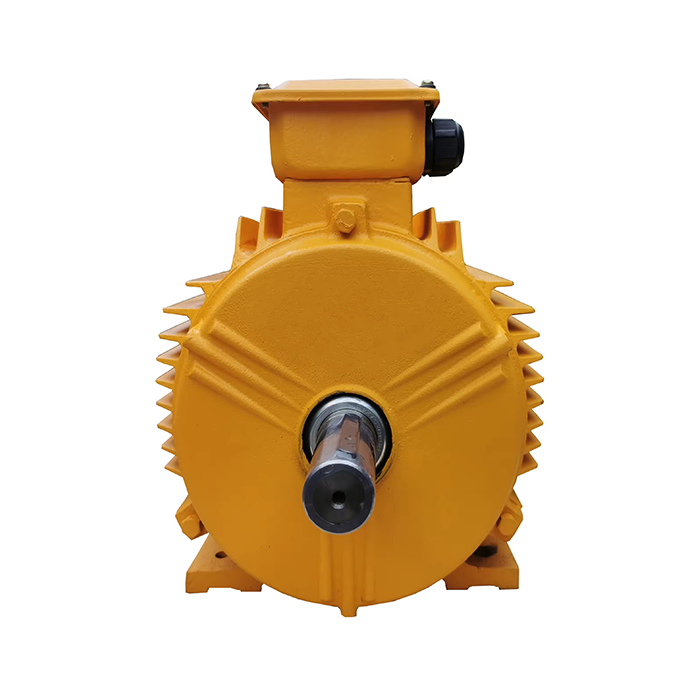
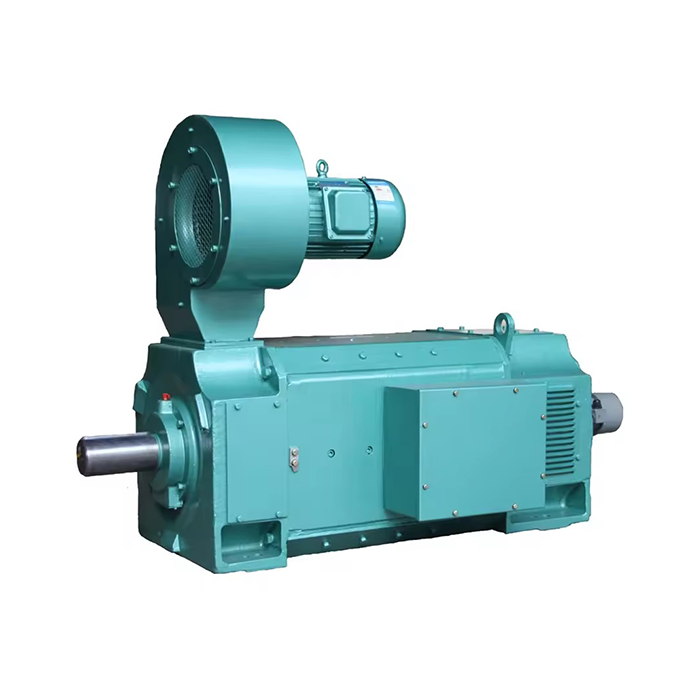
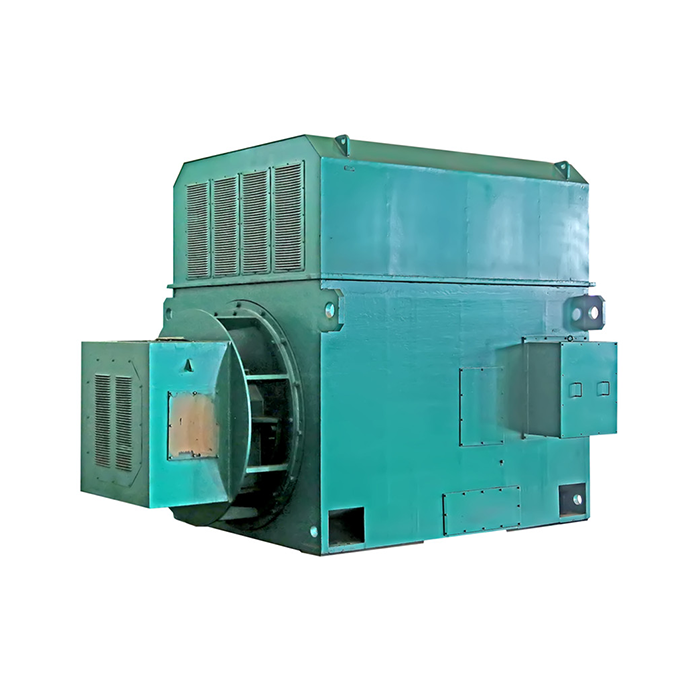
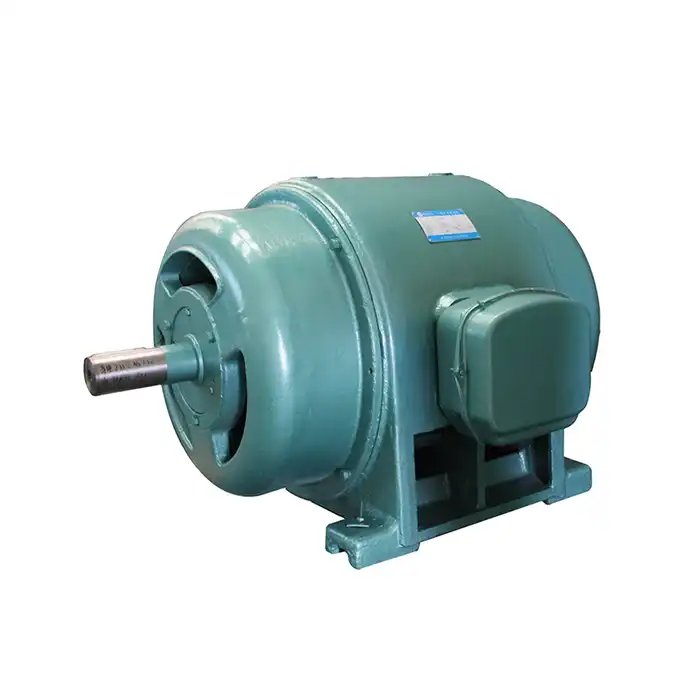
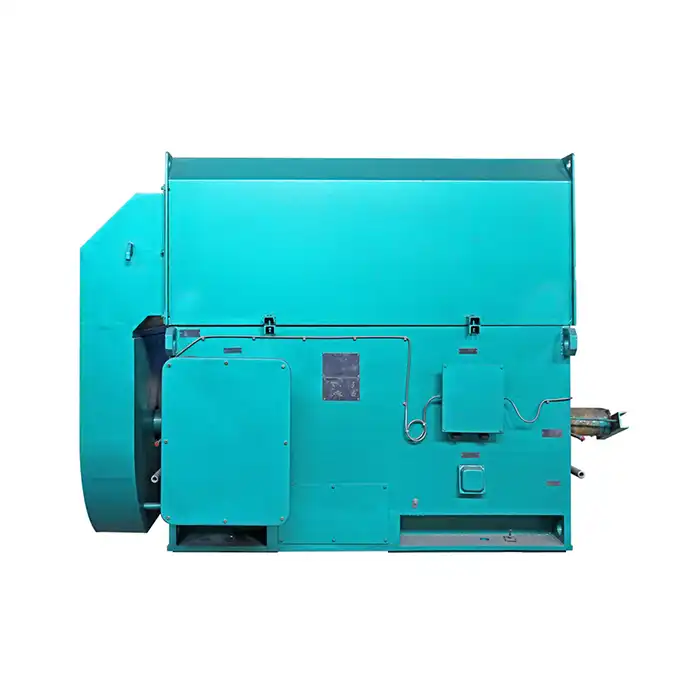
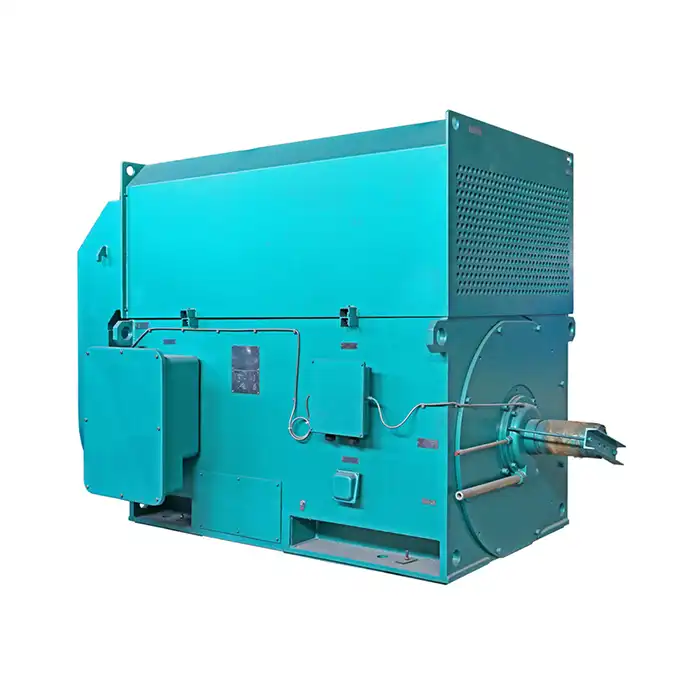
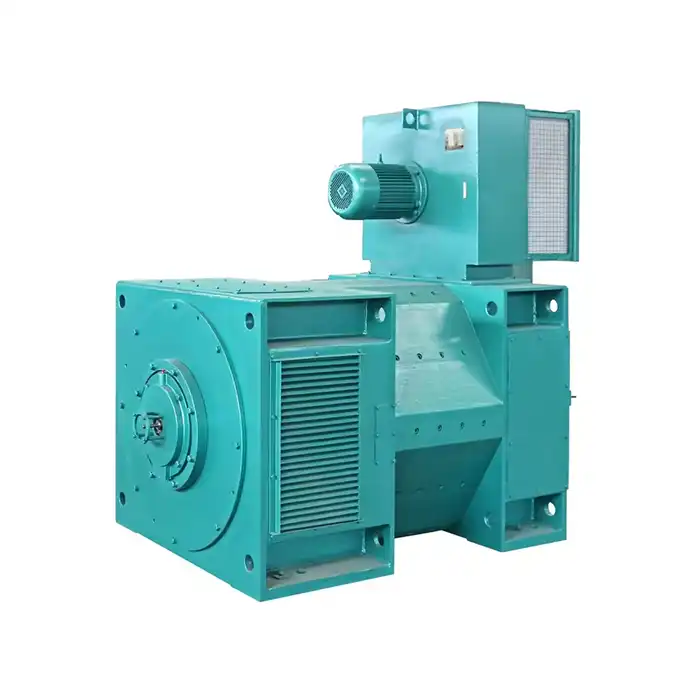
Series:YE5
Frame number: 80-450
Power range:
Protection level:IP55
Energy efficiency class: IE5
Voltage range: 380V,400V,415V, 660V,etc.
Application:can be used in various fields of the national economy, such as machine tools,water pumps,fans,compressors,and can also be used in transportation, mixing, printing, agricultural machinery, food and other occasions that do not contain flammable, explosive or corrosive gases.
Certificate: international standard IEC60034-30 "Efficiency Classification of Single-speed Three-Phase Squirrel Cage Induction Motors".
Advantage:The high quality of the electric motor guarantees high operational reliability.
Others: SKF, NSK, FAG bearings can be replaced according to customer requirements.
Understanding the Working Principle and Load Characteristics of 5HP 3 Phase Induction Motors
How Electromagnetic Induction Powers Your Equipment
A fixed stator and a spinning rotor work together to make a three-phase induction motor work. Three-phase AC power runs through the stator windings and makes a spinning magnetic field that makes the rotor conduct electricity. Induced current makes its own magnetic field, which turns the rotor shaft by applying torque to it. This motor's ease is what makes it so popular in industrial settings—it doesn't have any brushes or commutators, so it doesn't need as much wear and upkeep.
The shape of the rotor decides how it works. Aluminium or copper bars short-circuited by end rings make up squirrel cage rotors, which are strong and don't need much upkeep. These motors start right from the line and use five to seven times their rated power when they first turn on. Wound rotor types are less popular at 5 horsepower, but they let you add external resistance for controlled starting and speed changes. Most business users like squirrel cage designs because they are reliable and don't cost as much.
Matching Motor Performance to Load Requirements
There are three types of industrial loads that affect the choice of motor. Loads with constant torque, like positive displacement pumps and conveyors, need constant torque no matter what speed they are going. Variable torque loads, like rotary pumps and fans, need torque that is related to speed squared. For example, if you cut the speed in half, you only need a quarter of the torque that you need. When punch presses or crushers apply shock loads, they cause rapid torque spikes that put stress on motor parts.
In order to overcome the inertia of the load and keep efficiency at working speed, a 5hp 3 phase induction motor must produce enough starting torque. Most pump uses need between 60 and 80% of their full torque to start up, but conveyors may need up to 150% of their full torque to move loads that are still. Knowing your load profile keeps you from buying a motor that is too big, which loses money and energy, or too small, which causes it to overheat and break down early.
Speed Control Methods Enhance Load Adaptability
Load adaptability is improved by speed control methods. When it comes to matching motor speed to load needs, variable frequency drives work the best. VFDs change fixed-frequency AC power to variable frequency and voltage, which lets them control the speed of a motor from zero to above its base speed. Compared to throttling or bypass control methods, this feature cuts energy use by 20 to 50 percent in situations with changing power. For motors to be compatible with VFDs, they need to have better insulation systems to handle voltage jumps and better cooling for low-speed operation.
There are other ways to control the motor, such as pole-changing windings that give you two or three separate speeds and eddy current clutches that change the output speed while the motor stays at the same speed. These methods work in some situations, but they aren't as flexible or efficient as VFD control. When choosing a motor, you should think about whether your process would benefit from operating at a flexible speed. Many facilities find that the energy savings they get from VFDs pay for themselves within two years.
Efficiency Factors and Energy Performance of 5HP 3 Phase Induction Motors
Key Metrics That Define Motor Energy Performance
Motor efficiency is the number that shows how much mechanical power the motor produces compared to how much electricity power it uses. A motor with a 90% efficiency rating turns 90% of the energy it receives into useful work. The other 10% is lost as heat through copper and iron losses, friction, and windage. Power factor shows how well the motor turns visible power into real work. Values close to unity show that the electrical equipment is being used efficiently.
Slip is the amount of difference between the synchronous speed (set by the source frequency and the number of poles) and the real speed of the rotor, which is usually 2% to 5% at full load. When slip is higher, rotor losses are higher, and efficiency goes down. Efficiency, power factor, and slip are the three factors that affect how much energy the motor uses and how much it costs to run over its lifetime.
International Efficiency Standards Guide Procurement Decisions
It is based on the IEC 60034-30 standard, which divides motor efficiency into five grades, ranging from IE1 (normal) to IE5 (ultra-premium). At 5 horsepower, IE3-rated motors, which are required in many places, achieve efficiencies of about 91 to 92%. IE4 motors get to 93–94%, but IE5 technology goes above and beyond 95% thanks to better magnetic circuit design, higher-quality materials, and more advanced manufacturing methods.
The YE5 series motors from XCMOTOR are up to IE5 standards for efficiency. They have high-grade silicon steel laminations that keep core losses to a minimum and copper windings that lower resistance heating. Our IP55-rated shelters keep out dust and water without blocking the flow of cool air. These motors can work with voltages ranging from 380V to 660V, so they can adapt to different power sources and still do their job well.
When you use high-efficiency motors, you save a lot of energy over time. Think about a motor that runs at 80% load for 6,000 hours a year. Upgrading from IE2 (89% efficient) to IE5 (95% efficient) cuts energy use by about 850 kWh per year. With industrial energy rates of about $0.10 per kWh, this saves $85 a year per motor, which may not seem like much for a single unit but is a big deal for sites with dozens or hundreds of motors.
Comparing Motor Technologies for Application Suitability
Single-phase induction motors are good for home and light business uses with less than 3 horsepower, but their starting mechanisms (capacitors or shaded poles) make them less efficient and require more upkeep than three-phase designs. DC motors have good speed control and a high starting power, but the brushes need to be replaced, and they aren't as durable as induction motors in harsh settings.
Three-phase induction motors are the most common type used in factories because they are reliable, efficient, and require little upkeep. Their balanced power delivery lowers the stress on the electrical infrastructure, and their strong construction can handle high and low temperatures, vibration, and dirt. When deciding between choices, you should look at the total cost of ownership, which includes the purchase price, the cost of installation, the amount of energy used, the need for upkeep, and the expected lifespan.
Common Challenges and Maintenance Tips to Ensure Optimal Motor Load and Efficiency
Recognizing Operational Issues Before They Cause Failure
Motors (5hp 3 phase induction motor)get too hot when there isn't enough air flow, the temperature outside is too high, the voltage isn't balanced, or they are overloaded beyond their stated capacity. If the temperature of a bearing rises above 80°C, it means that the bearings are not properly oiled or aligned. Rotors that aren't balanced, old bearings, loose mounts, or couplings that aren't lined up right can all cause vibration. Noises that aren't normal, like grinding, screaming, or humming, can be caused by worn bearings, rotor rub, or electrical problems.
The main reason motors break down is insulation breakdown, which happens when weather, moisture, or contamination weaken wound insulation. Insulation resistance tests done on a regular basis can find wear and tear before shorts happen. Voltage supply problems, including phase loss, voltage unbalance exceeding 1%, and harmonic distortion, stress motor windings and lower efficiency while speeding aging.
Preventive Maintenance Practices Extend Service Life
Routine check plans should include eye study of the motor exterior, cooling fins, and mounting structure monthly. Listen for odd sounds and check bearing temperature using infrared thermography or touch thermometers. Lubrication times depend on bearing type and working conditions; sealed bearings in smaller motors often require no service, while re-greasable bearings need attention every 2,000-5,000 running hours.
Electrical testing gives insight into motor health without disassembly. Every year, use a megohmmeter to check the insulation resistance and compare the readings to the manufacturer's instructions and the baseline values. Use a clamp meter to keep an eye on the working current and look for slow rises that could mean technical issues or falling efficiency. Voltage readings at the motor connections show problems with the source that need to be fixed.
Troubleshooting Load-Related Efficiency Losses
Checking the alignment stops wear on the couplings and damage to the bearings. Use precise alignment tools to make sure that the angle and offset alignment are within the limits set by the maker, which are usually 0.05 mm. Proper alignment cuts down on shaking, increases the life of bearings, and keeps things running smoothly by reducing mechanical losses. Always check the balance of equipment before putting it back into service after installation or repair that requires disconnecting the coupling.
If motors use too much power, look into mechanical binding in driven equipment, overtensioning of the belt, or changes to the process that made the load higher than what was intended. Drops in efficiency and high temperatures are signs that the cooling system isn't working right because of clogged vents, broken cooling fans, or too much heat in the air. If the power factor goes down without the mechanical load going up, it means there are electrical problems like voltage imbalance or winding faults.
Predictive maintenance technologies find problems as they start to form before they become major problems. Through characteristic frequency patterns, vibration research can find problems with bearings, misalignment, and imbalance. Thermography shows places that are very hot because of electricity problems or mechanical friction. Through current waveform analysis, motor current signature analysis can find problems with rotor bars, rotors that aren't aligned properly, and changes in the load. These methods allow condition-based maintenance, which raises reliability while lowering the number of actions that aren't needed.
Choosing the Right 5HP 3 Phase Induction Motor for Industrial Procurement
Evaluating Technical Specifications Against Operational Demands
The mounting measurements and shaft specs are based on the frame size. Standard frame names make it possible for frames from different makers to be used together. This makes retrofits and managing extra parts easier. Depending on the speed and efficiency class, a 5hp 3 phase induction motor will usually use frame sizes 132-160. Make sure that the fastening type (foot-mounted, flange-mounted, or face-mounted) fits the needs of your tools.
The enclosure protection grade strikes a mix between protecting the environment and the need for cooling. IP55 casings, which come standard on XCMOTOR motors, keep dust and water jets out while still letting enough air flow through. Fan-cooled designs that are completely sealed work best in dirty or harsh settings, while open, drip-proof enclosures give you the most cooling in clean areas. When flammable gases or dust that can catch fire are present, a place is labelled as dangerous (Division 1/2, Zone 1/2).
Service factor shows that the system can handle ongoing overloads above the nameplate limit. For irregular peak needs, a 1.15 service factor lets the system work at 15% overload. The motor can work in four different ways, depending on the duty cycle standard. These are continuous (S1), irregular (S3), or duty cycle with starting (S4). To avoid thermal damage from wrong use, match the duty grade to the real application patterns.
Understanding Total Cost of Ownership Drives Value
The price of the motor itself only makes up 2% to 3% of its lifetime costs. The majority (97–97%) of the total purchase cost comes from the energy used over its 15–20 year service life. At $0.10/kWh, power used by a motor for 8,000 hours a year costs about $3,000. That's $45,000 over fifteen years. Costs drop by $1,350 over the life of the equipment, which is much more than any extra for more energy-efficient equipment.
Total cost is affected by reliability through costs for breaks, emergency repairs, and lost output. XCMOTOR motors go through a vacuum pressure impregnation process that fully encases the windings, keeping them safe from chemicals and water. Precision die-casting makes frame structures that are regular and don't break down when heated and cooled. Dynamic rotor balance reduces vibrations and bearing loads, which makes parts last longer than the norm in the business.
Customization Options Address Specific Application Requirements
Customisation choices meet the needs of individual applications. Motors that work with VFDs have better shielding systems that can handle voltage swings and inverter duty service. Custom voltage ratings work with a variety of power distribution systems, and motors can be fitted to specific setups with custom shaft configurations, mounting arrangements, and environmental protections. When conditions are tough, premium bearings like SKF, NSK, or FAG offer better dependability.
Practical Applications and Industry Use Cases of 5HP 3 Phase Induction Motors
Industrial Applications Demonstrate Versatility and Performance
Industrial applications highlight motor versatility across pumps, fans, blowers, compressors, and conveyors. Pumps range from centrifugal (VFD-efficient variable load) to positive displacement (constant torque, high starting demand). Fans and blowers benefit from cubic power–speed relationships, making VFD control highly efficient. Compressors require strong starting torque and thermal capacity, while conveyors need stable, efficient operation under varying load conditions to maintain continuous material flow.
Integration With Modern Automation Systems Enhances Performance
Integration with modern automation systems enhances motor performance through connectivity with PLCs, SCADA, and energy management platforms. Industrial communication protocols such as Modbus, Profibus, and EtherNet/IP enable real-time monitoring of temperature, vibration, current, and power consumption. This supports predictive maintenance and energy optimization. Smart motor protection relays prevent faults such as overheating, phase loss, and imbalance, while energy systems improve efficiency through load balancing and operational adjustments.
Future Trends Shape Next-Generation Motor Technology
Future motor technology is driven by stricter efficiency standards, with IE4 now common and IE5 emerging, pushing advances in materials, electromagnetic design, and precision engineering. Industrial IoT enables real-time monitoring via embedded sensors, supporting predictive maintenance through cloud-based analytics and machine learning. Sustainable manufacturing focuses on recyclable materials, reduced energy consumption, and alternatives to rare-earth magnets, ensuring high performance with lower environmental impact.
Conclusion
In order to choose the right 5hp 3 phase induction motor, you need to know how electric principles work in the real world and how to use energy efficiently. Professionals in buying make the best use of both initial investment and lifetime running costs by matching motor traits to application needs, such as constant vs. changing power, continuous vs. irregular duty, and standard vs. harsh environments. High-efficiency designs that meet IE5 standards save a lot of energy over the course of their 15–20-year service lives, and regular maintenance keeps them working well and reliably. The YE5 series motors from XCMOTOR are made with high-tech materials, are precisely manufactured, and go through strict quality control to meet these tough industry standards in a wide range of uses.
FAQ
1.What efficiency improvements can I expect from IE5 versus IE3 motors?
At 5 horsepower, IE5 motors are usually 2-3 percentage points more efficient than IE3 motors of the same size. Over the life of the motor, this means that it will use about 6 to 8 percent less energy. If the machine is used for 6,000 hours a year, the energy savings can cover any extra costs within 18 to 36 months, based on the power rates in the area and the duty cycle patterns.
2.How do I determine the correct frame size for my application?
The choice of frame size is based on how it will be mounted, the height of the shaft, and the connection needs. Standard frame labels make sure that the sizes of new frames will work with old ones. When you replace motors, make sure that the frame number matches the fixing holes and shaft measurements that are already there. For new installs, driven equipment specs should be used to find the best frame sizes, taking into account the need for alignment and thermal clearances.
3.Can three-phase motors operate on single-phase power?
Three-phase motors can run on single-phase power with phase changers or VFDs that can handle single-phase input, but the performance is worse. Rotary converters offer enough starting power, but they are more expensive and harder to use. Single-phase VFDs give you better control, but they reduce the motor's power by about 30%. For continuous single-phase uses, make sure the motors you use are made for that power source to get the best performance and dependability.
Partner With a Trusted 5HP 3 Phase Induction Motor Manufacturer
XCMOTOR specialises in providing power equipment options that meet the strict needs of the process, energy, industrial automation, and HVAC businesses. We blend IE5 efficiency technology with IP55 environmental protection and a variety of voltage choices from 380V to 660V as an expert 5hp 3 phase induction motor maker. Our motors have precise die-cast frames, cutting-edge winding technology, and VPI treatment that makes sure they work reliably even in tough situations. We stand behind every motor we ship with high-quality SKF, NSK, and FAG bearings, thorough testing procedures, and expert help that is available seven days a week. Get in touch with our team at xcmotors@163.com to talk about your unique application needs and find out how our solutions can help you save money on energy costs and make your operations more reliable.
References
1. Toliyat, H.A. and Kliman, G.B. "Handbook of Electric Motors: Second Edition." CRC Press, 2018.
2. Bonnett, A.H. "Root Cause AC Motor Failure Analysis with a Focus on Shaft Failures." IEEE Transactions on Industry Applications, Vol. 36, No. 5, 2000.
3. De Almeida, A.T., Ferreira, F.J., and Baoming, G. "Beyond Induction Motors—Technology Trends to Move Up Efficiency." IEEE Transactions on Industry Applications, Vol. 50, No. 3, 2014.
4. Nailen, R.L. "How to Select and Apply Three-Phase Induction Motors." Electrical Apparatus Service Association Technical Manual, 2017.
5. International Electrotechnical Commission. "IEC 60034-30-1: Rotating Electrical Machines Part 30-1: Efficiency Classes of Line Operated AC Motors." IEC Standard, 2014.
6. Saidur, R. "A Review on Electrical Motors Energy Use and Energy Savings." Renewable and Sustainable Energy Reviews, Vol. 14, Issue 3, 2010.