



Best LV Induction Motor Uses for Construction Equipment in the Industrial Sector
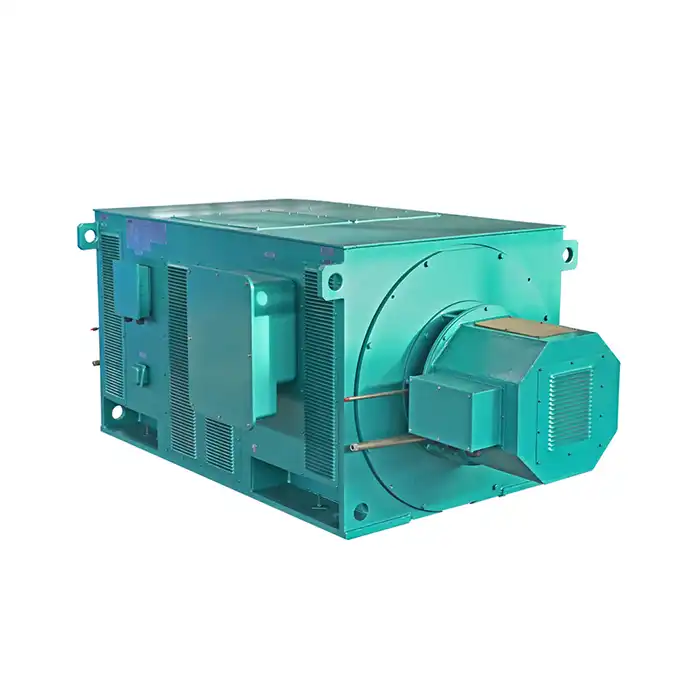
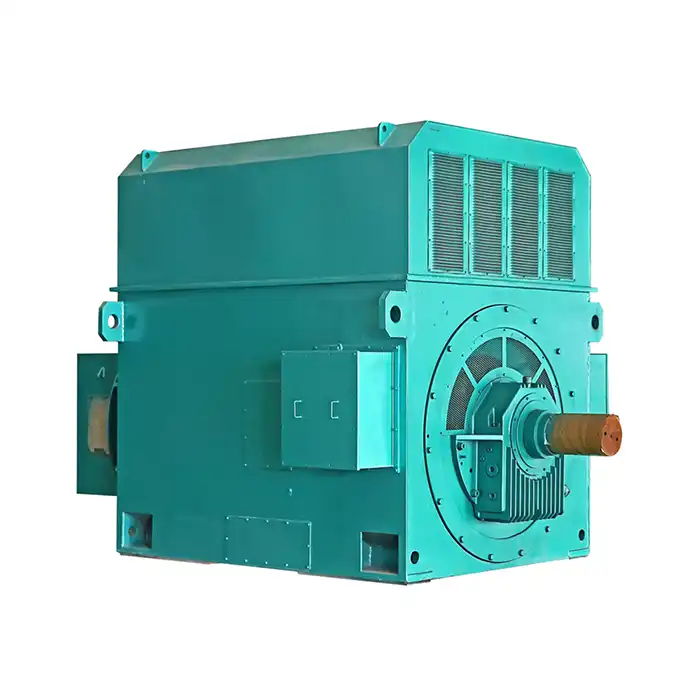
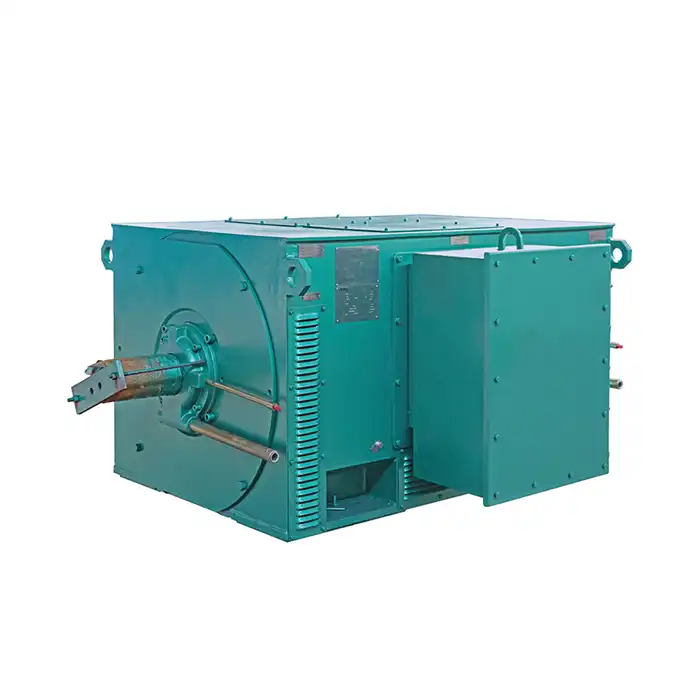
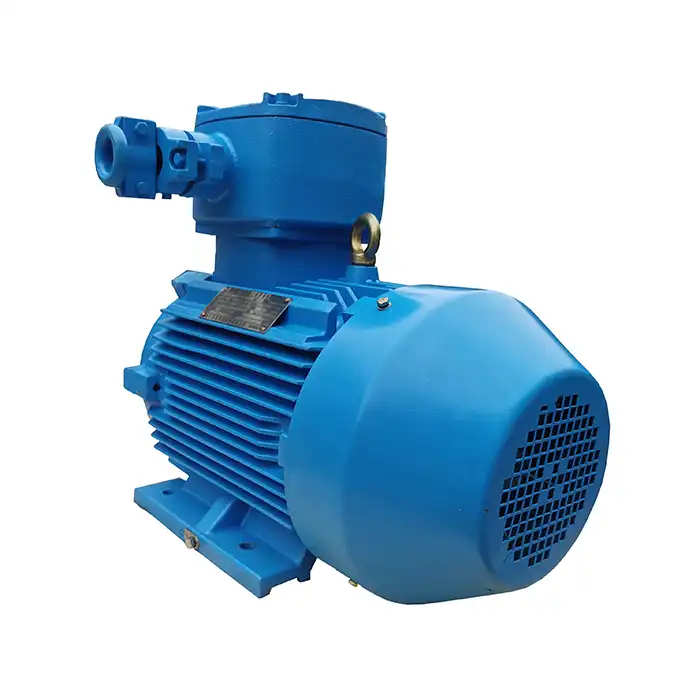
Understanding low voltage three-phase induction motor capabilities is crucial when choosing motors for heavy construction equipment. These lv induction motor solutions, which operate between 380V and 660V and generate 0.75kW to 1000kW, provide construction sites with reliable performance. Their squirrel cage design delivers strong torque in demanding applications without requiring complex maintenance. Construction managers and procurement teams prefer these motors because they are durable and efficient, reducing energy consumption and equipment downtime. Modern energy efficiency standards are met while running expenses are effectively managed over long project timeframes through the IE3 efficiency designation.
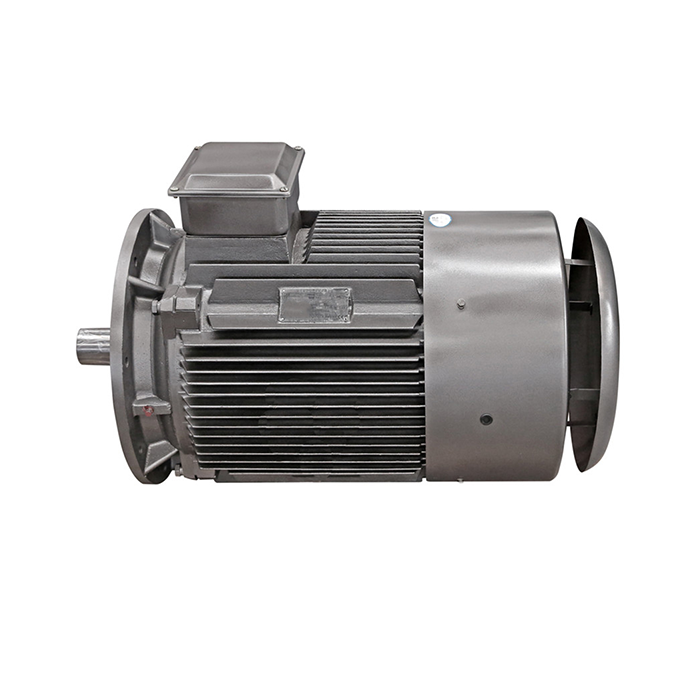
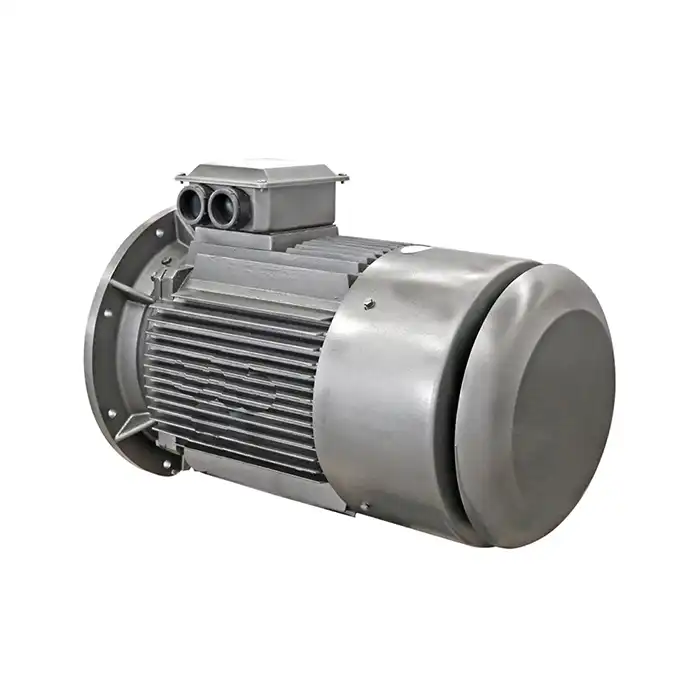
Series:YE3
Frame number: 80-450
Power range:0.75-1000kW
Protection level:IP55
Energy efficiency class: IE3
Voltage range: 380V,400V,415V,660V, etc.
Application:can be used in various fields of the national economy, such as machine tools,water pumps,fans,compressors,and can also be used in transportation, mixing, printing, agricultural machinery, food and other occasions that do not contain flammable, explosive or corrosive gases.
Certificate: international standard IEC60034-30 "Efficiency Classification of Single-speed Three-Phase Squirrel Cage Induction Motors".
Advantage:The high quality of the electric motor guarantees high operational reliability.
Others: SKF, NSK, FAG bearings can be replaced according to customer requirements.
Understanding LV Induction Motors in Industrial Construction Equipment
Operating Principles and Construction Design
The stator and rotor of a three-phase induction motor operate together electromagnetically. The stator's copper windings produce a revolving magnetic field that runs electricity through the rotor bars when switched on. This connection generates mechanical torque for building equipment. The stator and rotor of our motors are composed of high-grade silicon steel laminations. This reduces core losses and improves motor efficiency. Die-cast aluminium frames are lightweight and heat-resistant, making them suitable for mobile construction equipment.
The squirrel cage rotor is beneficial on construction sites. Unlike wound rotor motors, these motors don't require brushes or slip rings changed. Aluminium or copper bars are permanently cast into the rotor core. This makes the assembly sturdy and resistant to construction site shocks and vibrations. Sealed LV induction motors can tolerate dust, water, and temperature fluctuations better.
Power Ratings and Operational Ranges
Construction tool motors must withstand extreme conditions and loads. Motors with frame sizes from 80 to 450 can power mixers with a quarter of a horsepower to cranes with several hundred kilowatts. The speed range of 500–3000 RPM allows you tailor the motor's characteristics to your tools. A concrete mixer may need 30kW at 1500 RPM for safe lifting, while a tower crane hoist may need 200kW at 750 RPM.
Shelters are IP55-rated against dust and water jets from any direction. This protection is needed because construction equipment is exposed to cement dust, rain, and cleaning. Optional IP56 and IP65 ratings improve security for critical purposes. Most construction sites are approved for -10°C to +40°C, although extreme climate windings may increase these ranges.
Top Uses of LV Induction Motors in Construction Equipment
Cranes and Heavy Lifting Equipment
Tower, mobile, and gantry cranes need well-managed motors to lift huge objects safely. Hoists employ 50kW to 400kW motors. These motors lift several tonnes to great heights with their torque. We offer motors with torques from 5 to 2400 Nm. This smoothes acceleration and deceleration, preventing harmful load swinging.
Slewing devices spin crane booms and need motors with high starting power and speed control. These systems use slower motors with gears to boost force. Industrial motors can last thousands of working cycles, which is crucial when equipment failures can halt building projects.
Concrete Mixing and Pumping Systems
One of the most difficult uses for electric motors in building is in tools for making concrete. Motors ranging from 15kW to 75kW are needed to turn the heavy drums that hold aggregate, cement, and water in batch mixers. These motors have to deal with the viscous resistance of wet concrete while keeping the mixing speeds steady to make sure the materials are mixed properly.
Concrete pumps transport materials to higher work sites via pipelines. They need motors with high starting torque and continuous duty ratings, usually LV induction motors. Pump motors vary from 30kW to 150kW, depending on capacity and range. Concrete plants require motors that can endure high temperatures since they use them often. Class F insulation can manage long-term heat, and the aluminium frame design distributes heat into the environment.
Material Handling and Conveyor Systems
Every day, conveyor systems, bucket lifts and other automated handling equipment on construction sites move huge amounts of products. Motors for belt conveyors that move aggregates, dirt, or demolition waste range from 5kW to 100kW, based on the length of the belt, how much weight it can carry, and how much the level of the ground changes. When these motors first turn on, they have to move things that are already on the belt from other jobs.
Large-scale screw conveyors and bucket elevators start reliably using squirrel cage motors. The sealed construction prevents dust and water from entering, extending bearing life and reducing maintenance. With these motors, variable frequency drives let workers adjust conveyor speed for production. This maximises energy consumption while the conveyor is partly loaded. The power factor range of 0.80 to 0.89 ensures efficient power use, lowering construction site electrical demand charges.
How to Choose the Best LV Induction Motor for Construction Equipment
Evaluating Power, Torque, and Efficiency Requirements
Before choosing motors, you must precisely calculate your equipment's mechanical power demands. Engineers must consider more than steady-state load. They must consider starting conditions, high demands, and task cycles. Even 10% too small a motor can fail early due to thermal overload, while too big a motor wastes money and uses more energy when working normally.
Different building tasks require different torque. Motors with improved rotor slot shapes operate better with breakaway-power-intensive devices. Make sure the motor's torque curve functions correctly while speeding up and under load. The consistent torque of our motors makes them suitable for direct-on-line or gentle starting.
Energy economy affects motor lifetime costs. IE3 LV induction motors use 2–5% less electricity than standard models. If the equipment is operated 2,000 hours or more a year, this efficiency increase pays for itself in 18–24 months via decreased energy expenditures. Third-party testing of motors per IEC60034-30 standards verifies efficiency.
Environmental Protection and Enclosure Selection
In construction sites, motors are exposed to conditions that aren't common in climate-controlled buildings. As an abrasive, cement dust can get through weak enclosures and damage windings and bearings. Electrical connections and junction boxes rust when it rains or is wet outside. Extreme temperatures that come from being in the sun or working in machinery housings put stress on shielding systems.
The basic IP55 enclosure protects against everything for most building tasks involving an lv induction motor. The dust-tight seal stops particles of any size from getting in, and the water jet protection lets motors handle being washed with high-pressure water. Applications near operations that spray concrete or near the coast, where the air is salty, may call for IP65 shelters that offer better sealing.
Altitude changes how well motors cool and how well electricity works. For installations below 1000m, standard ratings are used. When building at higher levels, you need derating factors or motors that are made to work with less dense air. Check the detailed technical specifications of the motors you're interested in to make sure they will work in the environment where your project is being done.
Customization and Bearing Options
Catalogue motors cover about 80% of the needs for building equipment, but unique solutions are often better for specialised equipment. During manufacturing, motors can be designed with different mounting arrangements, longer shafts, or better resistance to vibration. By giving clear instructions early on in the buying process, you can make sure that the motors you receive work perfectly with your other tools.
Motor reliability and maintenance depend on bearing choice. Standard motors have excellent gearing for most scenarios. For equipment with strong vibration, frequent starting, or continuous operation, premium bearings are best. You can order SKF, NSK, or FAG bearings. This bearing has higher load capacities and longer lubrication intervals. This lets you adjust bearing specifications to real-world operating circumstances instead of utilising conventional parts.
Maintenance and Troubleshooting Tips for LV Induction Motors in Construction
Preventive Maintenance Schedules
Regular maintenance prevents unforeseen breakdowns that might halt building. A weekly visual inspection should reveal issues like broken wires, loose mounting bolts, or dust in odd places on the cooling fins. Monthly maintenance involves listening for abnormal bearing sounds, verifying cooling movement, and checking terminal connections for overheating and tightness.
Maintenance includes more extensive exams every three months. Megohmmeters can detect failing coil insulation before it fails. Values below 1 megohm per kilovolt of operating power indicate potential issues. Maintain motor heat removal by cleaning their exteriors. Equipment that works in dusty environments needs this. Follow the manufacturer's grease type and quantity guidelines to properly lubricate the bearings.
Annual repairs should include vibration study using portable analysers. Bearing, rotor, and positioning issues can cause vibrations that can be detected before they cause major failure. Trending vibration readings reveals worsening issues. This lets LV induction motor maintenance be planned for planned downtime instead of on the fly during critical project phases.
Common Issues and Troubleshooting Methods
Overheating is the biggest issue in building motors. Thermal issues may result from excessive temperatures, insufficient airflow, congestion, or power imbalances. Thermal imaging cameras can swiftly locate hot motor casings, terminal boxes, and power cables. Compare the observed temperatures to the nameplate values to see whether you need to act. Most thermal issues may be solved without replacing the motor by cleaning ventilation ports, decreasing mechanical load, or improving supply voltage.
Strange sounds or vibrations in an lv induction motor indicate motor or equipment issues. Grinding noises indicate worn bearings that must be replaced immediately to avoid motor damage. Rhythmic shaking at rotational frequency indicates rotor imbalance, whereas twice-rotational frequency indicates electrical issues such shorted rotor bars. Misaligned motors and tools cause axial shaking and shorter bearing life.
Blown fuses, triggered overloads, and phase loss need specific actions to rectify. At least 10% of the motor terminal supply voltage should match the nameplate ratings. Make sure all three stages have the same current under load. Motors that utilise just one phase take too much current in the other phases, damaging the windings fast. Ground fault detection detects insulation issues before the motor burns out.
Condition Monitoring and Predictive Strategies
Condition monitoring technology in advanced maintenance programs monitors motor health parameters continuously. Important motors have permanent vibration sensors that provide data to central monitoring systems. Pattern-finding algorithms alert when readings exceed limits. This proactive repair strategy reduces unexpected downtime by 30–50% better than reactive.
Regular infrared surveys or embedded sensors can detect temperature changes before they cause problems. Modern motor windings can incorporate RTD temperature sensors. Control systems receive real-time heat data from these sensors. Auto-shutdowns prevent motors from failing under load, and temperature data helps diagnose long-term difficulties.
Motor current signature analysis examines electrical current patterns for anomalies that may indicate mechanical or electrical issues. Broken rotor bars, air gaps, or bearings create unique fingerprints. This non-invasive testing method finds issues without disassembling equipment. It is ideal for hard-to-reach building equipment motors.
Procurement Guide: Where and How to Buy LV Induction Motors for Construction
Supplier Evaluation and Selection Criteria
Reliable vendors guarantee decent motors with papers and assistance. Look for suppliers with experience, technical expertise, and comprehensive after-sales support. Suppliers should demonstrate knowledge of building equipment demands and LV induction motor industry standards. ISO 9001:2015 certification and CE marking indicate a reliable quality management system and European safety requirements.
Motor specifications and supplier stock levels affect lead times. Typical frame sizes with typical voltage and power levels ship in two to four weeks. Custom motors with unusual mounting setups, voltages, or bearing requirements may take 6–12 weeks to make. Avoid project delays by scheduling procurement around these dates. Building relationships with sources and stocking common sizes gives you options for unexpected repairs or project growth.
In competitive markets, sellers stand out with warranties and after-sales support. Most standard warranties cover manufacturing defects for 12–24 months after use. Longer warranties safeguard critical applications. Technical assistance assists with installation, operating issues, and motor performance throughout the equipment's lifespan.
Understanding Pricing Factors and Negotiation
More than power figures determine motor pricing. Frame size, efficiency class, safety number, and bearing quality determine pricing. IE3 motors cost 15–25% more than standard efficiency designs, depending on frame size. Over 15–20 years, the motor's lower operating costs pay for this extra cost. The whole cost of ownership, not just the purchase price, shows the true worth of efficiency investments.
Bulk purchases allow for price haggling and better offers for lv induction motor buyers. Buyers of motors for several pieces of equipment or fleet standardisation initiatives should purchase in bulk to save money. Suppliers provide discounts depending on unit purchases, with meaningful savings beginning at 10–20 units. Long-term supply agreements set pricing for multi-year projects. This prevents copper and steel prices from fluctuating with other commodities.
What changes are needed determines customisation cost. Simple improvements like longer shafts or various attaching patterns earn little incentives. Complex alterations that need specific windings, uncommon materials, or extensive testing increase costs. Clear technical requirements help providers quote accurately. Asking for particular cost breakdowns may help you save money by showing where expenses are concentrated.
Custom Motor Specifications and Ordering Process
Applications with particular demands benefit from custom engineering. Start the ordering procedure by writing down all performance specifications and operating environment. Temperature, altitude, shaking, and contamination affect motor design. Mechanical requirements include equipment mounting, shaft size and shape, spinning direction, and drive connection.
Writing electrical standards requires attention to detail. The allowed voltage, frequency, and changes must match the local electrical equipment. Direct-on-line, soft beginning, or variable frequency driving effect motor design. Duty cycle information like run durations, load variations, and beginning frequencies assist engineers pick thermal designs and bearing standards.
Talking to providers is simpler with uniform technical formats. To clarify, include dimensions drawings, load profiles, and environmental data. Talking about design decisions before ordering helps make specifications cost-effective. Experienced suppliers can offer ways to meet performance goals while reducing costs or lead times.
Conclusion
Finding the right motors for building tools means finding a balance between technical performance, durability in harsh environments, and long-term running costs. Most building jobs can be done with LV induction motors that are IE3 efficient, have strong IP55 security, and have power ranges from 0.75kW to 1000kW. Understanding the basic rules of operation, correctly estimating torque and power needs, and using preventative maintenance methods can increase the life of a motor and reduce unplanned downtime. Having relationships with knowledgeable suppliers who offer technical support, competitive pricing for large orders, and reliable delivery schedules is good for procurement teams. A small price increase for high-quality motors that meet the right specs pays off in large ways: less energy use, lower maintenance costs, and more reliable equipment in tough building sites.
FAQ
1. What is the typical lifespan of motors in construction environments?
Well-maintained motors should last 15–20 years in construction. Unsafe or neglected motors can be damaged by dust, moisture, and extreme temperature changes. Lubricated, inspected, and cleaned LV induction motors endure longer. Motors with constant load and high speeds wear out quicker than those with intermittent duty cycles.
2. Can manufacturing-grade motors be used for construction equipment?
Manufacturing-grade motors are identical to construction-grade motors, except they are greener. Motors designed for clean, climate-controlled industries may not be weatherproof enough for building sites. Building motors should be IP55 or above. Higher safety gives you peace of mind in tough times. Telling suppliers what the motors will be used for ensures their real-world performance.
3. What performance differences exist between squirrel cage and wound rotor designs?
Most building tools benefit from squirrel cage motors' ease of construction, low maintenance, and reliability. No components wear out in the permanently cast rotor. Wound rotor motors have better starting power and external resistance control but cost more and require frequent brush maintenance. Today's squirrel cage motors function well with most load patterns, thus building projects don't require intricate wound rotor designs.
Partner with XCMOTOR for Reliable Construction Motor Solutions
XCMOTOR provides complete electric motor solutions for harsh construction environments. We have a wide range of three-phase squirrel cage motors with frame sizes from 80 to 450 and power outputs from 0.75kW to 1000kW to match your specific demands. From winding to performance testing, each motor undergoes strict quality control. This guarantees reliable performance when your projects require it most. After eliminating distributor markups, we can provide competitive costs as a direct LV induction motor manufacturer. We provide expert assistance throughout the purchase and selecting process.
Our motors are made of die-cast aluminium, have high-grade silicon steel cores, and Class F insulation, which makes them very durable in tough conditions. Standard IP55 protection can handle the dust and water that are common on building sites. Optional IP56 and IP65 grades offer higher security for very demanding uses. High-quality SKF, NSK, and FAG bearings can last longer between repair visits, which lowers the overall cost of ownership. We answer questions on the weekends and offer dedicated technical support to make sure you choose the right motor and make it work with your equipment.
To talk about your construction equipment motor needs, email our team at xcmotors@163.com. We supply quickly, let you return items within 30 days, and provide full help from specification to commissioning. Our engineers help you choose the best motors for your needs, which could help you find ways to save money and make things work better. XCMOTOR has the quality products and quick service that your operations need, whether you need replacements right away or motors for building new equipment.
References
1. National Electrical Manufacturers Association. "NEMA Standards Publication MG 1-2021: Motors and Generators." Rosslyn, VA: National Electrical Manufacturers Association, 2021.
2. Chapman, Stephen J. "Electric Machinery Fundamentals, 5th Edition." New York: McGraw-Hill Education, 2012.
3. Bonnett, Austin H. and Soukup, George C. "Analysis of Motor Failures in the Petroleum and Chemical Industry." IEEE Transactions on Industry Applications, Vol. 48, No. 5, September/October 2012, pp. 1513-1522.
4. International Electrotechnical Commission. "IEC 60034-30-1:2014 Rotating Electrical Machines - Part 30-1: Efficiency Classes of Line Operated AC Motors." Geneva: International Electrotechnical Commission, 2014.
5. Penrose, Howard W. "Electric Motor Handbook." Lombard, IL: Maintenance Technology Magazine, 2008.
6. American Society of Heating, Refrigerating and Air-Conditioning Engineers. "ASHRAE Handbook - HVAC Systems and Equipment." Atlanta: ASHRAE, 2020.