



Best YFBX4 Dust Explosion-Proof Motors for Hazardous Areas 2026
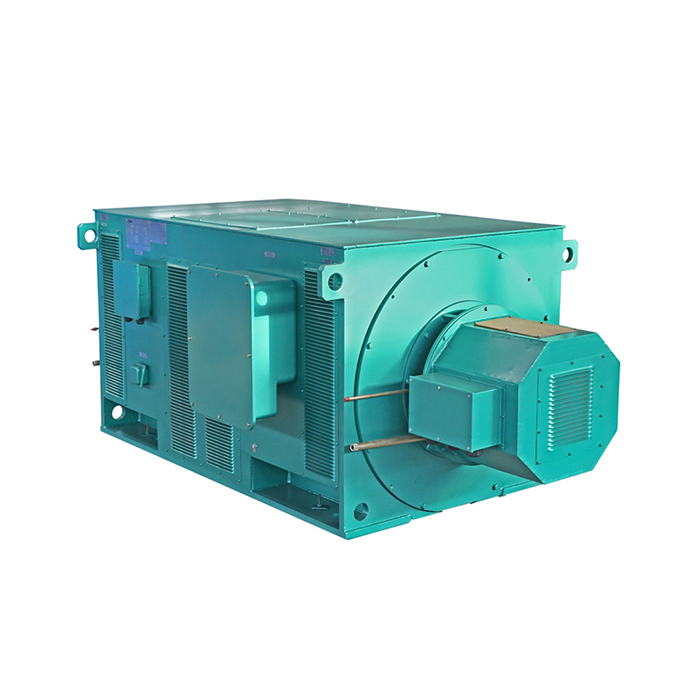
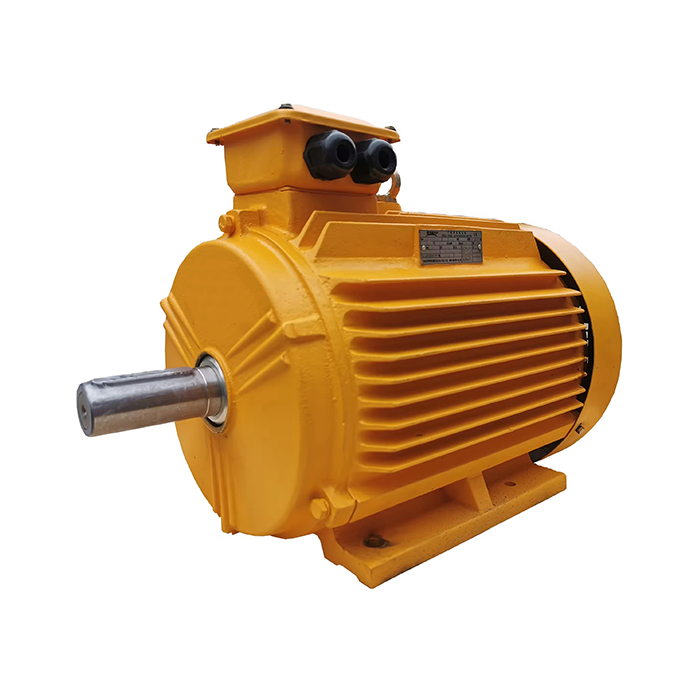
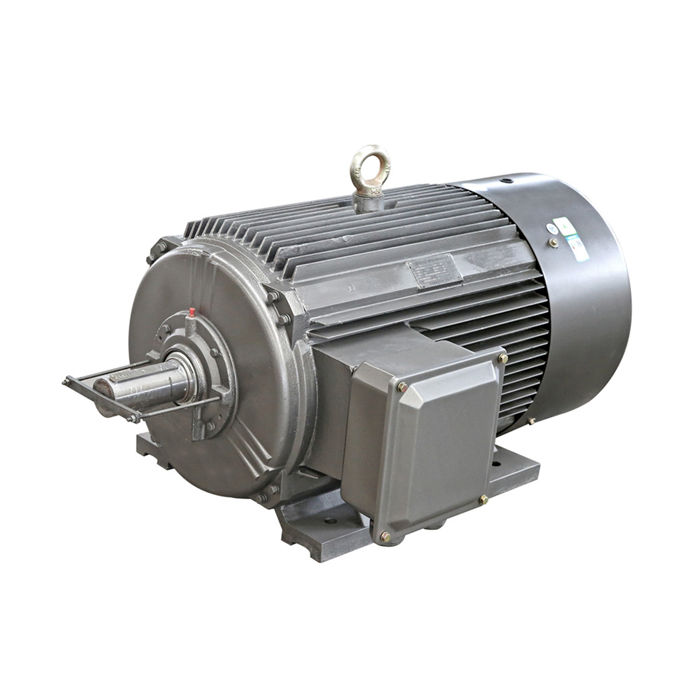
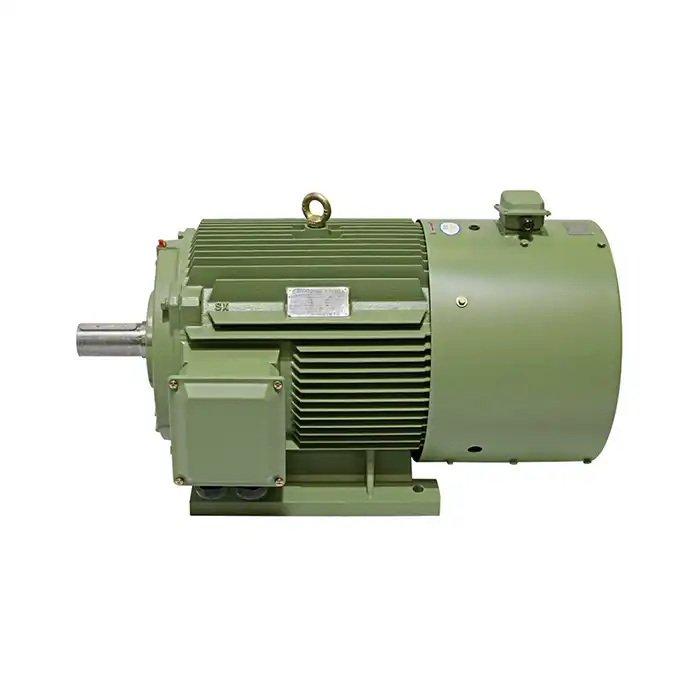
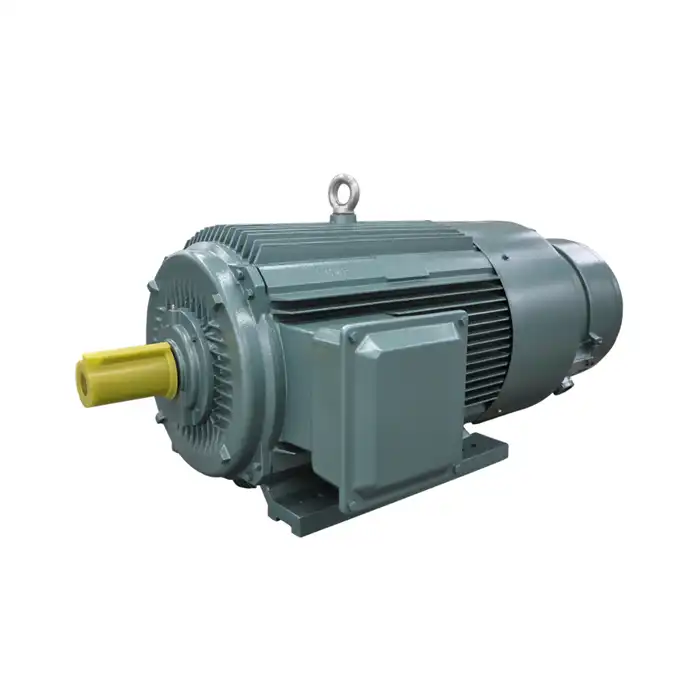
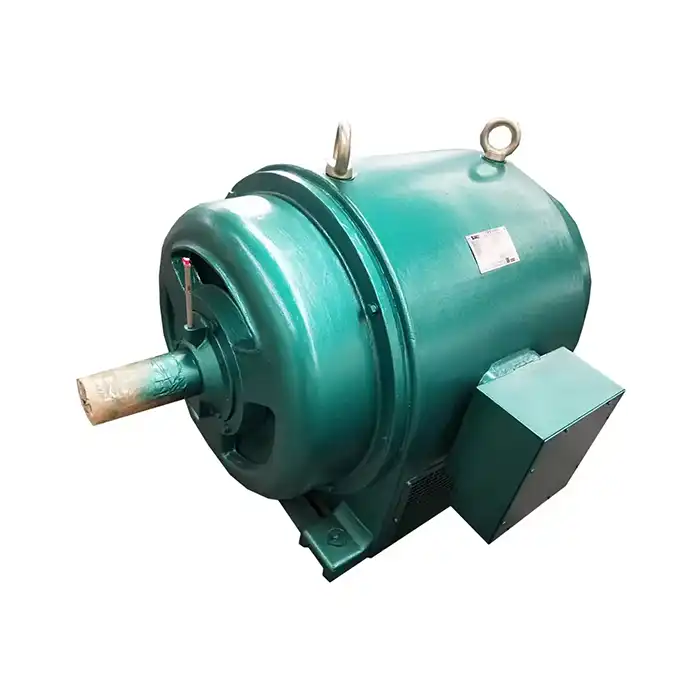
Safety can't be a consideration when working in places with a lot of flammable dust. The YFBX4 dust explosion-proof motor is a unique device designed to keep sparks from starting in dangerous areas where metal particles, grain dust, or medicinal powders could cause an explosion. Combining advanced temperature management with spark-prevention technology, these motors provide dependable performance across power ranges from 0.55 kW to 315 kW and meet strict explosion-proof standards such as Ex tD A21 and Ex tD A22 requirements.
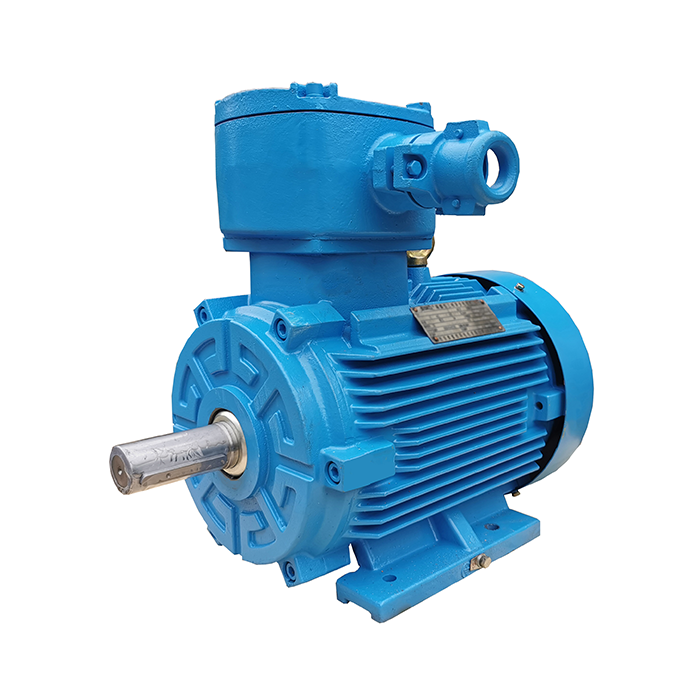
Series:YFBX4
Voltage range:380V,660V,415V,380/660V,660/1140V
Power range:0.55-315 kW
Application:medicine, textile, metallurgy, grain processing, feed processing, fertilizer, tobacco, papermaking, synthetic materials, building materials and other places where combustible dust exists.
Advantage: high efficiency, low noise, small vibration, excellent performance, safe and reliable use.
Others: SKF, NSK, FAG bearings can be replaced according to customer requirements.
Explosion-proof mark: Ex tD A21 IP65 T 130℃, Ex tD A22 IP65 T 130℃, Ex tD A22 IP55 T 130℃".
Understanding YFBX4 Dust Explosion-Proof Motors
Core Functionality and Design Principles
Standard industrial tools aren't enough to run motors in places with a lot of dust. This problem is solved by the YFBX4 dust explosion-proof motor, which is built in a special way that keeps internal fuel sources from coming into contact with dust that can catch fire. Unlike regular motors, these units are contained and have temperature-controlled surfaces that never go above 130°C. This is well below the ignition limits for most flammable dusts found in factories that make drugs, process grains, or make clothes.
The motor housing has precision-engineered sealing that meets IP55 and IP65 security grades. This keeps dust out and keeps the cooling system running efficiently. Whether you're running compressors in a feed mill or moving conveyors through a metal powder handling system, this two-layer safety keeps everything running smoothly. The idea behind the design is to keep possible dangers inside instead of just protecting against external factors. That's why these motors have explosion-proof certifications instead of just dust-resistance ratings.
Technical Specifications and Compliance Standards
When procurement teams know the technical parameters, they can match the motor's skills to the needs of the building. The YFBX4 series works with different voltages, including 380V, 660V, 415V, and dual-voltage choices like 380/660V and 660/1140V. This means that it can be easily integrated into a variety of electrical systems without the need for expensive changes. This voltage freedom comes in handy when standardising equipment across various plant locations or facilities in other countries.
Power ranges from 0.55 kW for small-scale tasks like moving things around to 315 kW for heavy-duty industrial tasks. With a power factor greater than 0.84, the motor meets the IE3 economy rating. This means that the equipment will cost less to run over its lifetime. Insulation class F (155°C) offers thermal margins that make parts last longer, lowering the regularity of upkeep in places where downtime costs a lot.
Ex tD A21 IP65 T 130℃ and Ex tD A22 IP65 T 130℃ certifications are important explosion-proof marks that show the item is suitable for Zone 21 and Zone 22 dangerous areas. These certificates aren't just pieces of paper; they're the results of strict tests that make sure the motor's surface temperatures, the integrity of the enclosure, and its working features meet the safety standards needed for environments with explosive dust. To make sure they are following the rules, facilities that deal with flammable materials in metalworking, tobacco processing, or the production of synthetic materials must check these exact licenses when they buy things.
Safety Mechanisms and Operational Advantages
To stop dust from starting fires, engineers have built in a number of safety features that work together at the same time. Based on practical needs, premium bearings from SKF, NSK, or FAG can be chosen, giving choices for longer service intervals or high temperature tolerance. The dynamically balanced rotor keeps vibrations to levels that keep parts from wearing out and lower noise levels. This is something that is often forgotten until the equipment is set up in a building that is already occupied.
Managing heat is one of the most important safety features in designing an explosion-proof motor. The YFBX4 cooling system keeps the right temperature inside without using outside air flow, which could damage the dust-tight seal. This closed-loop cooling method lets the system keep running in temperatures between -20°C and +40°C and at heights of up to 1,000 meters above sea level, which is most commercial installation situations.
These built-in safety features have real-world operating benefits that go beyond meeting legal requirements. Less shaking makes bearings last longer and keeps mounting systems' structures from wearing out. Surface temperatures that are controlled get rid of hot spots that make insulation break down faster. The combination means that the average time between failures is often longer than five years in setups that are well taken care of. This means that the total cost of ownership is much lower than with standard motors used in dangerous settings.
Comparing YFBX4 Motors with Other Explosion-Proof Solutions
Protection Methods and Performance Characteristics
When you know the differences between the different types of explosion-proof motors, you can see why the YFBX4 dust explosion-proof motor works so well in some situations and other methods work better in others. 'd'-protected flameproof motors keep fires inside the motor case, letting the sparks start inside but stopping the flame from spreading. The YFBX4's dust ignition-proof design (called "tD" security) stops ignition sources from ever appearing, which is a major difference in how safety is handled.
This difference is important to keep in mind when choosing tools for places where dust builds up all the time versus sometimes. Processing plants for grain, fertiliser, or building materials often make continuous dust clouds that need the full surface temperature control that YFBX4 motors offer. The tD safety method makes sure that the outside of the motor never gets hot enough to ignite dust layers, even when it's being used for a long time or temporarily overloading.
YFBX4 units are better for settings with particles than normal YB3 explosion-proof motors that are made for gaseous environments. Even though they say they are explosion-proof, gas-rated motors might not have the external temperature settings needed for dust dangers. This makes it hard to buy things because buyers think that any explosion-proof motor will do, which could lead to putting equipment that isn't right for the type of danger.
Application-Specific Recommendations
To choose the right explosion-proof technology, you have to make sure that the security methods fit the needs of the building. For pharmaceutical manufacturing, where flammable powders build up on equipment surfaces, YFBX4 motors with Ex tD A21 IP65 grades keep the surface temperature under control and keep dust out of Zone 21 areas where explosive dust clouds can happen during normal operations.
Textile factories that work with natural fibres face similar risks, but they usually work in Zone 22, which is a dangerous area where exploding atmospheres only form when conditions aren't right. Here, YFBX4 motors with a rating of Ex tD A22 IP55 provide the right level of protection with slightly less strict closing requirements that lower the cost of purchase without lowering safety standards. Understanding these subtle differences in classification helps buying teams avoid over-specifying equipment, which often leads to higher capital costs that aren't necessary.
Wood processing plants and places that work with metal powder are two examples of places where YFBX4 technology is essential. Because sawdust and metal powders are made up of small particles, they can both explode and cause machines to wear out quickly. The strong cast iron construction and special closing systems deal with both risks at the same time. This is why these motors are used so often in facilities that make furniture, work on spacecraft, and do additive manufacturing.
Procurement Guide for YFBX4 Dust Explosion-Proof Motors
Sourcing from Authorized Suppliers
When buying explosion-proof equipment, the stakes are higher than when buying regular industrial equipment because fake or poorly changed motors pose huge safety risks. Real YFBX4 dust explosion-proof motors come with full paperwork packages that include explosion-proof certifications, material test results, and information on how the motor was made, which fakes can't copy. When looking for YFBX4 dust explosion-proof motor providers, making sure they are authorised distributors through certification groups stops people from buying equipment that doesn't meet the standards.
When comparing suppliers, you should look at more than just prices. You should also look at how well they handle service after the sale. Repair on explosion-proof motors needs special skills that most repair companies might not have. Authorised providers have access to factory-trained techs who know the important tolerances and testing procedures needed to keep the motor's explosion-proof integrity over its entire working life.
Pay close attention to the documentation needs during the buying process. Instead of generic spec sheets, each motor should come with its own test record that shows the real surface temperature readings under rated load conditions. During building safety audits and insurance reviews, this information is very important because officials need proof that the installed equipment fits the classifications for hazardous areas. If a supplier can't provide full paperwork, you should be very worried about the authenticity of the goods right away.
Evaluating Total Cost of Ownership
The purchase price is only one part of the costs of an explosion-proof motor. YFBX4 units usually come with longer warranties than normal industrial motor warranties. This shows that the maker trusts the quality of the construction and knows that premature failures in dangerous areas have unfair effects. So that the guarantee covers more than just replacing motors, procurement teams should talk about terms that cover installation labour and production downtime, which are often costs that are higher than the value of the equipment.
Bearing design choices show how decisions about purchases affect the economy in the long run. Standard bearing setups may need to be serviced every 8,000 hours of use, but improved SKF or FAG bearings can make this last up to 15,000 hours or more. The extra cost of the bearings is paid for in two years by less upkeep work and no more production delays, but many buyers choose normal configurations without thinking about these tradeoffs.
In 2026, lead times for explosion-proof motors will continue to change because of changes in the global supply chain. Standard setups will usually be available within 4 to 6 weeks, but special voltage or mounting arrangements may take up to 12 weeks. When making purchases, these dates should be taken into account, especially when coordinating the building of a new facility or planned repair breaks, where the availability of motors becomes a key path item. Keeping in touch with sellers who keep regularly ordered configurations in stock gives you options in case something goes wrong.
Operating and Maintaining YFBX4 Dust Explosion-Proof Motors
Installation and Environmental Considerations
When something is installed correctly, it will work reliably for years to come. YFBX4 dust explosion-proof motors need fixing surfaces that keep vibrations to a minimum while still leaving enough room for the motor to expand when it gets hot. The motor frame should be put in a way that keeps dust from building up on flat surfaces, where insulation layers could form. Even explosion-proof motors can have thermal problems if dust builds up on the outside and stops heat-dissipation paths. This creates a failure mode that can be avoided by installing the motors in the right way.
Electrical connections need extra care because the integrity of the junction box directly impacts the validity of the explosion-proof certification. For cable glands to meet IP65 closing standards, they need to be the right size and be installed with the right amount of pressure. If you use the wrong type of cable joint or tighten conduit fittings too much, the covering can become weak, letting dust in that speeds up the breakdown of the insulation. These seemingly small installation details are very important in dangerous areas where failures can cause a chain reaction of safety events.
Facilities that use YFBX4 motors should make environmental tracking a regular practice. Using infrared thermography to check the surface temperature on a regular basis can find strange heating patterns before they get so bad that they break. Vibration analysis finds early signs of bearing degradation so that repairs can be made before the harm gets too bad. These practices for checking the state of motors make them last longer and provide proof of safety compliance that meets insurance and government standards.
Preventive Maintenance Protocols
Preventive maintenance for explosion-proof YFBX4 motors focuses on maintaining sealing integrity. Quarterly inspections should verify housing fasteners, cable glands, and external damage to preserve explosion-proof ratings. Bearing lubrication is critical, typically every 6,000–8,000 hours, as improper greasing increases temperature and accelerates failure. Repairs must be performed by certified centers to maintain explosion-proof certification and ensure compliance with safety standards and audit requirements.
Future Trends and Innovations in Explosion-Proof Motor Technology
Emerging Technologies and Smart Integration
The next generation of YFBX4 dust explosion-proof motors will have more and more condition tracking monitors built in during production instead of being added later. These built-in sensors keep an eye on the temperature, vibration patterns, and working factors of the motor all the time. They send information to central repair systems that find patterns of wear and tear before they happen. This prediction method changes maintenance from planned actions to actions based on conditions, which lowers costs and unplanned downtime.
New developments in materials science could lead to YFBX4 motors that are better at transferring heat, which would improve their cooling performance without affecting their ability to prevent explosions. New aluminium alloys and composite materials are being developed that can reduce weight by about 20% compared to cast iron building while still meeting the standards for mechanical strength. Lighter motors are easier to install and don't need as much structural support. This is especially helpful for retrofit uses where the weight of the current mounting systems is a problem.
Digital twin technology lets you virtually model how a motor works in a certain building, which lets procurement teams make sure they're making the right choices before buying the equipment. The companies that make these modelling tools can guess how well YFBX4 motors will work based on the specific types of dust, temperature ranges, and duty cycles used in each building. This feature cuts down on the trial-and-error method that was usually used to choose explosion-proof motors, making it easier to match equipment capabilities to application needs.
Regulatory Evolution and Compliance Planning
Regulatory harmonization of explosion-proof standards across ATEX, NEC, and IECEx simplifies global compliance for industrial equipment. Future YFBX4 motors are expected to carry multi-certifications, enabling universal deployment. Increasing alignment between safety and energy efficiency standards may require higher-efficiency designs and variable speed control integration. Environmental considerations, including recyclability and manufacturing impact, are becoming key procurement factors alongside sustainability transparency in supply chains.
Conclusion
To choose the right YFBX4 dust explosion-proof motors for dangerous dust settings, you need to know about the complex engineering behind YFBX4 technology and how it is different from other options. When you buy properly specified dust ignition-proof motors, you get long-term value in the form of higher safety, operating stability, and compliance with regulations that generic explosion-proof equipment can't match. To be successful, facilities need to work with experienced providers who can help with everything from specifications to maintenance. This is because regulations are getting more complicated and costs are going up.
FAQ
1.What approvals should I look for when I buy YFBX4 motors?
Real YFBX4 dust explosion-proof motors have Ex tD certifications, like Ex tD A21 IP65 T 130℃, that show they meet standards for not igniting dust. IECEx certification makes the product recognised around the world, while ATEX certification proves it is safe for use in European sites. Instead of just general documents, each motor should come with its own certification paperwork that can be tracked by its serial number. Check that the temperature classifications meet the combustible dust traits of your building. For example, materials with lower ignition temperatures need motors with lower surface temperature values.
2.How do I determine the correct motor size for my application?
When you size a motor, you have to make sure that the power output matches the mechanical load needs while taking duty cycle and environmental factors into mind. The YFBX4 series, which has outputs from 0.55 kW to 315 kW, is suitable for most commercial uses. However, when choosing one, it is important to think about the starting torque needs, the effect of altitude on cooling, and the high temperatures in the area. Motors that are too big lose money and energy, while motors that are too small fail early from heat stress. Consulting with applications experts who can study your specific load profiles avoids costly specification mistakes.
3.What repair times apply to dust explosion-proof motors?
Bearings need to be oiled about every 6,000 to 8,000 hours of use, but this depends on the type of bearing and how it is being used. Quarterly visual checks prove housing integrity and seal state. Every year, electrical tests make sure that the insulation resistance stays within acceptable limits. Explosion-proof units are different from regular motors in that they need to be fixed by specialised shops that can restore and confirm safety ratings after any internal work. Keeping thorough service records of all repair tasks is important for safety audits and insurance reviews because it shows what was done.
Partner with XCMOTOR for Your Explosion-Proof Motor Needs
XCMOTOR offers complete power equipment options that put safety and performance first in dangerous work settings. As a reliable YFBX4 dust explosion-proof motor manufacturer, we offer genuine, certified products backed by technical know-how and quick customer service. As part of our dedication, we offer fast delivery across the United States, original parts from well-known bearing names, and 30-day return policies that lower the risk of buying. Our team can help with both project building and ongoing maintenance, whether you're looking to build new facilities or improve the ones you already have. You can talk to us about how YFBX4 motors can make your dusty activities safer and more reliable by emailing xcmotors@163.com or visiting motorxc.com. Our focused support team is available seven days a week to make sure that your questions are answered quickly when production problems happen.
References
1. National Fire Protection Association. (2024). NFPA 499: Recommended Practice for the Classification of Combustible Dusts and of Hazardous (Classified) Locations for Electrical Installations in Chemical Process Areas. NFPA Publications, Quincy, Massachusetts.
2. International Electrotechnical Commission. (2023). IEC 60079-31: Explosive Atmospheres - Part 31: Equipment Dust Ignition Protection by Enclosure "t". IEC Standards Database, Geneva, Switzerland.
3. Occupational Safety and Health Administration. (2024). Hazardous Location Electrical Installations: Compliance Guide for General Industry. U.S. Department of Labor, Washington, D.C.
4. European Committee for Standardization. (2023). EN 60034-30-1: Rotating Electrical Machines - Part 30-1: Efficiency Classes of Line Operated AC Motors. CEN Publications, Brussels, Belgium.
5. American Petroleum Institute. (2025). API RP 505: Recommended Practice for Classification of Locations for Electrical Installations at Petroleum Facilities Classified as Class I, Zone 0, Zone 1, and Zone 2. API Standards Department, Washington, D.C.
6. Institute of Electrical and Electronics Engineers. (2024). IEEE Standard 1349: Guide for the Application of Electric Motors in Class I, Division 2 and Class I, Zone 2 Hazardous (Classified) Locations. IEEE Standards Association, Piscataway, New Jersey.