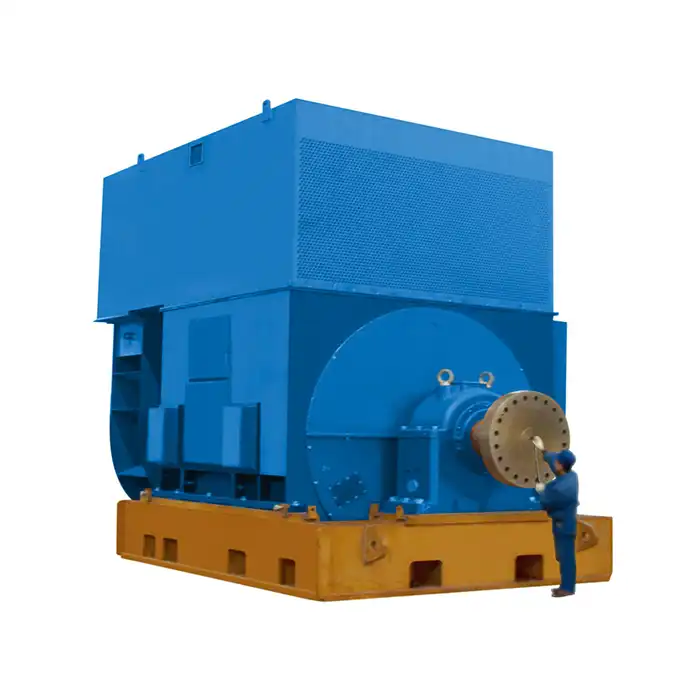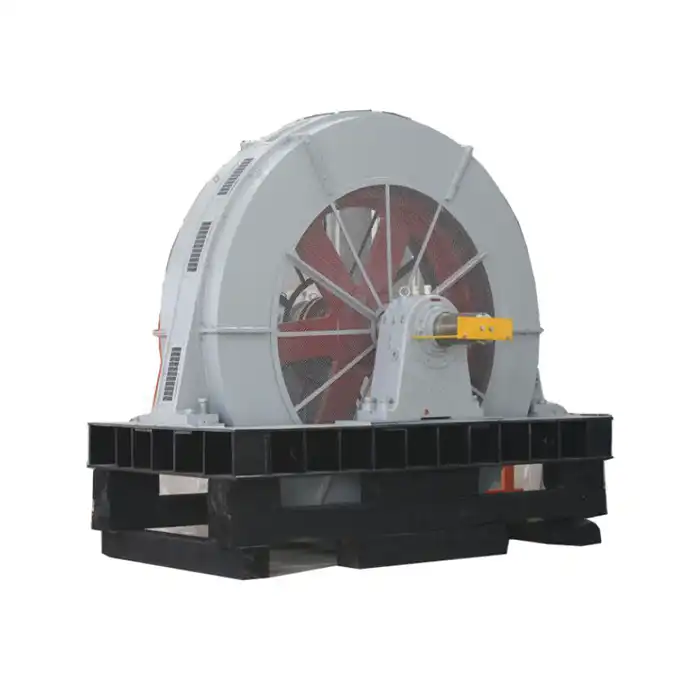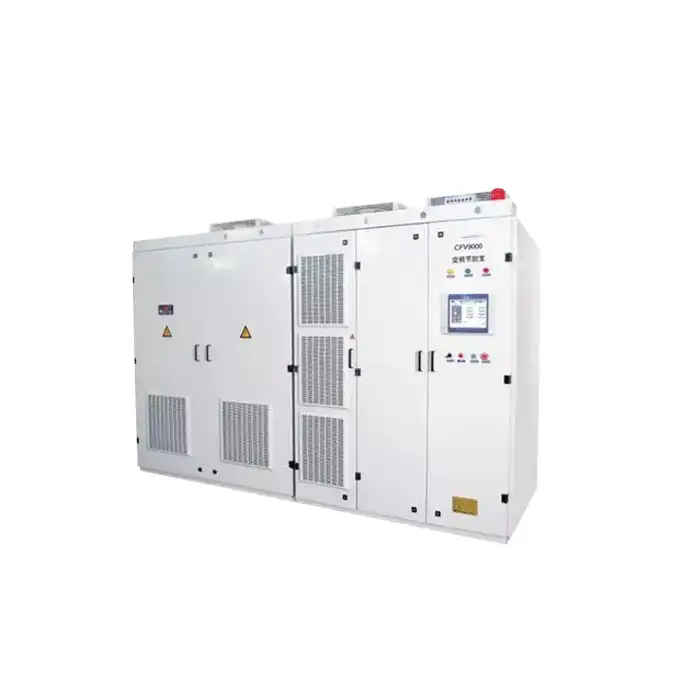




4160V Motor Applications in Water, Wastewater, and Industrial Processes
Choosing the right motor technology is very important when you are in charge of important assets like water treatment plants or big industrial operations. If you don't, your facility could have costly downtimes. 4160V motors are now standard equipment in city water systems and the process industries. They provide the power density and efficiency needed to power big pumps, compressors, and mixers. These motors can handle heavy loads while staying stable, which makes them especially useful in situations where reliability directly affects meeting deadlines and following rules.
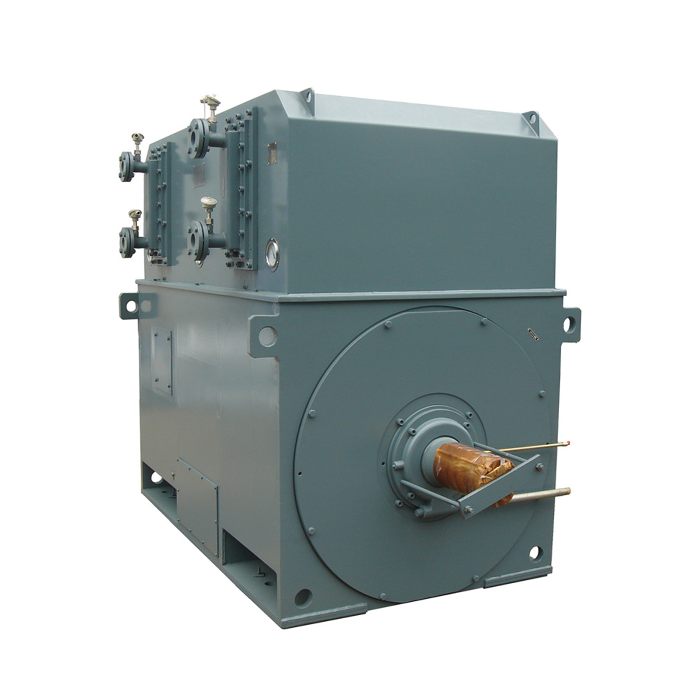
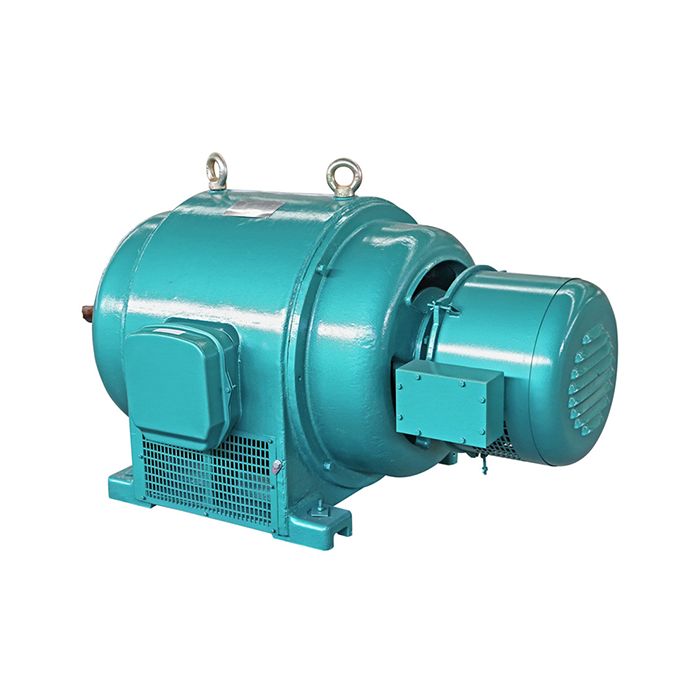
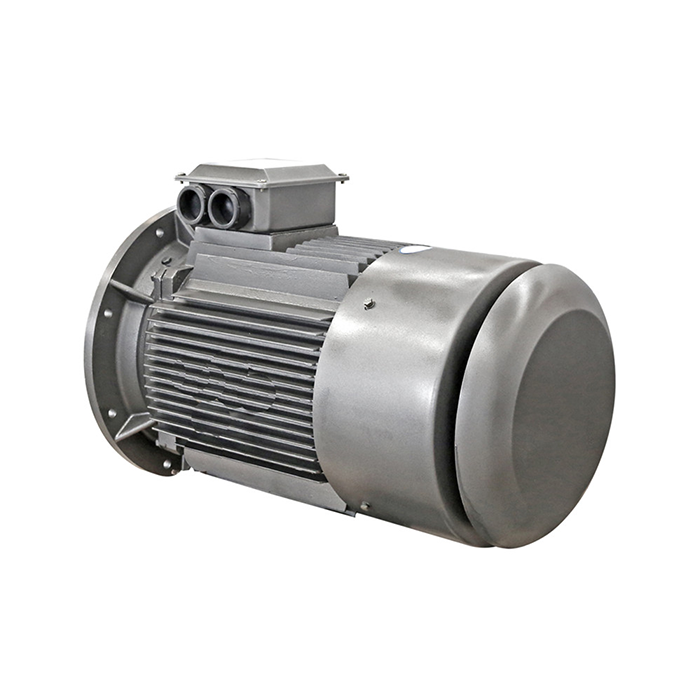
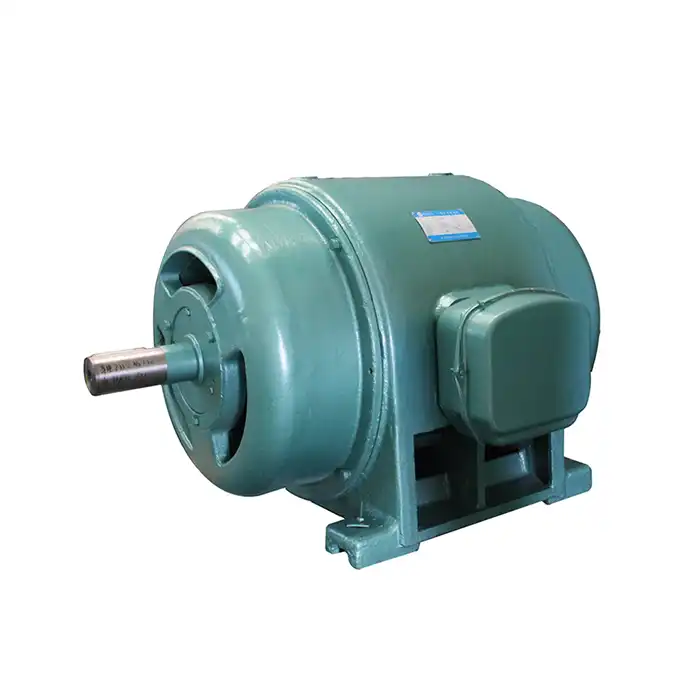
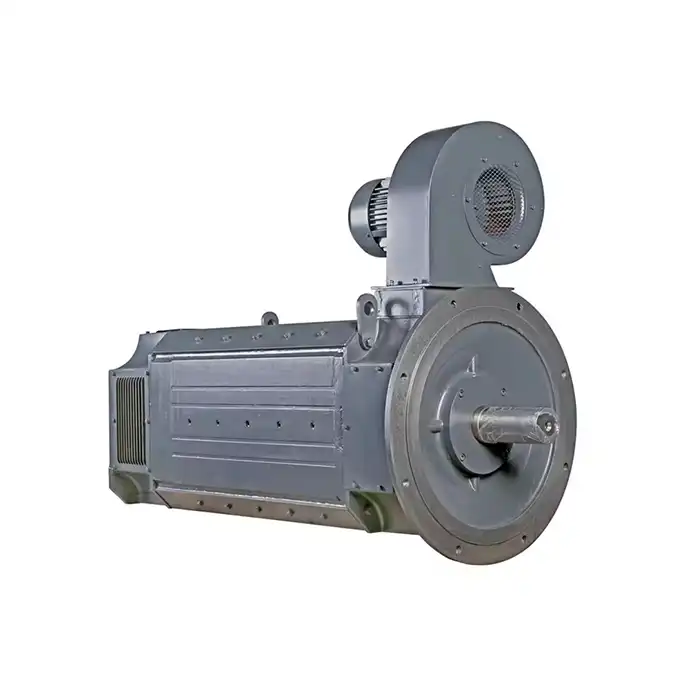
Series:YKS
Protection level:IP54
Voltage range:3000V±5%,3300V±5%,6000V±5%,6600V±5%,10000V±5%,11000V±5%
Power range:220-6300 kW
Application:fans, water pumps, compressors, crushers, cutting machine tools, transportation machinery, etc.
Advantage:low noise, low vibration, long service life, easy installation and maintenance.
Standard: This series of products complies withGB/T 1032 and GB/T 13957 standards.
Others: SKF, NSK, FAG bearings can be replaced according to customer requirements.
Understanding High-Voltage Motor Specifications and Operational Principles
Knowing the specs and workings of a high-voltage motor is important. Medium-voltage motors are being used more and more in factories because they can solve basic problems that lower-voltage tools can't do well. We've designed our high-voltage motor line to provide power outputs between 220 kW and 6300 kW, so it can work for both small businesses and big industrial buildings.
What Makes Medium-Voltage Motors Different
These motors have lower current flow than standard low-voltage options. They can work at voltages of 3000V, 3300V, 6000V, 6600V, 10000V, and 11000V. This trait has a number of useful effects, including fewer cables being needed, less energy being lost during transfer, and lower costs for building facilities for power distribution systems. The efficiency of the electricity directly turns into practical savings, which is especially important for places where equipment is always on. Our motors meet the requirements of GB/T 1032 and GB/T 13957, which means they can work with current commercial electrical systems in North America and other countries. The insulation class F design with B temperature rise gives parts a thermal cushion that makes them last longer, even when they're working in harsh conditions like those found in industrial settings.
Core Performance Characteristics
The motors we sell, including the 4160V motor, have IP54 ratings, which protect the internal parts from dust and splashes of water. These are important levels of protection for sites near processing equipment or outside. Engineers can match motors to different types of driven equipment, like a slow-turning mixer or a high-speed centrifugal pump, because the speed runs from 500 to 3000 rpm. The way they work is still very simple: three-phase AC power makes magnetic fields that rotate in the stator, which causes current to flow in the rotor and produces a force. How well this change works and how well the design handles heat loads are what make a motor good or bad. Our improved rotor design cuts down on losses, and our advanced winding methods lower resistance and raise power factor. Bearings are another important feature that is often forgotten when buying something. Standard motors come with good bearings, but facilities can ask for SKF, NSK, or FAG instead if repair teams have opinions based on what they already have or how well they've worked in the past. This freedom makes managing extra parts easier for businesses that have more than one location.
Core Applications in Water and Wastewater Treatment Facilities
The most difficult places for motor technology to work are in municipal and industrial water treatment plants. Continuous use, being exposed to wet and acidic environments, and the fact that water services are so important make it so that equipment failure has serious effects.
Driving Large-Capacity Pumps
Treatment plants often need motors that are between 500 kW and 2000 kW for water entry pumps, high-service pumps, and transfer pumps. A 4160V motor turning at 1800 rpm can power a centrifugal pump that moves millions of gallons of water every day. The voltage level allows for a direct link to the utility company without the need for extra equipment for voltage conversion in many cases. Medium-voltage technology is especially helpful at wastewater lift stations. For these pumps to work, they need motors with great starting power because they deal with fluids that have solids suspended in them, and only run sometimes when needed. Our motors have high starting power thanks to an optimized rotor slot design. This makes sure that pumps consistently beat static head pressure during each start cycle.
Aeration System Integration
Aeration fans add oxygen to wastewater, which is needed for biological treatment systems to work. Positive displacement or rotary fans need between 300 kW and 1500 kW of power all the time. Medium-voltage motors work well with these loads because they provide stable operation with little shaking, which has a big effect on the life of the fan's mechanical seal. Motors that are made correctly have low shaking because they are precisely balanced during production and have rigid frames. Too much shaking speeds up the wear on bearings and can break couplings, which can cause unexpected shutdowns. Treatment plants can't have problems with their ventilation systems because biological processes break down quickly without air.
Industrial Process Integration Across Manufacturing Sectors
In addition to treating water, medium-voltage motors like the 4160V motor are very important in mining, chemical processes, power plants, and general industry. These uses take advantage of the higher voltages' benefits in efficiency and power density.
Chemical and Petrochemical Applications
In chemical plants, tools like process pumps, compressors, and mixers work all the time, and they often do their jobs in classified areas that are dangerous. The motors that power these things must keep working the same way even when the process conditions change. Multiple smaller motors set up in parallel are less efficient than a single 4160V motor rated at 800 kW when it comes to cooling, gas compression, or air recovery. It gives you more working options because it works with changing frequency drives. Modern VFD technology with medium voltage lets you precisely control the speed of a motor, which optimizes the process and lowers energy use when only a portion of the load is being used. This feature is especially helpful for chemical batch processes because it lets them change the speed of the stirrer or the flow of the pump to meet the needs of the recipe.
Mining and Material Processing
In my activities, motors for crushers, grinding mills, and conveyor systems need to be able to handle shock loads and dirty conditions. Our IP54 protection class keeps the fine particles that are common in these places from getting to the internal parts. The largest grinding mills and SAG mills used in rock processing can work with power levels of up to 6300 kW. Another important use is for ventilation fans in deep mines. These fans move huge amounts of air through mine workings, so they need motors that can run nonstop and reliably. Our motor design has a long service life and is easy to maintain, which lowers the total cost of ownership. This is an important factor to think about because it can be hard to get to rural mining sites to service equipment.
Maintenance Best Practices and Troubleshooting Strategies
Structured repair programs that are tailored to working conditions are needed to make motors last as long as possible and cut down on unnecessary downtime. After decades of working in the field, we've found the best ways to do repairs that give you the most for your money.
Routine Inspection Protocols
Vibration analysis, thermal imaging, and an eye check of connections and wire terminations should all be part of every three-month review. Through vibration trends, problems with bearings can be found before they become too big to fix. Thermal imaging shows hot spots that mean connections are loose, insulation is breaking down, or the motor is being loaded unevenly. All of these things make the motor age faster. Bearings are oiled according to the manufacturer's instructions, and the amount of time between grease changes depends on the speed of operation and the temperature outside. Too much or too little grease can damage things just as much, so it's important to keep an eye on the amount. Because of the chance of moisture contamination, motors that work in wastewater settings may need to be oiled more often.
Common Troubleshooting Issues
Insulation resistance testing finds problems before they get so bad that the motor stops working. By tracking changes in insulation resistance over time, you can see trends of wear and tear that let you schedule downtime for rewinding or replacement instead of having to make fixes right away. Motor voltage ratings must match test voltages. For example, to test a 6600V motor, you need the right high-voltage test tools and trained people. Problems with overheating are often caused by not enough air flow, clogged cooling air tubes, or using the product beyond its stated limits. Putting temperature monitors in the housings of the bearings and the windings of the stator lets you know right away if there are heat problems. Our motors use the ICW37 cooling method, which combines internal circulation with air cooling from the outside through wall-mounted heat exchangers. This method works very well for controlling temperature as long as the heat exchangers are kept clean.
Procurement Guide for Industrial Motor Selection
It's important to balance technical needs with business concerns when choosing motors for important uses. Both parts are important for procurement managers to understand as they go through this process.
Technical Specification Matching
Start by analyzing the load: figure out the necessary speed, power, duty cycle, and the conditions of the surroundings. Most pumps and fans let you choose a motor with a service factor of around 1.15, which gives you room for process changes. Due to shock loads, crushers and rotary compressors may need service factors of 1.25 or more. The choice of voltage relies on how the power is distributed in the building, such as selecting a 4160V motor. Motors that work with 4160V are usually preferred by plants that already have 4160V delivery equipment. When the power level goes up, facilities with 6600V devices become more efficient. Our product line works with power ranges that are off by ±5%, so it can be used with a wide range of grid conditions.
Evaluating Supplier Capabilities
In addition to product requirements, supplier skills are also very important. The quality of the manufacturing process affects how long motors last. For motor housings, we use precision die-casting, which makes sure that the dimensions are correct and the structure is strong. Advanced wrapping technology makes the best use of copper and improves heat performance. During production, quality control finds problems with the motors before they are shipped. As part of our thorough testing methods, we do no-load tests, locked-rotor tests, temperature rise proof, and vibration analysis. Each motor gets test results that are written down and can be linked to specific output runs. Certification to foreign standards is an objective way to check the quality of a product. Our ISO 9001:2015 certification shows that our management systems are consistent, and our IEC 60034 compliance shows that our electrical and mechanical performance meets standards that are known around the world.
Commercial Considerations
Medium-voltage motor lead times are usually between 12 and 20 weeks, but can be longer or shorter based on the complexity of the specifications and the production plan. Custom changes, like choosing a different bearing, a different mounting setup, or a different shaft design, may make shipping times longer. When buying teams, plan ahead; they can avoid having to pay high fees for speeding tasks. Different warranties cover different things, but they should cover parts and work for at least 18 months after the product is put to use or 24 months after it was shipped. For an extra fee, you may be able to get longer guarantees. Knowing what the guarantee covers and what actions don't make it valid helps avoid arguments if problems arise. Support after the sale is probably the most important non-technical factor in choosing a product. Even the best motors need to be serviced every so often. There is a lot of value in suppliers who offer quick expert help, easy access to spare parts, and field service. This value goes far beyond the initial purchase price.
Conclusion
Medium-voltage motors made for industrial use give water treatment plants and process businesses the performance and dependability they need. Operations are set up for success by choosing tools with the right specs, knowing what it needs to be maintained, and working with reliable providers. The technology keeps getting better with higher efficiency scores and smart tracking built in, but the basic needs stay the same: strong construction, reliable operation, and a long service life. Facilities that make smart purchasing decisions based on the total cost of ownership instead of just the starting price always end up with better results.
FAQ
1. How does a 4160V motor differ from standard 480V models?
The main difference is the amount of current for the same amount of power supply. At full load, a 480V motor with 500 kW of power uses about 600 amps, while a 4160V motor with the same amount of power uses about 70 amps. This much smaller current means that cables don't have to be as big, and the cost of delivery equipment goes down. Medium-voltage motors also tend to have stronger insulation systems and a design that makes them ideal for harsh industrial settings. Medium voltage is usually better for uses that need more than 500 kW of power, both for technical and financial reasons.
2. What inspection intervals suit wastewater treatment applications?
The least amount of time that motors in sewer service should be inspected is every three months. As part of these checks, vibration analysis, thermal scans, and reviews of wire terminations should be done. Visual checks done once a month catch clear problems like strange noises, too much heat, or water getting in. For yearly thorough checks, the plant has to be shut down so that insulation resistance tests and bearing lubrication can be done. Facilities with extra equipment can do inspections during planned equipment movement, which has less of an effect on operations.
3. Can we retrofit existing motors with variable frequency drives?
Yes, most medium-voltage motors can work with a VFD, but there are a few things that need to be looked at first. Voltage stress from VFD output patterns needs to be handled by motor insulation systems. Motors with inverter-duty insulation are better at this. Current damage to bearings can be avoided by using shielded bearings or shaft grounding brushes to protect them. When choosing the right size VFD, you need to think about how to start the motor and how much power it can handle. For effective operation, make sure the wires are properly installed and that you pay attention to how you ground them. In variable-torque uses like pumps and fans, adding VFDs to old systems can save between 20% and 40% of the energy used.
Partner with XCMOTOR for Your Medium-Voltage Motor Requirements
XCMOTOR, which is short for Shaanxi Qihe Xicheng Electromechanical Equipment Co., Ltd., has a lot of experience making power equipment options that meet the needs of industries. Our wide range of products, from 220 kW to 6300 kW, includes 4160V motor setups that are perfect for heavy manufacturing, water treatment, and process industries. We help people in charge of buying things all the way through the decision process by giving them expert advice that matches motor specs to application needs. Working with a dependable 4160V motor provider like XCMOTOR has benefits that go beyond low prices. As part of our promise, we will answer technical questions quickly, write down product specs, and provide help from the initial specification stage through commissioning. Dedicated customer service is available seven days a week, even on weekends, so your questions will always be answered quickly, no matter how long the job takes. Our team can help facilities that need reliable motor options that are backed by strict quality control and foreign certifications. You can email our technical sales specialists at xcmotors@163.com to talk about your unique needs, get full specifications, or get quotes on projects. We offer solutions that lower operating risks, use less energy, and make equipment last longer, all of which have a direct effect on the performance and profitability of your building.
References
1. Bonnett, Austin H. "Root Cause AC Motor Failure Analysis with a Focus on Shaft Failures." IEEE Transactions on Industry Applications, vol. 36, no. 5, 2000, pp. 1435-1448.
2. Finley, William R., and Mark M. Hodowanec. "Selection of Copper Versus Aluminum Rotors for Induction Motors." IEEE Transactions on Industry Applications, vol. 37, no. 6, 2001, pp. 1563-1573.
3. National Electrical Manufacturers Association. "NEMA Standards Publication MG 1-2016: Motors and Generators." National Electrical Manufacturers Association, 2016.
4. Water Environment Federation. "Energy Conservation in Water and Wastewater Facilities: Manual of Practice No. 32." Water Environment Federation, 2009.
5. Toliyat, Hamid A., and Gerald B. Kliman. "Handbook of Electric Motors." CRC Press, 2nd edition, 2004.
6. Institute of Electrical and Electronics Engineers. "IEEE Standard 841-2009: IEEE Standard for Petroleum and Chemical Industry - Premium-Efficiency Severe-Duty Totally Enclosed Fan-Cooled (TEFC) Squirrel-Cage Induction Motors." IEEE Standards Association, 2009.