



4160V Motor vs 3300V Motor: Which High-Voltage Motor Suits Your Plant?
The power in your building, the load needs, and the operating goals will help you decide between a 4160V motor and a 3300V motor. When making a lot of things, the 4160V motor generally works better with North American power standards and is more compatible with them. The 3300V motors, on the other hand, work with most international systems and are a cheap choice for low-power jobs. If you know how your plant's energy is set up and what it needs to make things, you can make the safest and most cost-effective choice.
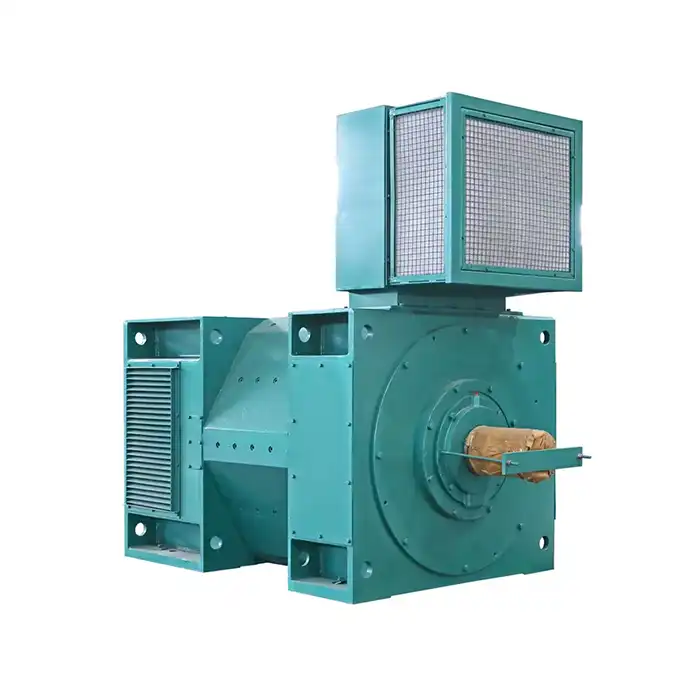
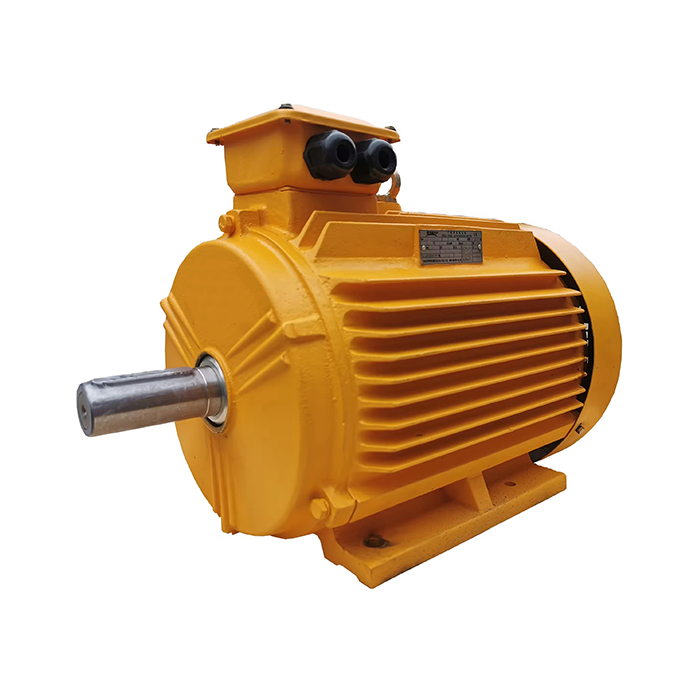
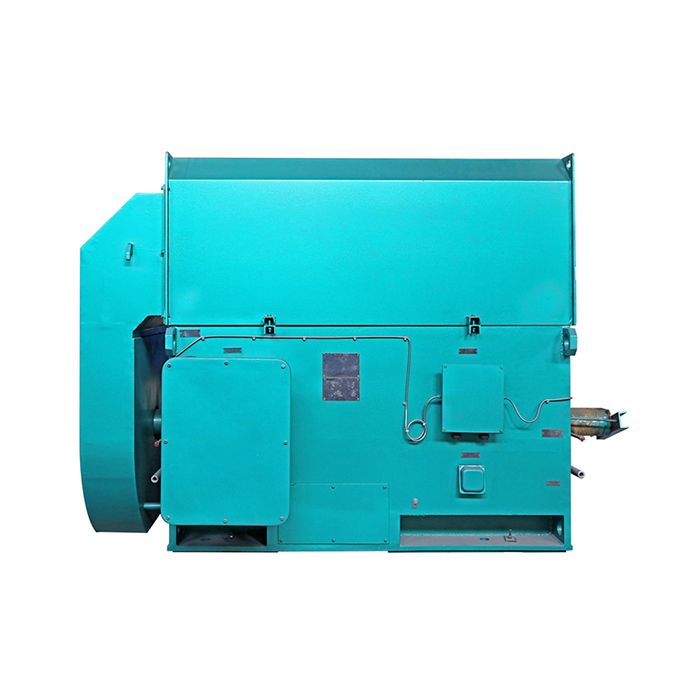
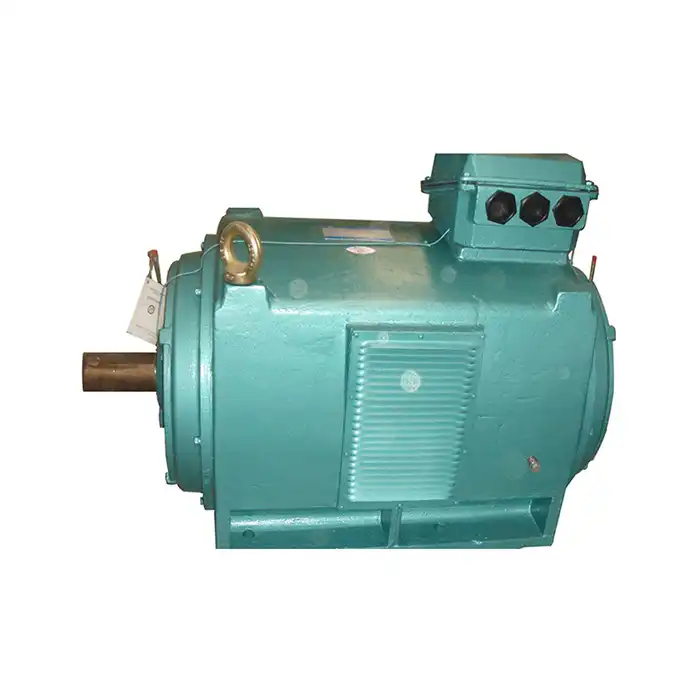
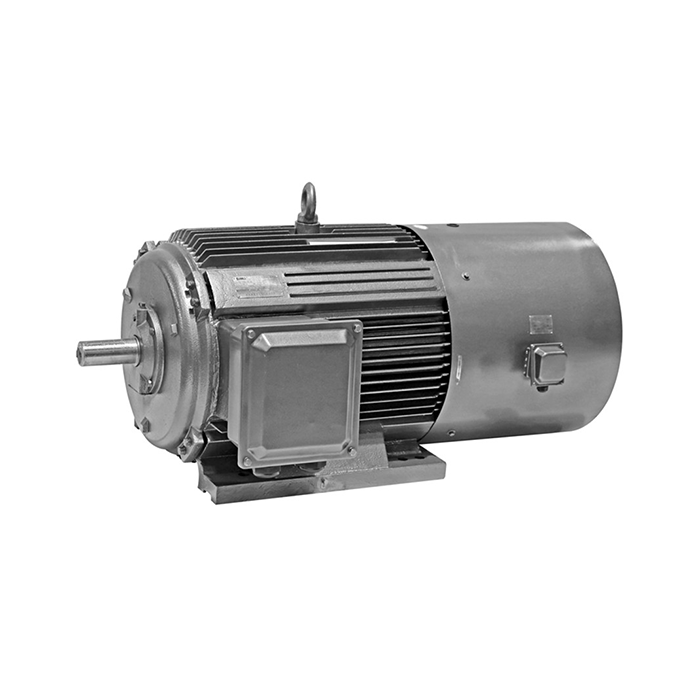
Series:YKS
Protection level:IP54
Voltage range:3000V±5%,3300V±5%,6000V±5%,6600V±5%,10000V±5%,11000V±5%
Power range:220-6300 kW
Application:fans, water pumps, compressors, crushers, cutting machine tools, transportation machinery, etc.
Advantage:low noise, low vibration, long service life, easy installation and maintenance.
Standard: This series of products complies withGB/T 1032 and GB/T 13957 standards.
Others: SKF, NSK, FAG bearings can be replaced according to customer requirements.
Understanding 4160V and 3300V Motors: Specifications & Working Principles
Electric motors that use high voltages to move large pieces of industrial equipment quickly and efficiently while using as little electricity as possible. The connections don't have to be as long, and less data is lost when they're sent over long distances. The voltage level you choose will directly impact how much power your plant needs, how well it works with other systems, and how long it lasts.
Core Technical Specifications
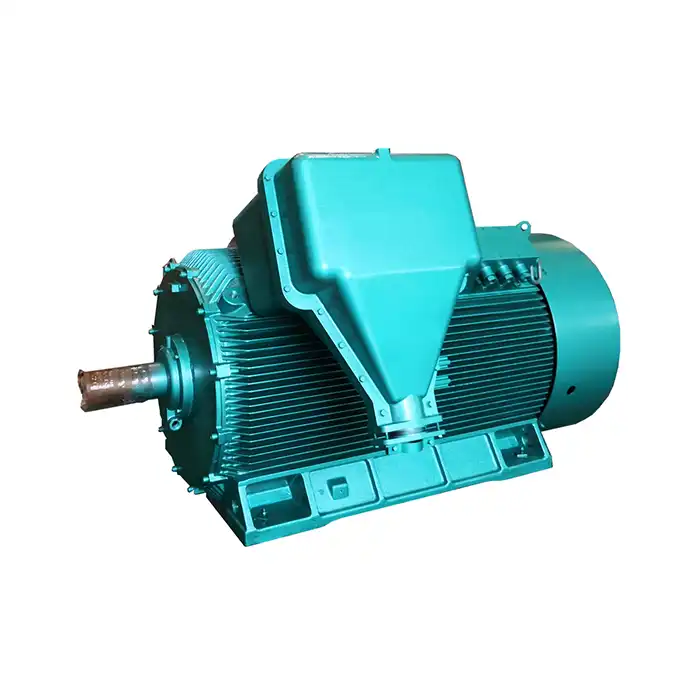
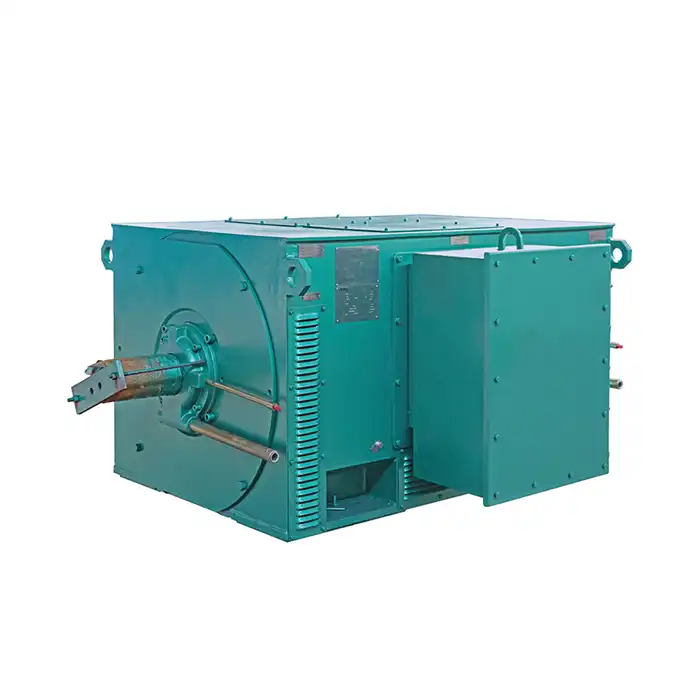
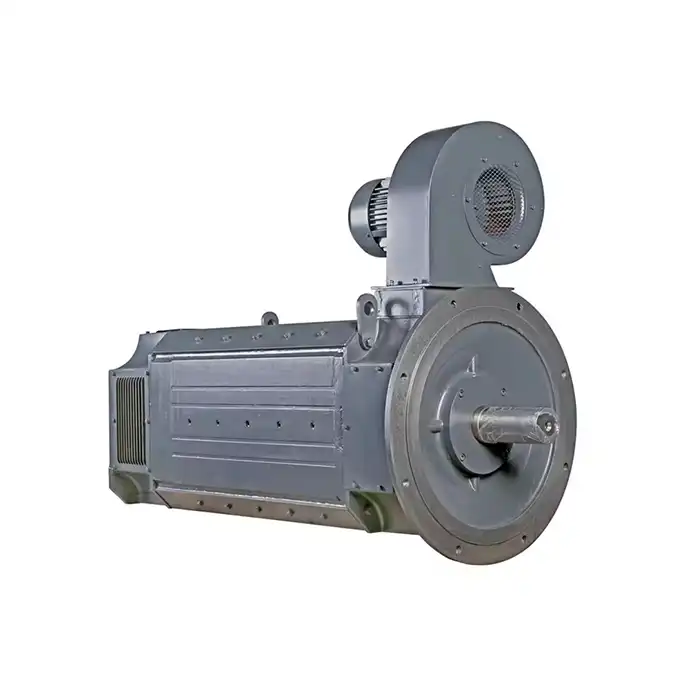
In tough industrial settings, both 4160V and 3300V motors are used, but they handle power differently, are used in different places, and don't work well with other systems. Most of the time, a 4160V motor can work with values between 3000V±5% and 11000V±5%. It can also work with values between 6000V and 6600V, giving or taking 5%. It can be used with a lot of different power setups because of this. These motors can be used in big compressors, water pumps, crushers, and cutting tools in oil and gas, mining, power generation, and water treatment, among other fields. They have power levels between 220 kW and 6300 kW.
Dust and water can't get in because of the protection class IP54. This makes the service life longer in harsh environments. The insulation class F and temperature rise of B protect the windings from heat damage, and the ICW37 cooling method keeps the temperatures at the best level for operation. You can change the high-quality SKF, NSK, or FAG bearings that come with motors if you need to. This keeps the spinning smooth and lowers the number of times it needs to be serviced. The 4160V motor also meets the standards set by GB/T 1032 and GB/T 13957. This makes quality control and following the rules easier.
However, 3300V motors usually work with power lines from outside of North America. This is especially true in Asia, Europe, and some parts of the Middle East. The build quality and power ranges of these motors are about the same, but they only work with a smaller voltage range most of the time. Before experts pick either type of motor, they need to make sure it works with the power grid. These changes will help them stay away from pricey repairs or generator installations.
Working Principles and Voltage Impact
High-voltage motors like the 4160V motor use electromagnetic induction to turn electricity into mechanical force. There is a magnetic field that spins the rotor and makes current flow through it when alternating current flows through the stator windings. This touch creates torque, which moves machines like fans, compressors, and moving tools that are connected to it. It takes less current to make the same amount of power when the voltage is higher. This lowers the amount of resistance lost in lines and switches.
Different from lower-voltage choices, a 4160V motor can better control the power and has smaller wire cross-sections. This means that the system will work better and cost less to build, especially in large buildings with wire runs that are longer than a few hundred meters. And the starting power is strong at all voltage levels. This means that engines can start up quickly and efficiently even when they are very heavy. These motors' rotor designs have been improved to make them more powerful while also making them quieter and less likely to shake. This makes the motors run more easily and keeps them working longer.
If purchase managers and plant engineers understand how these things work, they can choose whether the current electrical system can handle a 4160V motor or whether a 3300V motor would be better. The size of the transformer, the settings for the safety switches, and the security of the whole system are all affected by how well they work with the voltage.
Performance Comparison: Efficiency, Energy Consumption & Reliability
Cost-effectiveness and environmental impact over the long term depend on how well operations are run. You can tell the difference between 4160V and 3300V motors by seeing how they handle normal loads in the business world. This will help you decide which one to buy.
Efficiency and Energy Consumption
These days, high-voltage motors are very efficient, which means they use less power and leave behind less pollution. Usually, a 4160V motor works very well. This is because better winding technology and exact die-casting ways lower core losses and improve the spread of magnetic flux. I²R losses in the lines, switches, and motor windings go down when the voltage is high and the current is low. Over the life of the motor, this saves power.
How much energy is used is based on the load curve, the duty cycle, and the size of the motor. When the 4160V motor is used all the time, like in water treatment pumps and HVAC fans, it always uses less energy per unit of mechanical output. This is a clear benefit in places that use a lot of cars at once, as the total savings can have a big effect on the budget for running the place every year. With that said, 3300V motors are still very efficient within their own range, especially when they are matched to the load and voltage correctly.
People in charge of plants should do lifecycle energy studies to find out how much money they can save. Things like power factor tuning, harmonic distortion, and varying speed drives can all change how much energy is used overall. Along with motor power rates, these should be looked at.
Reliability and Maintenance Demands
Reliability includes things like being mechanically sound, being stable at high temperatures, and being strong electrically. Both types of motors are quiet and don't shake around a lot, which is good for bearings, connections, and the things they power. High-quality construction with long-lasting materials ensures stable performance even in tough working conditions like dust, mechanical shock, and temperatures that are too high or too low.
Motors don't need much upkeep if they are put in the right place and are the right size. The 4160V motor has a lot of starting power, which lets it start up smoothly. This lows mechanical stress and makes parts last longer. When the machine is used for long periods of time, it doesn't get too hot because it works well at high temperatures. Also, the better design of the rotor balances rotational forces and lowers the risk of rotor bar breaking. When you have insulation class F and a temperature rise of B, you have a safety cushion against thermal degradation. This keeps the insulation from breaking down when you least expect it to.
In real life, a 4160V motor that is properly chosen can run continuously for decades with little upkeep. Examples come from petroleum plants and mines. This is proof of how important it is to pick the right motor for the job and take the environment into account when doing so.
Cost and Value Analysis: Initial Investment vs Long-Term Benefits
When buying a car, there's more to think about than just the price. A full cost-benefit analysis looks at how much it costs to buy, how hard it is to set up, how much energy it uses, and how often it needs to be fixed over its lifetime.
Initial Investment and Installation
How much high-voltage motors cost up front depends on how powerful they are, how they are designed, and who gives them. It costs a little more than a lower-voltage motor because the 4160V motor has better safety and better parts. But the money saved on installation can make up for it. When you need less power, you can use smaller wires, conduits, and switches, which brings down the overall cost of the job.
How hard an application is will depend on what is already there. These motors can be easily added to buildings with 4160V distribution systems without having to make many changes. To work with different voltages, plants may need step-up or step-down transformers, which cost more and take up more room. To avoid extra costs, engineers should make sure that the voltages will work together as soon as they start planning.
Buying in bulk is a great way to save money on projects that need more than one motor. If you buy in bulk, suppliers will often give you discounts, longer guarantee periods, and priority shipping plans. All of these things help projects stay on budget and on time. As to how customized you want it to be and how much room the factory has, wait times range from a few weeks to a few months. For on-time delivery and quick help during the buying process, building relationships with reliable providers is key.
Long-Term Operational Expenses
Long-term running costs are mostly affected by how much energy is used. The cost of power can be ten times the cost of the motor over its average 20-year life. A 4160V motor with high efficiency rates cuts annual energy costs by several percentage points compared to standard-efficiency models. This saves a lot of money over time.
Motors don't need much maintenance if they are built and placed correctly. Bearings, grease, and other parts that wear out over time need to be checked often, but they only make up a small part of the total cost of ownership. Unexpected slowdown because of a broken motor has a bigger impact on the economy because of missed output, higher repair costs, and faster shipping costs for new parts. You can lower these risks by getting better motors that are well-built and come with full security. This also makes operations more stable.
It's important to think about the warranty options and the help you can get after the sale. Reliable sellers give promises that cover flaws in the way the product was made, problems with the way it was put together, and parts that break too soon. Full after-sales service includes advice on how to put the motor together, help with setting it up, and ongoing expert support to make sure it works well and is reliable from the start.
When you look at the full cost of ownership instead of just the price, you can make smarter decisions and get the most out of your money.
Choosing the Right Motor for Your Plant: Application & Load Matching
It is important to match motor specs to the needs of each business for optimal operating efficiency and dependability. When motors aren't matched up right, they can waste a lot of power, break down early, and need costly fixes.
Assessing Voltage Infrastructure and Load Characteristics
First, take a look at how the power is sent around your building. Check the voltage levels, the size of the transformer, and the safety switch choices that are available. As long as the power is standard in North American factories, a 4160V motor will work fine. 3300V motors, on the other hand, work well in companies that follow foreign norms. Because of the difference in voltage, more transformers are needed, which raises the cost of capital and makes the system less useful.
Load factors include the spread of torque, the job cycle, and the speed needs. For continuous-duty tasks like fans and water pumps, motors that are designed to run at full speed all the time work best. Powerful motors that can handle processes that run on and off or in cycles may be able to do so. Compressors and breakers are big loads with a lot of inertia. Starting power is very important for these loads. These loads don't speed up too fast or draw too much current because they have good starting performance.
Engineers should do in-depth load studies to figure out what models for speed, torque, and power output are needed. Too big of a motor wastes money and energy, and too small of a motor burns, doesn't work as well, and doesn't last as long. When motors are the right size, they work at their best, which means you get the most power for your money.
Industry-Specific Applications and Advantages
Different companies value different parts of a motor in different ways. Dependability and heat effectiveness are the most important things when making energy. Motors have to work hard all the time and don't get much time off. When these things happen, the 4160V motor works great because it can handle high temperatures and is made to last in tough chemical environments.
The places that treat water and wastewater try to use less energy and keep themselves in good shape. As a big cost driver, energy use is what keeps pumps and fans running all the time. High marks for economy and well-designed rotors make them cheaper to run and better for the environment. The IP54 rating keeps dust and water out, so parts last longer when they are used in wet conditions.
Companies that work with oil and gas and petrochemicals need motors that can handle being around harsh chemicals, changing temperatures, and powerful atmospheres. It's important to note that these motors are approved to meet high safety and efficiency standards because they follow GB/T 1032 and GB/T 13957.
For important jobs, high-voltage motors are also used in transportation tools, farm tools, and hospitals. Because you know what each app needs, you can pick the right power and run your business as smoothly as possible.
Reliable Suppliers and Support for 4160V and 3300V Motors
You should only work with service providers you can trust to make sure the job goes smoothly and to a high standard. The supplier's name, service quality, and help after the sale have a direct effect on the performance of the motor and the safety of the investment.
Evaluating Supplier Reputation and Service Quality
Suppliers with a good name for a 4160V motor provide steady goods, easy contact, and quick customer service. If a company has ISO 9001:2015 approval, it means they have strict quality control methods in place. After following IEC 60034 and national standards like GB/T 1032 and GB/T 13957, the product is even more proof that it works well and follows the law.
Reading what other customers have to say about a service is a great way to see how well it works. When people say nice things about on-time delivery, exact specs, and quick problem resolution, it means the partner is trusted. Reports of poor quality, late packages, or help that doesn't show up, on the other hand, point to possible risks.
It is known that the Shaanxi Qihe Xicheng Electromechanical Equipment Co., Ltd. (XCMOTOR) company sells power equipment that is very energy efficient, doesn't use much energy, and gives stable power. We promise that any problems that come up before, during, or after the sale will be fixed quickly so that motors can be easily put in your building.
Customization, Warranty, and After-Sales Service
By giving customers choices for customization, suppliers can make motors fit specific needs. You can pick from voltage levels that aren't normal, different ways to mount them, special bearings, and better safety classes. If the customer wants, a 4160V motor can be set up with SKF, NSK, or FAG bearings. In this way, the motor can work best in its own setting.
If something goes wrong with the way the product was made or if parts break too soon, the full warranty will cover it. Longer warranties let you know that the seller believes in the product's quality and keep you from having to pay high repair costs out of the blue. Make sure the promise terms are clear before you buy. These should say how to make a claim, how long the coverage lasts, and if there are any limits.
We send fast and for free, let you return items within 30 days, and have customer service open on Saturday and Sunday. We only sell original items from well-known brands. It's clear from these promises that we value our customers and want to keep in touch with them over time.
Conclusion
A 4160V motor or a 3300V motor? It depends on your plant's voltage setup, the amount it needs to carry, and your practical needs. There are several good things about the 4160V motor. It works better with North American electrical systems, saves energy, and lowers building costs because it needs less power. On the other hand, 3300V motors are a cheap choice for buildings that need to follow voltage standards from other countries. If you use them the right way, both types of motors will work well, make little noise, last a long time, and be easy to keep up. To choose the best motor and get the most out of your investment, you should carefully weigh the costs and benefits, look at the load's features, and work with reliable suppliers.
FAQ
1. What are the main operational differences between 4160V and 3300V motors?
The biggest difference is how well the energy works with the power sources in the area. A 4160V motor works with systems in North America, while a 3300V motor works with systems in other countries. With the right equipment, both give off about the same amount of power and work just as well.
2. How does the amount of power used change how well it is used?
It takes less current to make the same amount of power when the voltage is higher. This makes the lines and motor windings less likely to lose resistance. That means the motor will use less power and cost less to run over its whole life.
3. Can I change my motors' power after the fact?
You can adapt, but you'll need to add a transformer and change the way the electricity works. Engineers should think about the prices, downtime, and long-term benefits of changing the power before they do it.
Partner with XCMOTOR for Your High-Voltage Motor Needs
You can be sure of quality, stability, and full support for the whole job if you choose the right heavy-duty motor service. Customized power equipment solutions that meet the strict needs of the utilities, energy, industrial automation, and HVAC businesses are what XCMOTOR does best. One of the many things we sell is 4160V motors that can produce between 220 kW and 6300 kW of power, are protected by IP54, and meet the standards of GB/T 1032 and GB/T 13957. We have low prices, savings for buying in bulk, and fast shipping to help you get what you need when you need it. Our team of experts is ready to help you with everything from a single motor to a large-scale rollout. They can give you personalized quotes and technical studies. Get in touch with us right away at xcmotors@163.com to talk about your needs and find out why top manufacturers choose XCMOTOR as their 4160V motor provider.
References
1. National Electrical Manufacturers Association. NEMA MG 1: Motors and Generators Standard. Rosslyn, VA: NEMA, 2021.
2. Institute of Electrical and Electronics Engineers. IEEE Standard 841: Standard for Petroleum and Chemical Industry—Severe Duty Squirrel-Cage Induction Motors. New York: IEEE, 2020.
3. Chapman, Stephen J. Electric Machinery Fundamentals. 5th ed. New York: McGraw-Hill Education, 2012.
4. Boldea, Ion, and Syed A. Nasar. The Induction Machines Design Handbook. 2nd ed. Boca Raton: CRC Press, 2010.
5. U.S. Department of Energy. Premium Efficiency Motor Selection and Application Guide. Washington, DC: DOE Office of Energy Efficiency and Renewable Energy, 2014.
6. International Electrotechnical Commission. IEC 60034-30-1: Rotating Electrical Machines—Part 30-1: Efficiency Classes of Line-Operated AC Motors. Geneva: IEC, 2014.