



How 200hp DC Motor Achieves Constant-Speed Operation
Keeping the speed of a 200hp DC motor steady depends on being able to precisely control the armature voltage and field current. Closed-loop feedback systems, which usually include tachometers or encoders, keep an eye on the speed of the wheel and change the electrical inputs as needed in these industrial-grade machines. The control system changes the source voltage or field strength to make up for changes in the load conditions. This keeps the spinning speed steady. Because of this, these motors are very useful in heavy-duty industrial settings, process control, and production, where maintaining a steady speed has a direct effect on the quality of the product and the efficiency of the business.
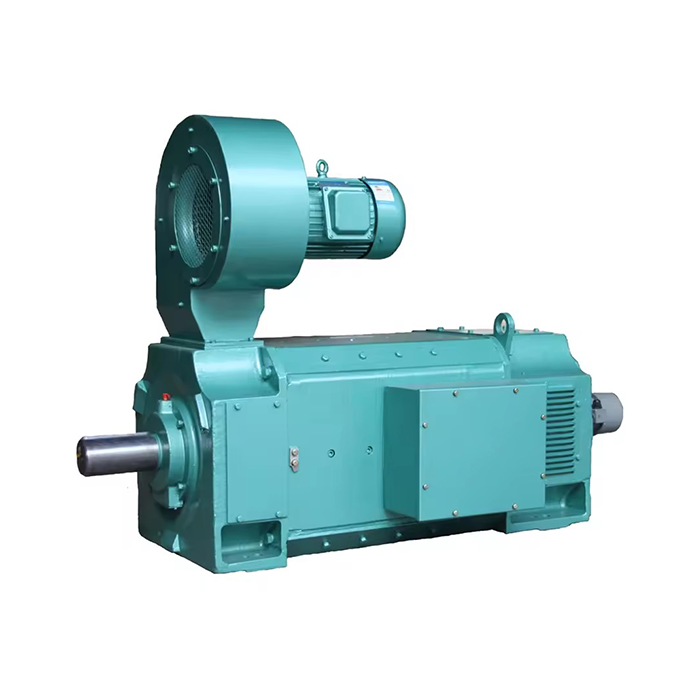
Series:Z4
Frame number: 100-450
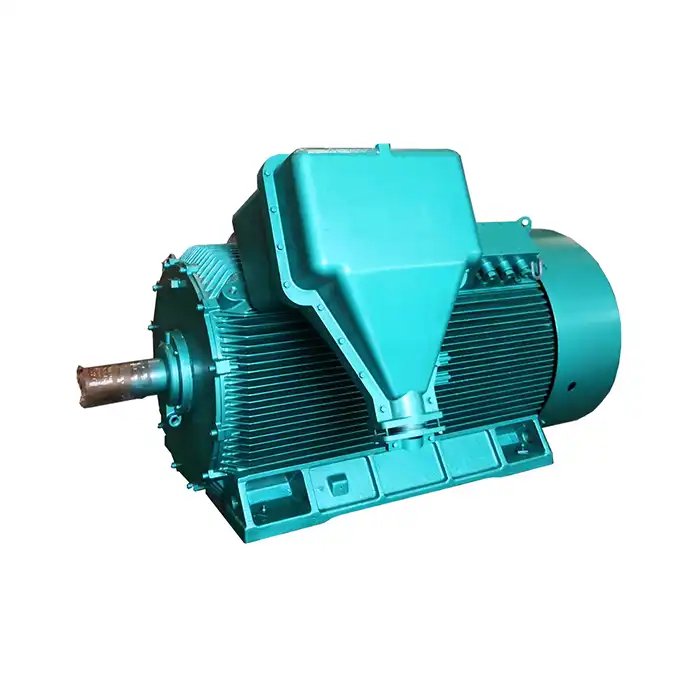
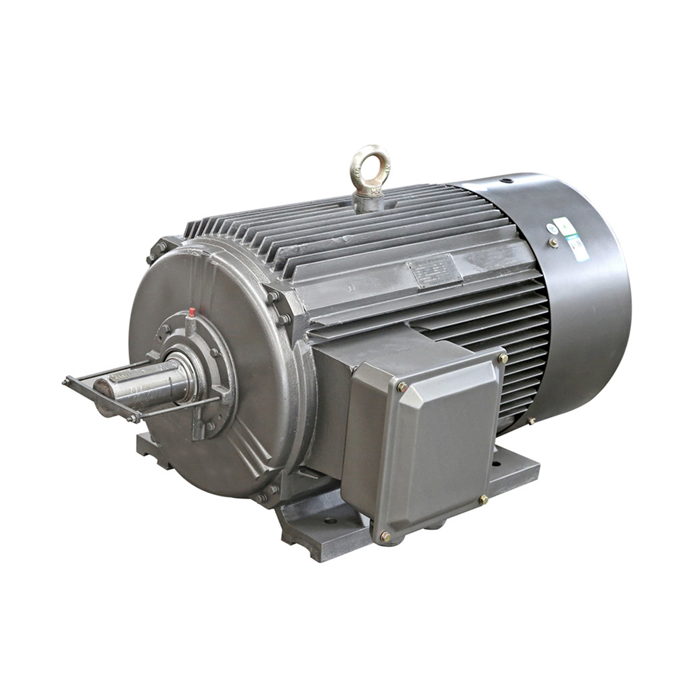
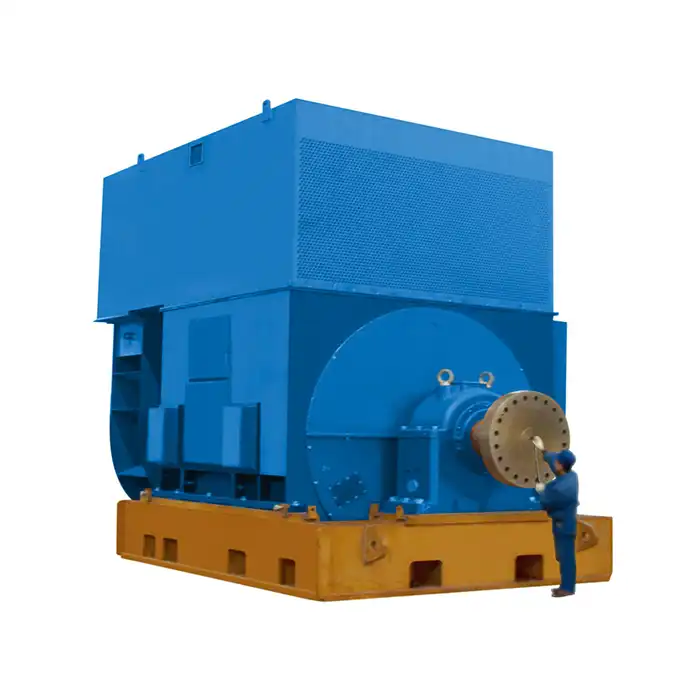
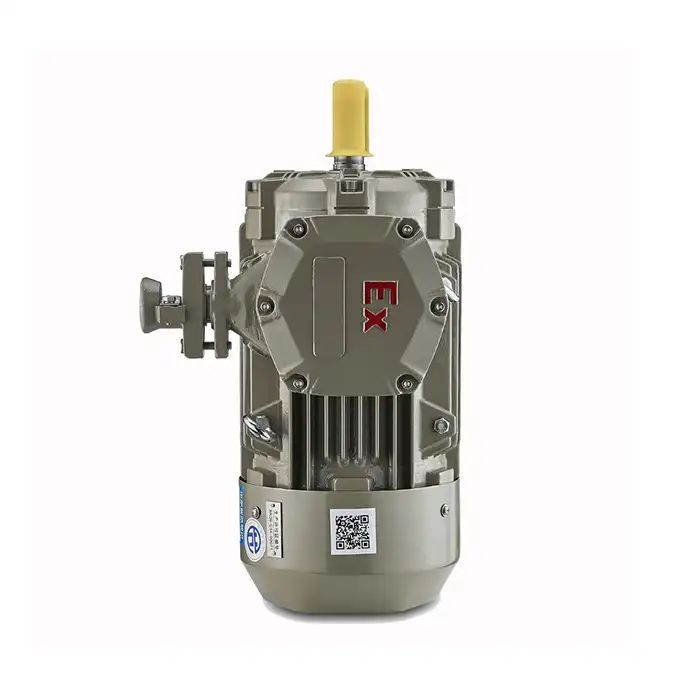
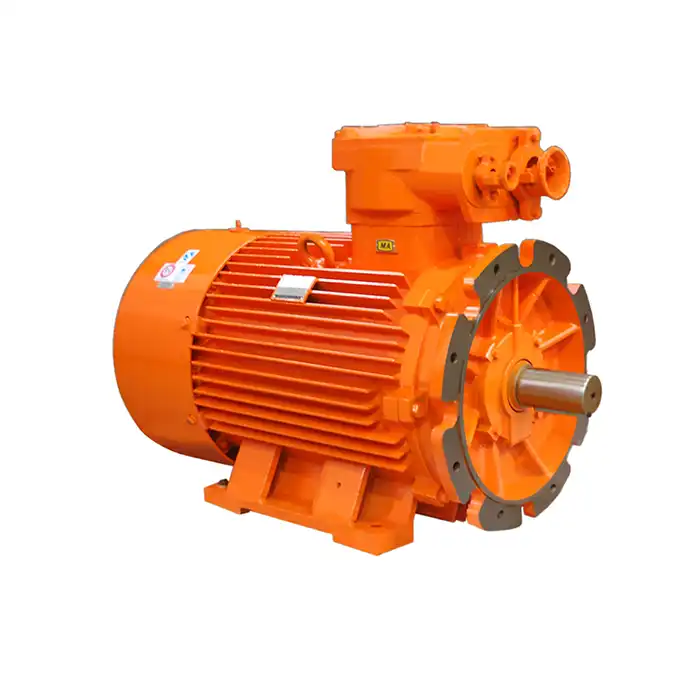
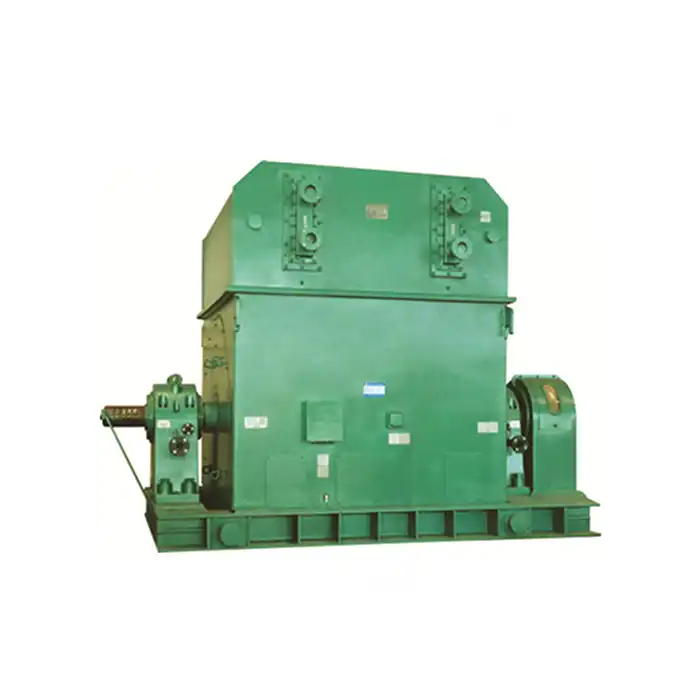
Application:Z4 series motorsThis series of motors can be widely used in various industrial sectors such as metallurgical industrial rolling mills, metal cutting machine tools, papermaking, dyeing and weaving, printing, cement, and plastic extrusion machinery.
Power range:1.5-600kW
Voltage range: 160V,440V, etc.
Certificate: The performance of this series of motors not only complies with the national standard GB/T755 "Basic Technical Requirements for Rotating Electrical Machines", but also basically complies with the German VDE0530 standard.
Advantage:Z4 series DC motor has greater advantages than Z2 and Z3 series. It can not only be powered by DC unit power supply, but also suitable for static rectifier power supply. It has small moment of inertia, good dynamic performance, and can withstand high load change rates. It is especially suitable for control systems that require smooth speed regulation, high efficiency, automatic speed stabilization, and responsive response. It has reached the current international advanced level..
Others: SKF, NSK, FAG bearings can be replaced according to customer requirements.
Understanding the Fundamentals of 200hp DC Motor Constant-Speed Operation
Motors that work reliably in a variety of situations are needed in industrial settings. Our Frame 100-450 line from XCMOTOR is a great example of this ability. It has power outputs from 1.5kW to 600kW and voltages of 160V and 440V to meet a wide range of operating needs. These motors meet both GB/T755 national standards and German VDE0530 standards, which means they can work with both DC unit power sources and static rectifier systems.
Core Operating Principles
There are two main control methods that make constant-speed processing work. The electrical potential across the rotor windings can be changed by the armature voltage control, which has a direct effect on the speed of spinning. The control system raises the armature voltage to keep the speed the same when the loads go up. On the other hand, field current regulation changes the magnetic flux that the stator windings produce, which adds another level of control to speed management. Our motors have very low moments of inertia and great dynamic reaction, which means they can handle big changes in load without changing speed much.
Technical Specifications That Matter
Controlling the speed of a 200hp DC motor depends a lot on its design factors. Our 200hp units have up to 95% efficiency scores at full load, and they are made of insulation class F (155°C) materials that keep them warm. The IP23 protection class keeps dust and water out of internal parts, but there are better protection grades for harsh settings. The torque has a high starting torque and great speed regulation across the operating range. This is necessary for uses that need to precisely control speed under changing loading conditions.
Common Challenges and Causes Affecting Constant-Speed Performance
. Manufacturing plants and process businesses running a 200hp DC motor often run into problems that make speed stability less stable. When procurement teams and repair staff understand these problems, they can take effective steps to solve them, which protects both the quality of the production and the life of the equipment.
Load Fluctuations and Their Impact
Changing motor loads is the most common problem that makes it hard to keep the speed constant. As the width of the material changes, rolling mills experience rapid changes in resistance. Weight distribution changes happen in conveyor systems. Changes in the density of the material can affect extrusion machines. Each situation adds a power demand that would change the motor's speed if it weren't properly compensated. Our motors have a high load change rate limit that takes this into account, but control systems still need to be able to handle sudden changes properly.
Power Supply Instability Issues
The strength of the electrical system has a big effect on how well motors work. When demand is high, voltage drops, which lowers available power and slows spinning. Uneven power supply is caused by harmonic distortion from other equipment. Because our motors work with static rectifier power supplies, they are somewhat protected from changes in the power grid, but voltage control from an outside source is often needed. Dedicated motor control centers prepare inbound energy before it gets to the motor terminals. This helps facilities with unstable power quality.
Environmental Factors
Changes in temperature can change the electrical resistance in motor windings, which can change how much power is produced and how fast the motor runs. We normally work in temperatures between -15°C and +40°C, but numbers at either end of that range need extra attention. When dust gets in through poor sealing, it weakens the shielding and makes the friction worse. Electricity contacts rust when they are wet. In cement production, mining, and outdoor sites, industrial settings need extra care when it comes to safety precautions and cleaning schedules.
Proven Solutions and Technologies to Achieve Constant-Speed Operation
To keep accurate velocity control, you need to use a lot of different technologies and follow strict repair procedures. By using these methods consistently, the manufacturing sectors have shown measurable gains.
Advanced Control Systems
Modern speed control is done by complex electronic systems that constantly change motor inputs and process return messages. Armature voltage controls change the DC supply levels based on speed error signals. They can react to changes in the load within microseconds. Field current controllers provide extra control that works especially well when the load changes over time. The low moment of inertia of our motors makes controllers more effective by lowering the mechanical inertia that controllers have to fight. This feature is especially useful in situations where the speed needs to be changed often or where the acceleration curve needs to change quickly.
Feedback Mechanism Integration
Closed-loop control methods for a 200hp DC motor depend on being able to measure speed correctly. Optical encoders have better precision than conventional tachometers because they send out thousands of pulses per turn, which makes it possible to accurately calculate speed. Noise and drift are problems that traditional systems often have, but digital signal processing gets rid of them. By adding current encoders to old systems, performance is often greatly improved without having to replace the motors completely. The control algorithm compares the real speed to the setpoint and sends out correction messages that are related to the size of the deviation.
Preventive Maintenance Protocols
Regular inspections keep small problems from getting worse and becoming failures that affect the speed and stability. Checking the brushes every 1,000 hours of use finds wear patterns early, so they can be replaced before they stop working as well. When scoring happens, commutator resurfacing makes the current flow smooth again. When you lubricate bearings according to the manufacturer's instructions, you lessen the changes in friction that cause speed differences. Thermal imaging studies find heating trends that aren't usual, which means that problems are starting to form. These techniques make motors last longer while keeping their normal working qualities.
Comparing a 200 hp DC Motor Constant-Speed Operation With Alternative Solutions
When making decisions about what to buy, it helps to know how different motor systems deal with problems related to speed control. Each method has its own benefits that depend on the needs of the application and the limitations of the process.
DC Motors Versus AC Motor Alternatives
Many industrial uses use alternating current motors because they are tough and don't need as much upkeep. But to precisely control the speed of an AC motor, you usually need variable frequency drives, which make the system more complicated and cost more. DC motors are easier to control their speed because they only need to be adjusted for voltage. This gives them better dynamic reaction during load transients. DC technology is often preferred in manufacturing processes that need to change speeds or speed up quickly, even though it requires more upkeep. Because our motors work with both old-fashioned DC sources and newer rectifier systems, they combine the best of both worlds when it comes to power transfer.
Power Rating Considerations
By comparing 150hp units to models, you can learn more about how torque stability relationships work. Higher power levels give you more torque, which makes the speed more stable when the load changes quickly. With more capacity, speed doesn't drop during times of high demand, so tighter velocity limits are kept. Higher-rated 200hp DC motors are better for situations where the load changes a lot, but lower-rated motors may work fine in situations where the load stays the same. For proper sizing, a thorough load analysis is needed to match the motor's power with its real-world needs.
Procurement Insights: Selecting and Buying the Right 200hp DC Motor
When a business buys something, they don't just look at the technical specs; they also look at how reliable the seller is, what kind of support system they have, and the total cost of ownership. Strategic buying strikes a balance between short-term price worries and long-term operating value.
Evaluating Supplier Capabilities
Reliable motor providers have a lot of specialized knowledge, help customers quickly, and make sure the standard of their products stays high. At XCMOTOR, we have strict quality control throughout the whole production process. We test every unit to make sure it works well and will last a long time. Our certificates, such as CE and CCC approval, show that we follow safety and dependability standards around the world. Before committing to big purchases, procurement teams should check the supplier's manufacturing methods, quality assurance routines, and track records with similar projects.
Warranty and Support Policies
A full warranty for a 200hp DC motor shields you against early breakdowns and mistakes in the making process. Our support system includes specialized expert help that is available seven days a week to answer questions about installation, help with troubleshooting, and provide maintenance suggestions. The 30-day return policy gives buyers peace of mind and lets them do a full review without having to worry about making a long-term commitment. Fast delivery keeps project delays to a minimum, and our customization options let us meet specific power needs, mounting setups, and levels of environmental protection.
Pricing and Value Optimization
Purchase costs for a 200hp DC motor are only a small part of total maintenance costs. Energy efficiency has a direct effect on running costs. For example, our 95% efficiency rate means that we use less electricity than alternatives that don't perform as well. Longer work lives mean that parts don't need to be replaced as often. Lower wage costs come from less upkeep being needed. When comparing quotes from suppliers, it's more useful to look at the total cost over a product's life than just the buy price. When you buy more than one unit, you can get a deal called a "bulk order." This is especially helpful for places that are standardizing on certain motor platforms.
Conclusion
In conclusion, for high-power DC motors to run at a constant speed, they need to have the right control technology, good parts, and regular upkeep. By understanding the basic ideas behind controlling armature voltage and field current, you can make smart choices about which tools to buy and how to set up your system. By being aware of common problems, like changing loads and external factors, you can take action to solve them. Precision is needed for many industry processes, and modern control systems and feedback mechanisms provide it. Preventive and predictive maintenance ensures long-term performance stability. Instead of just focusing on the initial buy price, successful procurement balances technical requirements with the supplier's skills, support infrastructure, and total ownership costs.
FAQ
1. What voltage ranges work best for 200hp DC motor applications?
Standard power setups come in 160V and 440V, but they can be changed to fit special needs. Lower voltages are better for small sites that don't have a lot of electrical infrastructure. On the other hand, higher voltages make it possible for big facilities to use smaller conductors and draw less power. Matching the energy of the 200hp DC motor to the power transfer systems that are already in place makes installation easier and cheaper.
2. How long can these motors operate continuously?
How long something can run continuously rests on how well it is maintained, how well it handles temperature, and how much it is loaded. Our motors have Class F insulation rated for 155°C and forced air cooling, so they can work continuously in temperatures ranging from -15°C to +40°C. With regular upkeep like replacing brushes, lubricating bearings, and cleaning the cooling system, machines can work for more than 20,000 hours before they need a big overhaul.
3. Can older motors be upgraded with modern speed controllers?
Putting modern control systems into old motors is usually possible and doesn't cost too much. Compatibility relies on how the motor windings are set up, whether feedback devices are available, and the needs of the control system interface. Adding encoders to 200hp DC motors that already had tachometers makes speed control much more accurate. During the conversation, our expert team looks at retrofit options and suggests the best ways to improve things based on the state of the current equipment and performance goals.
Partner with a Trusted 200hp DC motor Supplier
CMOTOR makes DC motors for commercial use, including the 200hp DC motor, which is precise, reliable, and efficient in a wide range of challenging situations. Our Frame 100-450 line blends tried-and-true technology with current manufacturing quality. It comes with a full set of certifications and quick technical help. Our power solutions meet your needs for constant-speed operation, whether your building needs mining equipment, process machinery, or specialized industrial systems. You can email our team at xcmotors@163.com to talk about your specific needs, get full specs, or get low prices for both single units and large orders.
References
1. Bolton, W. (2015). Mechatronics: Electronic Control Systems in Mechanical and Electrical Engineering. Pearson Education Limited.
2. Hughes, A., & Drury, B. (2019). Electric Motors and Drives: Fundamentals, Types and Applications. Elsevier Science & Technology.
3. Krishnan, R. (2017). Permanent Magnet Synchronous and Brushless DC Motor Drives. CRC Press.
4. Sen, P. C. (2021). Principles of Electric Machines and Power Electronics. John Wiley & Sons.
5. Toliyat, H. A., & Kliman, G. B. (2018). Handbook of Electric Motors. CRC Press.
6. Vas, P. (2016). Electrical Machines and Drives: A Space-Vector Theory Approach. Oxford University Press.