



Why LV Induction Motors Are Ideal for Pumps, Fans, and Conveyors
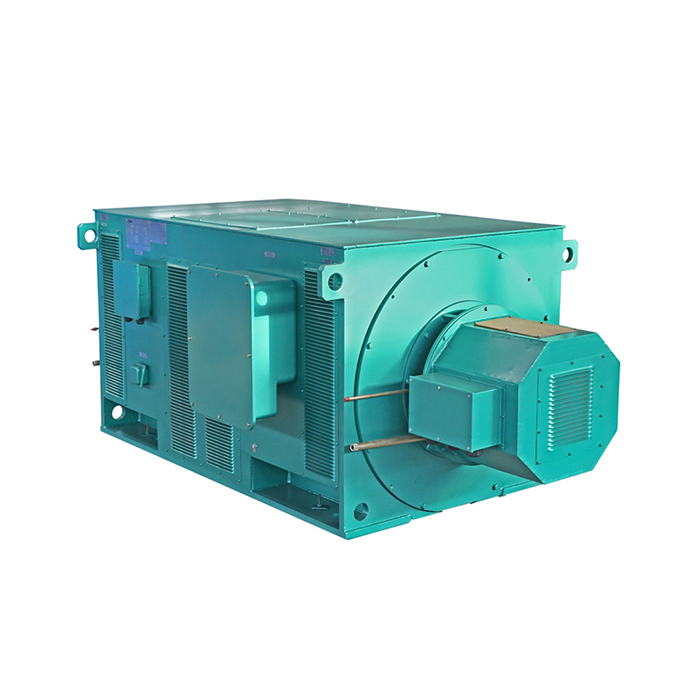
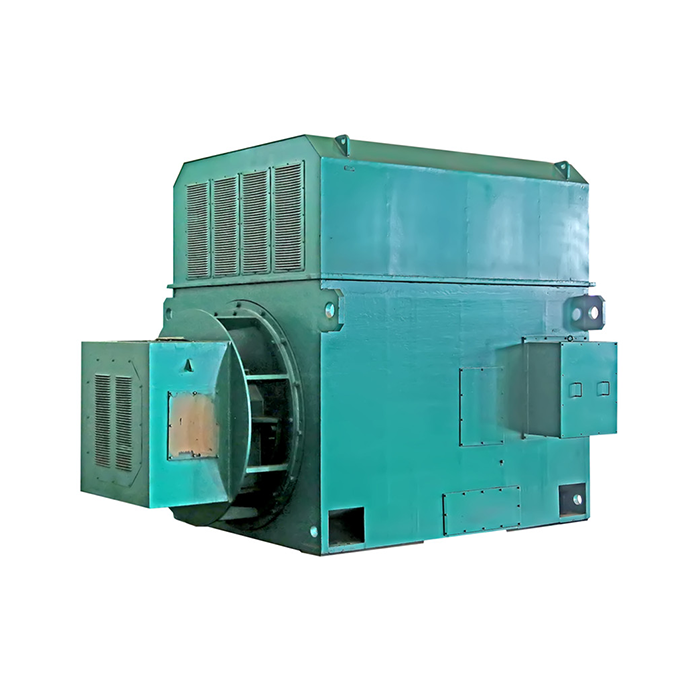
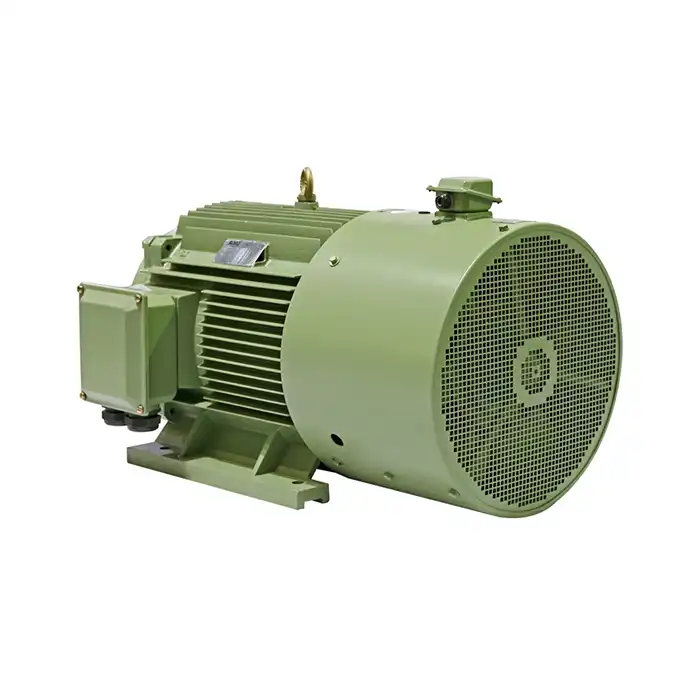
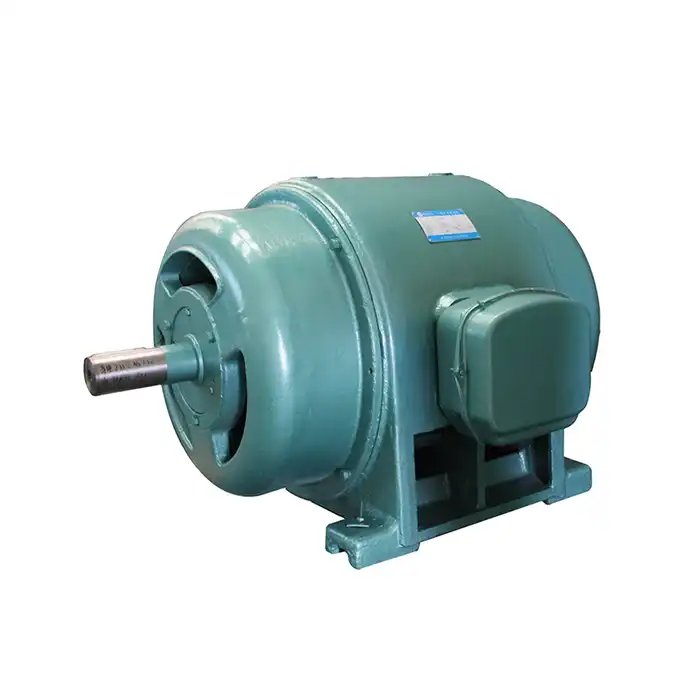
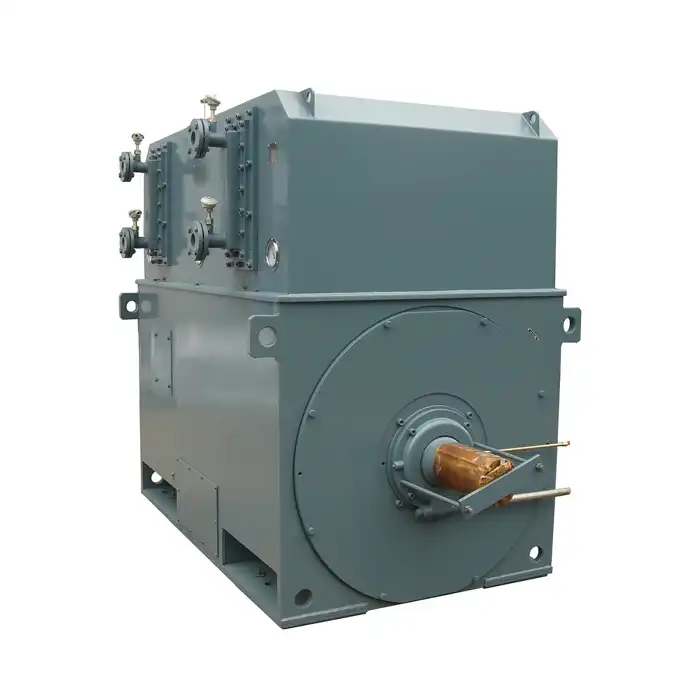
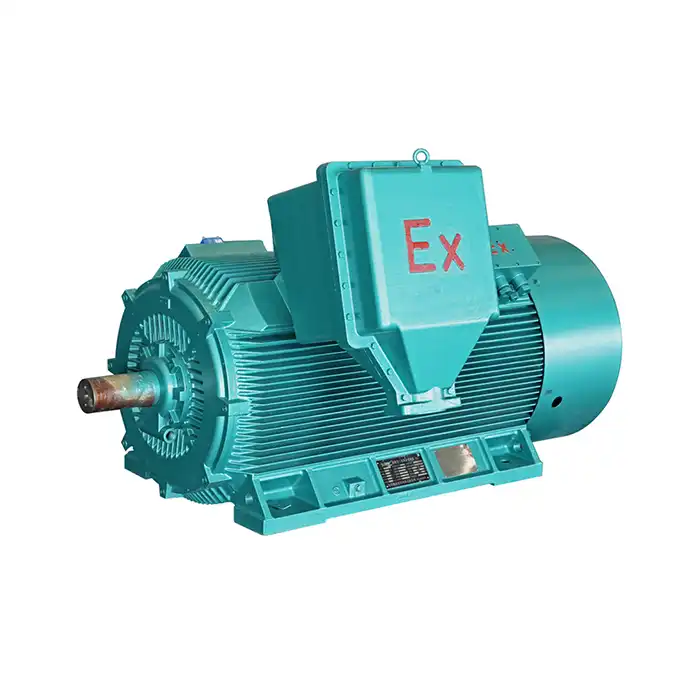
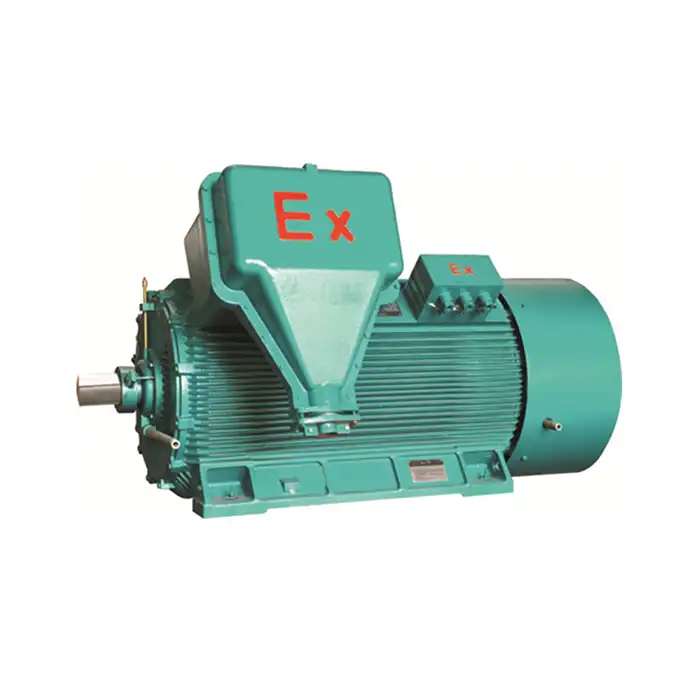
When industrial buyers ask me which motor type consistently delivers dependable performance across pumps, fans, and conveyor systems, my answer is straightforward: the LV induction motor. These three-phase squirrel-cage motors operate on proven electromagnetic induction principles, running on voltages between 380V and 660V without brushes or complex excitation systems. Their combination of mechanical simplicity, IE3 energy efficiency, and broad power coverage from 0.75kW to 1000kW makes them a practical, cost-effective choice for OEM equipment builders, industrial distributors, and plant maintenance teams who need reliable replacements — fast.
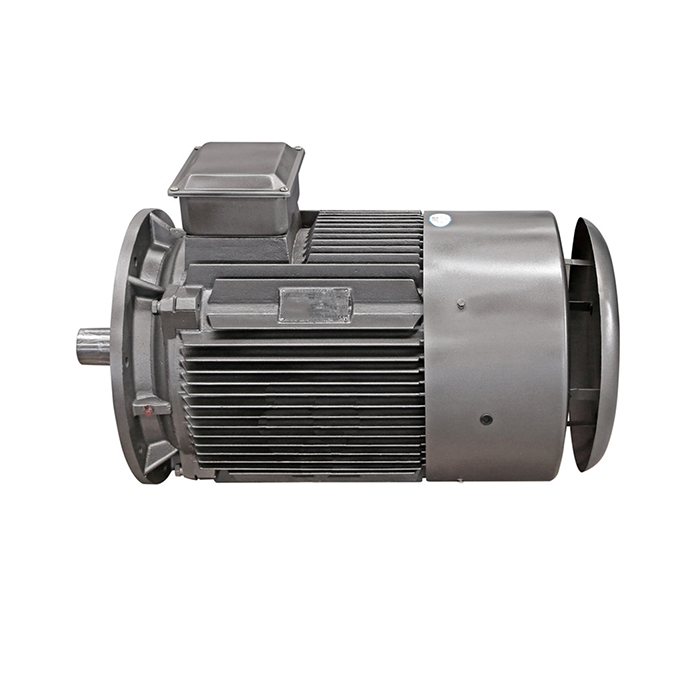
Series:YE3
Frame number: 80-450
Power range:0.75-1000kW
Protection level:IP55
Energy efficiency class: IE3
Voltage range: 380V,400V,415V,660V, etc.
Application:can be used in various fields of the national economy, such as machine tools,water pumps,fans,compressors,and can also be used in transportation, mixing, printing, agricultural machinery, food and other occasions that do not contain flammable, explosive or corrosive gases.
Certificate: international standard IEC60034-30 "Efficiency Classification of Single-speed Three-Phase Squirrel Cage Induction Motors".
Advantage:The high quality of the electric motor guarantees high operational reliability.
Others: SKF, NSK, FAG bearings can be replaced according to customer requirements.
Understanding LV Induction Motors and Their Core Advantages
What Sets the LV Induction Motor Apart
There are no permanent magnets, brushes, or commutators in a LV induction motor. Instead, electromagnetic induction between the stator winding and the squirrel-cage rotor makes the motor turn. Because the mechanism is so simple, it lasts longer between services and costs less to maintain over its lifetime. The European Commission's study on motor systems says that the cost of electricity makes up about 97% of the total cost of a motor's lifetime, while the price of the motor itself only makes up 1% to 2%. One of the most important choices a procurement manager can make is to buy a high-efficiency LV induction motor.
The die-cast aluminum frames of XCMOTOR's LV induction motors make them both lightweight and structurally strong. High-quality silicon steel laminations are used in the stator and rotor to keep core losses to a minimum. Standard Class F insulation keeps heat out up to 155°C. If you choose the Class H insulation update, it makes the temperature tolerance even higher for places like Southeast Asia, the Middle East, and Sub-Saharan Africa that are often very hot.
Because of these main benefits, these motors are a reliable choice for steady industrial work:
- Broad power coverage: A single motor platform can power both light-duty air fans and heavy-duty centrifugal pumps from the same product family. Its power ranges from 0.75kW to 1000kW across frame numbers 80 to 450.
- IE3 energy efficiency class: These motors are certified to IEC 60034-30 and meet or exceed the IE3 Premium Efficiency thresholds. This helps them comply with energy rules in the EU, Southeast Asia, and other areas that require minimum levels of efficiency.
- IP55 protection as standard: The LV induction motor's fully sealed, dust-protected, and jet-water-resistant housing means it can be used in outdoor plant sites, wet processing areas, and dusty conveyor settings without having to pay extra for a shelter.
- Flexible bearing specification: SKF, NSK, or FAG bearings can be used depending on what the customer wants. This is useful when a maintenance team already has a certain brand of bearings on hand.
All of these benefits lower both capital costs and unexpected downtime, which is exactly what plant engineers and procurement managers need when they look at the total cost of ownership.
Technical Features That Make LV Induction Motors Ideal for Pumps, Fans, and Conveyors
Frame Sizing, Insulation, and Thermal Protection
The LV induction motor range from XCMOTOR includes IEC frame sizes 80 to 450. This means that the fitting measurements are exactly the same as those used around the world. If a plant worker needs to change the motor on a centrifugal pump or belt conveyor, they don't have to make any changes to the bolt design, shaft diameter, or shaft height. Because of this, there is no need for expensive downtime caused by custom adapters or base plate rework.
Class F insulation for the lv induction motor can work in temperatures ranging from -40°C to +40°C and at heights of up to 1,000 meters above sea level. The motor's thermal protection system and optional Class H insulation keep the windings in good shape for installations above this altitude or in warmer environments.
Speed Control and Starting Methods
Variable frequency drives (VFDs) work well with three-phase LV induction motors. VFD control uses a lot less energy than throttle-based flow control for fans and pumps that work with changing loads, which happens a lot in HVAC systems, irrigation networks, and water treatment plants. The motor can go from 500 to 3,000 RPM, and its power factor is between 0.80 and 0.89. This gives system makers a lot of options when setting the drive parameters.
The range of torque outputs, from 5 Nm at the smallest frame to 2,400 Nm at the largest, means that they can be used for both soft-start conveyor uses and high-inertia fan starts without the need for drives that are too big.
Comparing LV Induction Motors With Other Motor Types for Industrial Use
Why Three-Phase Induction Motors Suit General Industrial Loads
Synchronous motors allow for precise speed control, but they need extra control infrastructure and excitation systems, which raises the costs of both buying and maintaining them. DC motors have variable torque, but their brush-commutator contact goes out over time. This is a problem for continuous-duty pump and conveyor uses where costly stops are not planned.
The three-phase LV induction motor gets rid of both of these problems. It can reach working speed without any outside stimulation, can handle changing loads without speed instability, and doesn't need any wear parts that are in touch with the load. The induction motor's reliability and interchangeability are big benefits for OEM pump makers who put together a lot of standard skid packages and for dealers who keep a lot of stock on hand. For smaller auxiliary uses, there are single-phase versions, but for drives over 2.2kW, the three-phase topology provides much better efficiency and torque density.
Practical Considerations for Procurement and Usage
Lead Time, Certification, and Batch Consistency
There's more to choosing the right LV induction motor provider than just comparing brand specs. When purchasing motors for resale or OEM integration, purchasing managers give equal weight to lead time, certification completeness, and batch consistency.
These objectives are directly dealt with by XCMOTOR for the lv induction motor. Standard models ship in two to three weeks, which is the same amount of time that OEM equipment makers need for deliveries in order to keep their assembly plans. Since the minimum order quantity is just one unit, you can try buying something before committing to a larger order. The main paperwork needed to send goods to Europe, Central Asia, and regulated markets is CE marking, ISO 9001:2015 certification, and GOST certification. On request, expert papers in more than one language is available. This lowers the chance of missing paperwork that could slow down customs clearance or end-customer acceptance.
Before it is sent out, each motor is checked for windings, dimensions, and functionality using a load. Distributors often worry about quality variations when they receive orders for more than one batch. Automated wrapping tools make sure that the coils are the same across all batches.
Troubleshooting and Optimizing LV Induction Motor Performance
Addressing Common Faults in Pump and Conveyor Applications
The most common problem with LV induction motors that are used on a continuous duty is that they get too hot. It usually happens because of one of three things: the temperature outside is too high, airflow is blocked, or there is an imbalance in the energy between the stages. Checking the motor's cooling fins and fan cowl on a regular basis—every month in dusty conveyor environments—stops heat buildup before it damages the insulation around the windings.
A lot of vibration during operation is generally caused by worn bearings, an unbalanced rotor, or a problem with the alignment of the motor-to-load connection. Smooth operation is restored by replacing old bearings with SKF, NSK, or FAG units recommended by the maker. Checking the alignment on a regular basis during maintenance, especially after moving a pump or conveyor, keeps the bearings from wearing out too quickly.
Starting problems in LV induction motors that drive high-inertia fans are usually caused by starting contactors that are too small or overload relays that are set up incorrectly. Making sure that the motor's full-load current and starting current profile match the protection settings gets rid of unnecessary trips without lowering protection.
Conclusion
Because it is mechanically reliable, uses little energy, and comes in standard sizes that sourcing teams and plant engineers can check before buying, the lv motor is used in pumps, fans, and conveyors. Industrial buyers can get a product from XCMOTOR that is documented, auditable, and has IE3 efficiency, IP55 protection, and CE/ISO/GOST certification. The range goes from 0.75kW to 1000kW and meets the main requirements for both OEM integration and distributor resale. If shipping speed, batch stability, and certification completion are all important to the project's success, these motors are a good choice to buy.
FAQ
1. How often should an LV induction motor driving a pump be inspected?
For pumps that are used all the time, I suggest doing a basic visual and sound check every three months and a full bearing cleaning and lubrication service once a year. If you are in a wet or chemically aggressive area, you should only do eye checks once a month to catch seal wear early.
2. Does using a VFD affect the lifespan of a low voltage induction motor?
If the motor isn't rated for inverter duty, VFD running adds to the heat stress. XCMOTOR's LV induction motors can be paired with a VFD. Before starting the motor, check with the engineering team to make sure of the insulation class and dV/dt tolerance to avoid windings breaking down too quickly.
3. How does an LV induction motor compare to a high voltage motor for energy costs?
When the power level is less than 1,000kW, LV induction motors usually have lower fixed system costs because they need less complicated switchgear and wiring. IE3-rated motors use less energy than their IE1 or IE2 predecessors. For applications that run more than eight hours a day, the payback time is often less than four years.
Source Your Next LV Induction Motor Directly From XCMOTOR
OEM manufacturers, industrial distributors, and plant operators all over the world buy certified LV motor products from XCMOTOR. Our motors are certified by CE, ISO 9001:2015, and GOST. They ship in two to three weeks from stock, and you don't have to buy a minimum of one unit to place an order. You can see the full list of specs at motorxc.com, or you can email your power, frame, and voltage needs to xcmotors@163.com. Our engineering team answers emails seven days a week, even on weekends.
References
1. European Commission. Motor Systems and Energy Efficiency in Industry. 2021.
2. International Electrotechnical Commission. IEC 60034-30-1: Rotating Electrical Machines — Efficiency Classes of Line Operated AC Motors. 2014.
3. Waide, P., & Brunner, C. U. Energy-Efficiency Policy Opportunities for Electric Motor-Driven Systems. International Energy Agency, 2011.
4. National Electrical Manufacturers Association. NEMA MG 1: Motors and Generators. 2021.
5. De Almeida, A. T., Ferreira, F. J. T. E., & Duarte, A. Q. Technical and Economical Considerations in the Application of Variable-Speed Drives with Electric Motor Systems. IEEE Transactions on Industry Applications, 2012.
6. Boldea, I., & Nasar, S. A. The Induction Machine Handbook. CRC Press, 2002.