



How a 3.3 kV Motor Powers Reliable Industrial Operations
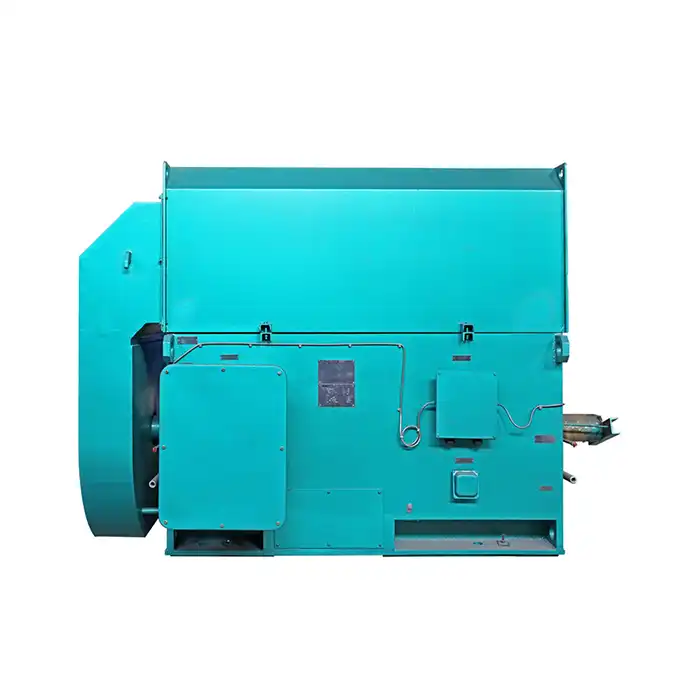
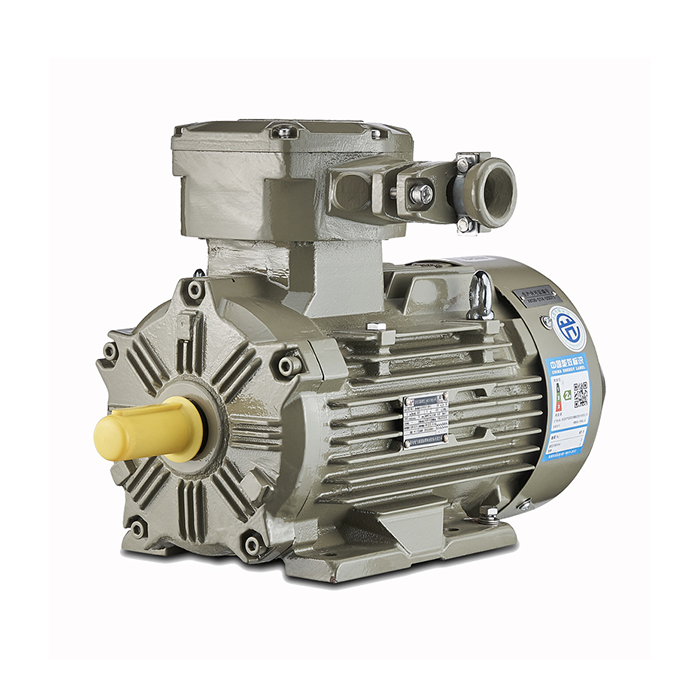
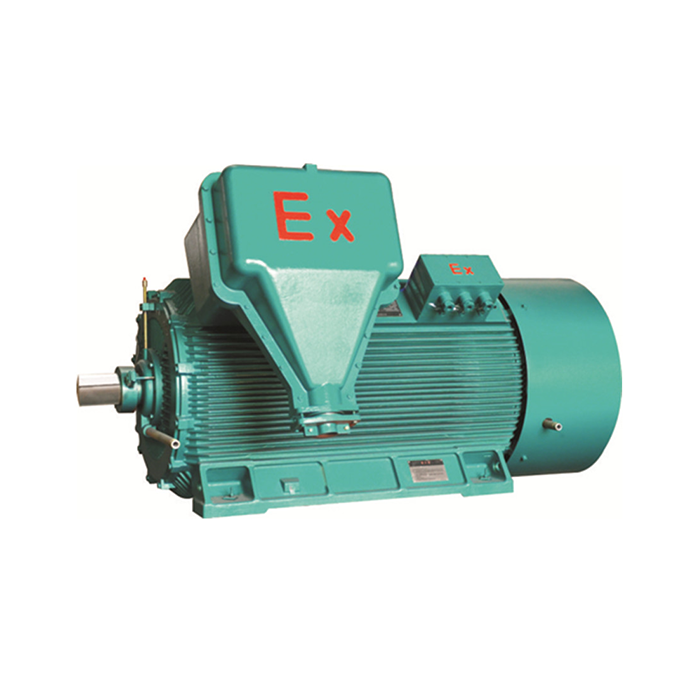
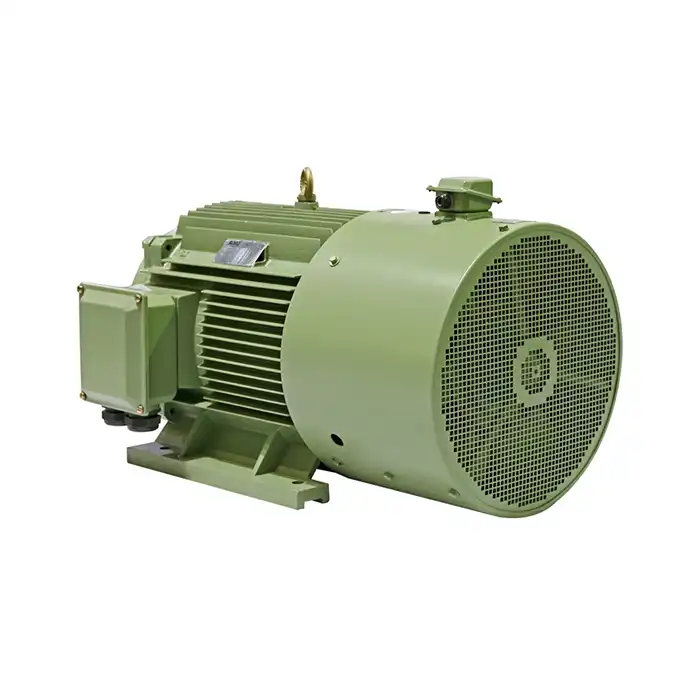
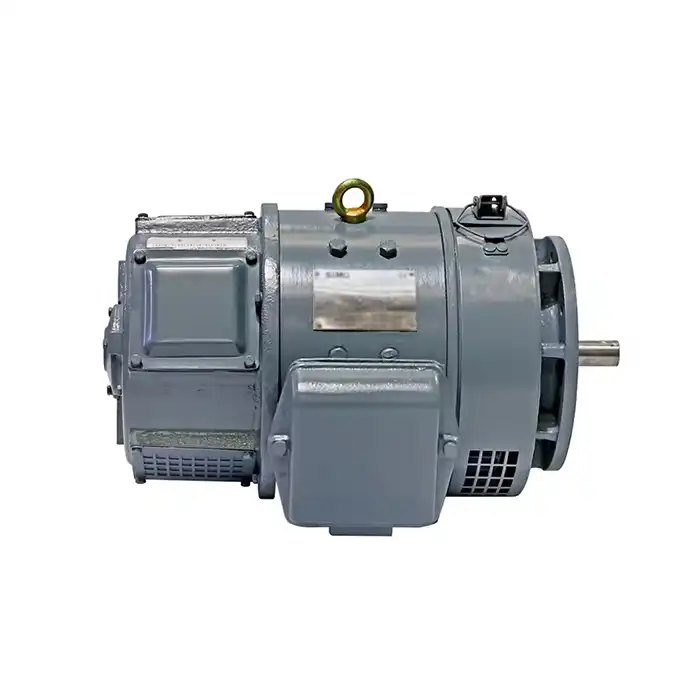
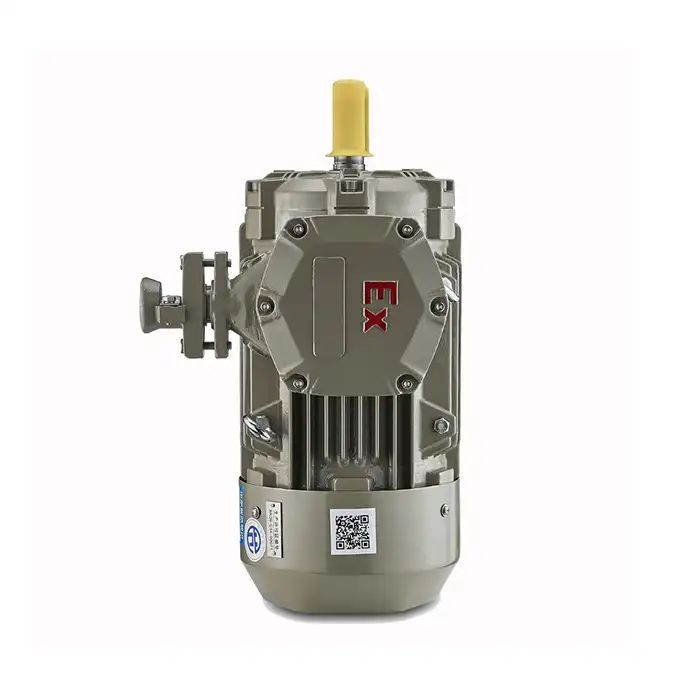
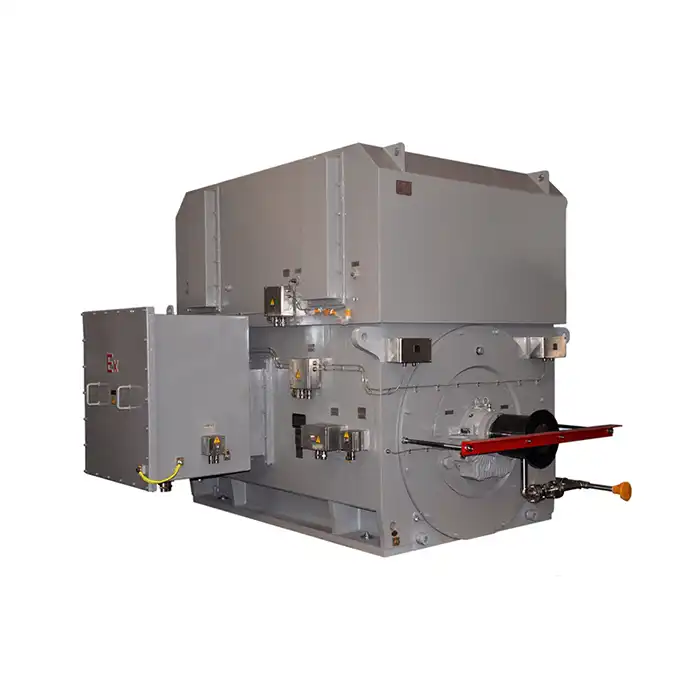
A 3.3 kV motor is a medium-voltage induction or synchronous electric motor intended to run at supply voltages around 3,300 volts. In heavy sectors like as mining, petrochemical processing and bulk material handling, these motors power the most mechanically demanding equipment on site - from ore crushers and hoisting machines to massive centrifugal pumps and industrial fans. The 3.3 kV motor is an intermediate step between low-voltage designs and higher medium-voltage systems, and it has a uniquely useful role in plant electrical structures across the globe, particularly when 3.3 kV distribution lines are already in place.
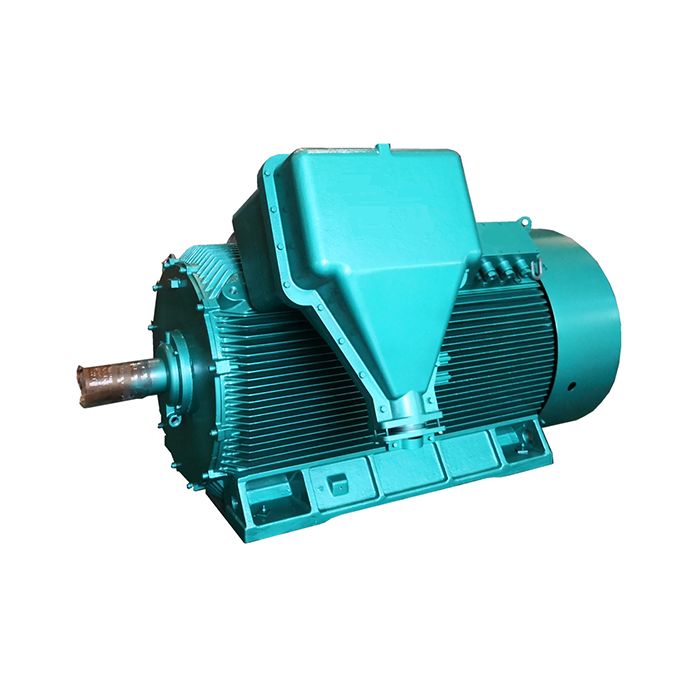
Series:Y2
Protection level:IP54
Voltage range:3000V±5%,3300V±5%,6000V±5%,6600V±5%,10000V±5%,11000V±5%
Power range:160-1600 kW
Application:fans, water pumps, compressors, crushers, cutting machine tools, transportation machinery, etc.
Advantage:compact structure, light weight, low noise, small vibration, long service life, easy installation and maintenance.
Standard: This series of products complies withJB/T10444-2004 standards.
Others: SKF, NSK, FAG bearings can be replaced according to customer requirements.
Understanding 3.3 kV Motors: Specifications, Working Principles, and Advantages
Core Specifications That Define Performance
The XCMOTOR medium-voltage line has speeds between 500 and 3,000 RPM and power ranges from 160 kW to 1,600 kW. When it comes to matching a 3.3 kV motor to an existing switchgear lineup, the voltage range covers 3,000 V 5%, 3,300 V 5%, 6,000 V 5%, 6,600 V 5%, 10,000 V 5%, and 11,000 V 5%. The usual grade for the enclosure is IP54, but you can ask for better levels of security if you need them. The IC411 method is used for cooling, and the product line meets JB/T10444-2004 standards.
How the Motor Actually Works
The way it works is based on electromagnetic induction between a wound or squirrel-cage stator winding and a layered stator winding. A spinning magnetic field forms in the rotor when three-phase medium voltage is applied. That field makes the rotor bars conduct electricity, which makes torque. At 3.3 kV, conductor cross-sections are still manageable, winding insulation stress is predictable, and thermal gradients across the core stay within safe limits. This means that the system can keep running steadily even when mechanical loads change.
Here are the core advantages that make this motor series worth specifying on an EPC bill of materials:
- Compact structure and light weight: The optimized frame design makes the total footprint smaller than past Y-series models with the same power level. This makes baseplate engineering easier in small plant areas.
- Low noise and small vibration: The rotor assembly is precisely dynamically balanced, and customers can choose from high-quality SKF, NSK, or FAG bearings. This keeps vibration within tight limits, which is a real benefit for long-term operation in pump stations or compressor halls.
- Long service life and easy maintenance: Standardized bearing housings, terminal boxes that are easy to get to, and a strong winding insulation system cut down on planned downtime. Field teams say that fixing this line of high-voltage motors takes a lot less time than servicing older models.
These advantages directly address a recurring pain point for EPC procurement managers: equipment that meets datasheet targets during factory testing but underperforms on site due to vibration, heat, or poor accessibility. The design choices built into this 3.3 kV motor series are intended to close that gap.
Comparing 3.3 kV Motors with Alternatives: Making an Informed Choice
Voltage Class Comparison
If a project's power system is set at 3.3 kV, getting a 6.6 kV or 11 kV motor is not possible without adding an extra step-up generator, which increases the cost, space needed, and risk of failure. On the other hand, using a low-voltage motor with a power rating above about 132 kW requires parallel wiring, which makes the MCC design more difficult. The 3.3 kV motor is at a natural turning point: cable runs are still cheap, switchgear is widely available, and the power density is high enough for most up to 1,600 kW mining and petrochemical drive applications.
Compatibility With Variable Speed Drives
As long as the insulation system is labeled as inverter-duty, modern variable frequency drives rated for medium voltage can smoothly integrate with 3.3 kV motor windings. When used in situations like variable-speed conveyor drives or variable-flow water pumps, this flexibility cuts down on starting power and mechanical shock, which makes the motor and gearbox last longer.
Installation, Operation, and Maintenance for Maximum Reliability
Installation Essentials
Before turning on a 3.3 kV motor, three things must be done: the foundation must be designed correctly, the shaft must be lined up with a dial indicator, and the cable must be terminated in accordance with IEC 60502 standards. A 5 kV megger should be used to check the insulation resistance before and after the wire is connected. Every measurement should have a baseline that is written down. This will serve as a guide for future condition assessments.
Keeping the Motor Running
Medium-voltage motor maintenance schedules usually say that bearings should be oiled every 2,000 to 4,000 hours of operation, but this can change based on speed and temperature. When maintenance teams record vibration readings at the drive-end and non-drive-end bearing housings and compare them to the original acceptance standard, they can find faults that are starting to form weeks before they force outages. In dirty places, cooling air paths should be checked every three months to make sure the IC411 fan system isn't partially blocked, which can raise the temperature of the winding by 10°C to 15°C and make the insulation age much faster.
Applications and Industrial Use Cases of 3.3 kV Motors
Where This Motor Gets Used
A wide variety of physically demanding uses can benefit from the 3.3 kV motor. The product line includes fans, water pumps, compressors, crushers, cutting tools, transportation equipment, and more. It pretty much has every type of spinning machine that you'd find on a normal mining or petrochemical EPC job. Older Y-series units have been replaced with medium-voltage motors in mine hoist and conveyor systems across Central Asia and the Middle East. Site teams have seen a drop in both energy use and unplanned repair calls.
In petrochemical plants, large centrifugal compressors and boiler feed pumps running at 3.3 kV benefit from this motor type's stable torque curve and low starting current. This makes it easier on transformer feeders when starting up equipment one at a time, which is something that process engineers and electrical design institutes think about a lot when they set motor schedules.
Procurement Insights and How to Buy the Best 3.3 kV Motor
Evaluating a Supplier Thoroughly
Verifying the supplier's CCC, CE, and ISO approval is a requirement for any batch purchase of a 3.3 kV motor and is not an extra step. Inspection by a third party, like SGS, Bureau Veritas, or a client-chosen body, should be put into the purchase order at the bid stage, not later, so that there is no time pressure during the plant acceptance test window.
Lead times for medium-voltage motors are usually between 8 and 12 weeks from the time an order is confirmed. This depends on the power rating and how the windings are customized. EPC project timelines that range from 3 to 9 months from technical explanation to shipment can work for this, as long as sourcing starts right away after the electrical design freeze. Letter of credit terms are common for transactions that take place across borders. Making sure you agree to the terms of the LC with the supplier before submitting a bid keeps payment delays from turning into delivery delays.
Bulk purchase negotiation should address not only unit price but also spare bearing sets, terminal box accessories, and a clear warranty scope. The standard warranty for this type of product is 12 months from shipment or 12 months from commissioning, whichever comes first.
Conclusion
From electrical design through commissioning and long-term site operation, a well-specified 3kv electric motors purchased from a seller with valid certifications and a reasonable production plan lowers project risk on many levels. For mining, petrochemical, and EPC projects, the XCMOTOR medium-voltage series is designed to meet the unique needs of their procurement processes. It has a voltage range of 3,000 V to 11,000 V, 160 kW to 1,600 kW, IP54 protection, and compliance with JB/T10444-2004. You can choose bearings from SKF, NSK, or FAG to meet the upkeep standards of the spot. This series is a useful and tried-and-true choice for project procurement managers who need parameters, certifications, and delivery commitments all in one package.
FAQ
1. What are the most critical selection factors for a 3.3 kV motor?
The main technical factors are the speed range, voltage tolerance, power rating, and amount of security for the enclosure. For cross-border EPC projects, it's just as important to have third-party review help as it is to follow the rules for certifications like CCC, CE, and ISO. Before finishing any technical comparison, you should make sure that the seller can deliver on time for your project.
2. What maintenance interval should I plan for?
Depending on the temperature and humidity, bearings should be oiled every 2,000 to 4,000 hours as a general rule. Motors that work in dusty or wet places should have their winding insulation resistance tested once a year and their cooling passages inspected every three months.
3. Can a 3.3 kV motor work with a variable frequency drive?
Yes, as long as the motor's shielding system is rated for service with an inverter. Medium-voltage VFD support lets pumps, fans, and elevators run at different speeds, which lowers mechanical wear and energy use during partial-load cycles.
Get Your 3.3 kV Motor Quote From XCMOTOR Today
XCMOTOR supplies medium-voltage 3kv electric motors ranging from 160 kW to 1,600 kW. The voltage can be changed from 3,000 V to 11,000 V, the motors are protected by IP54, and SKF, NSK, and FAG bearings are available as choices. We support third-party inspection, letter of credit payment, and committed technical clarification throughout your procurement cycle as a reliable 3.3 kV motor manufacturer serving EPC contractors in mining, petrochemical, and power projects across the Middle East, Central Asia, Africa, and beyond. Send your project specifications to xcmotors@163.com or visit motorxc.com to begin your inquiry today.
References
1. Chapman, S. J. Electric Machinery Fundamentals. McGraw-Hill Education, 2011.
2. IEEE Standard 841. IEEE Standard for Petroleum and Chemical Industry — Premium-Efficiency, Severe-Duty, Totally Enclosed Fan-Cooled (TEFC) Squirrel Cage Induction Motors. IEEE, 2009.
3. IEC 60034-1. Rotating Electrical Machines — Part 1: Rating and Performance. International Electrotechnical Commission, 2017.
4. Boldea, I., and Nasar, S. A. The Induction Machine Handbook. CRC Press, 2002.
5. Wildi, T. Electrical Machines, Drives, and Power Systems. Pearson Prentice Hall, 2006.
6. Energy Efficiency in Motor Driven Systems (EEMODS) Conference Proceedings. Medium Voltage Motor Selection and Application in Process Industries. EEMODS, 2019.