



Why IEC Low Voltage Motors Are Ideal for OEM Applications?
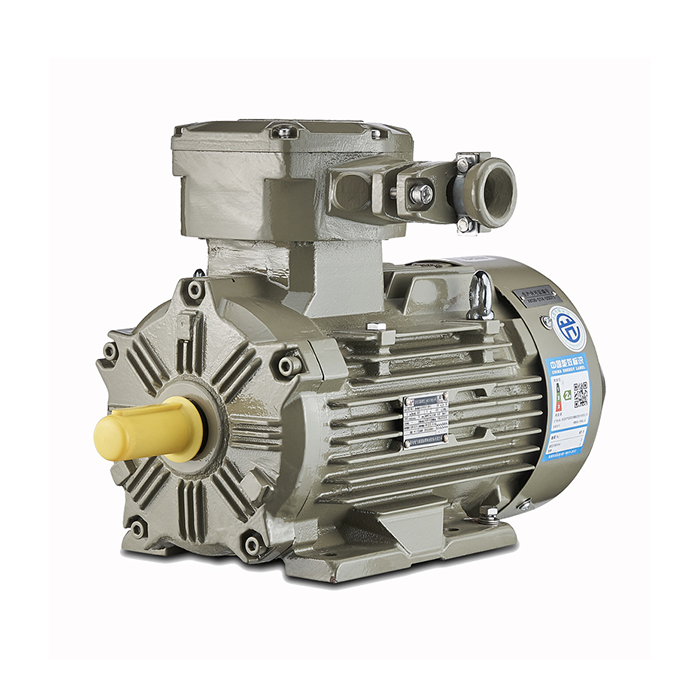
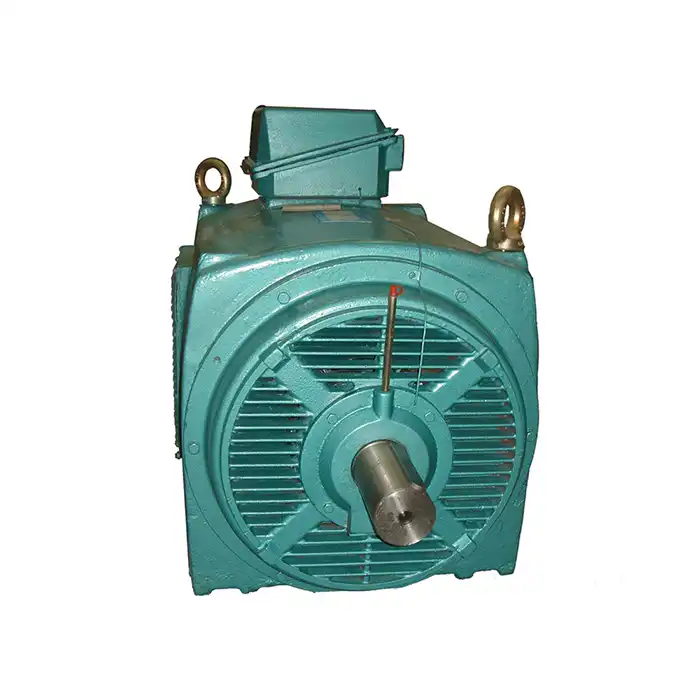
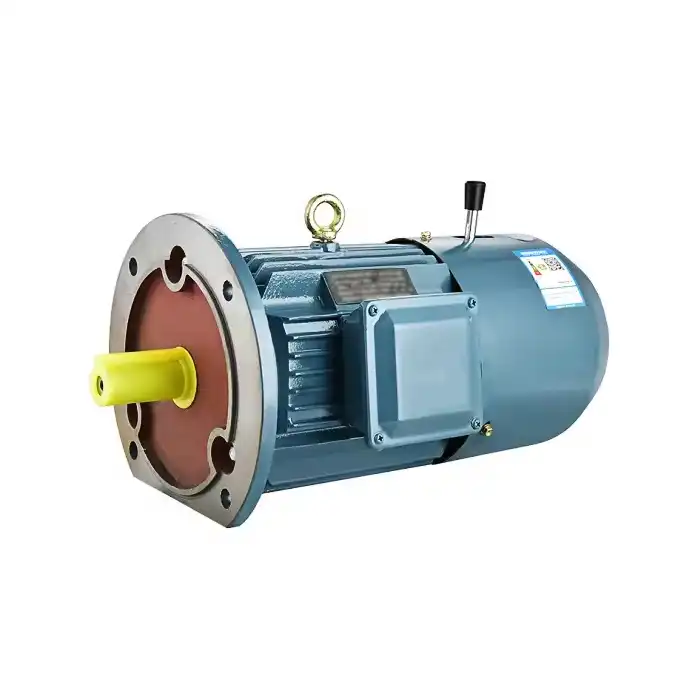
IEC low voltage motors have become the preferred choice for OEM manufacturers across diverse industries because they deliver standardized global compatibility, exceptional energy efficiency, and proven reliability in demanding production environments. These motors operate under 1000V, meeting International Electrotechnical Commission standards that ensure seamless integration into equipment ranging from conveyor systems to HVAC installations. Their modular design, compact footprint, and robust thermal protection make them practical solutions for OEMs seeking reduced lifecycle costs and consistent performance across international markets.
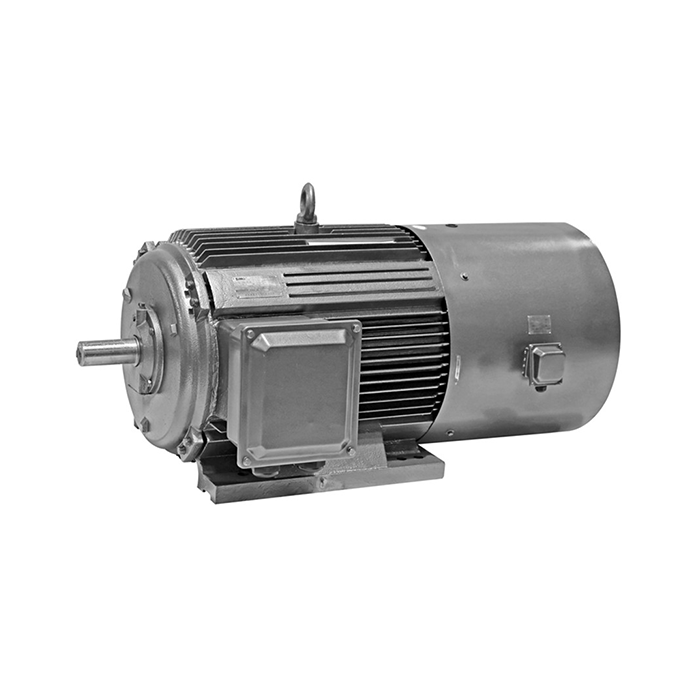
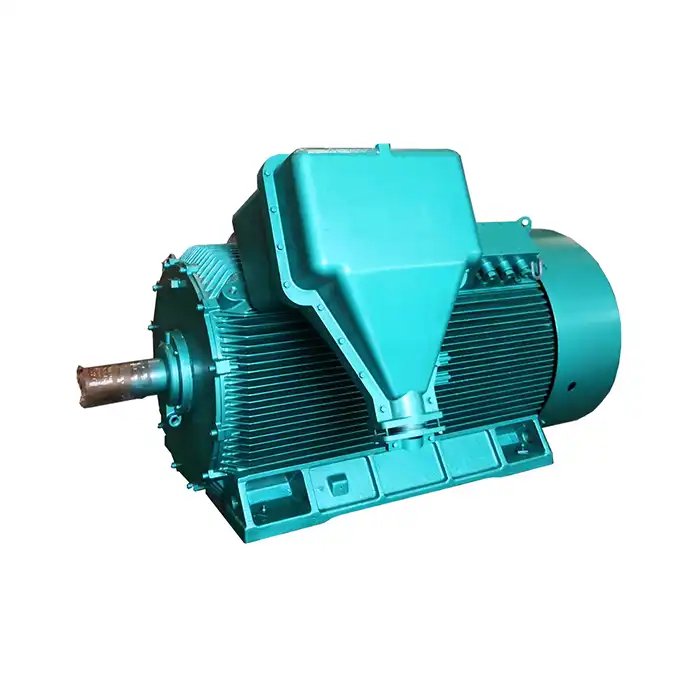
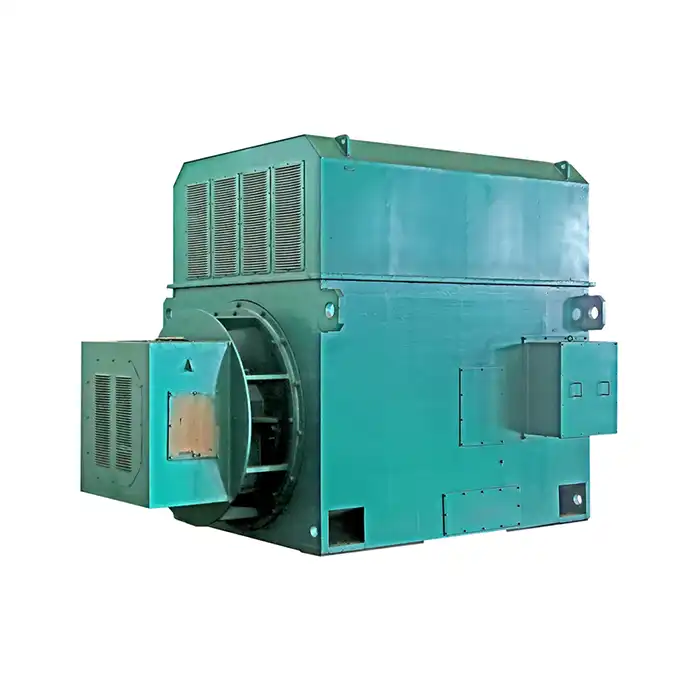
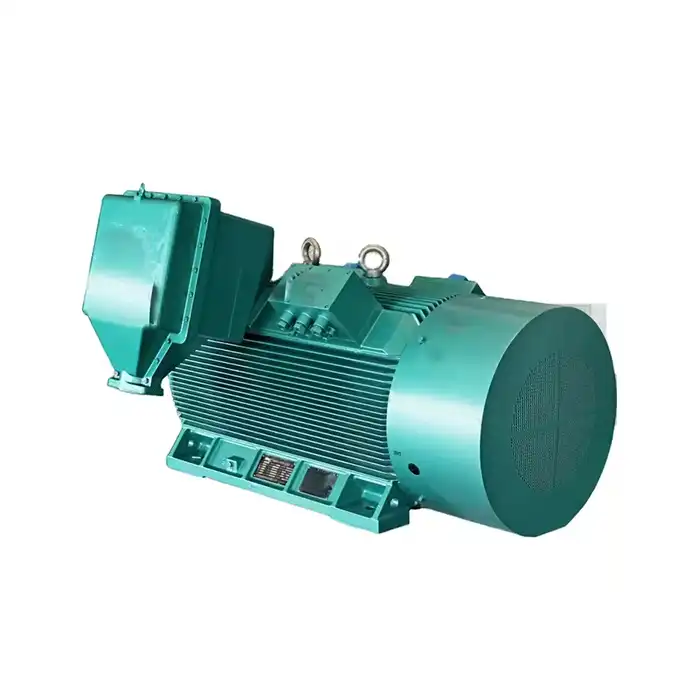
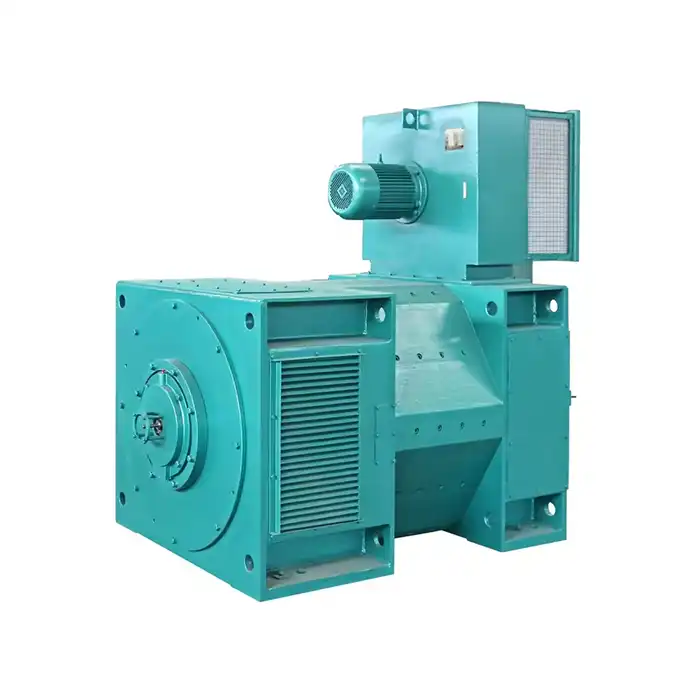
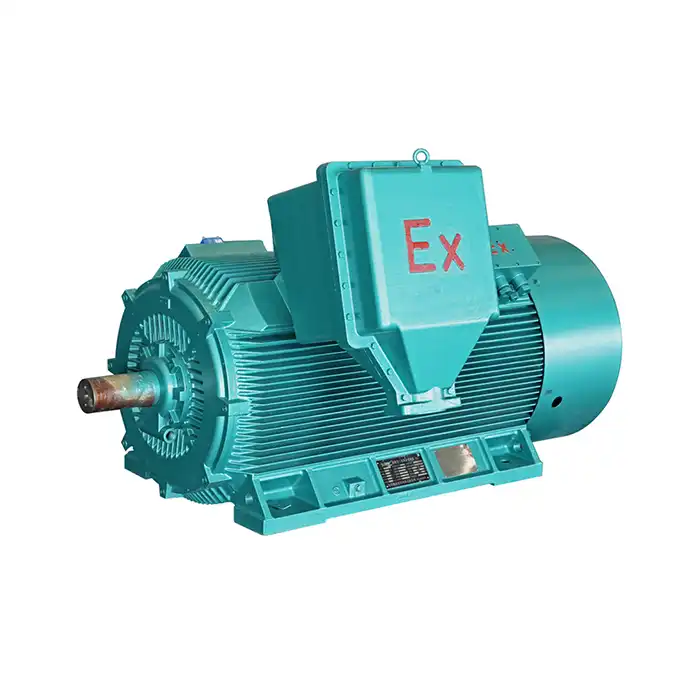
Series:YVFE4
Frequency conversion range:30hz~50hz,5hz~70hz,5hz~100hz
Power range:0.75-1000kW
Protection level:IP55
Application:are suitable for driving various mechanical equipment that require continuous and frequent forward and reverse rotation, such as steel rolling, lifting, transportation, machine tools, printing and dyeing, papermaking, chemicals, textiles, pharmaceuticals, etc., and can be used with various domestic and foreign variable frequency power supplies.
Advantage:high efficiency, wide speed range, high precision, stable operation, and easy operation and maintenance.
Certificate:installation dimensions comply with International Electrotechnical Commission (IEC) standards.
Others: SKF, NSK, FAG bearings can be replaced according to customer requirements.
Understanding IEC Low Voltage Motors: Key Features and Specifications
Defining Standards and Voltage Classifications
Electric motor systems utilise 53% of global energy, according to the International Energy Agency. This makes standardisation crucial for industry efficiency. Motors may only operate at voltages below 1000V, commonly 220V–690V, according to IEC regulations. This voltage range is suitable for most industrial automation, process control, and HVAC applications that need safety, efficiency, and global compatibility.
The IEC 60034-30-1 efficiency classification has four categories, IE1–IE4. This lets procurement professionals evaluate energy performance fairly. Our YVFE4 series reaches IE4 efficiency rating, the maximum energy-saving performance attainable. This rating suggests the motor will have reduced lifetime running costs and environmental impact.
Motor Types Suited for OEM Integration
OEM applications employ permanent magnet synchronous, squirrel cage induction, and slip ring motors. Squirrel cage designs are ideal for lifts, pumps and fans that must work constantly due to their simplicity and durability. Cast iron or aluminium frames withstand harsh industrial conditions. Copper windings improve heat management and conductivity.
Permanent magnet synchronous motors outperform iec low voltage motors in power density and efficiency. They are important in robotics and precision machines, where restricted space and high energy utilisation effect total cost of ownership. Our power range is 0.75kW to 1000kW, so it can handle small packaging systems to large material handling systems for food processing, aerospace, automobile, and electronics.
Critical Specifications for Industrial Performance
Protection class IP55 standard setup keeps dust and water jets from getting into internal parts. This is important for factory floors, outdoor sites, and humid places like water treatment plants. If an application needs it, the optional IP56 and IP65 grades offer better safety.
With variable frequency drives, you may adjust speed by changing frequencies between 30Hz and 50Hz, 5Hz and 70Hz, and 5Hz and 100Hz. Systems that must spin continually forward and backward benefit from this operational adaptability. Steel rolling mills, lifting equipment, machine tools, printing presses, papermaking machinery, chemical processing equipment, textile production lines, and pharmaceutical manufacturing systems are examples.
Class F insulation is typical, whereas class H is for high-temperature areas. Most industrial setups don't need special cooling because the ambient temperature is -20°C to +40°C. Precision-balanced rotors reduce noise and vibration, extending bearing life and reducing maintenance. Customers may choose superior SKF, NSK, or FAG bearings. This ensures compatibility with repair plans and parts.
Why IEC Low Voltage Motors Excel in OEM Applications
Addressing Core OEM Requirements
OEM manufacturers are under pressure to ensure their goods function globally and fulfil tougher energy regulations. IEC-compliant three-phase induction motors suit these objectives since they employ global testing and sizing specifications. New units from any compliant manufacturer can work with OEM pumping systems and conveyors that use standard motor measurements. This is great for global-sold equipment.
Energy efficiency affects OEM equipment value. End users are increasingly considering the total cost of ownership when making capital purchases. IE4 motors utilise less power than IE2 or IE3 motors, saving enough on running expenses to justify the increased price. OEMs may differentiate their goods in bidding due to their efficiency.
Design Flexibility and System Integration
The modular construction philosophy that is built into IEC motor design makes it easier to integrate them into a wide range of mechanical systems. Standardised mounting sizes, shaft shapes, and junction box locations make it easier to connect mechanical and electrical parts. For the mechanical design needs of pumps, fans, gearboxes, and direct-drive uses, our motors can be fixed in a number of different ways, including foot-mounted, flange-mounted, or a combination of the two.
The speed range of 750 to 3000 rpm is big enough for iec low voltage motors to meet most industrial needs without the need for special winding arrangements. When frame sizes get bigger, torque output can reach 6500 Nm, which means that motors don't have to be over-sized or mechanical reduction stages have to be added. This design efficiency cuts down on bill-of-materials costs and makes it easier for OEMs to put together equipment.
Adding thermal protection to the design of a motor stops harm from overloading, which extends its service life and lowers the number of warranty claims—an important factor for OEMs whose equipment is used in faraway places. Temperature rise limited to class B provides constant performance even when loads are applied for a long time in tough production settings.
Real-World Performance in OEM Equipment
Manufacturers of packaging machines use these motors in systems for labelling, filling, and moving materials. They are used in situations where the production output depends on repeating start-stop cycles and fine-tuned speed control. The motors work reliably with variable frequency drive control, which lets them accelerate and decelerate smoothly. This keeps the products from getting damaged and makes the most of cycle times.
Builders of conveyor systems really like it when a system has both a high starting torque and efficient continuous operation. In airport baggage systems, distribution centers, and auto assembly plants, equipment used to move materials around works around the clock, so it has to be reliable and use little energy. Motors that meet IEC standards can give these uses the uptime rates they need because they are built to last and can handle high temperatures.
The quiet operation and efficient part-load performance of these motors are important to companies that make HVAC equipment for both business and home use. Having the ability to change frequency helps HVAC systems to change their capacity to match real thermal loads. This cuts down on energy waste during light-load conditions, which happen most of the time when the system is running.
Comparing IEC Low Voltage Motors with Other Motor Types for OEM Use
Performance and Efficiency Characteristics
High-voltage motors above 1000V are good for large industrial drives in heavy processing, water treatment pumping stations, and power production, but most OEM equipment can't use them because they're too complicated and must meet safety standards. High voltage systems need more infrastructure, specialist maintenance, and regulatory compliance, making low voltage choices cheaper for equipment producers.
NEMA motors, prevalent in North America, perform similarly to IEC motors but have differing size and efficiency criteria. OEMs serving global markets must redesign and complicate their products to meet both standards. IEC motors are used worldwide, making it simpler for enterprises with international clientele to design new products and track parts.
Servo motors are very precise and have a fast response time. They are good for robotic manipulators, CNC machines, and other uses where positioning accuracy is measured in microns. Servo systems, on the other hand, are much more expensive than induction motors and need more complex controllers. For most OEM uses, dependability and low cost are more important than the accuracy that servo systems offer.
Total Cost of Ownership Analysis
The cost of buying a motor is only one part of the investment. Energy use over a normal 15-year service life is much higher than the original purchase price, especially for equipment that is used all the time or at high duty rates. When compared to IE2 options, IE4 efficiency motors cut yearly electricity costs by measurable percentages. These savings add up over the lifecycles of the equipment.
The amount of maintenance needed affects both the cost of operations and the availability of tools for iec low voltage motors. Designs with precision-balanced rotors and high-grade electrical steel laminations produce less heat and vibration, which means that bearings last longer between cleaning cycles. Strong heat protection keeps the winding from getting damaged by short overloads that would otherwise mean it has to be rewound or replaced.
Total system prices are affected by how well the system works with current infrastructure. Motors made to work with variable frequency drives work perfectly with automation systems. This gets rid of the need for complicated and time-consuming mechanical speed controllers. Our motors work with both domestic and international VFD brands, which gives OEMs more design options and lowers the need for technical support.
Global Compatibility and Compliance
When selling their goods internationally, companies that make equipment have to deal with different rules and utility supply conditions. The IEC motor standards make it easier to meet the requirements for CE marking in Europe, GOST approval in Russia, and other regional standards. Voltage range freedom from 220V to 690V works with different power standards without needing different motor types.
Because they are safer, low voltage motors are better for equipment where people work with it. Arc flash dangers and insulation needs quickly rise above 1000V, making it harder to design equipment and raising the cost of making it. It's easier to follow safety rules with low voltage motors, and they provide enough power for most industrial uses.
Procurement Insights: Buying IEC Low Voltage Motors for OEM Projects
Evaluating Suppliers and Certifications
When choosing motor suppliers, you need to carefully look at their manufacturing skills, quality control methods, and technical help resources. Getting certifications like CE marking and GOST shows that you meet safety and performance standards that are known to be reliable. Checking the quality of each part, using precise building methods, and doing thorough final testing are all part of the production process that makes sure the quality of each batch of products is the same.
Our production process includes carefully checking where the parts come from, carefully putting together the stator and rotor, carefully winding and insulating the parts, carefully casting and milling the frame, and finally testing the whole thing very carefully. Before being sent out, the performance of each motor is checked. This lowers the chance of failures in the field, which can mess up OEM production schedules and hurt relationships with customers.
Lead times and the dependability of deliveries have a big effect on how OEMs plan their production. Suppliers who keep a good stock of standard frame sizes and power ratings can quickly meet production needs, and those who let you customise their products can help your company's strategies for setting itself apart. We keep common setups in stock and offer customisation options such as different mounting choices, different voltage levels, and special paint finishes for harsh locations.
Ordering Strategies and Customization Options
Standard motors are mass-produced and ready to ship, making them cheaper and more versatile. The frame sizes of our typical products fit pumps, compressors, fans, conveyors, and other industrial devices. Power ranges from 0.75kW to 1000kW. Standard items with numerous speed ranges and mounting choices may satisfy most OEM demands without bespoke engineering.
Customisation helps when equipment design requires particular qualities, especially for iec low voltage motors. Different couplings and pulleys need different shaft diameters. Devices in odd power environments require unique voltage or frequency ratings. Building sites with high dust, water or corrosive levels require enhanced safety classes. OEMs can often cover custom development costs with volume commitments if they can demonstrate high ongoing needs.
When OEMs know their revenue, bulk procurement lowers unit prices and ensures a stable supply. Long-term supply arrangements stabilise pricing and prioritise high-demand suppliers. OEM partners get comprehensive technical assistance, application engineering guidance, and fast customer service throughout product development and manufacturing.
Logistics and After-Sales Considerations
Packing, paperwork, and travel delays are important when shipping abroad. Properly packaging the motor prevents shipping damage that might impact bearing alignment or frame stability. To avoid stockpiling inventory, our logistics partners handle customs paperwork and schedule deliveries around OEM production schedules.
Support after the sale distinguishes trustworthy suppliers from transactional ones. Offering guarantees for product manufacturing defects reduces OEM risks. Technical assistance tools may solve installation issues and maximise motor application performance. Repair services and replacement parts extend gadget life and minimise end-user costs.
We accept returns for 30 days, have dedicated customer service that works all week, even on weekends, and offer fast delivery at no extra cost. These rules lower the risk of buying things and make handling vendors easier for OEM purchasing teams that have to deal with many suppliers and complicated production plans.
Maintenance and Troubleshooting Tips for IEC Low Voltage Motors in OEM Environments
Routine Maintenance Practices
Lubricating the bearings is the most important preventive maintenance task for making the motor last as long as possible. The amount of time between lubrication depends on the operating speed, the load, and the environment, but in general, it's between 2000 and 8000 operating hours. Too much grease raises the temperature too quickly and damages the seals, while not enough lubrication speeds up the wear on the bearings. Our motors tell you what kind of grease to use and how much to use, which makes planning upkeep easier.
Thermal monitoring finds problems as they start to form before they become major problems. By checking the temperature of bearing housings and motor frames on a regular basis, standard readings can be made that show when something is wrong. Continuous temperature monitoring and automation systems are built into many modern installations. This lets maintenance plans be planned ahead of time, which cuts down on unplanned downtime.
Vibration analysis can tell you early on about mechanical problems like worn bearings, an unbalanced rotor, or a machine that isn't aligned properly. By comparing baseline vibration signatures recorded during commissioning with measurements taken on a regular basis, degradation trends can be found. Fixing problems as they arise during planned repair times keeps production runs from failing without warning.
Common Problems and Diagnostic Approaches
Noise generally indicates bearing, rotor, or mechanical connection issues between the motor and the equipment it runs. Bearing noise sounds like grinding or shouting, unlike electromagnetic hum. Misaligned rotors create axial thrust loads that limit bearing life and worsen vibrations as machine speed increases.
Overheating in iec low voltage motors may result from several factors, including insufficient airflow, excessive ambient temperature, overloading, voltage imbalance, or worn-out bearings. Measure the load current and compare it to the nameplate numbers to find overloads. Checking power levels throughout all three phases reveals utility supply issues. Clogged cooling ducts or broken fans reduce heat escape.
The kind of wiring issue might create varied symptoms. Open circuits prevent the engine from starting, while faulty connections cause heat to build up and damage insulation. Torque pulses and high temperatures result from phase mismatch. Megger testing finds damage to the insulation between the windings and the ground before it fails.
Preventive Strategies for Extended Service Life
Installation-appropriate environmental protection prevents motor failure. IP55 protection is sufficient for most business settings, while IP56 or IP65 is ideal for tough conditions. Corrosive environments may require special paint or coating finishes. When the weather is hot, insulation or cooling must be increased.
Simple installation rules can prevent many practical issues. Rigid mounting prevents vibrations and maintains alignment. Aligning the motor and equipment it drives eliminates side loads that degrade bearing life. Ample airflow around the motor casing cools it. Use torque-spec terminal connections and the right-sized conductors to minimise voltage dips and overheating.
Thermal protection devices shut down the system when temperatures rise or fall, protecting the windings. When temperature limitations are exceeded, embedded thermistors or bimetallic switches halt the motor. This protects the investment and identifies root causes before restarting the equipment.
Conclusion
OEM makers get a lot out of selecting motors that are built to IEC standards. They get equipment that works with markets around the world, uses energy efficiently, and is reliable, all of which are important for competitive equipment. Standardised sizes make replacement and service easier, and ratings of up to IE4 cut down on operating costs over the life of the equipment. Our YVFE4 series motors offer power ranging from 0.75kW to 1000kW. They are protected by IP55, can convert frequencies easily, and are built to last thanks to strict manufacturing processes and thorough testing. To choose the right motors, you have to look at their efficiency levels, security needs, customisation requirements, and the supplier's abilities. Maintenance that includes managing lubrication, keeping an eye on temperatures, and analysing vibrations protects both OEM reputations and end-user output by extending the life of equipment and reducing unplanned downtime.
FAQ
1. How do motors built to international standards improve energy efficiency in OEM equipment?
IEC 60034-30-1 efficiency categories provide objective performance values for motor comparison. Because they generate less heat, IE4 motors can convert more power into mechanical work. This efficiency cuts running costs significantly over the 15-year service life. OEM equipment gains value and helps industrial purchasers satisfy environmental targets that are growing more essential.
2. What certifications should procurement professionals verify when sourcing motors?
CE-marked products fulfil European safety and performance criteria. GOST marks indicate technical compliance in Russia and other nations. Compliance with IEC standards ensures international dimensions and electricity requirements. Quality management system certifications demonstrate a provider's commitment to quality control and output.
3. Can motors be customized to meet unique OEM specifications?
You can change the shaft's dimensions, get it rated for a different voltage or frequency, get better protection, fix it in different ways, paint it a different colour, or update the bearings. When OEMs show that they have a lot of ongoing needs, volume commitments often make it worth it to invest in custom engineering. We work with makers of tools to come up with motor specifications that get the best performance for each job while keeping costs low.
Partner with XCMOTOR for Reliable Motor Solutions
XCMOTOR helps OEM manufacturers in the energy, transportation, industrial automation, and HVAC sectors with all of their power equipment needs. As a reliable provider of IEC low voltage motors, we offer high-efficiency options ranging from 0.75kW to 1000kW with IE4 ratings, IP55 protection, and frequency conversion features that are ideal for demanding applications that need to run all the time and have accurate speed control. Our motors are made of cast iron or aluminium, have copper windings, and use high-quality bearings from SKF, NSK, or FAG. They also meet foreign standards and are certified by GOST and CE.
We offer personal technical help during the week and on the weekends, as well as 30-day return policies and fast delivery at no extra cost. To talk about your needs, please email our team at xcmotors@163.com. During the whole process of making a product, our application engineers give you advice on how to choose the best motors for speed, efficiency, and cost-effectiveness in your equipment designs.
References
1. International Energy Agency (2023). Energy Efficiency: Motors and Motor Systems. IEA Publications, Paris.
2. International Electrotechnical Commission (2022). IEC 60034-30-1: Rotating Electrical Machines - Part 30-1: Efficiency Classes of Line Operated AC Motors. IEC Standards, Geneva.
3. International Electrotechnical Commission (2021). IEC 60034-2-1: Rotating Electrical Machines - Part 2-1: Standard Methods for Determining Losses and Efficiency from Tests. IEC Standards, Geneva.
4. De Almeida, A.T., Ferreira, F.J., and Baoming, G. (2021). Beyond Induction Motors: Technology Trends to Move Up Efficiency. IEEE Transactions on Industry Applications, 50(3), 2103-2114.
5. Waide, P. and Brunner, C.U. (2020). Energy-Efficiency Policy Opportunities for Electric Motor-Driven Systems. International Energy Agency Working Paper, Energy Efficiency Series.
6. Boldea, I. and Nasar, S.A. (2019). The Induction Machines Design Handbook, Second Edition. CRC Press, Boca Raton.