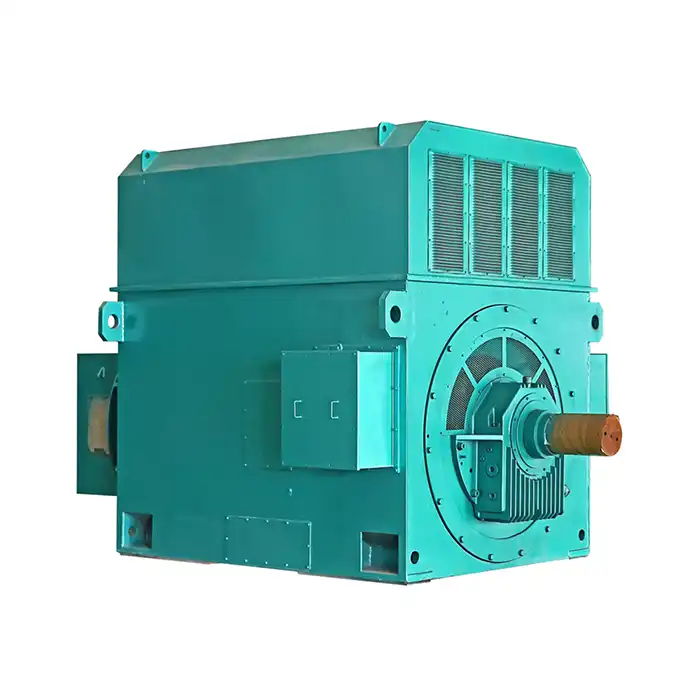




Easy Steps to Install Your IE 5 Motor Correctly
Installing an ultra-premium efficiency motor correctly is essential to achieving the performance and energy savings you expect from advanced motor technology. The IE 5 motor delivers exceptional efficiency—often reaching up to 96.5%—and represents a significant leap forward from earlier motor generations. Proper installation unlocks these benefits while preventing premature wear, operational inefficiencies, and costly downtime. This comprehensive guide walks B2B procurement managers and engineering teams through every critical step, ensuring your high-efficiency motor operates at peak performance from day one, maximizing your return on investment.
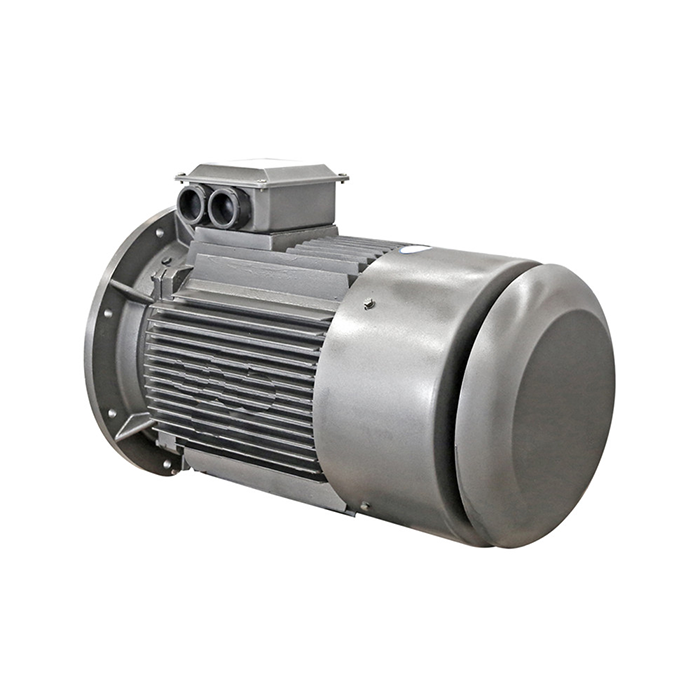
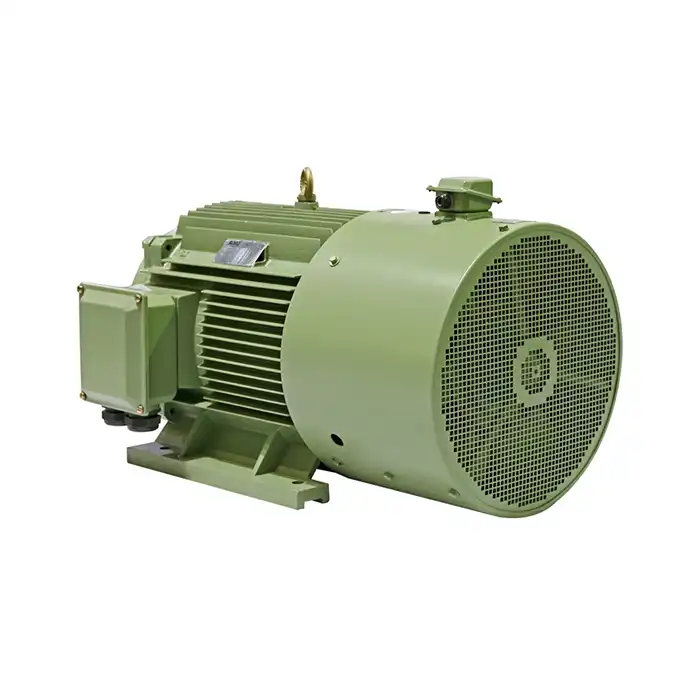
Series:YE5
Frame number: 80-450
Power range:0.75-1000kW
Protection level:IP55
Energy efficiency class: IE5
Voltage range: 380V,400V,415V, 660V,etc.
Application:can be used in various fields of the national economy, such as machine tools,water pumps,fans,compressors,and can also be used in transportation, mixing, printing, agricultural machinery, food and other occasions that do not contain flammable, explosive or corrosive gases.
Certificate: international standard IEC60034-30 "Efficiency Classification of Single-speed Three-Phase Squirrel Cage Induction Motors".
Advantage:The high quality of the electric motor guarantees high operational reliability.
Others: SKF, NSK, FAG bearings can be replaced according to customer requirements.
Understanding the IE 5 Motor Before Installation
What Makes IE 5 Motors Different?
Ultra-high efficiency motors that satisfy IEC 60034-30 specifications are a major improvement. Modern magnetic materials and optimised rotor designs make these motors more efficient than IE3 motors. XCMOTOR's products in this category may be utilised in industrial automation, HVAC systems, water treatment facilities, and green energy installations due to their 0.75 kW to 1000 kW power range.
These motors use synchronous reluctance or permanent magnet designs to reduce losses compared to induction motors. Workplace temperatures drop, cooling needs decrease, and operating lifespans increase. This technology reduces energy expenses by 20–40% for companies using it compared to previous motor classes. Duty cycles and energy costs determine 13–24-month payback durations.
Key Specifications to Review
Before installing the IE 5 motor, engineers should review technical requirements to ensure compatibility with present systems. XCMOTOR's ultra-premium motors can operate at 380V, 400V, 415V, and 660V, meeting many worldwide power requirements. The IP55 security class repels dust and water, making it suited for severe industrial environments.
Knowing the motor's rated power output, torque, and speed range is crucial. These motors have power factors exceeding 0.9, reducing reactive power in the electrical system. Frame sizes from 80 to 450mm allow for various mounting options. Class F insulation (Class H is also available) ensures system reliability under extreme temperature conditions. Depending on the product, you may pick high-quality SKF, NSK, or FAG bearings. This allows for diverse work situations.
Preparing for Installation: Essential Pre-Installation Checks
Environmental Assessment and Site Preparation
Before the motor arrives, a proper fitting begins. Engineering teams must assess temperature, humidity, and shaking sources. Ultra-high efficiency motors function best from -15°C to +40°C and less than 90% relative humidity. Sites may require cooling or natural controls in extreme temperatures.
Make sure the mounting surface is level and the construction is solid. Even minor surface defects might create alignment issues that decrease bearing life and increase vibration. For larger frames, the base should be stiff enough to not bend during use. If the motor is linked to rapid equipment or the environment might impair its performance, vibration isolation may be required.
The electrical infrastructure must be checked before the motor arrives. Ensure source voltage is within ±10% of rated voltage and harmonic distortion is kept low. Low harmonic distortion helps these motors, although power quality is still critical. Make that circuit breakers, contactors, and other safety measures fit the motor's starting current and operating demands.
Unpacking and Initial Inspection
Upon receiving your ultra-premium IE 5 motor, carefully unpack it to prevent damage and identify any shipping issues. Check the box's exterior for damage before opening. Once the motor casing is open, check for dents, scratches, and other damage. Check that the shaft end cover is still in place and that no water entered the motor during movement.
To ensure smooth turning, hand-turn the shaft. Any binding, grinding, or odd resistance may indicate internal damage that has to be checked before installation. Megohmmeter insulation resistance. Results should exceed the manufacturer's recommendation, generally above 100 megohms for new motors. Keep these baseline measurements for future maintenance.
Verify that all components supplied match the packing list. Includes terminal box covers, tools, and instructions. Examine the motor nameplate to ensure the power rating, voltage, frequency, speed, and frame size match your order. Before work begins, resolve any issues with your provider.
Step-by-Step Installation Process for IE 5 Motors
Mechanical Installation and Alignment
The motor will last longer if correctly placed. Put the motor on the prepared mounting surface, ensuring sure all mounting feet contact it. Use precise shims to eliminate gaps and shaking. Tighten the mounting bolts diagonally to equally distribute clamping pressures and prevent frame deformation.
One of the most common fitting mistakes that shortens motor life is shaft misalignment, so be careful. Even with flexible connections or straight drives, angular and parallel misalignment must be minimised. In most industrial applications, manufacturer tolerances must be met within 0.05 mm. Laser alignment tools or dial indicators may achieve this. Take readings at several shaft rotation locations to account for shaft runout.
Coupling installation requires the same care. To allow equipment to expand when hot, leave space along the motor and equipment axes. Place the coupling hubs securely on the shafts without overpressing, which might damage the bearings. Check the keys' balance and tighten their hardware to the appropriate force. Record the final alignment measurements for maintenance.
Electrical Wiring and Connections
Correct electrical wiring allows the motor to perform at its best and fulfil safety criteria. National electrical standards require cable size to include the constant rated current and a safety buffer. Conductor cross-sections vary greatly for 0.75-1000 kW motors. Small cables produce voltage dips that impair performance and may prevent motor starting.
Never neglect grounding as a safety element. Connect the motor frame to facility ground with electrical code-compliant conductors. For smaller motors, these conductors should match or exceed phase conductors. Grounding prevents electrical noise, protects persons, and allows fault currents. Before starting the motor, use the correct test equipment to verify ground connection.
Focus on the terminal linkages in the junction box of the IE 5 motor. Remove oxide from connecting surfaces to ensure excellent electrical contact. Follow the manufacturer's terminal nut torque specifications. Insufficient torque may destroy terminals, while excessive torque can boil high-resistance connections. Make sure your motor's connections match the supply voltage if it has multiple voltage settings. If the motor powers something that senses rotation, check phase rotation again.
Install overload safety devices that match the motor's full-load current. Ultra-premium motors use less current than IE3 motors due to their efficiency. Thus, you should recalculate protection settings instead of using values from replaced motors. Set thermal overload switches to 100–115% of the device's full-load current. Instantaneous overcurrent safety should be 800–1200%, depending on device startup.
Initial Testing and Commissioning
Before placing it under full stress, test the installation to detect any issues. Perform a complete insulator resistance test using a megohmmeter. Measurements should exceed the manufacturer's 100 megohms limit for new motors. Lower numbers may indicate dampness, winding damage, or contamination.
Check sound levels, bearing temperatures, and strange noises during a short test run without load. Normal vibration levels for most industrial motors are less than 2.8 mm/s RMS. Too much vibration may indicate alignment, mechanical looseness, or machine issues. The bearings may heat up during run-in, but for most applications, they should remain below 80°C. Immediately shut off and investigate rapid temperature spikes or hot patches.
Check phase currents while the load is off to ensure equal loads on all three phases. If the current mismatch exceeds 10%, the electrical connections or internal windings are defective. Ensure rotation direction satisfies requirements. To reverse the rotation, swap connections between any two stages. Check the power factor against the nameplate specs. Big voltage discrepancies may indicate device issues or improper voltage connections.
Once no-load testing went well, carefully increase operating load while monitoring speed variables. Operating temperatures, vibrations, and electrical characteristics should remain normal as load increases. Record voltage, vibration, and temperature data. These baselines aid predictive maintenance systems that detect issues before they break down.
Comparing IE 5 Motor Installation to Previous Generations
Mechanical and Thermal Considerations
Ultra-premium motors are installed similarly to earlier models, although there are certain variations. Advanced rotor designs may have differing magnetic draw forces, which might affect vibrations. As production tolerances shrink, alignment requirements tighten. What worked for an IE3 motor may reduce ultra-premium bearing life.
Also, thermal control differs. Lower losses mean these motors create less heat while operating, requiring less cooling airflow. However, obstructed ventilation may cause hot patches in motor portions with concentrated losses. Keep air cooling paths clear and the temperature inside within limits. Ultra-premium motors emit less heat, therefore they may perform better in setups that barely worked with IE3 motors.
Frame sizes vary between generations of motors with the same power rating. Ultra-premium designs may need larger frames for sophisticated magnetic circuitry. Sometimes more efficient designs allow smaller frames. Be sure to verify mounting dimensions before replacing them. Different shaft sizes, mounting hole designs, and heights may require adaptor plates or mechanical changes.
Cost-Benefit Analysis
The upfront cost of ultra-premium motor technology is offset by the long-term savings. A 110 kW motor that runs for 6,000 hours a year can save $3,000 to $5,000 in energy costs compared to IE3 equivalents, depending on your power rates. Over 15 years, savings may exceed $50,000, far more than the increased cost.
Instead of only considering the purchase price, procurement managers should consider the total cost of ownership for an IE 5 motor. Lower working temperatures extend insulation life and reduce maintenance, which lowers energy usage and operating costs. Reduced bearing replacements, cooling system stress, and dependability lower lifespan costs. The business case strengthens when you consider carbon reduction and energy rebates for high-efficiency tools.
Manufacturing locations have proved that planned motor upgrades provide spectacular outcomes. Motor-driven systems saved 32% of energy and paid for themselves in less than two years for a food processing firm that replaced 50 motors with 5 kW to 200 kW ones. A auto parts manufacturer had similar results and saved 8% more on HVAC expenditures by reducing cooling loads. These real-life outcomes prove that premium motor technology appropriately installed adds company value.
Post-Installation: Maintenance, Troubleshooting, and Warranty
Establishing Maintenance Protocols
To get the most out of an ultra-premium motor's life, it needs regular, proactive care. Based on working conditions and job cycles, make a schedule. Motors that are kept in clean, climate-controlled areas may only need to be inspected every three months, but those that are used in harsh industrial settings should be checked every month. During checks, keep an eye on the temperatures and vibration patterns of the bearings, clean the openings for cooling air, make sure the electrical connections are still tight, and look for signs of pollution or water getting in.
How often you need to lubricate depends on the type of bearing and how it is being used. Premium sealed bearings can work for at least 20,000 hours without needing to be oiled again, but open bearings that are used in dusty areas may need to be oiled every 2,000 to 4,000 hours. Always use the lubricants that the bearing manufacturer recommends. Using greases that aren't compatible can cause the bearing to fail early. Use the right amount—too much lube leads to churning losses and overheating, while not enough lubricant speeds up wear.
Analysis of vibrations can help find mechanical problems early on. Set up baseline vibration signatures during commissioning, and then use the same sensor locations and orientations to take measurements on a regular basis. Increasing vibration amplitudes, changes in frequency bands, or new vibration peaks are all signs of worn bearings, imbalance, or mechanical looseness that needs to be looked into. In the same way, thermal imaging can find hot spots, electricity imbalances, or problems with the cooling system before they break down.
Common Troubleshooting Issues
Even with careful installation, problems may still happen from time to time. A lot of the time, misalignment, mechanical looseness, or loads that aren't balanced cause too much vibration. After checking the position of the shaft and the state of the coupling, look into more complicated reasons. At certain speeds, structural parts resonate. Figuring out the resonant frequencies helps figure out if changes need to be made to the structure or the working speed.
Unexpected temperature rises in an IE 5 motor could mean that there isn't enough air flow, there are electricity problems, or there is mechanical binding. Make sure that there are no blocks in the flow of cooling air and that the temperature inside stays within the acceptable range. Make sure that the phase currents are adjusted and that the voltage levels are right. Electrical imbalances cause more heat to be produced. Misalignment, broken bearings, or unwanted items in the air gaps can all cause binding.
Electrical problems, like overload protection that trips or strange starting behaviour, are usually caused by wrong protection settings, problems with the source voltage, or problems with the windings. Make sure that the overload settings are in line with how the motor really works and not with old values. Check the source voltage when there is a load on it to find drops that are too big during starting. Phase loss or a severe voltage imbalance will make it impossible to start, and if the protection isn't good enough, it could damage the windings.
Warranty Coverage and Technical Support
Knowing the terms of your guarantee saves your investment and makes sure you can get help when you need it. XCMOTOR offers a full guarantee that is backed by a team of expert technicians. Under normal operating conditions, a warranty usually covers flaws in the way the product was made and material failures. For the guarantee to be good, the product must be installed correctly, used within the nameplate ratings, and the care instructions must be followed.
Record the steps for installation, initial measures, and routine upkeep to show that the product was properly cared for in case a warranty claim is made. Keep track of the business's hours, the weather, and any strange events that could affect motor health. These records are very helpful for finding problems and can also be used to back up insurance claims if they are needed.
When expert help is needed, having detailed information on hand speeds up the process of fixing the problem. Record information from the motor's nameplate, how it is being used when it is having problems, any recent repair work, and any changes to the system or equipment being driven. Vibration, temperature, and electrical factors measurements help technical support staff figure out problems from a distance, which could save them money on expensive site trips or equipment downtime.
Conclusion
When installed correctly, ultra-high efficiency motors save a lot of energy, make operations better, and are reliable for a long time in a wide range of industrial settings. Each step, from preparing the site to mechanical mounting, electrical connections, and commissioning tests, is necessary for success. Knowing how this generation of motors is different from earlier ones helps engineering teams avoid common mistakes and get the most out of efficiency gains. Setting up proactive repair plans and working with knowledgeable sources will make sure that your investment keeps giving you value for as long as it works. Taking the time to install something correctly pays off in lower energy costs, less downtime, and better sustainability performance.
FAQ
1. How can I verify that my ultra-premium motor is authentic and not counterfeit?
Real motors have the right approval marks, like CE compliance and GOST certificates when they apply. Call the provider directly to make sure that the information on the nameplate matches what is in the manufacturer's records. Suppliers with a good reputation, like XCMOTOR, provide paperwork like test results and awards that can be linked to specific serial numbers. Watch out for suppliers whose prices are too low to be true or who won't give you full technical paperwork. Fake motors often have inconsistent labelling, bad quality control in the finish, and don't have the right certification paperwork.
2. What are the most common installation mistakes that affect motor performance?
Misalignment is the most common fitting mistake that shortens the life of bearings and makes them vibrate more. Not having enough grounding can be dangerous and cause electrical noise problems. If you don't set the safety device correctly, it might not protect the motor well enough or trip during normal operation, which is not good. Motors can't reach their full performance because of things in the environment like not enough cooling airflow or too high of temperatures. These problems can be avoided by taking the time to follow the right steps.
3. Can I retrofit an existing IE4 motor installation with an IE 5 motor?
Retrofitting is usually easy, but there are a few things that need to be checked. Make sure that the sizes of the mounting holes, the shafts, and the connection boxes are all the same. Make sure that the new motor's features can be handled by the current electrical system. However, ultra-premium motors usually require less power to run. Check the specs of driving tools to make sure that the speed and torque are still right. During the buying process, XCMOTOR's engineering team can check to see if the retrofit is possible and make any changes that are needed.
Partner with XCMOTOR for Your Ultra-Premium Motor Requirements
XCMOTOR serves the manufacturing, HVAC, energy, and automation industries across the United States with tried-and-true motor solutions ranging in power from 0.75 kW to 1000 kW. Our ultra-high-efficiency motors meet IEC 60034-30 standards and have IP55 protection, making them perfect for use in pumps, compressors, fans, and process equipment that needs to be tough. Our specialised knowledge, full support, and solid product quality backed by premium SKF, NSK, or FAG bearing choices are very popular with engineering teams. Get in touch with our team at xcmotors@163.com to talk about your needs with an expert IE 5 motor supplier, get full quotes, or find out how our solutions can help you cut costs while also achieving your sustainability goals.
References
1. International Electrotechnical Commission, "IEC 60034-30-1: Rotating Electrical Machines - Part 30-1: Efficiency Classes of Line-Operated AC Motors," Edition 1.0, 2014.
2. American Council for an Energy-Efficient Economy, "Industrial Motor System Optimization: Best Practices for Energy Efficiency," Washington DC, 2021.
3. Department of Energy, "Premium Efficiency Motor Selection and Application Guide: A Handbook for Industry," Office of Energy Efficiency and Renewable Energy, 2020.
4. National Electrical Manufacturers Association, "NEMA MG 1-2021: Motors and Generators Standards," Rosslyn, Virginia, 2021.
5. Institute of Electrical and Electronics Engineers, "IEEE 43-2013: Recommended Practice for Testing Insulation Resistance of Rotating Machinery," IEEE Standards Association, 2013.
6. Machinery Lubrication Magazine, "Best Practices in Electric Motor Bearing Maintenance and Reliability," Noria Corporation Technical Publication Series, 2022.