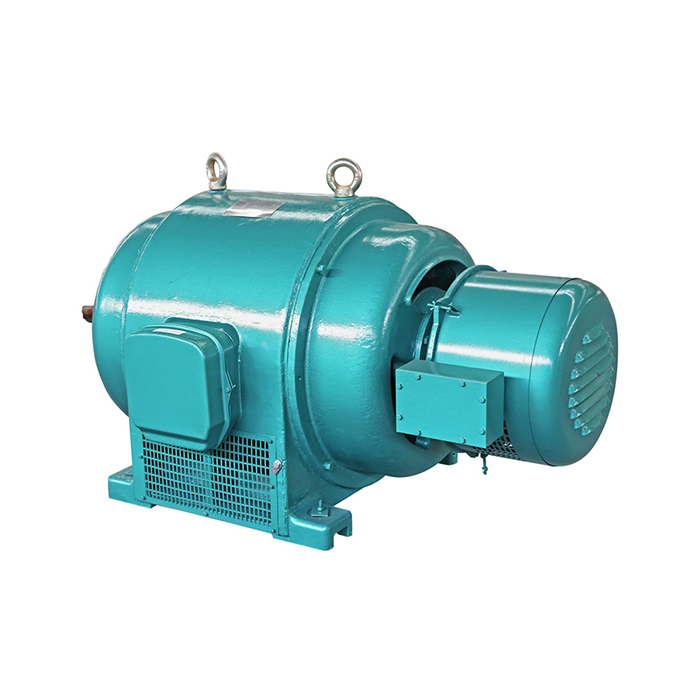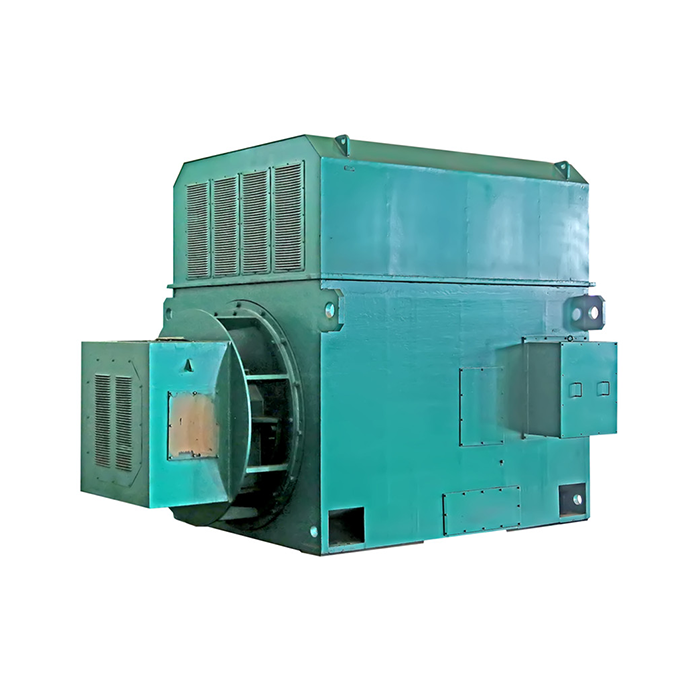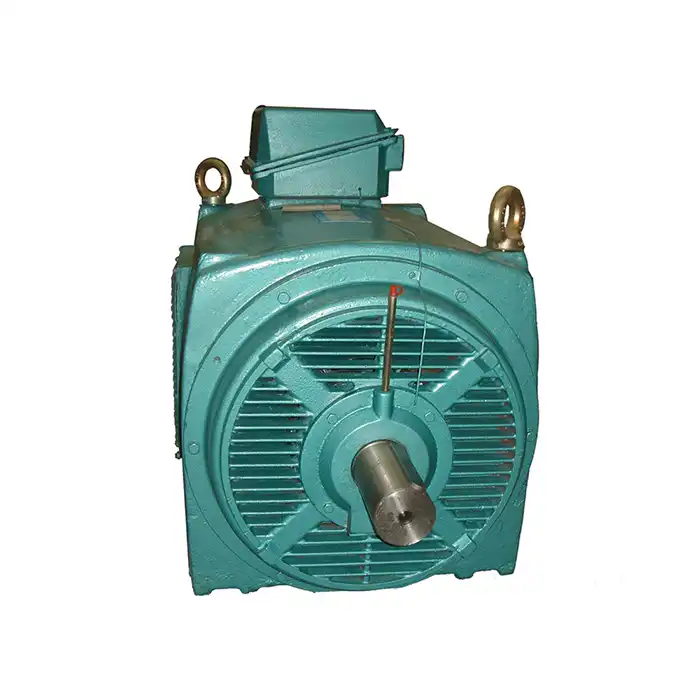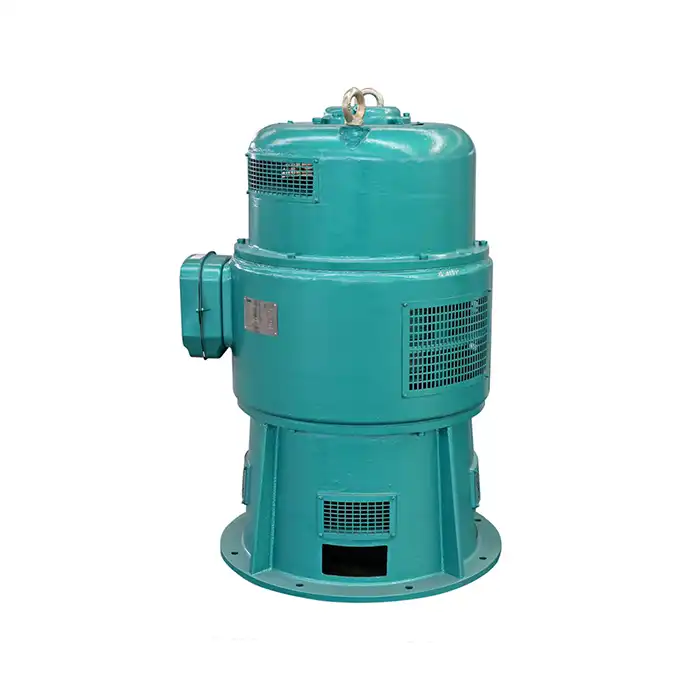




Why Choose YKK Motor for Mining and Oil Industries?
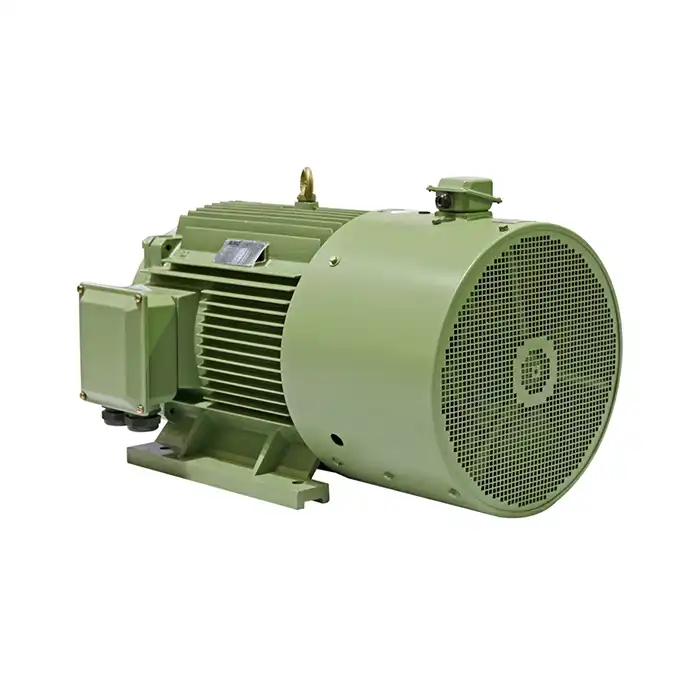
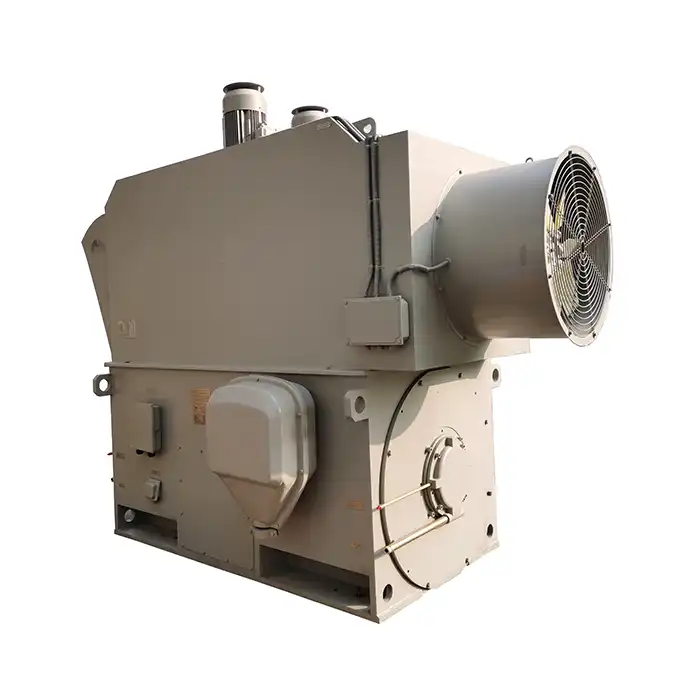
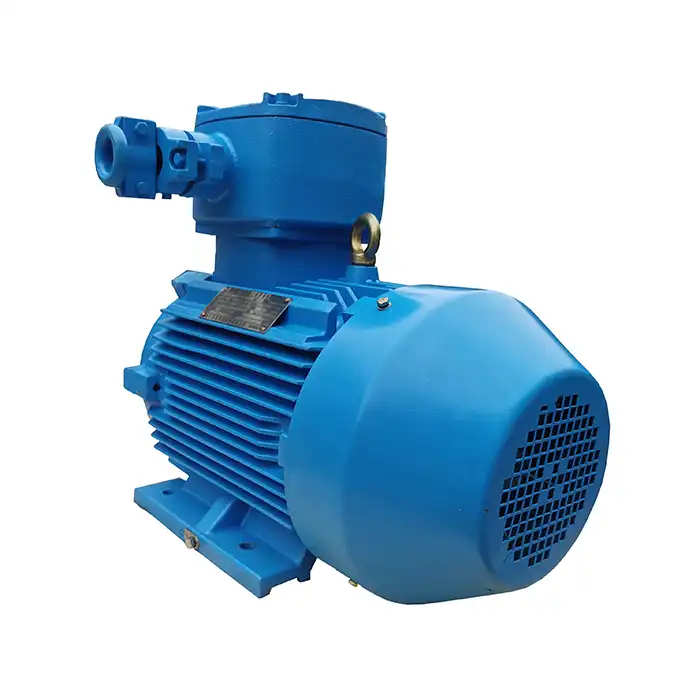
Selecting the right motor for mining and oil operations isn't just about power—it's about survival in some of the harshest working conditions imaginable. YKK motor solutions stand out by combining rugged construction with intelligent engineering designed specifically for these demanding sectors. With power outputs ranging from 200 kW to 6300 kW and voltage capabilities spanning 3000V to 11000V, these motors deliver consistent performance where downtime costs thousands per hour and equipment failures can compromise safety. Built with IP54 protection and engineered for extreme dust, moisture, and vibration exposure, they represent a practical investment for procurement teams prioritizing reliability and total cost of ownership.
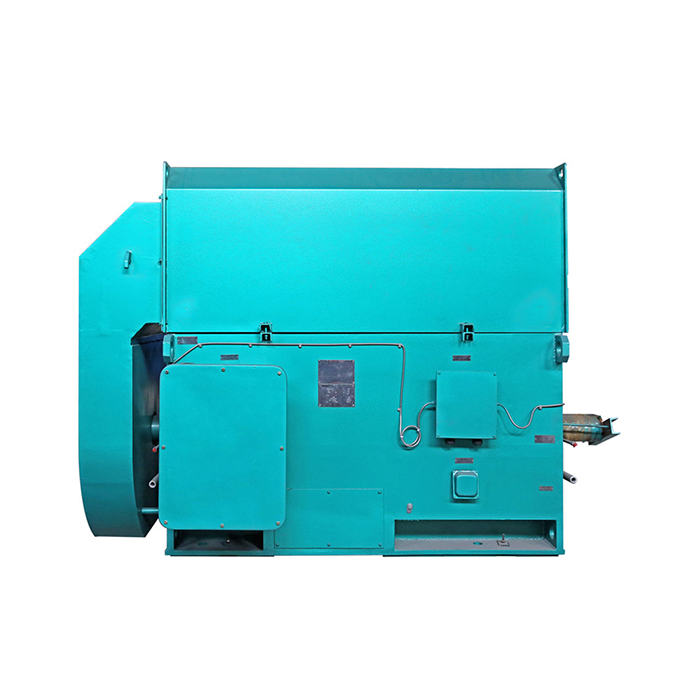
Series:YKK
Protection level:IP54
Voltage range:3000V±5%,3300V±5%,6000V±5%,6600V±5%,10000V±5%,11000V±5%
Power range:200-6300 kW
Application:fans, water pumps, compressors, crushers, cutting machine tools, transportation machinery, etc.
Advantage:low noise, low vibration, long service life, easy installation and maintenance.
Standard: This series of products complies with JB/T 12730 and JB/T 12729 standards.
Others: SKF, NSK, FAG bearings can be replaced according to customer requirements.
Understanding YKK Motor: Specifications and Applications in Mining and Oil Industries
In mining and oil extraction, machines are put through conditions that regular motors just can't handle. The YKK motor lineup solves these problems with focused engineering that puts longevity and continuous performance first.
Technical Specifications That Matter
When checking out motors for heavy-duty industrial use, specs directly show how well they work. With voltages of 3000V±5%, 3300V±5%, 6000V±5%, 6600V±5%, 10000V±5%, and 11000V±5%, this product can be easily connected to different types of facilities' existing power systems. This range of voltages is important because oil and mining fields are often located in rural areas with different power supply setups.
From 200 to 6300 kW, the power range covers a wide range of uses, from supporting tools to main production machines. Fans that move air and conveyor systems work best with lower ratings. Crushers, big compressors, and main extraction pumps work best with higher ratings. Following the rules in JB/T 12730 and JB/T 12729 makes sure that these motors meet high standards for safety and performance in the industry.
Real-World Applications Across Mining and Oil Operations
Mining processes depend on moving and handling materials all the time. For conveyor systems to move metal from where it is mined to where it is processed, the motors need to be able to keep their power constant even when the load changes. The YKK motor design handles these changes as well as the constant shaking that comes with running a conveyor belt. For crushers to break down raw ore, they need high starting torque and good overload capacity. These motors have had these features built in from the beginning of their design.
Different but equally difficult requirements come up in oil industry applications. For long periods of time, pumps that move crude oil through pipelines must work effectively without stopping for repair. For compressors to keep the pressure up during the extraction and refining processes, the motors need to be able to handle stable temperatures and vibrations. Another important application where motor failure directly affects production continuity is water pumps, which are needed for cooling and processing.
Whether they are on land or in the water, drilling rigs put their tools through high temperatures, corrosive atmospheres, and constant mechanical stress. The IP54 grade means that the construction is sealed, so dust and water can't get in. This makes the product last longer in harsh settings.
Performance and Reliability: Why YKK Motor Excels in Harsh Industrial Conditions
In the mining and oil industries, decisions about what to buy have a big effect on how well things work and how much upkeep is needed. When equipment breaks down under pressure, it affects both production schedules and safety rules.
Energy Efficiency That Impacts Bottom Lines
Energy costs make up a big part of the costs of doing business in industries that take resources from the ground. When motors meet or beat the IE3 and IE4 efficiency standards, they use a lot less power. When operations run continuously for months or years, improvements in efficiency save a lot of money. A 5% increase in efficiency on a 2000 kW motor that runs 8,000 hours a year saves around 80,000 kWh. This is a substantial reduction that also supports companies' sustainability commitments, which are becoming more important to regulators and stakeholders.
The frequency rating of 50Hz is in line with power systems found in many oil and mining regions around the world. This ensures optimal performance without any conversion losses or problems with compatibility.
Durability Features Reducing Downtime
Unplanned repair throws off production plans and raises costs by making it harder to get parts when they're needed and paying workers more than they would normally be paid. Each YKK motor is built to last, and frequent failure spots are taken into account through proactive design.
Motor life is greatly affected by the choice of bearings, especially when the motor is vibrating or under a lot of load. Standard setups come with good bearings, but you can choose to update to better SKF, NSK, or FAG bearings if your application calls for it. This gives procurement teams the freedom to change the level of reliability based on how important the operation is and how easy it is to do maintenance.
Low levels of noise and vibration aren't just nice to have; they also mean that the manufacturing tolerances are exact and that the rotating assemblies are balanced. Too much vibration speeds up the wear on all equipment and mounting structures that are connected to it. Motors that are designed to have little shaking last longer than the rest of the mechanical system. Getting rid of noise also helps with safety in the workplace and keeping operators comfortable during long shifts.
Class F insulation is standard, and class H insulation is available for uses where the ambient temperature is high or there are other difficult thermal conditions. This temperature management feature stops insulation from breaking down too soon, which is a frequent way for continuously loaded motors to fail.
Comprehensive Support Infrastructure
A basic warranty that lasts for one year protects you, and for important uses, you can choose to get longer coverage. This warranty backs up the product shows that the maker trusts it to work. After the warranty period is over, having spare parts readily available through established distribution networks cuts down on downtime when maintenance needs to be done.
Technical support that is available during purchase and throughout the working life of a motor helps teams choose the best motors, fix problems, and plan upkeep well. This flexible support system is especially helpful when putting motors in remote areas where there might not be a lot of technical know-how nearby.
A Comparative Look: YKK Motor Performance Advantages
To figure out what makes some motors different, you have to look at their specific performance traits that affect both daily use and long-term value.
Operational Characteristics That Drive Productivity
Motors with a high starting power can move big loads quickly from a stop. This is very important when starting conveyors that are full of materials, crushers that are still working, or pumps that are full of dense fluids. When starting torque isn't high enough, workers have to move equipment by hand before they can start it. This wastes time and poses a safety risk. The YKK motor design makes starting reliable when it's loaded, which speeds up operations.
Excellent overload capacity gives you a safety net for when demand temporarily goes up. Processing equipment sometimes has to deal with harder materials or higher production needs. Motors with a high overload tolerance can handle these changes without setting off safety systems or getting too hot, which keeps production going.
A large speed regulation range lets you finetune control for tasks that need to operate at different speeds with a ykk motor. Variable frequency drives are being used more and more in modern oil and mining sites to improve energy use and process control. Motors made to work at a wide range of speeds work well with these control systems, which helps with efficiency goals and gives businesses more options for how they run.
Maintenance Accessibility and Cost Management
"Easy installation and maintenance" isn't just a marketing phrase; it means less work for workers and faster repairs. Maintenance teams can get their work done quickly and easily with easy-to-reach terminal boxes, simple mounting configurations, and well-thought-out internal layouts. This design factor is especially useful during scheduled maintenance windows, when downtime for production needs to be kept to a minimum.
Because these motors are built to last a long time, they don't need to be overhauled or replaced as often. When motors work reliably for long amounts of time, capital equipment funds can go further. Instead of reacting to early fails, procurement teams can plan replacements ahead of time.
Procurement Made Easy: How to Buy and Support Your YKK Motor Investment
Getting products in the right way through the right channels of procurement guarantees real goods, good technical support, and warranty protection.
Working With Authorized Distribution Partners
Genuine YKK motor goods are sold by XCMOTOR as an authorized provider of power equipment options. Working with well-known distributors like XCMOTOR keeps the warranty valid and makes sure the product is real. Grey-market or counterfeit motors may look the same, but they don't have the right quality control, paperwork, or support systems.
Lead times are usually between two and four weeks, but they depend on the motor and the number of orders. Planning purchases around these dates keeps production from being held up. When you place a lot of orders for things like building additions or new fleets, you can often get big discounts that make the project more cost-effective. Talking about needs with providers early on lets you set up accurate shipping times and maybe even custom solutions.
Delivery and Logistics Considerations
Mining places and oil fields are often in remote areas that are hard to get to, especially when shipping a ykk motor. Free shipping on all items takes the guesswork out of shipping costs and makes planning easier. Knowing when things will be delivered makes it easier to work with installation teams and project plans. Suppliers who have worked with industrial equipment logistics before know how to handle it safely and what paperwork is needed for hazardous area certifications when they apply.
Post-Purchase Support and Parts Availability
To get the most uptime, you need support that responds quickly when questions come up or maintenance needs to be done. Having dedicated support available all week, even on weekends, gives operations that work continuous shifts peace of mind. A 30-day return policy protects you if the tools you receive doesn't meet your needs or if your business requirements change.
Not having to wait a long time for parts because you can easily get real extra parts. Through distribution networks, it should be easy to get bearings, seals, terminal parts, and other wear items. Supply chain disruptions can be avoided by building relationships with suppliers who keep large inventories of parts.
Building Trust: Company Profile, Certifications, and Quality Assurance
When deciding what equipment to buy, you need to have faith in the manufacturers and suppliers. Procurement risk assessment is based on knowing what the company can do and what its quality promises are.
Manufacturing Standards and Compliance
Getting international certifications like ISO and CE shows that you follow well-known safety and quality management systems. Regular audits and ongoing compliance monitoring are part of these certifications, which make sure that manufacturing processes meet consistent standards. If a product meets IEC and GB standards, it will work with all electricity codes and safety rules around the world.
The fact that these ykk motor units meet the requirements of the JB/T 12730 and JB/T 12729 standards shows that they meet Chinese industrial motor specifications that are widely accepted in global markets. This multi-standard method makes adoption possible in a wide range of regulatory settings.
XCMOTOR's Commitment to Customer Success
Shaanxi Qihe Xicheng Electromechanical Equipment Co., Ltd., also known as XCMOTOR, offers a wide range of power equipment options that are designed to be highly energy-efficient, use little power, and work reliably. This commitment goes beyond selling products and includes technical advice, application engineering, and ongoing support for as long as the equipment is in use.
The company's strategy is to solve problems both before and after the sale. Technical teams help match motor capabilities to application needs during specification development. This keeps costly mismatches from happening. Support continues after installation through operating questions, upkeep advice, and help with fixing problems.
XCMOTOR's stock is mostly made up of original items from well-known brands. This focus on quality avoids the problems that come with using low-quality tools and makes sure that customers get goods that meet their needs. Quality products and quick customer service turn relationships with vendors into partnerships instead of just transactions.
Conclusion
In mining and oil activities, motors need to be built to keep working even when conditions are tough. The YKK motor range can do this because it was carefully designed to deal with problems that are unique to the industry. It has a strong build that can handle vibration and dirt, a wide range of voltage and power levels to fit a variety of needs, energy-saving features that lower operating costs, and features that are easy to maintain that reduce downtime. Following foreign standards and being available through well-established marketing networks like XCMOTOR makes it easier to get the product while also making sure it is real and giving people access to it. When operations choose motors based on their technical merit, track record of reliability, and full support infrastructure, they can ensure long-term productivity and low lifecycle costs in tough resource extraction environments.
FAQ
1. How do I maximize YKK motor lifespan in dusty mining environments?
Regularly checking and cleaning the outside keeps dust from building up and blocking cooling. Even though IP54 protection makes the construction waterproof, keeping the air flow around motor housings open is the best way to get the best thermal performance. By keeping an eye on bearing temperatures and pressure levels while they're working, problems can be found before they become catastrophic. Regularly lubricating bearings according to the manufacturer's instructions stops them from wearing out too quickly. By keeping motors within their stated load limits, you can escape the thermal stress that wears down insulation over time.
2. Can customization accommodate unique equipment requirements?
Of course. XCMOTOR specializes in custom motor solutions that solve problems in specific applications. If you need to handle high vibrations or longer maintenance intervals, upgrading your bearings to high-quality SKF, NSK, or FAG models is a good idea. Changes to the insulation class are made to accommodate environments with high temperatures. Voltage and mounting arrangements can be changed so that they work with other equipment. Talking about specific operational needs with technical teams early on in the procurement process makes it possible to develop solutions that meet all of the requirements.
3. What energy savings can realistically be expected?
Motors that meet IE3 and IE4 efficiency standards usually use 2 to 5 percent less energy than standard efficiency units. How much you save depends on how many hours you run your business, how much energy costs where you live, and how much work you have. A 1000 kW motor that runs for 7,000 hours a year at 80% load and gets 3% more efficient saves about 16,800 kWh a year. When applied to many motors in a building, these savings add up and often pay for high-efficiency motor purchases within two to three years through lower utility costs.
Partner With XCMOTOR for Your Industrial Motor Needs
How easy or difficult it is to buy things depends on how well you choose the YKK motor supplier. XCMOTOR has a lot of experience with industrial power solutions. They will make sure you get real goods at fair prices and technical help for as long as your equipment works. Our team knows exactly what is needed for mining and oil uses, so they can help you match the right motor specs to your needs. We keep a large collection to make sure that orders are delivered quickly, and because we care about our customers, you'll get help on both Saturday and Sunday if there are problems with production. You can email our team at xcmotors@163.com or go to motorxc.com to talk about your needs with skilled experts who know how to use YKK motors. We offer the technical advice and reasonable prices that have made us a preferred YKK motor supplier for businesses all over North America, whether you need a single replacement unit or are outfitting an entire facility.
References
1. International Electrotechnical Commission. (2014). Rotating electrical machines – Part 30-1: Efficiency classes of line operated AC motors (IE-code). IEC 60034-30-1.
2. Stone, G.C., Culbert, I., Boulter, E.A., & Dhirani, H. (2014). Electrical Insulation for Rotating Machines: Design, Evaluation, Aging, Testing, and Repair. IEEE Press Series on Power Engineering.
3. National Electrical Manufacturers Association. (2016). Motors and Generators, NEMA Standards Publication MG 1-2016.
4. Bonnett, A.H. (2008). Root Cause AC Motor Failure Analysis with a Focus on Shaft Failures. IEEE Transactions on Industry Applications, 36(5), 1435-1448.
5. Toliyat, H.A., & Kliman, G.B. (2018). Handbook of Electric Motors: Second Edition, Revised and Expanded. CRC Press.
6. Society of Petroleum Engineers. (2019). Electric Motor Selection and Application for Oil and Gas Production Facilities. SPE Technical Standards and Guidelines.