



How to Size an IEC Low Voltage Motor for Industrial Machinery?
Sizing an iec low voltage motor correctly involves calculating the load requirements, understanding operational duty cycles, and matching power output to mechanical demands. We evaluate torque needs, speed ranges, environmental conditions, and frequency conversion capabilities—spanning 30Hz to 100Hz—to ensure motors between 0.75kW and 1000kW deliver optimal performance. Proper sizing prevents energy waste, reduces mechanical stress, and extends equipment lifespan across manufacturing, HVAC, and process automation applications.
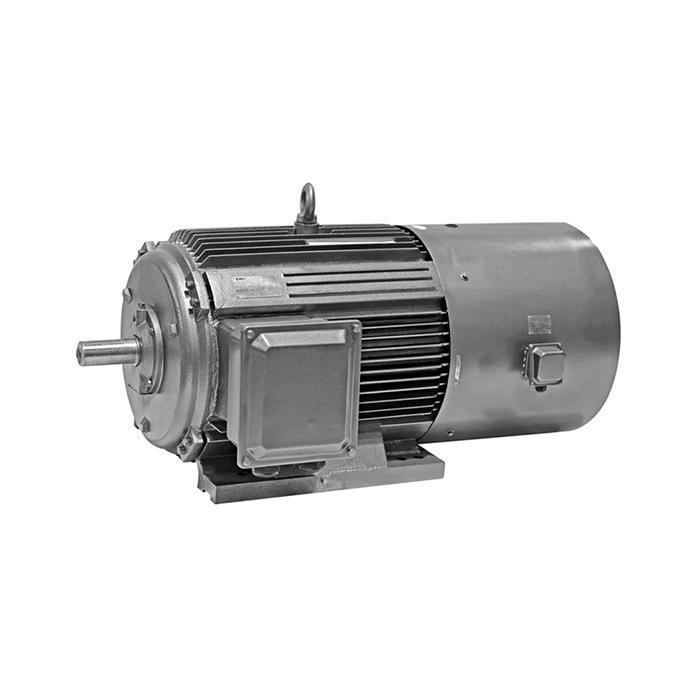
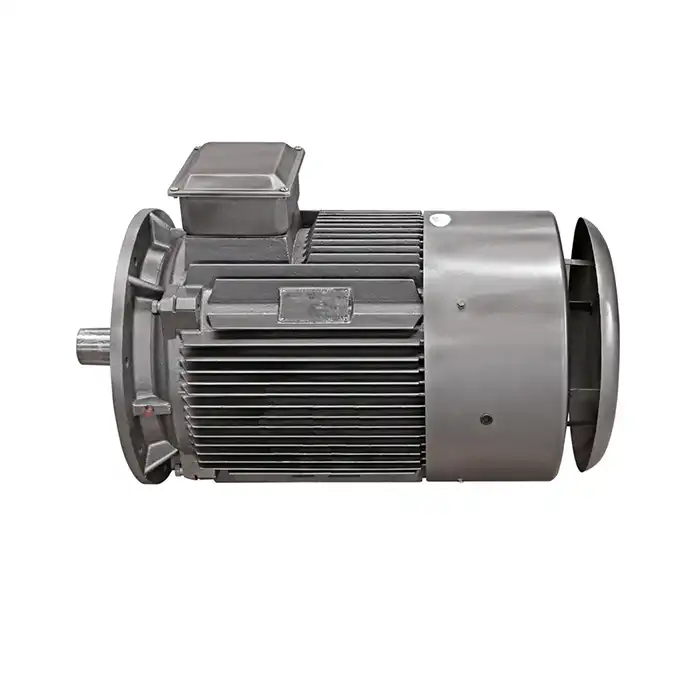
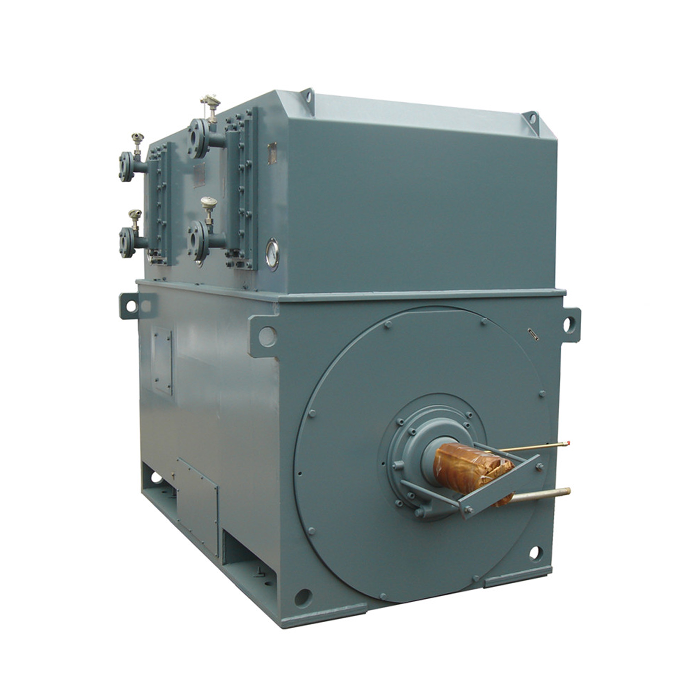
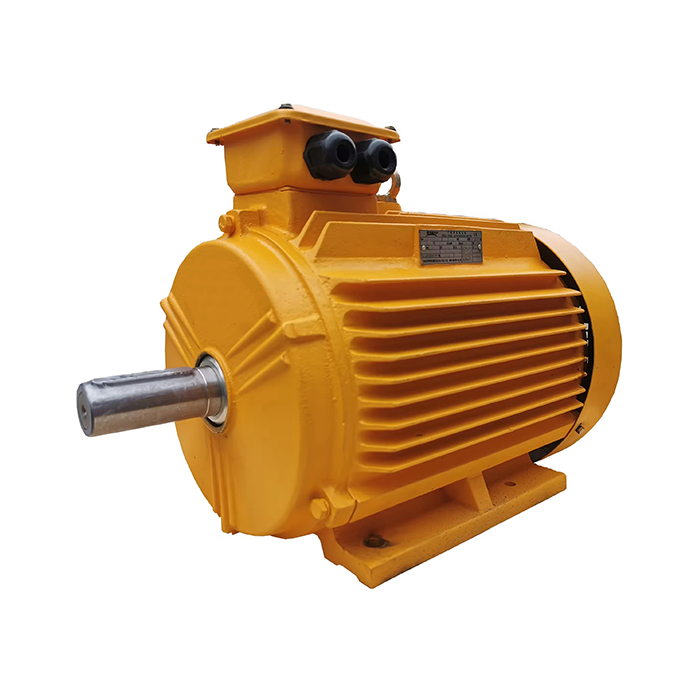
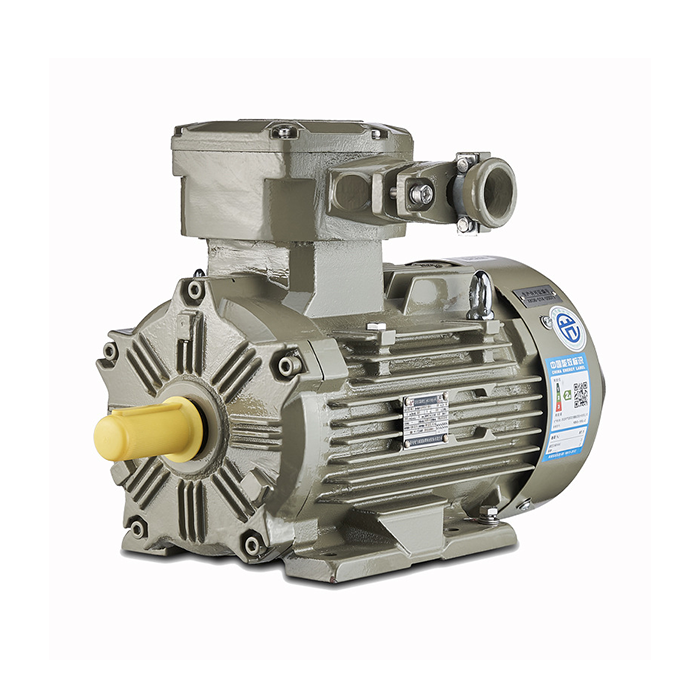
Series:YVFE4
Frequency conversion range:30hz~50hz,5hz~70hz,5hz~100hz
Power range:0.75-1000kW
Protection level:IP55
Application:are suitable for driving various mechanical equipment that require continuous and frequent forward and reverse rotation, such as steel rolling, lifting, transportation, machine tools, printing and dyeing, papermaking, chemicals, textiles, pharmaceuticals, etc., and can be used with various domestic and foreign variable frequency power supplies.
Advantage:high efficiency, wide speed range, high precision, stable operation, and easy operation and maintenance.
Certificate:installation dimensions comply with International Electrotechnical Commission (IEC) standards.
Others: SKF, NSK, FAG bearings can be replaced according to customer requirements.
Understanding IEC Low Voltage Motors and Their Industrial Applications
The International Energy Agency says that electric motor-driven systems use about 53% of the world's energy. This shocking number shows how important it is for industrial operations to choose equipment that is the right size. Motors made to IEC standards set safety, performance, and interoperability standards that are known all over the world. This makes them essential in many fields. Applications of IEC low voltage motors in industry demonstrate how standardized benchmarks improve operational reliability.
What Makes IEC Standards Critical for Industrial Motors
Through IEC 60034-2-1 and IEC 60034-30-1, the International Electrotechnical Commission sets strict rules for testing and rates the efficiency of devices. These models set four levels of efficiency, called IE1 through IE4. This makes it easier for buying teams to compare energy performance in a fair way. When motors meet IE4 standards, running costs go down in a measured way while mechanical reliability stays high in tough situations.
Our YVFE4 line motors show how much we care about economy. These units have precision-balanced rotors and high-grade electrical steel laminations. They can work with voltages from 220V to 690V and power outputs from 0.75kW to 1000kW. Copper windings provide better conductivity, and cast iron or aluminium frames make them durable in temperatures ranging from -40°C to +40°C.
Broad Industrial Relevance Across Key Sectors
Three-phase asynchronous motors are used in factories for robotic automation, conveyor systems, and machine tools. In car plants, motors power assembly line tools that need to keep turning forward and backward with little downtime. Precision speed control for CNC machine centers is important for companies that make aerospace parts because stable torque has a direct effect on the quality of the products they make.
Motors are used in pumps, compressors, and mixing tools in process businesses like chemicals, pharmaceuticals, and food processing. In water treatment plants, motors are always running in the filter and circulation systems. These systems are protected against moisture and particles getting in with IP55 ratings. In commercial buildings, HVAC systems need motors that are both energy-efficient and able to handle changing loads as the building's temperature needs change during operation cycles.
When you look at how properly sized pieces of tools work, you can see how versatile they are. Steel rolling mills, textile machinery, and printing presses can all use motors that are made to start and stop often, reverse, and work with variable frequency drives. With speeds between 750 and 3000 rpm and torques up to 6500 Nm, this motor can meet a wide range of mechanical needs without sacrificing reliability.
Core Principles for Sizing an IEC Low Voltage Motor
To choose the right iec low voltage motors, you need to know how the load works before you look at the technical specs. Engineers need to be able to tell the difference between fixed loads, like centrifugal pumps that work at steady flow rates, and varying loads, like conveyors that move materials whose weights change over time. The environment, such as temperature, altitude, and exposure to harmful substances, also affects the requirements for building a motor.
Defining Load Types and Operational Parameters
For applications that need constant torque, motors must keep the same force across the whole speed range. This group includes things like elevators, positive displacement pumps, and extruders. Fans and centrifugal pumps have variable torque loads that need less power when they are running at slower speeds. This makes them perfect candidates for frequency conversion technologies.
Duty cycles have a big effect on choices about size. Different methods are needed for managing heat in continuous operation (S1 duty) compared to intermittent service (S3 through S6 tasks). Motors that are meant to start or reverse often need rotor designs that are stronger to handle heat and mechanical pressures. Our motors can work continuously in tough situations where dependability can't be compromised, such as steel rolling, moving equipment, and transportation systems.
Calculating Electrical and Mechanical Requirements
Finding the actual load needs plus safety margins is the first step in figuring out power. The method takes into account service factors, efficiency losses, and motor power. To make sure motors consistently speed up loads without drawing too much power, engineers should take into account starting torque, which is usually 1.5 to 2.5 times running torque.
Frame size is chosen based on speed needs. When you match the frequency supplies to the pole configurations, you get synchronous speeds of 750, 1000, 1500, or 3000 rpm. Variable frequency drives give businesses more options by letting them change speeds between 5Hz and 100Hz. This wide frequency range lets you precisely control how fast printing presses, textile machines, and papermaking machines move materials.
Voltage selection balances the infrastructure for distribution with the construction of the motor. Lower voltages work well with smaller motors and don't need as much insulation, while 690V systems work well with higher power outputs. By matching the voltage to the facility supply, you can avoid installing expensive transformers and make the distribution of electricity easier.
Avoiding Oversizing and Undersizing Pitfalls
When they're only partially loaded, motors that are too big waste energy because their power factor drops and their reactive losses go up. Mechanical parts wear out faster when too much inertia makes them start and stop quickly. Motors that are too small get too hot and draw too much current, which damages the windings and shortens the life of the bearings. The rated nameplate performance can be reached with the right size, which also optimises energy use and maintenance intervals.
Choosing the right frame size means making sure that the motor's dimensions match the mounting space available and that there is enough airflow for cooling. With IP55 protection, enclosures are dust-tight and only partially protect against water entry, making them suitable for most industrial settings. Optional IP56 or IP65 ratings can handle harsher conditions without making maintenance tasks harder to get to.
Comparing IEC Low Voltage Motors with Alternative Solutions
Industrial facilities face choices between standard motors, high voltage systems, and integrated variable frequency drive solutions. Each approach presents distinct advantages depending on application requirements, installation constraints, and total ownership costs. Comparing IEC low voltage motors with alternative solutions highlights their versatility across diverse industrial sectors.
When High Voltage Systems Make Sense
Applications exceeding 1000kW typically justify high voltage infrastructure, reducing current flow and enabling smaller conductor sizes. Power generation facilities and large-scale process industries benefit from reduced transmission losses over extended cable runs. The added complexity of high voltage switchgear and specialized maintenance requirements limit their practicality for smaller installations.
Low voltage systems below 1000V simplify safety protocols and reduce installation costs. Standardized components ensure replacement parts remain readily available. Maintenance teams familiar with low voltage equipment can service motors without specialized high voltage training or equipment. These practical advantages explain why low voltage motors dominate installations across manufacturing, HVAC, and automation sectors.
Integrating Variable Frequency Drives for Enhanced Control
Variable frequency drives transform fixed-speed motors into adjustable-speed systems without mechanical complexity. Applications requiring precise speed control—such as conveyor synchronization, pump flow modulation, or fan speed optimization—achieve energy savings exceeding 30% compared to throttling or bypass methods.
Our motors accommodate both domestic and international variable frequency power supplies across frequency ranges from 5Hz to 100Hz. This compatibility enables soft starting, reducing mechanical stress and extending equipment life. Speed precision improves product quality in processes like printing, where synchronization between multiple drive points affects registration accuracy. Textile operations benefit from tension control during winding processes, while chemical processing plants achieve precise mixing speeds for reaction control.
Drive coupling needs attention to wire length limits, harmonic distortion, and bearing current mitigation. Proper grounding practices and filtered outputs protect motor windings from voltage stress. When specified properly, VFD-motor combinations offer unmatched operational freedom while keeping the inherent dependability of standardized motor construction.
Evaluating Supplier Reliability and Support
Procurement decisions extend beyond technical specifications to encompass supplier capabilities. Access to replacement bearings—including SKF, NSK, and FAG brands—ensures maintenance continuity without prolonged downtime. Suppliers offering customization choices for mounting configurations, shaft extensions, and encoder integration change standard products to specific application needs.
Delivery reliability matters deeply when coordinating installation plans with building timelines or production growth. Suppliers keeping adequate inventory levels and offering fast shipping prevent costly project delays. Technical support availability for application engineering guidance, troubleshooting assistance, and warranty service distinguishes capable suppliers from mere parts distributors.
Practical Guide: IEC Low Voltage Motor Wiring, Installation, and Maintenance
Proper installation practices directly impact motor performance, safety compliance, and operating life. By following IEC rules and manufacturer standards, you can avoid common problems and get the most out of your energy use. This comprehensive guide details the best practices for iec low voltage motors management.
Wiring Practices and Electrical Connections
Different types of connections can be made with terminal boxes that are set up in star, delta, or dual-voltage arrangements. When starting a program that needs low voltage, star connections work best, while delta setups make running more efficient. When the voltage at the site is different from the normal rating, dual-voltage motors give you more options.
When sizing cables, you need to think about power drop, room temperature, and how they will be installed. Conductors that are too small cause more resistance loss and can start fires. Using the right termination, which includes compression lugs and anti-vibration washers, makes sure that the connections are strong and can handle the stresses of operation. To connect to a building's grounding system, you need special terminals with low-resistance paths.
Installation Best Practices for Optimal Performance
The placement of the motor affects how well it cools and how well the parts fit together. Enough space around cooling passages keeps airflow from being slowed down, which speeds up thermal ageing. Mounting bases need to be strong enough to keep vibrations from getting from the motor to the equipment it drives. Flexible joints can handle small misalignments and keep bearings safe from too much radial and axial stress.
When thinking about the environment, you need to protect yourself from things like direct water splashes, corrosive fumes, and exploding atmospheres. Even though IP55 enclosures can handle most workplace contaminants, IP65 construction may be necessary for uses that need to be cleaned or that will be exposed to the elements outside. When ambient temperatures are higher than normal values, you need to do derating calculations or use motors that are especially made to work at high temperatures.
Maintenance Strategies to Extend Service Life
Regular checks find problems before they get so bad that they cause a disaster. Monitoring the temperature of a bearing can show problems with deteriorating lubrication or misalignment. Vibration research shows patterns of unevenness, looseness, or wear on bearings. Using megohm meters to test insulation resistance can find signs of moisture getting in or wound damage that needs to be fixed.
When to lubricate depends on the type of bearing, the speed at which it is used, and the conditions of the environment. Too much grease leads to high temperatures and broken seals, while not enough grease speeds up wear. When properly kept, high-quality bearings from well-known brands can last for longer periods of time, which lowers the overall cost of ownership.
To fix common problems, you need to look at the power source, the mechanical load, and the surroundings in a planned way. Overheating can happen when the power isn't balanced, airflow is limited, or the device is overloaded. Too much noise could mean that the bearings are worn out, the rotor isn't balanced, or the mounting is vibrating. Writing down the operating parameters when everything is working normally gives you a starting point for finding problems when they happen.
Case Studies and Real-World Examples of IEC Low Voltage Motor Sizing
Real-world examples show that choosing the right motor can lead to measurable gains in both productivity and operating costs. These examples show how the ideas in this guide work in real life for an iec low voltage motors application.
Manufacturing Line Optimization Through Correct Motor Selection
A food preparation plant's wrapping line had a lot of problems with the motors that moved the goods. Original equipment had motors that were too small and worked above their stated capacity during busy production shifts. Thermal overload trips stopped production for an average of four hours a week, which meant that deliveries were late and extra wages had to be paid for workers who worked extra hours.
Engineers looked at the real load needs, taking into account changes in product weight and the need for speed during line starts. Replacement motors that were 15% bigger than what was estimated to be needed gave enough cooling space while keeping the frame's small size. Variable frequency drives let you decide how fast something moves, which made gears and belt drives less stressed.
Results were better than expected. Over the next operating year, downtime related to motors went down 92%. The amount of energy used went down by 18% because of better efficiency and the removal of mechanical brake losses. The investment in the motor and drive paid for itself in eleven months, which proved that the business case for the right equipment size was sound.
Energy Efficiency Gains Through Strategic Motor Replacement
Centrifugal pumps with motors that were installed when the building was built twenty years ago were used at a water treatment plant. Standards for efficiency have come a long way since then, which means that upgrading tools can help lower energy costs. Facility managers did energy checks that measured how much energy each pump station used.
Motors that meet current IE4 efficiency standards could save the whole building more than $45,000 a year. The installation schedule lined up with planned maintenance breaks, which kept water supply operations running as smoothly as possible. Monitoring after installation confirmed that the expected savings were made within the range of measurement error.
Besides saving money on energy, less waste heat meant that equipment rooms didn't need to be cooled as much. The operations staff's quality of life was also improved by the quieter operation and better starting features. This example shows how lifecycle cost analysis can be used to justify replacing equipment before it breaks, even if the motors still work.
Conclusion
Finding the right iec low voltage motors size means balancing technical needs with practical issues that affect setup, use, and upkeep. Knowing about the features of the load, the operating conditions, and the job cycles of the system lets you choose equipment that works best and efficiently. Motors that meet IEC standards are quality standards that are known all over the world. They make sure that different industrial applications are safe and compatible. Strategic evaluation of alternatives, such as integrating variable frequency drives, increases operational capabilities while keeping total ownership costs low. Following standard procedures for installation and repair makes equipment more reliable and extends its useful life in harsh industrial settings.
Frequently Asked Questions
1. What factors determine motor size selection?
Baseline requirements are set by the load torque, operating speed, duty cycle, and environmental conditions. Engineers figure out how much mechanical power is needed, add in the right amount of safety margin, and choose motors that can handle continuous operation at a high temperature. The starting power needs affect the design of the rotor, and the temperature and altitude of the area affect how well the cooling works.
2. How do I verify IEC compliance?
Certified motors have markings on the nameplate that refer to relevant IEC standards, such as IEC 60034 for rotating electrical machines. Installation sizes that meet IEC mounting standards make sure that new equipment can be used with old ones. Reputable makers back up their compliance claims with proof like test records and efficiency certifications.
3. What mistakes occur during motor installation?
Common mistakes include foundations that aren't rigid enough, misalignments that go beyond the tolerances for couplings, and cooling airflow that isn't enough. Problems with function happen when voltage links are wrong or when cables are the wrong size. Not using the right grounding causes safety risks and could damage electronics from electrical faults.
Partner with XCMOTOR for Reliable Motor Solutions
Shaanxi Qihe Xicheng Electromechanical Equipment Co., Ltd. sells power equipment and offers technical support and service that is focused on the customer. Our wide selection of iec low voltage motors includes models ranging from 0.75kW to 1000kW, all with IE4 ratings for efficiency and IP55 ratings for protection, making them perfect for tough industrial uses. We offer fast shipping and committed technical help on the weekends to manufacturers, HVAC contractors, and process businesses all over the United States.
XCMOTOR is ready to be your reliable motor provider. We offer low prices on goods that meet strict international standards. Our engineering team helps with application-specific size advice, which makes sure that you choose the right tools for your needs. Visit motorxc.com or email us at xcmotors@163.com to learn more about our products, get personalised prices, and ask for more information. You'll get more out of working with a seller that wants your business to succeed by giving you good items and quick service.
References
1. Bonnett, A.H. "Root Cause AC Motor Failure Analysis with a Focus on Shaft Failures." IEEE Transactions on Industry Applications, Vol. 36, 2000.
2. Fuchsloch, J. and Brush, E. "Systematic Analysis of Motor Bearing Premature Failures." Proceedings of the IEEE Petroleum and Chemical Industry Technical Conference, 2006.
3. Nailen, R.L. "Motor Selection and Application: A Handbook for Engineers and Designers." Industrial Press Inc., New York, 1997.
4. Toliyat, H.A. and Kliman, G.B. "Handbook of Electric Motors, Second Edition." CRC Press, 2004.
5. De Almeida, A.T. et al. "Energy-Efficient Motor Systems in the Industrial and Commercial Sectors." Energy Journal, Vol. 18, Issue 4, 2003.
6. Practical Machinery Management for Process Plants: Volume 2 - Machinery Failure Analysis and Troubleshooting. Bloch, H.P. and Geitner, F.K., Gulf Publishing Company, 1997.