



Why Choose a Low Voltage Induction Motor for Your Equipment?
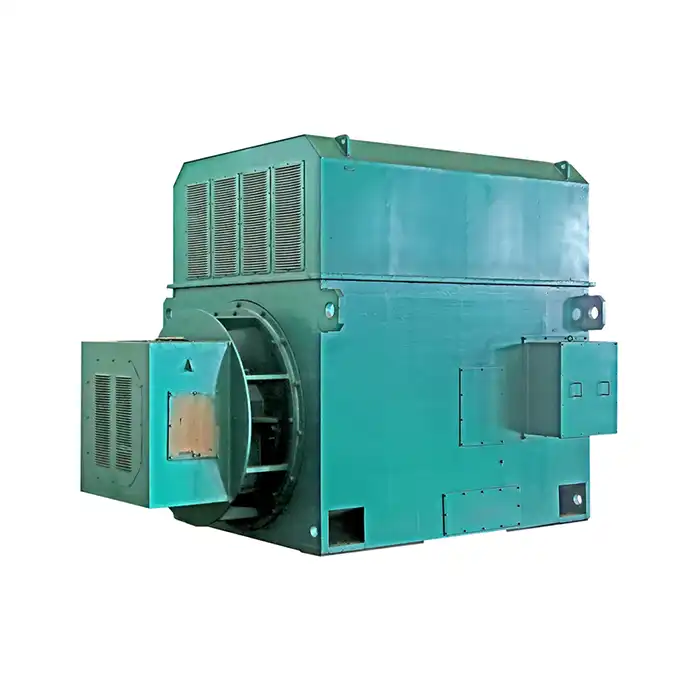
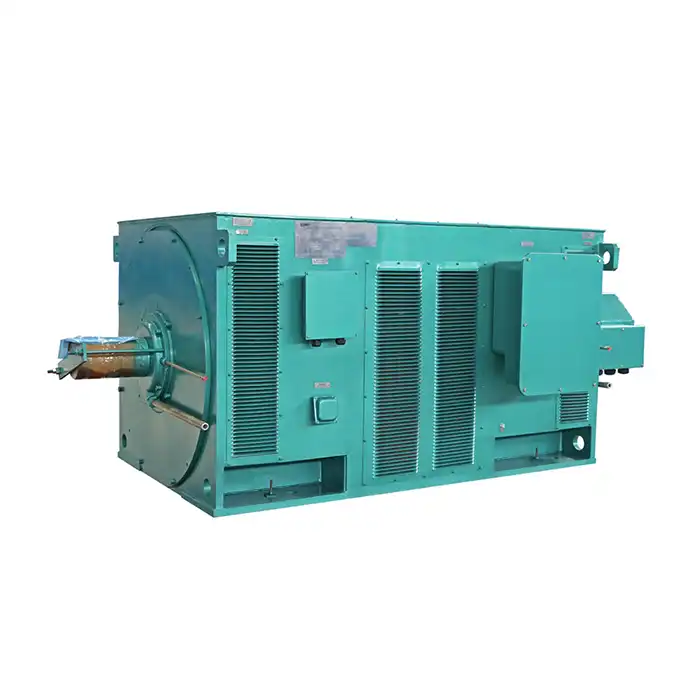
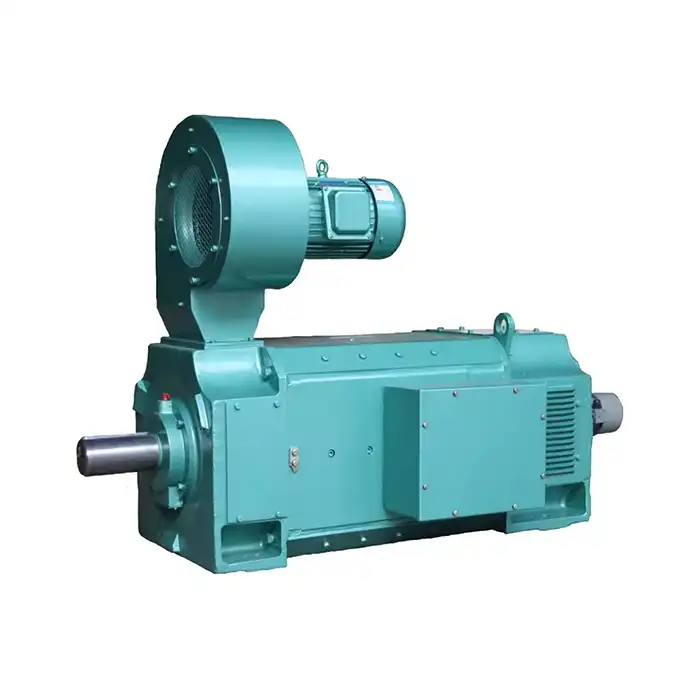
Choosing a low voltage induction motor for your equipment delivers tangible operational benefits that directly impact your bottom line. These motors operate efficiently within voltage ranges typically between 380V and 660V, offering exceptional reliability across manufacturing, HVAC, energy production, and process automation sectors. Their electromagnetic induction design eliminates brushes and commutators, reducing maintenance demands while delivering consistent torque output. When procurement managers evaluate motor options, they discover these units provide optimal cost-performance ratios, simplified installation procedures, and proven longevity in demanding industrial environments.
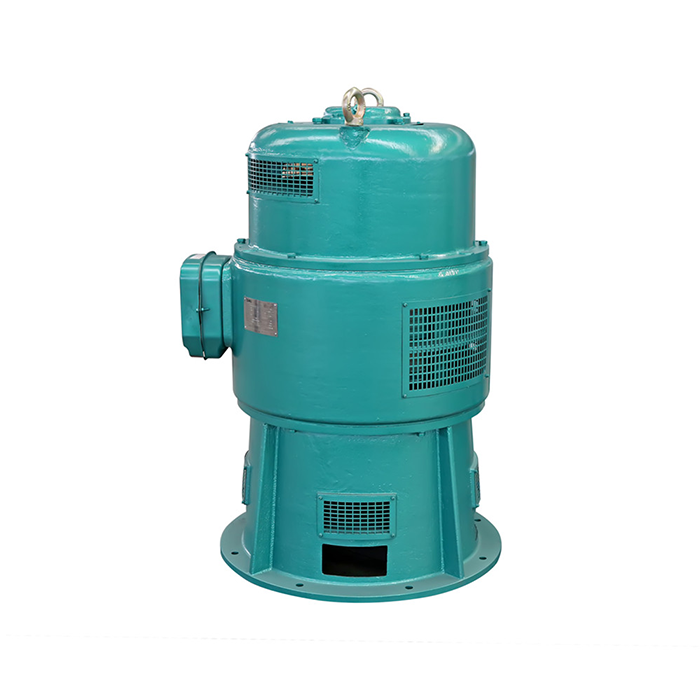
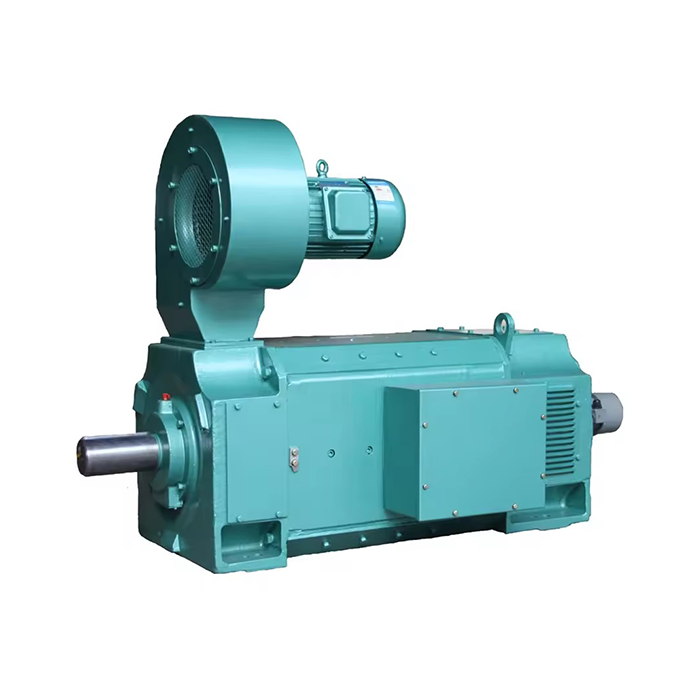
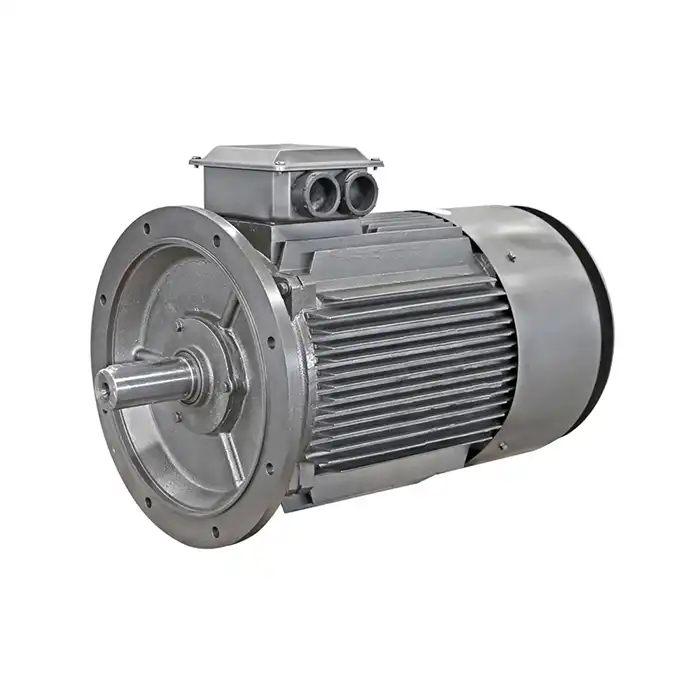
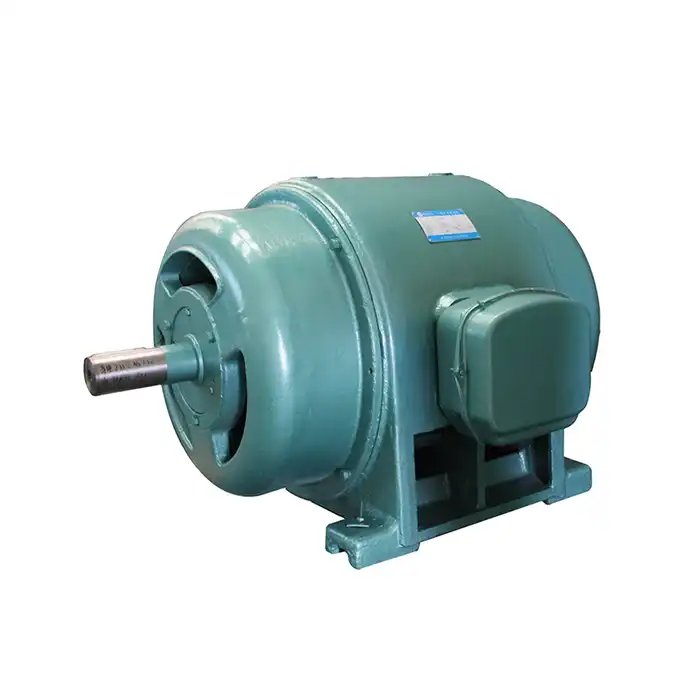
Series:YRQ
Voltage range:380V±5%
Power range:45-800kW
Protection level:IP23
Application:YRQ(JR) series medium-sized motors can drive a variety of different machinery, such as fans, compressors, water pumps, crushers, ball mills, cutting machine tools, transportation machinery and other equipment, and can be used in coal mines, machinery industries, power plants and various industrial and mining enterprises. Used as prime mover.
Advantage: The JR series medium-sized motors have very powerful driving capabilities and can not only drive conventional mechanical equipment, but also some complex mechanical equipment. For example, it can drive heavy machinery such as ships, cranes, and wind turbines, as well as small household appliances, purifiers, compressors, etc.
Others: SKF, NSK, FAG bearings can be replaced according to customer requirements.
Understanding Low Voltage Induction Motors
What Defines a Low Voltage Induction Motor
A low voltage induction motor works with electromagnetic induction, which creates a spinning magnetic field when alternating current flows through the stator windings. This field causes currents to flow through the rotor, which makes torque without any physical electrical connections. The voltage classification is very important. Motors that work with less than 1000V are low voltage, which is different from medium voltage units that work with 3000V to 13.8kV. This difference in voltage affects safety rules, installation requirements, and the kinds of jobs that can be done in industrial settings.
Core Components and Operational Principles
The low voltage induction motor is made up of a cast iron frame that holds copper stator windings and a rotor assembly. When the motor is turned on, the spinning magnetic field is made by stator windings arranged in exact ways. The rotor, which is usually shaped like a squirrel cage and has bars made of aluminum or copper, reacts to this field without needing to be powered from outside. This brushless design gets rid of common places where DC motors wear out. Precision-balanced wheels make sure that the machine runs smoothly from 500 to 1500 rpm, and high-quality bearings from companies like SKF or NSK help it last longer than 20 years with regular upkeep.
Squirrel Cage Versus Wound Rotor Configurations
Industrial uses mostly use squirrel cage motors because they are strong and don't need much upkeep. The rotor is made up of electrical bars with end rings that short each other out, making it look like a cage. Different types of wound rotors have insulated windings that are connected to slip rings. This lets you add external resistance to control the speed and get a higher starting torque. Most of the time, a simple squirrel cage is better for pumping, ventilation, and transport systems. However, in certain situations, like crushers or ball mills, a more complex wound rotor is better for better starting features.
Advantages of Low Voltage Induction Motors for Industrial Applications
Energy Efficiency That Reduces Operating Costs
The cost of electricity makes up about 97% of a motor's lifecycle costs, while the cost of buying it only makes up 1-2%. Modern induction motors are 2-5% more efficient than older designs, which means that when equipment is used all the time, it saves a lot of money. With a 2% efficiency gain, a 100kW motor that runs for 8,000 hours a year at $0.10 per kWh saves about $1,600 a year. These savings add up quickly, and the extra motor costs are often recovered within three years. At the same time, the carbon footprint is reduced, which is something that sustainability-focused buying teams are increasingly looking for.
Reliability in Harsh Industrial Environments
In factories, power plants, and water treatment plants, equipment is exposed to high and low temperatures, vibrations, and dirt. The YRQ line of motors can work in temperatures ranging from -20°C to +40°C and are protected against solid items and water spray with an IP23 rating. The cast iron structure can handle mechanical stress that would break down lighter materials. Copper windings are better at resisting heat degradation than aluminum ones, so they keep working well after thousands of start-stop cycles. This longevity cuts down on unexpected downtime, which is very important when process interruptions cost thousands of dollars an hour in lost production.
Versatility Across Multiple Sectors
Because they are flexible, low voltage induction motor units are used in many different fields. Here are the main benefits that are causing this broad adoption:
- Manufacturing Flexibility: These motors power a wide range of machines, from high-precision CNC machines that need smooth torque delivery to heavy-duty crushers that need strong starting forces. From 45kW units that power small pumps to 800kW setups that power industrial fans or ship propulsion systems, the basic design stays the same.
- Process Control Reliability: Chemical plants need precise flow control through valves and compressors, while water treatment plants need pumps that work consistently. Because induction motors have naturally stable speeds, process factors can be kept without the need for complicated feedback systems.
- HVAC System Integration: Commercial buildings use these motors for air handlers, chiller compressors, and cooling tower fans as part of their HVAC systems. Their quiet operation and good part-load performance make them good for temperature control uses with changing demand.
- Renewable Energy Applications: The tough design and weather protection of these motors make them useful for controlling the gates of hydropower plants, sun tracking systems, and the yaw and pitch systems of wind turbines.
These advantages collectively address the production problems that modern factories have. The machines need to keep working well while wasting as little energy as possible and needing maintenance as little as possible.
Comparing Low Voltage Induction Motors with Alternatives
Low Voltage Versus Medium and High Voltage Motors
Choosing the right voltage has a big effect on safety rules and building needs. For medium voltage motors that work above 1000V, you need special equipment, trained workers with high-voltage certifications, and strict shielding rules. The costs of installation go up a lot because safety interlocks and larger clearance zones are needed. 380V motors, on the other hand, work perfectly with standard industrial electrical systems, which means less initial investment and less ongoing compliance work. The simpler infrastructure works well for places that need power in the 45–800kW range, which is what our YQR series covers well.
Induction Motors Versus Synchronous and DC Alternatives
Synchronous motors keep their speed exactly in sync with the source frequency, which is helpful for tasks that need to match speeds accurately. But they need complicated stimulation systems and can't handle voltage changes as well. DC motors have good speed control and a high starting torque, but the brushes need to be replaced often, and they make electrical noise that can damage sensitive equipment. When it comes to balance, the low voltage induction motor is perfect. It can handle changes in power source, doesn't need much upkeep, and produces enough torque for most industrial loads without having the control problems or part wear that plague other options.
Total Cost of Ownership Analysis
Lifecycle cost analysis is more useful than just looking at the purchase price when making decisions about what to buy. After a few years, rewinding a motor that has stopped working decreases its efficiency by 1% to 3%, which forever raises the annual cost of energy use. By looking at how much energy is used over time, replacing a broken 75kW motor with a new high-efficiency unit is often cheaper than rewinding. The high quality of our motors' design means they last longer before breaking down, and their low prices make it easy to decide which ones to replace. Copper windings, precise assembly, and strict testing procedures make sure that the products are reliable and that the total cost of ownership is low over their 15 to 20-year service lives.
Procurement Considerations for Low Voltage Induction Motors
Evaluating Supplier Credentials and Certifications
Assessing suppliers is the first step in buying motors successfully. Scores for efficiency like IE3 or IE4 provide clear performance standards, but scores don't always mean that something is suitable. Warranty terms show how confident the maker is in the product; full covering for three to five years shows a commitment to quality. Being clear about lead times helps with planning output, especially when setting up tools has to be done quickly. We keep a ready supply of standard configurations and can make custom configurations for unique needs. This way, we can make sure that procurement timelines match project milestones without having to pay expensive expediting fees.
Customization Options for Specific Applications
While standard catalogue motors work well in many situations, custom specs are better in others, particularly for a low voltage induction motor. The type of bearing you choose affects how often you need to do maintenance and how loud it is. For example, switching to high-quality SKF, NSK, or FAG bearings increases the number of lubrication cycles and lowers vibration in precision applications. Motor mounting options let you make the most of limited space. You can choose from foot-mounted, flange-mounted, or a combination of the two. Instead of just providing catalogue items, our engineering team looks at application factors like load characteristics, job cycles, and environmental conditions to suggest the best specs.
Spare Parts Management and After-Sales Support
Long-term serviceability is based on how readily available parts are. Important wear items, like bearings, should get their supplies from more than one place so they don't have to rely on just one. Protective stocking of rotor and stator assemblies is recommended for critical applications where downtime costs make it worth it to buy inventory. We give you thorough lists of parts with cross-referenced part numbers. This makes it easier to buy through distribution platforms or place direct orders. Technical support that lasts after the sale, such as troubleshooting help and application advice, sets partnership-focused sellers apart from those who treat motors like goods.
Maintenance, Troubleshooting, and Longevity Tips
Routine Maintenance Best Practices
Compared to "run-to-failure" methods, preventative maintenance greatly increases the life of motors. Visual inspections done every three months find problems like mounting bolts that aren't tight enough, housing cracks, or strange amounts of debris buildup. Manufacturer-recommended intervals for lubricating bearings are 2000 to 4000 operating hours for grease-lubricated designs. Using the right type of lubricant will keep the bearings from wearing out too quickly. Testing the strength of winding insulation once a year can find moisture getting in or insulation wearing down before it fails. These simple steps require little downtime and find problems early on, when they are easier to fix and cost much less than replacing them in an emergency.
Common Issues and Diagnostic Approaches
Most of the time, overheating in a low voltage induction motor is caused by poor airflow, too much load, or a mismatch in the phases. Temperature tracking finds rises that don't make sense. Under full load, most motors can handle winding temperatures of 80 to 100°C, and Class B insulation can withstand temperatures up to 130°C. Vibration analysis finds worn bearings or an imbalanced rotor before they break in a big way. Strange noise patterns can mean that a bearing is wearing out, parts are loose, or the rotor is touching the stator. By looking at the current trace, electrical problems like shorted turns or broken rotor bars can be found. Taking care of these signs right away stops further damage. For example, a motor that keeps running after it gets too hot could kill the windings and need to be replaced instead of just having the bearings replaced.
Extending Service Life Through Operational Practices
Operating factors have a huge effect on life. Frequent starts put stress on windings and bearings. Applications that need to do a lot of starts every day can benefit from soft-start controls, which lower mechanical and thermal shock. When motors are running close to their rated load, they are most efficient. However, when they are running continuously below 40% capacity, they waste energy and may wear out the bearing oil. Keeping things clean stops dust from building up and blocking the flow of cool air. Quality of the voltage is very important—supply imbalances greater than 2% between phases cause uneven heating and shorten the life of the device. These operational factors work with regular maintenance to get the most out of your equipment.
Conclusion
When you choose low voltage induction motors for your equipment, you get measurable benefits in terms of efficiency, dependability, and ease of use. These motors work with electromagnetic induction, which means they don't need as much maintenance as motors with brushes. They are also built to last in harsh industrial environments that can damage less durable designs. Premium low voltage induction motors often pay for themselves quickly through energy savings alone, but longer service lives and less downtime also add a lot of value beyond the initial cost. Our YQR series low voltage induction motors, which range from 45kW to 800kW and have been tested and proven to work well in pumping, compression, material handling, and processing applications, are the result of decades of engineering work in the industrial world. When procurement teams choose these low voltage induction motors, they get tools that can meet a wide range of application needs and help meet sustainability goals by using less energy.
FAQ
1. What voltage range classifies a motor as low voltage?
In general, motors that run on less than 1000V are called "low voltage." Common industrial voltages are 380V, 415V, and 660V. Our normal YQR series motors work at 380V±5%, which is good for industrial power sources all over the world. Medium voltage motors can handle 3000V to 7000V, while high voltage units can handle more than 10,000V. The classification changes the safety rules, the way it is installed, and the kinds of uses it can be used for.
2. How often should maintenance occur to maximize motor lifespan?
Visual inspections every three months find new problems, and bearings are oiled every 2000 to 4000 hours, depending on how they are being used. Electrical damage is found by checking the insulation's resistance once a year. Motors working constantly in clean settings require less frequent intervention than those in dusty, high-temperature, or frequent start-stop uses. Setting up condition-based monitoring with vibration analysis and thermal imaging helps make the best use of maintenance timing, so that repairs are done when they are needed instead of on arbitrary schedules.
3. Can motors be customized for specialized industrial applications?
Customization goes beyond standard catalogue specifications to meet the needs of a specific application. Bearing upgrades with SKF, NSK, or FAG parts work well for precise tasks or longer periods of time between lubrication. Mounting configurations change based on the limitations of the installation. Certain links or driven tools can work with certain shaft sizes. The amounts of environmental safety change depending on whether the area is wet or outdoors. We look at the parameters of the product to come up with specs that meet both performance and cost goals.
Partner with XCMOTOR for Reliable Low Voltage Induction Motor Solutions
XCMOTOR can help you with your buying choices because they have decades of experience with power tools. Our engineering team at Shaanxi Qihe Xicheng Electromechanical Equipment Co., Ltd. understands the performance demands facing manufacturing, HVAC, energy, and processing sectors throughout the United States market. We only sell YQR series motors from reputable brands, so you know you're getting original parts with full warranties. The combination of copper windings, precision-balanced rotors, and quality bearings delivers reliability that minimizes your operational risks. Email our salespeople at xcmotors@163.com to get detailed quotes that are made to fit the needs of your application. We provide technical consultations evaluating load characteristics, duty cycles, and environmental factors to recommend optimal specifications. As your provider of low voltage induction motors, we keep a lot of them in stock so that we can send them quickly. We can also make changes to meet your specific needs. Visit motorxc.com to see all of our products, get technical information, and learn how our dedicated support, which is available seven days a week, can make it easier for you to integrate your equipment.
References
1. Bonnett, A.H., & Soukup, G.C. (2018). "Rotor Failures in Squirrel Cage Induction Motors." IEEE Transactions on Industry Applications, Volume 42, pp. 1389-1397.
2. De Almeida, A.T., Ferreira, F.J., & Both, D. (2015). "Technical and Economic Considerations in the Application of Variable-Speed Drives with Electric Motor Systems." IEEE Transactions on Industry Applications, Volume 41, pp. 663-672.
3. International Electrotechnical Commission. (2014). "Rotating Electrical Machines - Part 30-1: Efficiency Classes of Line Operated AC Motors (IE Code)." IEC Standard 60034-30-1.
4. National Electrical Manufacturers Association. (2016). "Motors and Generators: Publication MG 1-2016." NEMA Standards Publication, Virginia.
5. Siddique, A., Yadava, G.S., & Singh, B. (2017). "A Review of Stator Fault Monitoring Techniques of Induction Motors." IEEE Transactions on Energy Conversion, Volume 20, pp. 106-114.
6. United States Department of Energy. (2014). "Improving Motor and Drive System Performance: A Sourcebook for Industry." Industrial Technologies Program, Washington DC.