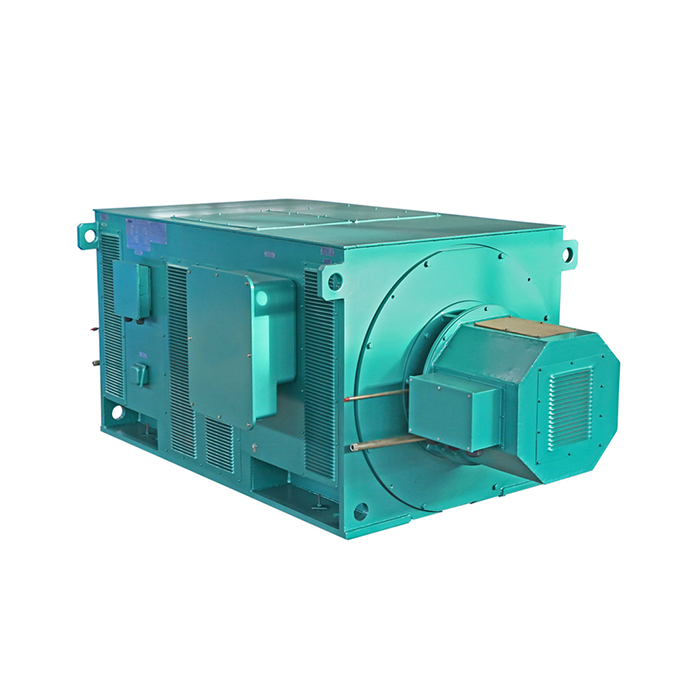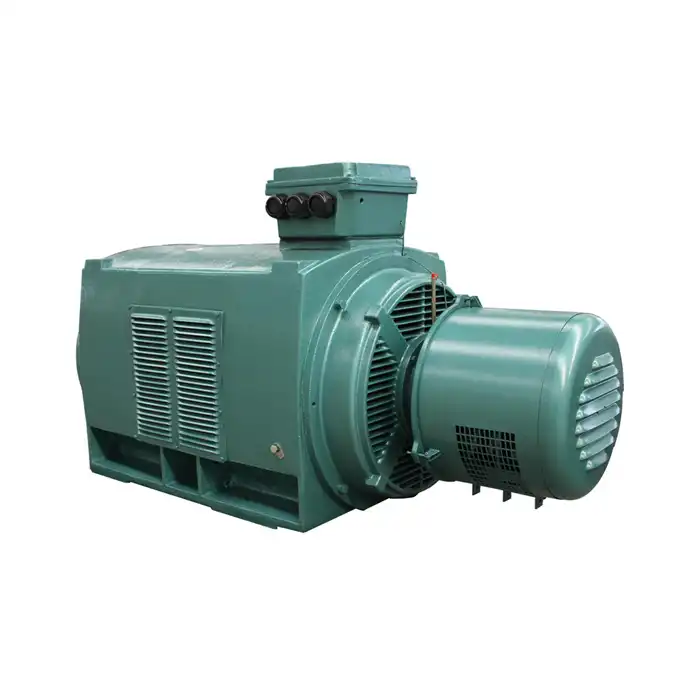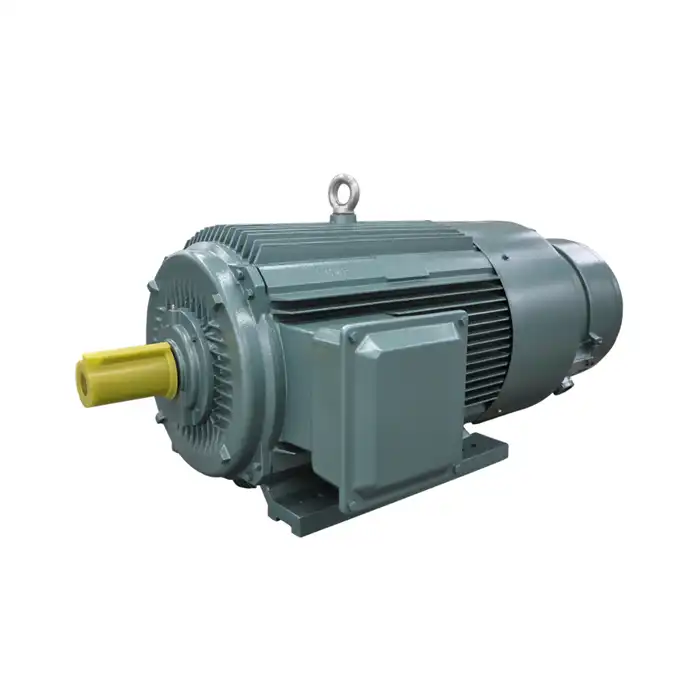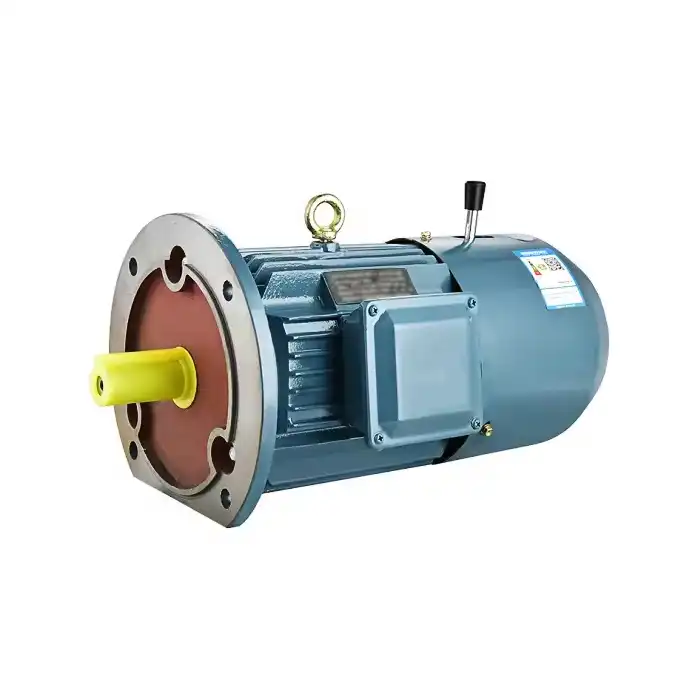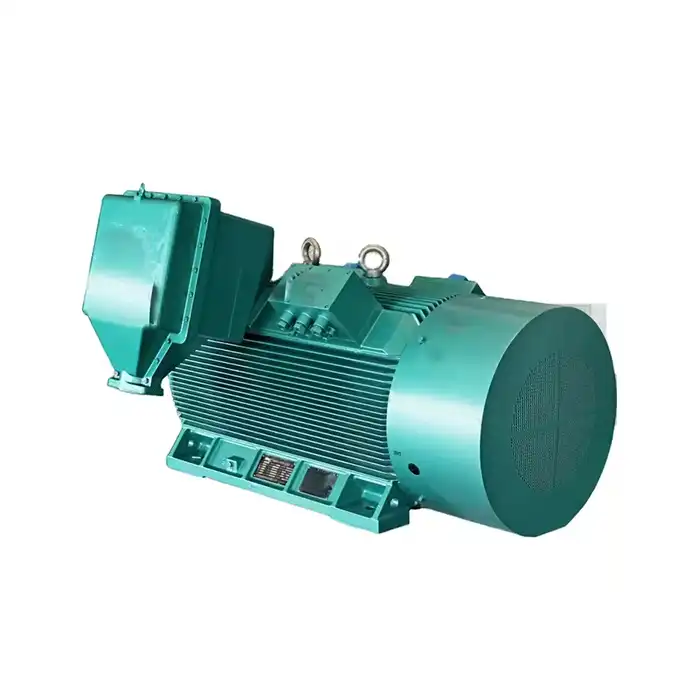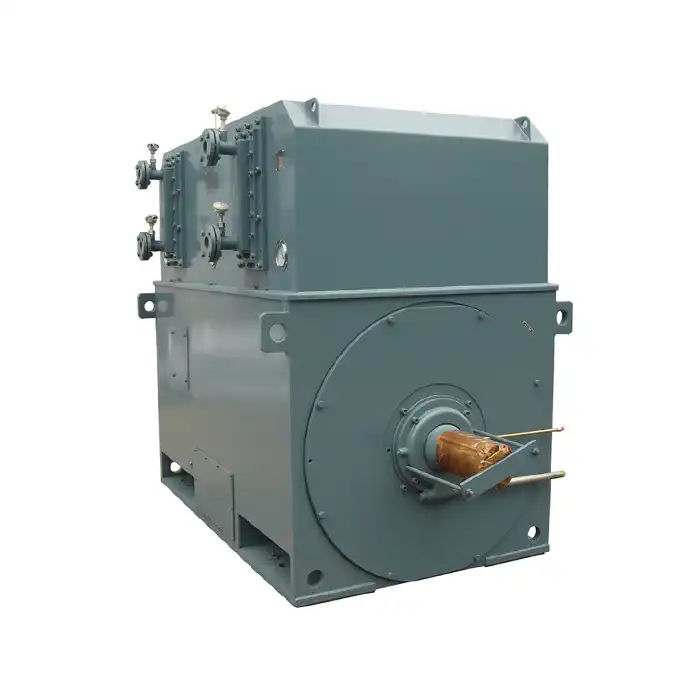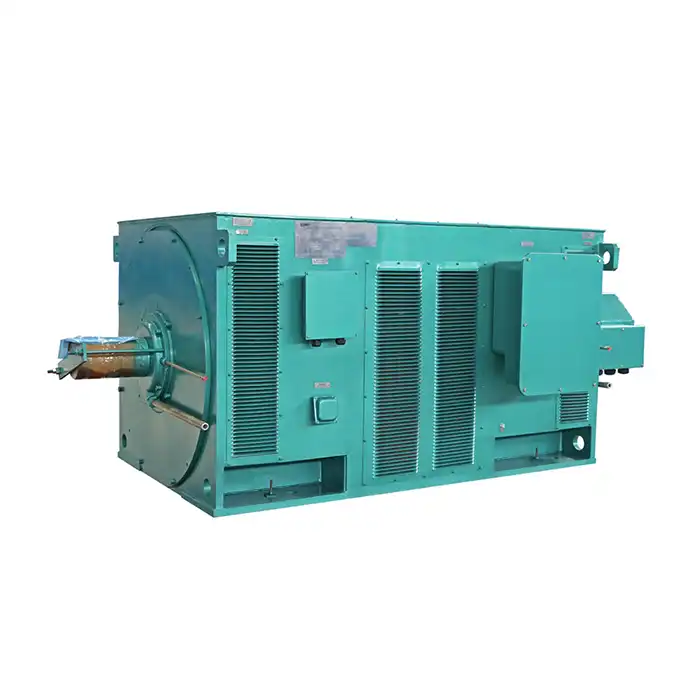




Why Choose a 5hp 3 Phase Induction Motor?
The 5 hp 3-phase induction motor is an economical and reliable choice to operate industrial equipment in several areas. If you operate a water treatment plant, manage industrial processes, or maintain HVAC systems, selecting the correct motor significantly affects operating efficiency, maintenance costs, and long-term profitability. This book provides practical benefits of 5-horsepower three-phase induction motors, which may assist procurement managers and engineers in making well-informed selections that balance both technical needs and financial limitations. We will look at performance features, evaluate alternatives, analyse procurement standards, and demystify why this motor type is still the dominant player in industrial applications worldwide.
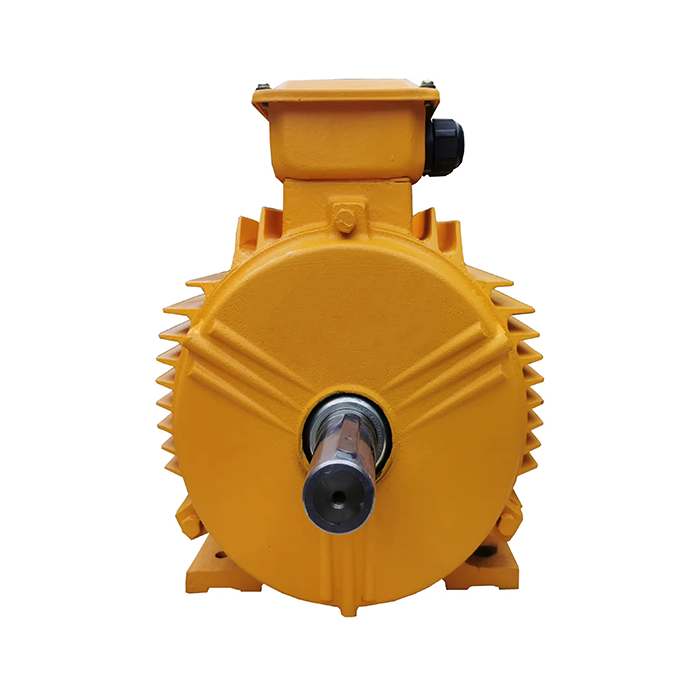
Series:YE5
Frame number: 80-450
Power range:
Protection level:IP55
Energy efficiency class: IE5
Voltage range: 380V,400V,415V, 660V,etc.
Application:can be used in various fields of the national economy, such as machine tools,water pumps,fans,compressors,and can also be used in transportation, mixing, printing, agricultural machinery, food and other occasions that do not contain flammable, explosive or corrosive gases.
Certificate: international standard IEC60034-30 "Efficiency Classification of Single-speed Three-Phase Squirrel Cage Induction Motors".
Advantage:The high quality of the electric motor guarantees high operational reliability.
Others: SKF, NSK, FAG bearings can be replaced according to customer requirements.
Understanding the Core Advantages of a 5hp 3 Phase Induction Motor
How Three-Phase Induction Motors Work
The three-phase induction motor works on the principle of electromagnetic induction in which the stator windings are supplied with an alternating current to produce a spinning magnetic field. This field generates current in the rotor, creating torque without actual electrical connections – a design that removes brushes and commutators. The stator is constructed of copper windings that are as conductive as possible, with the lowest possible resistance losses. The rotor is commonly made of aluminium or copper bars cast into silicon steel laminations. This design minimises energy loss and promotes heat dissipation. The 5 hp 3-phase induction motor can give constant performance even during prolonged operating cycles.
Superior Efficiency Compared to Single-Phase Alternatives
Three-phase motors have many advantages over single-phase motors. Single-phase motors need starting capacitors and auxiliary windings, which increase the number of parts and failure sites. Conversely, a three-phase power supply creates a spinning magnetic field “naturally” and has a self-starting capability with better efficiency. Studies show that a three-phase motor is 2-8% more efficient than a similar single-phase motor. This efficiency translates to considerable energy savings over time. Since energy accounts for about 97% of a motor's lifespan costs, this efficiency bonus dramatically cuts operating budgets for facilities that operate machinery more than eight hours a day.
Typical Applications Across Industrial Sectors
The 5 hp 3-phase induction motor is a multi-application motor. These motors are used in manufacturing facilities for conveyor systems, machine tools, and automated production lines. For HVAC contractors, commercial air handling devices and ventilation fans that need steady airflow depend on them. They are used in pumps in water treatment facilities to preserve the essential pressure and flow rates needed for purification procedures. These motors are used in agricultural activities for irrigation pumps, grain elevators, and processing equipment. They are used in food processing plants in mixers, grinders, and packing equipment where dependability directly influences product quality and throughput. The motors also power transportation systems, textile machines, and printing presses, showing flexibility in different load profiles and climatic circumstances.
These motors are well suited for process control applications requiring stable torque output from pumps, valves, and compressors. A heavy-duty cast-iron frame structure provides longevity in demanding applications. IP55 protection protects internal components from dust and moisture penetration. High-grade silicon steel laminations reduce core losses, and innovative winding technology optimises the distribution of magnetic flux. This confluence of design attributes provides the 5 hp 3-phase induction motor with a capability for steady operation whether confronted by variations in ambient temperature or during heavy load work cycles.
Comparing the 5hp 3 Phase Induction Motor with Other Motor Types
Three-Phase Versus Single-Phase Motors
The majority of procurement experts consider the advantages of 3-phase and single-phase motors depending on the installation and loads. Single-phase motors are perfect for home use and light-duty equipment where there is no three-phase electricity. They do, however, have lower power factors, lower beginning torque, and draw more current for a unit of output power. The 5 hp 3-phase induction motor has better load-carrying capability, smooth torque curves, and reduced Operating costs. For B2B purchasers, the difference in operating costs is important when motors are running constantly – three-phase systems use less energy and need less maintenance since there are fewer electrical components that may wear out.
Choosing Between 5hp and 7.5hp Ratings
The best power rating is selected after analysis of the load requirements and energy consumption characteristics of the application. A 7.5hp motor will give you an output of around 50% greater. This is good for larger loads or if you expect to grow into the capacity in the future. But oversizing motors is inefficient. Motors running at less than 50 % of rated load have a lower power factor and waste energy. The 5 hp 3-phase induction motor is an excellent choice for typical centrifugal pumps, moderate workload compressors, and mid-capacity fans. Detailed load estimates may assist engineers in avoiding underpowering equipment, which can cause early failure, and overpowering, which increases the original investment and operational expenditures excessively.
Brushless and Synchronous Motor Alternatives
Brushless DC motors and permanent magnet synchronous motors are niche options with their own trade-offs. Brushless motors provide great power density and accurate speed control, which are desirable for robotics and automation systems that need a dynamic reaction. Permanent magnet motors are more efficient at partial loads, but more expensive upfront and more sensitive to severe temperatures. Useful for applications requiring accurate timing, synchronous motors run at a steady speed independent of changes in the load. Nevertheless, the 5 hp 3-phase induction motor continues to be the favoured option in common industrial applications because of its proven durability, cheaper procurement costs, simple maintenance, and tolerance to hard working conditions. Induction motors can handle voltage variations and transient loads better than synchronous motors, which means there is less chance of downtime in areas where the power is unreliable.
Practical Considerations and Specifications for Procurement
Key Technical Specifications to Review
Procurement managers should consider several important parameters when deciding on motor procurement. The power rating of 5hp (about 3.7 kW) has to be consistent with application load requirements validated by torque and speed calculations. Voltage Compatibility – Motors that are intended for operation at 380V, 400V, 415V, or 660V must be compatible with the electrical infrastructure of the facility. Mounting configurations and space limitations are provided by frame sizes from 80 to 450. The 5 hp 3-phase induction motor is normally running at a speed from 1000 to 3000 rpm, depending on the number of poles, with the four-pole being a good compromise for most general-purpose applications.
The classification of energy efficiency class is very important for the management of the lifetime cost. The greatest level of efficiency for motors nowadays is IE5. IE5 is better than IE4 and IE3 by minimising energy losses with optimised magnetic circuits and better materials. IP55 protection level means dust-tight enclosures and protection against low-pressure water jets for most industrial situations, except corrosive or explosive atmospheres. The insulation class F provides thermal safety margins for heavy-duty cycles with continuous winding temperatures up to 155°C.
Maintenance Best Practices and Troubleshooting
A scheduled maintenance program will also help to increase motor life. Regular inspection of the bearings for unusual noise or vibration may avoid catastrophic failures. Premium SKF, NSK, or FAG bearings can be supplied to suit the demands of the application and the environmental circumstances. Temperature monitoring in windings may be performed using integrated sensors or thermal imaging, which can identify insulation deterioration before failure. Clean cooling channels provide proper heat dissipation. This is especially true in dusty situations where dust and dirt may build up and hinder airflow.
The first step in troubleshooting common difficulties is thorough diagnosis. Overheating is often caused by poor ventilation, overload, or voltage imbalance between phases. Too much vibration is a sign of a misalignment, imbalanced loads, or bearing wear that has to be addressed immediately. Voltage dips, worn bearings, or tainted lubricants might impair performance. The 5 hp 3-phase induction motor is beneficial to use predictive maintenance techniques with the help of vibration analysis and temperature monitoring so that the maintenance teams can schedule the repair work in the scheduled downtime rather than failing at an unexpected time.
Energy Consumption Analysis and ROI Calculation
Return on investment is determined by comparing energy expenses for standard efficiency motors to premium efficiency motors. A 4,000-hour-per-year motor at $0.10 per kWh and 90% efficiency uses around 16,440 kWh and costs $1,644 per year. The upgrade to a 5 hp 3-phase IE5 induction motor with 95% efficiency decreases consumption to 15,579 kWh and costs $1,558 per year, for a saving of $86 per year. Typical price premiums for premium motors are $150 to $300, and the payback times are 1.7 to 3.5 years. Facilities that run equipment for more than eight hours per day get payback sooner, creating an economic driver for continuous-duty applications for high-efficiency motors.
These figures demonstrate why procurement experts should take the efficiency ratings into account along with the up-front purchase price. Efficiency losses of 2-5% occur with each rewind for motors that are rewound after an operational failure, raising the costs of energy. The life cycle cost of replacing failing motors with new, high-efficiency motors is more cost-effective than continuing to rewind ageing motors, especially when you add in the cost of downtime and lost productivity.
Selecting the Best 5hp 3 Phase Induction Motor Brand and Supplier
Evaluating Manufacturer Quality and Support
Good engineering, meticulous quality control, and thorough after-sales service are the hallmarks of well-known manufacturers. Leading brands use precise die-casting to manufacture frame components with dimensional correctness and structural integrity. The sophisticated winding technique optimises the slot fill factor and minimises the resistance losses. The windings are impregnated with resin by vacuum pressure impregnation treatment to prevent moisture penetration and improve the life of the insulation. Dynamic rotor balancing minimises the vibration level to avoid premature bearing failure and mechanical wear.
Certifications of quality serve as an impartial confirmation of production standards. The CE certificate verifies conformity with European safety requirements, while the ISO 9001:2015 certificate displays dedication to quality management systems. The international standard IEC60034-30 provides unambiguous performance criteria for single-speed three-phase squirrel cage induction motors. Procurement personnel may be certain that the 5 hp 3-phase induction motor has been certified to fulfil established reliability and performance parameters that are recognised internationally.
Choosing Between Distribution Channels
Procurement teams should analyse distribution channels based on pricing competitiveness, delivery logistics, and service dependability. Online suppliers usually have lower overheads and direct-to-customer fulfilment strategies that allow for competitive pricing. They provide handy tools for comparison of specifications and comprehensive technical documentation that is available at any time of the day. Local distributors provide value by providing personalised technical support, speedier emergency replacement capabilities, and on-site troubleshooting help. They have the parts nearby, and their lead times for emergency replacements are shorter and help minimise production disturbance.
The best channel will rely on the urgency of the project, the technical support needs, and the financial limits. Local distributor experience in system integration and commissioning benefits complex systems. Replacing standardised motors on a regular basis helps online channels with reduced pricing and simpler purchasing. Many B2B buyers use hybrid approaches, balancing the benefits of buying online with the need for local service by creating partnerships with online and local suppliers.
New Versus Refurbished Motors
Rebuilt motors that have been adequately evaluated provide budget-conscious choices. Good refurbishing techniques include full disassembly, replacement of bearings and seals, rewinding or cleaning of stator windings, repainting, and extensive testing. But reconditioned units pose dangers. Rewinding may result in efficiency losses, and hidden damage to core laminations might result in compromised performance. Full manufacturer warranties, consistent performance, and maximum efficiency ratings justify the higher initial cost of new 5 hp 3-phase induction motor units with lower lifespan costs and decreased failure risks.
Refurbished motors are often best reserved for non-critical applications where short downtime has little financial effect for the procurement professional. New motors are needed in critical process equipment, continuous duty applications, and installations in distant areas to help reduce operational risk. Buyers should check vendor credentials, warranty conditions, and testing processes when buying reconditioned products to minimise uncertainty about quality.
Why a 5hp 3 Phase Induction Motor is the Rational Choice for Your Industrial Needs
Real-World Case Studies Demonstrating Versatility
Automotive and aerospace manufacturing facilities use the 5 hp 3-phase induction motor for precise machine tools that need consistent torque delivery and speed stability. A producer of automotive parts replaced old single-phase motors with three-phase motors. Over two years, they saved 12% on energy and cut motor-related downtime by 40%. These motors are used in irrigation systems in agricultural operations where the rugged design can survive external exposure and yet provide reliable operation in severe seasonal temperatures.
Commercial upgrades to IP55-rated motors have lowered maintenance costs and increased time between repair intervals, say HVAC contractors. The motors’ ability to withstand humid situations and retain performance throughout numerous start-stop cycles necessary for automated control systems makes them well suited for water treatment plants. They meet sanitary design criteria and may be installed in food processing businesses where washdowns are often required without sacrificing electrical safety.
Key Factors Distinguishing This Motor Type
The 5hp 3 phase induction motor offers the best mix of ruggedness, simplicity of integration, and low cost. A rugged cast-iron frame structure withstands vibration and mechanical shock in severe industrial applications. Mounting dimensions are standardised to IEC and NEMA regulations to ease retrofits and equipment upgrades, and do not need changing the mounting bases or connections. Electrical connections are made using industry-standard wiring procedures to save installation time and avoid faults during commissioning.
Cost efficiency comes from more than just the price tag of the first purchase. High dependability reduces unnecessary maintenance interventions and related labour costs. Energy efficiency reduces power bills over the life of the business. Widespread service competence and availability of spare parts guarantee little downtime for maintenance. Together, these features lower the total cost of ownership compared to specialised forms of motors that need proprietary components or specialised technical know-how.
Anticipating Future Industry Trends
Industrial motor technology is changing, becoming more energy efficient and more connected. Emerging requirements for IE6 efficiency will significantly decrease energy use. Currently, IE5-rated motors represent the maximum efficiency level accessible commercially. Smart motor systems with integrated sensors, wireless connection, and predictive maintenance algorithms are becoming used in modern production settings. But the design ideas that underlie the 5 hp 3-phase induction motor are evergreen. Even with the growth of technology in the surrounding sectors, simplicity, dependability, and proven performance are still desired qualities.
And sustainability programs that help drive corporate environmental pledges are pushing high-efficiency motors as a realistic way to lower carbon footprints and energy costs concurrently. Many countries have regulatory pressures to phase out outdated motor designs and require minimum efficiency criteria. The 5 hp 3-phase induction motor is a forward-thinking investment for any organization aiming to balance operational demands with environmental responsibility. Procurement methods focusing on lifespan cost analysis above initial purchase price will naturally favour premium efficiency motors.
Conclusion
The 5 hp 3-phase induction motor is a practical option for a wide range of industrial applications that need dependable power transfer, operating efficiency, and affordable lifetime costs. Its established design offers better performance than single-phase designs, and careful selection of specifications provides an optimum fit to application requirements. Procurement professionals will gain from knowing technical specifications, maintenance needs, and supplier assessment criteria that impact the long-term ownership experience. Simple ROI calculations also complement energy efficiency considerations, with the focus on achieving premium efficiency levels making good financial sense. Its adaptability across manufacturing, HVAC, water treatment, agricultural, and many other industries validates the motor as a key component of contemporary industrial infrastructure, able to satisfy existing needs while supporting future operational development.
FAQ
1. What maintenance practices extend motor life?
Regular bearing inspection and lubrication prevent the most common failure mode in induction motors. Monitoring operating temperatures detects insulation degradation early, allowing corrective action before winding failure occurs. Keeping motor exteriors clean ensures adequate cooling airflow through ventilation passages. Vibration analysis identifies misalignment or mechanical imbalances requiring adjustment. Periodic electrical testing, including insulation resistance measurements and current balance checks, reveals developing problems before they cause unexpected shutdowns. Following manufacturer-recommended maintenance intervals and maintaining detailed service records enable data-driven decisions about continued operation versus replacement.
2. How do I assess the correct motor horsepower for my application?
Calculating required horsepower begins with understanding load characteristics—torque requirements, operating speed, and duty cycle. Standard formulas relate horsepower to torque and speed, with safety factors added for starting loads and service conditions. Consulting equipment manufacturer specifications provides baseline power requirements, though actual loads may vary based on process conditions. Oversizing motors wastes energy and increases costs, while undersizing risks overheating and premature failure. Professional load analysis, considering factors like altitude, ambient temperature, and expected load variations, ensures proper motor selection.
3. Are refurbished motors reliable for industrial environments?
Refurbished motors can provide acceptable service in non-critical applications when properly remanufactured by reputable vendors. Quality refurbishment includes bearing replacement, thorough cleaning, winding inspection or replacement, and comprehensive testing. However, rewinding reduces efficiency by 2-5%, increasing operating costs over the motor's life. Core damage from previous failures may remain undetected, risking premature re-failure. New motors offer full warranties, predictable performance, and maximum efficiency. Critical applications justify the incremental cost of new units to minimize operational risks and ensure reliability.
Contact XCMOTOR for Your Industrial Motor Solutions
Shaanxi Qihe Xicheng Electromechanical Equipment Co., Ltd. (XCMOTOR) provides comprehensive power equipment solutions tailored to your operational requirements. Our 5 hp 3-phase induction motor supplier inventory includes IE5-rated units delivering maximum energy efficiency alongside robust construction suitable for demanding industrial environments. We source only quality components, including premium SKF, NSK, and FAG bearings, ensuring operational reliability you can depend on. Our technical team assists with application analysis, specification selection, and installation guidance, helping you optimize equipment performance while controlling lifecycle costs. With dedicated support available throughout the week, fast delivery on all products, and a 30-day returns policy, we simplify procurement while delivering value at every stage. Contact our specialists at xcmotors@163.com to discuss your specific requirements and receive competitive quotations backed by comprehensive technical support.
References
1. National Electrical Manufacturers Association (NEMA). "NEMA Standards Publication MG 1-2021: Motors and Generators." Rosslyn, VA: NEMA, 2021.
2. International Electrotechnical Commission. "IEC 60034-30-1:2014 Rotating Electrical Machines - Part 30-1: Efficiency Classes of Line Operated AC Motors." Geneva: IEC, 2014.
3. De Almeida, Anibal T., et al. "Energy-Efficient Motor Systems in the Industrial and in the Services Sectors in the European Union: Characterisation, Potentials, Barriers and Policies." Energy 28.7 (2003): 673-690.
4. Bonnett, Austin H., and George C. Soukup. "NEMA Motor-Generator Standards for Three-Phase Induction Motors." IEEE Transactions on Industry Applications 45.1 (2009): 111-117.
5. Werninck, E. H. Electric Motor Handbook. London: McGraw-Hill Book Company, 1978.
6. Andreas, John C., and Robert W. Holland. Energy-Efficient Electric Motors: Selection and Application. New York: Marcel Dekker, 1992.