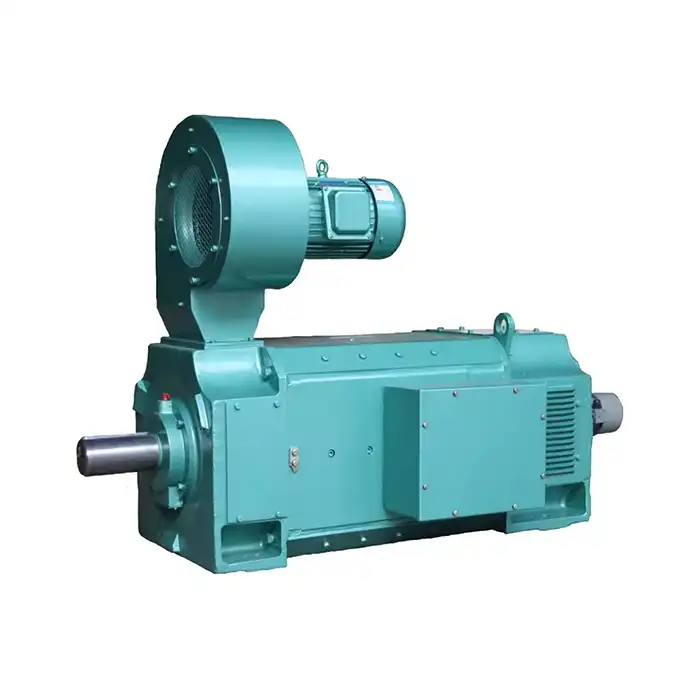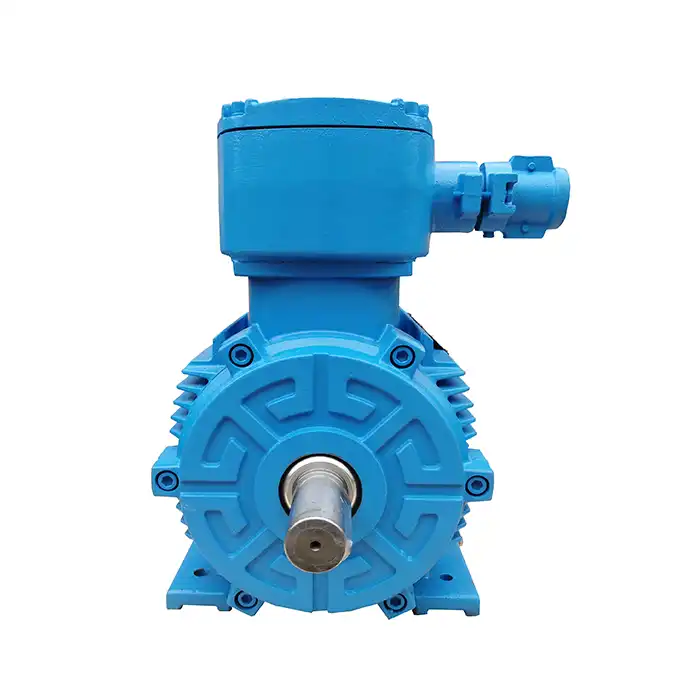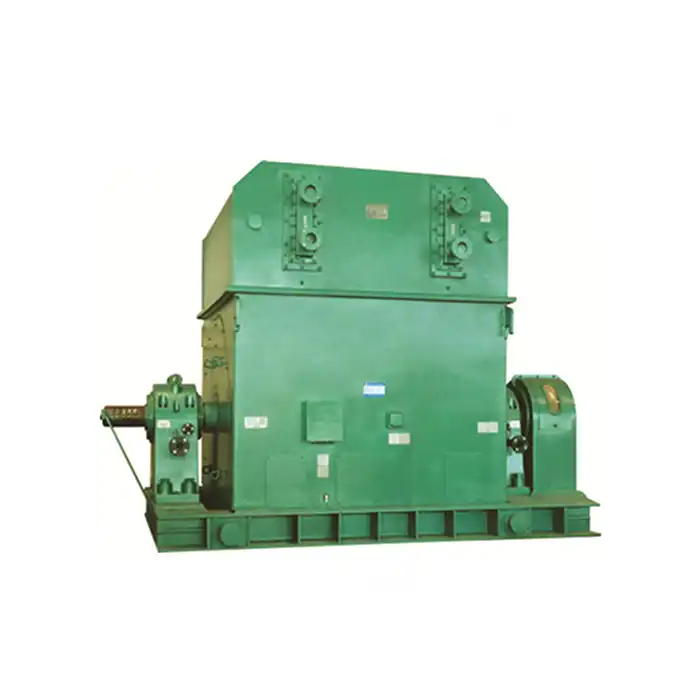




How to Import a 200HP DC Motor Without Costly Delays
Importing a 200hp dc motor demands careful planning and precise execution to avoid expensive setbacks. Success hinges on three critical factors: comprehensive documentation that meets international compliance standards, choosing reliable suppliers with proven track records in heavy electrical equipment, and coordinating logistics with experienced freight partners who understand the unique handling requirements of high-power motors. When these elements align properly, procurement teams can reduce lead times, eliminate customs bottlenecks, and ensure production schedules remain intact while maintaining budget control throughout the entire import process.
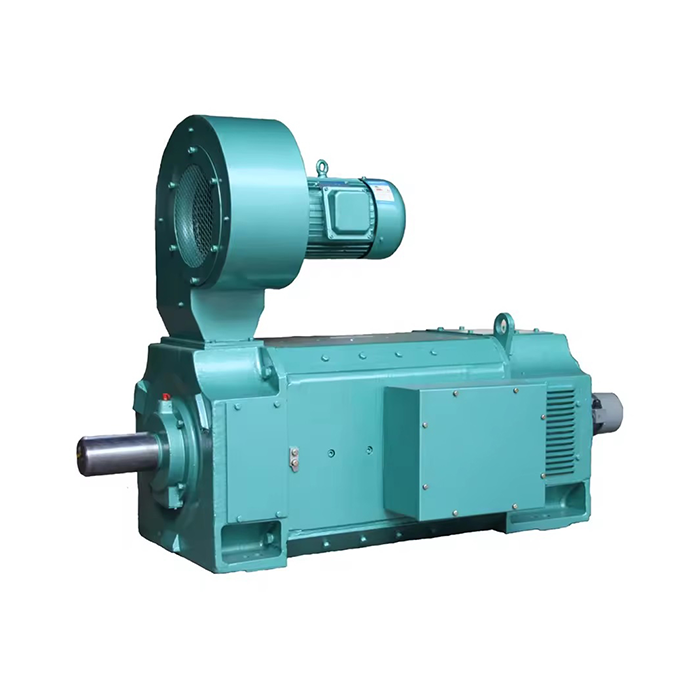
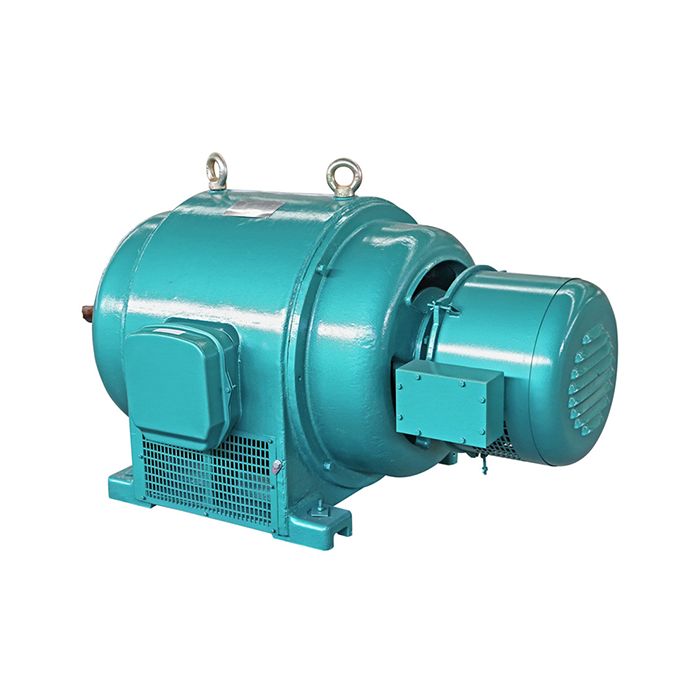
Series:Z4
Frame number: 100-450
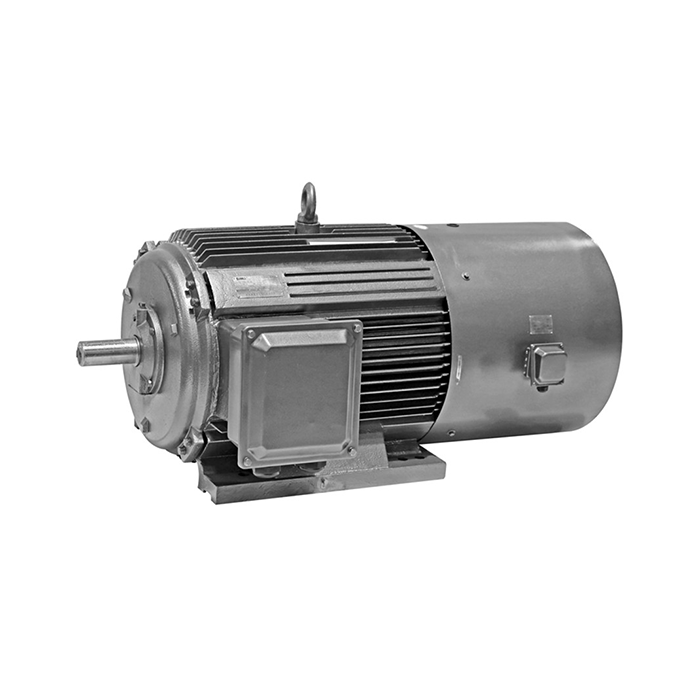
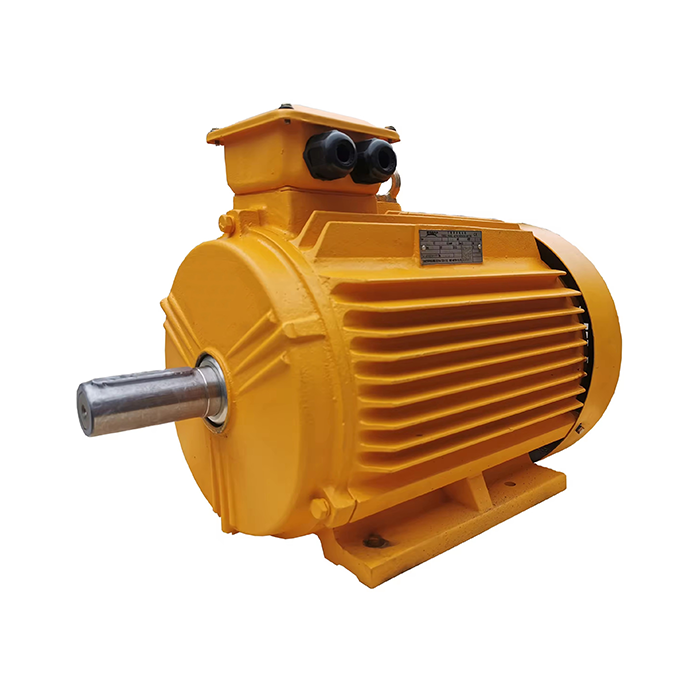
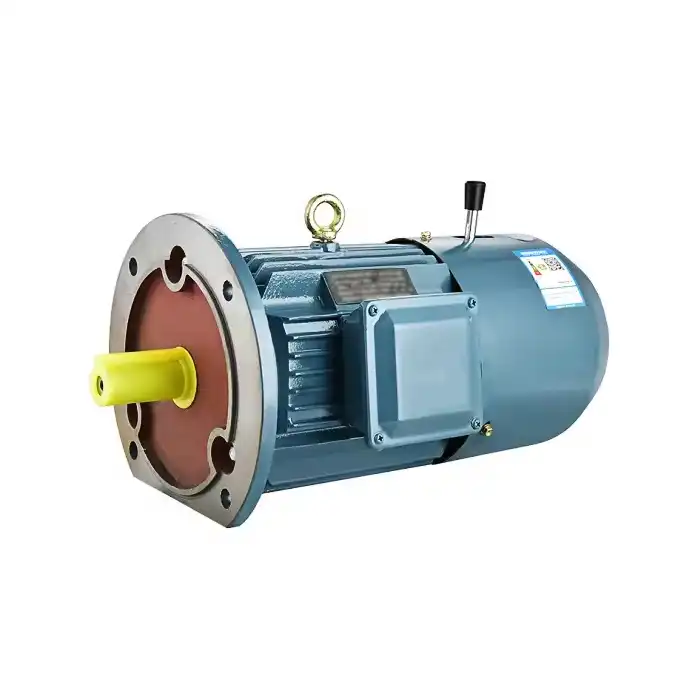
Application:Z4 series motorsThis series of motors can be widely used in various industrial sectors such as metallurgical industrial rolling mills, metal cutting machine tools, papermaking, dyeing and weaving, printing, cement, and plastic extrusion machinery.
Power range:1.5-600kW
Voltage range: 160V,440V, etc.
Certificate: The performance of this series of motors not only complies with the national standard GB/T755 "Basic Technical Requirements for Rotating Electrical Machines", but also basically complies with the German VDE0530 standard.
Advantage:Z4 series DC motor has greater advantages than Z2 and Z3 series. It can not only be powered by DC unit power supply, but also suitable for static rectifier power supply. It has small moment of inertia, good dynamic performance, and can withstand high load change rates. It is especially suitable for control systems that require smooth speed regulation, high efficiency, automatic speed stabilization, and responsive response. It has reached the current international advanced level..
Others: SKF, NSK, FAG bearings can be replaced according to customer requirements.
Understanding the Import Challenges of 200HP DC Motors
It can be hard to get industrial-grade 200hp dc motors into the United States, which surprises a lot of procurement managers. From the plant floor to the final installation, these heavy tools, which can weigh several hundred pounds and contain sensitive electrical parts, need to be handled in a certain way.
Why High-Power Motors Face Stricter Scrutiny
Customs officials consider 200hp dc motors to be critical industrial equipment, which means they need to be inspected more carefully. Because these units have voltage values between 160V and 440V and power ranges from 1.5 kW to 600 kW, they have to go through a lot of safety tests. Inspectors make sure that imported units meet both national and foreign safety standards, such as the German VDE0530 standard and GB/T755 standards. This makes sure that all units come into the United States safely and meet the needs of industry settings.
Documentation Pitfalls That Cause Delays
About 60% of all import delays are caused by paperwork that is missing or not full. Technical datasheets need to have exact wiring diagrams, protection specifications, and insulation class ratings (usually Class F at 155°C). When sellers give vague specs or leave out information about the cooling system, like how the forced ventilation is set up, customs brokers can't properly classify the goods. Because of this lack of clarity, clearance times have grown from days to weeks, which has a direct effect on manufacturing schedules and contractual obligations.
Logistics Complications With Heavy Electrical Equipment
Because of how they are built, 200hp dc motors pose transportation problems that go beyond normal freight issues. To guard against damage from vibrations during ship transport, frames between 100 and 450 inches need to be custom-cradled. Motors made for rolling mills, metal-cutting tools, or papermaking have rotors that are perfectly balanced but have small moments of inertia that can move when they are handled rough. Shipping companies that don't have much experience with industrial motors often don't take these weaknesses into account, which leads to damage upon arrival that leads to insurance claims and delays in replacement.
Essential Principles for Seamless Import of 200HP DC Motors
Importing things correctly starts a long time before any shipment leaves the factory. Setting up clear rules and ways to check things keeps your investment safe and the supply chain reliable.
Defining Technical Requirements With Precision
Different types of industrial uses, like making aerospace parts, process control systems, and renewable energy installations, need different kinds of motors. A 200hp dc motor that drives a printing press needs a different torque curve than a 200hp dc motor that powers a cement plant's compressor. Specifications should be very specific about the starting torque needed, the speed regulation parameters, and whether the application needs a DC unit power supply or a static rectifier to work. Automated control systems work best with motors that have good dynamic performance and high load change rates. On the other hand, applications that want to save energy should use units that are 95% efficient at rated load.
Supplier Selection Criteria That Matter
Along with the catalog specifications, you should also check with potential partners to see if they follow certification rules and can make changes to your order for the 200hp dc motor. Motors from reputable makers meet a number of international standards, which makes them useful for projects that need to work in a variety of legal settings. Supplier responsiveness is shown by the ability to switch between SKF, NSK, and FAG brands based on maintenance procedures to accommodate customer preferences. Technical support is also important; suppliers should provide testing data before shipping, installation instructions, and quick ways to communicate with buyers to address concerns during the buying process.
Documentation Standards That Prevent Holdups
Full import packages come with business invoices with correct HS codes, bills of lading with directions on how to handle the goods properly, and certificates of origin. Technical documentation includes more than just spec sheets. It also includes test reports that confirm ratings for efficiency, measurements of insulation resistance, and data on temperature rise. Compliance badges that show you've followed the safety rules give customs officials the confidence they need to speed up the process. When the paperwork matches the physical characteristics of the shipment perfectly, the clearance process goes smoothly and doesn't need any extra checks or information requests.
Step-by-Step Process to Import a 200HP DC Motor Without Delays
Putting the import process into manageable steps makes it easier to understand and sets accountability checkpoints along the way.
Phase One: Requirements Definition and Supplier Engagement
To start, talk to the engineering teams to get the exact 200hp dc motor specs you need for your project. Whether the equipment is for HVAC systems, water treatment plants, or transportation infrastructure, write down the voltage needs, the temperature ranges (usually -15°C to +40°C), and any extra security needs for the environment that go beyond the normal IP23 ratings. Send these detailed needs to possible suppliers and ask for quotes that include technical drawings, performance curves, and delivery times. By starting to talk early, providers can meet customization needs, like changing voltage ranges or making safety classes better, before production starts.
Phase Two: Contract Finalization and Pre-Shipment Coordination
When you choose a seller, make sure that you have clear deals about who is responsible for what in terms of inspections, warranties, and paperwork. Set up quality checks by a third party at the factory to make sure that motors are tested properly for performance and longevity. Talk to your freight forwarder about the best ways to ship your items. For example, ocean freight is cheaper for heavy motors, while air freight is better for urgent replacement needs. Make sure that the suppliers package the units in a way that keeps them from vibrating and keeps moisture out. This is especially important for 200hp dc motors that will be used in harsh industrial settings like steel mills or for marine propulsion.
Phase Three: Customs Clearance and Compliance Management
Hire customs agents who know how to classify electrical equipment weeks before the package arrives. Give them full packages of paperwork and give them time to clear up any questions about tariff classifications. 200hp dc motors that meet more than one standard may be eligible for lower duty rates under trade agreements. This makes importing much cheaper. Your broker should work with your lawyers to get any necessary permits. This is especially important for motors that will be used for energy production or utility purposes, which need extra regulatory approvals. When customs management is proactive, possible bottlenecks are turned into regular steps in the processing flow.
Phase Four: Delivery, Installation, and Operational Verification
When it arrives, look it over right away before signing the delivery ticket and writing down any damage from shipping for insurance claims. Schedule for trained techs to do calibration checks to make sure that the speed regulation, torque characteristics, and efficiency ratings are in line with what was agreed upon in the contract. Before being put on production lines, 200hp dc motors that are used in important situations in healthcare facilities, military factories, or food processing plants should go through a lot of steps to make sure they are fully functional. This last step of testing makes sure that the imported equipment works as it should, preventing expensive downtime caused by poor performance.
Case Studies: Successful 200HP DC Motor Imports Without Delays
Real-life examples show how strategic planning can lead to measurable benefits in procurement in a range of business settings.
Manufacturing Sector Success Story
A Michigan company that makes auto parts needed new 200hp dc motors for their metal-cutting machines, but they only had six weeks to get them installed so that production wouldn't stop. Three months ahead of time, the procurement team contacted suppliers and asked for detailed technical support during the specification phase. They got rid of specification mismatches by making sure of exact frame sizes (100–450 range), voltage compatibility (440V to match current infrastructure), and bearing choices (FAG to match maintenance inventory). Before shipping, the supplier gave detailed test reports and certificates, which let the customs broker pre-clear the paperwork. The motors showed up on time, were quickly installed, and production went back to normal without any extra costs or delays in getting the goods to customers.
Distributor Experience in Industrial Automation
A regional wholesaler that works with process control companies in the Southeast had trouble finding 200hp dc motors that could be used in pumps and compressors. In the past, attempts to import goods were held up at customs because technical documentation and compliance certificates were not complete or clear. After these setbacks, the company set strict standards for how suppliers could be qualified. Partners had to provide detailed datasheets with torque curves, efficiency measurements, and temperature performance data. They also made connections with freight forwarders who specialize in industrial equipment. This made sure that 200hp dc motors with small designs and high efficiency were handled correctly. This methodical approach cut their average import time by 40%, which made customers happier and allowed them to offer competitive prices by making sure they could keep their delivery promises.
Key Takeaways & Best Practices for B2B Procurement Teams
To make trade processes that are resilient, you need to pay close attention to many practical aspects and make systems that can handle changes in the market and in regulations.
Compliance and Verification Protocols
Keep your plans up to date so that they include all the necessary paperwork, such as buy orders, compliance certificates, and technical datasheets. Set up guidelines for evaluating suppliers that give more weight to companies that have a history of getting certified, whether they are making robots, renewable energy projects, or farming tools. Regular checks of your suppliers' quality systems let you know about problems early, before they affect your orders. Procedures for reviewing documentation should find mistakes early on, so they can be fixed quickly, rather than taking weeks.
Communication and Relationship Management
Keeping the lines of communication open with providers throughout the buying cycle is very important for procurement success. During the production phases, giving weekly status updates lets you deal with possible delays before they happen. When producers run out of materials or have trouble with production, letting customers know early on lets them make other plans. Building these kinds of working relationships pays off when you need to buy something quickly; trusted partners will highlight your orders and speed up the processing. Communication also includes logistics partners and customs brokers, whose knowledge is very helpful when rules change or shipping problems happen without warning.
Digital Tools and Procurement Optimization
These days, procurement platforms can do more than just manage orders. They have databases of suppliers, tools for tracking compliance, and ways to coordinate logistics all within one system. Keeping specific records of past imports, such as lead times, cost breakdowns, and supplier performance measures, lets you make decisions for future projects based on data. This look at the past helps find trends in things like shipping delays, customs processing times, and source dependability. This helps procurement teams make more accurate budget and timeline predictions. Digital document libraries keep technical specs, test reports, and compliance certificates safe so that they can be used for warranty claims, planning maintenance, and adding on to existing equipment in the future.
Conclusion
Importing 200hp dc motors requires a balance of technical know-how, following the rules, and building strong relationships with suppliers. The motors are very important in many different types of industrial settings, such as power plants, water treatment plants, and rolling mills for metals and plastics. When procurement teams take the time to clearly define requirements, check suppliers, and coordinate with customs, they always avoid the costly delays that happen with imports that are rushed or poorly planned. Businesses keep costs down and production plans on track by using organized processes, keeping thorough paperwork standards, and encouraging joint supplier partnerships. Importing large electrical equipment is hard and needs professional help, but the benefits of having reliable, high-performance motors make the extra care these purchases need worth it.
FAQ
1. What documentation is mandatory for importing a 200hp dc motor into the United States?
Complete import packages must have commercial invoices with correct HS code classifications, detailed technical datasheets with power ratings and voltage specifications, certificates of origin, bills of lading with instructions on how to handle the goods properly, and compliance certificates showing that safety standards have been met. There should be wiring diagrams, insulation class grades, safety standards, and test results that confirm performance traits in the technical paperwork. If you're missing any of these things, customs will hold up your shipment and require more inspections.
2. How long does the typical import process take from order placement to delivery?
Import times usually range from three to eight weeks, but they can be longer or shorter based on how the goods are made, how they are shipped, and how complicated the customs process is. Ocean freight from Asian sources usually takes four to six weeks just to get to the United States. If all the paperwork is full and correct, clearing customs in the United States can take an extra one to two weeks. Air freight cuts shipping times down to days, but it costs a lot more, so it's best for urgent replacement needs rather than regular purchases.
3. Can motors be customized for non-standard requirements?
Trustworthy makers give you a lot of ways to customize their products, such as choosing from different voltage ranges, security classes (beyond IP23), bearing types, and mounting arrangements. 200hp dc motors used in specific tasks in tough settings, like those with wide temperature ranges or better moisture protection, need to have their specifications changed during the buying process. By telling suppliers about these needs early on in the procurement process, they can make changes without affecting delivery times or increasing costs by a lot.
Get Your 200HP DC Motor Supplier Quote Today
You don't have to slow down your production plans to deal with the difficulties of importing industrial 200hp dc motors. We at XCMOTOR are experts at finding ways to get things that don't cause delays and get you solid power tools when you need it most. We have a lot of experience with 200hp dc motors rated from 1.5 kW to 600 kW, so we can understand the needs of your specific application, whether you're running a machine for cutting metal, making paper, or installing renewable energy. From making sure the motors are compliant to testing them before they are shipped, we take care of all the technical details so your motors come ready to be installed.
Contact our team at xcmotors@163.com to talk about the needs of your project and get suggestions that are specifically made for your commercial use. As a reliable manufacturer, we offer full support, including technical specs, customs planning, and help after delivery. You can see our full line of industrial motor solutions, which are backed by international certifications and quality assurance protocols, at motorxc.com. All of our products are delivered quickly, we have dedicated support every day of the week, and you can return items within 30 days to protect your investment. Let us help you avoid delays that cost a lot of money and keep your operations going smoothly by giving you power tools that are built to last in tough industrial settings.
References
1. Anderson, M. (2021). Industrial Motor Import Regulations and Compliance Standards. Society of Manufacturing Engineers Press.
2. Chen, L. & Rodriguez, P. (2022). "Logistics Optimization for Heavy Electrical Equipment: A Procurement Perspective." Journal of Supply Chain Management, 58(3), 145-167.
3. International Electrotechnical Commission. (2020). IEC Standards for Rotating Electrical Machines: Technical Requirements and Testing Protocols. IEC Publications.
4. Morrison, T. (2023). Global Procurement Strategies for Industrial Equipment Buyers. Industrial Press Inc.
5. Peterson, R. & Williams, K. (2022). "Customs Clearance Best Practices for High-Power Motor Imports." International Trade Journal, 36(2), 89-112.
6. United States International Trade Commission. (2023). Harmonized Tariff Schedule: Electrical Machinery and Equipment Classifications. USITC Publications.