



How to Import a 5hp 3 Phase Induction Motor
When importing a 5hp 3 phase induction motor from overseas vendors, careful preparation is required in many crucial areas. You will have to match technical specifications to your operating needs, check supplier certifications like CE and ISO 9001:2015, organize logistics, including customs clearance, and confirm interoperability with your current systems. This method entails checking the energy efficiency rating (IE5 is the highest), checking the voltage compatibility (380V, 400V, 415V or 660V) and laying down the explicit warranty conditions. The careful importation of these motors gives substantial cost benefits, while keeping the quality requirements needed for industrial automation, HVAC systems, water treatment plants and manufacturing activities.
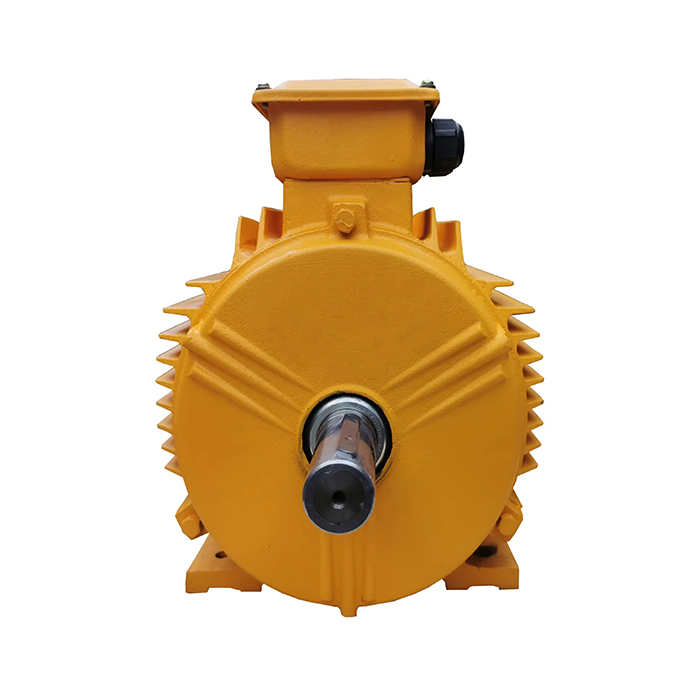
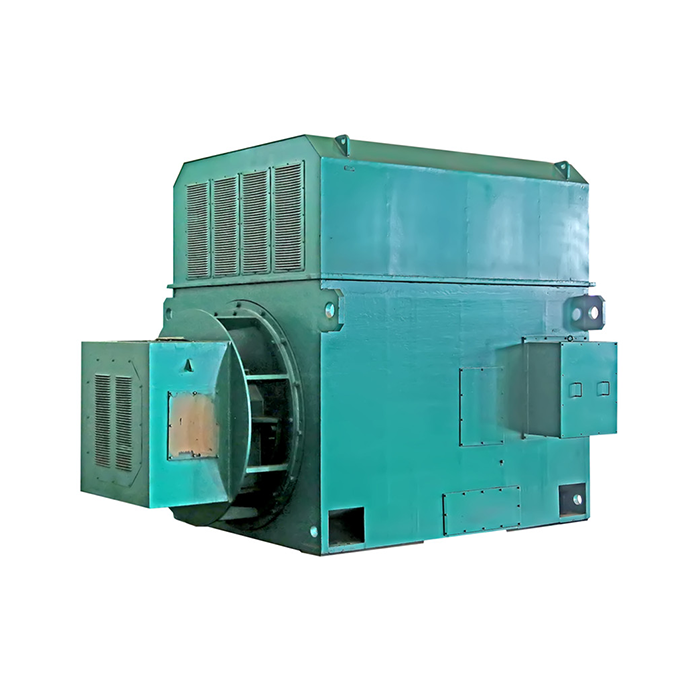
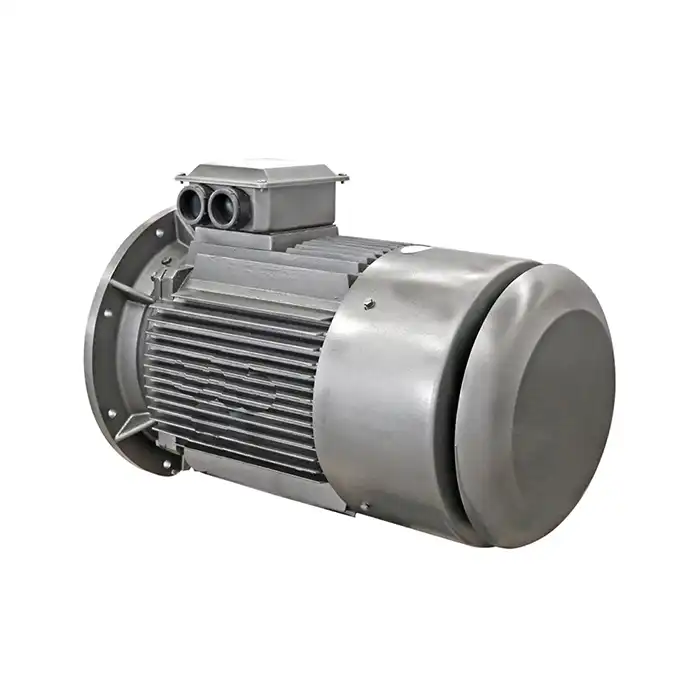
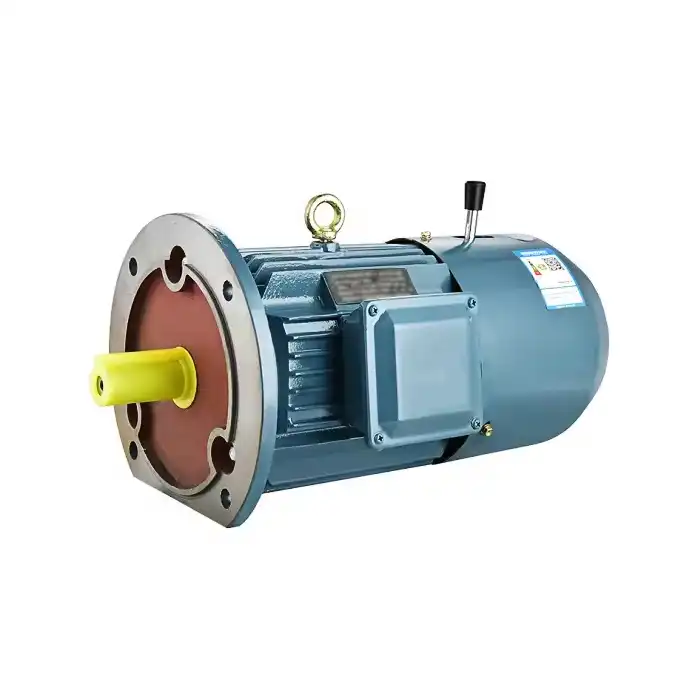
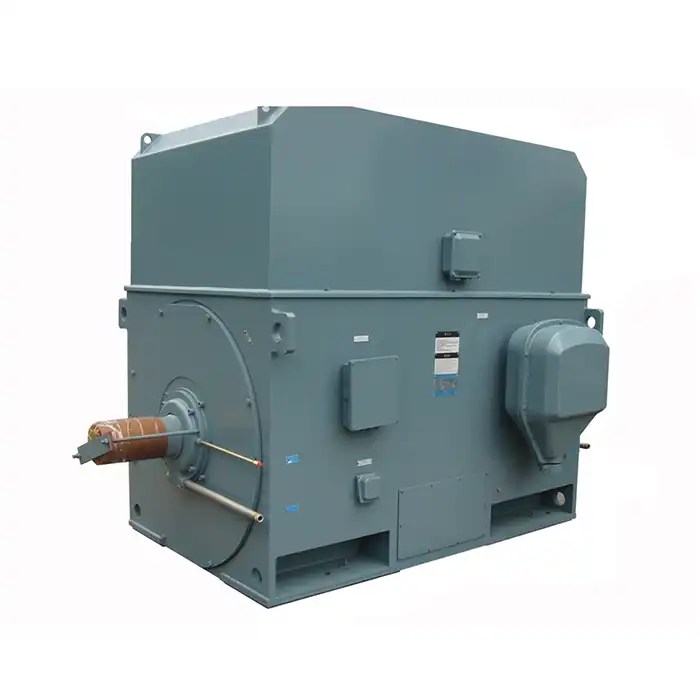
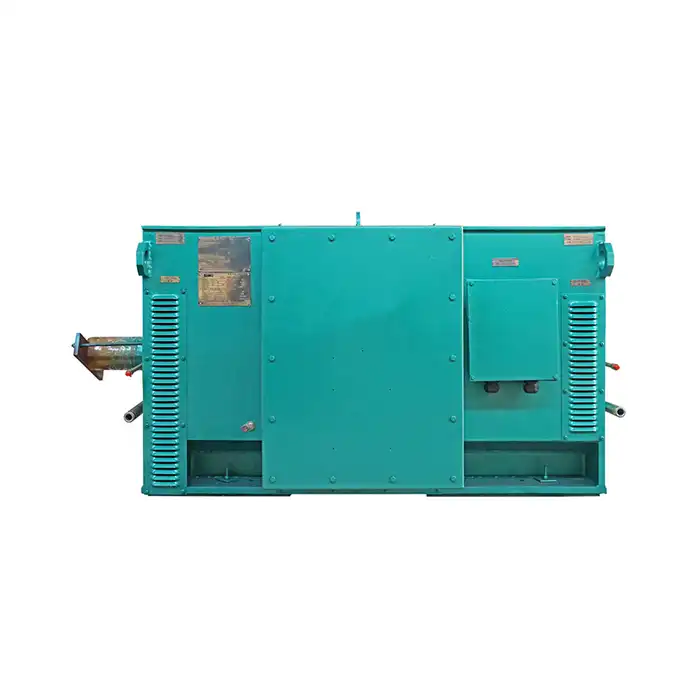
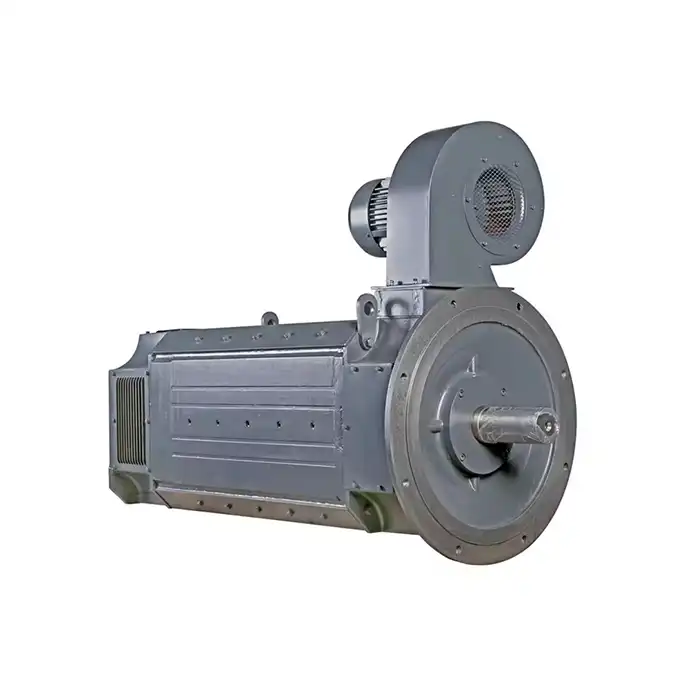
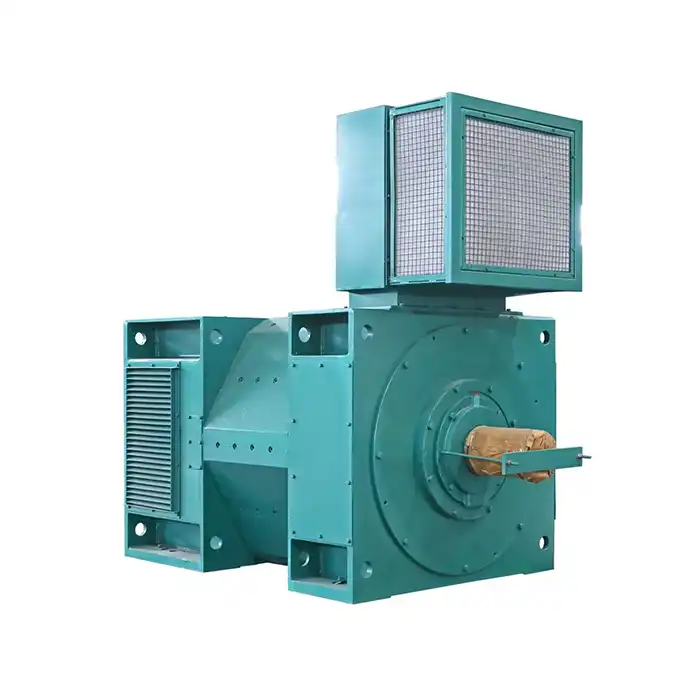
Series:YE5
Frame number: 80-450
Power range:
Protection level:IP55
Energy efficiency class: IE5
Voltage range: 380V,400V,415V, 660V,etc.
Application:can be used in various fields of the national economy, such as machine tools,water pumps,fans,compressors,and can also be used in transportation, mixing, printing, agricultural machinery, food and other occasions that do not contain flammable, explosive or corrosive gases.
Certificate: international standard IEC60034-30 "Efficiency Classification of Single-speed Three-Phase Squirrel Cage Induction Motors".
Advantage:The high quality of the electric motor guarantees high operational reliability.
Others: SKF, NSK, FAG bearings can be replaced according to customer requirements.
Understanding the Basics of a 5hp 3 Phase Induction Motor
Core Operating Principles
Electromagnetic induction moves the stator and rotor of a 5hp 3 phase induction motor. Three-phase AC power flows through the stator windings and makes a rotating magnetic field that makes current flow through the rotor conductors. This reaction makes thrust, which turns the rotor shaft. The number "5hp" means that the total power is about 3.73 kW, which is good for medium-duty uses in factories, business HVAC systems, and process control equipment.
Knowing these basics helps buying teams choose motors that work perfectly with the features of the load. The squirrel cage rotor design, which is common in most industrial settings, gives stable starting power without the need for extra controls. Copper windings in more advanced models make them more conductive, which means they lose less energy and cost less to run over their lifetime.
Key Components and Their Functions
Copper or aluminum windings are enclosed in high-grade silicon steel laminations in the stator. This keeps eddy current losses to a minimum. Our motors have precise die-cast frames that are rated IP55. This keeps the internal parts safe from dust and water jets in harsh industrial settings. The rotor is dynamically balanced to get rid of vibrations. This makes the bearings last longer and requires less upkeep.
Cooling systems have a big effect on how long something works. External fans on the shaft make sure that air flows continuously across the curved housings, which gets rid of the heat that is made during operation. This design keeps the best working temperatures even when it's used continuously for more than eight hours a day, which is popular in water pumping stations and compressors.
Efficiency Standards and Speed Calculations
According to the worldwide standard IEC60034-30, the IE5 efficiency rating is the best in terms of energy performance. Motors that meet this requirement use 2–5% less electricity than standard models. This saves a lot of money since energy costs usually make up 97% of all lifecycle costs. The extra cost of high-efficiency motors quickly pays for itself, usually within four years for businesses that work long shifts.
The supply frequency and pole count affect how fast something moves. A 4-pole motor on a 50Hz supply works at about 1,500 rpm (synchronous speed minus slip), while a 2-pole motor can reach about 3,000 rpm. Choosing the right speed ratings is important for making sure that driven equipment like centrifugal pumps, conveyor systems, and ventilation fans work well together.
Challenges and Considerations When Importing 5hp 3 Phase Induction Motors
Regulatory Compliance and Certifications
Imports of 5hp 3 phase induction motors from other countries have to follow a lot of different rules. CE approval shows that the product meets European safety standards, and ISO 9001:2015 shows that the product meets the requirements of a quality management system. For some markets, GOST certification meets the needs. These credentials keep buyers from being sued and make sure that the equipment meets OSHA and other safety standards for the workplace.
In addition to basic licenses, make sure that efficiency rules are being followed. The Energy Policy Act says that motors with certain amounts of power must meet certain levels of efficiency. Making sure that your equipment meets or exceeds these standards by checking for IEC60034-30 compliance helps you stay out of trouble with the law and get the most out of your operational costs.
Logistics and Customs Clearance
Coordinating international shipping for the 5hp 3 phase induction motor means choosing the right carriers, setting up marine insurance, and making sure that the right paperwork is ready for customs officials. Motors need to be carefully packed to keep them from breaking while they're in transit. You can expect packages in crates with materials that reduce vibrations saving important parts. Knowing the Incoterms (FOB, CIF, DDP) makes it clear who is responsible for what when it comes to shipping costs, insurance, and customs taxes.
For customs clearance, products must be correctly classified under HS codes, usually 8501.52 for AC motors that are more than 750W but not more than 75kW. Duties and taxes vary from place to place, so getting decisions ahead of time keeps costs from coming up out of the blue. Freight forwarders with a lot of experience and knowledge of industrial equipment can speed up this process and cut down on clearance delays that mess up production plans.
Supplier Verification and Quality Assurance
Verifying the credibility of the supplier protects against fake or low-quality goods. Ask for certifications for the manufacturing facility, customer references from well-known industrial buyers, and detailed documentation on quality control. Reliable sellers give full test results that include measures of insulation resistance, winding temperature rise, vibration levels, and efficiency that were done before the goods are shipped.
The rules of the warranty should be carefully read. Standard coverage lasts for 12 to 18 months after the product is commissioned or 24 months after it is shipped, whichever comes first. Make it clear if the warranty only covers parts or also covers labor and shipping for replacements. Long-term operating continuity is greatly affected by how easy it is to get expert help and spare parts like bearings (from SKF, NSK, and FAG).
Step-by-Step Process to Import a 5hp 3 Phase Induction Motor
Defining Technical Specifications
Write down exactly what you need for your 5hp 3 phase induction motor, including the voltage (380V, 400V, 415V, or 660V, based on your electrical system), the frequency (50Hz or 60Hz), the mounting type (B3 foot-mounted, B5 flange, or B35 combination), the power output (5hp/3.73kW), and the weather conditions. Think about whether your application needs changing speed operation that needs to work with an inverter. This will affect the insulation class that you need (Class F can handle higher temperatures).
The frame size you choose affects how well the installation works. Frame numbers 80–450 can fit shafts of different heights and mounting sizes. Carefully measure the current equipment to make sure that it can be replaced directly without having to make any changes to the structure. Make sure the security class is at least IP55 for places that need to deal with dust, water, or being washed down, like food processing and water treatment.
Evaluating and Selecting Suppliers
When comparing possible suppliers for the 5hp 3 phase induction motor, look at more than just price. Check the company's ability to make things, the level of technology shown by advanced winding techniques and VPI treatment use, and its reputation in the market, which can be confirmed by reviews from outside sources. You can ask for examples or set up factory checks if you want to see quality control measures in action, such as detailed testing methods and the careful production of parts.
Check the expert service's skills. Suppliers who offer pre-sale application engineering support help customers choose the right motor for their needs, so they don't make the mistakes of choosing the wrong size. Help after the sale, like installation instructions, troubleshooting help, and upkeep training, is very valuable and lowers the operating risks that come with buying equipment from far away.
Negotiation and Contracting
Talk about payment terms that take protection and cash flow into account. Both sides are protected by letter of credit mechanisms, which release payment only after shipment and documentation compliance are proven. Talk about bulk discounts for buying more than one unit or long-term supply agreements that will help facilities that use a lot of motors on various production lines save money.
In buy contracts, it's important to spell out technical details like performance warranties, accepted vibration levels, and noise limits. Set up review rights so that a third party can check the goods before accepting the shipment. Clear contractual terms keep disagreements from happening and set up ways to get back on track if the delivered equipment doesn't work as planned.
Comparing 5hp 3 Phase Induction Motor Options for Informed Decision-Making
Three-Phase Versus Single-Phase Configurations
Three-phase configurations of the 5hp 3 phase induction motor work better than single-phase motors. They have more starting speed, more power density, which means smaller frame sizes can produce the same amount of power, and better power delivery, which lowers vibration. In general, three-phase designs work better, using less energy and making less heat. When three-phase electricity is available, industrial sites always choose three-phase motors.
Single-phase motors are good for homes or small businesses that don't have access to three-phase power. They need ways to start up, like capacitors or extra windings, which makes them more complicated and adds more places where things can go wrong. Three-phase motors are the best choice for industrial automation, process control, and commercial HVAC systems because they are more reliable and perform better, which makes the infrastructure investments needed worth it.
Squirrel Cage Versus Wound Rotor Designs
Because they are simple, durable, and inexpensive, squirrel cage rotors like those in the 5hp 3 phase induction motor are used a lot in industry. When you shorten aluminum or copper bars with end rings, you get a strong structure that doesn't need any outside connections or maintenance. This design works well in harsh conditions, lasts for decades, and is good for constant-speed uses like pumps, fans, and conveyor drives.
Wound rotor motors have windings that are linked by slip rings. This lets you add external resistance to change how the motor starts and how fast it goes. Even though they offer more performance options, they need more upkeep because the brush and slip ring wear out faster. For most industrial installations, squirrel cage motors are the best choice, unless the needs of the application call for something more complex and expensive.
Energy Efficiency and Inverter Compatibility
IE5 economy motors cut down on running costs by a large amount. When you consider that energy costs make up the vast majority of lifetime costs, high efficiency pays off over 10 or more years of operation. These efficiency gains are caused by better materials, such as optimized lamination steel, more copper, and better bearing specifications.
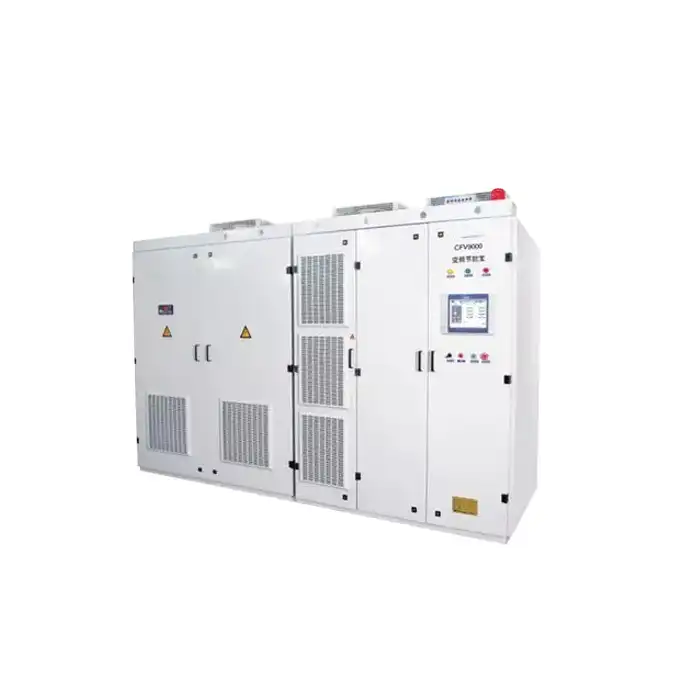
Variable speed function driven by an inverter increases the benefits of economy even more. Motors made for inverter duty have better insulation systems that can handle the voltage spikes that come with PWM drive outputs. With variable speed, the motor output can be exactly matched to the load needs. This gets rid of the losses caused by throttling in fans and pumps, which could cut energy use by 30 to 50 percent in variable load situations.
Best Practices for Maintaining and Troubleshooting Imported Motors
Routine Maintenance Procedures
Setting up routine preventative maintenance helps the 5hp 3 phase induction motor last longer and keeps unexpected breakdowns from stopping production. Every three months, clean the outside of the motor to get rid of the dust that has built up and is blocking airflow and making the cooling less effective. Check the tightness of the mounting bolts; vibrations can make fasteners loosen over time. Infrared thermography can be used to keep an eye on working temperatures and find problems before they become too big to handle.
Bearings are oiled according to the manufacturer's instructions; for motors that run all the time, this is usually done once a year. Do not use too much oil, as it raises heat and friction. Keep track of the temperatures and vibrations of the bearings to set a standard. Deviations from this number suggest problems that need to be looked into. Replace worn-out bearings before they break and damage other parts.
Common Problems and Solutions
Overheating can happen for a number of reasons, including not enough air flow because cooling paths are blocked, voltage imbalances greater than 2%, or too much load above the nameplate limit. Check the load current against the rated values, clean the cooling surfaces, and measure the supply voltage balance to stop the device from overheating. If the overheating keeps happening, you may need to upgrade to a higher power rating.
Misalignment, uneven loads, worn bearings, or a loose mounting can all cause too much shaking. Use dial markers to check the orientation of the shaft and make sure that the driven equipment pairs up correctly. Check that the mounting surface is flat and that the bolts are tight. Look at the frequency patterns of the vibrations; bearing problems leave unique fingerprints that aren't caused by electrical imbalances or mechanical looseness.
Electrical problems like ground faults, phase-to-phase shorts, or open windings need to be diagnosed by a professional who uses insulation resistance testing and winding continuity measurements to do so. Even with IP55 protection, contaminants can still get in and speed up the degradation of insulation, especially in harsh chemical environments. Take care of environmental problems before putting repaired or new motors back in place.
Professional Support and OEM Resources
By building ties with skilled service providers, you can be sure that problems will be fixed quickly. OEM expert support helps with questions about applications, improving speed, and fixing hard problems. Downtime costs that are much higher than the price of the equipment are kept to a minimum by suppliers who offer full support programs that include remote diagnostics, field service, and stocked extra parts.
When a motor fails in an important application, stopping production, you might want to look into service agreements. Scheduled checks, tests, and changes are part of preventive maintenance contracts to keep things running at their best. Even though these programs add to operational costs, they make budgeting more predictable, extend the life of equipment, and lower the risk of unexpected failures that wreck production schedules and break customer promises.
Conclusion
Technical specs, regulation compliance, supplier trustworthiness, and lifecycle cost factors must all be balanced when importing a 5hp 3 phase induction motor. Learning about motor basics, efficiency levels, and application needs helps people make smart purchasing decisions that meet the needs of businesses in the manufacturing, HVAC, water treatment, and automation sectors. Finding your way through certification requirements, logistics coordination, and quality checks keeps your costs low while protecting you from low-quality goods. Setting up structured repair plans and working with OEMs to get support makes equipment more reliable and extends its service life. This way, you can be sure that your imported motors will keep working well and providing value for money throughout their lifetime.
FAQ
1. What voltage should I specify for my application?
The voltage you choose will depend on the electrical infrastructure in your building. 460V three-phase supply is usually used in North America, while 380V, 400V, or 415V may be used in foreign sites. 660V systems are sometimes used in specialized applications, like mining. Make sure you know what your electricity service is like before you order. If the voltage specs are wrong, the motor won't work, and the warranty will be voided.
2. How long does international shipping typically require?
Shipping goods by sea from factories to big U.S. ports can take anywhere from 4 to 6 weeks, based on where the goods are coming from and where they are going. Please add one to two weeks for clearing customs and getting the goods to your facility in the country. Air freight speeds up delivery to 7–10 days, but it costs a lot more. This option is only worth considering for urgent replacements where the costs of production downtime are higher than the extra shipping costs.
3. What documentation accompanies imported motors?
Reliable sellers give a lot of paperwork, like test results that prove the product's performance, insulation resistance, and efficiency, as well as copies of the certifications (CE, ISO 9001:2015), installation and upkeep guides, wiring diagrams, and dimensional drawings. This paperwork helps with clearing customs, makes sure the motor is installed correctly, and lets you run effective maintenance programs for as long as it works.
Partner With XCMOTOR for Your Industrial Motor Supply Needs
Shaanxi Qihe Xicheng Electromechanical Equipment Co., Ltd. (XCMOTOR) offers a wide range of power equipment solutions backed by strong technical knowledge and a dedication to quality that never wavers. Our three-phase induction motors have IE5 efficiency ratings, IP55 protection, and strict quality control measures such as VPI treatment, precise die-casting, and thorough testing protocols. We support voltage ranges from 380V to 660V and can make configurations that fit a wide range of application needs.
As a 5hp 3 phase induction motor supplier with a lot of experience, we offer dedicated technical support that is available 24/7, so you can get help right away with specifications, installation, and problems. We're sure you'll be happy with our 30-day return policy and fast delivery service. Contact our engineering team at xcmotors@163.com or go to motorxc.com to talk about your unique needs and find out how XCMOTOR motors can improve the efficiency of your operations while cutting down on your energy costs.
References
1. Bonnett, Austin H. "Root Cause AC Motor Failure Analysis." IEEE Press, 2008.
2. De Almeida, Anibal T., et al. "Beyond Induction Motors: Technology Trends to Move Up Efficiency." IEEE Transactions on Industry Applications, vol. 50, no. 3, 2014, pp. 2103-2114.
3. International Electrotechnical Commission. "IEC 60034-30-1:2014 Rotating Electrical Machines - Part 30-1: Efficiency Classes of Line Operated AC Motors." IEC Standards, 2014.
4. National Electrical Manufacturers Association. "NEMA MG 1-2016: Motors and Generators." NEMA Publications, 2016.
5. Saidur, R. "A Review on Electrical Motors Energy Use and Energy Savings." Renewable and Sustainable Energy Reviews, vol. 14, no. 3, 2010, pp. 877-898.
6. Toliyat, Hamid A., and Gerald B. Kliman. "Handbook of Electric Motors." CRC Press, 2018.