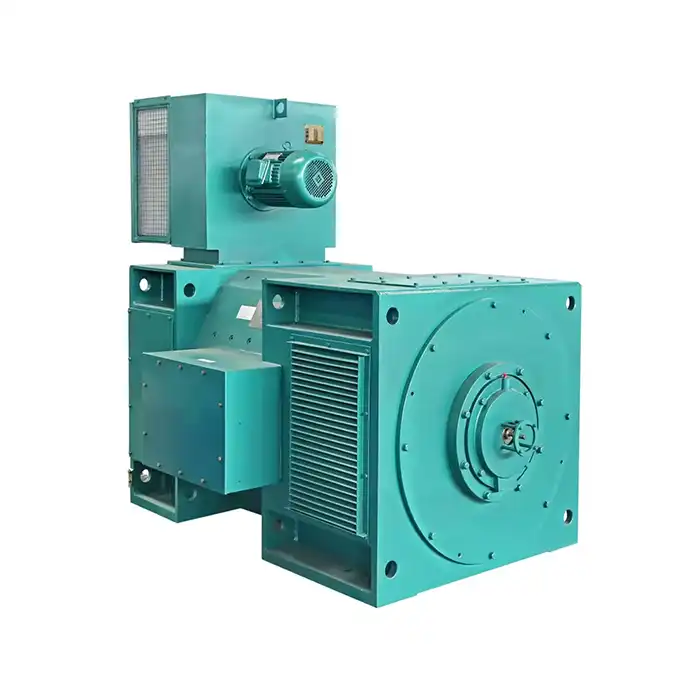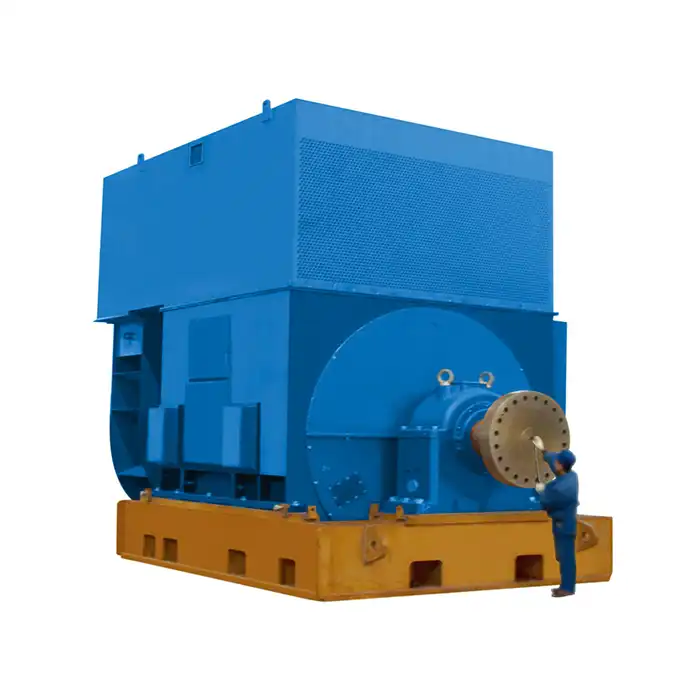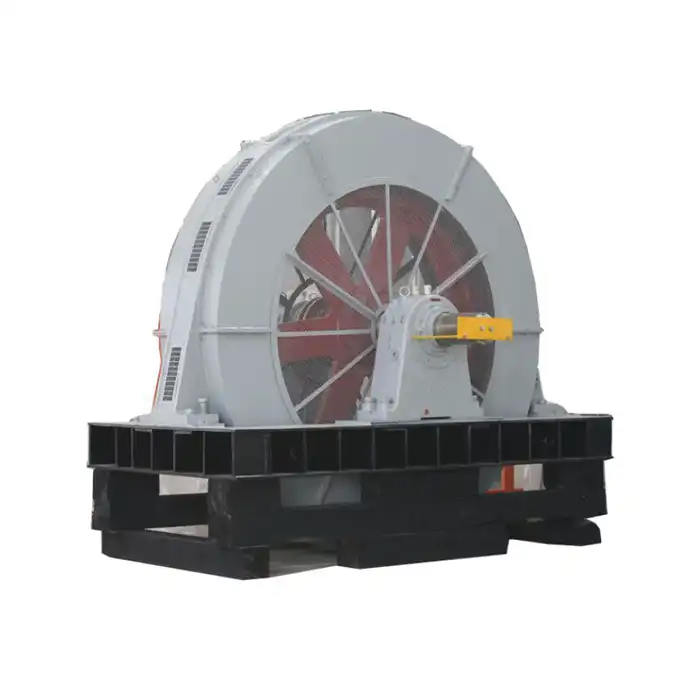




200HP DC Motor OEM Guide: Custom Designs and Support
When you're specifying power solutions for industrial operations, understanding the capabilities of a 200hp dc motor becomes essential. These motors represent a significant investment in your production infrastructure, delivering reliable performance across manufacturing, energy, and process control applications. Custom OEM designs allow you to match motor characteristics precisely to your operational demands—voltage configurations, mounting arrangements, cooling systems, and control interfaces can all be tailored. This guide walks you through the technical fundamentals, selection criteria, and procurement strategies that ensure you source the right motor solution while maximizing long-term value and operational uptime.
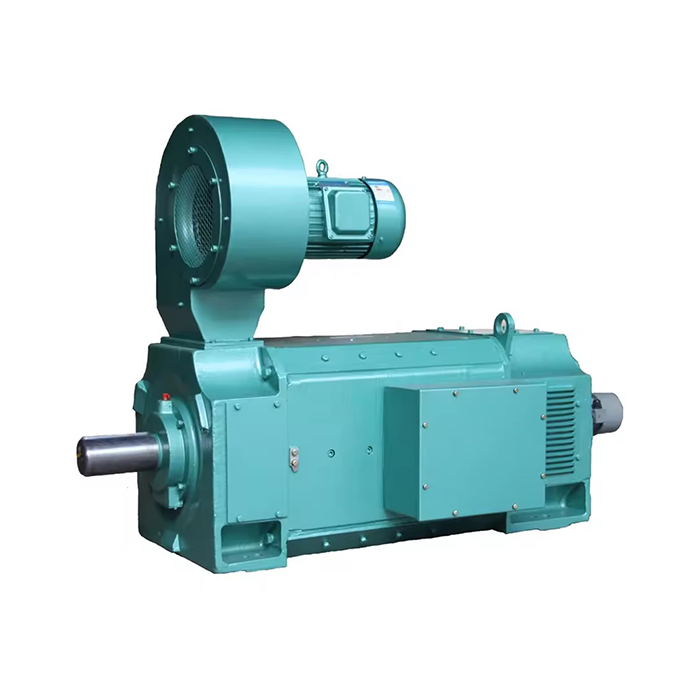
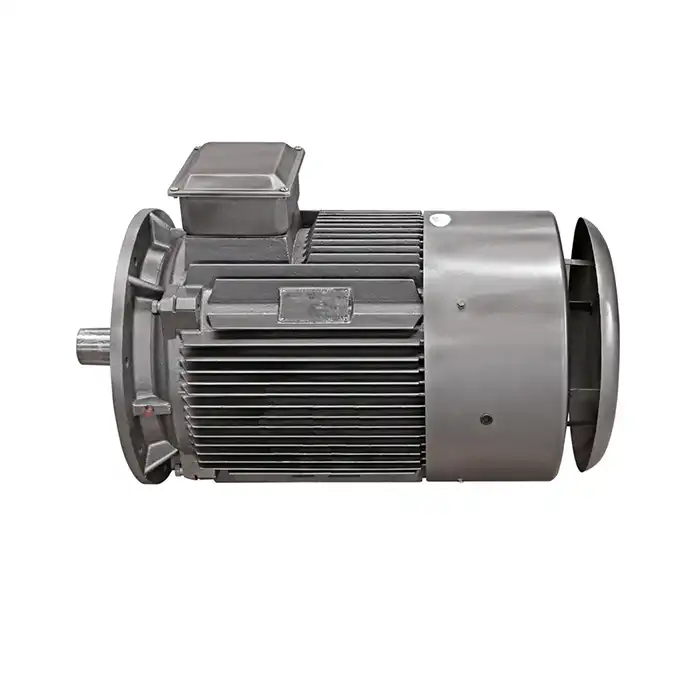
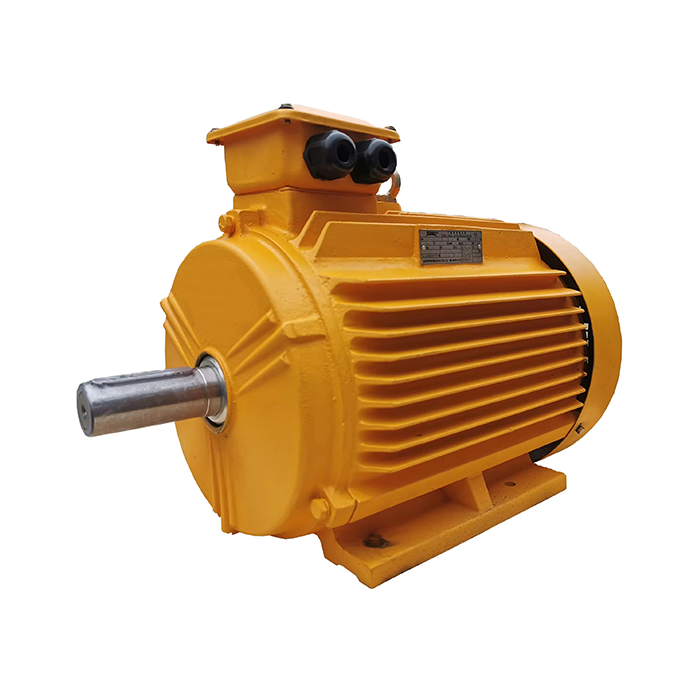
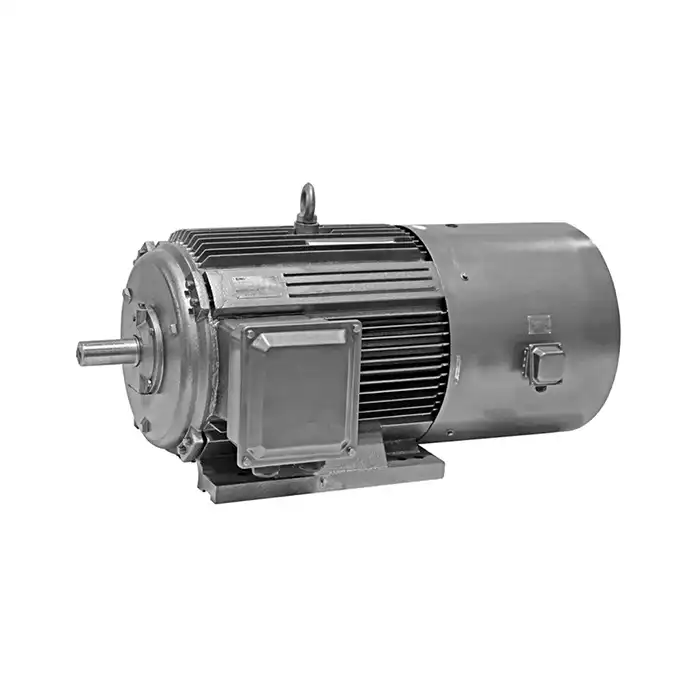
Series:Z4
Frame number: 100-450
Application:Z4 series motorsThis series of motors can be widely used in various industrial sectors such as metallurgical industrial rolling mills, metal cutting machine tools, papermaking, dyeing and weaving, printing, cement, and plastic extrusion machinery.
Power range:1.5-600kW
Voltage range: 160V,440V, etc.
Certificate: The performance of this series of motors not only complies with the national standard GB/T755 "Basic Technical Requirements for Rotating Electrical Machines", but also basically complies with the German VDE0530 standard.
Advantage:Z4 series DC motor has greater advantages than Z2 and Z3 series. It can not only be powered by DC unit power supply, but also suitable for static rectifier power supply. It has small moment of inertia, good dynamic performance, and can withstand high load change rates. It is especially suitable for control systems that require smooth speed regulation, high efficiency, automatic speed stabilization, and responsive response. It has reached the current international advanced level..
Others: SKF, NSK, FAG bearings can be replaced according to customer requirements.
Understanding 200HP DC Motors: Fundamentals and Technical Specifications
Core Operating Principles
DC motors use electromagnetic interaction between the stator field and armature current to turn electrical energy into mechanical rotation. For a 200hp dc motor to work continuously under heavy loads, it needs to be built with strong materials and precise engineering. The current in the armature winding reacts with the magnetic field to create force that is related to both the field strength and the current in the armature. This basic connection is what makes DC motors easy to control—changing either the field voltage or the armature voltage controls the speed in a smooth, predictable way across a wide working range.
Voltage and Power Configurations
The energy range for our frame 100-450 series includes 160V and 440V, and the power output runs from 1.5kW to 600kW. This adaptability works with a range of power distribution systems found in industrial buildings. In the middle of this set, a 200hp dc motor usually runs at around 150kW. The voltage choice impacts the amount of current drawn, the size of the conductors, and the controller's specs. Higher voltage options need less current, which means that supply cables and switchgear lose less power. You can get custom voltage specs that work with the electricity you already have, so you don't have to buy expensive power conversion tools.
Torque and Speed Characteristics
One of the best things about DC motors is that they produce their most power at zero speed, which makes them perfect for uses that need a lot of breakaway force. The 200hp dc motor has a power factor of 0.85 and an efficiency value of up to 95% at full load. Because of the small moment of inertia built into this design, speed control stays fixed even when loads change. Process changes can be accommodated by speed ranges that can be changed without the need for external gearing, which makes mechanical integration easier. The torque-speed curve can be changed to fit different types of applications by changing the field winding design and armature characteristics.
Construction Types and Design Options
Motor construction has a direct effect on how well it works and how long it lasts. Our designs have insulation class F (155°C), which gives them a thermal cushion for harsh conditions. The standard level of protection is IP23, but higher levels are available for harsh environments. Forced ventilation is used by the cooling system to keep the best working temperatures even during long heavy-duty processes. You can choose high-quality bearings from SKF, NSK, or FAG based on the needs of the application. Load profiles, speed ranges, and maintenance intervals all play a role in choosing the right bearings. The small footprint makes it easier to add to existing equipment layouts without making a lot of changes.
Advantages and Applications of 200HP DC Motors in Industrial Settings
Superior Starting and Control Performance
Because they have a low moment of inertia and a high starting torque, these motors are perfect for uses that need to start, stop, or change direction often. Dynamic performance works best in systems that need to react quickly to control signals. For example, rolling mills for metal, machine tools for cutting metal, and machines that extrude plastic all benefit from this trait. The motor reacts right away to control inputs and keeps its speed precisely controlled even when the load changes. In automated production lines, where controlling speed consistently is key to making sure the quality of the result, this response is very useful.
Versatility Across Power Supply Types
It's possible for these motors to work with both old-fashioned DC unit power sources and newer static rectifier systems. This dual flexibility keeps your investment safe as power systems in buildings change. Compared to older motor-generator sets, static rectifiers are more efficient and require less maintenance. Our 200hp dc motor works perfectly with either setup. Being able to work with different types of power supplies gives you options when you're upgrading your facility or moving your equipment to a new location with a different power system.
Industry-Specific Applications
In the main areas where these motors offer great value, they are:
Manufacturing and Process Industries: Machines used to make paper need to keep an eye on the tension while sheets are being formed, and the 200hp dc motor provides the smooth speed control that is needed for good output. Dyeing and weaving depend on controlling speeds at multiple drive points at the same time. DC systems are very good at this. To avoid registration errors, printing presses need exact speed matching, which is possible with these motors' stable speed characteristics.
Heavy Industrial Operations: The equipment in a cement plant works in rough, hot conditions where it needs to be built to last. These problems can't stop our motors because they are made of strong materials and have good cooling systems. In metallurgical operations, rolling mills need high torque at low speeds during the first passes and then sustained power at higher speeds. A 200hp dc motor's wide operating range can meet these different needs in a single unit.
Energy and Automation Sectors: These motors are used in water treatment plants to move pumps and valves that control flow very precisely. DC motors are used in automated industrial cells because they have predictable response times, which makes setting the controller easier and speeds up cycle times.
Comparison and Selection Guide: Choosing the Right 200HP DC Motor for Your Needs
DC Versus AC Motor Technology
The choice between DC and AC motors depends on the needs of the application and the total cost of ownership. DC motors are great for tasks that need a wide range of speeds with steady torque, easy speed control, and a lot of starting power. For precise speed control without complicated control systems, they are still the only ones that can be matched. In brushed designs, maintenance is mostly about checking and replacing the brushes, which is something to think about when planning for long-term operations.
Key Selection Criteria for OEM Customization
By matching motor specs to application needs, you can avoid both underperformance and wasted money on too much capacity. The first step is to do a load analysis to find out the peak torque needs, the continuous duty torque, the speed range, and the duty cycle characteristics. Ambient temperature ranges, altitude, humidity levels, and exposure to dust or corrosive substances are some of the environmental factors that affect construction specifications. These include the type of motor that needs to be used and how it needs to be protected.
Supplier Evaluation Factors
Mounting arrangements and lead times for special production are usually between 6 and 12 weeks, but they depend on how complicated the specifications are and how many orders are placed. Aside from lower unit prices, buying in bulk has other benefits as well. For example, forming partnerships can help with production timing, provide specialized technical support, and make it easier to get spare parts. Coordination of production batches lets you keep inventory levels that meet the needs of both working capital and operational continuity.
When looking for a reliable supplier, you need to look at more than just price. It's important to know how technically skilled the maker is—can they change plans to fit your needs? Following the national standards GB/T755 and the German VDE0530 standards shows that we are good at engineering and care about quality. Certifications like CE and CCC show that you follow the rules, which makes getting approvals easier.
Maintenance and Efficiency Optimization for 200HP DC Motors
Routine Maintenance Protocols
Motors last longer and don't break down when they're least expected when they get regular repair. Visual checks should be done once a week to look for strange vibrations, noises, or temperatures. Cleaning ventilation holes once a month to keep cooling working well and checking electrical connections for corrosion and tightness are two things that need to be done every month. When to check the brushes depends on how often they are used and how much they are loaded. The way the commutators wear shows how good the seating is and how good the brushes are. Lubricating bearings according to the manufacturer's instructions, with times changed based on how the bearings are being used.
Efficiency Enhancement Strategies
Modern control methods make the 200hp dc motor more efficient than its base rates. Closed-loop speed control keeps the optimal operating points, so changes in speed don't waste energy. Load matching makes sure that motors work close to their rated capacity, which is where their efficiency is highest. Motors that are too big and only partially loaded waste energy. Smart monitoring systems constantly keep an eye on working factors and send data that shows where improvements can be made.
Tuning the controller has a big effect on how much energy is used. If you set the acceleration and braking ramps correctly, you won't draw too much power during transitions. Field lowering methods make the speed range bigger without making them less effective. When used correctly, regenerative control options can recover energy during slowing down and send it back to the power system.
Procurement Best Practices: How to Buy and Source 200HP DC Motors
Developing Effective Procurement Specifications
Detailed specifications keep misunderstandings from costing a lot of money and make sure that the equipment delivered meets operational needs. Power output, voltage, speed range, torque characteristics, duty cycle, and environmental conditions should all be defined by technical parameters. Mechanical needs include how the mounting is set up, the specs for the shaft, where the junction box goes, and any other unique features. You must make it clear what quality standards and certifications apply to your business or region. Clear evaluation criteria make it easier to compare different proposals: price, delivery lead time, warranty terms, availability of technical support, and payment terms are all taken into account.
Supplier Qualification Process
Checking the credentials of a seller guards against problems with quality and late deliveries. A manufacturing capability evaluation looks at how much can be made, how quality is controlled, and how tests are done. Site visits or virtual tours of facilities give you a better idea of how they work and what the organization can do. Customer references give you an unbiased view of how well a supplier does their job, how quickly they respond, and how well they solve problems. Documentation review reveals compliance with relevant standards and certifications.
Working with XCMOTOR for Custom Solutions
Shaanxi Qihe Xicheng Electromechanical Equipment Co., Ltd. (XCMOTOR) is an expert at customizing power equipment solutions for each customer. Our frame 100-450 series has the performance traits we've talked about in this guide, plus the ability to be customized to meet the needs of particular applications. We offer 200hp dc motor configurations that are built with advanced design features like low moment of inertia for better dynamic response, the ability to work with both DC unit and static rectifier power supplies, and construction that meets international standards.
Our engineering team works with you to figure out the best configurations. We look at your working conditions, load factors, and integration needs to come up with plans that get the best performance for the least amount of money. Custom voltage settings, bearing choices, cooling arrangements, and mounting options make sure that the motors we deliver work perfectly with your equipment. Protocols for testing make sure that performance is checked before shipment, giving you proof that meets your quality standards.
Conclusion
When choosing and getting the right 200hp dc motor, you have to balance technical needs, cost, and the supplier's abilities. Knowing the basics of motors, like the different voltage options, torque characteristics, and construction types, helps you make smart choices about specifications. Knowing that DC motors are better at being controlled and started helps match technology to the needs of an application. A thorough evaluation of suppliers makes sure that you work with manufacturers who can provide quality products and the right level of support. Regular care and tweaks to improve efficiency will protect your investment, making it last longer and using less energy. Custom OEM solutions from reputable providers make it possible for motor features to perfectly meet the needs of an application, which is something that general products can't do.
FAQ
1. What are the main technical differences between brushed and brushless DC motors?
Physical brushes in brushed motors contact a commutator to change the current in the armature windings. This makes the motor easy to control and gives it a lot of starting torque. Electronic commutation is used in brushless designs to get rid of the need for brush wear and upkeep while also making the motor more efficient and faster. Brushed motors are still a good deal for uses up to 200 horsepower where they can be easily maintained and where control ease is important. Although they need more complex controllers, brushless motors are good for tasks that don't need much maintenance or that need to be done in hard-to-reach places.
2. How can I ensure purchased motors meet efficiency and application requirements?
Mismatches can be avoided by writing down specifics like power needs, speed ranges, torque profiles, task cycles, and weather conditions. Request performance curves that show how well the system works across a wide range of conditions. Check for compliance with relevant standards such as VDE0530 or GB/T755. Performance against specifications is checked during factory acceptance testing before shipment. When you work with experienced suppliers who ask detailed questions about the application, you can be sure that you're choosing the right motor.
3. What are typical lead times for custom motor production and delivery?
Most standard setups ship 4 to 6 weeks after the order is confirmed. Depending on how complicated they are, custom specs that need technical changes can make the time frame 8 to 12 weeks longer. Large orders may need more time to be scheduled for production. International shipping can take an extra two to four weeks, depending on where it's going and how it's being shipped. These schedules can be met by planning purchases well ahead of installation dates, so the project doesn't get behind schedule.
Partner with XCMOTOR for Your Custom DC Motor Requirements
XCMOTOR has a lot of experience designing and making custom 200hp dc motors that can solve your toughest industrial problems. Instead of making you change your processes to fit general goods, we give you solutions that are perfectly tailored to your needs. Our tech team works with you from the first specification to installation help to make sure everything works well together. At every stage of production, quality control measures make sure the product is reliable, and certifications like CE and CCC show that it meets international standards.
Our manufacturing options are flexible enough to meet your needs, whether you need a single sample or a lot of them. Long-lasting dependability is ensured by high-quality parts like SKF, NSK, and FAG bearings. For peace of mind throughout the lifetime of an item, fast delivery, dedicated expert help available every day, and a full warranty cover all of its parts. Contact us at xcmotors@163.com or motorxc.com right away to talk to one of our experts about your unique needs. As a reliable 200hp dc motor manufacturer, we can make the specific solution your business needs.
References
1. Chapman, S.J. (2012). Electric Machinery Fundamentals, Fifth Edition. McGraw-Hill Education.
2. Hughes, A. and Drury, B. (2019). Electric Motors and Drives: Fundamentals, Types and Applications, Fifth Edition. Newnes.
3. National Electrical Manufacturers Association (2021). NEMA Standards Publication MG 1-2021: Motors and Generators. NEMA.
4. Boldea, I. and Nasar, S.A. (2016). The Induction Machines Design Handbook, Second Edition. CRC Press.
5. Institute of Electrical and Electronics Engineers (2020). IEEE Standard 112-2017: Test Procedure for Polyphase Induction Motors and Generators. IEEE.
6. German Institute for Standardization (2020). DIN EN 60034 Series: Rotating Electrical Machines - Part 1: Rating and Performance. VDE Verlag.