



What Is an Ultra-Premium Efficiency (IE5) Motor?
If you manage motor procurement for industrial pumps, compressors, or OEM equipment, you have probably noticed one term showing up more frequently in specifications and regulatory documents: IE5. Understanding what this classification means — and why it matters for your operation — can directly affect both your compliance posture and your long-term energy budget.
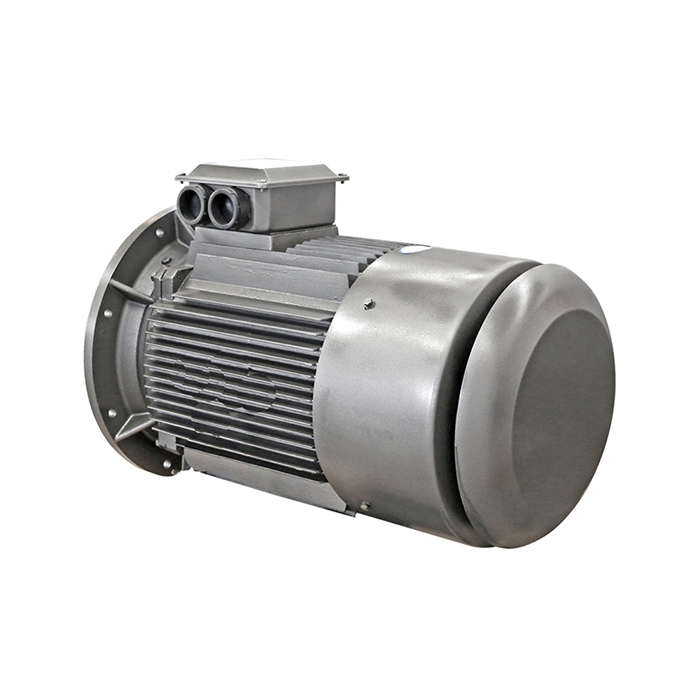
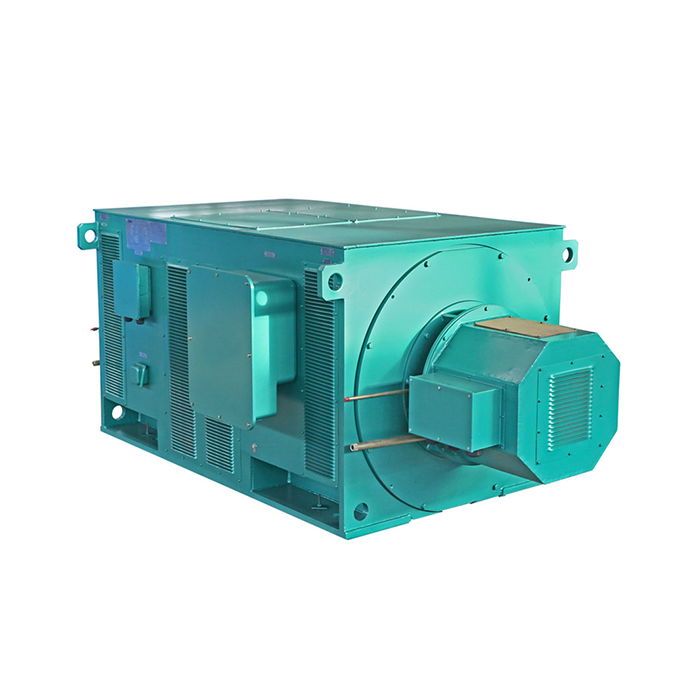
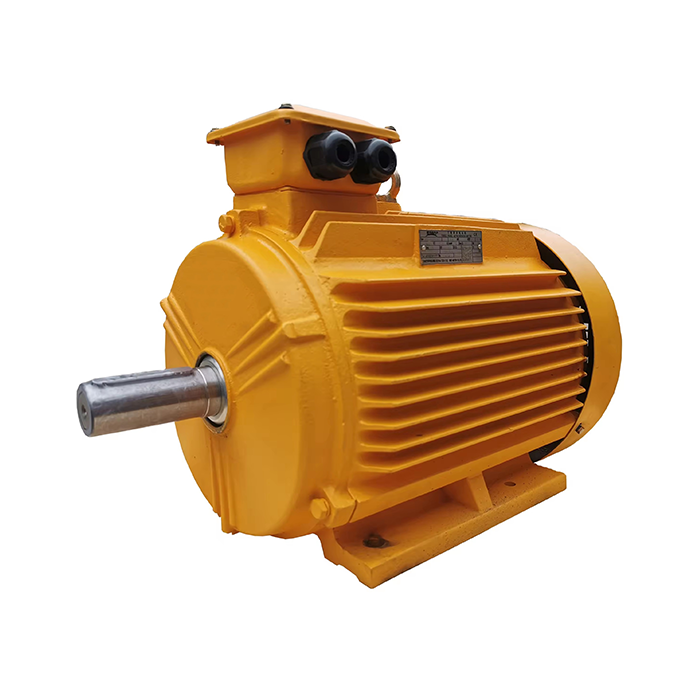
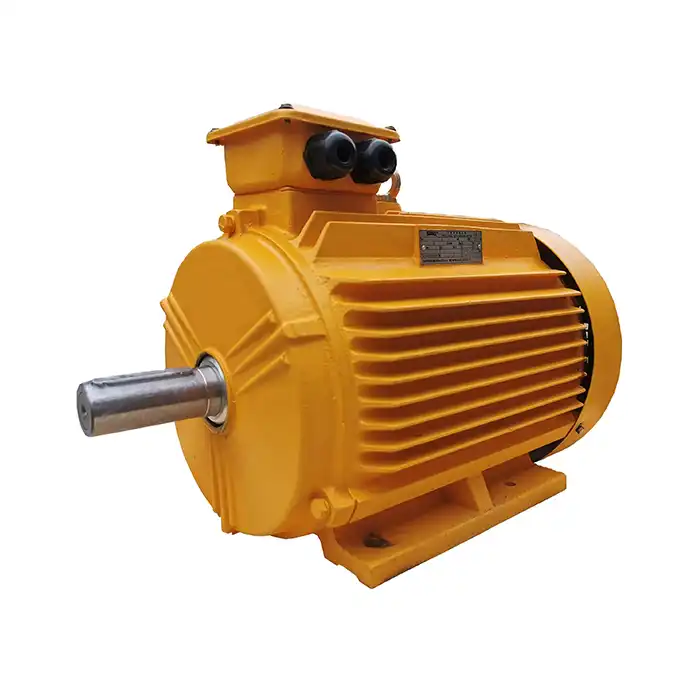
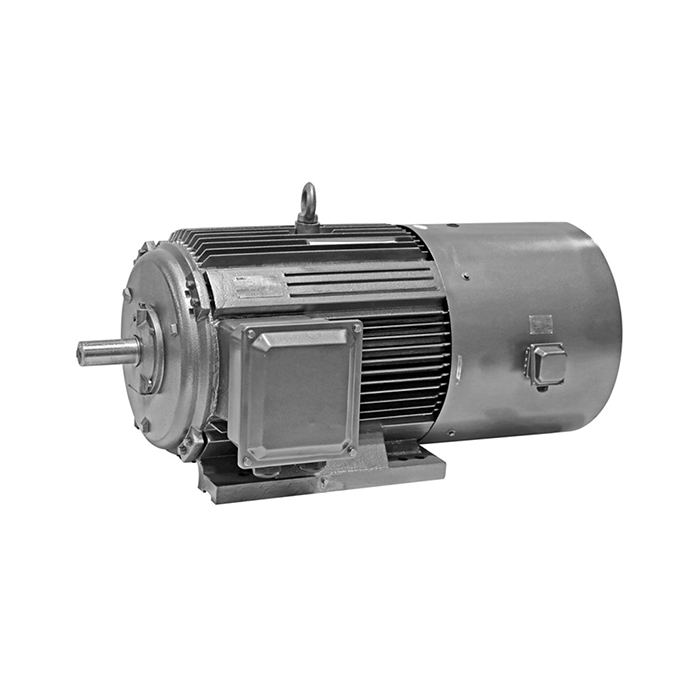
Series:YE5
Frame number: 80-450
Power range:0.75-1000kW
Protection level:IP55
Energy efficiency class: IE5
Voltage range: 380V,400V,415V, 660V,etc.
Application:can be used in various fields of the national economy, such as machine tools,water pumps,fans,compressors,and can also be used in transportation, mixing, printing, agricultural machinery, food and other occasions that do not contain flammable, explosive or corrosive gases.
Certificate: international standard IEC60034-30 "Efficiency Classification of Single-speed Three-Phase Squirrel Cage Induction Motors".
Advantage:The high quality of the electric motor guarantees high operational reliability.
Others: SKF, NSK, FAG bearings can be replaced according to customer requirements.
An IE5 motor is a three-phase squirrel cage induction motor classified at the ultra-premium efficiency level under IEC 60034-30-2, the current international standard for motor efficiency grading. XCMOTOR's IE5 motor line covers a power range of 0.75 kW to 1000 kW, with voltage options including 380V, 400V, 415V, and 660V, making it a practical choice for a wide range of industrial environments.
Understanding IE5 Motor Technology
What the IEC 60034-30-2 Standard Actually Requires?
There are five levels of efficiency, from IE1 to IE5, according to the IEC 60034-30-2 standard. With each step up, the amount of energy lost can be measured and shown. Compared to an IE4 motor, an Ie5 motor must achieve loss reduction efficiency levels that are about 20% better. This is not a marketing label; it needs tested data that has been confirmed using the IEC 60034-2-1 method, which takes into account stray load losses that were not taken into account by older test methods.
How IE5 Differs from IE3 and IE4?
Since around 2011, IE3 motors have been used as the standard for high efficiency around the world. IE4 motors are a step forward. From July 2023, EU Regulation 2019/1781 requires motors with 75–200 kW of power to have them. An Ie5 motor does more than that; at the same rated power, it cuts total electrical losses by about 20% compared to an IE4 motor. If you run a motor for 6,000 hours a year, that difference adds up to real savings on energy costs per unit.
Core Technologies Behind Ultra-Premium Efficiency
To reach IE5 effectiveness, engineers have to make certain decisions. Up to 96.5% efficiency is rated for XCMOTOR's Ie5 motor, which is achieved through the following design elements:
- Advanced magnetic materials in the stator core that reduce iron losses at operating frequencies
- Optimized copper winding geometry that lowers resistive losses in the stator
- Precision die-cast rotor construction that reduces rotor bar losses and secondary current effects
- High power factor (>0.9) that limits reactive current draw and reduces distribution losses
- Low harmonic distortion that protects downstream equipment and reduces heat buildup
These design choices don't work on their own; they all work together to make a motor that runs quieter, makes less noise, and produces more mechanical output per unit of electricity input.
IE5 Motor Efficiency and Performance Explained
Measured Efficiency vs. Nameplate Claims
The difference between what the nameplate says about how well something works and how well it actually works is something that technical procurement managers often worry about. This is directly taken care of by XCMOTOR, which gives third-party test reports based on IEC 60034-2-1, which is an indirect method with stray load loss correction. When someone buys something, they should always ask for test results that use this method and not older ones that use fixed-loss assumptions to understate losses.
Thermal and Acoustic Performance
An ie5 motor that is moving more efficiently gives off less waste heat per watt of power. In real life, this means that the windings will be cooler during continuous operation, which will make the insulation last longer. The Ie5 motor from XCMOTOR comes with Class F insulation by default, but Class H insulation can be ordered instead. The IP55 rating protects internal parts from dust and water jets. This means that these motors can be used in places like pump stations and compressor halls that are wet, dusty, or close to the outdoors.
Total Cost of Ownership Over a Machine's Life
Unit price is the most important factor in most purchasing choices. Total cost over the life of the machine is a more accurate way to measure. If you run a 75 kW motor for 6,000 hours a year at $0.10/kWh, a 2% efficiency gain will save you about $900 a year per motor. When you add up 200 machines, that number starts to mean something. Many customers who switched to Ie5 motors say they got their money back within 12 to 24 months.
Choosing the Right IE5 Motor for Your Business Needs
Matching Power and Voltage to Your Application
The Ie5 motor range from XCMOTOR goes from 0.75 kW to 1000 kW, with frame sizes ranging from 80 to 450 and speeds ranging from 500 to 3000 rpm. The voltage ranges from 380V to 415V at 50 Hz and from 440V to 480V at 60 Hz. The 660V choice works with medium-voltage distribution systems used in mining and heavy process industries, so OEM installers who sell equipment in Europe, Southeast Asia, or Latin America can use it.
Standard vs. Customized Configurations
XCMOTOR lets OEM buyers change the nameplate labeling, packaging artwork, and bearing specifications for a single SKU that needs to be used for both OEM-fitted and aftermarket replacements. At the time of order, you can choose bearings from SKF, NSK, or FAG. This is an important detail for service technicians who need to keep a fleet of replacement parts in good shape.
When to Consider Variable Frequency Drive Compatibility
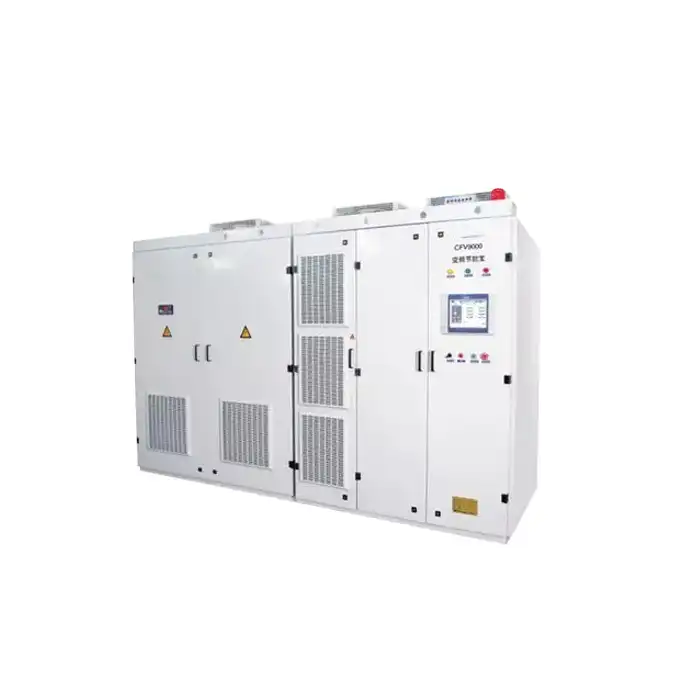
When you run an Ie5 motor on a variable frequency drive (VFD), the heat and electrical stress levels are different from when you start the motor directly on the line. The Ie5 motor from XCMOTOR is tested for noise and temperature rise across the whole frequency range, not just at the rated speed. When OEM engineers order motors for variable-flow pump systems or compressors with load-matching drives, they should ask for VFD-specific test data, such as temperature rise curves at 25%, 50%, 75%, and 100% load.
Procurement Guidance for IE5 Motors
What to Verify Before Placing an Order
Before accepting a sample, technical procurement teams that are looking at an ie5 motor provider should ask for the following:
- Third-party type test report citing IEC 60034-2-1 (2014 revision or later)
- CE Declaration of Conformity referencing IEC 60034-30-2
- Sample lead time confirmation (XCMOTOR targets ≤15 days for initial samples)
- Batch consistency verification process documentation
A lot of the time, quality engineers have questions during the PPAP approval and incoming inspection. These documents answer those questions.
Certifications That Matter for Global OEM Supply
XCMOTOR's Ie5 motor has both a CE mark and a GOST license, which are the main requirements for entering the European and Eurasian markets. The motors also use the IEC 60034-30-2 standard to classify their efficiency, not the older IEC 60034-30-1, which did not include IE5. This difference has a direct effect on regulatory compliance documentation for buyers who sell equipment to EU markets.
Working With XCMOTOR's Procurement Process
Technical specification → RFQ response → sample delivery (2–4 units) → small-batch trial production (10–50 units) → PPAP sign-off → annual framework agreement. This is the standard order in which OEMs buy parts. The company offers personal technical help during the week and on the weekends. This cuts down on the time that is usually wasted when reviewing specifications across time zones.
Future Trends in Ultra-Premium Efficiency Motors
The Path Beyond IE5
IEC expert groups are looking into whether or not an IE6 classification is possible right now. Even though there isn't a formal standard yet, it's clear where things are going: regulatory bodies in the EU, China, and the US are all gradually raising the minimum efficiency standards. OEM makers are now ahead of compliance dates rather than behind them thanks to their investment in ie5 motors.
Regulatory Pressure Driving OEM Decisions
From July 2023 on, EU Regulation 2019/1781 made IE4 a must for motors with 75 to 200 kW of power. A number of markets outside the EU are following the same plans. For OEM manufacturers exporting to these markets, choosing an Ie5 motor today gives them a compliance buffer and lets end users judge the overall efficiency of the system know that the product is of higher quality.
Supply Chain Considerations for IE5 Sourcing
Lead times from lower-tier sources are expected to get longer as the need for Ie5 motors grows. Setting up a framework agreement with a supplier that keeps verified IE5 inventory in a range of power ratings lowers the chance that the production line will stop when demand goes up.
Conclusion
Ultrahigh efficiency motors are becoming more popular not because they are in style, but because of rules, costs, motor efficiency payback and the need for OEM equipment to stay competitive in markets where energy performance is measured. If an Ie5 motor is checked against IEC 60034-30-2, tested using IEC 60034-2-1, and has recorded batch consistency, technical procurement managers have all the proof they need to confidently accept a new motor SKU. Is XCMOTORThese needs can be met by s Ie5 motor line over a wide range of power and voltage.
FAQ
1. How much energy can I save by switching to an IE5 motor?
Actual savings depend on your operating hours, load profile, and current motor efficiency class. Compared to an IE3 motor, an IE5 motor can reduce energy consumption by up to 40% in continuous-duty applications. For high-utilization equipment like pumps and compressors running 6,000 or more hours per year, the financial difference is substantial.
2. Are IE5 motors compatible with my existing equipment?
XCMOTOR's IE5 motors are designed as direct replacements for standard IEC frame configurations. Frame sizes from 80 to 450 cover the vast majority of industrial motor mounting footprints. Bearing specifications from SKF, NSK, or FAG can be matched to your existing maintenance parts inventory.
3. What is the typical payback period?
Most customers see full capital recovery within 12 to 24 months, depending on electricity rates and operating hours. Higher-utilization applications recover costs faster.
4. Does XCMOTOR provide third-party test reports?
Yes. XCMOTOR provides type test reports based on IEC 60034-2-1 methodology for all IE5 motor models. These reports are available for review during the sample evaluation stage of the procurement process.
5. What certifications do XCMOTOR's IE5 motors carry?
Current certifications include CE marking and GOST, with IEC 60034-30-2 as the formal efficiency classification reference.
Request an IE5 Motor Quote from XCMOTOR
XCMOTOR sells checked ie5 motor units to industrial distributors, energy retrofit projects, and original equipment manufacturers around the world. Our Ie5 motor range has power levels from 0.75 kW to 1000 kW, is protected by IP55, and can be set up with different voltages. We support sample requests with a lead time of 15 days or less as a dependable Ie5 motor manufacturer. You can send an RFQ to our technical team at xcmotors@163.com or visit motorxc.com to get a quote that fits your needs.
References
1. International Electrotechnical Commission. IEC 60034-30-2: Rotating Electrical Machines – Efficiency Classes of Variable Speed AC Motors. IEC, 2016.
2. International Electrotechnical Commission. IEC 60034-2-1: Rotating Electrical Machines – Standard Methods for Determining Losses and Efficiency. IEC, 2014.
3. European Commission. Commission Regulation (EU) 2019/1781 on Ecodesign Requirements for Electric Motors and Variable Speed Drives. Official Journal of the European Union, 2019.
4. de Almeida, A. T., Ferreira, F. J. T. E., & Baoming, G. "Beyond Induction Motors — Technology Trends to Move Up Efficiency." IEEE Transactions on Industry Applications, 2014.
5. Waide, P., & Brunner, C. U. Energy-Efficiency Policy Opportunities for Electric Motor-Driven Systems. International Energy Agency, 2011.
6. Ferreira, F. J. T. E., & de Almeida, A. T. "Comparison of IE4 and IE5 Motor Technologies for High-Efficiency Industrial Drives." IEEE Industry Applications Magazine, 2020.