



Water-Cooled vs Air-Cooled Motors: Which Lasts Longer Offshore?
If you manage heavy industrial equipment in offshore or high-demand environments, you already know that motor failure is not just a technical problem — it is a financial one. Choosing the right cooling method directly affects how long your equipment runs, how often your team performs repairs, and how much unplanned downtime costs your operation. Based on field experience and verified industry data, a water cooled motor consistently outperforms air-cooled alternatives in harsh offshore settings. This article breaks down why, and what you should prioritize when making your next procurement decision.
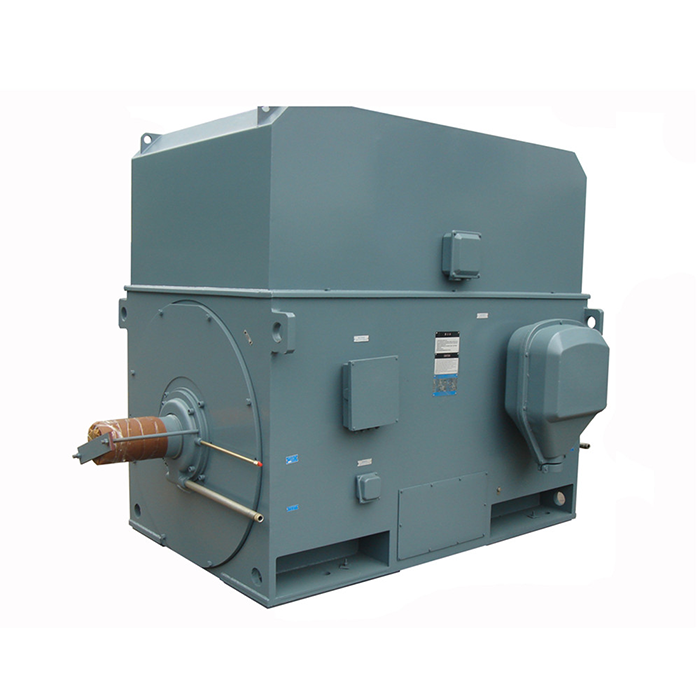
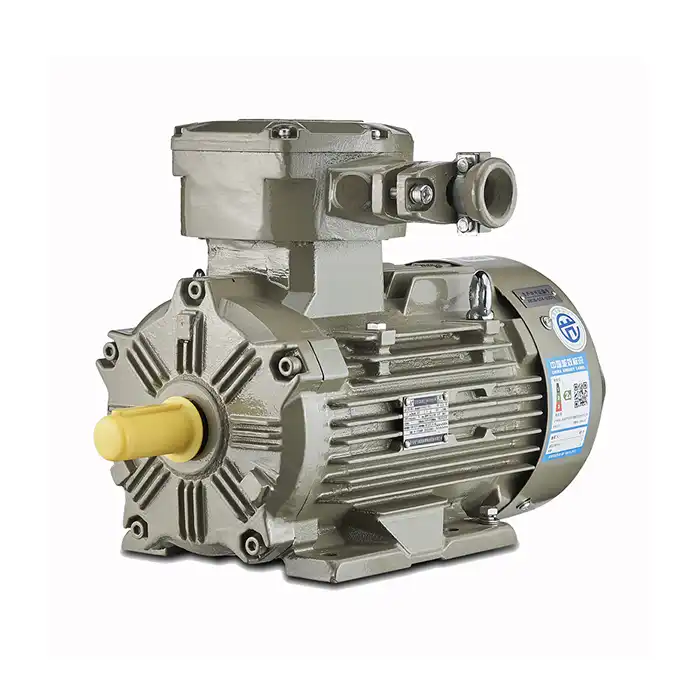
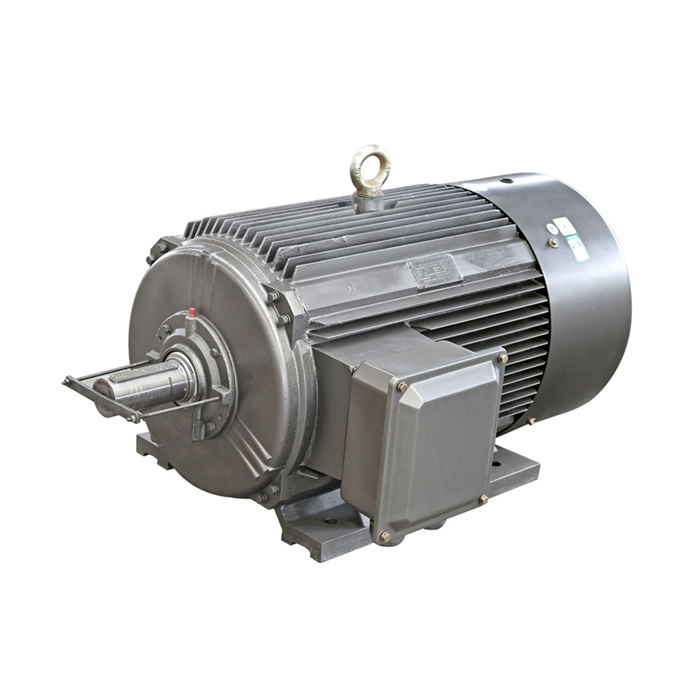
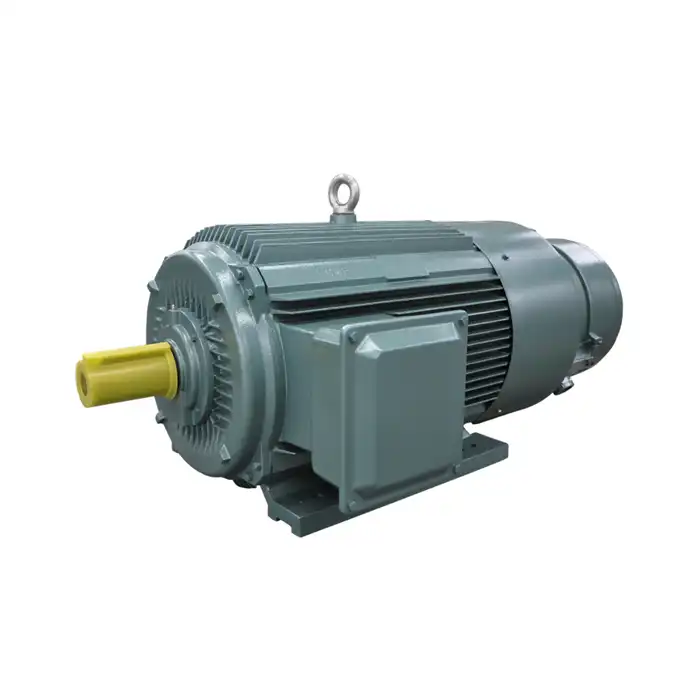
Series:YKS
Protection level:IP54
Voltage range:3000V±5%,3300V±5%,6000V±5%,6600V±5%,10000V±5%,11000V±5%
Power range:220-6300 kW
Application:fans, water pumps, compressors, crushers, cutting machine tools, transportation machinery, etc.
Advantage:low noise, low vibration, long service life, easy installation and maintenance.
Standard: This series of products complies withGB/T 1032 and GB/T 13957 standards.
Others: SKF, NSK, FAG bearings can be replaced according to customer requirements.
Understanding Motor Cooling Systems Offshore
Rotating equipment has to work very hard in harsh settings like offshore and heavy industry. If the wrong technology is chosen, air that is high in salt, high in humidity, exposed to dust, and has changing temperatures can damage a motor's thermal management system within months.
How Water Cooling Works in Industrial Motors?
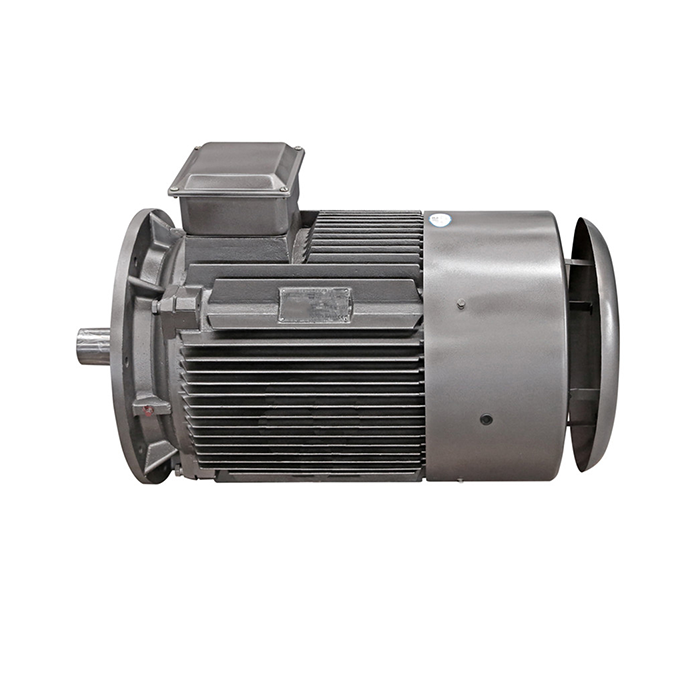
Through a closed-loop cooling jacket that surrounds the motor case, a water cooled motor moves heat away from the rotor and windings. Coolant, which is usually cleaned water, flows through this jacket, soaking up heat and sending it to a heat exchanger outside the engine. The motor's steady working temperatures are kept by keeping the internal parts dry and away from the outside air. This is true even when the load is high all the time.
Air-Cooled Motor Fundamentals
Motors that are cooled by air use fins on the outside and a fan on the shaft to move air across the motor case. This design works well in places that are clean, dry, and have stable temperatures. But when these motors are used overseas, they are exposed to salt spray, dust, and water that damage the insulation, clog the fins, and speed up bearing wear. When airflow paths are blocked, thermal performance drops sharply.
Why Cooling Method Matters Offshore?
The conditions on mine sites, offshore platforms, and seaside steel mills are very different from those on normal plant floors. A motor that is running in a room that is 40°C and has a lot of particles in it needs more than just basic airflow management. By keeping internal parts sealed off from the outside world while still removing heat consistently, closed-loop liquid cooling, as found in the YKS series water cooled motor from XCMOTOR, directly addresses this.
Comparing Durability and Lifespan Offshore
Stressors in the environment don't have the same effect on all motors. Procurement teams can make better long-term decisions about assets when they know how each cooling technology works in the real world offshore.
Heat Management Under Continuous Load
A water cooled motor can handle continuous high-power operation much better than an air cooled design can. The YKS line from XCMOTOR has a power range of 220–6,300 kW and can work in temperatures from -25°C to 45°C. Under full load at 6,300 kW, the closed cooling jacket keeps the winding temperatures within safe limits. In the same environment, an air-cooled motor would have a hard time doing this without having to be oversized.
Corrosion Resistance and Mechanical Integrity
IP54 protection is normal on the YKS water cooled motor, but IP55 protection is offered for outdoor use. The motor case is treated three times: it is phosphated, sprayed with epoxy resin, and given a wear-resistant topcoat. It is also put through more than 1,500 hours of salt spray rust tests. On the other hand, standard air-cooled motors with open ventilation paths show corrosion damage within 300–500 hours in salt spray settings near the coast (IEC 60034-1, environmental rating data).
Maintenance Cycles and Downtime Frequency
In real life, when a motor stops working for repair that wasn't planned, the facility has to pay for the lost work. In dusty or humid places, air-cooled motors usually need to have their fans and fins cleaned every 4 to 8 weeks. A well-kept water cooled motor with a sealed housing and good bearings (SKF, NSK, or FAG, depending on what the customer wants) can work for a lot longer before needing to be serviced. The YKS series has a shaking speed of ≤2.5mm/s and 8–10dB less electromagnetic noise than regular motors. These features also help keep mechanical wear down over time.
Decision-Making Criteria for Offshore Motor Selection
At this level, decisions about purchases aren't just based on the price. Total cost of ownership, compatibility with installation, and vendor support are all things that go into making the decision.
Reliability and Voltage Compatibility
Heavy industrial sites and offshore platforms often use voltages that are not standard. With a tolerance of 5%, the YKS water cooled motor can operate at six different voltage levels: 3,000V, 3,300V, 6,000V, 6,600V, 10,000V, and 11,000V. This wide voltage range directly lowers the difficulty of installation and the chance of interface problems.
Cost of Ownership Over the Asset Lifecycle
Compared to an equivalent air-cooled unit, a water cooled motor requires a larger starting outlay. Total ownership cost is usually cheaper over a 10–15 year working life, though, because bearings don't need to be replaced as often, repairs caused by corrosion are less common, and there are fewer emergency shutdowns. For a steel rolling mill or mine hoist that works around the clock, even one emergency shutdown that is avoided can make up for the extra cost.
Matching Motor Type to Application
For some uses, it's clear that water cooling is the best option, but not all of them do. The following are some situations in which a water cooled motor is clearly more beneficial:
- Steel rolling mills and heavy drive systems: High continuous torque loads generate heat that liquid cooling handles more consistently than airflow.
- Mine shaft hoists and crushers: Dusty, enclosed environments make air-cooled fins impractical without frequent cleaning.
- High-pressure compressors in petrochemical plants: Continuous operation at high load demands stable thermal management.
- Circulating water pumps in power generation: Long run hours with minimal downtime tolerance favor sealed cooling designs.
The main ways that the YKS series is used are shown here. The motor can have anywhere from 2 to 16 poles, and its speeds range from 375 r/min to 3,000 r/min. This means that it can often directly match the speed of driven equipment without the need for an extra gearbox, which makes the system design simpler.
Maximizing Water-Cooled Motor Performance Offshore
The installation of electric motor water cooling is only the first step. A structured approach to repair and paying attention to the unique failure modes that affect offshore sites are needed for long-term success.
Preventative Inspection Schedule
A water cooled motor in offshore service should have a quarterly inspection schedule that checks the condition of the heat exchanger, the cooling jacket, and the coolant flow rate. When to grease a bearing depends on the manufacturer's instructions. For example, SKF, NSK, and FAG all have load-specific greasing plans that should be followed exactly instead of being estimated.
Addressing Leaks and Corrosion in Cooling Circuits
The coolant circuit integrity is the most common maintenance issue with motors that use liquid cooling. The YKS series has a cooler core made of an aluminum metal that doesn't rust and is sealed in a way that keeps rains and dust out. To keep internal scale from building up, operators should check the seals and connection joints every time they are due for maintenance and replace the coolant according to the recommended service cycle.
Noise Reduction and Worker Safety
With low-noise axial flow fans that run 15 dB quieter than traditional cooling designs, the YKS water cooled motor cuts electromagnetic noise by 8–10 dB. When the motor is not loaded, the mechanical noise stays below 85 dB. This noise reduction directly improves working conditions and helps facilities meet OSHA noise exposure limits (90 dB TWA over 8 hours) when they are enclosed, like steel plants, underground mines, and pump stations.
Conclusion
For offshore and heavy industrial applications, electric motor water cooling offers measurable advantages in thermal stability, corrosion resistance, noise performance, and service intervals compared to air-cooled alternatives. The YKS series from XCMOTOR — covering 220–6,300 kW across six high-voltage levels, with IP54/55 protection and bearing options from SKF, NSK, or FAG — is engineered specifically for environments where stopping is not an option. Standard delivery runs 2–3 weeks; custom configurations ship within 4–6 weeks. The product complies with GB/T 1032, GB/T 13957, CE, UL, and GOST standards.
FAQ
1. How does a water cooled motor outperform air-cooled motors in offshore conditions?
To protect its internal parts from the outside world, a water cooled motor uses a closed-loop cooling jacket. This keeps salt spray, humidity, and dust from damaging the insulation or blocking the heat transfer pathways, which are the main ways that air-cooled motors break down in remote settings.
2. What maintenance does a water cooled motor require offshore?
Regular maintenance includes checking the flow of coolant and the integrity of the circuit, looking at the seals on the cooling jacket, lubricating the bearings according to the manufacturer's instructions, and making sure the electrical connections are solid. The YKS series comes with a thorough care plan that is tailored to the way the unit is set up.
3. Can the YKS water cooled motor match existing voltage infrastructure?
Yes. Within a ±5% range, the YKS series can handle 3,000V, 3,300V, 6,000V, 6,600V, 10,000V, and 11,000V. You can get custom voltage and size configurations to fit current equipment connections.
4. What is the typical lead time for a water cooled motor from XCMOTOR?
YKS types that are standard ship in two to three weeks. Custom-built units, like ones with non-standard volts or specific bearing choices, usually take 4–6 weeks from the time the order is confirmed.
5. Which certifications does the YKS series carry?
In addition to meeting the requirements of GB/T 1032 and GB/T 13957, the YKS water cooled motor is certified by CE, UL, GOST, CCC, CQC, and ISO9001:2000.
Get a Direct Quote for Your Next Water Cooled Motor Project — Contact XCMOTOR
For industrial customers in the steel, mining, power production, and petrochemical fields, XCMOTOR offers the YKS series water cooled motor. As a specialist in water cooled motor supply, we provide custom voltage configurations, bearing brand selection, and dedicated pre- and post-sales technical support, seven days a week. Send us your application details at xcmotors@163.com or visit motorxc.com to get a quote that is tailored to your project.
References
1. IEC 60034-1: Rotating Electrical Machines — Rating and Performance. International Electrotechnical Commission, 2022.
2. GB/T 13957: Large High-Voltage AC Motors — Technical Requirements. Standardization Administration of China, 2014.
3. Bonnett, A.H. & Yung, C. Increased Efficiency Versus Increased Reliability. IEEE Industry Applications Magazine, 2008.
4. OSHA Technical Manual, Section III, Chapter 5: Noise and Hearing Conservation. U.S. Department of Labor, 2023.
5. Stone, G.C. et al. Electrical Insulation for Rotating Machines: Design, Evaluation, Aging, Testing, and Repair. IEEE Press / Wiley, 2014.
6. Thorsen, O.V. & Dalva, M. A Survey of Faults on Induction Motors in Offshore Oil Industry. IEEE Transactions on Industry Applications, 1995.