



What is a Vertical Water Pump Motor? Meaning, Working, and Use
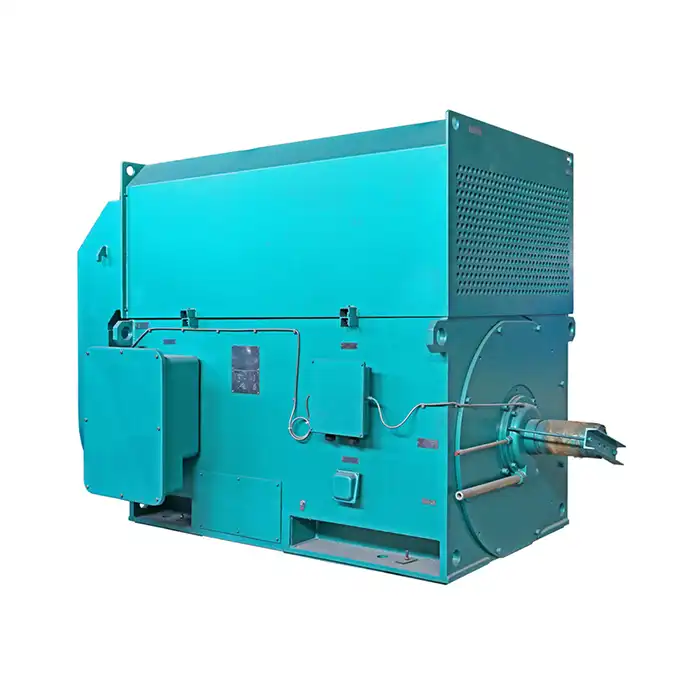
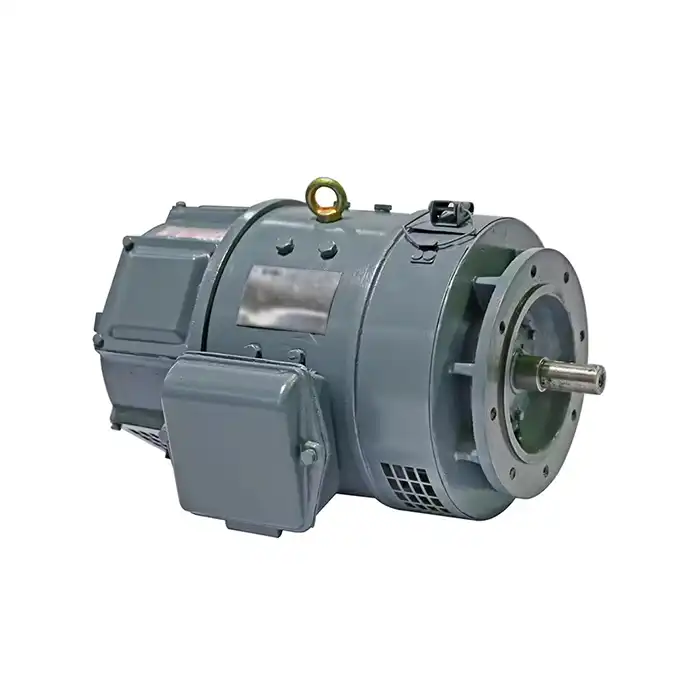
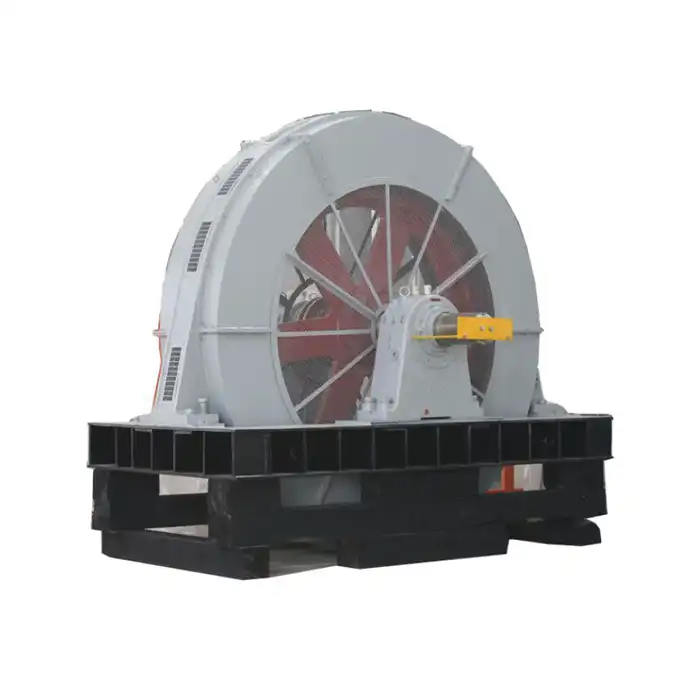
A vertical water pump motor is a special kind of electromechanical device that is made to power pumps that have shafts that are placed vertically. Unlike traditional horizontal setups, these motors make the best use of space and move fluid reliably in deep wells, sumps, and small industrial spaces. A lot of different fields, like water treatment, gardening, power generation, HVAC systems, and chemical processing, depend on this technology to keep their processes running smoothly. Knowing how they are made, how they work, and what they can be used for in real life helps buying teams make smart choices that match performance needs with price limits.
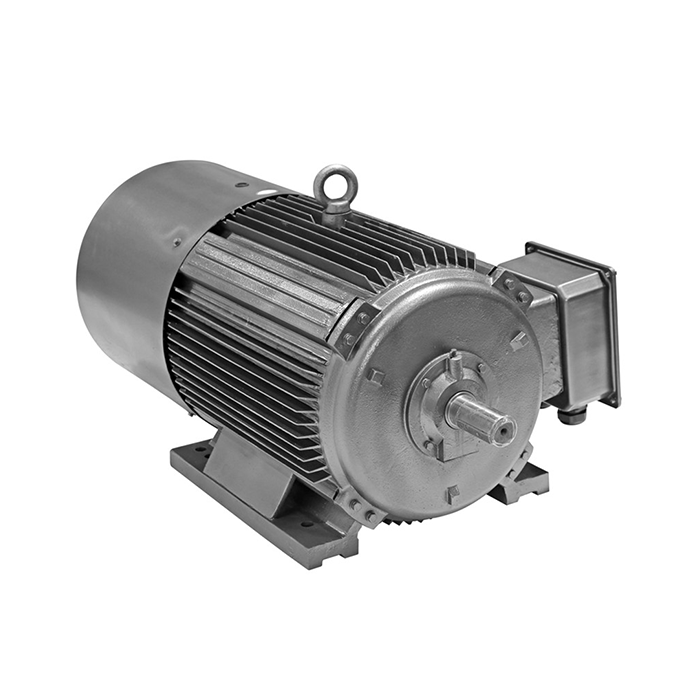
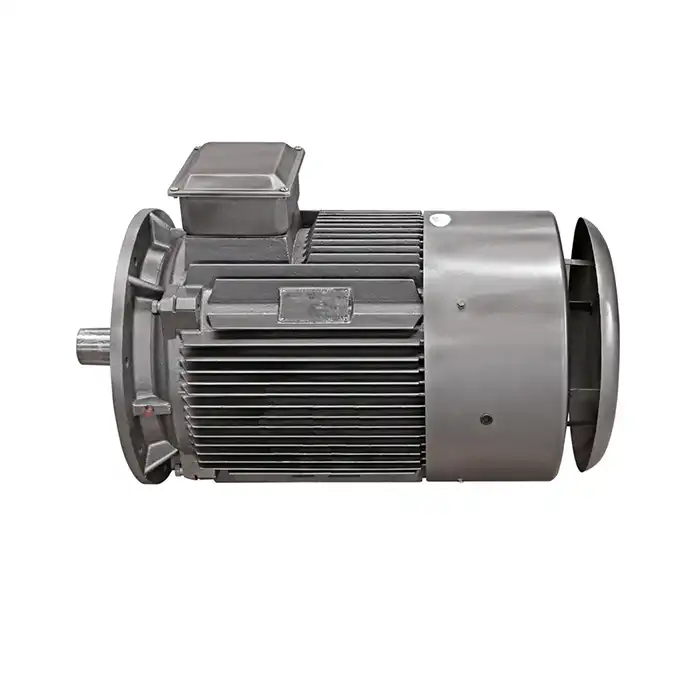
Series:YVFE2
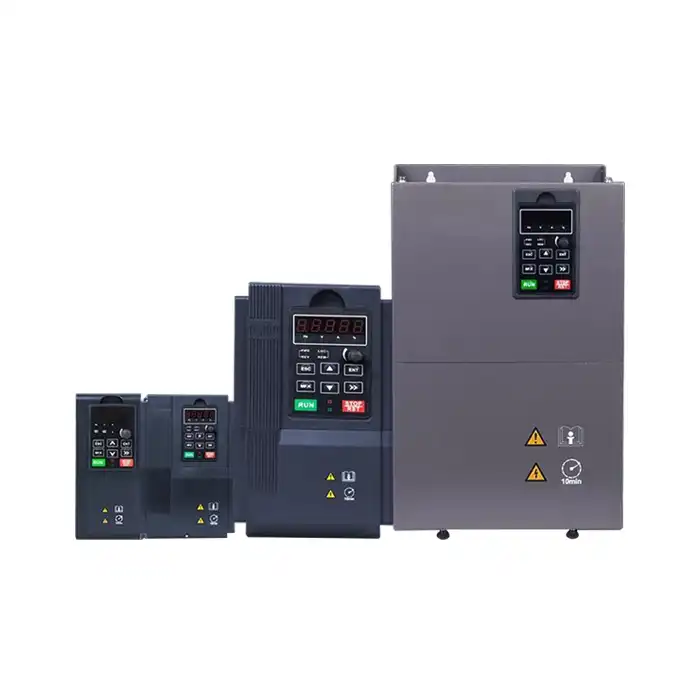
Frequency conversion range:30hz~50hz,5hz~70hz,5hz~100hz
Power range:0.75-355kW
Protection level:IP55
Application:are suitable for driving various mechanical equipment that require continuous and frequent forward and reverse rotation, such as steel rolling, lifting, transportation, machine tools, printing and dyeing, papermaking, chemicals, textiles, pharmaceuticals, etc., and can be used with various domestic and foreign variable frequency power supplies.
Advantage:high efficiency, wide speed range, high precision, stable operation, and easy operation and maintenance.
Certificate:installation dimensions comply with International Electrotechnical Commission (IEC) standards.
Others: SKF, NSK, FAG bearings can be replaced according to customer requirements.
Understanding Vertical Water Pump Motors: Meaning and Core Components
Vertical pump motors are different from horizontal or underwater ones because their shafts are oriented in a different way. This vertical orientation lets the motor be placed directly above the pump unit, which reduces the installation space needed—an important factor to think about in crowded factories or tight underground spaces.
What Makes the Vertical Configuration Distinct
Because it is vertical, the motor shaft is perpendicular to the ground and connects straight to the pump blade below. This setup is especially helpful when getting water from deep sources or working in places where a horizontal plan would take up too much space on the floor. This arrangement is often used in manufacturing plants, wastewater treatment plants, and local water supply systems to get the most work done in the least amount of space.
Industries Benefiting From Vertical Motor Technology
These motors keep the flow rates steady through the filter and transportation networks at water treatment plants. They are used in irrigation systems by farms, where food returns depend on how well the water is pumped from wells or ponds. They are used in cooling tower circuits in power plants, and chemical processing plants depend on their longevity when working with fluids that are corrosive or rough. In business buildings, vertical pump motors are used for cold water movement and cooling water systems by the HVAC industry. The small size of their fitting shape makes them useful for refrigeration uses in equipment rooms with limited space. Transportation infrastructure, like airports and train stations, connects them to drainage and fire control systems.
How Does a Vertical Water Pump Motor Work?
Electromagnetic induction is what makes the machine work. It turns electrical power into spinning mechanical energy. A spinning magnetic field is made when alternating current runs through the stator windings. This field makes the rotor's currents flow, a vertical water pump motor that makes its own magnetic field. These forces combine to make torque, which spins the rotor and the rod that is connected to it.
Energy Transfer and Hydraulic Efficiency
Vertical alignment changes the flow of fluids by letting gravity help keep the pressure constant and lowering the risk of cavitation. The motor can change frequencies between 30Hz and 50Hz, 5Hz and 70Hz, or 5Hz and 100Hz, based on the needs of the application. With this changeable frequency feature, workers can exactly match pump speed to system needs, which lowers energy use when the system is only partially loaded. Power ranges from 0.75kW to 355kW to meet a wide range of flow rate and pressure head needs. Voltage types like 380V, 400V, 415V, and 660V make it possible to work with local electricity standards and power transfer systems in factories. Protection levels that meet IP55 standards keep dust and water jets from getting into internal parts, so they can work reliably in tough conditions.
Troubleshooting Common Operational Issues
If there is too much shaking, it's likely that the motor shaft and pump connection are not lined up correctly, the bearings are worn out, or the rotors are not balanced. Using laser measurement tools to check the line on a regular basis keeps bearings and shafts from breaking down too soon. Overheating usually happens when there isn't enough airflow, when power levels are off, or when the device is overloaded beyond its stated limit. These problems are found quickly by keeping an eye on the current draw and comparing it to the specs. Seal leaks make the system less effective by letting air or fluid get in or out. When mechanical seals are inspected for wear during regular repair times, major failures are caught before they happen. Precision-balanced wheels reduce vibrations that speed up the wear and tear on seals. This shows how the quality of a component affects its long-term dependability.
Advantages and Use Cases of Vertical Water Pump Motors
The smaller size that vertical water pump motors offer fixes planning problems in upgrade projects where existing infrastructure makes it hard to add on. Higher-capacity equipment can be put in without moving walls or changing the paths of overhead lines. This design versatility directly leads to lower capital costs for making changes to the building.
Key Benefits Driving Adoption Across Industries
Here are some of the main reasons why vertical pump motors are good for difficult jobs:
- Compact Installation Profile: Vertical direction cuts the floor space needed by 40% to 60% compared to horizontal layouts of the same size. This frees up important room that can be used for more production equipment or better process lines.
- Deep Well Access Capability: The vertical shaft design makes it easy to use long pump columns that go 100 feet or more below the ground. This makes it possible to get water from groundwater or sumps without using booster stages in between.
- Enhanced Reliability Through Advanced Components: Class F insulation rated to 155°C and other high-quality materials can handle tough heat conditions, and precision-balanced rotors reduce mechanical stress vertical water pump motor that shortens the life of bearings.
- Operational Flexibility With Variable Frequency Drives: Being compatible with both domestic and foreign VFD systems lets you change the speed of the pump in real time, so it can match its output to changing demand while cutting energy costs by 20% to 40% when only partially loaded.
These benefits directly fix problems that come up in industry, HVAC systems, and city structures. It's easier to deal with limited space in water treatment plants in cities. As varied speed running gets rid of waste, energy costs get tighter. Maintenance times get longer because better parts don't wear out as quickly.
Practical Applications Across Diverse Sectors
When pumping from wells to center pivot or drip systems, agricultural irrigation systems use vertical pumps. Consistent pressure supply makes sure that water is spread evenly over big areas, which has a direct effect on the health and output of crops. In factories and power plants, these motors move thousands of gallons of water around at a time through industrial cooling towers. Without them, process heat would build up and stop production. They are used at booster stations in municipal water supply networks to keep the pressure in the distribution lines that serve homes and businesses. In wastewater treatment plants, vertical plans are used in primary clarifiers and secondary treatment basins, where limited floor space requires small equipment layouts. The ability to dewater is important for mining activities because it keeps dig sites and underground tunnels safe.
Comparing Vertical Water Pump Motors to Alternatives
To choose the right vertical water pump motor technology, you need to look at the structure, how it needs to be installed, how well it works, and how easy it is to do upkeep. Different configurations—vertical, horizontal, underwater, and centrifugal—each have their own pros and cons that affect the total cost of ownership.
Structural and Installation Considerations
Vertical motors are mounted above the pump and only need a small amount of floor space. Horizontal units take up more space, but they are easier to maintain and line the couplings. Submersible designs don't need to be primed and work quietly below the water's surface. However, they need special lifting tools to be brought back for service. The difficulty of installation changes a lot. For vertical designs, the supports must be strong enough to hold the weight of the motor and pump system, plus dynamic loads during start-up and stop. To keep the shafts from being out of line, horizontal arrangements need solid supports that are leveled perfectly. For submersible systems, the well wall size, protection of electrical cables, and outflow pipes that can handle heat growth are all important.
Maintenance Demands and Accessibility
Technicians can easily reach mounting areas for vertical motors, which lets them check the position of couplings, inspect bearings, and change seals without having to drain sumps or take apart a lot of pipes. Horizontal units are just as easy to get to, but they make it easier to connect them. For repair work, submersible motors have to be completely taken out of the well, which increases downtime and labor costs. How often you need to change bearings depends on the quality of the design. When it comes to vertical motors, premium sealed bearings make maintenance cycles last up to 30,000 hours or more, while regular open bearings need to be inspected and oiled once a year. The type of seal also affects how often it needs to be serviced. For example, mechanical seals in vertical pumps that are properly adjusted usually last three to five years before they need to be replaced.
Procurement and Maintenance Tips for Vertical Water Pump Motors
Decisions about where to get things have a big effect on long-term running costs and system stability. Procurement teams can be sure to get equipment that exactly meets their needs by working with providers who offer full expert support, easily available extra parts, and the ability to customize products.
Selecting Trustworthy Suppliers and Manufacturers
When evaluating possible providers, you need to look at their technical knowledge, manufacturing skills, vertical water pump motor, and framework for providing help after the sale. Certifications like the ISO 9001:2015 quality management system and the CE mark show that the product meets foreign standards for creation, production, and testing. Installation sizes that meet IEC standards make sure that they work with normal fastening setups and repair situations. When standard store items don't exactly fit the needs of a project, customization choices are important. Different voltages, mounting options (B3, B5, B35, V1), and bearing changes to SKF, NSK, or FAG names can be used to adapt to different site conditions. Suppliers who keep large stocks of extra parts reduce downtime when parts need to be replaced during the vertical water pump motors' useful life. Having access to technical help during installation, setup, and continued operation makes problems go away quickly. Suppliers who offer application engineering help choose the right motor sizes, make sure they are electrically compatible, and suggest the best ways to handle them. This way of working together stops mistakes and poor performance that cost a lot of money.
Budgeting Strategies for Capital Investment
Prices for vertical pump motors depend on their power level, how they need to be customized, and the quality of their parts. Units with 7.5kW to 37kW of power usually cost between $1,500 and $6,000. Units with 200kW to 315kW of power cost between $25,000 and $50,000. Bulk buying for projects with more than one unit often gets you savings of 10% to 15% from sellers who want to build long-term relationships. When figuring out the total cost of purchase, you should include how much energy the machine uses over its lifetime. The initial cost of adding a variable frequency drive ranges from $500 to $3,000, based on the power level. However, the money saved on energy costs usually covers the cost within 18 to 36 months. Realistic lifetime budgets are based on maintenance cost estimates that include new bearings, seal kits, and regular electricity testing. Most warranties cover problems with the way the product was made for 12 to 24 months after it has been put into use. Options for extended warranties that cover three to five years add five to ten percent to the price of the item, but they protect against unexpected repair costs in the first few years of use, which are very important. Risk-balanced buying decisions are made by looking at both the guarantee terms and the image of the seller.
Conclusion
Industrial robotics, HVAC systems, water treatment plants, and farming all use vertical water pump motor systems to move fluids in a reliable and space-efficient way. Their small size, ability to work with deep wells, and ability to change frequency all make them useful for a variety of pumping tasks while using the least amount of energy possible. When buying, teams know about operating principles, component specs, and upkeep needs; they can choose equipment that meets the needs of the application. When you compare different design options, you can see the pros and cons of vertical, horizontal, and underwater layouts. This helps you make smart investment choices. Working with skilled providers who offer customization, expert support, and full guarantees is the best way to ensure long-term business success and get the most out of your investment.
FAQ
1. What routine maintenance does a vertical pump motor require?
Visual checks once a month for strange vibrations, noises, or temperature rises can help find problems early on. Lubricating bearings every three months with grease types stated by the maker keeps the protective film thick. Checking the balance once a year keeps bearings from wearing out too quickly, and checking the insulation resistance finds winding degradation. Cleaning the cooling tubes and fixing the electrical connections are important preventative maintenance tasks that can usually make a motor last longer than 15 years when used with good parts and the right way to install them.
2. How do I choose between vertical and submersible pump motors?
Vertical motors are good for places where repair needs to be easy to get to, wells that aren't too deep (under 150 feet), and sites where pulling out the motor would stop activities. Submersible designs work well in wells deeper than 200 feet, don't need to be primed, and run quietly below the surface. When weighing these choices, you should think about how easy they are to maintain, how deep the well is, how sensitive the equipment is to noise, and how fast it can be retrieved. When it comes to servicing access, vertical layouts usually have lower total ownership costs.
3. What warranty coverage should I expect?
Standard guarantees usually cover problems with the way the product was made for 12 to 24 months after it has been put into use. Longer warranties that last three to five years add five to ten percent to the price of the item, but they protect you against unexpected repair costs. The warranty should cover the windings, bearings, and seals, and it should say how long it will take for the provider to provide expert help and new parts. When considering different ways to buy something, you should look at the guarantee terms, the name of the seller, and the availability of parts.
Partner With XCMOTOR for Reliable Vertical Pump Motor Solutions
XCMOTOR is an expert at providing high-performance vertical water pump motor systems that are designed to work in harsh industrial settings. The YVFE2 line has power rates ranging from 0.75kW to 355kW and frequency conversion runs from 5Hz to 100Hz. This lets you precisely control flow in a wide range of situations. We keep our goods up to international quality standards by maintaining ISO 9001:2015 certification and CE label compliance. You can also customize your order by choosing from different power settings, mounting setups, and luxury SKF, NSK, or FAG bearing upgrades.
As a sole provider of vertical water pump motors, we offer full expert support, from application planning to installation and ongoing upkeep advice. When you email us at xcmotors@163.com, we answer quickly and provide personalized prices that match your exact needs. We keep common extra parts in stock so that we can send them quickly. Our 30-day return policy and availability on the weekends show that we care about making our customers happy.
References
1. Hydraulic Institute. Vertical Pump Design and Application Standards. Hydraulic Institute Engineering Publications, 2021.
2. Lobanoff, V.S. and Ross, R.R. Centrifugal Pumps: Design and Application. Gulf Professional Publishing, 2013.
3. Karassik, I.J., Messina, J.P., Cooper, P., and Heald, C.C. Pump Handbook: Fourth Edition. McGraw-Hill Education, 2008.
4. International Electrotechnical Commission. IEC 60034: Rotating Electrical Machines Standards. IEC Publications, 2020.
5. Europump and Hydraulic Institute. Variable Speed Pumping: A Guide to Successful Applications. Elsevier Advanced Technology, 2004.
6. McNally Institute. Pump Maintenance and Troubleshooting Field Manual. Industrial Press, 2019.