



What is the voltage tolerance of a 4160v motor?
NEMA MG-1 standards say that a 4160V motor should work within a voltage range of ±10%. This means that it can safely handle voltage changes between 3,744V and 4,576V. This limit makes sure that the motor keeps working well and lasts a long time even if the grid conditions change. In industries like manufacturing, power generation, and process, where power supply stability changes, it's important to understand this standard because working outside of these limits can lead to insulation degradation, overheating, and equipment failure before it's supposed to.
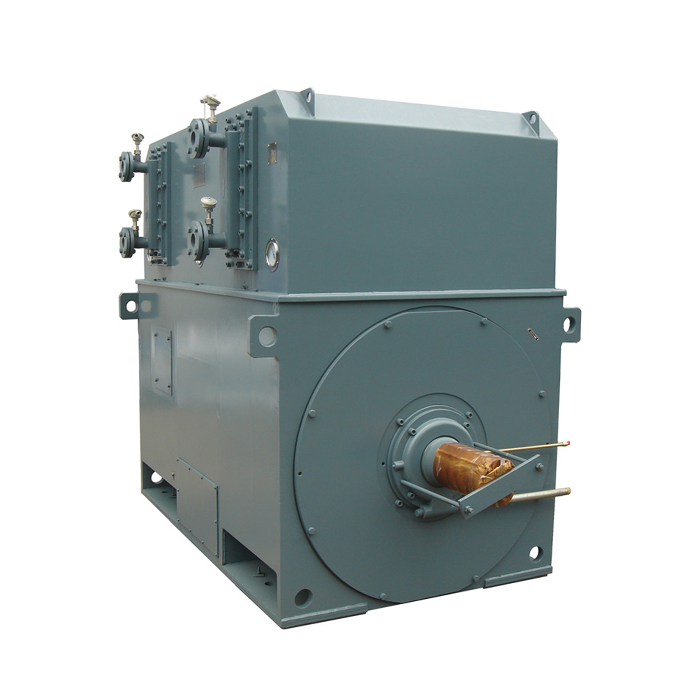
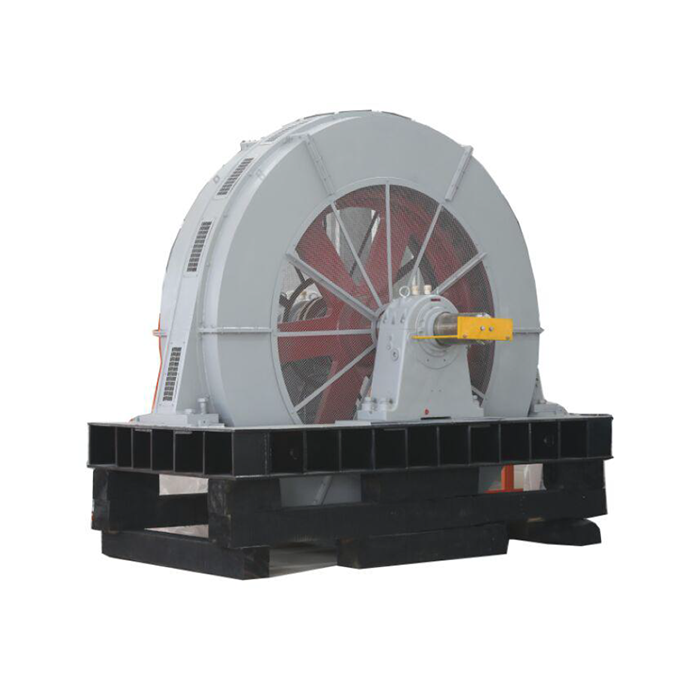
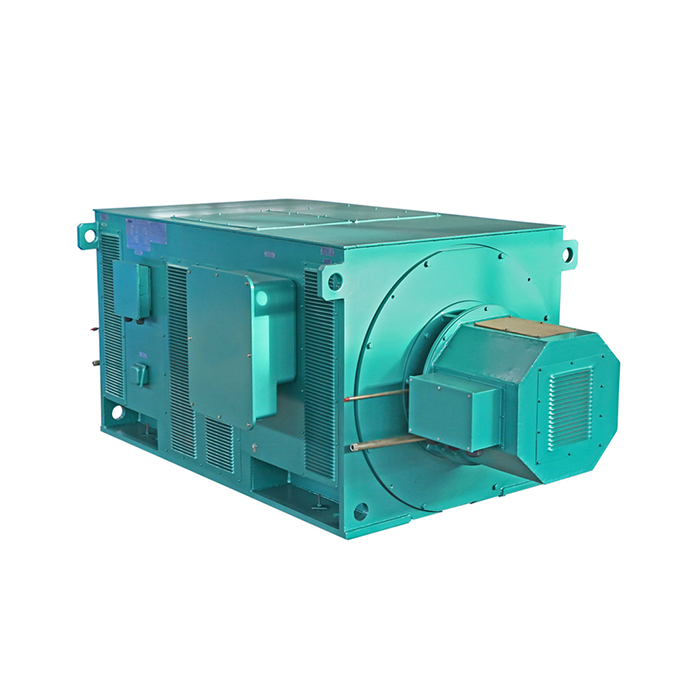
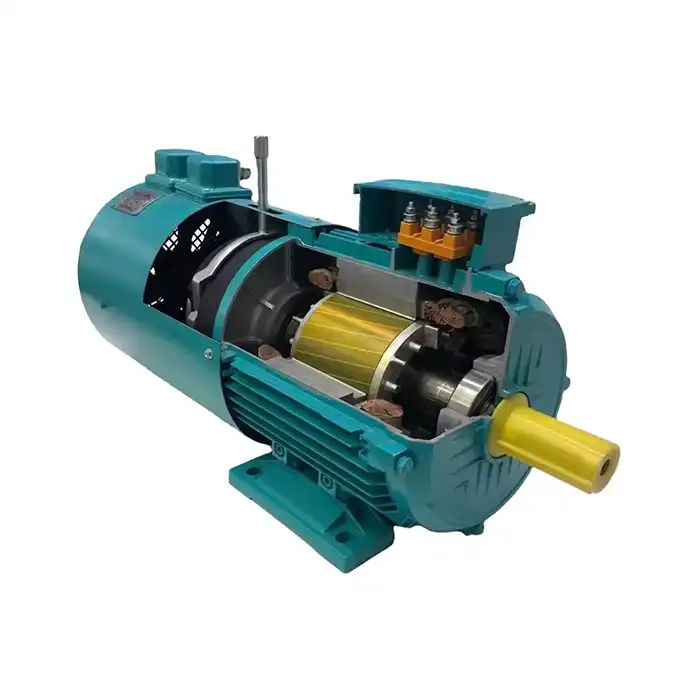
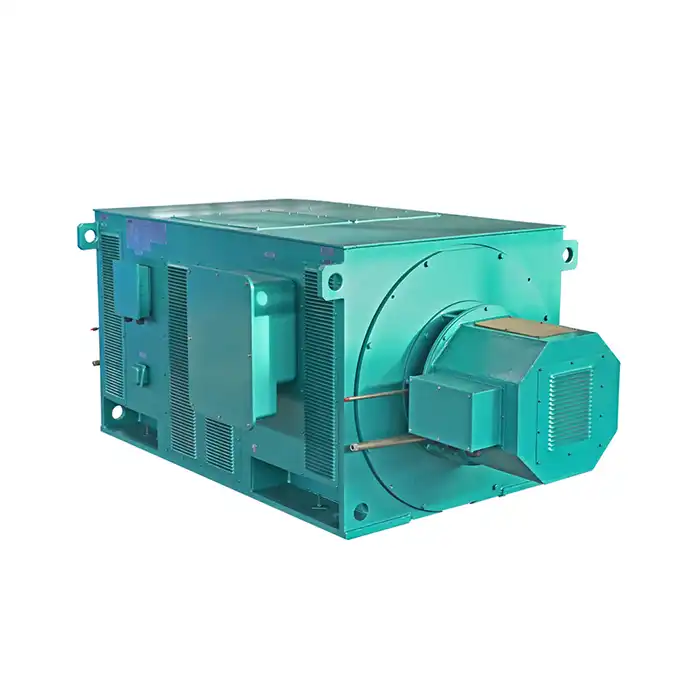
Series:YKS
Protection level:IP54
Voltage range:3000V±5%,3300V±5%,6000V±5%,6600V±5%,10000V±5%,11000V±5%
Power range:220-6300 kW
Application:fans, water pumps, compressors, crushers, cutting machine tools, transportation machinery, etc.
Advantage:low noise, low vibration, long service life, easy installation and maintenance.
Standard: This series of products complies withGB/T 1032 and GB/T 13957 standards.
Others: SKF, NSK, FAG bearings can be replaced according to customer requirements.
Introduction
Modern factories depend on high-voltage motors for stable power to facilities, water treatment plants, and energy systems. Voltage tolerance is critical when choosing a 4160V motor because it affects performance, repair costs, and safety compliance. XCMOTOR has seen how misunderstanding voltage specs causes equipment breakdown and production stoppage. This guide answers practical questions for purchasing managers and industrial engineers about selecting, maintaining, and optimizing high-voltage motor assets.
Understanding Voltage Tolerance in 4160V Motors
A motor's voltage range tells you how much of a change from its maximum voltage it can handle and still work safely and well. Medium-voltage motors that run at 4160V are made according to IEEE 841 and IEC 60034 standards, which set clear limits for both overvoltage and undervoltage.
Standard Voltage Tolerance Specifications
NEMA MG-1 Part 12 requires 4160V motors to handle ±10% voltage variation under load, giving operating range of 3,744V to 4,576V. IEC 60034-1 sets similar tolerances: motors must work within ±5% of rated voltage and handle short excursions up to ±10%. These rules account for voltage drops when heavy equipment starts, brief spikes during switching, and slowly changing load conditions. A properly designed motor accommodates these without shortened service life.
How Voltage Deviations Affect Motor Performance?
When voltage drops below tolerance, motor torque decreases by the square of the voltage drop. A 15% undervoltage reduces available torque by about 28%, potentially causing stall under load or failure to start. Current draw increases to compensate, causing winding overheating and accelerated insulation breakdown. Sustained overvoltage causes magnetic saturation in the stator core, greatly increasing magnetizing current and core losses. Running at 4,800V raises operating temperature by 20–30°C, reducing insulation life by at least 50%.
Real-World Impact on Motor Lifespan
Field data from industrial sites shows what happens when voltage tolerances are broken. When motors are constantly running on the edge of their tolerance ranges, the bearings wear out faster, the bearings don't get oiled as well, and the sound levels go up. Facilities that use voltage tracking and correction systems report motor repair times that are 25–40% longer and fewer unexpected shutdowns.
Common Problems Caused by Voltage Variations in 4160V Motors
Changes in voltage in 4160V motors often lead to problems. Voltage instability can cause a number of different types of failure, which is something that industrial engineers need to be aware of and fix through good design and repair methods.
Insulation Breakdown and Winding Damage
The insulation system covering motor windings is most sensitive to voltage variation. Electric field stress across insulation layers increases proportionally with voltage exceeding design limits. Modern motors use Class F insulation rated to 155°C, but sustained overvoltage accelerates insulating material degradation. Partial discharge occurs when localized field strength exceeds breakdown limits of air gaps or insulation flaws. These tiny electrical shocks gradually erode insulation. Motors operating with ≥10% voltage deviation experience partial discharge at significantly fewer hours than within-spec units.
Operational Disruptions and Efficiency Losses
Voltage variations cause measurable performance degradation. During undervoltage, power factor decreases, forcing reactive power compensation equipment to work harder. This increases overall electrical system losses and may trigger utility penalties. Voltage imbalance between phases creates circulating currents that don't contribute to torque but cause large I²R losses. A 3% phase voltage difference can raise winding temperatures by 18–25%, greatly accelerating thermal aging of insulation systems. Regular monitoring prevents these efficiency losses and extends motor life.
Detection Methods and Diagnostic Approaches
Modern motor control centers include voltage monitoring relays tracking both instantaneous and historical voltage levels. Under/overvoltage protection with appropriate time delays prevents nuisance trips while safeguarding motors from sustained damage. Routine maintenance should include voltage measurement at motor terminals every three months using calibrated test instruments. Comparing phase-to-phase and phase-to-ground voltages identifies distribution system errors before motor damage occurs. Thermal imaging scans during normal operation reveal hot spots indicating winding damage from past voltage excursions.
Comparing Voltage Tolerance: 4160V Motor vs Other Voltage Motors
To pick the right voltage class, you need to know how the tolerance standards work with the application needs for various motor rates.
Voltage Class Differences and Application Suitability
Low-voltage 480V or 600V motors suit applications under 500 HP with short distribution runs. These follow NEMA MG-1 with ±10% tolerance but cannot transmit power as efficiently. A 500 HP motor draws about 600 amps at 480V, requiring large conductors and experiencing significant voltage drop. Above 500 HP, 2300V, 4160V, or 6600V motors become economically justified. A 4160V 1000 HP motor draws about 125 amps, enabling smaller conductors, lower-rated switchgear, and reduced distribution losses compared to equivalent low-voltage units.
Efficiency and Performance Considerations
Higher voltage motors typically incorporate more sophisticated insulation systems and larger rotor-stator air gaps, making them less sensitive to voltage fluctuations. Medium-voltage units have greater thermal mass due to larger physical size, allowing them to absorb temporary heat generation without immediate temperature rise. Motors operating at 6600V or above often have slightly better voltage regulation due to utility and heavy industrial applications where power quality receives greater attention. However, the fundamental ±10% tolerance remains consistent across all voltage classes.
Selection Criteria for Industrial Applications
Purchase decisions should weigh initial equipment cost against lifetime operating expenses. While a 4160V motor costs more upfront than an equivalent low-voltage unit, lower infrastructure requirements often reduce total installed cost. Medium-voltage distribution transformers, switchgear, and cables typically cost 20–35% less than low-voltage equivalents for equivalent power ratings. Higher voltage operation particularly benefits long cable runs. A 4160V motor can tolerate cable runs eight times longer than a 480V motor while maintaining equivalent voltage regulation at motor terminals.
Procurement Considerations for 4160V Motors Related to Voltage Tolerance
By clearly stating the voltage tolerance requirements, you can make sure that the 4160V motors work well in your application and avoid paying extra for features that aren't useful.
Evaluating Manufacturer Specifications
Procurement managers should verify voltage tolerance specifications reference applicable standards rather than making vague performance claims. Documentation must clearly indicate compliance with NEMA MG-1, IEC 60034, or both, as these standards specify different test methods and acceptance criteria. XCMOTOR provides complete voltage tolerance data for all motor configurations, offering ratings including 3000V±5%, 3300V±5%, 6000V±5%, 6600V±5%, 10000V±5%, and 11000V±5%. This enables easy matching to facility distribution systems without expensive transformers or modifications.
Warranty Coverage and Voltage-Related Failures
Standard motor warranties typically exclude damage resulting from operation outside specified voltage ranges. Procurement agreements should clearly define which voltage conditions constitute normal operating conditions and which represent customer responsibility. Some manufacturers offer extended warranty coverage for voltage-related failures when motors include upgraded insulation systems or voltage monitoring provisions. Conducting 7-day power quality studies at intended installation sites identifies issues requiring correction before equipment installation, preventing disputes over voltage tolerance responsibility.
Customization Options for Demanding Applications
Facilities with chronic voltage problems benefit from motors with enhanced voltage tolerance features. Options include upgraded insulation systems for higher voltage stress tolerance, oversized conductors reducing resistive losses, and integral voltage monitoring devices triggering alarms before damage occurs. XCMOTOR specializes in custom motor configurations meeting specific application requirements. Our design team modifies standard designs for unusual voltage tolerance needs, incorporating premium SKF, NSK, or FAG bearings selected for your operating environment. This customization ensures maximum operational reliability regardless of site-specific power quality challenges.
Trusted Technology Innovations in 4160V Motors
Innovations in 4160V motors that you can trust. Modern motors are made with improved materials and design methods that make them more reliable and able to handle higher voltages in a wide range of difficult industrial settings.
Advanced Insulation Systems
Modern high-voltage motors use vacuum pressure impregnation (VPI) methods to fill winding insulation with thermosetting resins completely. Compared to standard dip-and-bake methods, VPI eliminates voids and air pockets in insulation structure, significantly increasing voltage endurance. Voltage surge tests on VPI insulation systems demonstrate 40–60% longer service life. XCMOTOR motors feature Class F insulation with Class B temperature rise, providing substantial thermal margin even when voltage variations cause temporary operating temperature increases, ensuring reliable operation within ±10% voltage tolerance.
Monitoring and Protection Technologies
When smart sensors and diagnostic tools are added to motors, they go from being inactive devices to being watched assets that can tell you early on when problems start to happen. When put inside motor terminal boxes, voltage tracking units keep an eye on the voltage levels in real time, writing down voltage changes that are too high or too low and connecting those voltage changes to working data.
Modern safety switches have complex formulas that can find asymmetrical voltage situations, short-term overvoltage events, and long-term voltage changes. These gadgets have time-delay features that can be adjusted. This lets motors handle short power changes while saving them from long-term bad conditions. When you connect to remote control systems, you can use accumulated voltage stress exposure to plan preventative repair.
Manufacturing Quality and Testing Procedures
Making sure motors meet voltage range requirements takes a lot of testing all the way through the manufacturing process. High-potential testing uses twice the maximum voltage plus 1000V to check the quality of the insulation and make sure the system can handle short-term overvoltage events. Surge comparison testing finds weak spots in the insulation between turns that could break under high voltage conditions during use.
Precision die-casting is used in our production method to make the rotors, which ensures accurate measurements that keep the right air gaps at all times. Using computer-controlled tools and advanced winding technology, each coil has the same amount of insulation and the same distance between conductors. Before it is shipped, every motor goes through a full performance check that includes no-load testing, locked-rotor testing, and full-load operation. This makes sure that it meets the voltage limit guidelines that were set.
Application-Specific Design Features
Motors used in a variety of businesses can benefit from design improvements that solve specific operating problems. When units are sent to water treatment plants, they have extra rust protection and IP55 closing, which keeps water out and protects the insulation. Motors used in mines have stronger design that can handle shock loads and vibrations while still working electrically.
XCMOTOR motors are very flexible and can be used in a wide range of machines, such as fans, water pumps, compressors, breakers, cutting tools, and transportation equipment. Our speed ranges from 500 rpm to 3000 rpm and power ranges from 220 kW to 6300 kW, so we can meet a wide range of technical needs. All of our products meet the IP54 security class standard, which means they can work reliably in harsh industrial settings where dust and wetness are always a problem.
Conclusion
In industrial settings, voltage tolerance is a basic requirement that has a direct effect on motor dependability, running costs, and service life. Industry rules say that motors designed for 4160V motor operation must be able to safely handle a voltage variation of ±10%. This keeps the performance level high and protects important insulation systems from damage caused by voltage. If purchasing managers and industrial engineers know about these tolerance requirements, they can choose the right equipment, set up good tracking systems, and keep expensive fails from happening because of voltage-related stress. You can be sure that your investment will be well spent as long as the motor works by buying it from a company that provides clear paperwork on voltage tolerance, thorough testing validation, and application-specific design improvements. When you combine proper specifications, high-quality manufacturing, and preventative maintenance, you get setups that can safely power complex industrial processes, even if the electrical system changes.
FAQ
1. What percentage of voltage variation can 4160V motors tolerate continuously?
Motors that are designed for 4160V can handle a continuous voltage change of ±10% according to NEMA MG-1 standards. This means that they can safely work between 3,744V and 4,576V. IEC 60034 guidelines say that the system must always work within ±5%, with short trips up to ±10% allowed. When you operate beyond these limits, the insulation ages faster and has a shorter useful life. Always check the specs on the motor's nameplate and talk to your provider about what voltage levels you can expect at the spot.
2. Can motors operate safely at the extreme limits of voltage tolerance?
Even though motors are made to work within certain clearance ranges, running them continuously at the very edges of those ranges makes them less efficient and speeds up wear. When the rated voltage is -10%, more current is drawn and the temperature rises. When the voltage is +10%, magnetic saturation effects happen. When voltage stays within ±5% of range, motor life expectancy is at its best. If a facility's voltage stays close to the tolerance limits, it might want to look into voltage control equipment or making changes to the transformer taps to bring the working voltage closer to the motor rating.
3. How do voltage tolerance issues affect warranty coverage?
Most manufacturer warranties cover flaws in the materials and the work, but not damage caused by working temperatures that are too high or too low. If a probe shows that activity went beyond the stated tolerance limits, voltage-related failures may not be covered by the guarantee. Warranty claims are safer when you keep records of voltage tracking that show you're working in a way that meets the requirements. Some sellers offer longer warranties for damage caused by voltage when 4160V motors have extra features or tracking systems that keep track of how they've been used.
Partner with XCMOTOR for Your High-Voltage Motor Requirements
If you choose a dependable 4160V motor provider, your business operations will keep running smoothly even if the electrical system changes. XCMOTOR, which does business as Shaanxi Qihe Xicheng Electromechanical Equipment Co., Ltd., provides power equipment options with top-notch quality standards and full expert support. Our motor products meet the requirements of GB/T 1032 and GB/T 13957 standards as well as IEC 60034 worldwide standards. This makes sure that they can be used with other motor products around the world.
Our engineering team creates solutions that are unique to your voltage tolerance needs, application conditions, and performance standards. Whether you need motors for heavy industrial use, process control, or making electricity, we have setups ranging from 220 to 6300 kW and a range of voltage grades to fit a wide range of electrical distribution systems. Each unit has low noise and shaking, a longer service life, and easier installation, all of which lower the total cost of ownership.
We stand behind our goods by offering dedicated support seven days a week, letting you return purchases within 30 days, and providing quick expert help for both pre-sales questions and service needs after the sale. Get in touch with our team at xcmotors@163.com to talk about your project needs with experienced application engineers who know how important it is to have the right voltage range standard. As a well-known maker of 4160V motors, we can quickly deliver high-quality equipment that keeps your operations safe from voltage-related problems and makes your whole building more energy-efficient.
References
1. National Electrical Manufacturers Association. NEMA Standards Publication MG 1-2021: Motors and Generators. Rosslyn: National Electrical Manufacturers Association, 2021.
2. Institute of Electrical and Electronics Engineers. IEEE Standard 841-2009: IEEE Standard for Petroleum and Chemical Industry - Premium Efficiency Severe Duty Totally Enclosed Fan-Cooled (TEFC) Squirrel Cage Induction Motors - Up to and Including 370 kW. New York: IEEE Press, 2009.
3. International Electrotechnical Commission. IEC 60034-1:2017 Rotating Electrical Machines - Part 1: Rating and Performance. Geneva: International Electrotechnical Commission, 2017.
4. Bonnett, Austin H. "Root Cause AC Motor Failure Analysis with a Focus on Shaft Failures." IEEE Transactions on Industry Applications 36, no. 5 (2000): 1435-1448.
5. Thorsen, Olav Vidar and Magnus Dalva. "A Survey of Faults on Induction Motors in Offshore Oil Industry, Petrochemical Industry, Gas Terminals, and Oil Refineries." IEEE Transactions on Industry Applications 31, no. 5 (1995): 1186-1196.
6. Stone, Greg C., Edward A. Boulter, Ian Culbert, and Hussein Dhirani. Electrical Insulation for Rotating Machines: Design, Evaluation, Aging, Testing, and Repair. 2nd ed. Hoboken: Wiley-IEEE Press, 2014.