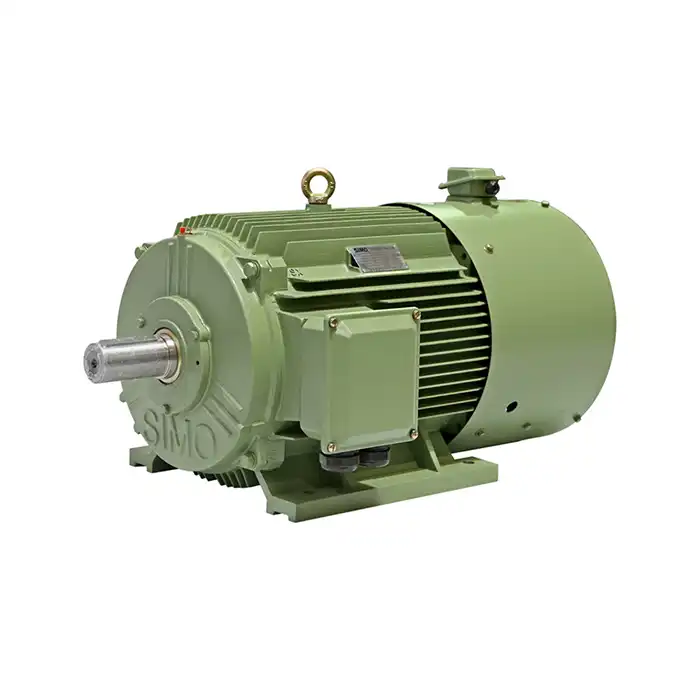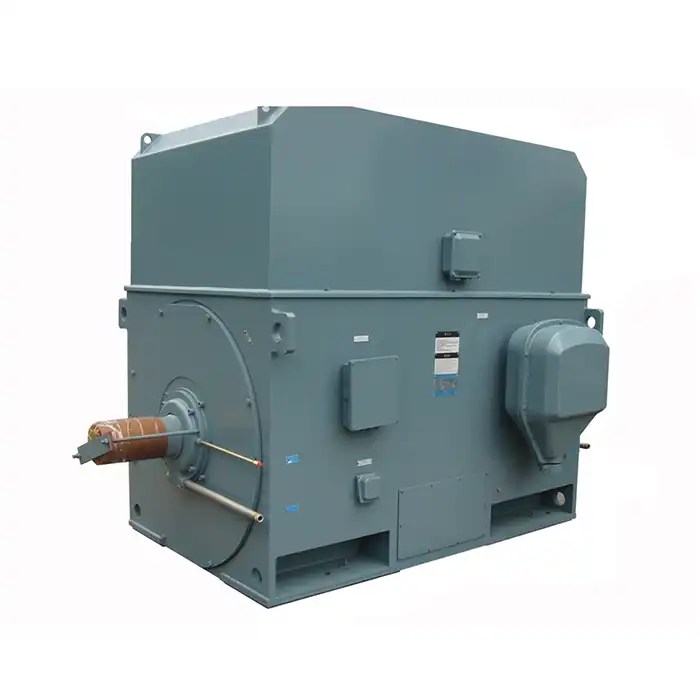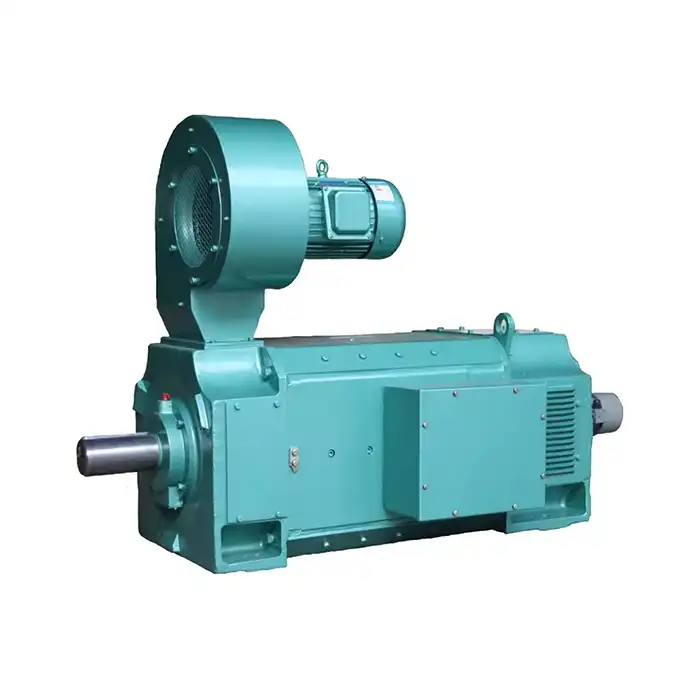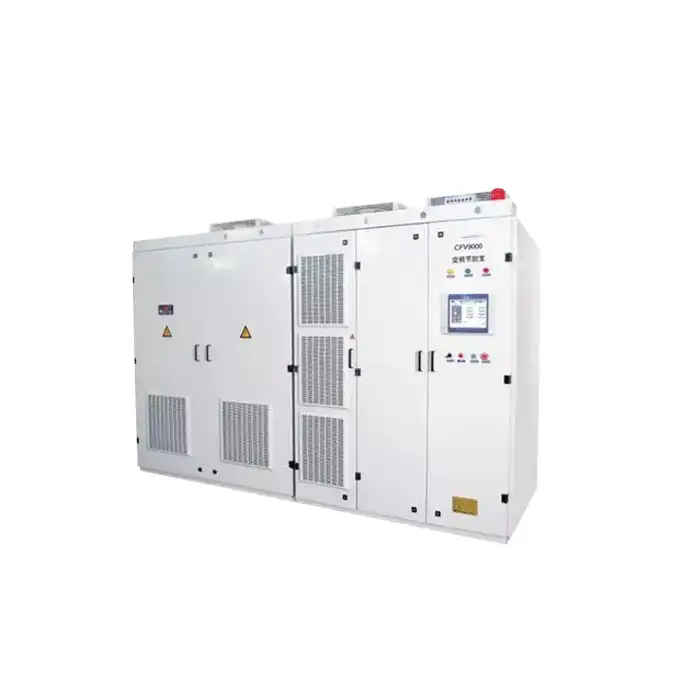




What is a Medium Voltage Electric Motor?
When you walk through a power plant or a big factory, you'll probably be close that are powered by medium voltage electric motors. These strong machines work with voltages between 1 kV and 35 kV. They power pumps, compressors, ventilators, and breakers that keep important industrial processes running 24 hours a day, seven days a week. Electric motors with a medium voltage fall between standard low-voltage units and specialized high-voltage systems. They provide the best balance of power delivery, efficiency, and operational reliability for demanding tasks in oil and gas, mining, water treatment, and many other fields.
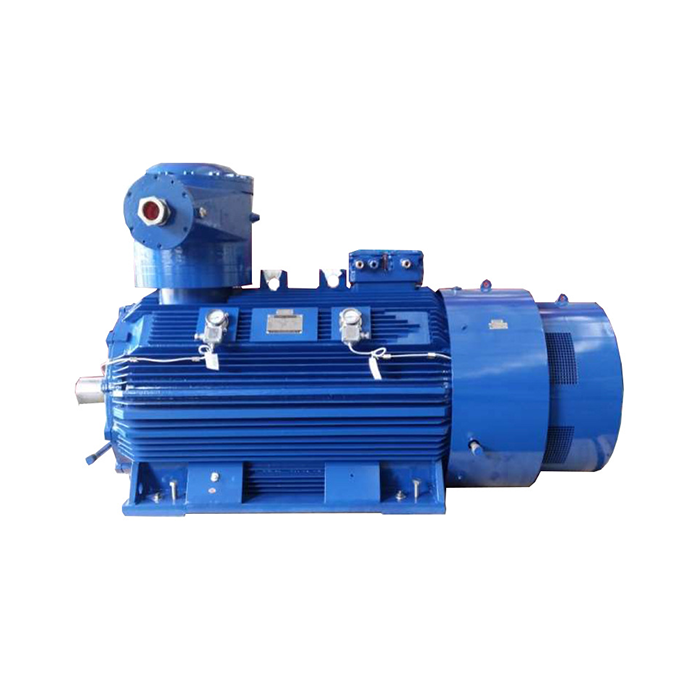
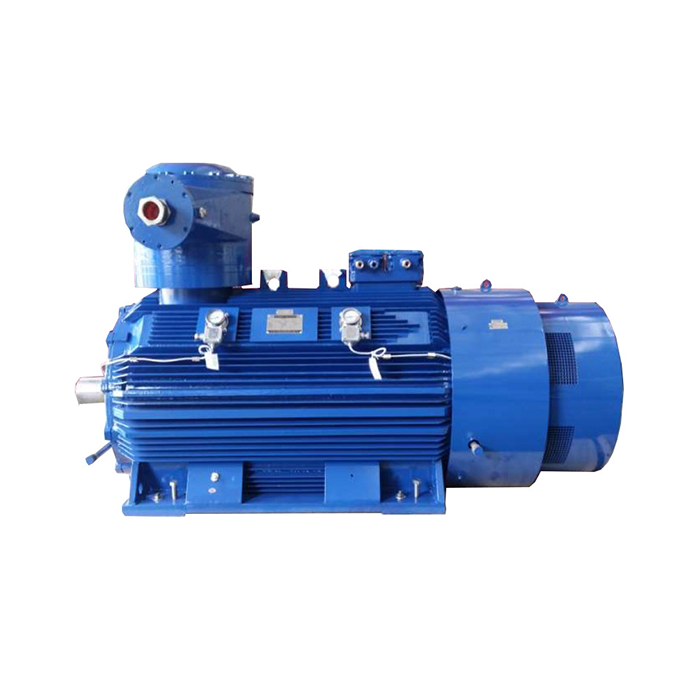
Series:YBBP-HV
Voltage range:3000V±5%,3300V±5%,6000V±5%,6600V±5%,10000V±5%,11000V±5%
Power range:185-1800 kW
Application:compressors, water pumps, crushers, cutting machine tools, transportation machinery.
Advantage: wide modulation range, high efficiency and energy saving, low noise, long life, high reliability.
Others: SKF, NSK, FAG bearings can be replaced according to customer requirements.
Understanding Medium Voltage Electric Motors
Definition and Voltage Classification
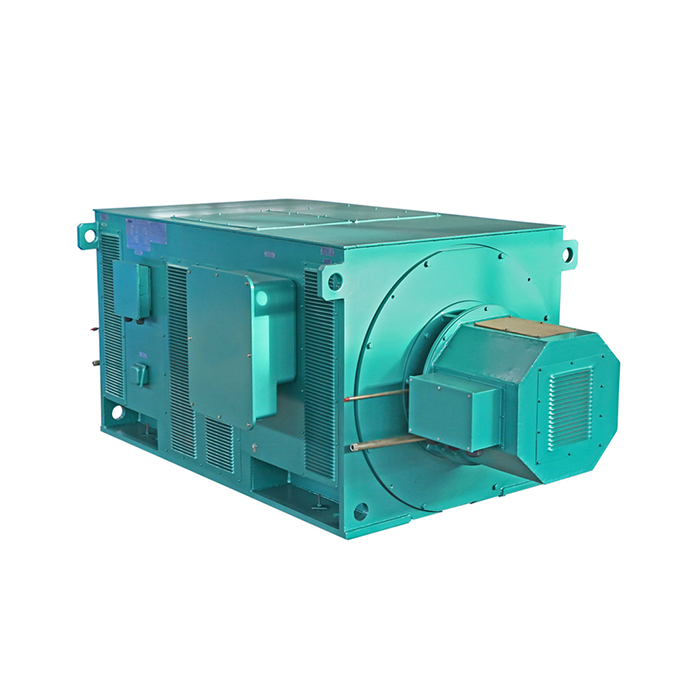
Medium-voltage electric motors work within a certain voltage range, which makes them different from motors with low or high voltage. Motors that need between 1 kV and 13.2 kV are usually considered medium voltage units by the industry, but some makers make the range go up to 35 kV. Low-voltage motors can take up to 690 V, while high-voltage motors begin at about 13.8 kV and go up. This grouping is important because each voltage level is best for a different size of business operation and power needs. Our YAKK series motors can work with voltages of 3000V±5%, 3300V±5%, 6000V±5%, 6600V±5%, 10000V±5%, and 11000V±5%. These voltage ranges cover the most popular commercial voltage standards around the world.
Common Motor Types and Configurations
The medium voltage world is mostly made up of three main types of motors. The most popular type is the squirrel cage induction motor, which has a simple construction and rotor bars made of cast aluminum or copper. The performance of these units is stable, and they don't need much upkeep. Wound rotor motors have wire-wound rotors with slip rings, which allow the beginning and speed to be changed by controlling the resistance outside the motor. Synchronous motors keep their speed steady even if the load changes. This makes them perfect for situations where precise speed control is needed. Most industrial setups use three-phase layouts instead of single-phase configurations because they transfer power more smoothly, are more efficient, and have better torque qualities. The YAKK line has power levels ranging from 200 kW to 3550 kW and different speed choices, such as 3000 rpm, 1500 rpm, 1000 rpm, and 750 rpm, to meet the needs of different applications.
Key Advantages and Applications of Medium Voltage Motors
Superior Efficiency and Performance Benefits
When compared to various low-voltage units that do the same work, medium-voltage electric motors use a lot less energy. When you run at higher volts, less current flows for the same amount of power output. This keeps resistance losses in motor windings and connections to a minimum. During the motor's lifetime, this directly leads to lower working temperatures, less energy use, and lower power costs. The YAKK series is very efficient thanks to improved design optimization. It can give full load torque up to 150% of its maximum capacity and has a power factor range from 0.85 to 0.92. Because of these performance traits, our motors can handle tough start-up situations and situations with changing loads without losing their dependability or durability.
Here are the core advantages that distinguish quality medium voltage motors in industrial settings:
- High Efficiency Operation: The advanced electromagnetic design wastes as little energy as possible, turning more electrical input into useful motor work while making less heat. As more working hours are logged, this efficiency edge becomes more important, saving a lot of money over the life of the equipment.
- Low Noise and Vibration: Mechanical movements and noise levels are kept low by precision manufacturing and well-balanced rotor parts. Less shaking means longer bearing life and less stress on related equipment and mounting structures. Quieter operation also makes the workplace better.
- Reliable Performance: Strong construction with high-quality materials guarantees steady operation even in tough circumstances. Temperature rise standards keep Class B limits (80°C) even though the insulation is rated as Class F. This gives the insulation a thermal cushion that keeps it from breaking down too quickly.
- Simplified Maintenance: Careful design choices make regular upkeep easier. Simple grease points, accessible bearing housings, and flexible component setups all cut down on repair time and the costs that come with it.
These benefits solve common production problems like wasted energy, unexpected equipment breakdowns, and too much upkeep work that hurts profits in competitive industrial markets.
Medium Voltage Motor Procurement Guide
Essential Selection Parameters
To pick the right medium voltage electric motors specifications, you need to carefully think about what the application needs. Power grade is the basic starting point for matching the total power of the motor to the needs of the tools it drives. Our YAKK line ranges from 200 kW to 3550 kW, so it can be used for everything from small support systems to main production machinery. The voltage choice needs to work with the building's electricity system. Common voltage choices are 3.3 kV, 6.6 kV, and 11 kV. Different types of driving equipment have different speed requirements. For example, motors that are directly coupled to pumps and fans usually need to be 1500 rpm or 1000 rpm, while higher-speed uses may need 3000 rpm units. When choosing an insulation class, you have to think about both the working climate and the cost. For example, Class F and Class H offer different temperature ranges.
Customization and After-Sales Support
Standard stock motors work well in many situations, but special specs make them work better in particular situations. Changes in speed, special gear designs, mounting modifications, and better environmental protection are all typical requests for customization. Our tech team works with our buying team to create custom solutions that meet all of our customers' needs. Dependable help after the sale is also important for getting the most out of the equipment's worth. Comprehensive pre-sales consultation gives you full technical advice to help you make your choice. Responsive after-sales assistance helps you fix problems, find extra parts, and gives you upkeep tips for the motor's whole life. We keep assistance available on Saturdays and Sundays because we know that industrial processes don't always work during normal business hours.
Maintenance and Troubleshooting of Medium Voltage Motors
Preventive Maintenance Best Practices
Scheduled repair keeps medium voltage electric motors running longer and stops them from breaking down at the worst possible time, which stops production. Checking for strange vibrations, temps, or noises during operation as part of regular eye checks can help find problems early on before they get worse. Managing lubrication is an important part of upkeep. The amount of time between bearing greasing depends on the speed, load, and working temperature. Problems can happen with too much or too little grease, so it's important to follow the manufacturer's instructions. Insulation resistance testing checks the state of the windings; megohm results show that the insulation is still intact. Readings that are going down mean that wetness is getting in or the insulation is breaking down, which needs to be fixed before it fails. Monitoring for voltage instability finds problems with the supply that cause uneven phase loading, which heats up some windings too much and lowers the total efficiency.
Efficiency Optimization Strategies
To keep the motor running at its best for as long as it lasts, you need to pay attention to how it is used and the state of its parts. Load management keeps motors running close to their rated capacity, where they are most efficient, so they don't have to run for long periods of time at light loads, where their efficiency drops. Voltage control keeps the supply within certain limits. Too much voltage raises the magnetizing current and iron losses, while too little voltage raises the working current and resistance losses. Managing temperature with good airflow and outdoor cooling keeps effectiveness from dropping when working temperatures are too high. Cleaning the motor's ventilation passages on a regular basis keeps air moving through it and stops dust from building up, and stopping heat from escaping. The YAKK series design includes features that support these strategies for improving efficiency, such as air ducts that are easy to reach and tools for tracking temperatures.
Medium Voltage Motor Cost and Supply Chain Considerations
Pricing Dynamics and Procurement Strategies
The price of medium voltage electric motors depends on more than just their basic specs. The base price is based on the power level and voltage classification. Larger, higher-voltage units cost more because they require more materials and special manufacturing techniques. The way a brand is positioned affects how much it costs, but fame doesn't always mean value in some situations. Initial prices are affected by how efficient the design is. Designs with higher efficiency need better materials and tighter manufacturing standards, which raise the cost of production. By lowering the cost of production per unit and combining shipping costs, buying in bulk saves a lot of money. The prices are better for procurement professionals who negotiate orders for multiple units or set up framework deals for ongoing supply than for professionals who only buy one unit.
Lead Times and Customization Impact
Standard catalog motors usually ship within a few weeks, based on what the maker or dealer has in stock. Custom specs greatly increase wait times because production plans need to account for engineering development, getting specialized materials, and manufacturing queue places. Delivery times can be pushed back by months if there are a lot of complex changes that need to be built and tested in prototypes. As part of its customized features, the YAKK series keeps a stock of common setups and strikes a balance between fast delivery and application-specific optimization. Planning the timing of purchases around the plans of projects avoids delays that cost a lot of money when motor delivery falls on the most important part of setting up a facility or installing equipment.
Spare Parts and Ongoing Support
For long-term business success, you need to be able to quickly get new parts and professional help. Bearing supply is especially important because replacing a broken bearing is the most frequent motor service need. Because we use common SKF, NSK, and FAG bearings, we can get parts all over the world through well-established delivery networks. Even though they aren't needed very often, spare stator and rotor parts protect against catastrophic breakdowns in serious situations where prolonged downtime is not acceptable. Making technical support easier to reach helps maintenance teams quickly figure out what's wrong and fix it. We keep a large collection of parts and expert support tools, including people who can help you on the weekends, because we know that business activities don't stop for holidays.
Conclusion
Medium voltage electric motors are very important pieces of equipment that run important processes in many business areas, such as industry, energy, water treatment, and many more. Procurement experts can make smart choices that save money on both the original investment and the costs of running the business in the long run by learning about how they work, how they perform better, and how to choose them. From 3 kV to 11 kV, the voltage range provides the right mix of power, efficiency, and dependability for uses ranging from 200 kW ventilators to 3550 kW breakers and compressors. Quality factors like choosing the right materials, manufacturing methods, bearing specs, and insulation classes have a big effect on how reliable something is and how long it lasts. Proper repair methods and quick support from suppliers help keep equipment's worth high over long working lifetimes in tough industrial settings.
FAQ
1. What voltage range defines medium voltage motors?
Most industries use medium voltage electric motors that work between 1 kV and 13.2 kV, but some go up to 35 kV. They are different from low-voltage motors (up to 690V) and high-voltage motors (usually starting at 13.8 kV) because of this. Common industry voltages, such as 3.3 kV, 6.6 kV, and 11 kV, are covered by the YAKK line.
2. How do medium voltage motors compare to low voltage units in industrial applications?
Medium voltage motors are better at handling higher power levels than low voltage motors. They cut down on the flow of current to get the same amount of power, which lowers the cost of the cables and resistance losses. Multiple low-voltage units are often replaced by a single medium-voltage motor, which makes setups easier and lowers the need for upkeep. This makes them the best choice for industrial fans, pumps, and compressors with capacities over 200 kW.
3. What maintenance practices extend motor longevity?
Essential upkeep tasks include visible checks, lubricating bearings on a regular basis, checking insulation resistance, and keeping an eye on vibrations. Common failure modes can be avoided by keeping the right amount of air flow, keeping an eye on working temperatures, and making sure the voltage is balanced. Following the manufacturer's recommendations for how often to lubricate and test the insulation will extend the life of the equipment and lower the costs of unplanned downtime.
Partner with a Trusted Medium Voltage Electric Motors Supplier
XCMOTOR has been helping industry clients around the world with their power equipment problems for more than 20 years. Our YAKK series medium voltage electric motors work with voltages from 3 kV to 11 kV and power outputs from 200 kW to 3550 kW. They are reliable and use little energy. When choosing the right motor, we know that it's important to keep in mind the specific technical requirements, delivery times, and budgets of each project. Before you buy, our engineering team will give you a full review to help you figure out the best options for your needs, whether they are in manufacturing, water treatment, mining, or energy production. Our motors meet world quality standards and give your processes the high efficiency, low noise, and steady performance they need. They have been certified with IEC 60034, CE Mark, and ISO 9001:2015, among others. We keep a stockpile of extra parts, let you choose which bearing brand to use and what level of security to use, and offer specialized support seven days a week because we know that industrial activities never stop. Contact our team at xcmotors@163.com or go to motorxc.com to talk about your needs with a maker of medium voltage electric motors that cares about your business's success.
References
1. Institute of Electrical and Electronics Engineers (IEEE). "IEEE Standard for Rotating Electrical Machines - Preferred Ratings and Mechanical Construction." IEEE Standard 841-2019.
2. National Electrical Manufacturers Association (NEMA). "Motors and Generators: Medium Voltage Induction Motors." NEMA Standards Publication MG 1-2021.
3. International Electrotechnical Commission. "Rotating Electrical Machines - Part 30-1: Efficiency Classes of Line-Operated AC Motors." IEC 60034-30-1:2014.
4. Bonnett, Austin H. "Root Cause AC Motor Failure Analysis with a Focus on Shaft Failures." IEEE Transactions on Industry Applications, Volume 36, Issue 5, 2020.
5. Chapman, David. "Medium Voltage Electric Motors: Selection, Application and Maintenance Guidelines." Industrial Press Technical Handbook Series, 2019.
6. Electric Power Research Institute. "Best Practices for Medium Voltage Motor Procurement and Lifecycle Management in Industrial Facilities." EPRI Technical Report 3002018641, 2021.