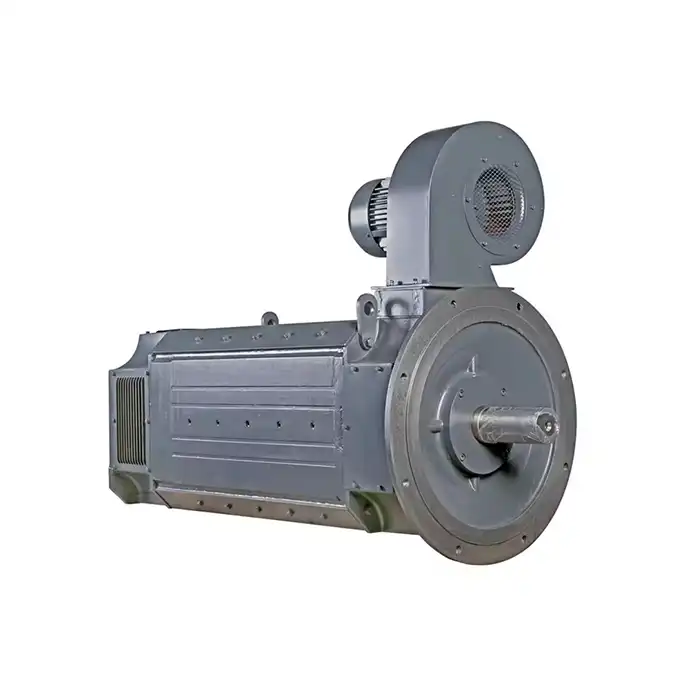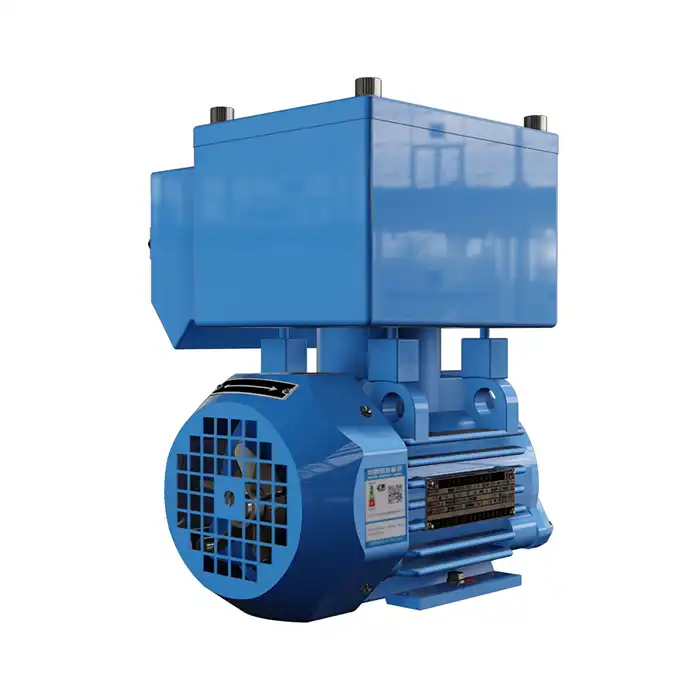




What is a LV Induction Motor :All You Need to Know
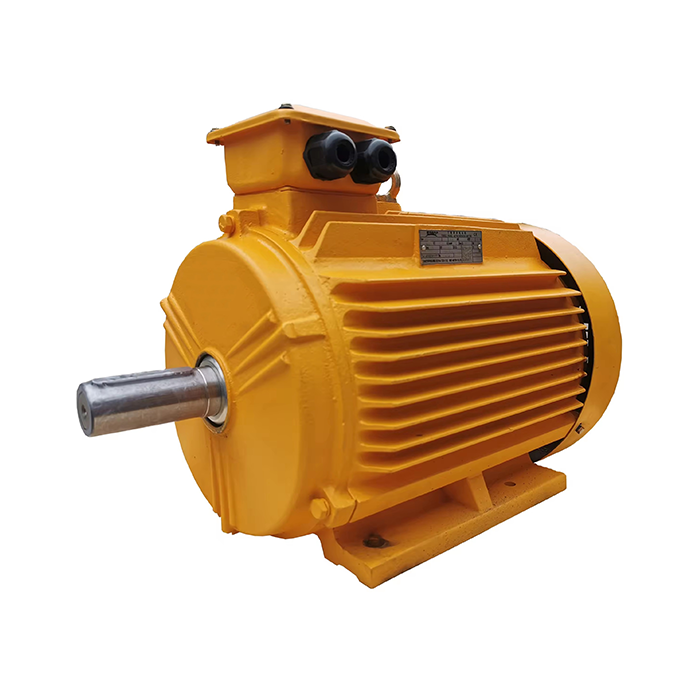
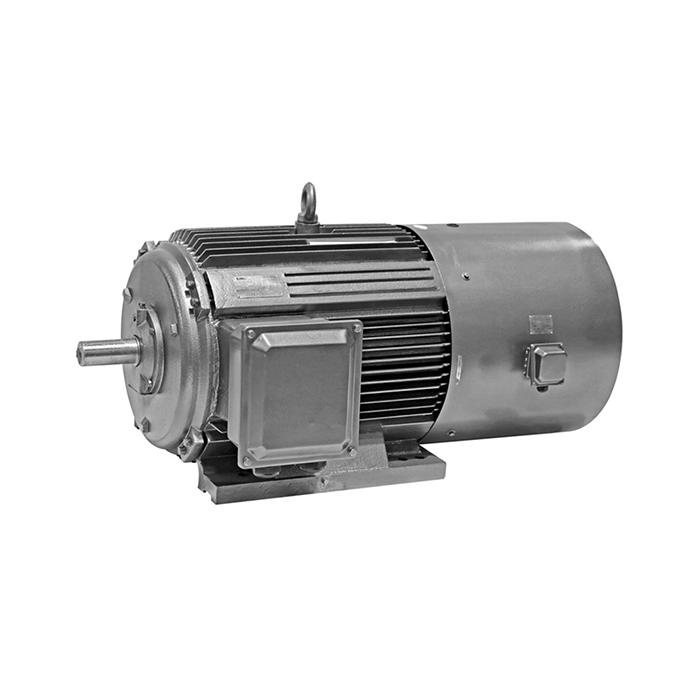
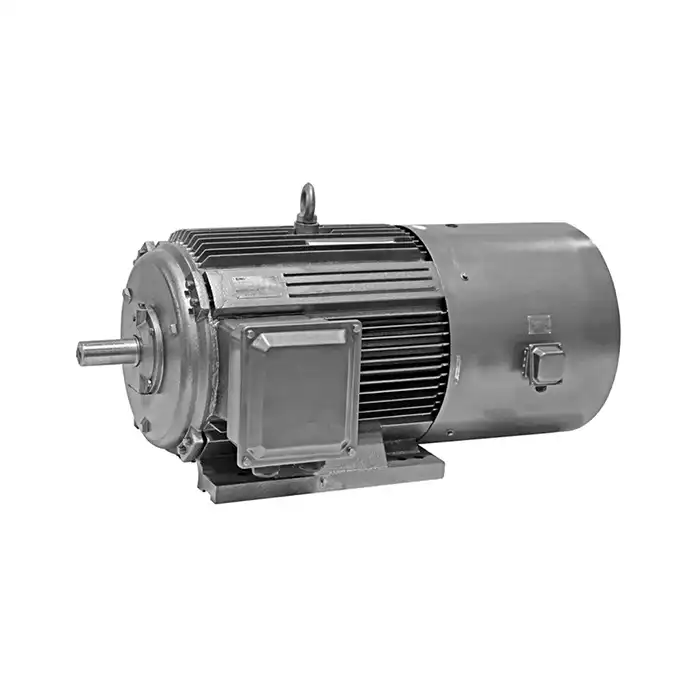
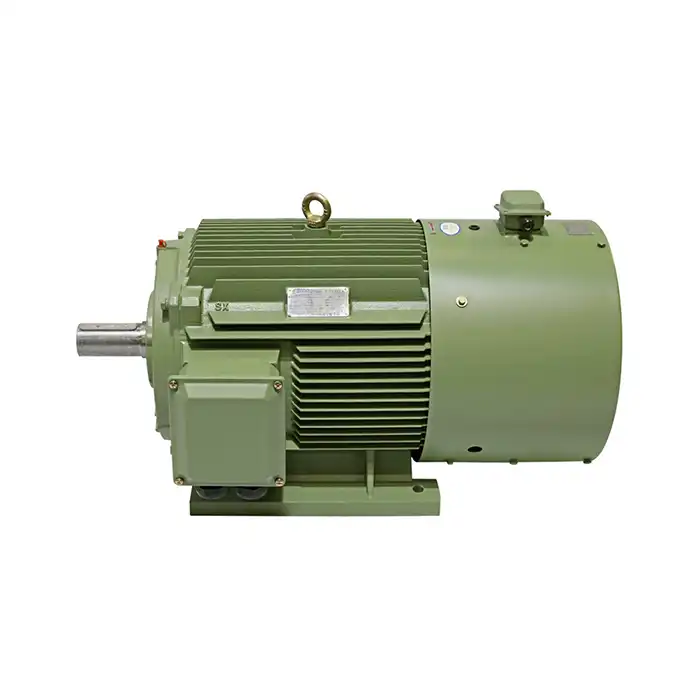
When you're in charge of industrial operations, you need to know a lot about the machines that keep the building running. A LV Induction Motor usually needs power sources between 200V and 690V. XCMOTOR offers specific voltage options at 380V, 400V, 415V, and 660V. Through electromagnetic induction, these three-phase squirrel-cage asynchronous motors turn electrical energy into mechanical motion. They power everything from water pumps to conveyor systems. Because they can produce power between 0.75kW and 1000kW, these motors are trusted workhorses in the US transportation, energy services, industrial, and HVAC industries.
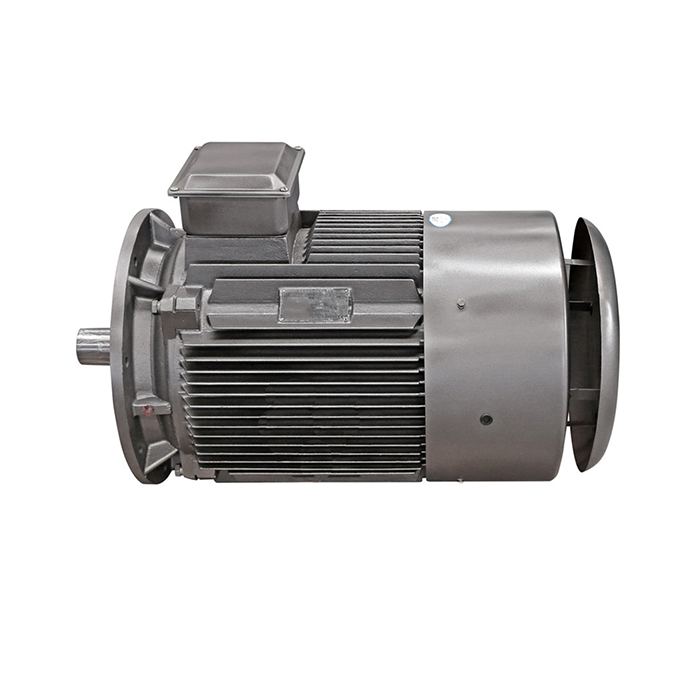
Series:YE3
Frame number: 80-450
Power range:0.75-1000kW
Protection level:IP55
Energy efficiency class: IE3
Voltage range: 380V,400V,415V,660V, etc.
Application:can be used in various fields of the national economy, such as machine tools,water pumps,fans,compressors,and can also be used in transportation, mixing, printing, agricultural machinery, food and other occasions that do not contain flammable, explosive or corrosive gases.
Certificate: international standard IEC60034-30 "Efficiency Classification of Single-speed Three-Phase Squirrel Cage Induction Motors".
Advantage:The high quality of the electric motor guarantees high operational reliability.
Others: SKF, NSK, FAG bearings can be replaced according to customer requirements.
Understanding LV Induction Motors: Basics and Principles
How Electromagnetic Induction Powers Your Operations
Electromagnetic induction, which was found by Michael Faraday, is what makes these motors work. A rotating magnetic field is made when three-phase alternating electricity runs through the stator windings. This field causes currents to flow through the rotor's wires, which creates torque that turns the rotor. Both the stator and rotor of XCMOTOR's motors are made of high-grade silicon steel, which reduces core losses and increases efficiency. This plan gives you power factors between 0.80 and 0.89, which means that your building will be able to convert energy well.
Squirrel Cage Design: Simplicity Meets Durability
Most industrial uses depend on squirrel-cage motors because they are strong and don't need much upkeep. The rotor is made up of electrical bars with end rings that short each other out, making it look like a squirrel cage. Die-cast aluminium frames in sizes ranging from frame 80 to 450 are used by XCMOTOR to make these motors. The frames are lightweight and portable while still being strong. Unlike wound rotor types that need brushes and slip rings, squirrel-cage motors don't have any wear parts, so they have much lower operating costs over their entire life.
Three-Phase Advantages for Industrial Applications
Three-phase motors are most common in industrial settings because they are more efficient, have higher starting speed, and better power factors than single-phase motors. XCMOTOR's three-phase products meet the IEC60034-30 standards for IE3 efficiency rating, which means they meet today's rules about energy use. The balanced power transfer across three steps lowers vibration and increases bearing life. You can choose from SKF, NSK, or FAG bearings, depending on your needs. Operating speeds range from 500 to 3000 RPM, which makes them suitable for a wide range of uses, from heavy engines to precise machine tools.
Common Industrial Applications Driving American Industry
These motors run important machines in many fields. For example, robotic arms in car plants, assembly line conveyors, and CNC machine tools used to make aircraft parts all depend on them. In business buildings, HVAC systems use them for fans and blowers to keep the temperature stable. They are used in mixing, packing, and refrigeration tools in food processing plants, and they are used for pumping in water treatment plants. XCMOTOR's IP55 security rating standard makes sure that the motor can work safely in places with dust and water. For tougher conditions, IP56 and IP65 ratings are also available.
Comparing LV Induction Motors: Making the Right Choice for Your Business
Low Voltage Versus High Voltage Considerations
The main things that determine whether to use a LV Induction Motor or high voltage motor are the power needs and the installation equipment. Motors that are less than 1000kW usually work well with low voltage sources. For uses that need more power, high voltage systems may be better. Low voltage systems require less complicated wiring, make safety easier, and cost less to set up at first. The XCMOTOR ranges from 0.75kW to 1000kW, which means it can be used for most industrial automation, process control, and HVAC tasks without the need for expensive high voltage equipment or special electrician certifications.
Efficiency and Lifecycle Cost Analysis
Electricity costs make up about 97% of all motor lifecycle costs, while the cost of buying the motor itself is only 1% to 2%. The IE3 efficiency classification motors from XCMOTOR work 2-5% more efficiently than regular types, which means they use a lot less energy over their lifetime. Take a look at a 100kW motor that runs for eight hours every day. The extra economy pays for itself in four years and continues to save money for the next fifteen to twenty years. Class F insulation can handle heat stress and keep working properly even when it's being used continuously in temperatures ranging from -10°C to +40°C.
Application-Specific Selection Criteria
Matching the motor's features to the needs of the application guarantees the best performance and longest life. Motors with smooth acceleration are best for uses that need variable power, like centrifugal pumps and fans. Higher starting torque is needed for loads with constant torque, like conveyors and positive displacement compressors. XCMOTOR motors have power levels between 5 Nm and 2400 Nm, so they can be used in both types of situations. When choosing the frame size and thermal class, you should think about your duty cycle, starting frequency, and load factors. This will help you avoid early breakdowns due to too much heat or not enough torque margins.
Evaluating Quality and Reliability Factors
The uptime of output and the cost of repair are both affected by how reliable the motors are. XCMOTOR uses strict quality control throughout the whole manufacturing process, from using high-tech computers to do precise winding to checking every part's performance before shipping. Each motor goes through tests to check its efficiency, its resistance to shielding, its vibrations, and its temperature rise. Certifications like CE marking, ISO 9001:2015, and GOST compliance show that a product meets international quality standards. This gives purchasing managers faith in the product's dependability and ability to follow rules in all global operations.
Maintenance and Troubleshooting Tips for LV Induction Motors
Establishing Routine Maintenance Protocols
Motors last longer when they are maintained regularly, and they don't break down unexpectedly, which can throw off production plans for LV Induction Motor. When to lubricate depends on the type of bearing and how it is used, but in most industrial settings, it needs to be done every three to six months. Different bearing brands can be used in XCMOTOR motors, which lets repair teams use the same lubricants across all sites. Cleaning regularly gets rid of dust buildup that makes cooling harder. This is especially important for IP55-rated buildings where wind from the outside affects how the temperature inside is managed. Thermal imaging during operation finds hot spots that mean the windings or bearings are wearing out before they fail completely.
Electrical Integrity and Connection Verification
Electrical lines need to be checked every so often to keep resistance from building up and causing power drops and heat. Checking the tightness of the terminals stops arcing, which harms insulation and puts people at risk of fire. Using a megohmmeter to test insulation resistance can find signs of moisture entry or insulation wearing down. Readings below 1 megohm per kilovolt mean there may be problems that need to be looked into. In normal situations, XCMOTOR's Class F insulation stays intact, but chemical contact or high humidity can speed up the breakdown process. This is why regular testing is important in harsh settings like those found in water treatment or farming.
Addressing Common Operational Issues
There are many things that can cause something to overheat, such as not enough air flow, an uneven power, or too much load. Make sure the source voltage matches the motor's nameplate values. Running at 660V when the motor was meant to run at 400V can cause saturation and overheating. Unusual noise usually means that a bearing is wearing out or the rotor isn't balanced, which can only be accurately diagnosed by vibration analysis. It's possible for starting problems to happen if the wiring isn't set up correctly. For example, direct-on-line starters need enough supply capacity to handle inrush currents that hit six times the rated current during acceleration, while star-delta starters need the right timer settings to match the motor's traits.
Understanding Wiring Configurations for Different Applications
Star-delta starting lowers the inrush current to about a third of what it would be with direct starting. This protects the electrical equipment upstream and lowers the stress on the machine during acceleration. This set-up works well in situations where the lower torque available during star connection is enough for the starting torque needed. Direct-on-line starting gives you the most starting torque for big loads, but you need a strong power source. Both types of setups can be used with XCMOTOR motors because their terminals are easy to reach. Detailed wiring diagrams help installation teams make the right connections for machine tool, pump, and compressor installs.
Procurement Guide: How to Buy LV Induction Motors for Your Business
Sourcing Certified Suppliers and Manufacturers
Finding sellers who show technical know-how and a drive to quality is the first step to successful procurement for LV Induction Motor. Check the certifications, such as IEC60034-30 approval that backs up claims of efficiency and safety certifications that are right for your area. XCMOTOR has set up quality control based on ISO 9001:2015. This makes sure that the company's manufacturing methods are always the same, which results in reliable goods. Check how quick the seller was to your first questions, because good communication during the purchase forecasting process supports quality throughout the product's lifecycle. It's important to have technical knowledge, and providers should offer application engineering help to match motor specs to your operational needs.
Understanding 2024 Market Pricing and Value Factors
The price of a motor depends on its frame size, its efficiency class, and any extras you choose, such as premium bearings or higher safety grades. When making a budget, you shouldn't just look at the buying price, but also the total cost of ownership. Although IE3 motors cost more than normal efficiency models, the extra money spent is usually recouped in less than four years for uses that run for more than eight hours a day. Buying in bulk can often get you better prices, and using the same frame sizes and specs for all of your setups can make keeping track of spare parts easier and reduce the need for training in upkeep.
Customization Options for Specialized Applications
Standard catalogue motors meet most of the needs of industries, but customisation is better for specific uses. Inverter-duty insulation can handle voltage spikes from varying frequency drives that change the speeds of the pump and fan to save energy. In placing tasks like moving things around or printing, braking devices let things slow down quickly. XCMOTOR lets you choose which bearings you want, so you can specify SKF, NSK, or FAG names that fit your facility's plan for standardisation. Motors can be customised to fit particular equipment integration needs in retrofits or specialised machinery by changing the shaft design, mounting arrangements, and wire entry points.
Initiating Productive Supplier Relationships
Getting things that you need doesn't just mean making orders; it also means building partnerships that help your business succeed in the long run. During the evaluation, make sure you get thorough technical paperwork like dimensional models, performance curves, and wiring diagrams. Talk about shipping times, especially for things that are made to order and take longer to make. Make it clear what the guarantee covers, where to find spare parts, and how to get expert help. XCMOTOR offers dedicated support, including weekend access, to make sure that customers can get help when operating problems happen outside of normal business hours. This is especially important for industries that use continuous processes, where the costs of downtime during production breaks rise quickly.
Conclusion
To choose the right LV Induction Motors, you have to weigh the technical specs against the needs of the application and the cost of ownership over the motor's lifetime. In American industry, these motors provide dependable mechanical power for transportation, HVAC systems, industrial robotics, and infrastructure for utilities. Understanding operational principles, repair needs, and procurement issues helps engineering and procurement workers make smart choices that improve machine performance and reduce costs. XCMOTOR has a wide range of motors, from 0.75kW to 1000kW, with IE3 efficiency, strong construction, and foreign certifications. These motors meet a wide range of industrial needs and provide the operating reliability that is necessary for manufacturing businesses to stay competitive.
FAQ
1.What is the typical operational lifespan of a low voltage induction motor?
Industrial motors that are well taken care of can last between 15 and 25 years, and some systems can last longer than 25 years with the right lubrication, thermal management, and electricity upkeep. The Class F insulation and high-grade silicon steel structure of the XCMOTOR help it last longer by reducing heat stress and electrical degradation. Operating conditions have a big effect on how long something lasts. Motors that are kept clean and at the right temperature will last longer than those that are exposed to moisture, dirt, or lots of starts and stops. The best return on investment is achieved through regular upkeep that extends the life of bearings and stops insulation from wearing down. What is the typical amount of time that a LV Induction Motor works?
2.How do efficiency ratings impact operational costs?
When compared to standard efficiency designs, IE3 efficiency motors use 2 to 5 percent less energy. This saves a lot of money since power accounts for 97% of total costs. A 100kW motor that runs for 6,000 hours a year at $0.12 per kWh saves about $1,800 a year at a 3% efficiency improvement, which adds up to over $36,000 over the life of the building and lowers its carbon footprint.
3.Which starting method suits heavy machinery applications?
Direct-on-line starting gives the most starting torque to big loads like positive displacement compressors or full conveyors. Star-delta starting, on the other hand, lowers electrical stress for loads that can handle less starting torque, like centrifugal pumps and fans. The type you choose will depend on the features of the load, the supply capacity, and the frequency of starting in your application.
Partner with XCMOTOR for Reliable Industrial Motor Solutions
Shaanxi Qihe Xicheng Electromechanical tools Co., Ltd. provides a wide range of power tools to help businesses in the transportation, energy, production, automation, and HVAC industries. Our engineering team does application research to make sure that the motor specifications meet your needs. This makes sure that the motor works at its best and most efficiently. XCMOTOR motors have frame sizes between 80 and 450, are certified for efficiency at IE3, and are protected by IP55, making them ideal for harsh industrial settings. We keep items in stock so that we can deliver quickly, we let you return items within 30 days so that you can buy with confidence, and we offer dedicated technical support, including weekend hours, to answer any practical questions that come up.
As a well-known company that sells LV Induction Motors, we can offer you reasonable prices and back them up with ISO 9001:2015 quality approval, CE marking, and GOST compliance. Email our team at xcmotors@163.com to talk about your unique application needs, get full technical catalogues, or set up a time to see our products in action. Visit motorxc.com to see all of our products and get access to detailed information that will help you make choices about what to buy. We're dedicated to providing you with dependable and energy-saving motor solutions that keep your business running smoothly.
References
1. Chapman, Stephen J. "Electric Machinery Fundamentals, Fifth Edition." McGraw-Hill Education, 2011.
2. Boldea, Ion and Nasar, Syed A. "The Induction Machines Design Handbook, Second Edition." CRC Press, 2010.
3. De Almeida, Anibal T., Ferreira, Fernando J.T.E., and Fong, João A.C. "Standards for Efficiency of Electric Motors." IEEE Industry Applications Magazine, Volume 17, Issue 1, 2011.
4. Bonnett, Austin H. and Soukup, George C. "Cause and Analysis of Stator and Rotor Failures in Three-Phase Squirrel-Cage Induction Motors." IEEE Transactions on Industry Applications, Volume 28, Number 4, 1992.
5. Nailen, Richard L. "Managing Motors: Maintenance, Efficiency, Applications." The Fairmont Press, 2006.
6. International Electrotechnical Commission. "IEC 60034-30-1:2014 Rotating Electrical Machines - Part 30-1: Efficiency Classes of Line Operated AC Motors." International Standards Organization, 2014.