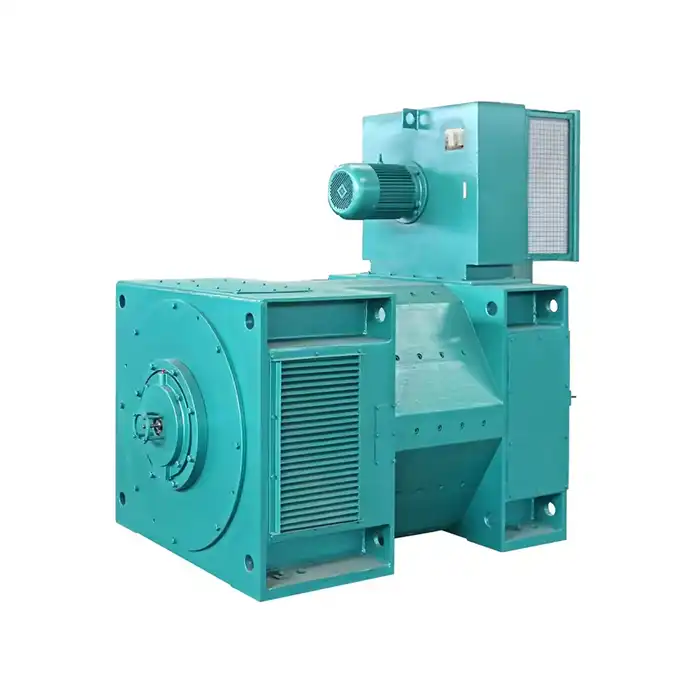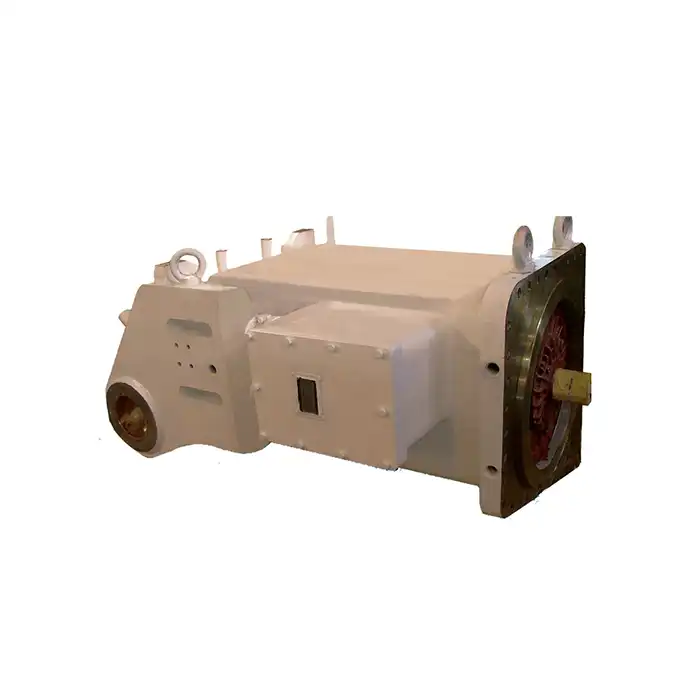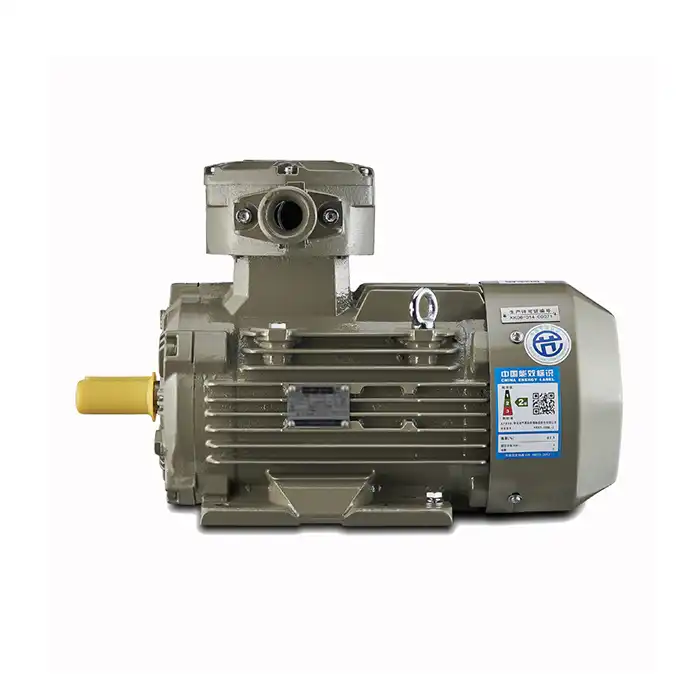




What Is an Inverter Duty Motor and When Do You Need One?
If you work with variable frequency drives, you have probably asked this question more than once. An inverter duty motor is a motor built specifically to run with a VFD. Standard motors struggle when voltage spikes and PWM waveforms hit their windings repeatedly. An inverter duty motor handles those electrical stresses because it carries reinforced insulation, a dedicated cooling system, and windings rated for the thermal demands of continuous speed variation. In short, it is the right tool when your load needs precise speed control across a wide range, not just on/off operation at line frequency.
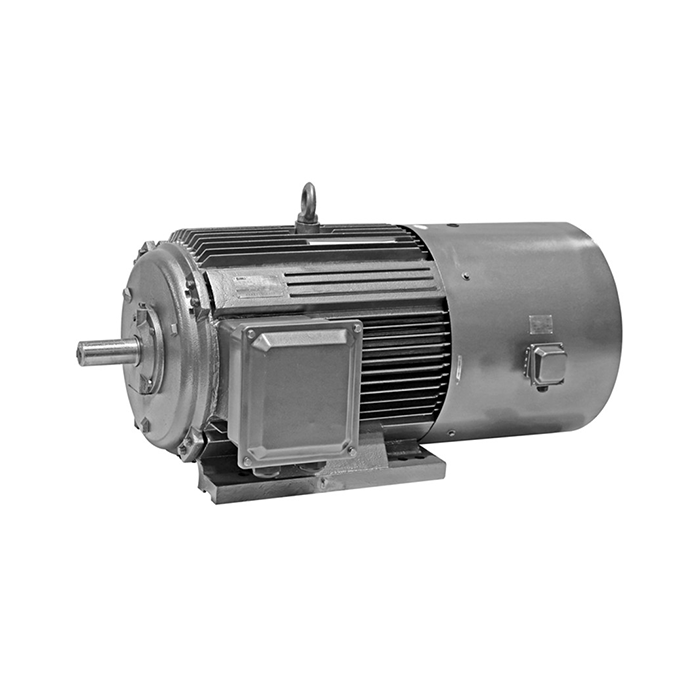
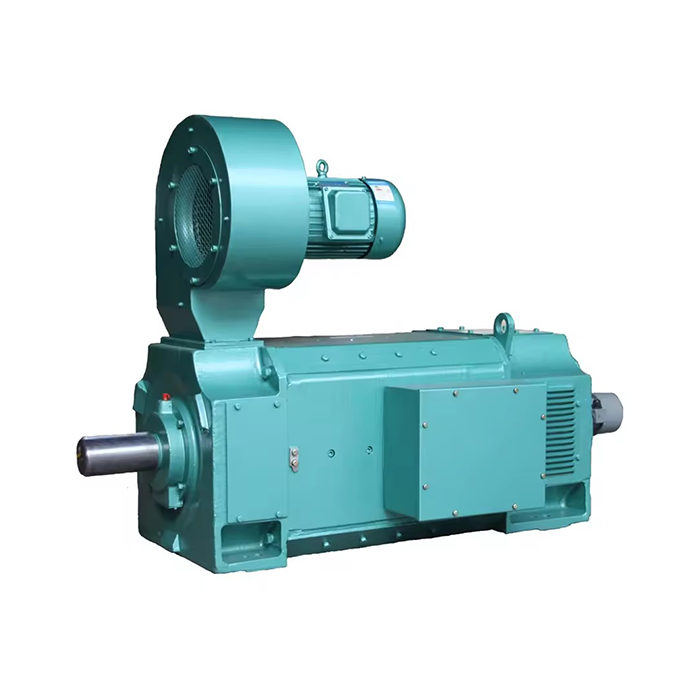
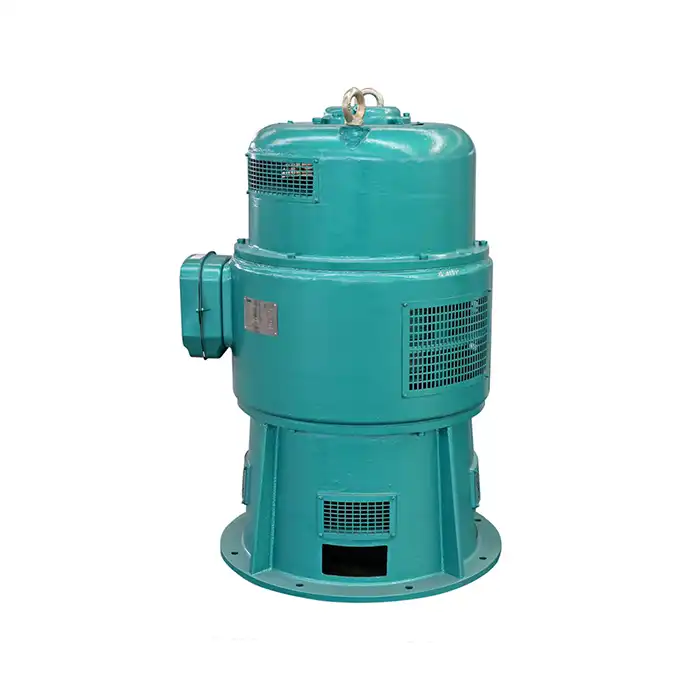
Series:YVFE2
Frequency conversion range:30hz~50hz,5hz~70hz,5hz~100hz
Power range:0.75-355kW
Protection level:IP55
Application:are suitable for driving various mechanical equipment that require continuous and frequent forward and reverse rotation, such as steel rolling, lifting, transportation, machine tools, printing and dyeing, papermaking, chemicals, textiles, pharmaceuticals, etc., and can be used with various domestic and foreign variable frequency power supplies.
Advantage:high efficiency, wide speed range, high precision, stable operation, and easy operation and maintenance.
Certificate:installation dimensions comply with International Electrotechnical Commission (IEC) standards.
Others: SKF, NSK, FAG bearings can be replaced according to customer requirements.
Understanding Inverter Duty Motors
What Makes Them Different From Standard Motors?
A normal induction motor is wound so that it works at a set frequency. When a VFD feeds it, the fast voltage changes—sometimes more than 1,600 V/µs—stress the insulation on the windings much more than what was intended. The Class F insulation (rated to 155 °C), heavier magnet wire, and slot-liner materials tested against PWM-induced stress per IEC TS 60034-25 and NEMA MG 1 Part 31 are used in an inverter duty motor to make up for this.
How Independent Cooling Changes the Picture?
When the motor is running slowly, the fan on the shaft slows down with it. This means that less air is moving through the motor at a time when it's getting hotter. An inverter duty motor has a separate IC416 fan that cools the motor and stays at the same speed no matter what the rotor RPM is. Because of this, the temperature of the winding stays the same from almost no speed to the highest frequency. This is what makes true constant-torque operation possible at low Hz.
Torque and Speed Range in Practice
In the XCMOTOR YVFE2 series, there are three frequency bands: 30–50 Hz, 5–70 Hz, and 5–100 Hz. The power range is from 0.75 kW to 355 kW. From 5 Hz to 50 Hz, frame sizes H80–250 offer constant torque. From 50 Hz to 100 Hz, they switch to constant power. Constant-torque operation can go down to 3 Hz with frames H250–355. This width can be used instead of multi-ratio gearboxes in crane, lift, and stage machinery OEM designs. This makes the machines simpler without lowering the accuracy of the placement.
When and Why You Need an Inverter Duty Motor?
Signs Your Application Needs One
It's not uncommon for overhead bridge cranes, elevator traction drives, or stage hoists to have to change speeds, reversals, or positioning stops a lot. Within months, a standard motor will show bearing pitting, winding discoloration, and shorter insulation life. As soon as a VFD is added to the circuit, the motor specification must change. High-frequency switching can also cause shaft current to damage bearings without being heard. Insulated end shields or ceramic bearings directly address this risk.
Industries Where VFD-Rated Motors Are Necessary
Variable-speed drives paired with motors made for the job are essential in many areas. Here are some situations where an motor with inverter can really change how things work:
- Crane and lifting equipment — bridge, gantry, and tower cranes need ≥ 2× overload torque for 60 seconds and four-quadrant regenerative braking to lower loads safely.
- Elevator traction drives — smooth start/stop and precise floor leveling require low-speed torque stability that a standard motor cannot sustain.
- Stage machinery — variable lift and travel speeds with integrated brake systems protect performers and equipment.
- HVAC fans and pumps — flow modulation from 30 % to 100 % of rated capacity cuts energy consumption significantly in commercial buildings.
- Chemical and textile processing — continuous reversals on agitators and dyeing machines demand insulation that withstands thousands of switching cycles.
One thing that all of these uses have in common is that the speed needs to change while the torque stays the same, and the motor needs to be able to handle the electrical environment that a VFD creates.
The Cost of Getting It Wrong
When used in a crane, a standard motor with a VFD can break down in less than 6,000 hours, which is less than three years of single-shift work. The price difference between a standard motor and a proper inverter duty motor is usually more than the cost of rewinding, unplanned downtime, and secondary mechanical damage to the driven equipment in the first service interval.
Inverter Duty Motor vs. Other Motors: Making the Right Choice
Comparing Motor Types Under VFD Control
Standard TEFC motors are protected by IP55 and can be started directly from the line, but their winding insulation is not rated for high-dv/dt pulses that happen over and over again. The enclosure rating for an inverter duty motor is the same as that for a TEFC motor, but it has extra insulation voltage gaps and bearing safety that a TEFC motor doesn't have. When the speed is low, the performance gap gets bigger because the TEFC motor gets too hot while the inverter duty motor keeps the rated power constant.
Selecting the Right Frame and Power Rating
It is a waste of money and room to oversize to make up for thermal weakness. When using an inverter duty motor, you can choose the frame that best fits the mechanical load because the heat design already takes VFD performance into account. The YVFE2 series meets the efficiency level IE2 according to IEC 60034-30 and can use SKF, NSK, or FAG bearings if asked, so you can easily match the motor to the parts you already have for maintenance.
Procurement Factors That Affect Total Cost
The total cost of ownership includes more than just the unit price. It also includes the frequency of rewinds, the cost of energy, and the time lost due to downtime. In industrial crane duty, a motor with Class F insulation and IC416 cooling that is connected to a VFD that is the right size will usually last more than 10 years. Insulated end shields cost a little more up front, but they stop the shaft current from replacing bearings over and over, which is usually the biggest maintenance cost for VFD-driven equipment.
Practical Guidance for Procurement and Installation
Choosing a Qualified Supplier
Ask for proof that includes the insulation class, the cooling method code, and test records that meet IEC TS 60034-25. Interface mismatches are less likely to happen during OEM assembly if suppliers can offer options for brake mounting, encoder integration, and thermal sensors from a single source. XCMOTOR has a quality management system based on ISO 9001, a CCC and CE certification, and a CRCC railroad certification. This gives procurement teams the paperwork that technical audits need.
Wiring and VFD Compatibility Best Practices
Shorten the wire runs from the VFD to the motor if you can, and use insulated cable to cut down on noise that gets sent out. One place on the motor frame should be grounded. The YVFE2 can work with all popular VFD brands without any changes. It can also replace YVF2 and YJTG series motors directly without having to change the mounting dimensions. This speeds up the retrofitting process on production lines that are already running.
Maintenance Intervals for Long Service Life
Independent cooling fans need to have their bearings oiled and their impellers checked every so often, usually every 4,000 to 6,000 hours of use, but this depends on the environment. A 500 V megohmmeter should be used once a year to check the insulation resistance of the windings. After a big mechanical shock, the encoder contacts and brake air-gap settings need to be checked again. With these easy checks, you can make sure that an inverter duty motor lasts as long as it is supposed to.
Maximizing ROI and Efficiency
Quantifying Energy and Downtime Savings
The affinity rules say that when you change the speed of a fan or pump, the power used drops by about half when you lower the speed by 20%. This means that for HVAC systems that run 6,000 hours a year, power bills will go down over the life of the building. For crane OEMs, four-quadrant regenerative braking recovers energy during lowering cycles. This lowers the VFD's net energy draw and thermal load at the same time.
Scalability for Future Automation Needs
The hardware link for closed-loop position control is already built into an inverter duty motor with encoder input and a brake that is built in. OEMs are adding programmable logic controllers and motion controllers to machines, but the motor is still the right platform and doesn't need to be replaced. The YVFE2's frequency range of 5–100 Hz lets engineers change speed ratios without making any mechanical changes. This lets automation improvements happen gradually without having to spend more money on the motor.
Protecting the Investment With Warranty and Support
You can return items to XCMOTOR for 30 days, get technical help seven days a week, and the shipping is free. These terms are important when an OEM tests a trial order of two to four motors before releasing a production batch. This is a normal buying process for crane and elevator companies that have a decision cycle of six to ten weeks.
Conclusion
It's not just a regular motor with a different name that's called an inverter duty motor. The insulation class, cooling method, bearing protection, and torque features of a vfd rated motor are all picked based on the electrical and thermal setting it runs in. OEMs that are building cranes, lifts, or stage equipment, as well as system developers that are providing HVAC drives, should choose the right motor from the start to avoid early failures, unexpected downtime, and the costs that come with them. The YVFE2 series from XCMOTOR has the right amount of power, frequency, and customization options for most variable-speed uses.
FAQ
1. What speed range does the YVFE2 inverter duty motor cover?
For frames H80–250, torque stays the same from 5 Hz to 50 Hz and power stays the same from 50 Hz to 100 Hz. Constant-torque operation can go down to 3 Hz with frames H250–355. There are three frequency bands that meet most crane, lift, and process-industry needs: 30–50 Hz, 5–70 Hz, and 5–100 Hz.
2. Can this inverter duty motor work with any VFD brand?
Yes. The YVFE2 can be used with all common variable frequency drives and can be used in place of YVF2 and YJTG series motors without having to change the wire or mounting size.
3. How does the cooling system prevent overheating at low speeds?
No matter what the rotor RPM is, the IC416 independent forced-cooling fan always runs at the same speed. This keeps the winding temperature stable and the flow of air steady even when the motor is running at 5 Hz or less.
4. What bearing options are available?
If you ask, you can get SKF, NSK, and FAG bearings. Insulated end shields are the best way to protect bearing races from electrochemical pitting in VFD applications where shaft current is a concern.
5. What certifications does this motor carry?
With CCC and CE certifications, the YVFE2 meets the requirements for IEC installation sizes and IE2 efficiency according to IEC 60034-30. It is also made under an ISO 9001 quality control system.
Get Your Inverter Duty Motor Quote From XCMOTOR Today
The YVFE2 inverter duty motor has a range of 0.75 to 355 kW, IP55, Class F insulation, and IC416 independent cooling. XCMOTOR gets it directly from makers they know and trust. We can help you find an inverter duty motor supplier seven days a week, whether you need one for a crane OEM trial run or a large order for an HVAC integration project. To get a specification sheet or bulk pricing, email us at xcmotors@163.com or go to motorxc.com.
References
1. National Electrical Manufacturers Association. NEMA MG 1: Motors and Generators, Part 31 — Inverter-Fed Motors. NEMA, 2021.
2. International Electrotechnical Commission. IEC TS 60034-25: Guidance for the Design and Performance of AC Motors Specifically Designed for Inverter Supply. IEC, 2014.
3. International Electrotechnical Commission. IEC 60034-30-1: Rotating Electrical Machines — Efficiency Classes of Line Operated AC Motors. IEC, 2014.
4. Mohan, Ned, Tore M. Undeland, and William P. Robbins. Power Electronics: Converters, Applications, and Design. John Wiley & Sons, 2003.
5. Chapman, Stephen J. Electric Machinery Fundamentals. McGraw-Hill Education, 2012.
6. Lechner, Andreas, and Josef Holweg. "Bearing Currents in Modern AC Drive Systems." IEEE Transactions on Industry Applications, vol. 47, no. 6, 2011, pp. 2533–2542.