



Vertical vs. Horizontal Pump Motors: Which is Right for Your Facility?
Which vertical or horizontal pump motor to use relies on the space limitations, operational needs, and maintenance skills of your building. A vertical water pump motor works best in places with limited room, like deep wells and public water systems. On the other hand, a horizontal design makes it easier to service in HVAC and process control settings. When making your choice, you should think about how big an impact you want to leave, how much energy you want to save, and the pumping conditions your business faces every day.
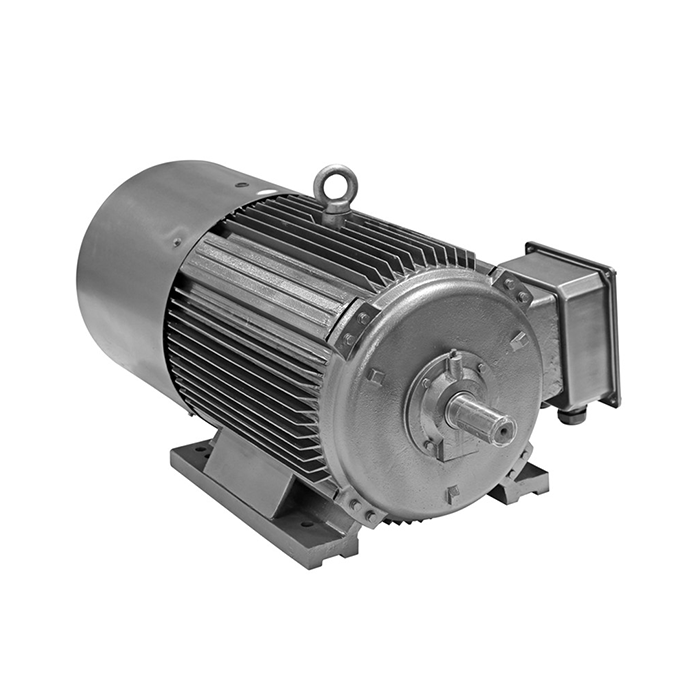
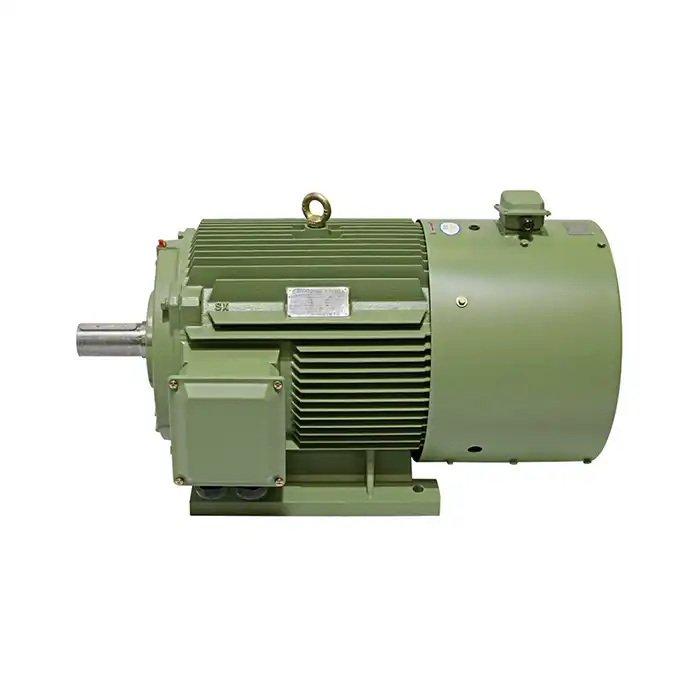
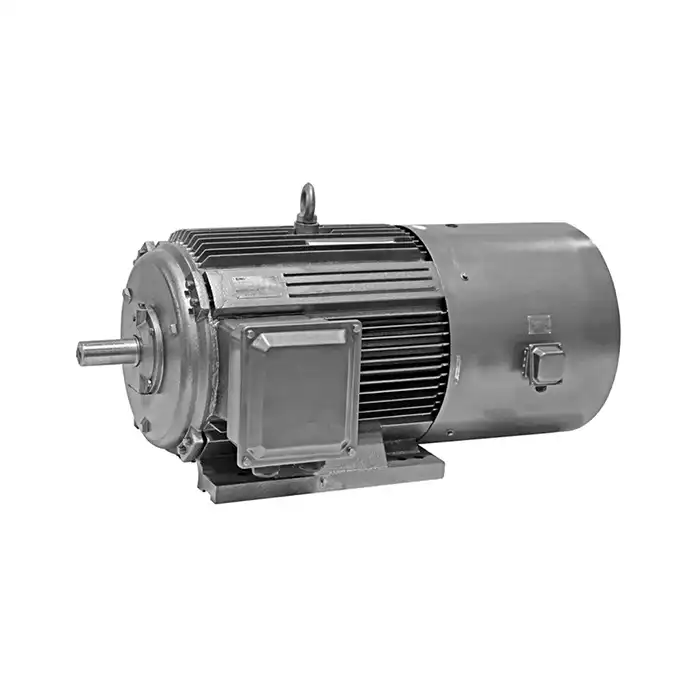
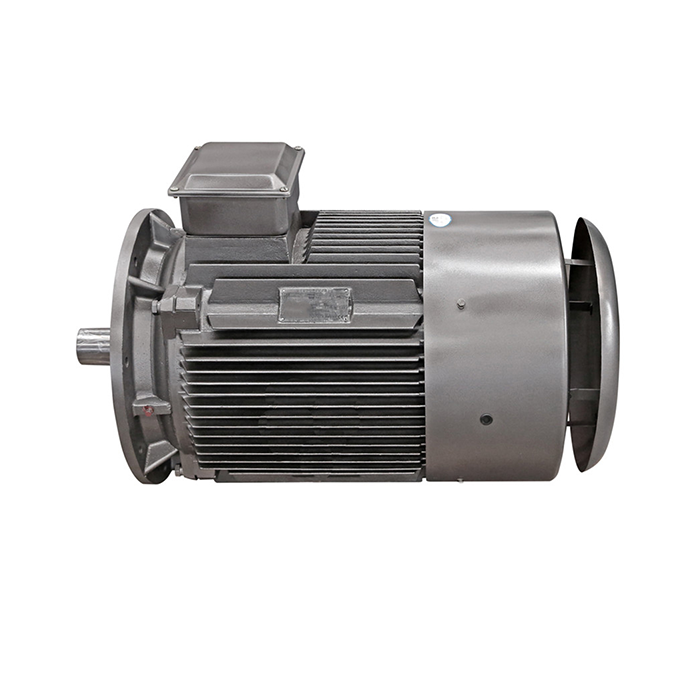
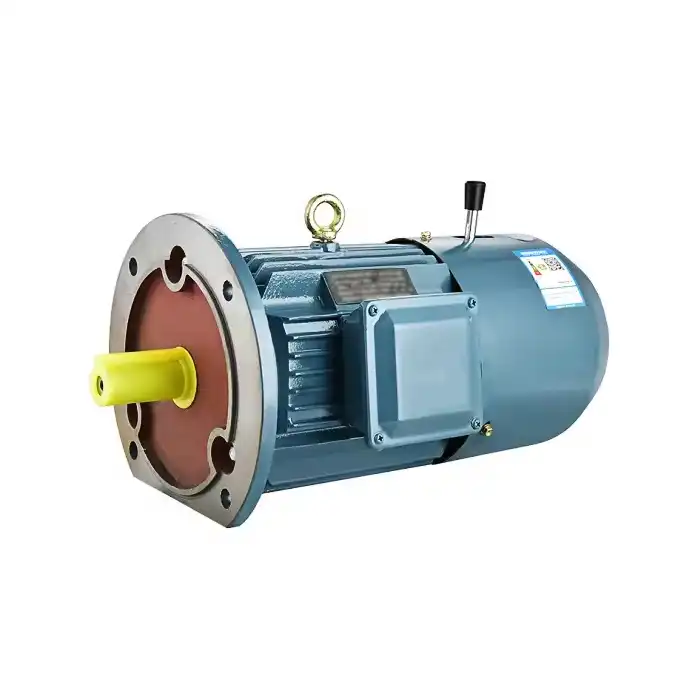
Series:YVFE2
Frequency conversion range:30hz~50hz,5hz~70hz,5hz~100hz
Power range:0.75-355kW
Protection level:IP55
Application:are suitable for driving various mechanical equipment that require continuous and frequent forward and reverse rotation, such as steel rolling, lifting, transportation, machine tools, printing and dyeing, papermaking, chemicals, textiles, pharmaceuticals, etc., and can be used with various domestic and foreign variable frequency power supplies.
Advantage:high efficiency, wide speed range, high precision, stable operation, and easy operation and maintenance.
Certificate:installation dimensions comply with International Electrotechnical Commission (IEC) standards.
Others: SKF, NSK, FAG bearings can be replaced according to customer requirements.
Understanding Vertical and Horizontal Pump Motors
How Vertical Shaft Designs Operate
Vertical pump motors have a shaft that is straight up and down from the ground, and the motor is usually placed on top of the pump unit. Because of this design, the rotor can be buried in the fluid being moved. This makes these units perfect for use in deep wells, sump pumps, and tight spaces. When set up vertically, axial thrust loads are automatically taken care of, and the horizontal area is cut by up to 60% compared to horizontal setups that do the same thing. We have designed vertical water pump motors in our factories that can handle power levels from 0.55kW to 315kW and can work with variable frequency drives that can handle frequencies from 5Hz to 100Hz. This adaptability helps fields like treating garbage and watering crops, where the amount of water pumped and the flow needed change a lot during operating cycles.
Horizontal Motor Configurations and Their Benefits
The shaft of a horizontal pump motor is parallel to the fixing surface. This makes installation and regular upkeep easier. Technicians don't need special lifting gear to get to bearings, seals, and joints, which cuts down on downtime during checks. These motors work best in places with plenty of floor room and where ease of service is important. For example, horizontal designs are often used in chemical processing plants, building HVAC systems, and general industrial pumping stations. The design spreads the weight over a wider base, which makes it more stable while it's working and lessens the vibrations that reach nearby buildings.
Efficiency and Performance Comparison
Energy Consumption Patterns in Real-World Applications
Energy saving has a direct effect on the cost of running your business and the damage it does to the Earth. Field data from municipal water treatment plants shows that vertical water pump motor installations in continuous-duty applications save 8–12% of energy compared to horizontal alternatives. This is mostly because the fluid dynamics are better and there are fewer friction losses in the vertical flow path. Our YVFE2 series motors have high-quality copper windings and precisely balanced blades. They stay as efficient as IE3 standards across their 5-100Hz frequency range. When these motors are controlled by frequency conversion and run at a varying speed, they work reliably whether they're set to 30Hz for low demand or 70Hz for high demand.
When activity is sporadic or there are a lot of start-stop cycles, like in HVAC systems, horizontal motors work best, unlike a vertical water pump motor, which suits continuous vertical applications. Their easy-to-reach design lets you make quick changes to the way they handle heat, and the horizontal shaft position makes it easier to connect them to existing pipe systems without having to make any special structure changes.
Hydraulic Performance and Load Distribution
The long-term dependability is affected by how each type of motor handles hydraulic loads. Vertical shapes easily line up with the direction of the pumping, making a straight path for the fluid that reduces turbulence and pressure loss. This benefit is especially clear in deep wells deeper than 50 meters, where a vertical water pump motor can keep flow rates steady with 15-20% less power input than horizontal systems that need to make a lot of turns and bends. Our vertical motors have thrust bearing systems that can handle axial forces of up to 12000N. This means that they can work steadily even when they are moving thick fluids or dealing with water that is full of solids in mine dewatering applications.
When pushing against high backpressure in process control systems, horizontal motors are better because they spread the load across rotational bearings. This feature is valuable in fields like chemical processing and power production because it lets exact pressure regulation happen without causing too much bearing wear.
Application Suitability: Which Motor Fits Your Facility?
Industrial Automation and Manufacturing Demands
Manufacturing processes in the car, aircraft, and electronics industries need pumping systems that work well with automated control networks. Our motors work with a number of different local and foreign variable frequency power supplies, which lets them sync up with PLCs and SCADA systems. A vertical water pump motor is useful in steel rolling mills, where cooling flows through small sumps on the floor, and in pharmaceutical plants where sterile transfer pumps need to take up as little safe space as possible. The IP55 security level ensures that the device can work in places where it might get dirty particles or be wet sometimes.
In industries like food processing and textile production, where workers need quick access to seals and bearings for cleaning, horizontal layouts are most common for process control. Based on operating data from our client sites, being able to do repairs without draining systems or messing up equipment next to it cuts down on output interruptions by 30 to 40 percent.
HVAC, Refrigeration, and Building Systems
Commercial HVAC systems in places like hospitals, data centers, and office buildings depend on pumps that are both efficient and easy to repair. Installing horizontal motors in mechanical rooms makes it easy for workers to do yearly maintenance, and their low profile makes them fit under raised floors and inside equipment cabinets. For residential HVAC uses, small horizontal designs that connect directly to pump bodies are preferred. This makes pre-assembled units that are easier to install.
When moving glycol solutions through floor trenches or raised cooling towers, refrigeration systems in cold storage buildings and food distribution centers work better with vertical water pump motor setups. The vertical position keeps fluid from building up in the motor case, which lowers the risk of rusting in cold places.
Maintenance, Troubleshooting, and Lifecycle Considerations
Routine Inspection Protocols for Vertical Systems
When taking care of a vertical water pump motor, you need to pay special attention to the parts that are under horizontal stress and could be exposed to fluid. Every 2,000 hours of use, check the thrust bearings for wear patterns that could mean they are out of line or under too much load. Our motors use SKF, NSK, or FAG bearings, which can be replaced based on what the customer wants. These bearings show clear signs of wear before they fail. In sewer and solids-handling applications, shaft seal quality needs to be checked visually once a month. If seals aren't working right, abrasive particles can get into bearing spaces and speed up wear and tear.
When temperatures rise above 155°C, thermal safety systems built into our motor windings shut them down automatically. This keeps catastrophic breakdowns from happening. Keep an eye on these safety events through the building's control systems; frequent thermal trips mean there isn't enough cooling flow, or there are problems with bearing friction that need to be fixed right away. Using handheld vibration meters for regular checks to look for problems shows that they are getting worse—normally, vertical motors should keep their vibration levels below 4.5mm/s RMS.
Horizontal Motor Service Advantages
The biggest benefit of horizontal layouts for maintenance is that they are easier to get to. Inspections of the couplings, lubrication of the bearings, and replacement of seals can be done without using high-lifting equipment. This cuts service time by 50–70% compared to vertical installs that need crane access. This benefit makes motors more available for use, which is especially helpful in places with small repair teams that work different times. Standard mounting options (B3, B5, and B35) make it easier to change motors, and industry-standard measurements make sure that motors from different makers can work together.
It's easy to get to electrical connection boxes and heat monitors when troubleshooting horizontal systems. Technicians check the resistance of the windings, the quality of the insulation, and the phase balance without taking the pump parts apart. This speeds up the diagnostic process during unscheduled outages.
Making the Procurement Decision: What to Consider When Buying
Evaluating Your Facility's Specific Requirements
Instead of depending on nameplate design specs to start the procurement process, write down the real working conditions. If you have a three-dimensional room for installation, make sure you note the height of the ceiling, the weight limit on the floor, and how easy it will be to do upkeep in the future. A vertical water pump motor that takes up only 0.8 square meters of floor space could help with limited room, which would make it expensive to make changes to the building to fit a horizontal unit that needs 2.5 square meters.
Find the total dynamic head by adding up the static lift, friction losses, and the pressure that needs to be applied at the release point. When there is a lot of steady lift, vertical designs work best, while horizontal motors work best when there is a lot of friction in long horizontal runs. Look at your duty cycle—continuous S1 activity vs. occasional use—as this affects how much cooling you need and what size motor you need. Our motors that are rated for constant service have better air flow and temperature margins that keep the windings from wearing out too quickly.
Phase Configuration and Frequency Conversion Needs
Three-phase motors, including the vertical water pump motor, are the most common type used in industry because they are efficient and have a high power density. Our product range supports values from 380V to 660V, and the voltage can be changed to fit your facility's electrical infrastructure. Check to see if adding a variable frequency drive would help your application. Frequency conversion allows for accurate flow control and big energy savings. Our motors can work in frequencies from 5 to 100 Hz and support soft-start techniques that lower the amount of inrush current and mechanical stress during starting. This feature makes your equipment last longer and lowers the demand charges on your electricity bills.
Frequency conversion helps buildings that want to get green approvals and meet energy-saving goals in a way that can be measured. A vertical water pump motor and a variable frequency drive (VFD) that controlled the flow of coolant in a pharmaceutical manufacturing plant cut their annual energy use by 28,000 kWh. This showed an instant return on investment (ROI) through lower running costs.
Price Considerations and Value Assessment
Instead of just power grade, motor prices are based on technical quality, the choice of materials, and the accuracy of the manufacturing process. Instead of just looking at the purchase price, you should also compare the total cost of ownership over the projected service life, which for industrial pumps is usually 10 to 15 years. A motor that costs 20% more but is 5% more efficient pays for itself in 18 to 24 months by saving money on energy costs in continuous-duty uses.
Our strong cast iron frames and high-grade copper windings are technical choices that keep efficiency and extend service life. This is in contrast to cheaper motors that use lighter-duty materials that need to be replaced early. To make sure that a vertical water pump motor provider is telling you the truth about quality, not just making marketing claims, ask for proof of their bearing specs, winding materials, and insulation systems.
Conclusion
When deciding between vertical and horizontal pump motors, you need to carefully consider the space limitations, operational needs, and upkeep skills of your building. In deep well, sump, and continuous-duty applications, a vertical water pump motor saves room and uses less energy. On the other hand, a horizontal design is better for serviceability and installation freedom in process control and HVAC settings. A successful procurement process weighs the original investment against the total costs over the product's lifetime, taking into account things like energy use, ease of upkeep, and the quality of supplier support. We make motors with power ranges from 0.55kW to 315kW, frequency conversion options, and measurements that are IEC-compliant. Our customers include heavy manufacturers and local water systems. The type of motor you choose has a direct effect on how well it works and how much it costs to own over many years.
FAQ
1. What are the main differences between vertical and horizontal pump motors?
The main difference is how the shaft is oriented and how much room it needs. When you place a vertical water pump motor, the shaft is perpendicular to the surface. This makes the horizontal size 50–60% smaller than with a horizontal design. In vertical configurations, thrust bearings handle axial loads, and in horizontal configurations, radial bearings are used. Vertical installations work best in deep wells and tight areas, while horizontal plans make it easier to do upkeep and line up the couplings.
2. Which motor type offers better energy efficiency?
The application itself, not just the direction of the motor, determines how efficiently energy is used. Because they have better fluid flow paths, vertical water pump motor types save 8–12% of energy in high-static-lift, continuous-duty uses. When the load changes often and the speed changes, horizontal motors are just as efficient as vertical motors. If you choose motors that work with variable frequency drives that operate between 5 and 100 Hz, you'll get the most efficiency gains no matter what direction you look at them. In the right cases, possible energy reductions can be over 25%.
3. How do maintenance requirements differ between these motor types?
Horizontal motors are easier to maintain because you don't have to lift anything to check the bearings, change the seals, or connect the couplings. On average, service time is 50–70% shorter than with vertical setups that need entry from above. In buried applications, where the pumped fluid continuously cools the motor, vertical water pump motor types often have fewer wear parts and longer service intervals. The plan for maintenance relies on how many people work in the building, what equipment is available, and when downtime is okay.
Partner with XCMOTOR for Your Vertical Water Pump Motor Needs
Through Shaanxi Qihe Xicheng Electromechanical Equipment Co., Ltd., XCMOTOR provides power equipment options that are designed to work in tough industry settings. Our vertical water pump motor maker can make motors ranging from 0.55kW to 315kW. These motors are protected by IP55, have specs that meet IEC standards, and can work with variable frequency drives that range from 5Hz to 100Hz. We get high-quality SKF, NSK, and FAG bearings that can be replaced according to your needs. This makes sure that city water systems, HVAC setups, and process control applications work at their best. Our motors meet world quality standards and are easy to maintain. They are certified by ISO 9001:2015, have a CE mark, and are in line with GOST. Contact our team at xcmotors@163.com for technical specs, application advice, and procurement support. We offer specialized help, even on weekends, to make sure your facility stays open.
References
1. Karassik, Igor J., et al. Pump Handbook: Fourth Edition. McGraw-Hill Professional, 2008.
2. American National Standards Institute. ANSI/HI 9.6.1-2017: Rotodynamic Pumps Guideline for NPSH Margin. Hydraulic Institute, 2017.
3. International Electrotechnical Commission. IEC 60034-30-1:2014 Rotating Electrical Machines - Part 30-1: Efficiency Classes of Line Operated AC Motors. IEC Standards, 2014.
4. Europump and Hydraulic Institute. Variable Speed Pumping: A Guide to Successful Applications. Elsevier Advanced Technology, 2004.
5. McNally Institute. Pump Maintenance and Reliability: A Practical Guide to Optimizing Equipment Performance. Industrial Press Inc., 2015.
6. U.S. Department of Energy. Improving Pumping System Performance: A Sourcebook for Industry. Office of Energy Efficiency and Renewable Energy, 2006.