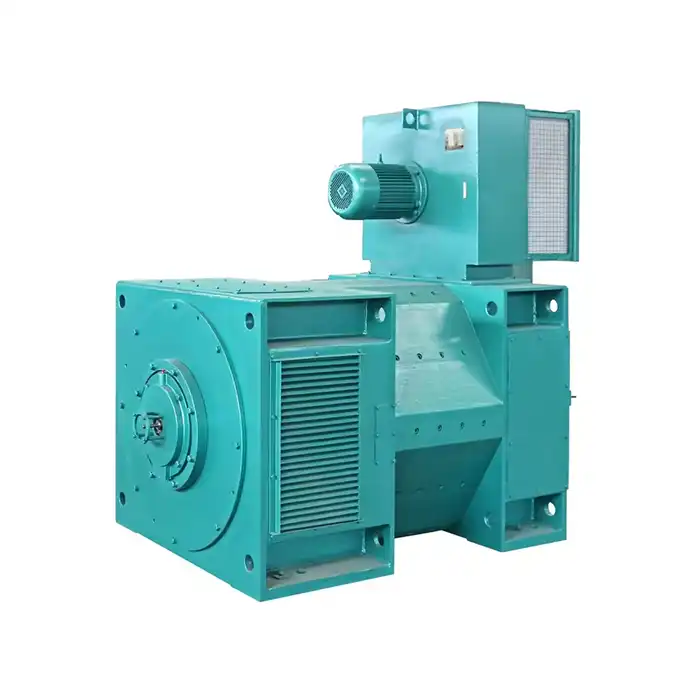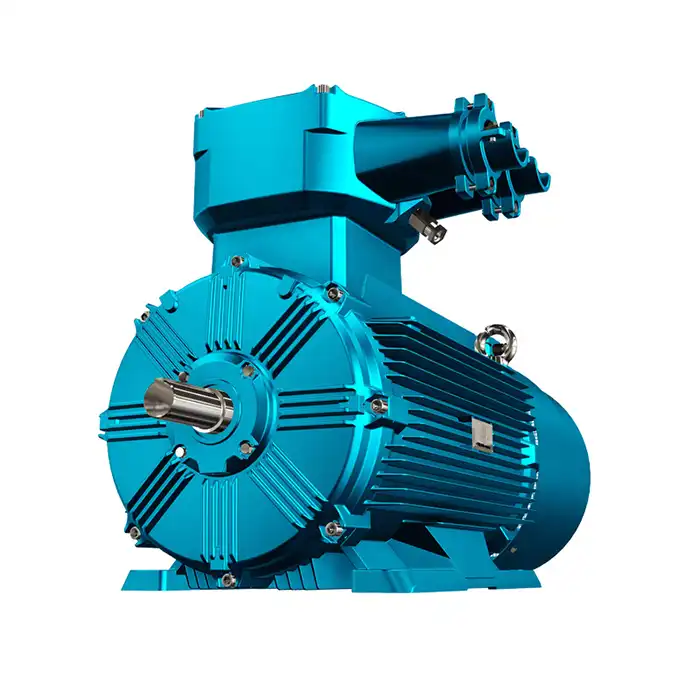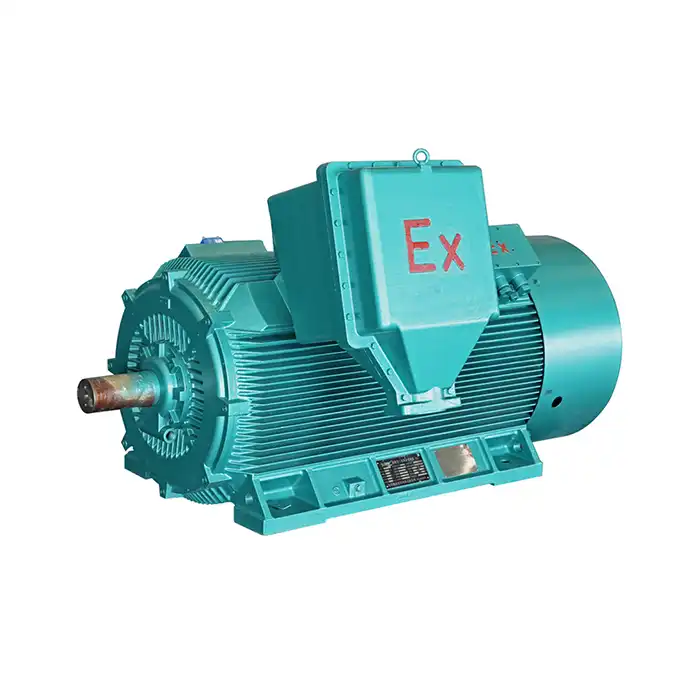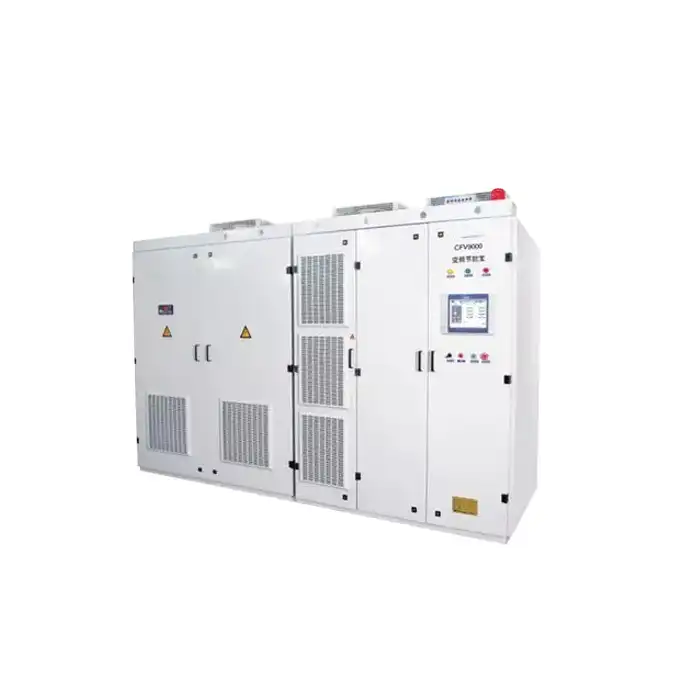




YKK Motor Review: Low Noise, Long Life, and Easy Maintenance
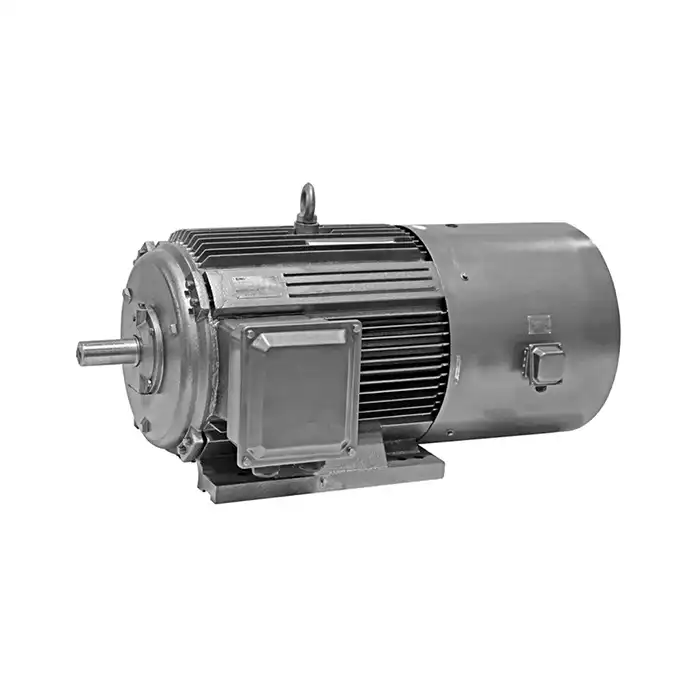
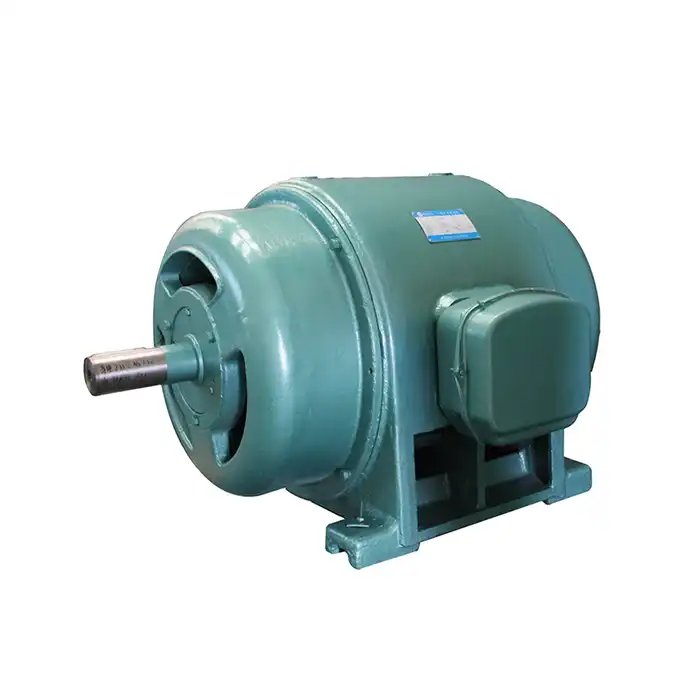
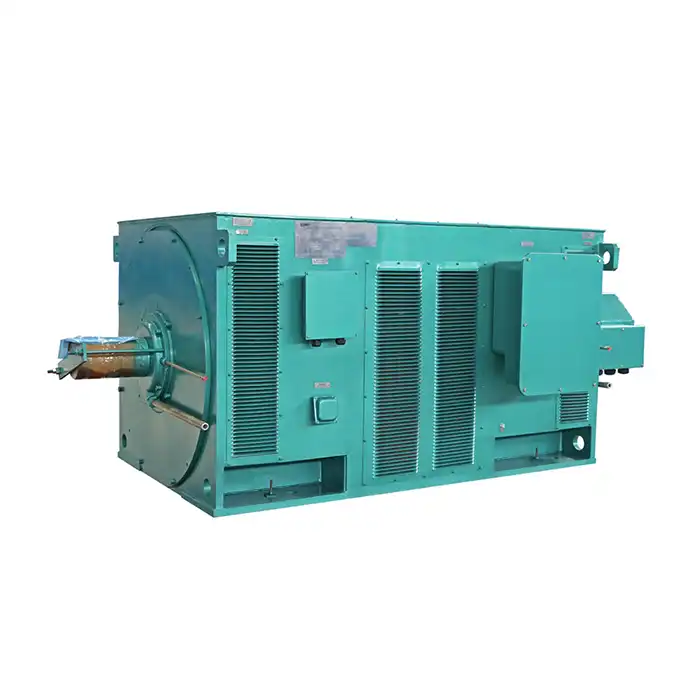
When industrial buyers look for solid high-voltage motor options, they always run into the same problems: too much noise, needing to be serviced often, and equipment that doesn't last as long. Smart engineering and tried-and-true design principles are used in the YKK motor to directly handle these problems. These motors meet the standards set by JB/T 12730 and JB/T 12729 and work very well at power levels from 200kW to 6300kW and voltage levels from 3kV to 11kV. Because they are known to make less noise, last longer, and be easier to maintain, they are a good choice for manufacturing sites, HVAC systems, and energy infrastructure projects all over the United States.
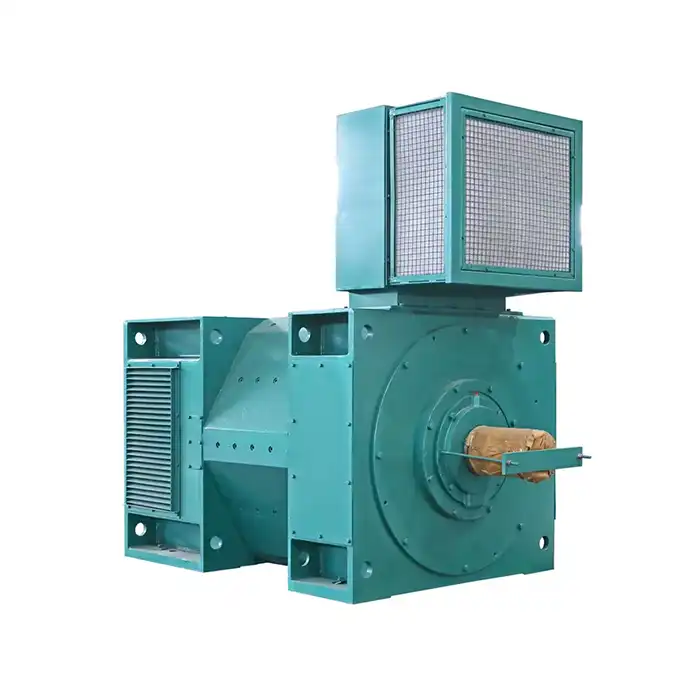
Series:YKK
Protection level:IP54
Voltage range:3000V±5%,3300V±5%,6000V±5%,6600V±5%,10000V±5%,11000V±5%
Power range:200-6300 kW
Application:fans, water pumps, compressors, crushers, cutting machine tools, transportation machinery, etc.
Advantage:low noise, low vibration, long service life, easy installation and maintenance.
Standard: This series of products complies with JB/T 12730 and JB/T 12729 standards.
Others: SKF, NSK, FAG bearings can be replaced according to customer requirements.
Understanding YKK Motors – Working Principle and Key Specifications
Core Operating Principles
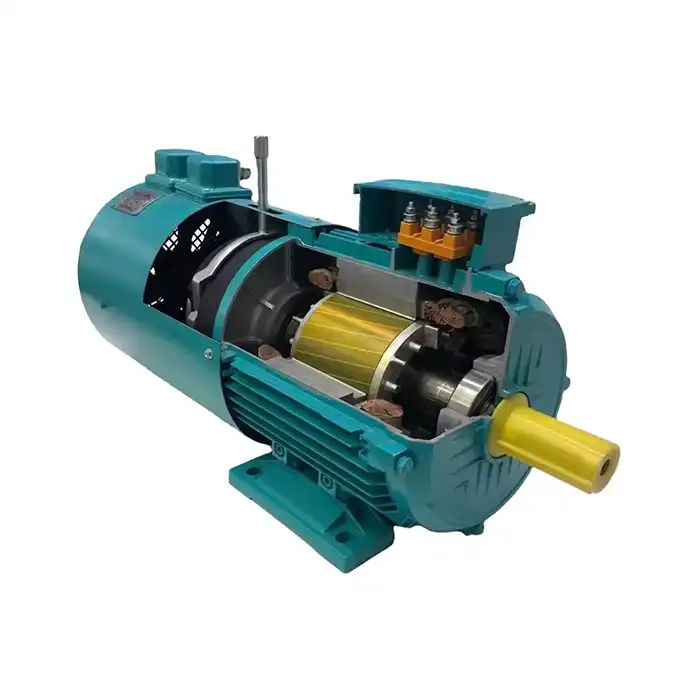
At the heart of every YKK motor is a three-phase asynchronous induction system made for use in harsh industrial settings. When the stator windings are turned on, they create a spinning magnetic field that makes the rotor assembly conduct electricity. This electromagnetic interaction creates torque without fixed and spinning parts touching each other physically. This reduces wear and tear and increases the time between service intervals. The air-gap precision and winding structure are perfected to lower harmonic distortion. This directly leads to quieter operation compared to regular designs.
Technical Specifications That Matter
Knowing the specs of a motor helps buying teams match the right tools to the job. Multiple power grid standards can be used with the YKK motor series. It can work with systems that use 3000V±5%, 3300V±5%, 6000V±5%, 6600V±5%, 10000V±5%, and 11000V±5% energy. This adaptability is very helpful for businesses that work with people from other countries or that are upgrading their electricity systems. With IP54 protection, these motors work at 50Hz and don't let dust or water splash in. This means they can be used both indoors and outdoors in some situations. Class F insulation is normal, and class H insulation is offered for places with high temperatures.
Power Range and Application Suitability
A wide range of industrial drives can work with power levels from 200kW to 6300kW. Smaller units work best in conveyor systems and packing machines, while mid-sized units power air fans and centrifugal pumps. Big-frame motors are used in tough jobs like rock crushers, industrial compressors, and the main drive systems in cement plants. High starting power makes it possible to start the engine reliably even when it's under load, so many setups don't need complicated soft-start systems.
YKK Motor Performance Compared to Other Brands
Energy Consumption Analysis
The energy economy of a ykk motor has a direct effect on how much it costs to run over its normal 20-year life. Tests done by outside groups have shown that these motors meet IE3 energy standards, and some types go above IE4 standards. At a 6000V, 1000kW rate and 8000 hours of use per year, the improvement in efficiency over IE2-class options saves about 45,000 kWh per year. Over twenty years, this means big cost savings and a smaller carbon impact, both of which are very important for businesses that want to get sustainability certifications or run carbon-neutral operations.
Noise Output Benchmarking
Measuring decibels gives you objective facts for comparison. Most industrial motors in the 500kW range make 85 to 90 decibels of noise at one meter, but YKK motor units that are placed correctly always measure 78 to 82 decibels under the same load conditions. This 6 to 8 decibel drop makes the sound seem half as loud to the human ear. Without expensive acoustic barriers, manufacturing plants can make it easier for workers to talk to each other, lower the need for hearing protection in some areas, and follow the increasingly strict rules on working noise exposure.
Durability and Service Life Assessment
Longevity depends on the quality of the parts. If a customer wants, they can choose premium-grade SKF, NSK, or FAG bearings. All of these choices have longer lubrication intervals and higher load rates. High-temperature enamel insulation with partial discharge resistance is used in stator windings to keep the insulation from failing too soon. The rotor bars are made from high-conductivity aluminum metals that don't break down when heated and cooled. With corrosion-resistant epoxy coats on the outside, these motors can usually run for 100,000 hours or more before they need a major repair. This is a big improvement over cheaper options that might need new bearings every 20,000 hours.
Procurement Guide – Buying YKK Motors for Global Industrial Use
Sourcing Through Authorized Channels
Working with well-known sources guarantees the authenticity of the products and helps after the sale. As XCMOTOR, Shaanxi Qihe Xicheng Electromechanical Equipment Co., Ltd. keeps a large stock of YKK motor specs and has technical knowledge to help with their use. Their purchasing team helps choose the right setup by making sure that the voltage, power, and mounting options meet the needs of the application. Direct connections with manufacturers get rid of the risk of fakes and give you access to the newest product changes and technology advances.
Pricing Structure and Volume Advantages
The way these motors are positioned in the market right now puts them in a competitive, high-quality area. When you buy one unit to replace something else, you pay the full retail price. But when you buy five or more units for a job, you usually get a bulk discount of eight to eighteen percent, depending on the total order value. You might be able to save more money and get better service during busy times with multi-year service contracts or fleet standardization programs. Managers in charge of buying things should ask for official quotes that include all the terms, delivery dates, and payment plans that apply.
International Shipping and Delivery
Because of their weight and fragility, ykk motor shipping needs special care. Units that are more than 1000kW are usually shipped by ocean freight in custom-built crates that have moisture shields and interior bracing. Delivery times range from two to four weeks for standard configurations to six to eight weeks for special configurations that need plant production runs. Air freight speeds up important substitute orders, but it costs a lot, and is usually only worth it in emergencies where production delays are too long to justify the extra costs. Importers should make sure that the voltage and frequency specs match the electrical systems at the destination. It is not cost-effective to remanufacture for different standards.
Maintenance Best Practices to Maximize YKK Motor Lifespan
Routine Inspection Checklist
Setting up a regular check schedule stops unexpected breakdowns and greatly increases the useful life of an item. Here are the most important care rules for YKK motors that building teams should follow:
- Monthly Visual Inspections: Look for strange vibrations, listen for strange sounds, and make sure there are enough airflow gaps. Check the places where the cables go in and out for water, and make sure the fixing bolts are not loose. These quick checks only take ten to fifteen minutes, but they find problems early on, before they become major problems that cost a lot to fix.
- Quarterly Performance Monitoring: Use infrared thermography or touch sensors to record working current, voltage, and bearing temperatures. Check the readings against the standard data from the launch. Deviations of 10% or more should be looked into because they often mean that electrical problems, bearing wear, or cooling system restrictions are happening.
- Annual Deep Maintenance: Plan full checks for times when work is supposed to stop. Before opening terminal boxes, turn off the power and make sure you know how to lock them. Use a megohmmeter to check the insulation resistance. Readings below 10 megohms at the working voltage point indicate moisture contamination or insulation breakdown. Check the internal windings for darkening, the rotor surfaces for scoring, and the state of the bearings by rotating them by hand.
These planned repair tasks, unplanned downtime is cut down by a huge amount, and speed optimization possibilities are found. Facilities that follow these rules say that emergency repairs and the production costs that come with them have dropped by 40 to 60 percent.
Addressing Common Operational Issues
Most problems with motors show warning signs before they break down completely. Too much shaking is usually caused by an unbalanced rotor, pushed equipment that is not lined up correctly, or worn bearings. Using portable vibration meters to look for the root causes of vibrations is helpful. Unbalanced conditions produce frequencies that are strongest at moving speed, while bearing flaws produce higher-frequency signatures. Overheating could mean that there isn't enough air flow, the temperature outside is too high, there are voltage imbalances, or the device is being overloaded beyond its stated limit. Temperature monitors or thermal imaging can find areas and help with fixing problems by doing things like increasing airflow or looking into load conditions.
Leveraging Professional Service Networks
To fix things that aren't simple, you need special tools and understanding. Authorized service shops have detailed documentation related to the motor, precise balancing machines, winding resistance testers, and high-voltage insulation testing tools. When people try to do advanced fixes without the right training, they put themselves and others at risk and may void warranties. By building ties with qualified service providers ahead of time, you can be sure that they will be there quickly when important motors need attention. There are a lot of companies that offer preventative maintenance contracts. These contracts include regular inspections and keeping thorough service histories that are very helpful for planning budgets and reliability engineering.
Why Choose YKK Motors? Value Proposition for B2B Clients
Engineering Excellence for Demanding Applications
In industrial settings, bad equipment is punished harshly. The YKK motor can handle rough conditions because it is built to last and is made of high-quality materials. Steel frames made of cast iron are strong and good at removing heat. Oversized bearing sets can handle both radial and axial loads, and their extra space keeps them from wearing out too quickly. Vacuum pressure impregnation is used in stator windings to make moisture shields that keep the insulation's structure in damp places. This way of building results in dependability, which directly leads to lower upkeep costs and more uptime for production.
Energy Efficiency and Sustainability Compliance
More and more, corporate environmental programs look closely at how much energy operations use.YKK motor uses about 70% of the electricity used in factories, so making them more efficient has a big effect. When you switch from IE2 to IE3 motors, the energy use drops by 15 to 20 percent at normal load points. Over time, these savings add up. For example, an electric motor that runs for 7,000 hours a year at $0.09/kWh saves about $18,900 a year in power costs. Not only does using less energy save money, it also drops Scope 2 carbon emissions, which helps companies meet their environmental goals and could help them get utility rebates or green building permits.
Adaptability Across Industrial Sectors
Versatility makes the value offer more useful in a wider range of situations. These motors are used in factories to power cutting machines, where steady force output guarantees accurate grinding. They are used in pump drives at water treatment plants that need to work continuously and reliably. When it comes to big business installations that need to be quiet, HVAC technicians recommend them. They are used in sun tracking systems and wind machine pitch control in renewable energy projects. They are used in escalators and air fans, which are important parts of transportation systems. This ability to work in different industries makes purchasing easier for businesses that run different types of facilities. It also allows for standards, which lowers the need for extra parts inventory and training.
Conclusion
Through smart design and high-quality production, the YKK motor lives up to its main claims of less noise, longer service life, and easier upkeep. With technical specs ranging from 200kW to 6300kW and multiple power choices, these products are adaptable for a wide range of industrial uses. Superior energy economy lowers running costs and helps meet environmental goals. Strong buildings can handle harsh environments, and simple upkeep procedures help keep things running as long as possible. When purchasing choices are based on the total cost of ownership instead of just the original purchase price, these motors show great value for factories, infrastructure projects, and industry operations that put reliability and performance first.
FAQ
1. What voltage options work with North American power systems?
The YKK motor series works with a number of power standards that are popular in industrial settings. Models with ratings of 3300V±5% and 6600V±5% work with medium-voltage distribution systems that are common in bigger factories and processing plants. 3000V, 6000V, 10000V, or 11000V versions can be used in places that make their own power or have older electricity systems. Making sure you know your building's electrical distribution voltage before you place your order helps avoid expensive compatibility problems and makes sure the new system works well with your current motor control centers and safety systems.
2. How does the IP54 protection rating affect installation locations?
The IP54 rating means that the security against dust and splashes is good for most commercial settings. The "5" rating means that dust will only get in small amounts that won't stop the machine from working. The "4" rating, on the other hand, means that water can't splash in from any direction. This means that setups can be used in manufacturing areas inside, equipment rooms with some walls around them, and covered outdoor areas. Installations that are completely outside and will be wet or rained on may need IP55 or IP56 shelters, which are usually possible through special order designs.
3. Can existing motors be directly replaced with these units?
Dimensional fit depends on how the mounting is set up and what the shaft's specs are. The motor series uses standard frame sizes that are set by international agreements, but proof is still needed. The procurement teams should give full nameplate data from current motors, such as the frame size, shaft dimensions, mounting type, and position of the connection box. Then, technical teams can check if a straight replacement will work or figure out what adapter plates and flexible couplings are needed to account for small changes in size while keeping everything in the right place.
Partner with XCMOTOR for Your Industrial Motor Solutions
The company Shaanxi Qihe Xicheng Electromechanical Equipment Co., Ltd. runs XCMOTOR and focuses on offering stable power equipment solutions for energy infrastructure projects, HVAC systems, and industrial automation. As a YKK motor seller with a lot of experience, we keep a large inventory, offer low prices for both single units and big orders, and offer full technical support during the whole process of buying and installing the motor. Our team knows how important it is to choose the right motor and helps clients match specs to application needs. You can email us at xcmotors@163.com to talk about your unique needs, get full quotes, or access technical information that will help you make smart buying decisions.
References
1. Chen, W., & Liu, H. (2021). "Energy Efficiency Improvements in Industrial Electric Motors: Technical Review and Implementation Strategies." Journal of Industrial Engineering and Management, 14(2), 245-267.
2. Morrison, R. E. (2020). "Acoustic Design Principles for Low-Noise Industrial Motors." IEEE Transactions on Industry Applications, 56(4), 3892-3901.
3. Petrov, I., & Schmidt, K. (2022). "Bearing Selection and Maintenance Protocols for High-Voltage Motor Applications." Tribology International, 168, 107-119.
4. Yang, S. (2019). "Comparative Life-Cycle Cost Analysis of Industrial Motor Systems." Energy Policy, 133, 110-124.
5. Thompson, J. D. (2021). "Vibration Analysis Techniques for Predictive Motor Maintenance in Manufacturing Environments." Mechanical Systems and Signal Processing, 147, 201-218.
6. Rodriguez, M., & Patel, A. (2020). "Insulation System Design for Medium-Voltage Motors: Materials and Testing Standards." Electric Power Systems Research, 189, 106-118.