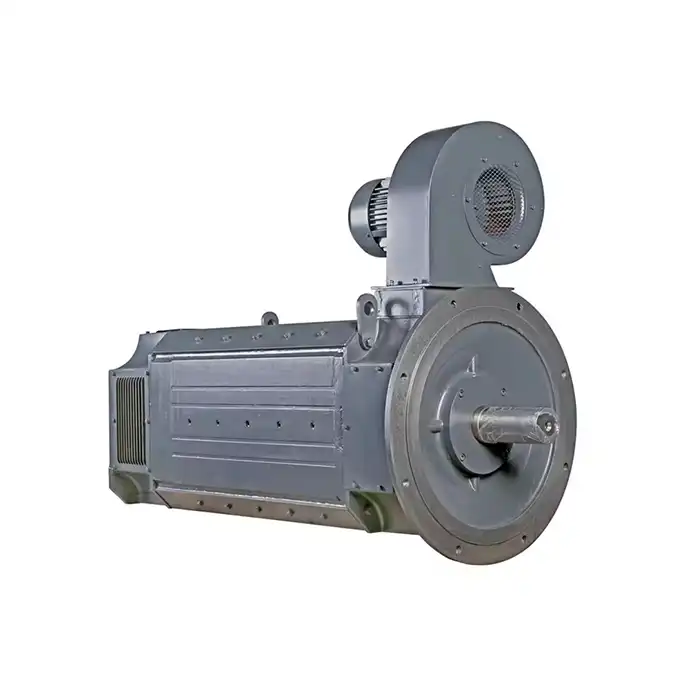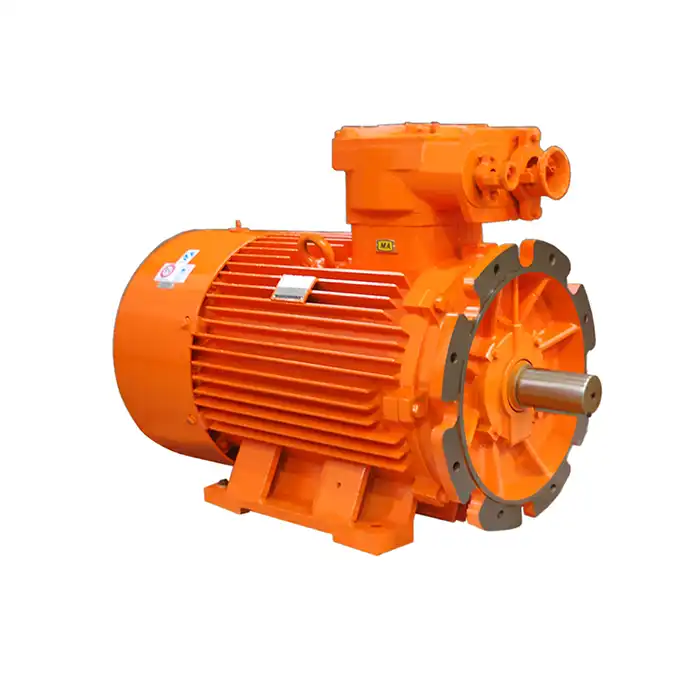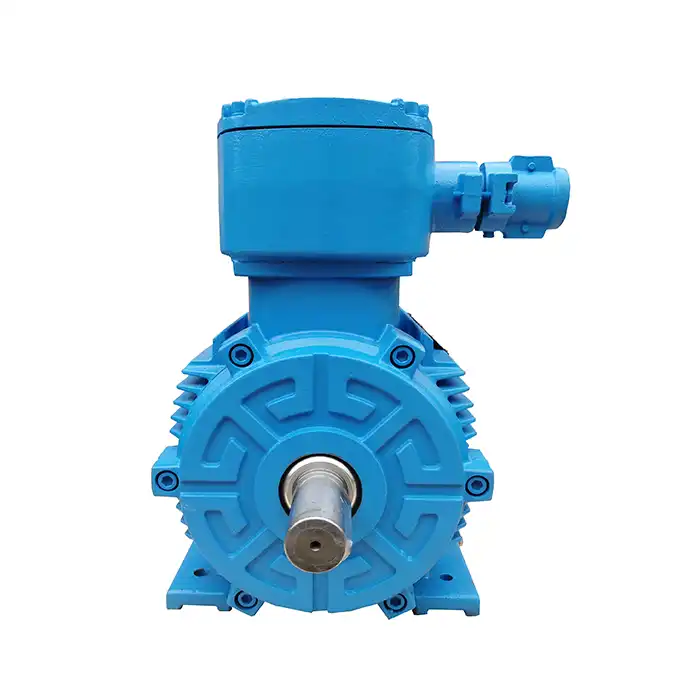




Using 3.3kV Motors in Power Generation Plants
Choosing the right medium-voltage equipment is a key part of making sure that power plants work well and produce power reliably. It is best to use a 3.3 kV motor to power important machines like boiler feed pumps, moving water pumps, induced draft fans, and forced draft fans. When loaded with heavy loads, these medium-voltage machines keep their torque constant and work well with current power plant systems. Knowing what they are made of, how they work, and how to buy them helps people make smart investments and keep generation cycles running smoothly.
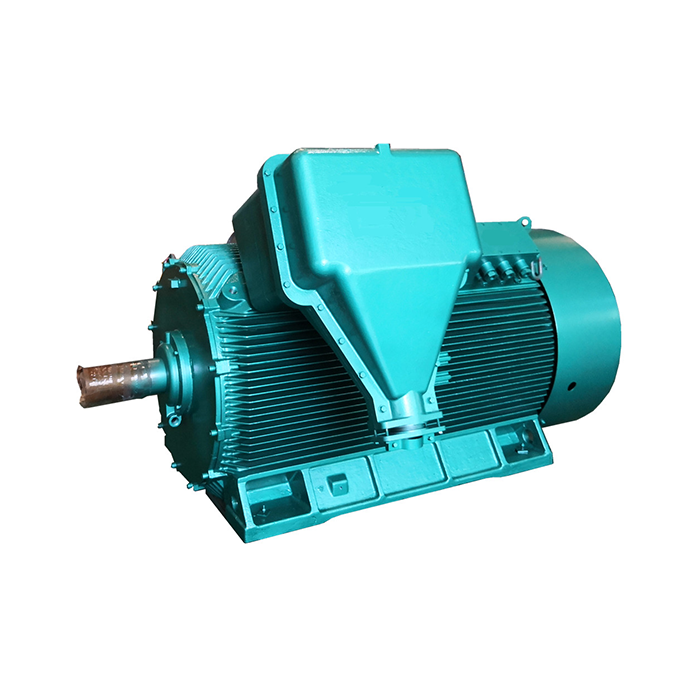
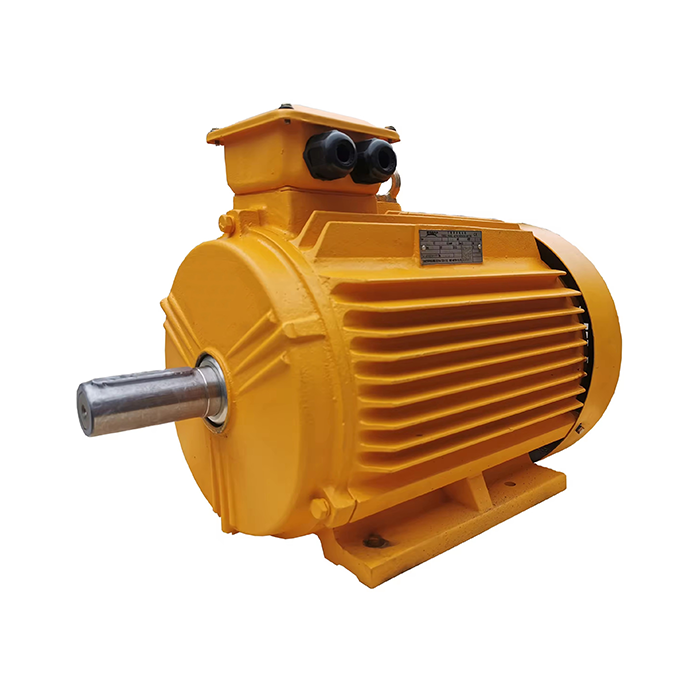
Series:Y2
Protection level:IP54
Voltage range:3000V±5%,3300V±5%,6000V±5%,6600V±5%,10000V±5%,11000V±5%
Power range:160-1600 kW
Application:fans, water pumps, compressors, crushers, cutting machine tools, transportation machinery, etc.
Advantage:compact structure, light weight, low noise, small vibration, long service life, easy installation and maintenance.
Standard: This series of products complies withJB/T10444-2004 standards.
Others: SKF, NSK, FAG bearings can be replaced according to customer requirements.
Understanding 3.3 kV Motors in Power Generation Applications
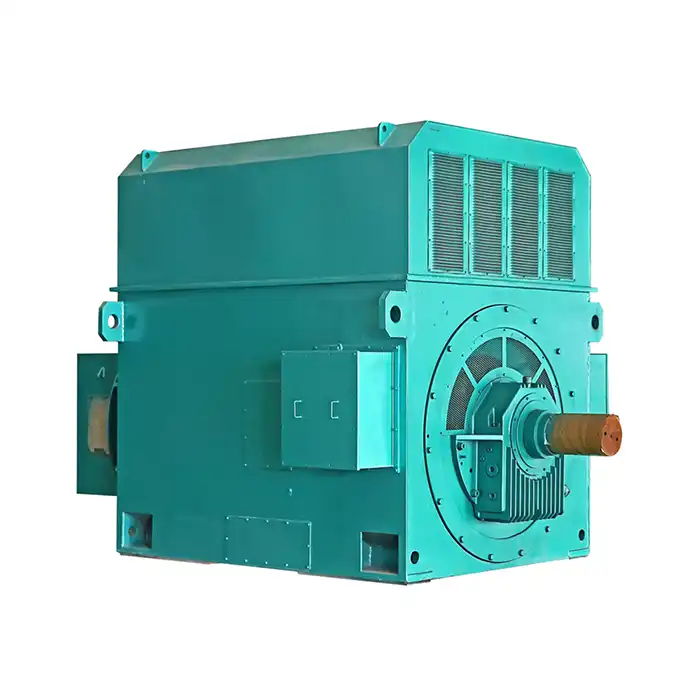
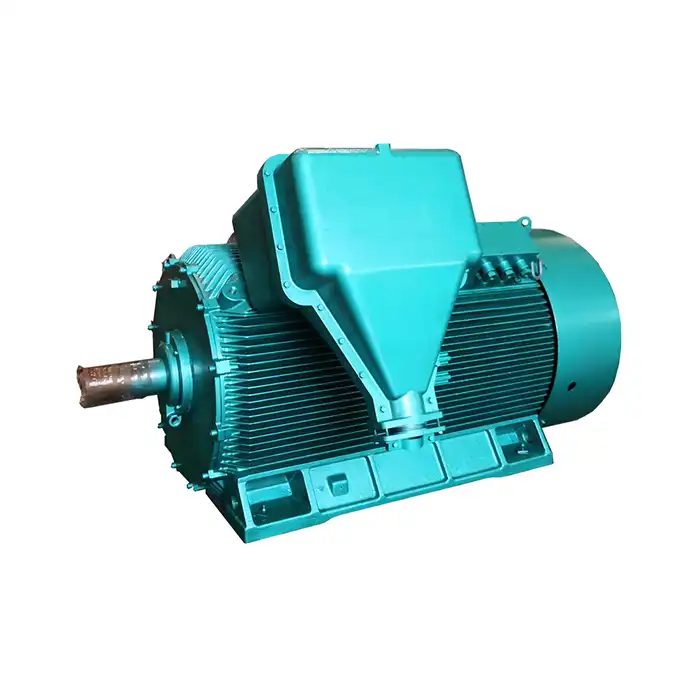
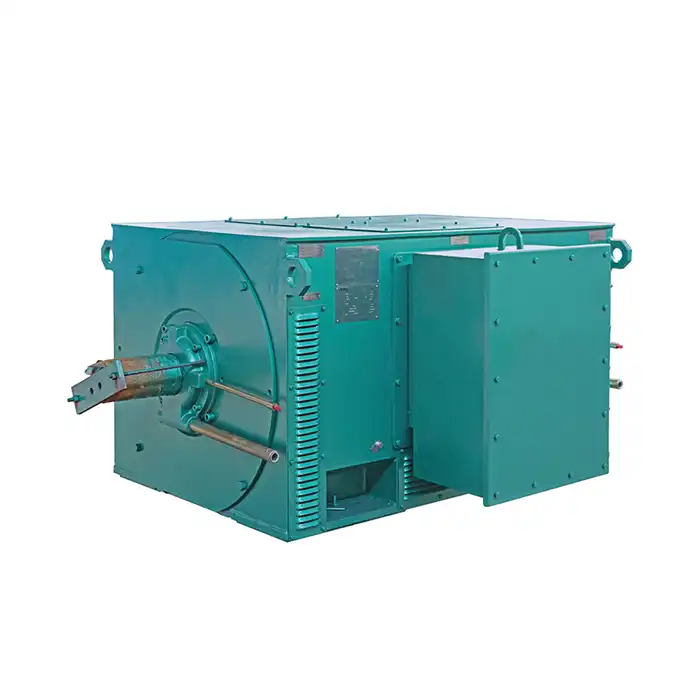
Motors with a medium voltage of between 3,000V and 11,000V are reliable workhorses in thermal, hydropower, and green energy plants. There are other voltages that are similar to 3,300V±5% that can also be used as "3.3 kV motors," such as 3,000V±5%, 6,000V±5%, 6,600V±5%, 10,000V±5%, and 11,000V±5%. These motors can handle power levels from 160 kW to 1,600 kW and speeds from 500 RPM to 3,000 RPM to handle a wide range of loads.
Core Technical Characteristics
There are real benefits to working at middle power. If you compare a 3.3 kV motor to low-voltage options rated at 400V or 690V, it draws less current for the same amount of power. This lowers wire cross-sections and connection losses. This voltage class works well when there are several hundred meters between the switchboard and the driven equipment. This makes it perfect for power plants with large plans. Insulation systems that meet Class F or Class H standards can handle the heat, moisture, and chemicals that are typical in boiler rooms and turbine halls.
Induction Versus Synchronous Configurations
Induction motors are used in most setups because they are easy to set up and don't need much upkeep. Their squirrel-cage rotors can handle many starts and changes in load without any slip rings or brushes. On the other hand, synchronous motors allow for fine speed control and power factor adjustment. When reactive power compensation is important, synchronous systems that run at a leading power factor of 0.8 lower grid fines and keep voltage profiles stable. Which of these options to use depends on the type of load, the cost of utilities, and the equipment that is already in place at the plant.
Compliance and Standards
Quality control and compatibility are based on manufacturing norms. Products that meet the standards set by JB/T10444-2004 are legal in China. Many foreign buyers also look at the IEC 60034 series for information on limits for size, efficiency levels, and thermal performance. It is possible for a 3.3 kV motor made to these standards to work with variable frequency drives, digital safety relays, and distributed control systems. This makes it easier to integrate into more complex plant automation systems.
Comparing 3.3 kV Motors with Other Voltage Classes for Power Generation
The choice of voltage has a direct effect on the cost of capital, the cost of operations, and the time between upkeep. Knowing the trade-offs in performance between voltage classes helps you make better choices about what to buy.
Low-Voltage Alternatives
Motors with a rating of 0.66 kV or less are usually used for extras like oil pumps, small fans, and elevators. Projects that want to stay within their budgets like their lower capital costs and easier security plans. But as power levels go above 500 kW, currents get much bigger, which means that wires need to be thicker, switchgear needs to be bigger, and thermal control needs to be stronger. When compared to a 0.66 kV counterpart, a 3.3 kV motor carries about one-fifth as much current, which reduces wire weight and I2R losses by over 95%.
Higher Voltage Options
For megawatt-scale uses, plant builders sometimes look at 6.6 kV or 11 kV equipment. These higher voltage motors lower current levels even more, which makes it possible for cables to run longer distances and makes protecting feeders easier. But they need special protection systems, trained workers to handle them safely, and more expensive equipment. Medium-voltage rates, like 3,300V, are a good compromise because they offer big improvements in efficiency without the extra complexity that comes with extra-high-voltage systems.
Efficiency and Cost-Effectiveness
The amount of energy a machine uses over its 20-year life is often ten times its buying price. There are real savings to be had when you choose a 3.3 kV motor with high efficiency rates. Efficiency gains of 1% to 3% compared to standard designs are made possible by optimised magnetic circuits, less copper loss, and precise air-gap control. A 2% efficiency gain saves about 160,000 kWh per year, which is the same as saving tens of thousands of dollars on power costs for a 1,000 kW unit that runs for 8,000 hours a year. Over twenty years, these saves make it worth it to spend more up front on good tools.
Maintenance and Troubleshooting of 3.3 kV Motors in Power Generation
Regular maintenance is key to keeping things running smoothly. Finding early warning signs stops major failures before they happen and increases the life of a system.
Common Operational Issues
Overheating is still a common problem. Root reasons can be clogged cooling air vents, worn-out bearing grease, or a three-phase supply that isn't balanced. Thermal image scans find hot spots before the insulation starts to break down. Moisture getting into the insulation, chemicals getting into it, or repeated voltage changes are common causes of insulation breakdown. Testing insulation resistance on a regular basis with megohm meters shows that it is decreasing, which means that rewinding or drying processes need to be done on time.
Vibration-related problems show that there are mechanical flaws, misaligned motor and driven equipment, or worn bearings. Vibration signals are given by accelerometers that are placed on bearing housings. When readings differ from the standard, maintenance actions are taken. A 3.3 kV motor with an IP54 security level can handle some dust and water getting in, so it's good for places inside with controlled air flow. Upgrading to IP55 protection makes them more durable in dusty or wet places.
Preventive Maintenance Strategies
When to lubricate bearings depends on the type of bearing and how fast it is being used. Manufacturers suggest that you grease SKF, NSK, and FAG bearings, which are frequently used in these motors. Too much lubrication leads to spinning losses and too much heat, while too little oil speeds up wear. Automated lubrication systems give the right amount of oil at the right time, which cuts down on mistakes made by hand.
During yearly shutdowns, conductive dust and carbon layers are removed by cleaning the stator windings and rotor parts. Combining compressed air blowing with liquid wiping can fix insulating problems. Online condition tracking devices that check phase currents, winding temperatures, and vibration amplitudes make it possible to plan ahead for repair. Platforms for data analytics find trends of speed degradation and plan fixes before they go wrong without warning. These preventative steps cut down on downtime and, in well-run plants, make motors last longer than 30 years.
Safety and Regulatory Compliance
Tough safety rules must be followed when working with medium-voltage tools. Lockout-tagout measures keep power from being turned on by mistake during maintenance. Personal protective equipment is needed based on arc-flash danger estimates. Regular high-potential testing checks the strength of the insulation and makes sure it meets NFPA 70E and IEC 61439 standards. People and things are kept safe with thermal overload relays, differential protection methods, and ground fault tracking. Following these steps helps plants stay in line with regulations and saves their investments.
Procurement Considerations for 3.3 kV Motors in Power Generation Plants
Picking a good provider affects both the time it takes to finish a job and its dependability in the long run. Procurement teams look at more than just the original price.
Key Decision Factors
Total cost of ownership is based on how reliable a product is. People are more likely to trust a supplier who gives them written data on the mean time between failures (MTBF), rapid life test results, and field failure figures. There are a lot of different warranty terms, but most of them last for 12 months from the date of arrival or installation, whichever comes first. Longer warranties, 24 or 36 months, lower financial risk during the launching phase, when baby mortality rates are highest.
Evaluating Technical Capabilities
Customisation options meet the needs of each application. Standard motor frames can be changed to fit different setups by changing the mounting arrangements, shaft extensions, terminal box positions, or cooling configurations. Value-added solutions are offered by suppliers who offer encoder input choices, space heaters, thermistor embedment, and special coatings. Quality technical paperwork, such as dimensioned drawings, connection diagrams, and test certificates, makes it easier to start up the system and plan for future upkeep.
Managing Procurement Cycles
Supply chain breakdowns are less likely to happen when orders are spread out among several providers. With dual buying methods, you get the best of both worlds: low costs and extra options. Framework deals that set prices, shipping times, and technology requirements make it easier to make repeat purchases. Digital platforms for buying things that include catalogues of suppliers, real-time view of goods, and automatic quote comparisons help people make decisions faster while keeping audit trails.
Optimizing Performance of 3.3 kV Motors in Power Generation Plants
Getting the most out of investments in medium-voltage motors needs ongoing performance control.
Identifying Performance Bottlenecks
Baseline success measures give us a place to start. During testing, keeping track of the no-load current, power factor, starting speed, and temperature rise gives you a way to compare things. Regular efficiency checks compare the amount of power that goes into a machine to how much it produces. This shows where losses happen because of things like friction, windage, or electricity flaws. When a motor and load don't match up, like when a large motor runs at half load, power factor and efficiency go down. These fines are taken away by correctly fitting equipment during retrofits.
Energy-Saving Technologies
Variable frequency drives (VFDs) make motors work better when the load changes. In uses like centrifugal pumps and fans, adjusting speed and power to match process needs can cut energy use by 20% to 50%. Inrush currents are limited by soft starts during start-up. This reduces mechanical stress and increases the life of the equipment. Using low-loss electrical steel, optimised slot shapes, and high-conductivity copper windings in energy-efficient designs that improve performance even more. When these traits are added to a 3.3 kV motor, it runs cooler, uses less reactive power, and has measured environmental benefits.
Smart Monitoring Systems
IoT-enabled devices measure temperature, sound, current, and voltage in real time. Edge computing devices look at sensor streams and find strange things like signs of bearing wear, hotspots in the insulation, or changes in the supply voltage. Cloud-based analytics systems combine data from many motors to find fleet-wide trends and decide which repair resources to use first. Predictive maintenance programs figure out how much longer something will work, so parts can be replaced before they break. These solutions raise availability rates above 98% and cut upkeep costs by 25% to 30%.
Future-Proofing Investments
New rules put more emphasis on reducing carbon emissions and the cycle economy. Motors that are easy to take apart, recyclable, and compatible with remanufacturing are in line with changing environmental standards. Digital twins, which are virtual copies that simulate how motors will behave in different working conditions, help with both design optimisation and operational planning. Keeping up with changes in permanent magnet materials, superconducting windings, and additive production methods helps buying teams use new technologies as they become available.
Conclusion
When putting medium-voltage equipment into power plants, technical specs, working needs, and the supplier's skills need to be carefully thought through. For steady performance in pumps, fans, compressors, and other important machinery, a 3.3 kV motor is better than low-voltage options in terms of economy. Structured repair plans, smart purchasing decisions, and efforts to improve performance all help to get the best return on investment. In competitive energy markets, companies that regularly check voltage classes, put quality of suppliers first, and use predictive repair technologies set themselves up for long-term operating excellence.
FAQ
1.What distinguishes a 3.3 kV motor from lower voltage equipment?
Medium-voltage motors that run at 3,300V have much smaller currents than 400V or 690V motors that do the same amount of work. This cuts down on the size of the conductors, lowers the amount of resistance lost, and lets cables run farther without affecting the voltage. They work well in large-scale industrial settings where power density and efficiency are important.
2.How do maintenance practices extend motor lifespan?
Regular lubrication keeps bearings from breaking down, and checking the insulation for moisture intrusion stops breaks before they happen. Mechanical flaws can be found early on with vibration research. Conductive toxins are removed by regular cleaning. When these practices are joined with online condition tracking, the life of an operation is extended beyond 30 years.
3.What criteria matter when selecting motor suppliers?
Check how reliable a product is by looking at its recorded failure rates, guarantee coverage that lasts between 12 and 36 months, and after-sales help that includes field service and spare parts availability. Options for technical customisation and production certifications like ISO 9001 show that the provider is mature and dedicated to quality.
Contact XCMOTOR for Reliable Medium-Voltage Motor Solutions
XCMOTOR specialises in providing power equipment options that are specifically made for harsh industrial settings. Our medium-voltage motor line, which includes 3.3 kV motor models, has power ratings ranging from 160 kW to 1,600 kW, making them suitable for fans, water pumps, compressors, breakers and cutting machines. Our motors are easy to install and require less upkeep because they are small, light, make little noise, and have low vibration rates.
We make machines that meet the standards set by JB/T10444-2004 and use high-quality SKF, NSK, or FAG bearings, depending on what the customer wants. IP54 protection ratings are good for most indoor setups, while IP55 enclosures can handle rougher conditions. Different types of plant equipment can work with voltage ranges from 3,000V±5% to 11,000V±5%. Our dedicated support team is available every day, even on weekends, to make sure that technical questions are answered quickly.
Shaanxi Qihe Xicheng Electromechanical Equipment Co., Ltd. is a reliable source for 3.3 kV motors because they offer low prices, fast shipping, and full service after the sale. We let you return items within 30 days, and we keep contact open during the whole buying cycle. You can email our experts at xcmotors@163.com or go to motorxc.com to get personalised quotes, product catalogues, and help with your application. Let us work with you to make power plants more reliable and efficient.
References
1. Chapman, S. (2012). Electric Machinery Fundamentals. McGraw-Hill Education, 5th Edition.
2. Boldea, I., & Nasar, S. (2010). The Induction Machines Design Handbook. CRC Press, 2nd Edition.
3. Stone, G., Culbert, I., Boulter, E., & Dhirani, H. (2014). Electrical Insulation for Rotating Machines: Design, Evaluation, Aging, Testing, and Repair. IEEE Press Series on Power Engineering.
4. Tavner, P., Ran, L., Penman, J., & Sedding, H. (2008). Condition Monitoring of Rotating Electrical Machines. Institution of Engineering and Technology.
5. Bonnett, A., & Soukup, G. (2013). "Analysis of Rotor Failures in Squirrel-Cage Induction Motors," IEEE Transactions on Industry Applications, Vol. 24, No. 6.
6. International Electrotechnical Commission (2017). IEC 60034-1: Rotating Electrical Machines – Part 1: Rating and Performance. IEC Standards Publication.