



Best YQ JS Series Motor Options for Industrial Applications 2026
Choosing motors that are reliable for commercial use has a direct effect on costs, energy use, and efficiency. The YQ JS series motor stands out as a useful option made for tough conditions in the energy, HVAC, robotics, and industrial industries. With power levels from 45kW to 800kW and a working voltage of 380V, these motors give pumps, compressors, conveyors, and heavy machinery constant torque and good performance. Engineers and procurement managers can make choices that cut down on downtime and running costs while still meeting project deadlines when they know about the products' specifications, possible uses, and purchasing options.
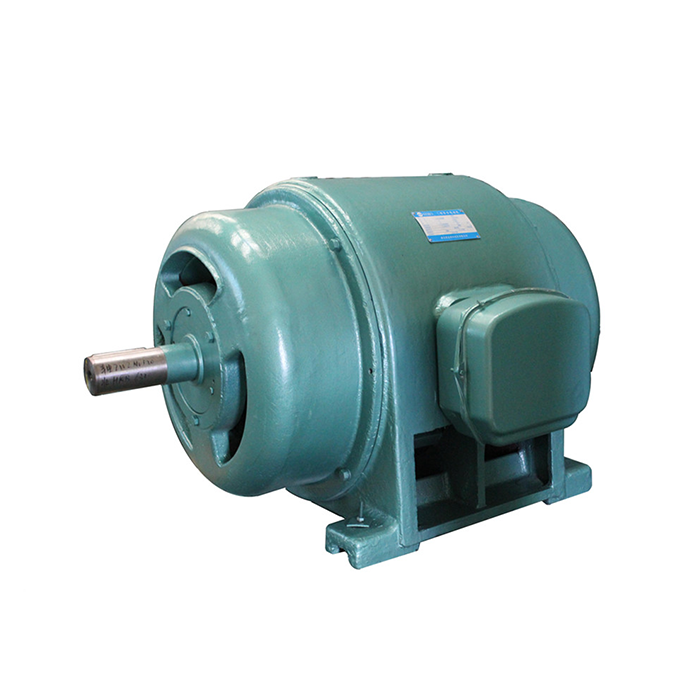
Series:YQ
Voltage range:380V±5%
Power range:45-800kW
Protection level:IP23
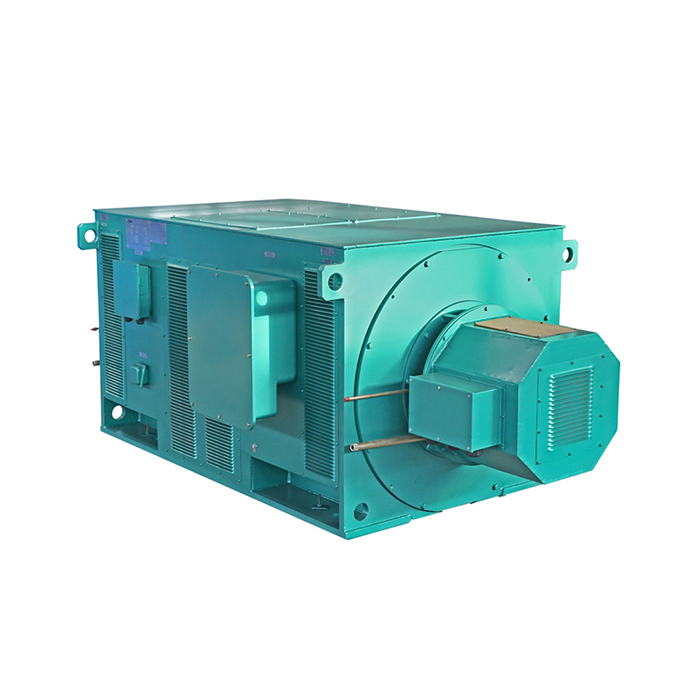
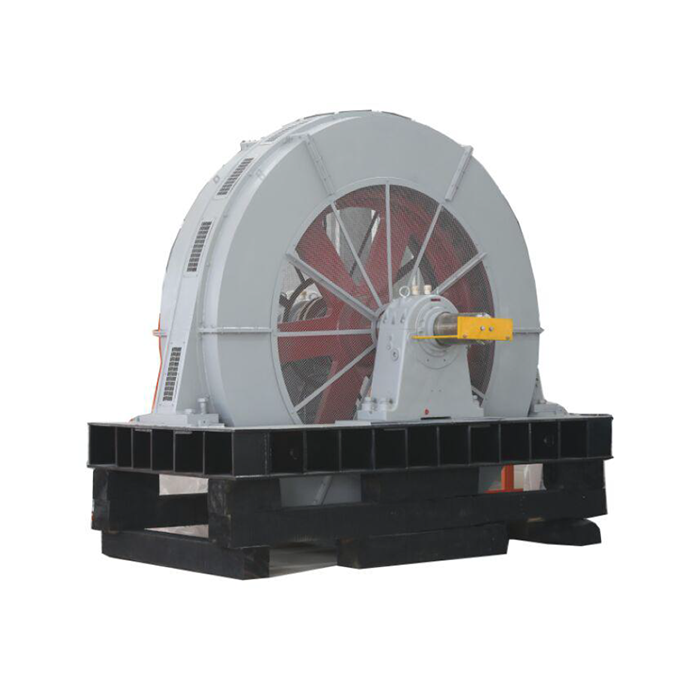
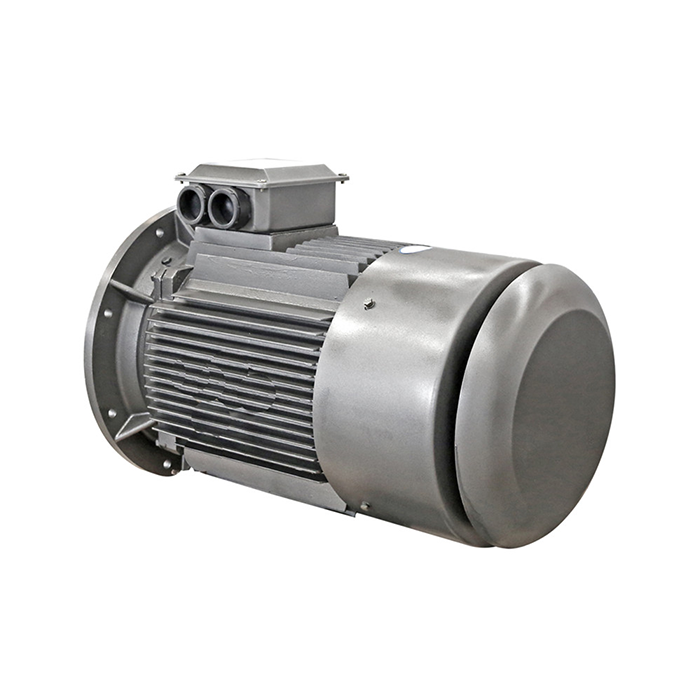
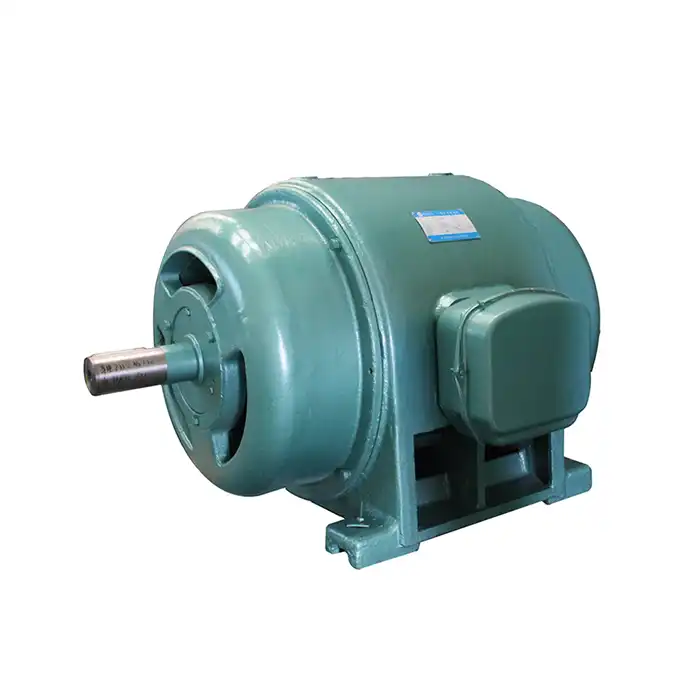
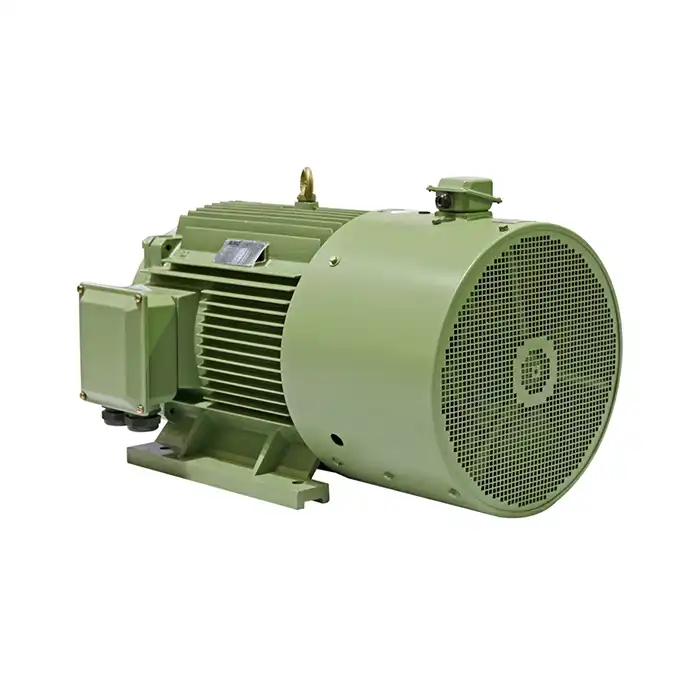
Application:YQ(JS) series medium-sized motors can drive a variety of different machinery, such as fans, compressors, water pumps, crushers, ball mills, cutting machine tools, transportation machinery and other equipment, and can be used in coal mines, machinery industries, power plants and various industrial and mining enterprises. Used as prime mover.
Advantage: Full voltage direct start.
Others: SKF, NSK, FAG bearings can be replaced according to customer requirements.
Introduction
Industrial sites need motors that work reliably even when things go wrong. Whether you're in charge of a water treatment plant, an auto factory, or a business building's cooling systems, picking the right motor can affect everything from your energy bills to the life of your equipment. The YQ JS series motor handles these issues by being built to last, being able to start with full voltage, and being compatible with tough environments in coal mines, power plants, and the machinery industries.
This guide talks about the technical details, benefits of the design, performance differences, selection criteria, maintenance plans, and ways to buy these motors around the world. Our goal is to give procurement managers and engineers useful information that will help them make better buying choices and run their businesses more smoothly. By looking at real-life examples and answering common questions, we make it clear how these motors can be used in a variety of commercial settings and help save money in the long run.
Understanding YQ JS Series Motors: Specifications and Features
If you want to choose the right motor, you need to know its core details and how its design features affect its performance. These YQ JS series motors are carefully made to work reliably in a wide range of industries.
Power and Voltage Parameters
These three-phase asynchronous motors can handle voltages between 380V and 410V and frequencies between 50Hz and 60Hz. They can handle power levels from 45kW to 800kW. Light-duty machines like small pumps are in this range, as well as heavy-duty machines like ball mills and breakers. The starting torque is 200 to 250% of the maximum torque. This lets motors start up even when they have a lot of inertia, which is very important in compressors and transportation systems. Maximum torque ranges from 250 to 300% of maximum torque. These ranges provide safety gaps during load changes, keeping the motor from stopping suddenly.
Construction and Protection Standards
Built around a tough cast iron frame, these motors are very good at getting rid of heat and being strong. The IP23 rating protects the inside parts from solid items bigger than 12 mm and water spray at angles up to 60 degrees from vertical. This means they can be used in indoor industrial settings with some dust and moisture. Insulation class B makes sure that the motor works reliably at temperatures up to 130°C, which means that it lasts longer even when it's running all the time.
Precision engineering is used to make sure that the stator and rotor don't vibrate too much and work as efficiently as possible. Paying attention to mechanical balance keeps bearings and mounting systems from wearing out as quickly, which means they need less upkeep. Customers can choose high-quality bearings from names like SKF, NSK, or FAG based on their needs. This gives manufacturers options for uses that need specific bearing load or speed requirements. These bearing choices increase the time between services and lower friction losses, which makes the whole system more energy efficient.
Full Voltage Direct Start Capability
These units can handle full power straight start, while motors need soft starters or variable frequency drives. This makes installation easier, lowers the initial cost of capital, and gets rid of the need for complicated control systems. Direct-on-line starting works best in situations where the load allows for bigger inrush currents and where installation costs are low and simple electrical designs are preferred. This feature is especially helpful for places that already have infrastructure set up for traditional starting ways.
Application Versatility Across Industries
The motor powers a wide range of machines, such as fans, water pumps, crushers, cutting machines, and moving tools. In factories, they run the elevators and machining centers on the assembly line. In chemical processing and water treatment, they are used in process control uses in pumps and valves that control the flow of fluids. For air handlers and chiller fans, business building HVAC systems depend on them. They are used in sun tracking systems and wind turbine pitch control systems that use renewable energy. This flexibility comes from the fact that it delivers torque consistently across a wide range of speeds and works reliably even when the load changes.
Comparing YQ JS Series Motors with Other Industrial Motors
To make smart purchasing choices, you need to know how these motors stack up against other options in terms of cost, performance, and how they work.
Efficiency and Energy Performance
These motors don't have any specific efficiency standards, but their design focuses on real energy performance by making the stator and rotor shapes as good as they can be. Depending on the size of the motor, the power factor can be anywhere from 0.80 to 0.89. This affects how much reactive power is used and how big the electrical system needs to be. Facilities with more than one YQ JS series motor can better handle power distribution if they know these factors.
Modern building methods cut down on core losses and improve thermal control compared to older motor designs. The cast iron frame successfully gets rid of the heat that is made during use, so the machine keeps working at the same level without slowing down. This thermal stability is useful in places where there isn't a lot of wind to cool things down or where the temperature is getting close to the upper working limits.
Load Capacity and Torque Characteristics
The high starting torque makes these motors stand out in situations where they need to start up often or handle loads with a lot of inertia. This feature keeps motors from stopping when they start up in situations like ball mills in mines and crushers in material processing. The highest power capacity leaves room for short-term load spikes and keeps the motor from getting damaged when it suddenly becomes overloaded.
The load capacity stays the same across all speed ranges, which makes it useful in situations where machinery runs at different speeds through mechanical gearbox systems. This stability lowers the chance of performance dropping during everyday use, which helps make repair plans more reliable.
Cost Considerations and Total Ownership Value
The price of the car itself is only one part of its total cost. Over the course of ownership, you'll also have to pay for fuel, repairs, and replacements. The straight start feature lowers the cost of control tools, which helps projects with limited funds for capital. Durable construction and high-quality bearings increase the time between service visits, which lowers the cost of servicing labour and parts over the life of the motor.
When a facility looks at its total cost of ownership, it should figure out its energy costs by using its working hours, load factors, and power rates. The strong design cuts down on unexpected downtime, which can cost a lot in businesses that use continuous processes. Compared to motors with unique parts or complicated designs, these have lower lifetime costs because replacement parts are easy to find and repairs are quick and easy.
Selecting the Best YQ JS Series Motor for Your Industrial Needs
Matching the motor's specs to the needs of the application guarantees smooth operation and top performance. Different industries have very different procurement situations that need to be carefully thought through.
Assessing Load and Environmental Conditions
Start by writing down the driven equipment's load features, working speed, and power needs. The power ratios of pumps and conveyors are different, which affects the choice of motor. Figure out how much power is needed while taking into account the loss of mechanical efficiency in gearbox systems and safety factors for overloading. Ratings and safety needs for the YQ JS series motor are affected by things like the temperature, altitude, and exposure to dust or moisture in the air.
Matching Motors to Specific Applications
Motors that are the right size for heavy-duty industrial tasks like cutting metal and handling materials work best when they have enough power margins. The 200–250% starting torque can handle tough starting conditions, and the 250–300% highest torque can handle overloads from time to time. Fixed torque characteristics across the working range are helpful for process control applications that need to keep speeds fixed and depend on them.
HVAC and cooling systems need motors that work well under normal conditions and can handle changes in seasonal load. The power range can handle everything from small home systems to big business installations. Customisation choices, such as choosing the right bearings and mounting setups for each piece of machinery, are helpful in OEM integration situations.
Procurement Considerations and Supply Chain Planning
Lead times depend on the power grade, the level of customisation needed, and the number of items ordered. Standard setups usually ship faster than units that need special bearing packages or positioning that isn't standard. When you buy in bulk, you can often get better prices, but you need to look at the costs of keeping and managing your goods. OEM ties may allow customisation for unique machine designs, which helps businesses stand out in competitive markets.
When buying something, warranty packages and help after the sale are important, especially for important uses where downtime costs a lot. Finding out about the terms of the guarantee, the availability of replacement parts, and how quickly technical support responds can help you decide how reliable a provider is. International purchasing is affected by things like payment terms, shipping plans, and paperwork needs, so it's important to communicate clearly with sellers.
Maintenance, Troubleshooting, and Performance Optimization of YQ JS Series Motors
Motors last longer and don't break down unexpectedly, which can throw off production plans, when they get regular repair. Setting up routines and dealing with problems right away will get you the best return on your investment.
Routine Inspection and Lubrication Procedures
Regular eye checks should be done to look for strange vibrations, noises, or too much heat. During regular function, the temperature of the bearing should stay within acceptable ranges. Check the working current for changes that could mean that the bearings are wearing out, the insulation is breaking down, or the load is changing. How often bearings need to be oiled depends on how they are being used. Rusty surroundings need more frequent care. Follow the manufacturer's advice on the type and amount of lube to use. Avoid using too much oil, which makes friction and heat worse.
Electrical lines should be checked for rust and tightness on a regular basis. When wires are loose, they make heat that can break the link. Insulation resistance testing helps find problems with moisture getting in or insulation wearing down before they happen. Keeping the YQ JS series motor clean stops dust from building up, which slows down cooling and could lead to insulation breaking down.
Troubleshooting Common Issues
Noise that you didn't expect is often a sign of worn bearings, misalignment, or an imbalanced rotor. Isolate the source by running the motor without any driving equipment connected to it. Grinding or squealing sounds are common signs of bearing noise, while regular vibrations are a sign of rotor unbalance. Bad wiring can make the warmth uneven across stages or make the motor not start at all. Check that the voltage is equal on all three stages and look for broken or loose connections.
Performance drops show up as slower speeds when the system is under load or higher temperatures. Check driving equipment to see if it has more resistance because of wear or an obstacle. Check that the source power stays within the limits that have been set. Wear makes bearing contact worse, which slows things down and makes them less efficient. Replace the bearings before they completely break and damage other parts of the motor.
Performance Optimization Strategies
Find process problems by looking at how motors are used in all production systems. If motors are always running close to their full capacity, it could mean that the equipment is too small or not working efficiently. On the other hand, motors that are going at low load factors waste energy. Making sure that motors are the right size for the load increases their performance and lowers their energy costs.
Keep the motors and the tools they drive in the best possible line to reduce vibrations and bearing loads. Misaligned friction wastes energy and shortens the life of bearings when they are not properly aligned. Use vibration analysis and thermal images for condition tracking to find problems before they break down. By fixing problems during planned breakdowns, this predictive method cuts down on unexpected downtime and increases the time between maintenance windows.
Trusted Suppliers and How to Procure YQ JS Series Motors Globally
Buying from reputable sellers guarantees the validity of the product, prompt delivery, and helpful support for as long as the motor works.
Identifying Reputable Manufacturers and Distributors
XCMOTOR, which is short for Shaanxi Qihe Xicheng Electromechanical Equipment Co., Ltd., is a company that sells power equipment with a focus on high energy economy, low usage, and stable performance. Established seller networks help with technical questions, helping customers choose products, and providing service after the sale. Authorised dealers keep real YQ JS series motors in stock and have the technical know-how to help with installation and fixing problems.
Customer Testimonials and Supplier Reviews
Buyers in the industrial sector are happy with the consistent quality of the products and the quick response of expert help. Purchasing managers like it when sellers give them a lot of information, like wiring plans, dimensional models, and performance curves. Technical staff who understand application needs and can suggest the right motor specs are helpful for engineering teams.
International purchasing is made easier by distributors who offer easy shipping terms and a range of payment options. Thirty-day return rules lower the risk of buying something by letting you check that the product meets your needs before you accept it. Support that is available at all times, even on weekends, helps with maintenance issues and project goals that need quick action.
Procurement Process and Quote Requests
Talk to authorised dealers about your application needs and get product suggestions. Give specifics like the amount of power needed, the working environment, the mounting setup, and the type of bearing you prefer. Ask for quotes that include the price of the motor, the cost of shipping, the estimated arrival date, and the terms of the guarantee.
Prices and shipping times can be negotiated for large orders. To keep up with engineering schedules, OEM customisation talks should start early in the product development cycle. Make sure everyone understands the payment terms, inspection processes, and paperwork needs so there are no mistakes. When sending goods internationally, you need to pay attention to customs paperwork, import rules, and coordinating processes.
Conclusion
Choosing the right motors has a big effect on how efficiently an industrial business works, how much energy it uses, and how reliable its equipment is. The YQ JS series motor works well at power levels ranging from 45kW to 800kW, and can be used in many different situations in the industrial, HVAC, energy, and automation industries. It's easier to make choices that meet operational needs and budget limits when you know about technical specs, maintenance needs, and purchasing options. Suppliers you can trust that offer real goods, full support, and low prices make adoption easier and help you reach your long-term productivity goals.
FAQ
1.What factors influence YQ JS series motor efficiency in industrial applications?
The load factor, working temperature, and quality of the source voltage all affect how well a motor works. When motors are run close to their maximum load, they are most efficient. When they are run at very low loads, they have higher relative losses. Thermal derating can be avoided by making sure there is enough air flow and that the temperature inside the YQ JS series motor stays within the design limits. Unbalanced voltage between stages leads to more waste and less efficiency, so it's important to have balanced power distribution.
2.What are typical lead times for bulk orders?
Lead times depend on the power grade, the level of customisation needed, and the number of orders. Standard designs usually ship within a few weeks, but specialised units that need custom bearings or mounts may take longer to make. When makers plan ahead for bulk orders, they can easily schedule production. By talking about timing needs during the quotation process, providers can work with project schedules.
3.What warranty and after-sales service do official suppliers provide?
Suppliers with a good reputation back up their products with warranties that cover flaws in the making process and offer expert help for questions about installation and use. The rules of a warranty usually say how long the coverage lasts and what conditions must be met for proper installation and upkeep. After-sales services include help with fixing problems, getting new parts, and help with paperwork. Authorised dealers keep technical knowledge and tools on hand so that service needs can be met quickly.
Partner with XCMOTOR for Your Industrial Motor Requirements
Shaanxi Qihe Xicheng Electromechanical Equipment Co., Ltd. provides dependable power options by offering high-quality goods and committed customer service. We offer fast shipping and full expert support on genuine motors that meet the strict needs of industry. Our team can help you choose the right motor by matching its specs to the needs of your application. Our low prices and flexible terms make us a good choice as a YQ JS series motor provider, whether you need a single unit or a lot of them.
Contact our sales team at xcmotors@163.com for detailed technical documentation, application consultations, and customized quotations. We offer original products from trusted brands, free delivery on all orders, and 30-day return options providing purchasing confidence. Our support team remains available including weekends, ensuring assistance when you need it. Visit motorxc.com to explore our complete product range and discover how we support your operational excellence through reliable power equipment solutions.
References
1. Chapman, Stephen J. Electric Machinery Fundamentals. McGraw-Hill Education, 2012.
2. Fitzgerald, A.E., Charles Kingsley Jr., and Stephen D. Umans. Electric Machinery. McGraw-Hill Science/Engineering/Math, 2003.
3. Boldea, Ion, and Syed A. Nasar. The Induction Machines Design Handbook. CRC Press, 2010.
4. Hughes, Austin, and Bill Drury. Electric Motors and Drives: Fundamentals, Types and Applications. Newnes, 2013.
5. Toliyat, Hamid A., and Gerald B. Kliman. Handbook of Electric Motors. CRC Press, 2004.
6. Nailen, Richard L. "Motor Application and Maintenance Handbook." Industrial Press Inc., 2001.