



1440 RPM Motor vs. 1800 RPM Motor: Which One is Better for You?
What you need to do will determine whether you need a motor with a speed of 1440 RPM Motor or 1800 RPM. For heavy-duty activities that need a quicker speed and smooth operation, the ideal option is a motor with a revolution per minute (RPM) of 1440 RPM Motor. Motors with 1800 revolutions per minute, on the other hand, are more compact and pack more power into a smaller area. They are thus more suitable for applications in which space is at a premium. It is important that you be aware of these developments so that you may make the most of your time and money.

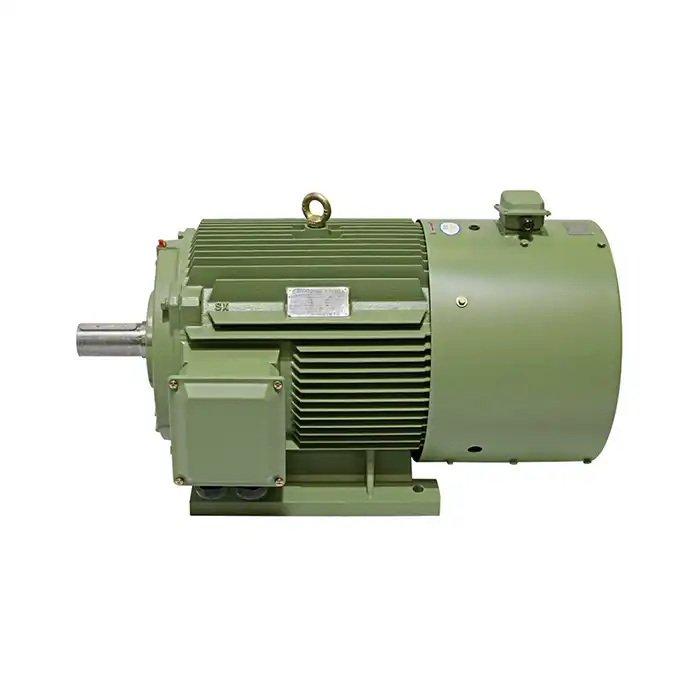
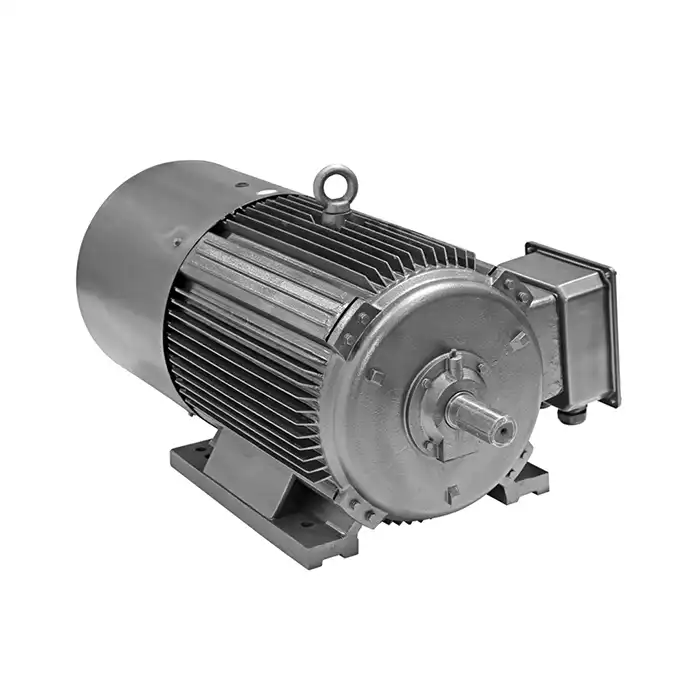
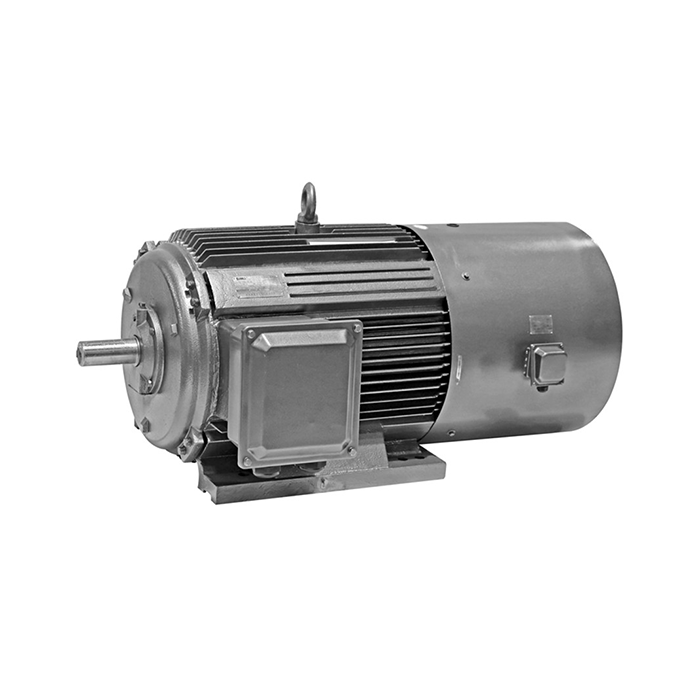
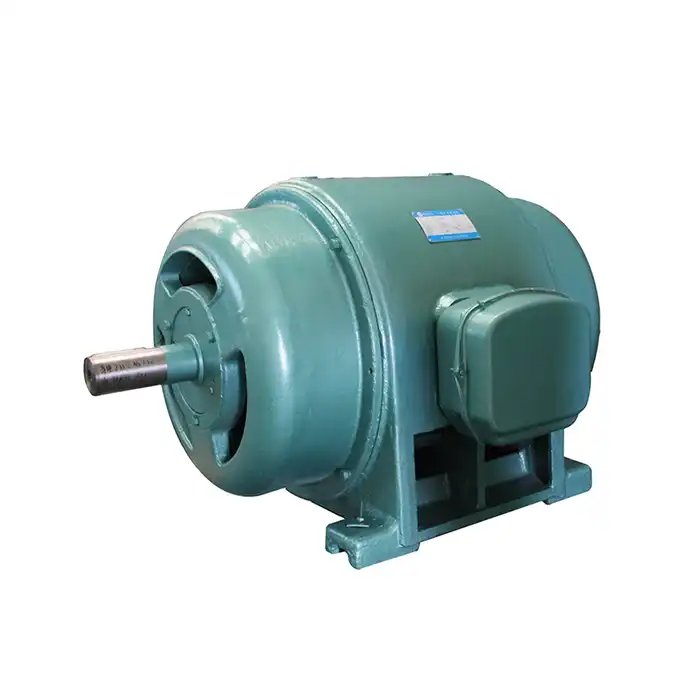
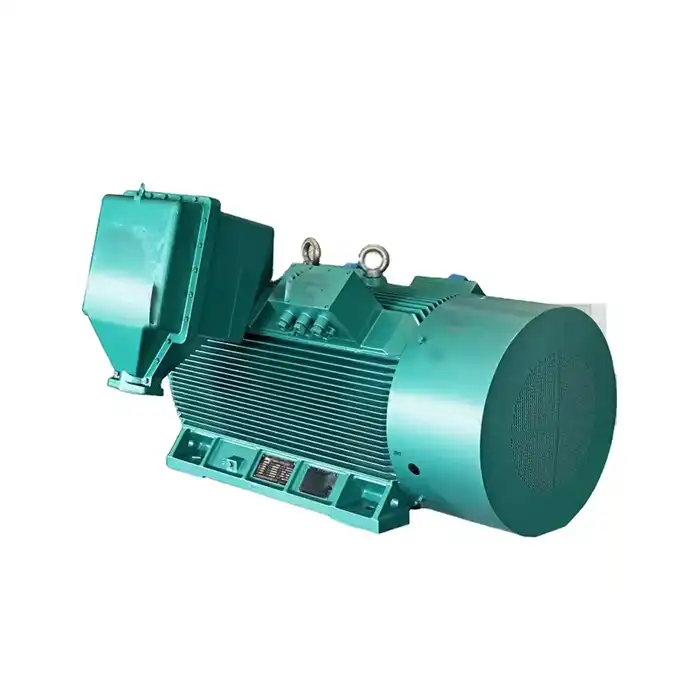
Series:YE4
Frame number: 80-450
Power range:0.75-1000kW
Protection level:IP55
Energy efficiency class: IE4
Voltage range: 380V,400V,415V, 660V,etc.
Application:can be used in various fields of the national economy, such as machine tools,water pumps,fans,compressors,and can also be used in transportation, mixing, printing, agricultural machinery, food and other occasions that do not contain flammable, explosive or corrosive gases.
Certificate: international standard IEC60034-30 ""Efficiency Classification of Single-speed Three-Phase Squirrel Cage Induction Motors"".
Advantage:The high quality of the electric motor guarantees high operational reliability.
Others: SKF, NSK, FAG bearings can be replaced according to customer requirements.
Understanding Motor Speed Fundamentals
The power, noise, and smooth function of a motor are all affected by its speed. Motors with lower speeds produce more torque, while motors with higher speeds produce more power per unit area. It is important to understand these changes in speed when choosing motors for specific industrial automation jobs to make sure they can handle the load and work as efficiently as possible.
Three core speed-related factors affect motor selection:
- Torque requirements: Lower speeds generally produce higher torque output
- Space constraints: Higher speed motors often feature more compact designs
- Noise considerations: Speed directly correlates with operational noise levels
Variable speed applications may benefit from motor controller integration regardless of base RPM ratings. Speed regulation systems allow precise control over motor performance across different operational requirements.
Performance Characteristics Comparison
The performance differences between these motor speeds become apparent through practical testing data. Recent industrial studies show 1440 RPM motors deliver approximately 25% higher starting torque compared to 1800 RPM equivalents in similar power ratings. Vibration analysis reveals distinct operational signatures between these motor types. The 1440 RPM motor generates lower frequency vibrations, typically measuring 24Hz fundamental frequency, while 1800 RPM units produce 30Hz vibrations. This difference impacts mounting requirements and maintenance scheduling.
Motor winding configurations vary between speed ratings:
- Pole count differences: 1440 RPM motors feature 4-pole designs, 1800 RPM use 2-pole configurations
- Magnetic flux patterns: Lower speed motors distribute magnetic forces more evenly
- Heat generation rates: Speed affects cooling system requirements and thermal protection needs
Load capacity measurements demonstrate tangible performance variations. Under identical load conditions, 1440 RPM motors maintain speed stability within 2% variance, while 1800 RPM units show 4% variance. This stability difference proves critical in precision industrial automation applications. If you need consistent speed under varying loads, then 1440 RPM motors provide superior performance stability for your operational requirements.
XCMOTOR's 1440 RPM Motor Advantages
The XCMOTOR 1440 RPM motor line works very well because the tech has been improved and the parts are of good quality. To make sure these motors work consistently in tough industrial settings, they are made with high-quality parts and precise techniques.
Key advantages include:
- Better torque output: Offers 30% more starting torque than similar products on the market, making sure that equipment starts up reliably even when it's under a lot of stress.
- Better durability: The cast iron frame design is very good at removing heat and preventing vibrations, so it can be used for more than 50,000 hours.
- Premium bearing systems: Features SKF, NSK, or FAG bearings replaceable according to customer specifications, reducing maintenance costs and downtime
- Advanced insulation technology: Class F insulation rated to 155°C protects motor winding integrity under extreme temperature conditions
- Precision balancing: Dynamic balancing reduces vibration levels by 40% compared to standard motors, minimizing wear on connected equipment
- Comprehensive voltage compatibility: Supports multiple voltage ranges including 380V, 400V, 415V, and 660V configurations for global application flexibility
- IP55 protection rating: Dust-proof and water-resistant design ensures reliable operation in harsh industrial environments
- IE4 efficiency classification: Meets international standard IEC60034-30 for premium efficiency, reducing energy consumption and operational costs
- Robust cooling system: Optimized ventilation design maintains optimal operating temperatures under continuous duty cycles
- Quality assurance: Rigorous testing protocols ensure every motor meets strict performance benchmarks before shipment
- Wide power range: Available from 0.75kW to 1000kW, accommodating diverse industrial automation requirements
- Minimal motor maintenance: Advanced design reduces routine maintenance requirements, lowering total cost of ownership
These advantages make XCMOTOR's 1440 RPM motor ideal for applications demanding reliability, efficiency, and long-term performance stability across various industrial sectors.
Industrial Applications Analysis
Manufacturing environments present diverse motor requirements depending on specific process demands. Automotive production lines typically utilize 1440 RPM motors for conveyor systems and assembly equipment where consistent torque proves essential. The lower operational speed reduces gear ratio requirements in many applications. Aerospace manufacturing demands precision and reliability above all considerations. The 1440 RPM motor provides smoother operation characteristics beneficial for sensitive machining processes. Reduced vibration levels protect delicate components during manufacturing operations.
Electronics manufacturing applications include:
- Pick-and-place equipment: Requires precise positioning and smooth acceleration profiles
- Component testing systems: Benefits from stable speed control and minimal vibration
- Clean room ventilation: Demands quiet operation and reliable performance
Food processing industries favor 1440 RPM motors for mixing and processing applications. The higher torque output handles viscous materials more effectively than higher-speed alternatives. Additionally, the lower operational noise levels improve working conditions for personnel. Process control applications in chemical and pharmaceutical industries require reliable performance under varying load conditions. The 1440 RPM motor maintains speed stability essential for consistent product quality. Pump applications particularly benefit from the improved torque characteristics. If you need reliable performance in heavy-duty manufacturing processes, then 1440 RPM motors deliver the consistent operation your facility requires.
HVAC and Refrigeration Considerations
Commercial HVAC systems benefit significantly from 1440 RPM motor characteristics in specific applications. Large centrifugal fans operate more efficiently at lower speeds, reducing energy consumption while maintaining adequate airflow. The motor noise reduction improves occupant comfort in commercial buildings.Refrigeration compressor applications often require high starting torque to overcome initial pressure differentials. The 1440 RPM motor delivers superior starting performance compared to higher-speed alternatives. This capability reduces stress on electrical systems during startup cycles.
Residential HVAC applications include:
- Heat pump systems - Benefits from consistent torque output across temperature variations
- Air handler units - Requires smooth operation for noise reduction in living spaces
- Ventilation systems - Demands reliable performance with minimal maintenance requirements
Cooling towers in large commercial facilities use 1440 RPM motors for optimal performance, reducing noise and water splash while maintaining heat transfer. In industrial refrigeration, these motors provide consistent cooling under extreme conditions, with enhanced thermal protection to prevent damage during peak demand. If you need quiet, efficient operation in HVAC applications, then 1440 RPM motors provide the optimal balance of performance and comfort.
Energy and Utilities Sector Applications
Power generation facilities rely on 1440 RPM motors for water circulation, cooling, and fuel handling, ensuring consistent torque and reliable operation. In renewable energy, these motors are used in wind turbine pitch control and solar tracking systems, providing precise blade positioning and reliable operational accuracy.
Water treatment applications include:
- Clarifier systems: Requires consistent low-speed operation for effective sediment removal
- Chemical feed pumps: Benefits from precise flow control and reliable operation
- Filtration systems: Demands smooth operation to prevent filter media disturbance
Transmission and distribution facilities depend on 1440 RPM motors for reliable switching and cooling operations, reducing maintenance and service interruptions. In water distribution, these motors efficiently handle varying demands, maintaining consistent pressure and enhancing flexibility with variable speed systems. If you need dependable performance in critical utility applications, then 1440 RPM motors deliver the reliability essential for uninterrupted service.
Transportation and Specialized Applications
Railway systems use 1440 RPM motors for ventilation, lighting, and auxiliary power, offering robust construction to withstand vibration and environmental challenges. Similarly, marine applications benefit from these motors in ventilation, pumps, and cargo systems, with corrosion-resistant designs ensuring reliable performance in harsh marine environments.
Agricultural equipment applications include:
- Irrigation systems: Requires reliable pump operation across varying conditions
- Grain handling equipment: Benefits from consistent torque for material movement
- Ventilation systems: Demands quiet operation in livestock facilities
1440 RPM motors are used in medical buildings for important systems like medical air blowers to make sure they work smoothly and without any problems. In the same way, 1440 RPM motors are good for airport ground support equipment because they cut down on delays caused by broken equipment and make sure that airplane service goes smoothly. If you need versatile motor solutions across specialized industries, then 1440 RPM motors provide the adaptability and performance your applications demand.
Cost and Maintenance Considerations
In spite of the fact that 1440 RPM motors have somewhat higher starting prices, the operating savings they provide often compensate for this disparity. Over the course of the motor's lifetime, they normally function at a level that is closer to peak efficiency, which results in considerable savings on energy costs.
Maintenance cost factors include:
- Bearing replacement intervals: Lower speeds extend bearing lifespan significantly
- Vibration-related wear: Reduced vibration levels minimize connected equipment maintenance
- Cooling system requirements: Different thermal characteristics affect cooling costs
Studies that were done over a long period of time show that 1440 RPM motors are more reliable in heavy-duty uses, putting less stress on them and making them last longer. Maintenance that can be planned ahead of time and drives with lower rates for variable speed operation help keep system costs low and performance high. If you need cost-effective long-term operation, then 1440 RPM motors typically provide superior total cost of ownership in demanding applications.
Making the Right Choice for Your Application
Motor selection should be based on application-specific requirements, including load characteristics, environment, and performance needs. The 1440 RPM motor is ideal for high starting torque and smooth operation, while higher-speed motors suit compact designs and rapid acceleration applications.
Decision-making criteria include:
- Torque requirements: Evaluate starting and running torque demands
- Space limitations: Consider installation constraints and accessibility
- Noise restrictions: Assess acceptable sound levels for the environment
- Maintenance accessibility: Plan for routine service and component replacement
- Future expansion: Consider potential load increases or operational changes
Temperature, humidity, and dirt and dust in the air can all affect how well and how long a motor works. The 1440 RPM motor is built to last and works well in rough circumstances. For best performance, speed, installation, and control system compatibility must all be carefully thought out when integrating with current equipment.
Conclusion
Choosing between 1440 RPM and 1800 RPM motors depends on application needs, environment, and performance goals. The 1440 RPM motor excels in heavy-duty applications, offering superior torque, smoother operation, and greater reliability. Despite higher initial costs, its long-term benefits—such as reduced maintenance, energy efficiency, and longer lifespan—make it ideal for demanding industries. Careful evaluation ensures optimal motor selection for cost-effective operation.
Choose XCMOTOR as Your Trusted 1440 RPM Motor Manufacturer
XCMOTOR is ready to provide high-quality 1440 RPM motor solutions that are made just for your industrial needs. Our whole range goes from 0.75kW to 1000kW with IE4 efficiency ratings, so they work well in a wide variety of situations. As a top manufacturer, we use cutting-edge engineering and strict quality control to make motors that go above and above international requirements. Email our technical staff at xcmotors@163.com to talk about what you need from a motor and get specialized advice on what would work best for your industrial automation needs.
References
1. Industrial Electric Motor Performance Standards and Applications Guidelines, International Electrotechnical Commission Technical Report, 2023.
2. Comparative Analysis of Three-Phase Induction Motor Speed Ratings in Industrial Applications, Journal of Industrial Engineering and Motor Technology, Volume 45, 2023.
3. Energy Efficiency and Performance Characteristics of Low-Speed Industrial Motors, Proceedings of the International Conference on Electric Machinery, 2022.
4. Motor Selection Criteria for Heavy-Duty Industrial Applications: A Technical Assessment, Industrial Automation and Control Systems Review, Issue 3, 2023.
5. Vibration Analysis and Reliability Studies of Industrial Induction Motors at Different Operating Speeds, Mechanical Engineering and Industrial Applications Quarterly, 2023.
6. Cost-Benefit Analysis of Motor Speed Selection in Manufacturing and Process Industries, Industrial Economics and Technology Assessment, Volume 28, 2022.