



Uses of Inverter Duty Motors in Modern Automation
Modern automation systems rely heavily on motors that can adapt to varying speed and torque demands, making the inverter duty motor an essential component across countless industrial applications. These specialized motors work seamlessly with variable frequency drives to provide precise speed control, enhanced efficiency, and remarkable operational flexibility. From manufacturing assembly lines to complex process control systems, inverter duty motors deliver the reliability and performance that today's automated facilities demand.

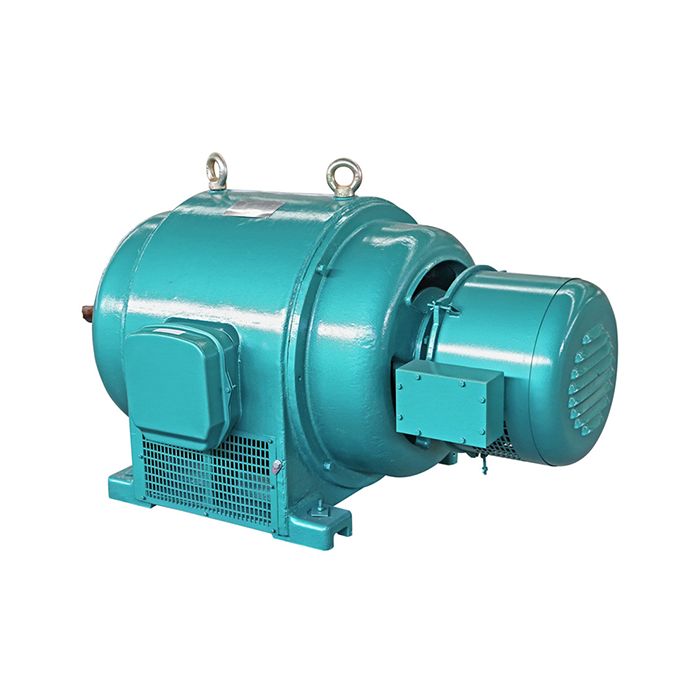
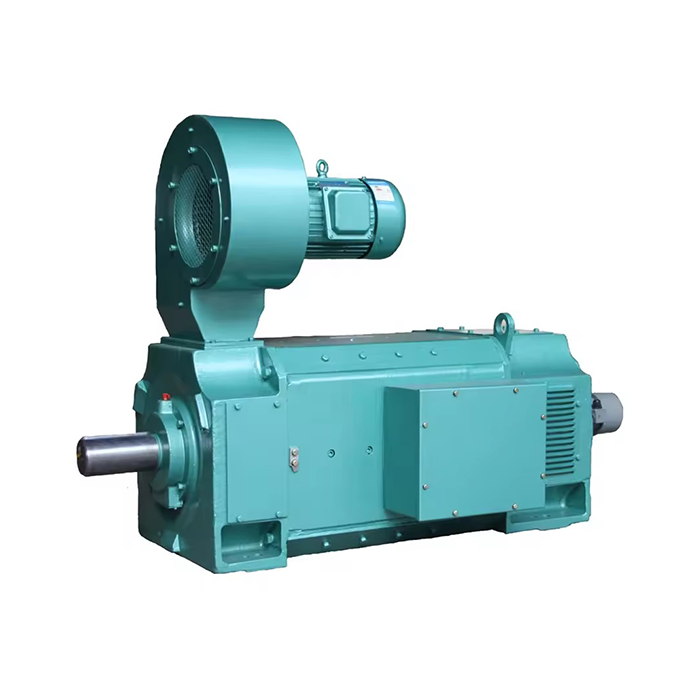
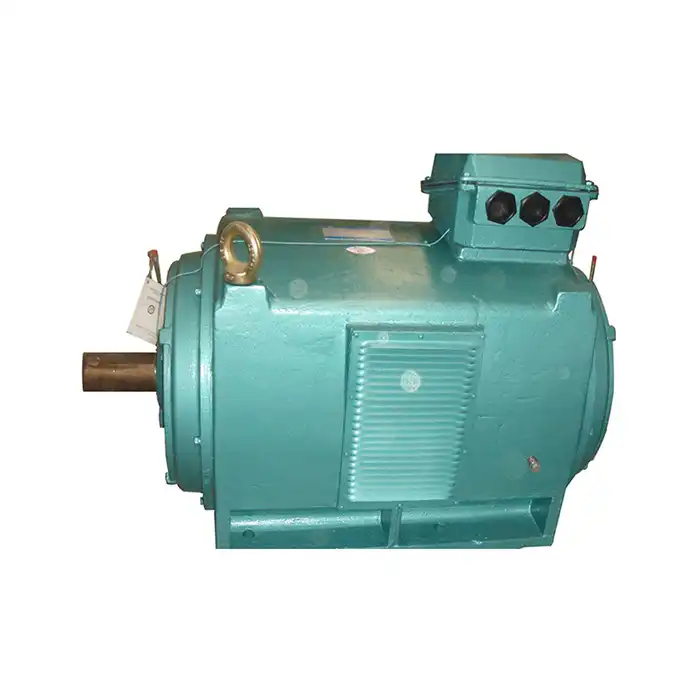
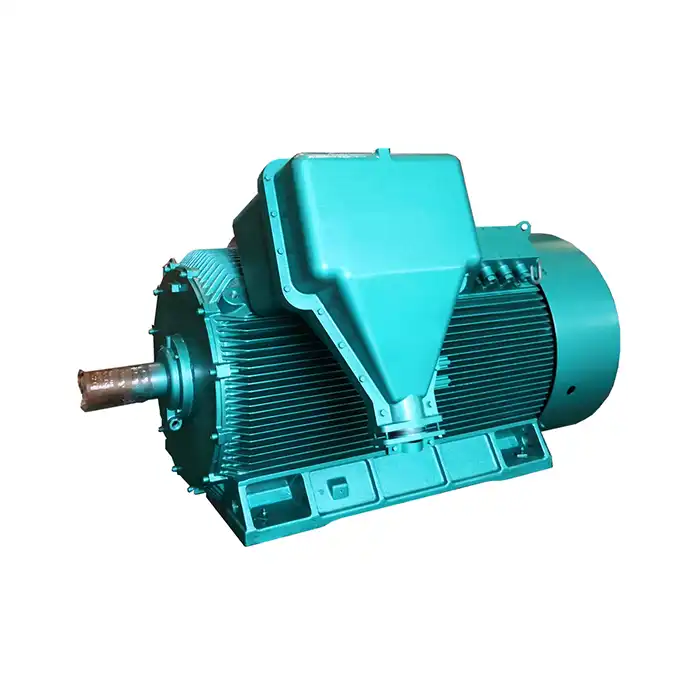
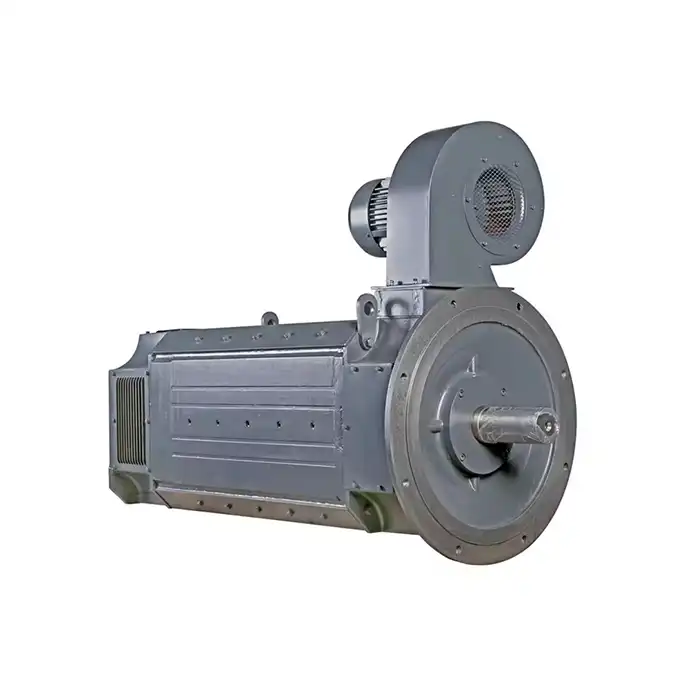
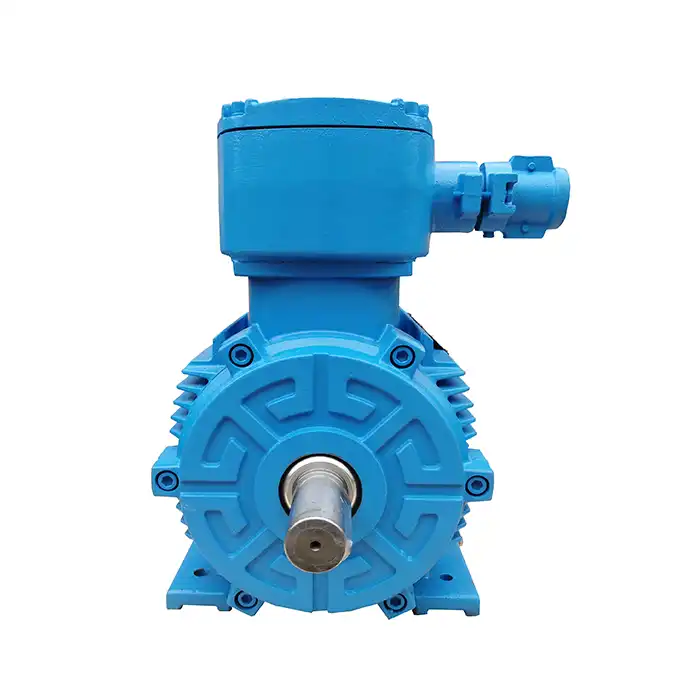
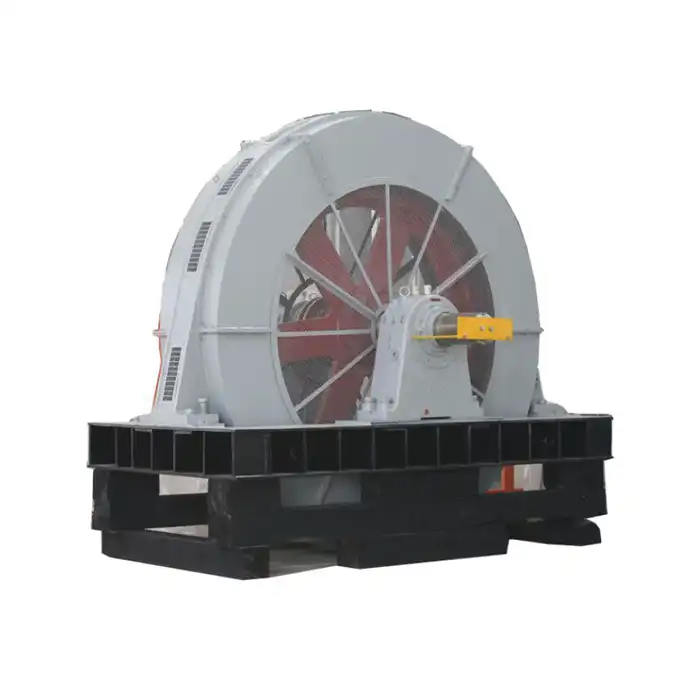
Series:YVFE2
Frequency conversion range:30hz~50hz,5hz~70hz,5hz~100hz
Power range:0.75-355kW
Protection level:IP55
Application:are suitable for driving various mechanical equipment that require continuous and frequent forward and reverse rotation, such as steel rolling, lifting, transportation, machine tools, printing and dyeing, papermaking, chemicals, textiles, pharmaceuticals, etc., and can be used with various domestic and foreign variable frequency power supplies.
Advantage:high efficiency, wide speed range, high precision, stable operation, and easy operation and maintenance.
Certificate:installation dimensions comply with International Electrotechnical Commission (IEC) standards.
Others: SKF, NSK, FAG bearings can be replaced according to customer requirements.
Understanding the Role of Variable Speed Motors in Today's Industry
The rise of industrial automation has pushed motor technology beyond traditional fixed-speed designs. VFD compatible motors have become essential for handling variable frequency drives, providing precise speed control, energy efficiency, and reliable performance in dynamic manufacturing environments. These motors feature reinforced insulation and optimized components to withstand the electrical stress generated by PWM inverter technology while minimizing operational costs.
Enhanced Insulation for VFD Applications
Inverter duty motors incorporate advanced insulation systems capable of enduring rapid voltage switching and electrical transients caused by PWM inverters. This enhanced protection prevents winding degradation and premature failure, allowing motors to maintain consistent performance across a wide range of frequencies and load conditions. Proper insulation is crucial for longevity in high-demand industrial applications.
Energy Efficiency and Cost Reduction
Energy usage accounts for the majority of a motor’s lifecycle cost. By pairing inverter duty motors with variable frequency drives, facilities can achieve 20–50% energy savings in variable-torque applications. Optimized torque delivery reduces losses, lowers heat generation, and minimizes operating expenses, making these motors a cost-effective choice for continuous-duty industrial operations.
Precision Speed Control
The ability to adjust motor speed instantly ensures smooth operation of conveyors, robotic systems, and automated assembly equipment. Vector control algorithms maintain consistent acceleration and deceleration, preventing product defects and reducing mechanical stress on equipment. This precision is critical in industries such as automotive and electronics manufacturing, where process consistency directly impacts quality.
Manufacturing and Assembly Line Applications
Inverter duty motors play a central role in modern manufacturing environments where speed flexibility and precise control are essential. Applications range from conveyor systems to paint booths and electronic assembly lines. Their low electrical noise, balanced rotors, and advanced bearings ensure smooth, reliable operation under continuous or variable-load conditions.
Automotive Production Lines
In automotive manufacturing, these motors regulate paint booth airflow, assembly conveyors, and robotic systems. Smooth acceleration and deceleration prevent contamination and allow conveyors to adjust speeds for different vehicle models. The precise control enhances production efficiency, minimizes bottlenecks, and ensures consistent quality in high-volume operations.
Electronics Assembly Processes
Electronics manufacturing benefits from vibration-free operation, which protects sensitive components during handling and assembly. Balanced rotors and superior bearing systems reduce mechanical stress, while precise torque control ensures delicate parts move safely. These motors support high-speed, high-precision operations essential in semiconductor and circuit board assembly.
Flexible Industrial Conveyors
In mixed-product or batch production, conveyor speeds must adapt to different line requirements. Inverter duty motors enable seamless speed variation, maintaining production flow without manual intervention. This flexibility reduces waste, improves throughput, and allows facilities to meet dynamic production schedules while maintaining operational efficiency.
Process Control in Chemical and Pharmaceutical Industries
Chemical preparing offices depend on inverter obligation engines for basic pump and compressor applications. These situations regularly require engines to work at shifting speeds to keep up exact stream rates and weight levels. The warm assurance highlights of these engines demonstrate fundamental in chemical plants where encompassing temperatures change significantly. Pharmaceutical fabricating requests the most elevated levels of accuracy and cleanliness. Engines in these applications must handle visit washdown strategies whereas keeping up strict speed precision. The IP55 assurance rating standard in numerous inverter engines gives satisfactory security against dampness entrance amid cleaning cycles. Process control applications advantage from the tall beginning torque capabilities of these engines. Positive uprooting pumps dealing with gooey chemicals require considerable torque at startup. The capacity to give full torque from zero speed dispenses with the require for mechanical beginning helps, decreasing support prerequisites and making strides framework reliability.
HVAC and Building Automation Systems
Building robotization speaks to a quickly developing showcase for variable speed engine innovation. HVAC frameworks prepared with these engines can alter fan speeds based on inhabitance levels, open air temperatures, and discuss quality estimations. This energetic reaction capability altogether diminishes vitality utilization whereas keeping up ideal consolation levels. Commercial refrigeration frameworks utilize inverter engines to balance compressor speeds based on cooling requests. Grocery store refrigeration cases can keep up exact temperatures whereas decreasing vitality utilization amid low-demand periods. The calm operation characteristics of these engines demonstrate especially profitable in retail situations where clamor levels must stay minimal. Air taking care of units in expansive commercial buildings advantage from the smooth speed moves these engines give. Sudden changes in wind current can make awkward drafts and temperature varieties. The capacity to steadily alter fan speeds keeps up steady natural conditions whereas optimizing vitality usage.
Water Treatment and Distribution Systems
Municipal water treatment offices progressively depend on variable speed pumping frameworks to optimize vitality utilization and keep up reliable water weight all through conveyance systems. These engines empower pump stations to react consequently to request vacillations without administrator intervention. The engine cooling framework plans in inverter engines demonstrate especially useful in water treatment applications where engines regularly work in muggy situations. Upgraded bearing security anticipates untimely disappointment from dampness penetration, amplifying benefit life and lessening upkeep costs. Wastewater treatment plants utilize these engines for aerator frameworks that must alter oxygen levels based on natural request. The exact speed control capabilities empower administrators to keep up ideal broken down oxygen levels whereas minimizing vitality utilization. This control exactness straightforwardly impacts treatment proficiency and working costs.
Textile and Paper Manufacturing
Textile fabricating requires exact pressure control all through the generation prepare. Inverter engines give the smooth speed control fundamental to keep up steady texture quality. The capacity to synchronize different engines guarantees uniform preparing speeds over complex material machinery. Paper fabricating benefits from the energetic braking capabilities of these engines amid web breaks or crisis stops. The controlled deceleration avoids harm to costly apparatus whereas guaranteeing administrator security. The tall proficiency appraisals of present day inverter engines offer assistance paper plants decrease their significant vitality costs. Printing operations request uncommon speed precision to keep up enlistment between numerous color stations. The vector control technology in inverter duty motors provides the precise speed control essential for high-quality printing. Motor derating considerations become critical in printing applications, where these motors may operate continuously at reduced speeds, ensuring consistent performance, thermal safety, and long-term reliability under demanding operational conditions.
Renewable Energy Applications
Wind turbine frameworks utilize specialized inverter engines for pitch control instruments that alter edge points based on wind conditions. These engines must work dependably in cruel open air situations whereas giving exact situating control. The consonant mutilation characteristics of these engines must stay moo to anticipate impedances with control era systems. Solar following frameworks utilize these engines to take after the sun's way all through the day. The vitality productivity of the following framework must not essentially affect the in general control era. Cutting edge inverter engines give the productivity and unwavering quality fundamental for these requesting applications. Hydroelectric offices utilize variable speed engines for direct vane control frameworks that control water stream through turbines. The capacity to make quick alterations makes a difference maximize control era whereas securing hardware from harm amid surge conditions.
Transportation and Material Handling
Airport things taking care of frameworks depend on systems of transport belts fueled by inverter engines. These frameworks must oblige changing stack conditions whereas keeping up reliable stuff stream rates. The capacity to alter speeds powerfully anticipates jams and decreases mechanical push on transport components. Mining operations utilize these engines for transport frameworks that transport materials over long separations. The vitality reserve funds from variable speed operation can be significant in frameworks that work persistently. The vigorous development of inverter engines withstands the unforgiving conditions common in mining environments. Shipping ports utilize these engines in crane frameworks that require exact stack situating. The smooth increasing speed and deceleration capabilities anticipate stack swinging, progressing security and operational productivity. The capacity to recover vitality amid bringing down operations gives extra vitality savings.
Conclusion
The versatility and efficiency of inverter duty motors make them indispensable in modern automation systems. From manufacturing and process control to renewable energy and transportation, these motors provide the precise control and energy efficiency that today's industries demand. Their ability to work seamlessly with variable frequency drives opens up new possibilities for system optimization and energy savings. As automation continues to evolve, the role of these specialized motors will only grow in importance, making them a critical investment for any facility seeking to improve operational efficiency and reduce energy costs.
Frequently Asked Questions
1. What makes an inverter duty motor different from a standard motor?
The primary differences lie in the insulation system and construction. These motors feature enhanced winding insulation designed to withstand the voltage stress created by variable frequency drives. The motor winding design includes additional turn-to-turn insulation and improved groundwall insulation to handle the rapid voltage transitions produced by PWM inverters.
2. Can these motors operate directly from line power without a VFD?
Yes, most inverter motors can operate on standard line power, though they may not achieve their optimal efficiency ratings. The enhanced construction makes them suitable for either application, providing flexibility in system design.
3. How do these motors handle overheating protection?
Modern inverter motors incorporate multiple thermal protection methods. They typically include embedded temperature sensors in the windings and advanced cooling designs that maintain optimal operating temperatures even at reduced speeds where fan cooling becomes less effective.
4. What speed range can these motors achieve?
The speed range depends on the frequency converter capabilities and motor design. Most inverter motors can operate efficiently from 5Hz to 100Hz, providing a speed range of approximately 20:1. Some specialized designs can achieve even wider speed ranges with appropriate drive programming.
5. Do these motors require special maintenance procedures?
Maintenance requirements remain similar to standard motors, though attention should be paid to insulation integrity and bearing condition. The variable speed operation may require more frequent vibration monitoring and bearing inspection schedules.
Transform Your Automation Systems with XCMOTOR's Advanced Inverter Solutions
XCMOTOR delivers cutting-edge inverter duty motor solutions designed to meet the demanding requirements of modern industrial automation. Our comprehensive product line spans 0.75kW to 355kW with multiple voltage configurations to match your specific application needs. As a trusted manufacturer, we combine advanced engineering with rigorous quality control to ensure reliable performance in the most challenging environments. Contact our technical team at xcmotors@163.com to discover how our high-efficiency motors can optimize your automation systems and reduce operational costs.
References
1. Nasar, S.A. and Boldea, I. (2019). Electric Motor Handbook: Design, Control, and Applications in Modern Industries. Technical Publications Press.
2. Rodriguez, M.K. and Thompson, J.R. (2021). Variable Frequency Drive Systems and Motor Integration for Industrial Automation. Industrial Engineering Journal, 45(3), 112-128.
3. Chen, L.W. (2020). Advanced Motor Control Technologies in Manufacturing Processes: A Comprehensive Analysis. Automation and Control Systems Review, 18(7), 89-104.
4. Wilson, P.D. and Kumar, S. (2022). Energy Efficiency Optimization in Industrial Motor Applications Through Variable Speed Drives. International Journal of Electrical Engineering, 34(2), 67-83.
5. Brown, R.K., Martinez, A.L., and Singh, D.K. (2021). Motor Insulation Systems for Variable Frequency Drive Applications: Design Considerations and Performance Evaluation. IEEE Transactions on Industrial Electronics, 68(4), 445-459.
6. Anderson, T.J. (2020). Modern Automation Systems: Motor Selection and Application Guidelines for Process Industries. Industrial Automation Quarterly, 29(1), 23-39.