




Guide to LV Induction Motor Specifications & Selection
Selecting the right lv induction motor requires careful consideration of electrical specifications, mechanical requirements, and environmental factors. These motors convert electrical energy into mechanical power through electromagnetic induction, making them essential components across industrial applications. Understanding power ratings, voltage requirements, efficiency classifications, and protection levels ensures optimal performance and longevity. This comprehensive guide simplifies the selection process by examining critical parameters including torque characteristics, starting current, thermal protection, and load matching to help engineers make informed decisions for their specific applications.

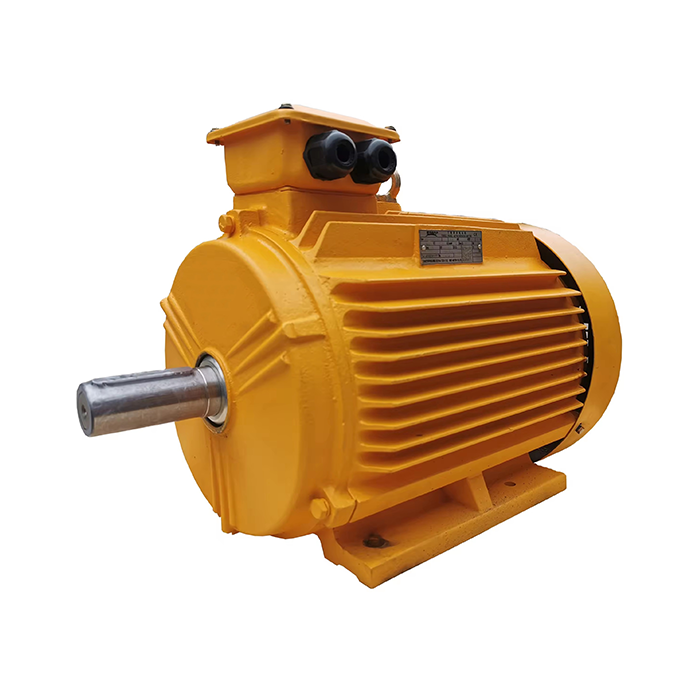
Series:YE3
Frame number: 80-450
Power range:0.75-1000kW
Protection level:IP55
Energy efficiency class: IE3
Voltage range: 380V,400V,415V,660V, etc.
Application:can be used in various fields of the national economy, such as machine tools,water pumps,fans,compressors,and can also be used in transportation, mixing, printing, agricultural machinery, food and other occasions that do not contain flammable, explosive or corrosive gases.
Certificate: international standard IEC60034-30 "Efficiency Classification of Single-speed Three-Phase Squirrel Cage Induction Motors".
Advantage:The high quality of the electric motor guarantees high operational reliability.
Others: SKF, NSK, FAG bearings can be replaced according to customer requirements.
Understanding Low Voltage Motor Fundamentals
Low voltage acceptance engines work underneath 1000V, making them perfect for a wide run of mechanical and commercial applications. They change over electrical vitality into mechanical yield by means of electromagnetic torque, utilizing a turning attractive field in the stator to actuate current in the rotor. This handle guarantees steady execution over shifting stack conditions whereas keeping up vitality productivity and operational reliability.
Electromagnetic Torque and Rotor Dynamics
The rotor in an LV induction motor interacts with the stator’s rotating magnetic field, producing torque that drives mechanical loads. Squirrel cage rotors are common due to their simplicity and robustness. Rotor design, including bar material and geometry, directly affects torque-speed characteristics, starting performance, and efficiency, ensuring the motor meets the operational demands of diverse industrial equipment.
Efficiency and Energy Standards
Modern LV engines accomplish IE3 productivity guidelines through optimized rotor plan, decreased misfortunes, and moved forward attractive materials. High-efficiency plans lower vitality utilization, diminish warm era, and amplify engine life. These guidelines are basic for controlling operational costs, especially in continuous-duty situations like fabricating plants or HVAC frameworks where engines run 24/7.
Stator Winding Configuration
The stator winding format decides the attractive flux dissemination, torque era, and beginning current of the engine. Legitimate winding plan minimizes electrical push and vibration whereas making strides vitality transformation effectiveness. Engineers must consider winding setup when coordinating engines to particular stack profiles to guarantee dependable execution and compatibility with control systems.
Key Electrical Specifications for Motor Selection
Selecting the right LV induction motor requires careful consideration of voltage, power, and operational parameters. Standard voltage options range from 380V to 660V, with power ratings from 0.75kW to 1000kW. Motor protection, insulation class, and frequency compatibility ensure reliable operation, energy efficiency, and longevity across industrial applications.
Voltage and Power Ratings
Voltage choice guarantees compatibility with the facility’s electrical framework, whereas control yield must coordinate stack prerequisites. Undersized engines may overheat or come up short rashly, whereas larger than average units squander vitality. Appropriate coordinating of voltage and control is vital for keeping up effectiveness, dodging downtime, and optimizing engine life over fabricating, handling, and commercial applications.
Power Factor and Starting Current
A power factor between 0.80 and 0.89 in low voltage induction motors indicates efficient energy usage, minimizing reactive power and improving overall system stability. Proper attention to starting current is critical, as motors can draw several times their rated current during startup. Integrating soft starters or variable frequency drives helps manage inrush current, reducing electrical stress on supply networks. Correctly engineered motor and drive systems ensure smooth startups, maintain voltage stability, and prevent damage to both the motor and the facility’s electrical infrastructure under varying load conditions.
Motor Protection and Insulation
Thermal overload protection, vibration monitoring, and advanced insulation ratings—such as Class F or optional Class H—safeguard low voltage induction motors from excessive heat, mechanical stress, and electrical failures. These protective features extend motor service life, minimize maintenance frequency, and prevent unexpected operational interruptions. Selecting the appropriate combination of protection systems, including thermal sensors and overload relays, ensures continuous and reliable operation even in heavy-duty industrial applications, providing both safety and operational efficiency while reducing downtime and maintenance costs.
Mechanical Performance Parameters
Torque and Speed Characteristics for Operational Control
Torque characteristics characterize the motor's capacity to overcome stack resistance and keep up operational speed in an lv induction motor. Electromagnetic torque values regularly run from 5 Nm to 2400 Nm, depending on control evaluations and plan details. Understanding torque-speed bends makes a difference anticipate engine behavior amid startup, steady-state operation, and over-burden conditions. Speed evaluations by and large span 500 to 3000 RPM, with particular values decided by post setups and recurrence settings. The relationship between speed and torque influences application reasonableness, especially for loads requiring consistent speed or variable speed operation. Stack characteristics must adjust with engine capabilities to guarantee solid execution and expanded benefit life.
Frame Design and Structural Considerations
Frame sizes from 80 to 450 give mechanical mounting choices for diverse establishment necessities. Bigger outlines suit higher control appraisals and give way better warm dissemination, whereas littler outlines suit space-constrained applications. Bearing details regularly incorporate premium choices from producers, guaranteeing smooth operation and decreased support requirements.
Vibration Control and Noise Performance
Vibration levels and clamor characteristics ended up vital variables in applications requiring calm operation or exactness situating. Legitimate engine determination considers these mechanical viewpoints nearby electrical execution to accomplish ideal results.
Environmental and Protection Considerations
Protection Ratings and Environmental Resistance
Protection lesson appraisals characterize the motor's resistance to natural conditions and contaminant entrance. IP55 assurance gives standard clean and water resistance reasonable for most mechanical situations, whereas IP56 and IP65 alternatives offer improved assurance for unforgiving conditions. These appraisals guarantee dependable operation in fabricating offices, open air establishments, and washdown environments.
Operating Conditions and Environmental Factors
Ambient temperature ranges regularly suit -10°C to +40°C operation, in spite of the fact that a few applications may require expanded temperature evaluations. Elevation contemplations influence cooling proficiency and electrical execution, with standard appraisals up to 1000m over ocean level. Applications at higher elevations may require derating or extraordinary cooling provisions. Environmental components such as mugginess, destructive gasses, and dangerous climates impact engine choice and security prerequisites. Fabricating situations in nourishment handling, chemical plants, and open air establishments show interesting challenges requiring suitable engine determinations and defensive measures.
Thermal Management and Performance Stability
Thermal management systems integrated into LV induction motor design prevent overheating and extend operational life. Efficient heat dissipation through frame construction and optimized cooling pathways maintains optimal operating temperatures under varying load conditions, ensuring reliable performance, reduced maintenance, and consistent efficiency in demanding industrial applications.
Application-Specific Selection Criteria
Industrial Automation and Process Control Requirements
Industrial mechanization applications include differing necessities from exact situating frameworks to heavy-duty transport drives. Fabricating situations in car, aviation, gadgets, and nourishment handling request dependable engine execution with negligible upkeep intrusions. Prepare control applications utilizing pumps, valves, and compressors require engines with steady torque characteristics and responsive control capabilities.
HVAC Systems and Energy Efficiency Optimization
HVAC and refrigeration frameworks advantage from engines optimized for ceaseless operation and vitality proficiency. Commercial and private applications prioritize calm operation and solid execution over changing stack conditions. Variable recurrence drive compatibility empowers exact temperature and wind current control whereas maximizing vitality savings.
Energy, Utilities, and Advanced Automation Integration
Energy and utilities division applications incorporate control era, renewable vitality frameworks, and water treatment offices. These basic foundation applications require engines with demonstrated unwavering quality and negligible upkeep necessities. Engine control frameworks must coordinated consistently with robotization stages and checking systems. Robotics and robotization frameworks request exact speed control and fast reaction characteristics. Variable recurrence drives empower modern movement control whereas keeping up vitality effectiveness. Engine choice must consider energetic reaction prerequisites and integration capabilities with control systems.
Motor Control and Integration Aspects
VFD Compatibility and Intelligent Control Systems
Variable recurrence drive compatibility extends engine applications by empowering exact speed control and vitality optimization. Present day engines planned for VFD operation include upgraded cover frameworks and bearing assurance to withstand high-frequency exchanging impacts. Engine control frameworks coordinated with mechanical robotization stages to give comprehensive observing and control capabilities.
Startup Management and Energy Efficiency Optimization
Starting current administration gets to be basic in applications with constrained electrical capacity or visit start-stop cycles. Soft-start frameworks and variable recurrence drives decrease electrical stretch and mechanical stun amid engine startup. These control strategies expand engine life and diminish upkeep necessities whereas progressing framework performance. Electromechanical vitality transformation effectiveness makes strides through legitimate engine measuring and control framework optimization. Coordinating engine characteristics to stack prerequisites minimizes vitality squander and operational costs. Progressed control calculations persistently alter engine operation to keep up crest effectiveness over shifting stack conditions.
Maintenance Strategies and Predictive Monitoring
Motor upkeep necessities shift based on application conditions and operational requests. Prescient support programs utilizing vibration examination, warm observing, and electrical signature examination offer assistance avoid unforeseen disappointments and optimize substitution plans. Standard assessment and grease methods guarantee dependable long-term performance.
Conclusion
Successful lv induction motor selection requires comprehensive evaluation of electrical specifications, mechanical requirements, and environmental conditions. Understanding power ratings, efficiency classifications, protection levels, and control compatibility ensures optimal performance across diverse applications. Modern motors incorporating IE3 efficiency standards, robust protection systems, and advanced materials deliver reliable service while minimizing energy consumption and maintenance requirements. Proper motor sizing and control system integration maximize operational efficiency and extend equipment life, providing long-term value for industrial investments.
Ready to Optimize Your Industrial Operations with Quality LV Induction Motors?
XCMOTOR delivers reliable electromechanical solutions backed by comprehensive technical support and competitive pricing. Our lv induction motor supplier capabilities include customized specifications, rapid delivery, and dedicated customer service. Contact our engineering team at xcmotors@163.com to discuss your specific requirements and receive detailed technical recommendations for your industrial automation, HVAC, or energy applications.
References
1. Chapman, S.J. (2021). Electric Machinery Fundamentals. McGraw-Hill Education. New York.
2. Fitzgerald, A.E., Kingsley, C., & Umans, S.D. (2020). Electric Machinery. McGraw-Hill Science/Engineering/Math. Boston.
3. Sen, P.C. (2019). Principles of Electric Machines and Power Electronics. John Wiley & Sons. Hoboken.
4. Boldea, I., & Nasar, S.A. (2018). The Induction Machines Design Handbook. CRC Press. Boca Raton.
5. International Electrotechnical Commission. (2022). IEC 60034-30-1: Rotating Electrical Machines - Efficiency Classes of Line Operated AC Motors. Geneva.
6. Institute of Electrical and Electronics Engineers. (2021). IEEE Standard Test Procedure for Polyphase Induction Motors and Generators. IEEE Power and Energy Society. New York.
YOU MAY LIKE
 VIEW MORE3ph induction motor
 VIEW MOREexplosion proof electric motor
 VIEW MOREYXKK series high voltage and high efficiency motor
 VIEW MOREY2 series high voltage three-phase asynchronous motor
 VIEW MOREie4 induction motor
 VIEW MOREip 54 motor
 VIEW MORE1 hp explosion proof motor
 VIEW MORElow voltage dc inverter ac