



Three Phase Slip Ring Induction Motor Starting Torque Guide
When your ball mill refuses to turn or your crane struggles under load, the culprit often lies in inadequate starting torque. A three phase slip ring induction motor addresses this challenge through its wound rotor design, delivering 1.8 to 2.2 times rated torque at startup while keeping inrush current controlled at just 2.5 to 3 times rated values. This capability proves essential for heavy-duty applications where conventional motors fail, offering engineers the precise control needed to match demanding load profiles without compromising grid stability or risking equipment damage.
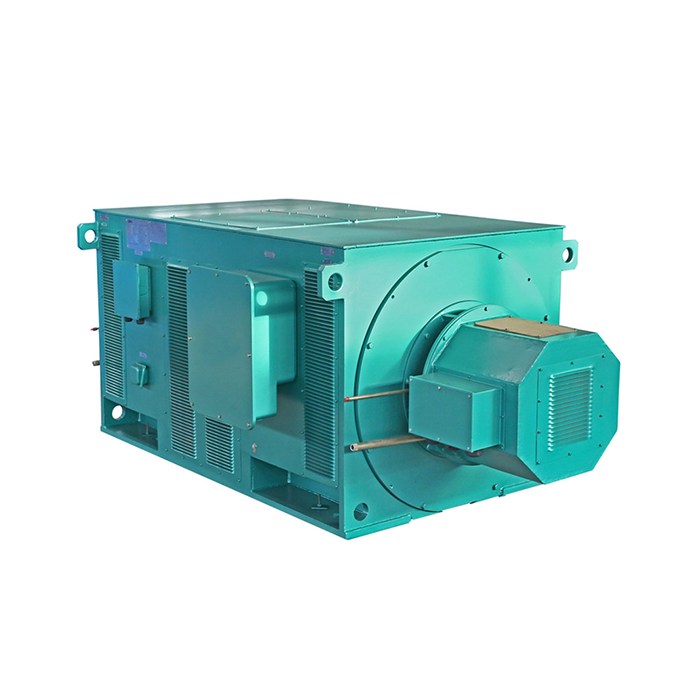
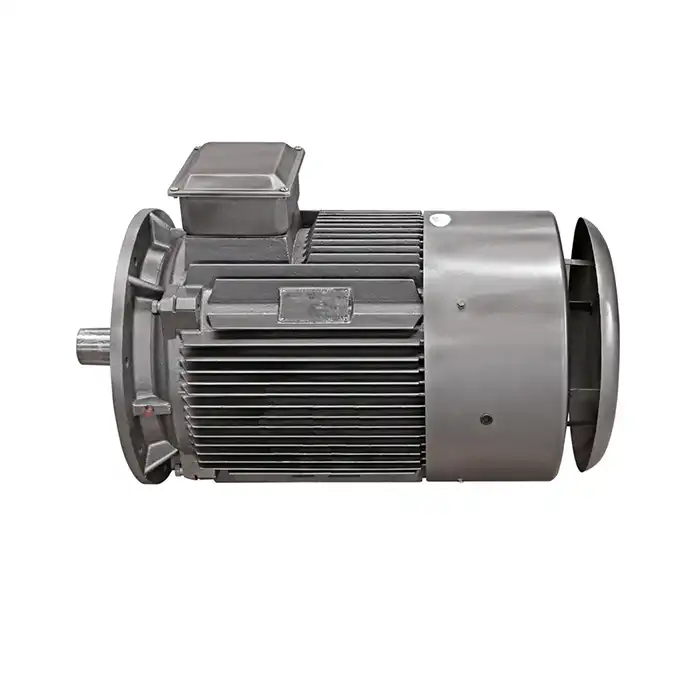
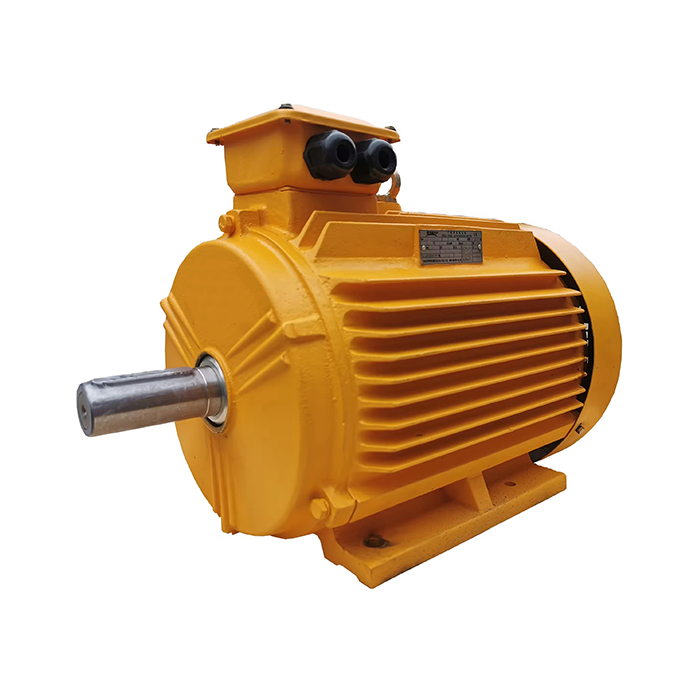
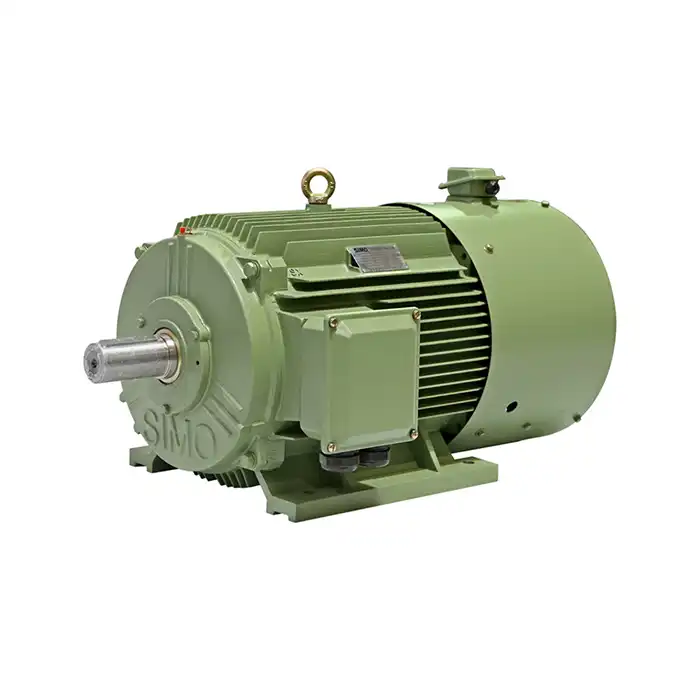
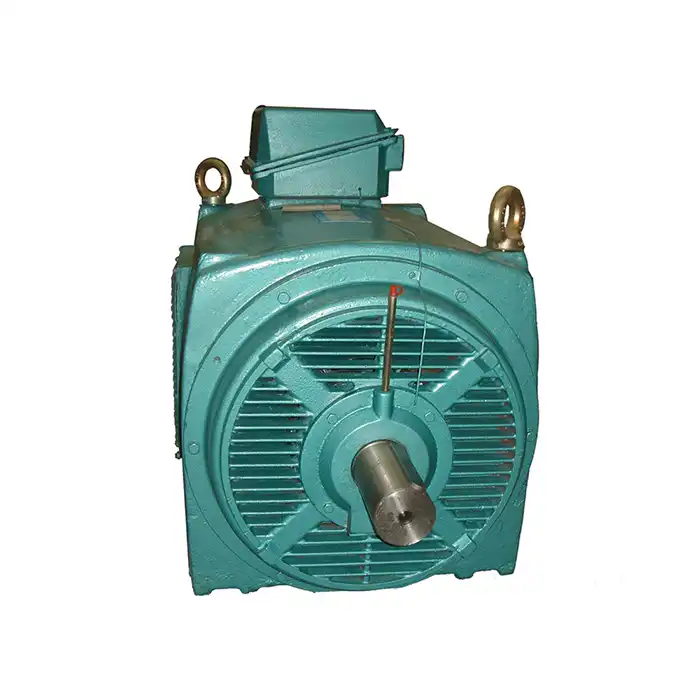
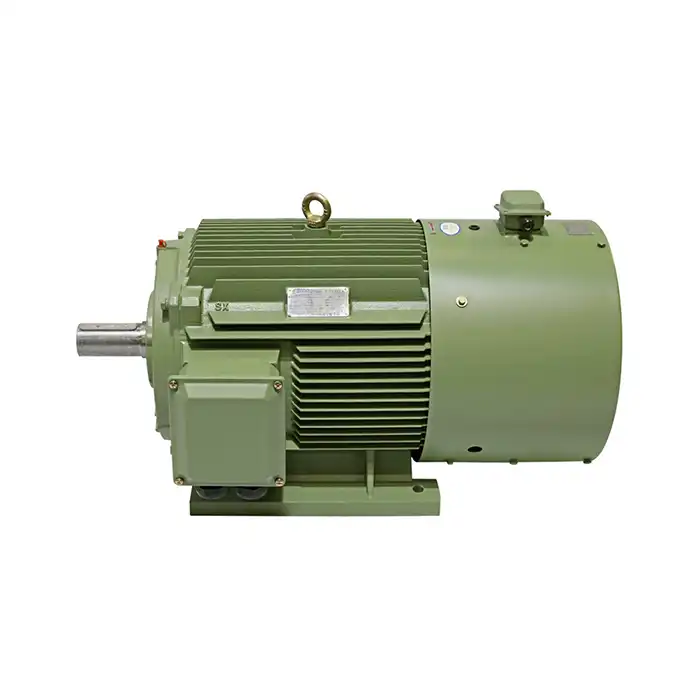
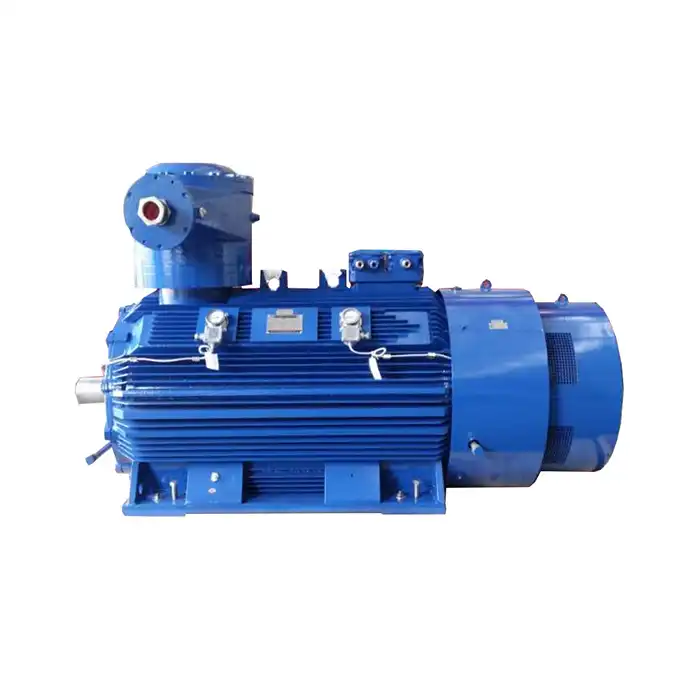
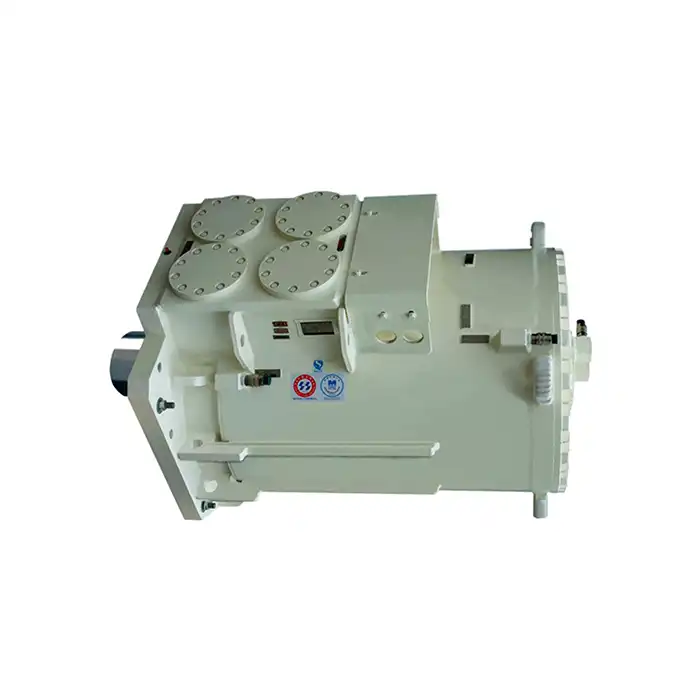
Series:YR
Protection level:IP23
Voltage range:3000V±5%,3300V±5%,6000V±5%,6600V±5%,10000V±5%,11000V±5%
Power range:200-5600 kW
Application:hoist, rolling mill, wire drawing machine.
Advantage:low noise, small vibration, reliable performance, easy installation and maintenance.
Standard: This series of products complies with JB/T10314.1-2002 and JB/T7594 standards.
Others: SKF, NSK, FAG bearings can be replaced according to customer requirements.
Understanding the Starting Torque of Three Phase Slip Ring Induction Motors
Starting torque is the spinning force that is available at no speed when the motor windings are first turned on by power. For big pieces of equipment like breaking mills or steel rolling equipment, this first push is what makes the difference between starting smoothly and stopping completely. Wound rotor motors have better starting qualities than normal squirrel cage designs. This is because slip rings and carbon brushes can be used to change the rotor's resistance from the outside.
The Working Principle Behind Slip Ring Design
The wound rotor motor has copper or metal windings on the rotor that are linked to outside circuits by slip rings. These conductive rings move with the shaft, and stationary brushes keep the electrical contact going. This lets the resistance be added during startup. When you first turn on the motor and add a lot of resistance, the rotor current goes down but the torque stays high. This is because motor torque equations say that torque is equal to the square of voltage divided by total impedance.
As the rotor speeds up, you slowly lower the resistance from the outside, which lets the motor smoothly reach full speed. Our manufacturing partners' YR series motors work well with this idea because they can reach starting torques of 18% to 220% of their rated values. This controlled acceleration keeps mechanical parts safe from shock loads and stops power drops that could damage other electronics in the building.
Key Factors Influencing Starting Performance
During startup, the torque-current ratio is directly affected by the values for rotor resistance. When resistance goes up, peak torque moves closer to zero speed, which is exactly where big loads need the most spinning force. The voltage going to the stator windings is also very important. Our YR series can handle voltages from 3kV to 11kV with a ±5% error, so it will work the same way in all power distribution systems.
The regularity of the supply changes the rates of synchronous speed and power production. The speed of the spinning magnetic field is set by standard 50Hz or 60Hz frequencies. The load inertia tells the motor how fast it can speed up. Mill operators say that when resistance staging is done right, 500kW units can bring 40-ton ball charges up to speed in 45 seconds without going over the thermal limits.
Temperature changes affect how well insulation works and how resistant the windings are. The YR series motors have an IP23 protection rating, which lets enough air flow while keeping out particles bigger than 12.5 mm in diameter. The design of this product gets rid of 15% to 20% more heat than fully enclosed options, and it keeps its starting performance stable from -15°C to +40°C.
Comparing Starting Torque: Slip Ring vs Squirrel Cage Induction Motors
The main difference between these types of motors is how the rotor is built and how it can be controlled to start. In squirrel cage rotors, bars made of cast aluminum or copper are permanently short-circuited by end rings. This creates a fixed resistance that can't be changed while the machine is running. This makes it easier to make, but it limits the starting torque to about 150% of the rated value and draws 6 to 8 times the full-load current in a slip ring 3 phase induction motor.
Torque Curve Analysis and Performance Differences
By looking at characteristic curves, you can see clear patterns of performance. From start-up to full speed, squirrel cage motors make torque that is pretty flat, with peak torque happening at about 80% of synchronous speed. This design works fine for fans and pumps with low starting resistance, but it doesn't work at all for loads with a lot of inertia. When you change the external resistance values, wound rotor designs let you make shapes where the peak torque position changes.
From working on mineral processing installations, we know that failures that cost a lot of money can be avoided by making the starting characteristics adjustable. A cement factory in Southeast Asia switched from foreign squirrel cage units to YR series motors with a 1250kW, 6kV rating. The wound rotor design cut the starting current from 7500A to 3500A while making the breakaway torque 35% higher. This change fixed problems with grid instability that stopped work during shift changes when several mills started up at the same time.
Cost research looks at more than just the starting price of a product. At first, squirrel cage motors are 20% to 30% less expensive, but they need soft starters or variable frequency drives to be controlled when they start up, which makes them more complicated and costs more. Starting control is built into wound rotor systems, which use simple resistor banks that are much cheaper than computer options. Maintenance times are also different. For slip ring designs, the main ongoing cost is replacing the brush every 3000 to 5000 hours of use.
Once the motor hits its stated speed, squirrel cage construction is more energy efficient during continuous operation. However, with current wound rotor designs, the difference between the two gets smaller. When the rotor windings are short-circuited and the load is full, the YR series achieves efficiency ratings that are similar to IE2 standards. Load cycling uses wound rotor technology better because frequent starts put less heat stress on the motor when the current stays the same.
Troubleshooting and Maintenance to Optimize Starting Torque
The first step in a systematic evaluation is to measure the starting current and compare it to the specs listed on the nameplate. Lots of current usually means that resistor elements are shorted out or that the brush contacts aren't making good contact. Not enough starting torque means that the rotor circuits are open or that the insulation is worn down. We suggest taking standard measurements during setup so that you can make useful comparisons during troubleshooting sessions.
Common Issues Affecting Starting Performance
The state of the slip ring's surface has a direct effect on the quality of the electrical contact and the consistency of torque delivery. When carbon dust builds up between rings, it makes conductive paths between them. This lowers the external resistance and makes it harder to start the engine. Every 500 hours of use, operators should check the slip ring surfaces and clean any deposits with a lint-free cloth and the right cleaning solutions. Grooving that is deeper than 0.5 mm needs to be machined out or the ring needs to be replaced to get the shape back to normal.
Based on job schedule and environmental factors, brush wear can be predicted. In clean environments, standard carbon-graphite brushes usually last 3000 hours of use. Metallic-graphite alternatives last up to 5000 hours, but the slip rings wear out faster. Specifications usually call for 150 to 200 grams per square centimeter of brush contact area. Spring pressure keeps the contact force constant. Arcing and faster wear are caused by not enough pressure, while friction losses and heat production are increased by too much force.
Faults in the rotor winding show up as uneven current flow between phases or less torque output. The wound rotor structure is helpful for diagnosis because it lets technicians test the insulation resistance through slip ring terminals without having to take the motor apart. Readings below 1 megohm at working temps mean that the insulation is breaking down and needs to be fixed right away. This makes fixing problems 40% faster than with squirrel cage designs, where checking the rotor requires taking the whole thing apart.
Practical Maintenance Strategies
Condition-based monitoring tracks brush wear, slip-ring condition, phase-current balance, and bearing or winding temperatures to detect faults early. Bearing selection and proper lubrication improve reliability, with SKF, NSK, or FAG options available. Regular resistance-bank inspections using precision ohmmeters identify damaged resistors or loose hardware, helping prevent failures during critical production periods.
Selecting the Right Three Phase Slip Ring Induction Motor for Your Needs
Before choosing a motor, it's important to accurately describe the load, which includes the starting power needs, duty cycle patterns, and the surroundings. For heavy-duty uses, motors that can run continuously and have enough thermal capacity to handle many starts are needed. The YR series' power range, from 200kW to 5600kW, meets most commercial needs. Frame sizes are standard according to IEC measurements so they can be mounted on any surface.
Specifications That Matter for Starting Torque
Starting-torque curves should show performance across different rotor-resistance levels to verify adequate torque and starting time. The YR series supports various voltages with ±5% tolerance. Wound-rotor motors allow smooth speed control from 50–95% of synchronous speed but suit short-term variation better than continuous control. Class F insulation is standard, while Class H is available for harsher, high-duty applications in a three phase slip ring motor.
Procurement Considerations for Industrial Buyers
Standard YR series motors typically ship within 6–8 weeks, while customized designs require 10–14 weeks. After-sales support includes installation guidance, commissioning, and training. CCC, CE, and UL certifications confirm safety and compatibility. YR motors meet relevant JB/T standards, while warranty coverage and long-term spare-parts availability support reliable operation and lower total ownership costs.
Enhancing Operational Efficiency Through Starting Torque Optimization
Strategically placing resistance reduces the amount of energy used during acceleration while keeping enough torque gaps. Usually, there are three to five resistance steps in a starting sequence. The timing is automatically controlled so that the next stage is reached when the timer runs out or the current drops. Finding the best step timing combines different goals: shorter acceleration times lower heat but raise mechanical stress, while slow acceleration increases starting time and energy use.
Advanced Starting Control Techniques
Advanced starting controls use microprocessor-based systems to adjust rotor resistance according to speed and current, maintaining consistent starting performance under changing loads. Liquid rheostats provide smoother, stepless resistance adjustment and better torque control but require electrolyte maintenance. Soft starters combine stator voltage control with rotor resistance management, improving acceleration performance while increasing system complexity and cost.
Emerging Technology Trends
Emerging technologies improve motor durability, efficiency, and maintainability. Advanced slip-ring materials increase wear and corrosion resistance, while optimized rotor designs reduce losses by 8–12%. Predictive maintenance uses wireless sensors, thermal imaging, vibration analysis, and data analytics to cut unplanned downtime by 60–70%. Modular YRKK construction also simplifies servicing and reduces repair time by about 35%.
Conclusion
The difference between effective industrial operations and annoying equipment breakdowns and production delays is how the starting torque is managed. Wound rotor motors have high breakaway power and low current demands, which makes them ideal for big machinery that needs to be started with precision. Understanding the factors that affect starting performance, such as voltage levels and resistance settings, helps engineers choose three phase slip ring induction motor that perfectly meet the needs of the application. When you look at the costs and benefits of slip rings and squirrel cages side by side, you can see that the initial purchase price is less important than the total ownership economics, which include the costs of starting equipment, maintenance, and operational flexibility. Systematic maintenance practices that check the condition of the slip rings, the wear on the brushes, and the integrity of the rotor circuit keep the starting torque levels high for longer service lives. Buyers choose providers that offer expert help and parts availability based on selection factors that include torque curves, voltage ratings, and procurement issues. Optimization strategies, such as using advanced starting controls and new technologies, set up processes to gain from ongoing improvements in efficiency and the ability to plan maintenance ahead of time.
FAQ
1.What advantages do wound rotor motors offer over squirrel cage designs?
The starting torque can be changed by controlling the external resistance. It can reach 18% to 220% of the rated torque while keeping the inrush current at 250% to 300% of full-load levels. Although squirrel cage motors are easier to build, they need 600% to 800% more current to start up and produce less power, so they can't be used with loads that have a lot of inertia. Accessing the rotor windings through slip ring connections makes debugging easier and cuts diagnostic time by 40% compared to designs that need the whole unit to be taken apart for rotor testing.
2.How often should slip rings and brushes undergo inspection?
How often you inspect depends on how hard your duty cycle is and what the environment is like. As a general rule, the surface should be inspected visually every 500 hours to check for carbon dust buildup and other problems. Usually, brushes need to be replaced every 3000 to 5000 hours, but environments that are rough or a lot of starting cycles can shorten their useful life. When surface lines are deeper than 0.5 mm or runout readings show too much eccentricity, slip ring machining is needed.
3.Does starting torque optimization affect continuous running efficiency?
Control methods for starting only affect the acceleration phase. Once the motor gets its stated speed, they have little effect on its steady-state efficiency. When the rotor windings are short-circuited and the motor is fully loaded, modern wound rotor designs reach efficiency levels that are similar to IE2 standards. Applications that need to start up often can benefit from wound rotor technology because controlled starting current lowers thermal cycle stress and increases insulation life, making the machine more reliable over time without lowering its working efficiency.
Partner with XCMOTOR for Your Wound Rotor Motor Requirements
It takes technical know-how and reliable goods that work in tough situations to match motors to heavy-duty uses that are very specific. XCMOTOR has been helping the mining, steel, and cement businesses around the world with their power equipment needs for more than 20 years. Our YR series has the starting torque needed for ball mills, rolling mills, and hoisting equipment. It has power ratings ranging from 200kW to 5600kW and voltage options that meet standards for power distribution around the world.
When you work with well-known manufacturers, you can be sure that the motors you buy will meet international quality standards and still be priced reasonably. We offer three phase slip ring induction motor units with high-quality SKF, NSK, or FAG bearings that are chosen based on your unique needs. Technical support includes reviewing the specifications at the beginning, overseeing the installation, and checking that the equipment is working properly after it has been commissioned.
As part of our dedication to customer satisfaction, we offer full after-sales service, including support on the weekends and quick technical help. Our engineering team works with you to come up with the best motor specifications, whether you need regular list items or custom solutions to solve problems that only your application presents. You can email our three phase slip ring induction motor supplier team at xcmotors@163.com or go to motorxc.com to talk about your needs and get detailed quotes. We give your businesses the reliable starting performance they need, along with the technical know-how and high-quality products that meet your buying standards.
References
1. Chapman, S. J. (2005). Electric Machinery Fundamentals. McGraw-Hill Education.
2. SKF Group. (2018). Bearing failures and their causes. SKF Motion Technologies.
3. Mobley, R. K. (2002). An Introduction to Predictive Maintenance. Butterworth-Heinemann.
4. Electrical Machines and Drives Research Group, University of Cambridge. (2019). Wound rotor induction motors for industrial applications. International Journal of Electrical Engineering Education.
5. IEEE Industry Applications Society. (2020). Starting methods for large induction motors. IEEE Transactions on Industry Applications, 56(3).
6. International Electrotechnical Commission. (2014). IEC 60034-12: Rotating electrical machines - Starting performance of single-speed three-phase cage induction motors. IEC Standards.