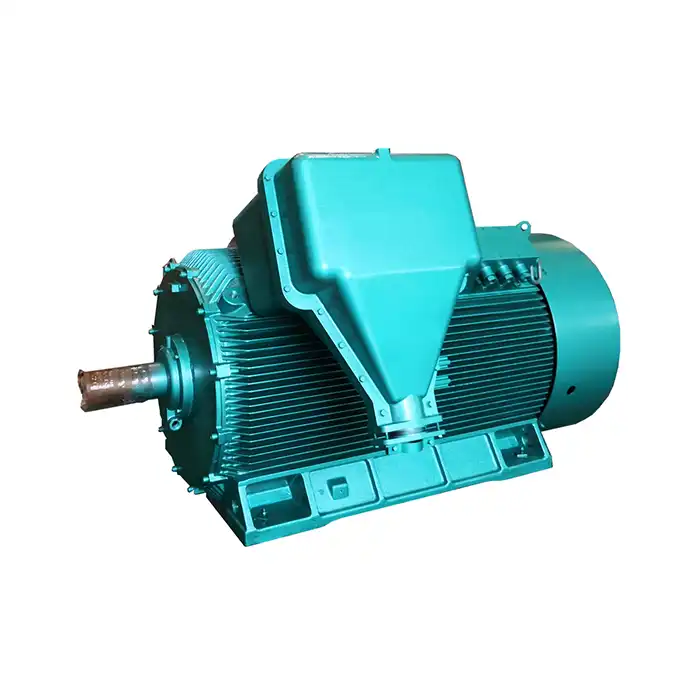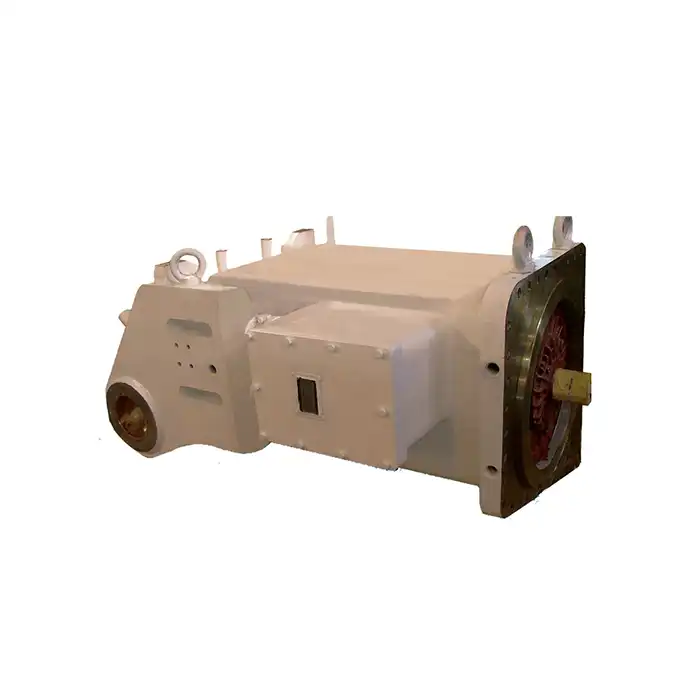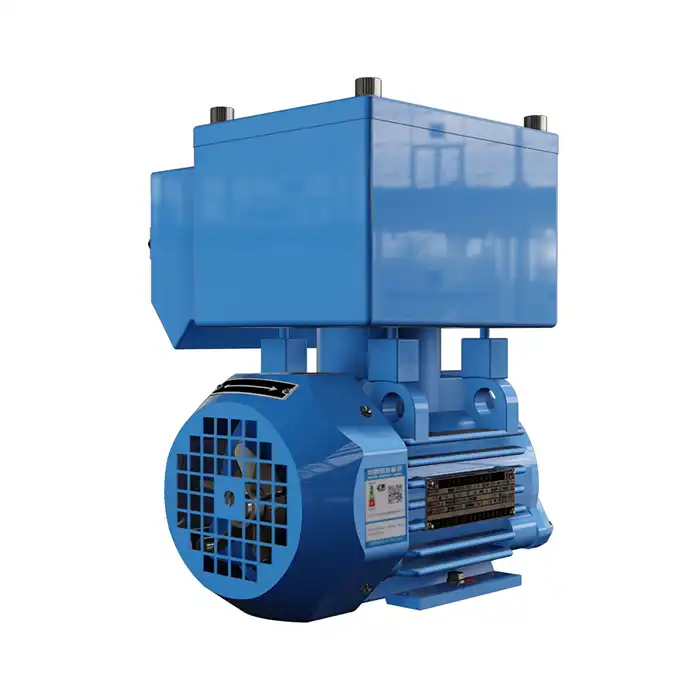




Three Phase Slip Ring Induction Motor Applications Explained
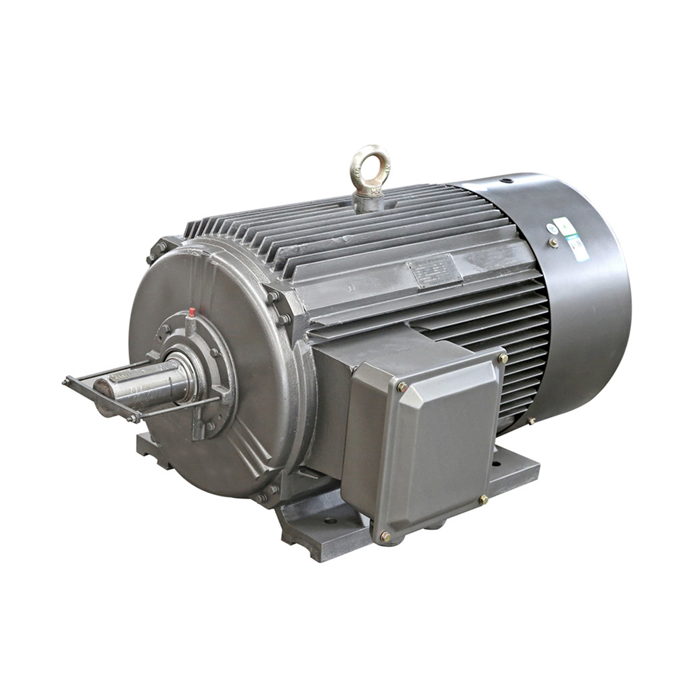
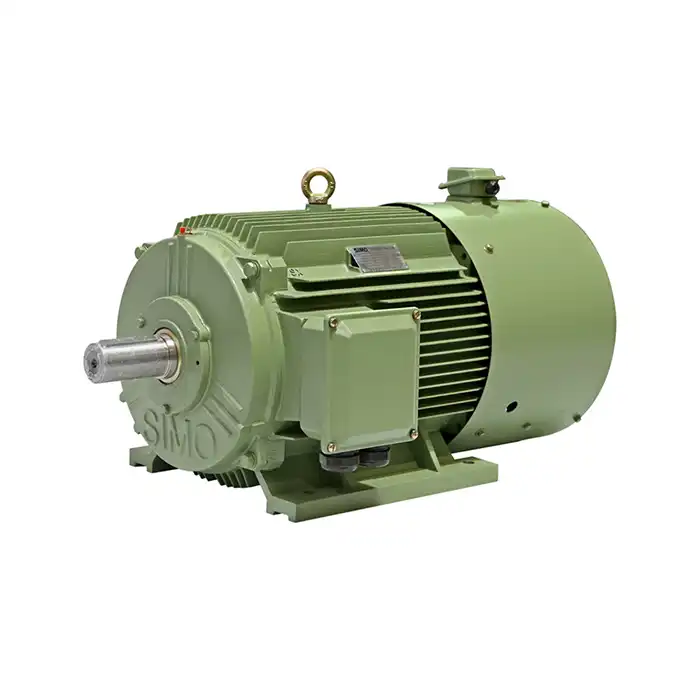
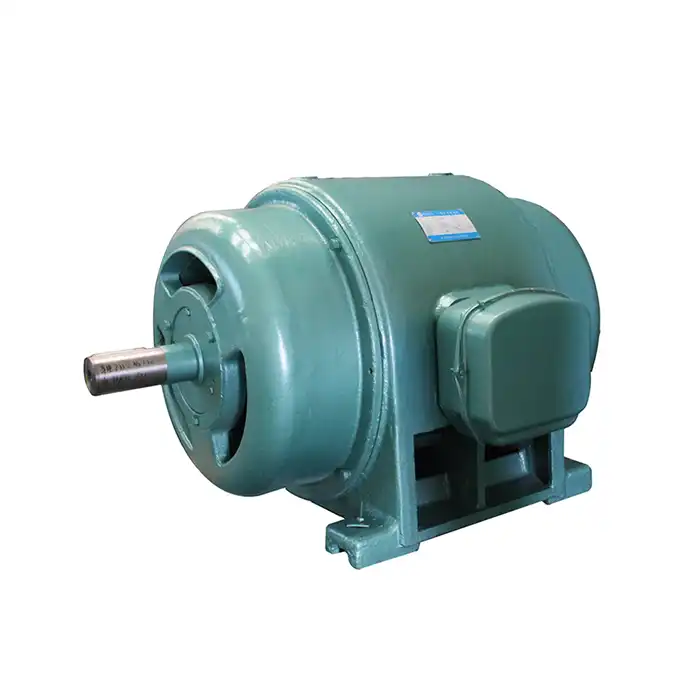
When your ball mill, rolling mill, or heavy-duty hoist demands reliable starting under full load, a three phase slip ring induction motor becomes the engineering solution you trust. These wound rotor motors deliver controlled high starting torque while limiting inrush current—essential capabilities for heavy industrial equipment that cannot afford startup failures. Their unique design allows external rotor resistance adjustment, enabling smooth acceleration even when driving crushers, conveyors, and wire drawing machines that other motor types struggle to handle.
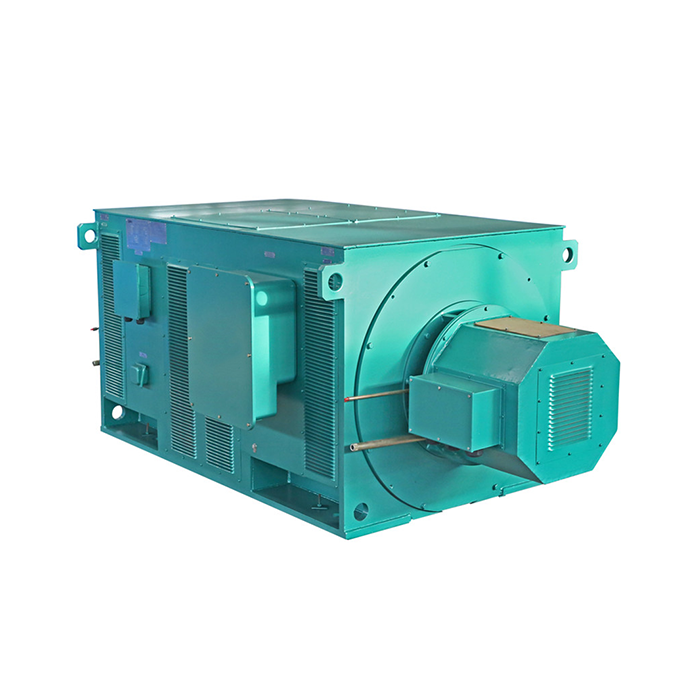
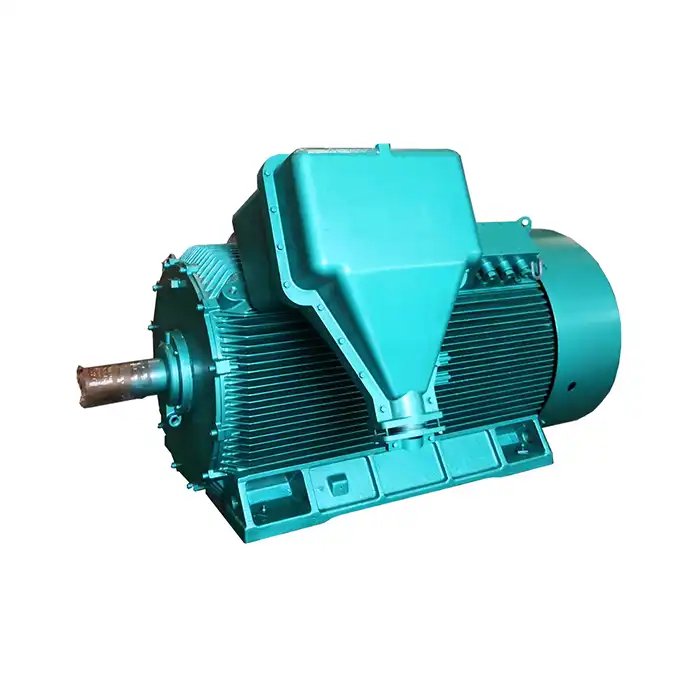
Series:YR
Protection level:IP23
Voltage range:3000V±5%,3300V±5%,6000V±5%,6600V±5%,10000V±5%,11000V±5%
Power range:200-5600 kW
Application:hoist, rolling mill, wire drawing machine.
Advantage:low noise, small vibration, reliable performance, easy installation and maintenance.
Standard: This series of products complies with JB/T10314.1-2002 and JB/T7594 standards.
Others: SKF, NSK, FAG bearings can be replaced according to customer requirements.
Understanding Three Phase Slip Ring Induction Motors
What Makes Slip Ring Motors Different
A slip ring motor, also called a wound rotor motor, has slip rings that connect the rotor windings to resistance outside the motor. By changing this resistance, you can precisely control the speed and force. Putting a lot of resistance into the rotor circuit during startup lowers the inrush current to a level that can be handled. Usually, this is between 2.5 and 3 times the rated current, while it's between 6 and 8 times for squirrel cage designs. As the motor speeds up, resistance gradually drops until the rotor circuit has almost no resistance when it is running in steady state.
The structure has a stator housing wound copper coils, a rotor with windings that can be reached, slip rings on the shaft, and carbon brushes that keep the electricity flowing. In squirrel cage motors, the rotor bars are always short-circuited, which is very different from this design. The wound rotor's external access point gives it important operational flexibility for uses that need to control acceleration profiles.
Core Components and Operating Principles
When attached to a three-phase source, the stator makes a magnetic field that spins. Through electromagnetic induction, this field makes the rotor windings carry current. Slip rings, which are usually made of brass or metal that has been covered with silver, move with the shaft while fixed brushes made of copper graphite or silver graphite keep the electrical contact going. This tool lets you change the rotor circuit in real time without stopping the machine.
According to Faraday's law, the working principle is that the rotating stator field cuts the rotor conductors, creating voltage equal to the difference in relative speed (slip). By changing the external resistance, you can change the size and phase of the rotor current, which has a direct effect on the torque production. Higher resistance at startup leads to the most torque at slower speeds, while lower resistance lets the motor work efficiently close to its synchronous speed.
Advantages and Considerations
Wound rotor motors work great when you need a lot of breakaway torque but don't have a lot of electrical power. Their starting torque is 1.8 to 2.2 times their rated torque, which is enough for mills and cranes that are highly loaded. Voltage drops that hurt other electronics on the same grid happen less often when the starting current is lower. It is still possible to change the speed by adjusting the rotor's resistance, but variable frequency drives often do this job better.
Maintenance needs for squirrel cage motors are different. Wear parts like brushes and slip rings need to be checked and replaced every so often. Regular cleaning is needed to keep carbon dust from building up and causing tracks and insulation to break down. Maintenance costs each year usually take up 6 to 9 percent of the initial investment in tools. The IP23 level of protection works for most workplace settings, but extra protection is needed in dusty or corrosive situations.
Key Applications of Three Phase Slip Ring Induction Motors
Heavy-Duty Industrial Machinery
In mining, these motors are used in ore crushers, ball mills, and hoisting systems that need more starting torque than other types of motors can provide cost-effectively. When a cement plant's tube mill starts up, it makes a huge amount of mechanical resistance because it grinds clinker into finished product. When you need to multiply power, the wound rotor design does it without making the motor or electricity supply system too big, making it suitable for three-phase slip ring motor applications.
In rolling mills, where precise speed control is important for quality control, steel factories use these motors a lot. Being able to easily speed up huge rolls holding hot steel slabs keeps materials from being flawed and equipment from getting damaged. In the same way, wire drawing machines keep tension under control during the drawing process by changing the rotor resistance based on feedback from the load.
Crane and Hoist Systems
In ports, steel mills, and heavy manufacturing plants, overhead cranes need motors that can handle starting and stopping many times and changing loads. For a 50-ton crane to lift coiled steel, it needs fast high torque to get rid of static friction and move the load quickly and easily. Traditional squirrel cage motors either stop working or draw too much power. Wound rotor motors, on the other hand, offer measured acceleration that keeps mechanical and electrical systems safe.
Having the ability to control deceleration is also very useful. Regenerative braking with rotor resistance safely releases kinetic energy, which makes it easier for the driver to control the vehicle. This feature is especially important for exactly positioning heavy loads, which has a direct effect on safety and efficiency.
Pump and Compressor Installations
Deep well pumps, pipeline boosters, and industrial compressors are all high-pressure uses that can be hard to start. Fluid resistance causes a quick load that squirrel cage motors can only get around by having higher power levels or starters with lower voltage. Wound rotor motors are better at moving these kinds of loads because they can start up under full hydraulic pressure when they need to without having to unload first.
Chemical plants and refineries use reciprocating compressors, which create pulsating loads that the slip ring motor is better at handling. The external rotor circuit can handle changes in load without the warmth and loss of efficiency that come with cage rotor designs. Operators like that the link, gearbox, and driven equipment are under less mechanical stress, which means they don't need to be overhauled as often and upkeep costs are lower.
Performance Comparisons Across Motor Types
At full load, synchronous motors are very efficient, but they don't have enough starting power without extra systems. Their higher cost and greater complexity make them better for continuous-duty uses rather than frequent start-stop cycles. When starting needs are low, squirrel cage motors are the best choice because they are cheaper to buy and don't need much maintenance. The wound rotor motor is in the middle. It's more complicated than cage rotors but can do more things than synchronous machines.
A case study of a cement plant showed that 18% less electricity was used after squirrel cage motors that were too big were replaced with wound rotor units on ball mills that were the right size. Controlled starting got rid of voltage drops that hurt other plant equipment, and better power matching made grinding more efficient. The motor change paid for itself in 14 months, thanks to saves in energy and less wear on the parts.
How to Select the Right Three Phase Slip Ring Induction Motor for Your Needs
Evaluating Load Characteristics
An accurate load torque analysis is the first step in your selection process. Find the breakout torque, which is the force needed to break through motionless friction and start moving. Figure out how much acceleration force is needed to get to the working speed in a reasonable amount of time. Find the working torque at full output speed. These three numbers tell us what the motor's torque curve needs to be.
Duty cycle has a big effect on motor size. When something is running continuously at full load, the thermal design has to be conservative. But when it's on intermittent duty with rest periods, the thermal loading can be higher. Cranes are a good example of discontinuous duty (S4 classification according to IEC standards), which lets the motor be chosen based on RMS load instead of peak demand. Most conveyor systems run all the time (S1 service), which means that the motors they use need to be able to handle high temperatures for a long time.
Protection class standards are shaped by environmental factors. The IP23 grade is good for indoor systems that are kept pretty clean. Higher protection, like IP44 or IP54, is needed for outdoor uses or places that get dusty. This comes with higher costs. Cooling and insulating are affected by altitude; sites above 1000 meters need to be derated or have better cooling. The ambient temperature also affects thermal capacity. If the temperature rises above 40°C, you need to talk to the maker about the limits.
Voltage and Power Range Matching
The YR line has voltage choices from 3kV to 11kV, so it can work with local electricity standards and existing systems. Most plants in North America run on 4160V or 6600V, while most plants in Asia and Europe run on 6kV or 10kV circuits. If you choose a motor voltage that matches your distribution system, you won't need a transformer and the losses that come with it.
The power range goes from 200kW to 5600kW, which is enough for most industrial uses. When motors are too small, they get too hot, break down early, and can't move loads properly. Oversizing wastes money, doesn't work well at part-load, and can cause mechanical problems by speeding up too quickly. Working with experienced application engineers makes sure that the right size is chosen, taking into account things like load inertia, startup frequency, environmental conditions, and service factor needs.
Motor standards compliance affects how well parts can be interchanged and how easily they can be found. While still being compatible with IEC standards, the YR series meets the requirements of JB/T10314.1-2002 and JB/T7594 in China. This double compliance makes it easier to get technical approvals for foreign projects and makes it easier to find spare parts around the world.
Bearing Selection and Customization Options
High-quality bearings such as SKF, NSK, and FAG improve reliability, reduce vibration, and extend maintenance intervals, especially in demanding conditions. Customization can include shaft sizes, mounting arrangements, and insulation upgrades. Standard configurations ship in 4–6 weeks, while engineered solutions require 8–12 weeks. Warranty and service agreements further support long-term value and lower lifecycle costs.
Maintenance and Troubleshooting for Long-Term Reliability
Preventive Maintenance Best Practices
Routine maintenance depends on operating conditions, with monthly visual checks, quarterly brush inspections, and semiannual checks of slip rings, bearings, and insulation. The accessible wound-rotor design simplifies brush replacement and reduces lifecycle costs. Proper lubrication, following manufacturer schedules and using compatible grease, prevents bearing wear, overheating, and seal damage in a 3 phase slip ring motor.
Common Issues and Diagnostic Approaches
Brush wear, slip ring damage, and overheating are common motor problems caused by improper brush grade, low spring pressure, contamination, poor ventilation, frequent starts, overloading, or component wear. Regular cleaning, inspection, polishing, and monitoring with temperature sensors and thermal imaging help identify problems early, prevent insulation damage, and reduce unplanned failures.
Value of Manufacturer Support Partnerships
Reputable manufacturers provide long-term support, including genuine spare parts, technical documents, field service, condition monitoring, predictive maintenance, and emergency response. Vibration, insulation, and lubricant analysis help identify problems early, reducing unplanned downtime. Manufacturer-certified training also improves technicians’ troubleshooting and diagnostic skills, ensuring repairs follow warranty requirements and design specifications.
Procuring Three Phase Slip Ring Induction Motors: Market Overview and Buyer Guidance
Supplier Evaluation Criteria
Trusted supplier selection should assess manufacturing capability, ISO9001, CCC and CE certifications, engineering expertise, financial stability, product range, and service responsiveness. XCMOTOR offers YR series motors from 200kW to 5600kW across six voltage levels, simplifying sourcing and spare-parts management. Local support, field service, weekend assistance, and reliable delivery networks further reduce downtime and support global projects.
Pricing Dynamics and Budget Planning
Motor pricing depends on power, voltage, customization, and specifications, with special engineering typically adding 10–25%. Total cost of ownership also includes energy, maintenance, and parts; over 10–15 years, these can far exceed purchase cost. Higher-efficiency motors may provide better value. Budget planning should include 10–15% contingency for delays, changes, commissioning, and financing needs.
Delivery Expectations and Quality Assurance
Standard motors typically require 6–10 weeks, while custom-engineered units need 12–16 weeks; expedited delivery may cost 20–35% more. Quality assurance includes material traceability, inspections, no-load, overspeed, and insulation testing with complete reports. Export packaging protects against moisture, vibration, and corrosion, while clear EXW, FOB, or CIF terms and receiving inspections protect delivery and warranty interests.
Conclusion
When choosing wound rotor motors for big industrial uses, you have to weigh technical specs, cost, and the supplier's abilities. The unique starting features get around problems that other motor types can't, delivering high torque with controlled current in a wide range of applications, from overhead cranes to ball mills. Understanding how parts work, how often they need to be serviced, and how they might be used in a certain application helps buyers make decisions that support business goals. Long-term success is guarantyd by working with suppliers who have a lot of experience and can provide full technical support. The YR series three phase slip ring induction motor is based on technology that has been tested and improved over many years of use in industry. It is reliable when other equipment breaks down, causing lost output and safety risks.
FAQ
1.What applications benefit most from slip ring motors?
In ball mills, crushers, rolling mills, cranes, hoists, and high-pressure pumps, where starting power is high and electrical capacity is low, wound rotor motors work best. Because they can start up with a full load without drawing too much current, they are perfect for mining, making cement, making steel, and moving heavy things. This type of motor works well in situations with heavy inertia loads, a lot of starts, or where smooth acceleration keeps product defects or mechanical damage from happening.
2.How does maintenance compare with squirrel cage motors?
Slip ring motors need more care because the brushes and slip rings wear out over time and need to be replaced from time to time. Brushes are changed every 6 to 18 months, depending on the duty cycle, and the slip rings are reconditioned every 3 to 5 years. When compared to replacing bearings inside sealed motors, these parts are easier to service because they are mounted on the outside. Maintenance costs between 6 and 9 percent of an item's value every year. Squirrel cage motors need less upkeep, but they have to be taken apart completely to fix them.
3.Can I replace imported motors with alternative suppliers?
When replacing ABB or Siemens motors with alternatives, it's important to make sure that the mounting measurements, shaft layout, terminal arrangements, and performance curves all match. Reliable makers give dimensional models and test data to help people make decisions about what to substitute. When you work with well-known sellers who offer certified goods, you can cut costs by 30 to 50 percent while keeping performance the same. Before committing to bulk procurement, prototype validation in your application makes sure that everything works together.
4.What determines motor voltage selection?
Choose a motor voltage that works with your building's electrical system. Not using transformers cuts down on costs and losses. In North America, voltages range from 4160V to 6900V. In Asia and Europe, voltages range from 6000V to 10000V. When voltages are higher, motors are bigger, but conductors are smaller, which makes the motors more efficient. Normal grid changes are covered by the voltage tolerance (±5%). When standard voltage designs don't work with existing infrastructure, custom designs are needed. This takes more time and costs more money.
Ready to Specify Your Slip Ring Motor Solution?
XCMOTOR has 20 years of experience with heavy-duty equipment and can help you with your problems. Our YR series wound rotor motors give your ball mills, rolling mills, and hoisting systems the controlled starting performance they need. They can reach 2.2 times their maximum capacity in starting power and keep inrush current to 2.5 to 3 times normal levels. We offer application engineering help to make sure that the right motor is chosen for your specific load needs, whether you are changing old equipment or planning a new installation. Email our expert team at xcmotors@163.com to talk about the details of your project and get full quotes. We provide certified motors that meet international standards, high-quality SKF bearings, and full after-sales support, including technical help on the weekends. You can see all of our three phase slip ring induction motor options for sale at motorxc.com, or you can ask for a unique setup that fits your voltage, power, and environmental needs.
References
1. Chapman, S. J. (2005). Electric Machinery Fundamentals (4th ed.). McGraw-Hill.
2. International Electrotechnical Commission. (2014). Rotating electrical machines – Part 1: Rating and performance (IEC 60034-1:2010).
3. Toliyat, H. A., & Kliman, G. B. (2018). Handbook of Electric Motors (2nd ed.). CRC Press.
4. IEEE Power & Energy Society. (2017). IEEE Recommended Practice for Electric Installations on Shipboard – Rotating Machinery (IEEE Std 45.3-2017).
5. National Electrical Manufacturers Association. (2016). Motors and Generators (NEMA MG 1-2016).
6. Bonnett, A. H., & Soukup, G. C. (1992). Cause and analysis of stator and rotor failures in three-phase squirrel-cage induction motors. IEEE Transactions on Industry Applications, 28(4), 921-937.