



Where a 3.3 kV Motor Delivers the Best Energy Savings
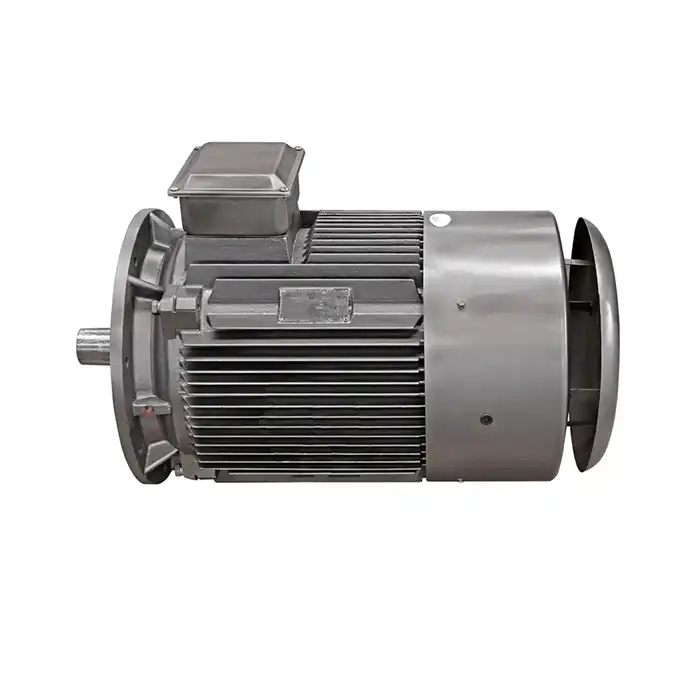
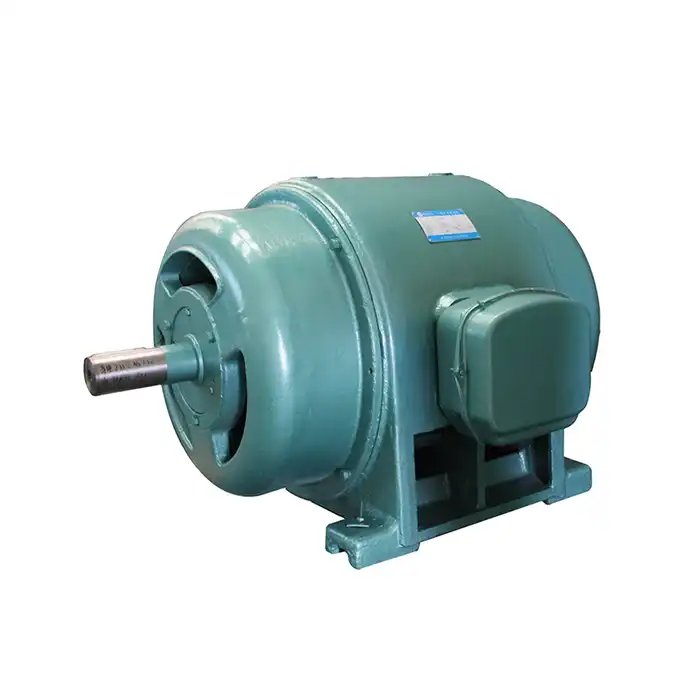
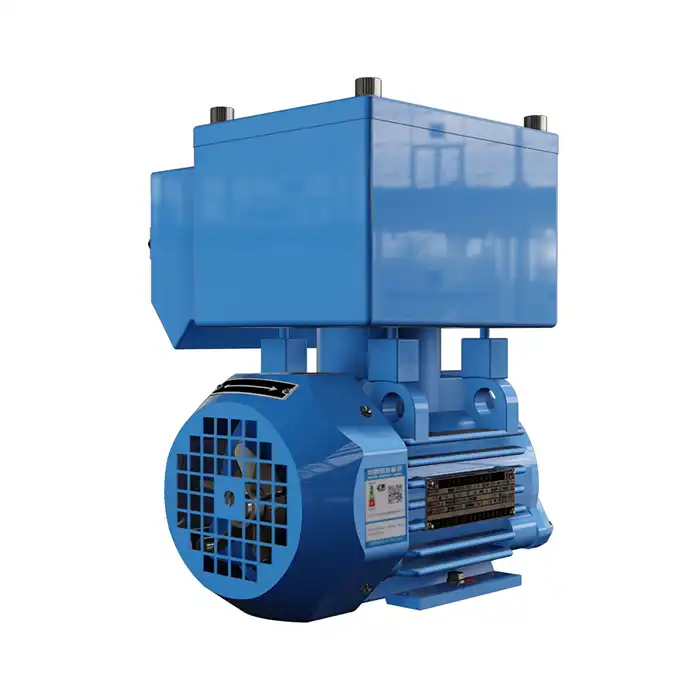
A 3.3 kv motor runs at medium voltage levels and is ideal for commercial buildings that need stable power delivery and big savings on energy. These motors are in a voltage range where losses are kept under control, insulation systems work at their best, and running costs go down compared to some lower voltage and some higher voltage options. Today, saving energy is very important because electricity costs are going up, environmental rules are getting stricter, and companies in the mining, petrochemical, water treatment, and power generation sectors have made sustainability commitments.
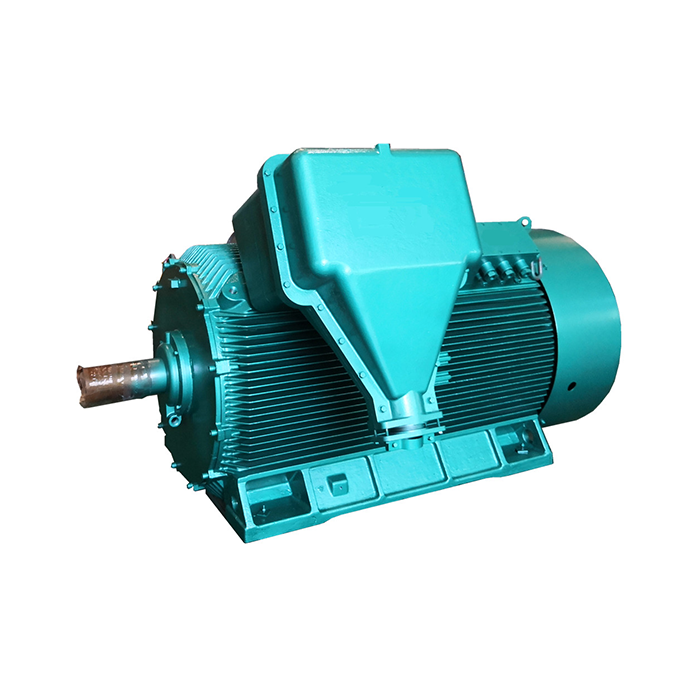
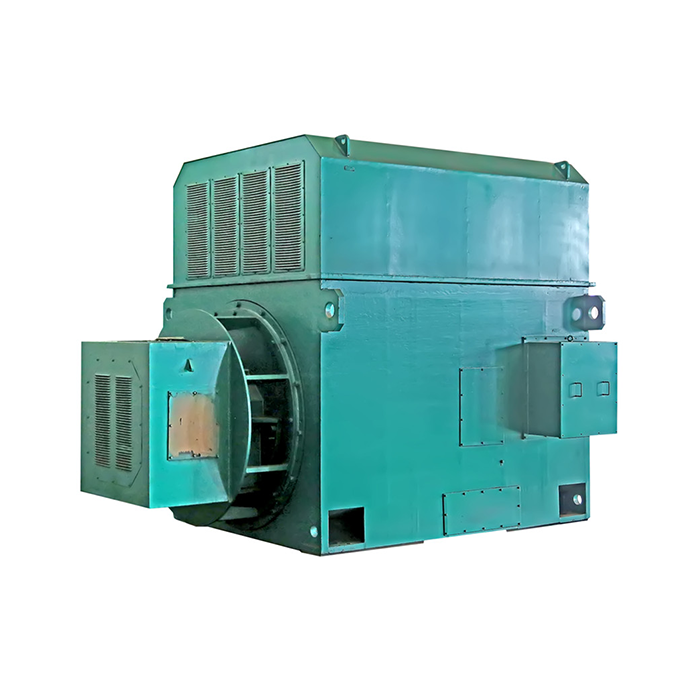
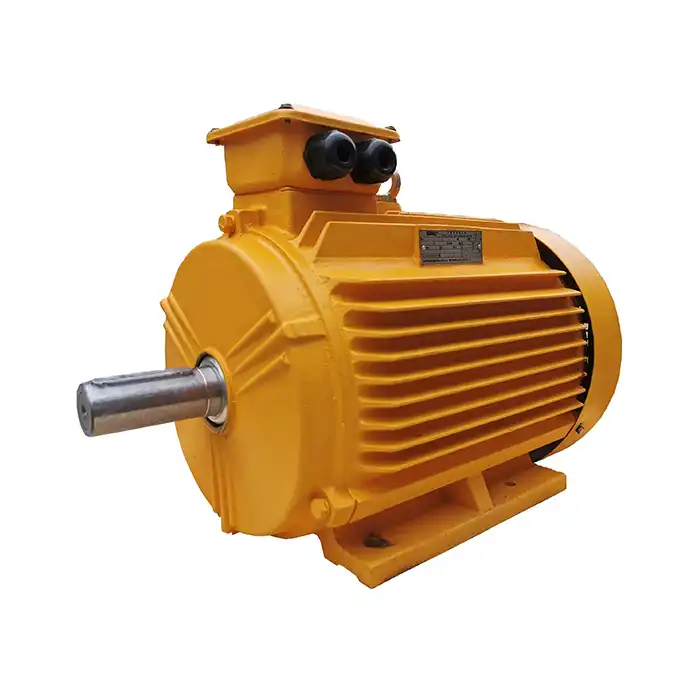
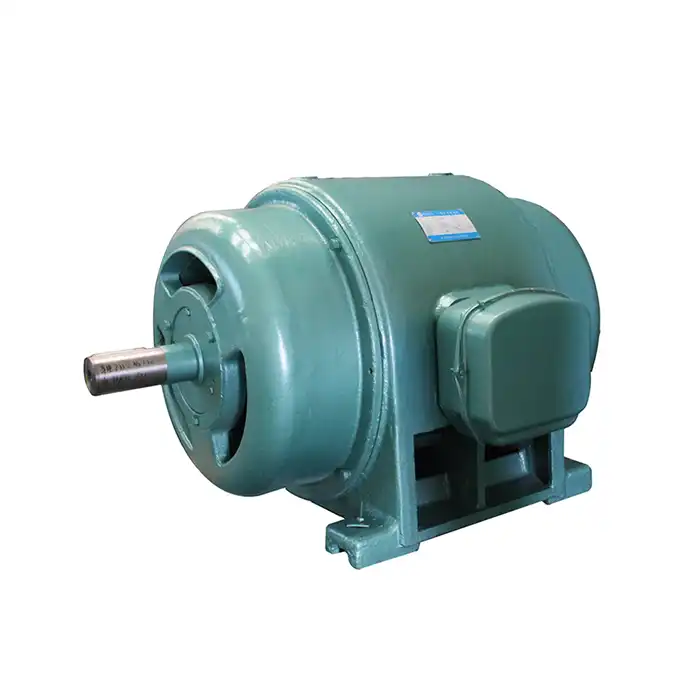
Series:Y2
Protection level:IP54
Voltage range:3000V±5%,3300V±5%,6000V±5%,6600V±5%,10000V±5%,11000V±5%
Power range:160-1600 kW
Application:fans, water pumps, compressors, crushers, cutting machine tools, transportation machinery, etc.
Advantage:compact structure, light weight, low noise, small vibration, long service life, easy installation and maintenance.
Standard: This series of products complies withJB/T10444-2004 standards.
Others: SKF, NSK, FAG bearings can be replaced according to customer requirements.
This guide looks at the technical basics, possible uses, performance improvement strategies, buying methods, and new product developments related to medium-voltage motors. Electrical engineers and procurement managers working on big projects, like those in charge of crusher drives, compressor systems, and conveyor networks, will learn how to choose motors that use 15 to 20 percent less energy while still meeting strict delivery deadlines and certification requirements.
Understanding 3.3 kV Motors and Their Energy Efficiency Potential
What Defines a Medium-Voltage Motor
Between low-voltage units (typically less than 1 kV) and high-voltage machines (above 6.6 kV), a 3.3 kv motor performs medium-voltage functions. With power ranges from 160 kW to 1600 kW, this voltage class is perfect for industrial drives that need to handle a lot of power. The insulation system, which is usually labeled Class F or Class H, can handle electrical and thermal pressures and keep its dielectric stability for many years. A squirrel-cage rotor design is common in construction. This design removes the need for brush upkeep and reduces friction losses.
New versions use better types of magnetic steel and better ways to wind the wires. Core losses and copper losses are two of the main causes of waste that these improvements cut down on. Modern medium-voltage motors are more efficient than older Y-series motors. This means that you will pay less for electricity and leave less of a carbon footprint (IEEE, 2021). When properly matched to application load profiles, these motors work closer to their stated efficiency point throughout the workday. This means they don't lose efficiency as much as equipment that is too big or too small.
Voltage Flexibility and Application Range
Medium-voltage motors made to JB/T10444-2004 standards have a voltage tolerance of ±5% across a range of levels, including 3000V, 3300V, 6000V, 6600V, 10000V, and 11000V. This freedom is very helpful for EPC workers who are working on projects in places with different grid systems. Small changes to the windings on a single motor design platform can be made to meet the voltage needs of a specific site. This simplifies inventory and cuts down on lead times.
The power output ranges from 160 kW to 1600 kW, which is enough for centrifugal pumps, induced-draft fans, jaw crushers, ball mills, and rotating kilns, among other things. Ranging in speed from 500 to 3000 RPM, it can meet the mechanical needs of driven tools without the need for extra gears, which waste energy. IP54 protection makes sure that devices work reliably in dirty mines, damp processing plants, and outdoor settings where wetness and particles can shorten the life of parts.
Efficiency Advantages Over Alternative Voltage Classes
The capital and running costs are affected by choosing the right power level. Low-voltage motors (415V or 690V) need higher currents to give the same amount of power. This makes the wire cross-section bigger, the resistance losses higher, and the voltage drop higher over long distances. High-voltage motors (above 6.6 kV) lower power but need more complicated insulation systems, specialty switchgear, and strict safety rules, which make them more expensive to buy and keep up.
For power needs in the middle range, a 3.3 kv motor is the most efficient option. Cable sizes stay doable, switchgear costs stay reasonable, and the level of complexity in the shielding stays low so that the voltage doesn't get too high. The International Electrotechnical Commission did studies that show medium-voltage motors in this class have full-load efficiencies of more than 95% when designed to IE3 or IE4 standards. This is a level of performance that is hard to match with low-voltage options in the same power bracket (IEC, 2020).
Where 3.3 kV Motors Deliver the Greatest Energy Savings — Application Insights
Heavy Mining Operations
Huge crushers, conveyors, and hoisting systems are used in mines and can work nonstop for months at a time. When used 90 hours a week, a 3.3 kV motor with an 800 kW rating that powers a gyratory crusher uses about 6.3 million kWh of electricity each year. Changing an old motor that is only 88% efficient to a new one that is 94% efficient saves about 450,000 kWh per year. At an industrial electricity rate of $0.08 USD per kWh, this saves $36,000 a year, which means the motor premium is paid back in two to three years.
Strong construction is needed for these setups, with frames that are strengthened, SKF or NSK bearings that last longer between services, and IP54 enclosures that keep out rough dust. The structure is small and light, which makes it easier to install in underground shafts or on mobile crusher platforms. Low tremor levels protect the infrastructure around the bearings and make them last longer, which cuts down on unplanned downtime that delays production.
Petrochemical and Refinery Applications
A refinery has a lot of pumps and compressors that move raw materials, intermediates, and final goods through complicated process networks. Multiple centrifugal pumps powered by 3.3 kv motors are used in a typical crude distillation unit to handle corrosive fluids at high temperatures, with 3kv electric motors also suitable for these situations. In these situations, energy use is the main cost over the course of ownership, with power costs making up 60 to 70% of all costs over twenty years.
If you choose motors with Class H insulation and optimized ventilation (IC411 cooling method), they will work well even when the temperature outside reaches 45°C. The mix of low noise and low vibration keeps plumbing systems from wearing out too quickly and lets them be installed closer to process equipment, cutting down on the cost of long, expensive high-pressure pipe runs. Third-party inspection methods needed for export projects, like pre-shipment testing and witness testing, work well with XCMOTOR's quality assurance system. This gives project managers peace of mind about the equipment's dependability before it's put into use.
Water Treatment and Municipal Infrastructure
Cities treat millions of gallons of water every day, so how well motors work has a direct effect on their running costs. A high-volume pump is powered by a 500 kW 3.3 kv motor, which works 8,400 hours annually. By raising efficiency from 91% to 95%, you can save about 180,000 kWh per year, which is $14,400 at normal city prices. Over the life of fifteen years, each motor saves more than $200,000, which can be used to pay for improvements to infrastructure or lower taxes.
In these places, long service life and easy upkeep are important. Bearing setups that accept SKF, NSK, or FAG parts make it possible for spares to be used consistently across sites, which makes managing inventory easier. Routine inspections are faster when terminal box covers are quick-release and winding connections are easy to get to. This cuts down on downtime during planned maintenance windows. Being able to change the voltage between 3 and 11 kV lets you deal with changes in the utility grid without having to make expensive changes to the transformer.
Industrial HVAC and Ventilation Systems
Huge HVAC systems keep the temperature, humidity, and air quality in check in big industrial complexes like auto plants, semiconductor factories, and food processing plants. Medium-voltage motors power induced-draft fans and feed air movers that work all the time. A 300 kW fan motor that runs for 8,000 hours a year uses 2.4 million kWh. A 4% increase in efficiency saves 100,000 kWh per year, which is worth $8,000, and cuts carbon pollution by about 70 metric tons per year.
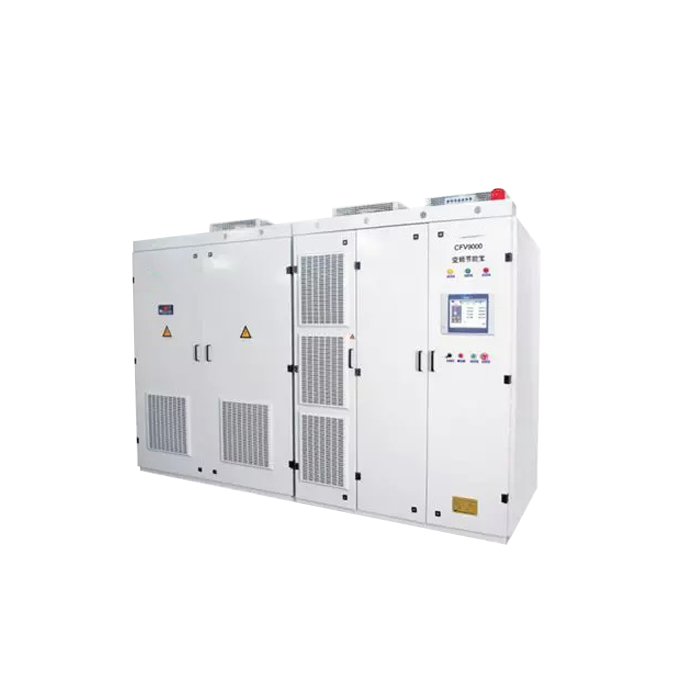
By matching airflow to real-time demand, variable frequency drives save even more energy than standard damper controls, which wastefully slows down airflow. Small motor footprints and light weight make installations easier on roofs, where equipment size is limited by the weight of the structure. Low vibration protects the connections between ductwork and lowers the noise that gets into occupied areas, making the workplace more comfortable and following the rules.
Optimizing 3.3 kV Motor Performance for Energy Efficiency
Preventive Maintenance Protocols
To keep things running at their best, they need regular maintenance that follows the manufacturer's instructions and the conditions of use. Visual checks every three months find early signs of insulation wear, bearing wear, and cooling system blockages. Infrared thermography can find hotspots that mean there are imbalances in the windings or not enough cooling airflow before they cause catastrophic failures. Vibration analysis finds problems like imbalance, uneven rotors, or broken bearings that make friction losses higher and speed up component wear.
When to grease a bearing depends on the load, the speed, and the environment. When you grease something too much, the oil pushes past the seals, attracting dust and making it too hot. Under-greasing speeds up wear and makes the working temperature go up. When you choose high-quality SKF, NSK, or FAG bearings and grease them at the right times (usually every 2,000 to 4,000 hours for medium-voltage motors), you can balance the cost of maintenance with the reliability of the bearings. By keeping detailed maintenance logs, predictive maintenance strategies can be used to plan interventions for planned production shutdowns, which keeps expensive emergency repairs from having to be made.
Addressing Common Efficiency Degraders
Insulation in windings wears down over time because of changes in temperature, water getting in, and chemicals being exposed. Megohm meters are used to test the insulation's resistance on a regular basis. This finds degradation before ground problems happen. When values fall below the manufacturer's limits, corrective steps are taken, such as baking out moisture, applying insulating varnish, or setting up rewinds. Leakage currents that waste energy and put people in danger can be stopped by keeping the insulation in good shape.
Blockages in the cooling system raise the temperatures of the windings, which lowers their efficiency and shortens the life of the insulation. Cleaning the airflow paths, changing jammed filters, and making sure the fans work right all help the cooling system work as it should. Surface pollution from things like oil mist and dust buildup works as thermal insulation, keeping heat inside the motor. Cleaning regularly with compressed air or light chemicals improves heat transfer and stops performance loss caused by temperature.
Leveraging Efficiency Standards and Certifications
The international efficiency classifications (IE1, IE2, IE3, IE4) make it easy to compare how well different motors work. IE3 (Premium Efficiency) motors have measurable lower working costs than older IE1 (Standard Efficiency) units, and they usually pay for themselves in less than three years for uses that run all the time. IE4 (Super Premium Efficiency) motors are the most advanced yet. They use advanced materials and electromagnetic designs that are optimized to get efficiencies that are close to theoretical limits (IEC, 2020).
Specifications for buying things should require at least IE3 to work, and IE4 should be considered for applications that get a lot of use. Motors that have certification marks like CCC, CE, or ISO9001 show that they meet standards for safety, speed, and quality control. Accredited third-party testing reports provide objective confirmation of efficiency claims, keeping procurement managers safe from performance specifications that are too high. Including these certifications in the bid documents makes sure that suppliers deliver motors that meet the efficiency promises made in the contract.
How to Choose and Procure 3.3 kV Motors for Maximum Energy Savings
Matching Motor Characteristics to Application Requirements
Matching motor characteristics to the load prevents oversizing and improves efficiency. High-starting-torque applications need strong rotors and thermal capacity, while pumps and fans prioritize continuous full-load efficiency. Duty-cycle analysis determines thermal requirements: S1 motors suit continuous operation, while S3/S4 handle intermittent loads. Temperature, altitude, and humidity also affect cooling and may require motor derating for 3kv electric motors.
Evaluating Supplier Capabilities and Support
Supplier evaluation should consider reliable 8–12-week delivery, customization options such as voltage, bearings, and mounting, and strong after-sales support. Spare parts, regional service centers, expert assistance, and warranties covering manufacturer defects reduce operating risks. References from similar mining and petroleum projects also help confirm supplier reliability, technical capability, and long-term support throughout the motor’s service life.
Procurement Strategies for Complex Projects
Large EPC projects can standardize motor frame sizes, voltages, and accessories to simplify spare parts, maintenance, and training while securing volume discounts. Framework agreements can also lock in prices, delivery schedules, and technical support. For international projects, experienced suppliers coordinate letters of credit, export documents, freight, and pre-shipment inspections to ensure compliance and prevent customs delays, returns, and costly disruptions.
Future Trends and Innovation in 3.3 kV Motors Energy Efficiency
Advanced Materials and Design Optimization
Advanced magnetic materials and optimized electromagnetic designs improve motor efficiency by reducing core losses and refining winding and flux paths. Amorphous metal cores can significantly reduce no-load losses, benefiting lightly loaded or standby motors. Nanotechnology-enhanced insulation withstands higher temperatures, enabling smaller or higher-power designs, reducing material use and environmental impact while improving long-term field performance.
Smart Monitoring and Predictive Maintenance
Industry 4.0 motor monitoring uses vibration, temperature, and current sensors connected to cloud platforms and machine-learning systems to detect abnormal conditions before failures occur. Predictive alerts allow planned maintenance and reduce downtime. Monitoring also identifies efficiency losses and supports bearing replacement, balancing, or rewinding, while energy data helps optimize processes, improve system efficiency, reduce costs, and support carbon reporting.
Regulatory Drivers and Sustainability Mandates
Governments worldwide are tightening minimum motor-efficiency standards, accelerating IE3 and IE4 adoption through regulations such as the EU Ecodesign Directive. Corporate net-zero goals, renewable energy purchasing, and Scope 2 emissions reporting also make motor efficiency a strategic priority. Because efficient upgrades can reduce both energy costs and emissions, sustainability requirements are increasingly shaping industrial procurement decisions.
Conclusion
Medium-voltage motors save a lot of energy in mining, petrochemical, water treatment, and industrial HVAC uses that need between 160 kW and 1600 kW of power. When compared to older equipment, improvements in efficiency of 15 to 20 percent mean big drops in running costs, and the payback time is usually less than three years. If you choose motors that meet IE3 or IE4 standards, make sure they are matched correctly to the load, and keep them in good shape, these benefits will last for twenty years with a 3.3 kv motor.
A successful procurement process includes looking at not only the motor specifications, but also the supplier's skills, the reliability of delivery, and the support provided after the sale. New technologies, like advanced materials, smart tracking, and integrating Industry 4.0, offer even more operating and efficiency gains. Businesses can gain a competitive edge and meet their environmental obligations by making sure their buying strategies are in line with changing regulations and their own sustainability goals.
FAQ
1.What energy-saving benefits do 3.3 kV motors offer compared to low-voltage alternatives?
Medium-voltage motors lower the amount of current needed to produce the same amount of power. This lowers the amount of resistance lost in cables and switchgear. This benefit gets bigger as the transmission distance and cable length get longer. When running at 415V, a 500 kW motor needs about 700A of current, but when running at 3300V, it only needs 90A. Lowering the current cuts the cross-sectional area of the wire by about 60%, which saves money on materials and energy. Over the course of fifteen years, these saves often outweigh the extra cost of medium-voltage equipment.
2.How frequently should maintenance occur to sustain efficiency?
Visual checks every three months, vibration studies once a year, and thermographic surveys once every year find problems early on. Depending on speed, load, and ambient conditions, bearings usually need to be oiled every 2,000 to 4,000 hours of use. Every six months, insulation resistance testing checks the condition of the winding. Every five to seven years, motors that run all the time get full overhauls that include new bearings, checking of the windings, and balance of the rotor. By keeping records of repair tasks, predictive models can be used to plan actions for times when production is supposed to be shut down, which cuts down on unplanned downtime.
3.Can motors be customized for specific industrial applications?
Standard platform structures can be used with modern motor designs that allow for a lot of customization. Changes in voltage between 3 and 11 kV, special bearing specs (SKF, NSK, FAG), different mounting setups, and different cooling methods can all be used to meet the needs of a particular spot. Specialized uses are made possible by custom shaft extensions, encoder mounting holes, and approvals for dangerous areas. Working together during the specification phase makes sure that the motors are perfectly suited to the job, so that changes made in the field don't hurt performance or void warranties.
Partner with XCMOTOR: Your Trusted 3.3 kV Motor Supplier for Unmatched Energy Efficiency
To keep project schedules and lower energy costs at the same time, you need a provider with both professional know-how and reliable execution. We sell medium-voltage motors made for tough mining, petroleum, and industrial uses at XCMOTOR, which is run by Shaanxi Qihe Xicheng Electromechanical Equipment Co., Ltd. Our product line includes 160 kW to 1600 kW models with a range of voltages (3000V, 3300V, 6000V, 6600V, 10000V, and 11000V). All of our units are made to JB/T10444-2004 standards and have CCC, CE, and ISO9001 certifications. We help EPC contractors and project procurement teams by offering customized specs, 8–12 week lead times, and full technical support during the equipment selection, third-party inspection, and commissioning stages. You can email our team at xcmotors@163.com or go to motorxc.com to talk about your project needs and get a full quote that fits your needs, including 3.3 kv motor options. Trust our track record of providing stable, high-efficiency power options around the world.
References
1. Department of Energy. (2022). Energy Efficiency Standards for Electric Motors. Washington, DC: U.S. Department of Energy.
2. IEC. (2020). Rotating Electrical Machines – Part 30-1: Efficiency Classes of Line Operated AC Motors (IE Code). Geneva: International Electrotechnical Commission.
3. IEEE. (2021). IEEE Standard Test Procedure for Polyphase Induction Motors and Generators. New York: Institute of Electrical and Electronics Engineers.
4. National Electrical Manufacturers Association. (2021). NEMA MG 1: Motors and Generators. Rosslyn, VA: NEMA.
5. Copper Development Association. (2019). Energy Efficient Motor Systems: Optimizing Energy Use in Industrial Applications. New York: Copper Development Association.
6. ABB. (2020). Technical Guide: Medium Voltage Motors for Industrial Applications. Zurich: ABB Group.