



The Maintenance Tips to Improve YKK High Voltage Motor Efficiency
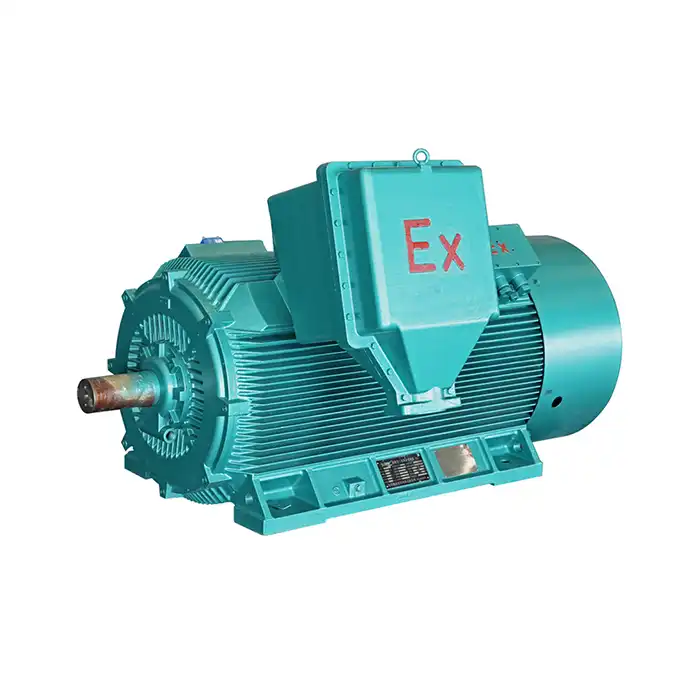
To make high-voltage motors more efficient, you must first understand the basics of upkeep. Fans, pumps, compressors, and other industrial gear depend on YKK motors, which have power ranges from 200 kW to 6300 kW and voltage ranges from 3kV to 11kV. Regular care keeps them working well, cuts down on wasted energy, and increases their useful life. This book gives useful repair tips for buying workers who run industrial operations. These tips will help you get the most out of your money while keeping production going.
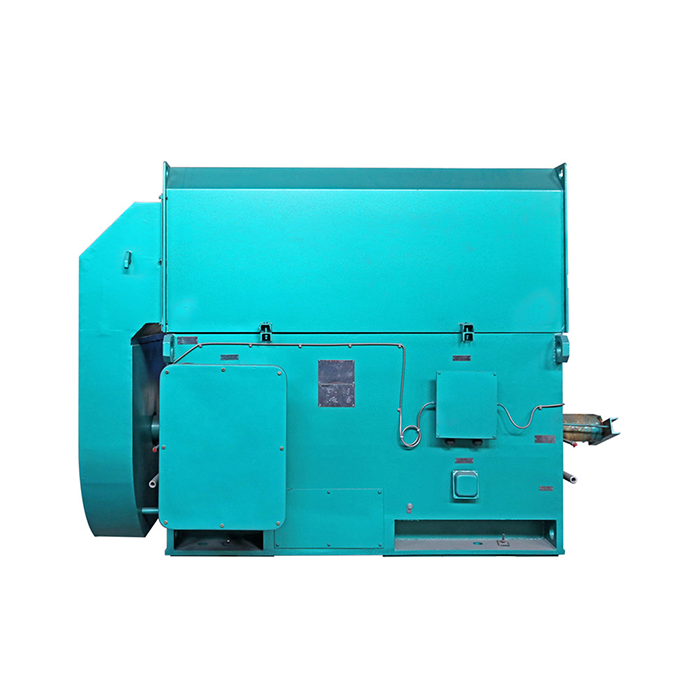
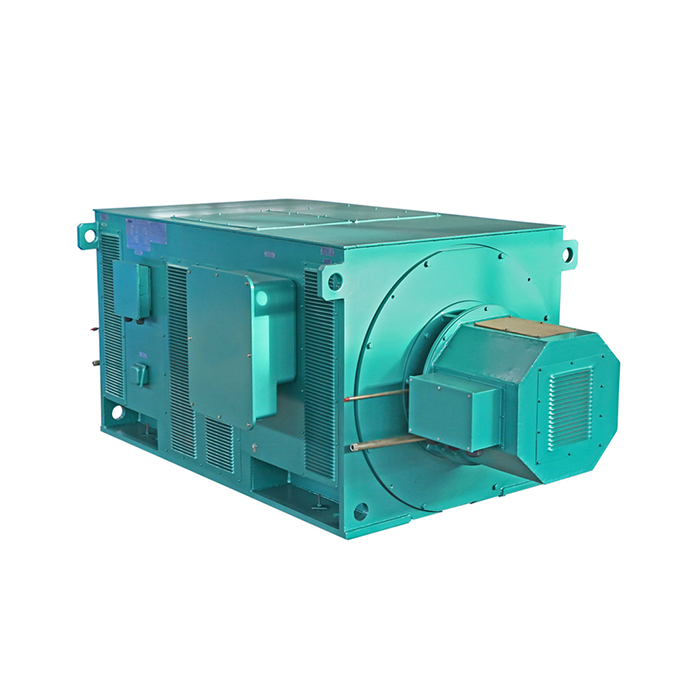
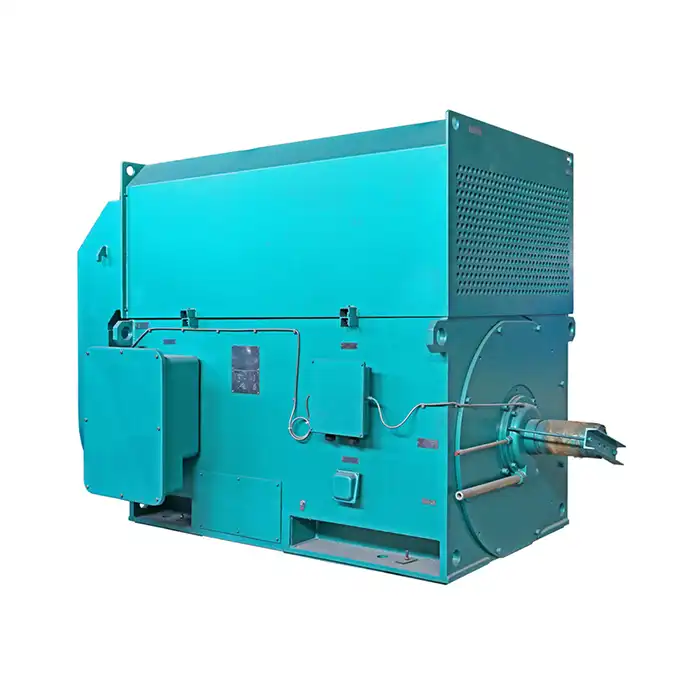
Series:YKK
Protection level:IP54
Voltage range:3000V±5%,3300V±5%,6000V±5%,6600V±5%,10000V±5%,11000V±5%
Power range:200-6300 kW
Application:fans, water pumps, compressors, crushers, cutting machine tools, transportation machinery, etc.
Advantage:low noise, low vibration, long service life, easy installation and maintenance.
Standard: This series of products complies with JB/T 12730 and JB/T 12729 standards.
Others: SKF, NSK, FAG bearings can be replaced according to customer requirements.
Understanding the Importance of Maintenance for YKK High Voltage Motors
Why Maintenance Directly Impacts Motor Efficiency
When they work, high-voltage motors are put under a lot of electrical and mechanical stress. YKK motors are protected by IP54 and meet JB/T 12730 and JB/T 12729 standards, so they can be used in tough industrial settings. Without regular upkeep, even strong motors lose performance over time. Bearing wear, insulator decay, and higher electrical resistance are all things that cause energy to be lost. Maintenance stops these losses, which keeps energy use within the best range and stops unexpected breaks that throw off production plans.
How Proper Upkeep Extends Motor Service Life
Strategic upkeep keeps the purity of the motor at all times. When properly kept, YKK motors have low noise levels, low shaking levels, and a long working life. Regular checks find wear patterns early, so repairs can be made right away. Lubrication programs cut down on friction losses, and cleaning schedules keep contaminants from building up. Electrical tests can find weak spots in shielding before they cause a major failure. With this all-around method, maintenance goes from being immediate fixes to strategic asset management, which saves a lot of money over the life of the motor.
Key Maintenance Tips to Optimize YKK Motor Efficiency
Regular Inspection and Condition Monitoring
Maintenance plans that work are built around regular checks. Visual inspections show damage to the surface, broken connections, and wear patterns that don't make sense. Vibration analysis finds problems with bearings, misalignment, and wheel flaws before they lead to more damage. Thermal imaging finds areas that indicate there is electrical resistance or a problem with the cooling system. Recording what was found during a check gives us a starting point for analyzing trends, which lets us plan and take action. These methods of tracking are especially helpful for motors that are used in difficult situations, like water pumps, crushers, and transportation equipment, where uptime directly affects how much can be made.
Electrical System Maintenance and Testing Protocols
Maintenance on electrical systems stops energy loss and major breakdowns. Using megohmeters to test insulation resistance can find signs of wear and tear in windings that are rated at Class F (normal) or Class H insulation. Checking the tightness of the connections stops reactive heating at the junction blocks and wire joints. Power quality tracking finds voltage imbalances and harmonic distortions that put stress on motor parts. Electrical systems stay in good shape by being tested regularly across the voltage range, whether it's 3000V, 6600V, or 11000V. By taking this proactive step, motors that run fans, blowers, and cutting machines are protected from voltage-related stress. To keep the electrical purity, you need special tools and understanding. Thermal scanning finds resistance in a link before it breaks. Testing for ground resistance makes sure that the safety device works. Motor circuit analysis checks the state of the rotor bar without taking it apart. These improved tests go along with regular maintenance and give a full picture of the system's health. Electrical testing, along with mechanical upkeep, protects the motor completely, keeping the energy efficiency and strong build that make high voltage motors good.
Troubleshooting Common Efficiency Issues in YKK Motors
Identifying Mechanical Faults Affecting Performance
Mechanical problems show up as certain signs that need to be systematically diagnosed in equipment such as a ykk motor. More vibrations mean that the bearings are wearing out, the shaft is out of line, or the rotor isn't balanced. Strange noise patterns could mean that there is mechanical interference or that a part is loose. Temperature rises above standard running ranges mean that the cooling system isn't working as well as it should, or there is too much friction. The first step in diagnosing these symptoms is to compare the present readings to the standard data that was taken during activation. Vibration spectrum analysis finds the trouble frequencies that are linked to certain parts, so fixes can be focused instead of taking the whole thing apart to look for problems.
Resolving Installation and Operational Practice Errors
A lot of problems with productivity are caused by bad installations or operations that don't work well together. If the base isn't strong enough, the orientation can move over time. Not enough air gaps make cooling less effective. Using motors past their nameplate limits speeds up the wear and tear on their parts. Cables that aren't the right size cause power drop problems that hurt efficiency. To fix these problems, you need to compare the installation paperwork with the manufacturer's instructions and the operating logs with the design parameters. Fixing mistakes made during installation and making sure that operating practices are in line with what the designers intended returns efficiency and stops problems from happening again.
Advanced Strategies to Enhance YKK High Voltage Motor Performance
Leveraging Predictive Maintenance Technologies
With today's monitoring tools, upkeep is no longer done at set times, but based on what's wrong. IoT devices send data to central platforms on a regular basis about sound, temperature, and electricity factors in systems such as a ykk motor. Machine learning systems find trends that don't make sense based on regular checks. Predictive analytics can tell you when a part will break, so you can schedule maintenance when production is down. This combination of technology improves downtime for important systems like water treatment, HVAC systems, and green energy projects, where dependability has a direct effect on keeping operations going.
Energy Efficiency Upgrades and Component Retrofitting
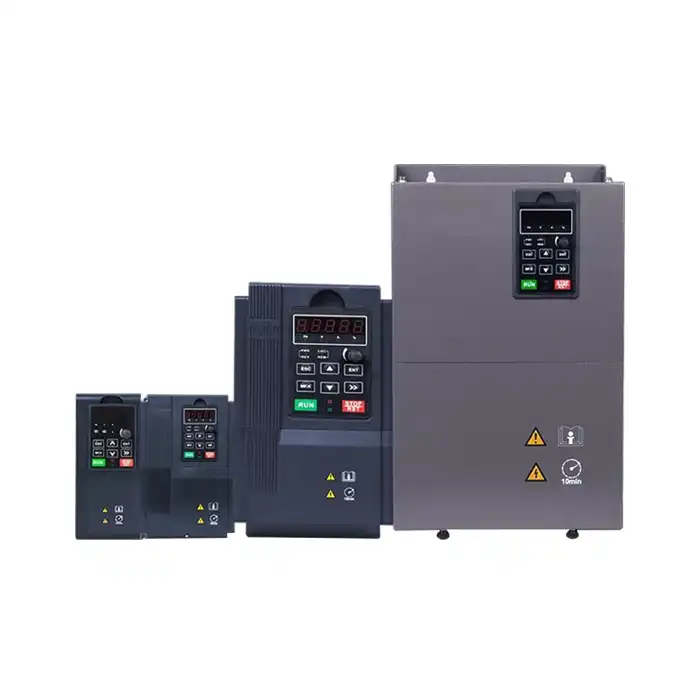
Upgrades to strategic parts make motors more efficient than they were originally designed to be. Variable frequency drives match the motor speed to the load's needs, which lowers energy use in applications with changing power. Premium performance bearings cut down on friction costs and make repair times longer. Advanced changes to the cooling system make it better at managing heat in places where the temperature is high. These retrofits save energy in a way that can be measured, and they pay for themselves faster because they lower operating costs. Purchasing managers who want to lower the total cost of ownership are especially interested in repair possibilities for older motors that are still physically sound but electrically inefficient.
Building Maintenance Team Capabilities Through Training
Skilled repair workers make sure that equipment works well and is reliable. Organizational skills are improved through training programs that cover troubleshooting methods, safety rules, and upkeep processes specific to each maker. Hands-on training with real motor parts helps students remember what they have learned in the classroom. Certification programs make sure that workers are competent, which makes sure that the standard of service is the same across all locations. Teams with more knowledge can spot problems earlier, do upkeep jobs better, and make smart choices about whether to fix or replace something. This investment in human capital goes along with technological solutions to create complete repair excellence that saves investments in capital equipment.
Conclusion
To keep high-voltage motors in good shape, you need to pay regular attention to their mechanical, electrical, and operating aspects. YKK motors are very reliable when they are maintained with full maintenance plans that include regular checks, proper cleaning, exact alignment, and full electrical testing. More advanced methods, like predictive analytics and retrofits that make things more efficient, make performance even better. By using these upkeep methods, procurement workers can lower energy costs, make tools last longer, and cut down on unnecessary downtime. Proper upkeep is an investment that pays off in a number of ways, including increased working efficiency and the preservation of capital equipment value across a wide range of industry settings.
FAQ
1. What maintenance intervals do you recommend for YKK high-voltage motors?
How often maintenance is done relies on how the machine is used and how hard the job is. Visual checks should be done once a month, vibration analysis should be done every three months, and full electricity tests should be done once a year. Motors that are used in difficult places like mines or outdoor sites need to be checked more often. The amount of time between lubrications depends on the type of bearing and the load, but it's usually between three and six months. Documentation from the initial approval sets the standard values that can be used to compare things during later checks.
2. How does proper maintenance affect warranty compliance?
The manufacturer's guarantees require that certain upkeep steps be followed. Warranty coverage is protected by proof of regular checks, proper cleaning, and fixes done on time. Maintenance that isn't done on time cancels warranties, leaving owners financially responsible for failures that happen too soon. Keeping thorough records of service visits shows that you are following the rules and ensures that help is available during the coverage time. This paperwork also helps with fixing by giving information about the operating past.
3. What strategies prevent unplanned downtime most effectively?
The best way to avoid downtime is to use predictive maintenance tools that combine condition tracking with trend analysis. Regular checks find problems as they start to form before they become functionally useless. Keeping extra parts for important parts on hand cuts down on the time it takes to fix things. Rapid reaction is possible by teaching operations staff to spot early danger signs. Building ties with qualified service providers ensures that you can get expert help when you need it for fixes that require special skills. These combined methods keep production interruptions to a minimum and make the best use of repair resources.
Partner with XCMOTOR for Reliable High Voltage Motor Solutions
XCMOTOR, which stands for Shaanxi Qihe Xicheng Electromechanical Equipment Co., Ltd., provides complete power equipment options that are suited to the needs of businesses. We offer genuine high voltage motors with power ranges from 200 kW to 6300 kW, and voltage ranges from 3kV to 11kV as a reputable YKK motor provider, along with extensive technical help and upkeep advice. Our team knows how important it is for your business that ykk motor your motors work efficiently. We have low prices for buying in bulk, fast shipping on all items, and committed customer service that lasts through the weekends. You can look at our full line of products, download detailed datasheets, and learn how our solutions can help your business by going to motorxc.com. Contact us at xcmotors@163.com to talk about your unique needs and get expert advice on how to choose a motor, plan for care, and make it work more efficiently.
References
1. Chapman, Stephen J. Electric Machinery Fundamentals, 5th Edition. McGraw-Hill Education, 2011.
2. Bonnett, Austin H. and Soukup, George C. "Cause and Analysis of Stator and Rotor Failures in Three-Phase Squirrel-Cage Induction Motors." IEEE Transactions on Industry Applications, Vol. 28, No. 4, 1992.
3. Tavner, Peter J., et al. Condition Monitoring of Rotating Electrical Machines. Institution of Engineering and Technology, 2008.
4. International Electrotechnical Commission. IEC 60034-1: Rotating Electrical Machines - Part 1: Rating and Performance. Geneva: IEC, 2017.
5. Stone, Greg C., et al. Electrical Insulation for Rotating Machines: Design, Evaluation, Aging, Testing, and Repair, 2nd Edition. Wiley-IEEE Press, 2014.
6. Nailen, Richard L. "Managing Motor Maintenance." IEEE Industry Applications Magazine, Vol. 9, No. 1, January/February 2003.