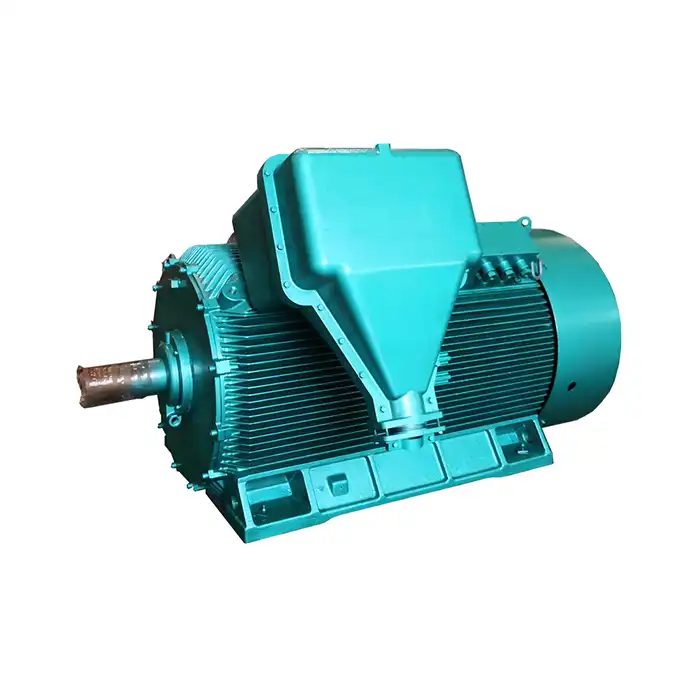




Why 200HP DC Motors Still Dominate in High-Torque Applications
In a modern steel mill or when you watch a huge rolling press shape molten metal, you can see the power of unique drive systems that have been around for a long time. For applications requiring high starting torque and precise speed control, the 200hp DC motor continues to be the best choice. Newer alternatives promise to be better, but these tried-and-true workhorses keep doing their job even in harsh environments, like cement plants and paper factories. Because they can handle sudden changes in load while keeping the operation smooth, they are essential in situations where torque stability affects both product quality and safety on the job.
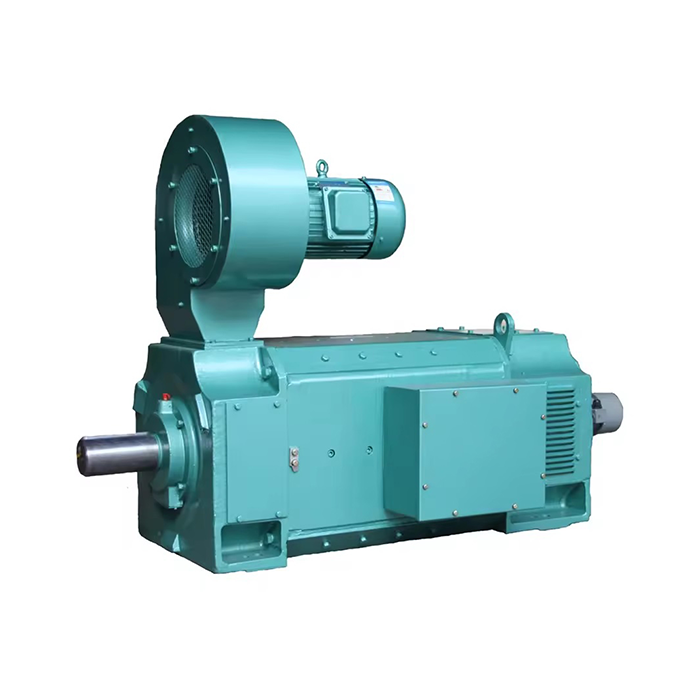
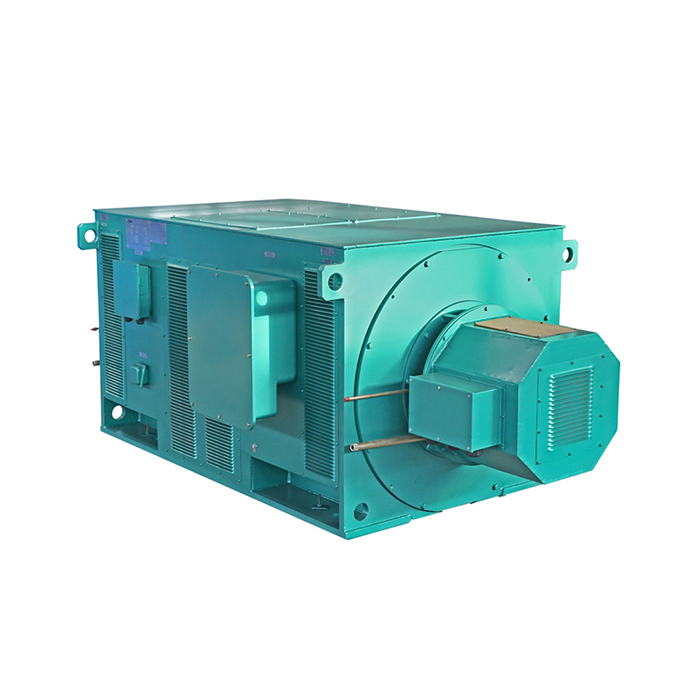
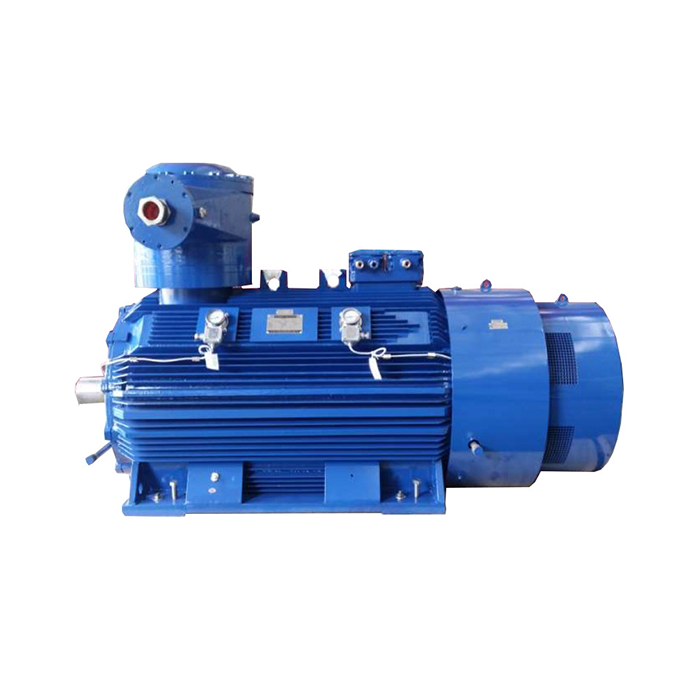
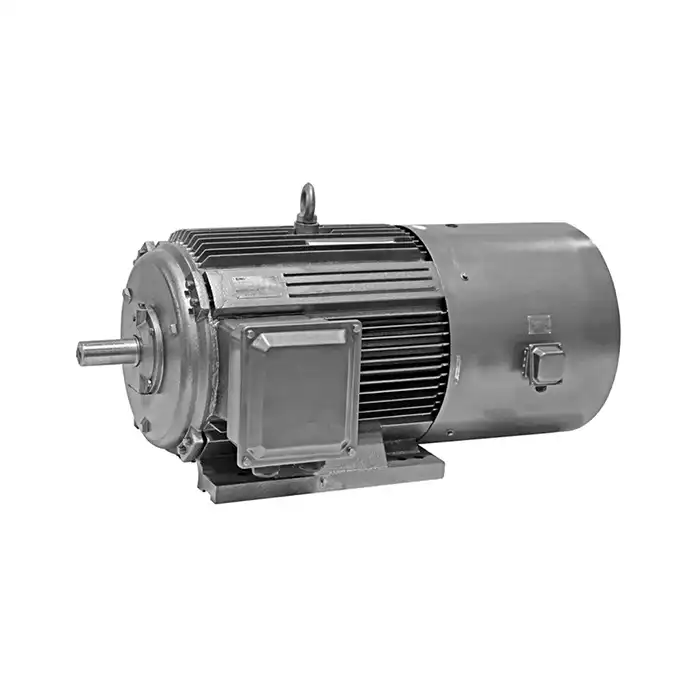
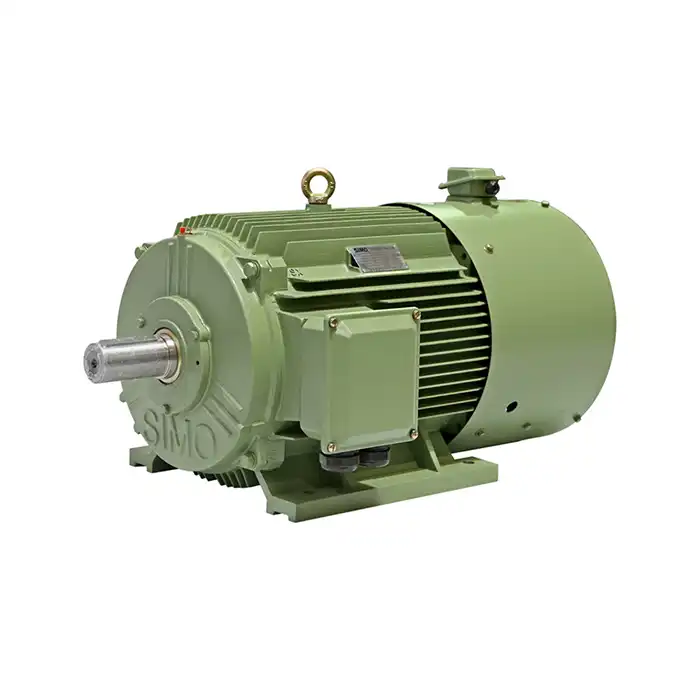
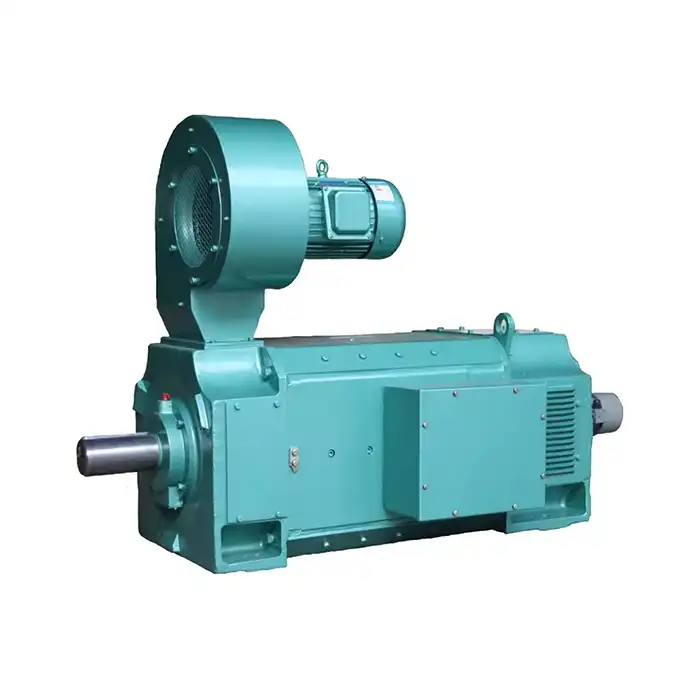
Series:Z4
Frame number: 100-450
Application:Z4 series motorsThis series of motors can be widely used in various industrial sectors such as metallurgical industrial rolling mills, metal cutting machine tools, papermaking, dyeing and weaving, printing, cement, and plastic extrusion machinery.
Power range:1.5-600kW
Voltage range: 160V,440V, etc.
Certificate: The performance of this series of motors not only complies with the national standard GB/T755 "Basic Technical Requirements for Rotating Electrical Machines", but also basically complies with the German VDE0530 standard.
Advantage:Z4 series DC motor has greater advantages than Z2 and Z3 series. It can not only be powered by DC unit power supply, but also suitable for static rectifier power supply. It has small moment of inertia, good dynamic performance, and can withstand high load change rates. It is especially suitable for control systems that require smooth speed regulation, high efficiency, automatic speed stabilization, and responsive response. It has reached the current international advanced level..
Others: SKF, NSK, FAG bearings can be replaced according to customer requirements.
Understanding the Core Advantages of 200HP DC Motors in High-Torque Environments
Superior Torque Delivery from Standstill
One thing that makes DC motors stand out in heavy industrial settings is that they can produce the most torque at zero speed. In places like metallurgical rolling mills and metal cutting machine tools, our 200 hp DC motor instantly produces a high starting torque that helps equipment get past static friction. This instant power delivery gets rid of the lag that comes with some drive systems, keeping machinery safe from damage during startup sequences. Throughout the operational range, the relationship between torque and speed stays linear and predictable. This gives control engineers exact parameters for programming automation.
Exceptional Speed Regulation Capabilities
Modern quality standards for manufacturing include precise speed control. Changing the armature voltage or field current is how DC motors control their speed. These are quick responses to system commands that happen in milliseconds. It can handle high load change rates without oscillating because the 200 hp DC motor has a small moment of inertia and great dynamic performance. This responsiveness is good for automated systems that need to change speeds smoothly, like machines that dye and weave or those that extrude plastic. Operators can fine-tune speeds over a wide range while keeping torque output constant. This is especially useful for process control tasks that involve pumps, valves, and compressors.
Compatibility with Multiple Power Sources
Modern factories often have a mix of different types of electrical wiring that was put in place over many years of growth. Modern static rectifier systems and older DC unit power supplies can both work with DC motors. This makes installation more flexible and makes integration projects easier. The 200hp DC motor works reliably across a voltage range that includes 160V and 440V, so it can be used in places where power standards are different or where conditions are already set. This adaptability lowers the cost of changing infrastructure when replacing old equipment or adding more production lines, which is useful for engineering departments that are watching their budgets and running capital improvement programs.
Exploring the Types and Configurations of 200HP DC Motors for Industrial Needs
Frame Size and Mounting Options
The 100-450 frame range covers a wide range of installation situations, and that are common in the manufacturing industry. For retrofits where space is limited, smaller frame sizes work well, while larger frames are better for uses that need more thermal capacity. You can choose from foot-mounted, flange-mounted, or face-mounted mounting options for our motors so they can fit with the way your equipment is already set up. Engineers like the small size, which makes it easier to fit into crowded production floors without making a lot of changes to the building. Protection class IP23 seals out the environment well enough for most indoor uses. For harsh conditions like moisture or particle contamination, higher protection ratings are available.
Bearing Selection and Customization
Bearing quality has a direct effect on how often it needs to be maintained and how long it can be used. Standard production uses high-quality bearings that can handle continuous industrial duty, but procurement teams can ask for SKF, NSK, or FAG bearings if the project requirements call for those brands. This gives you options for when maintenance departments choose to only buy from certain suppliers of bearings to make managing their stock easier and make field service procedures simpler. When picking the right bearings, you need to think about the radial and axial loads, the operating speeds, and the temperature ranges in the area. This way, you can avoid early failures that cost a lot and cause unplanned downtime. These configuration choices let engineering teams perfectly match motor specs to the needs of the application. This way, they can avoid over-specification, which raises costs, or under-specification, which lowers reliability.
Compliance and Certification Standards
Following the rules makes buying things around the world easier and ensures that the equipment is safe. This 200 hp DC motor is compatible with both the national standard GB/T755 and the German VDE0530 specifications, which makes installations easier in facilities around the world. Getting CE and CCC certifications shows that the product meets European and Chinese safety standards. This speeds up the approval process when using the product in multinational operations. Insulation class F rated to 155°C gives you a thermal margin for tough jobs, and forced ventilation cooling systems keep safe working temperatures even when heavy loads are applied for a long time.
Maintenance and Operational Best Practices to Maximize 200HP DC Motor Performance
Routine Inspection Protocols
Best practices for maintenance and operation to get the most out of a 200hp DC motor. Preventative maintenance makes equipment last longer and keeps it from breaking down at crucial times for production. When you look at it once a month, you should look for strange vibrations, noises, or temperatures that are too high. These are all early signs that something is wrong. Bearing housings need to be checked for temperature changes so that lubrication loss can be found before damage happens. Every three months, inspections include looking at the brushes to see how worn they are and making sure they need to be replaced before they reach the minimum length requirements. With these easy steps, which are recorded in systems for managing maintenance, we can see patterns in past performance and use that information to plan future maintenance.
Load Management and Torque Curve Understanding
Keeping motors within their design parameters keeps them from breaking down too soon and maintains their efficiency. The relationship between speed and torque output, shown by the torque curve, helps operators set the right load limits. By not running the machine for longer than its rated continuous duty, you can keep the insulation from breaking down from too much heat. Knowing how load conditions affect motor temperature helps production planners plan high-demand tasks for times when the ambient temperature is lower, if that's possible. Today's motor protection relays keep an eye on temperature and current draw, and when something goes wrong, they turn off equipment automatically before it does any damage. Using structured maintenance programs based on these ideas has measurable benefits that go beyond just making motors last longer.
Real-World Performance Data
The operational metrics of factories that use comprehensive maintenance protocols show big improvements. After setting up routines for quarterly brush inspections and vibration monitoring, one company that makes auto parts cut unplanned downtime by 40%. With proactive bearing maintenance and improvements to environmental sealing, a paper mill raised the average motor service life from seven to eleven years. These case studies show how disciplined maintenance practices can turn theoretical reliability requirements into real operational improvements that have an effect on the bottom line by lowering repair costs and production interruptions.
Comparing 200HP DC Motors to Alternative Solutions in Industrial Procurement
Performance Trade-offs Against AC Systems
AC induction motors are good for constant-speed applications because they are easy to use and don't cost much to buy at first. They can't quite match the performance of a DC motor, though, which needs to be able to control the speed and have a high starting torque. Without the need for complicated variable frequency drives, the 200 hp DC motor offers superior speed regulation accuracy over a wider range. AC motors lose torque as the speed drops, but torque characteristics stay the same across the speed range. Noise levels from DC motors are usually lower than those from similar AC systems. This is an important thing to think about in places with strict environmental rules or that are close to areas where people are working.
Procurement Considerations for Industrial Buyers
When facilities standardize on the same motor platforms across multiple installations, they can save money by buying in bulk. A lot of the time, commitments to buy in bulk get better prices and faster service when there are problems in the supply chain. Different suppliers offer very different warranty terms. Depending on the application and installation environment, standard coverage can last anywhere from one to three years. Lead times for standard configurations are usually between six and ten weeks, while delivery times for custom configurations may be a few weeks longer. Professionals with a lot of experience in purchasing build relationships with several qualified suppliers to make sure that prices are competitive and deliveries are made on time. These useful things help buyers make decisions that go beyond just matching specs. They take into account things like cost and time constraints in the real world.
Custom Motor Solutions for Specialized Demands
For some applications, performance parameters that aren't in the catalog are needed. Custom motor designs can be made to fit specific voltage needs, mounting arrangements, or demands for better environmental protection. During the specification phase, customer engineering teams and motor manufacturers work together to make sure that designs meet the needs of the application without adding too much complexity, which drives up costs and lead times. Proof that custom units meet agreed-upon requirements is provided by documentation packages that include certified performance curves, thermal analysis reports, and quality inspection records. This collaborative approach works especially well for OEM uses that need to keep making the same number of products with the same specifications.
Why 200HP DC Motors Remain the Preferred Choice in High-Torque Industrial Applications
Lifecycle Value Proposition
Long-term reliability is what defines the value of industrial equipment beyond the initial purchase price. DC motors that are kept in good shape can last for decades, and some installations have been known to last longer than thirty years. The 200hp DC motor is built to last using premium materials and design principles that have been improved over many years of use in industry. In contrast to newer technologies, where parts become obsolete quickly, replacement parts are still available for longer periods of time. This part's availability and design stability give investors confidence in capital equipment investments that are meant to pay off over many depreciation cycles.
Supplier Support and Technical Resources
Professional industrial equipment suppliers are different from commodity distributors because they offer full supplier support. Trustworthy suppliers keep technical staff on hand to answer questions about applications, fix operational problems,and suggest changes to specifications when circumstances change. Before a motor is sold, an engineer can help match its features to the needs of the application. This keeps expensive mistakes from being made that hurt performance or dependability. Support after the sale, such as help with commissioning, operator training, and emergency service response, adds value on top of the equipment itself. These support options are especially important for mission-critical applications where long-term downtime has bad effects on both production and finances.
Emerging Technology Trends
Motor technology keeps changing as we learn more about materials, power electronics, and how to make things. While brushless DC motor designs don't need to have their commutators maintained, they still have the performance benefits of DC motors, though they are currently more expensive for industrial power levels. Digital control systems let you do advanced monitoring and diagnosis, which helps with planned maintenance and makes the best use of energy. Internet access lets you monitor and analyze performance from afar, which are features that is becoming more and more common in Industry 4.0 manufacturing settings. In spite of these improvements, traditional DC motor designs are still used in places where reliability is more important than new features and where DC technology works better with the power infrastructure that is already in place. In the future, DC motors will continue to be used in high-torque applications because they have proven performance, are easy to find experts for, and come with full parts support. When factories invest in DC motor technology now, they can be sure that it will work well for decades to come, thanks to mature supply chains and skilled technical resources.
Conclusion
DC motors are still used in demanding industrial settings because they work better than other motors, not because technology is stuck in a rut. With its high starting torque, accurate speed control, and track record of dependability under changing loads, the 200hp DC motor is a smart choice for tasks where these features directly affect the quality of the work and the efficiency of the operation. Other technologies can be useful in some situations, but DC motors continue to meet the needs of industry in areas like manufacturing, process control, energy production, and specialized uses because they have a wide range of performance profiles. When making procurement decisions, it's better to look at total lifecycle costs, supplier support capabilities, and application-specific performance requirements instead of just looking at the initial purchase price or following technology trends that have nothing to do with how things actually work.
FAQ
1. How do 200HP DC motors compare to AC motors in efficiency?
At full load, DC motors are about as efficient as high-end AC motors in the same power range, reaching 95%. DC motors are more efficient across a wider range of speeds without the need for variable frequency drives, which makes the efficiency advantage stand out more when the speed is changed. AC systems lose more efficiency when they're running at speeds below their rated speeds. This means that DC motors are more cost-effective for situations where the speed needs to change often or stay low for long periods of time, like in process control settings.
2. What maintenance frequency should I expect for brushed DC motors?
Depending on the number of hours the brush is used, how hard it is used, and the weather, it is usually inspected every three to six months. Light-duty uses in clean environments may be able to go up to six months between inspections, while 24/7 operations in harsh conditions may need checks every month. When wear reduces the length of the brush to the minimum length required by the manufacturer, which usually happens after several thousand hours of use, the brush needs to be replaced. By sticking to regular inspection schedules and keeping detailed service records, facilities can figure out when to replace parts and avoid problems happening at crucial times for production.
3. Can I order custom specifications for specialized applications?
Customized motor configurations can handle different voltage needs, different mounting arrangements, better protection against the environment, and changed performance traits. Working together on the specifications makes sure that the designs meet the needs of the application quickly. Custom orders often add a few weeks to standard lead times, and depending on how complicated the changes are, there may be a minimum order quantity. Working with seasoned suppliers who keep engineering resources and adaptable production options can speed up the customization process and make sure that documentation meets the quality assurance needs of important industrial applications.
Partner with XCMOTOR for Your High-Torque Motor Solutions
It's important to find the right 200hp DC motor supplier so that operations run smoothly and there are no frustrating delays. For decades, XCMOTOR has been helping businesses find high-quality power equipment that works well in tough situations. We understand how hard it is for procurement teams to meet performance standards, stick to budgets, and meet delivery dates. Our technical staff can help you choose the right motor configurations for your needs, whether you're replacing old equipment or planning new production lines. We provide solutions backed by full support. Our motors meet both GB/T755 and VDE0530 standards and come with a range of voltage settings and high-quality bearing options. You can talk to our team at xcmotors@163.com about your project needs and find out how our 30-day return policy, fast delivery, and dedicated weekend support make industrial procurement easier while making sure you get reliable equipment from reputable manufacturers.
References
1. Chapman, Stephen J. Electric Machinery Fundamentals. McGraw-Hill Education, 2011.
2. Hughes, Austin, and Bill Drury. Electric Motors and Drives: Fundamentals, Types and Applications. Newnes, 2019.
3. Boldea, Ion, and Syed A. Nasar. Electric Drives. CRC Press, 2016.
4. Kenjo, Takashi, and Akira Sugawara. Stepping Motors and Their Microprocessor Controls. Oxford University Press, 1994.
5. Fitzgerald, A.E., Charles Kingsley, and Stephen D. Umans. Electric Machinery. McGraw-Hill, 2003.
6. Mohan, Ned. Advanced Electric Drives: Analysis, Control, and Modeling Using MATLAB/Simulink. Wiley, 2014.