




What is the power density of a 4160v motor?
Power density in a 4160V motor is usually between 0.5 and 2.5 kW per kilogram. This depends on the design of the motor, how it is cooled, and the materials used to build it. This number shows how much power the motor is putting out compared to its size or weight. Higher power density lets industrial operations get more done with smaller installations, which cuts down on infrastructure costs while keeping performance high. Knowing this standard helps people who buy things choose motors that work reliably in a wide range of difficult situations while taking up little room.
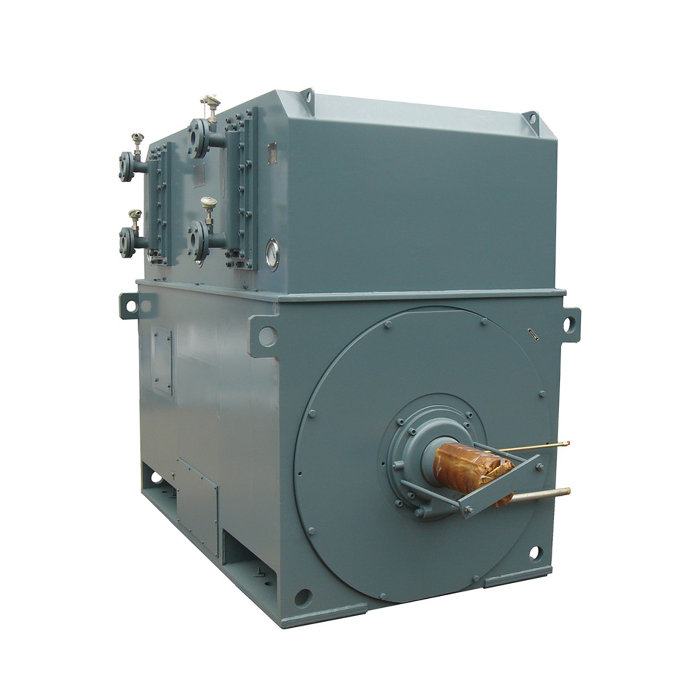
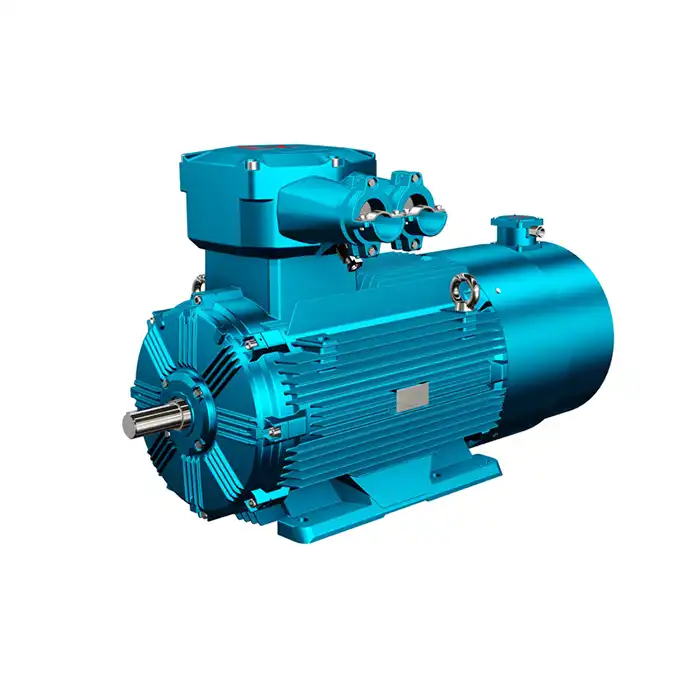
Series:YKS
Protection level:IP54
Voltage range:3000V±5%,3300V±5%,6000V±5%,6600V±5%,10000V±5%,11000V±5%
Power range:220-6300 kW
Application:fans, water pumps, compressors, crushers, cutting machine tools, transportation machinery, etc.
Advantage:low noise, low vibration, long service life, easy installation and maintenance.
Standard: This series of products complies withGB/T 1032 and GB/T 13957 standards.
Others: SKF, NSK, FAG bearings can be replaced according to customer requirements.
Understanding the Power Density Concept in 4160V Motors
Defining Power Density and Its Industrial Significance
Power density is a way to figure out how well a motor turns its size into useful mechanical output. This factor is very important when looking at medium voltage equipment because it has a direct effect on how much it costs to place and how flexible it is to use. For factories that use water pumps, fans, and cutting machines, the best equipment is that which works well without taking up too much floor space or needing extra structural support. In modern factories, there is always pressure to get the most out of the equipment they already have in order to maximize production output.
Motors that produce more power for their size let plant managers add new equipment to old systems or make production lines longer without having to make major changes to the building. When changes have to be made without stopping operations, this benefit is especially useful in fields like mining, petroleum processing, and water treatment.
Real-World Impact on Design and Operational Performance
Power density has a direct effect on how equipment is chosen in many businesses. When a water treatment plant updates its pump systems, it might not be able to add motors that are too big because of space issues. By choosing units with a higher power density, the facility can increase pumping capacity without having to build more pump rooms or make the supporting structures stronger. Investing in high-quality motor designs is often worth it because it saves money on civil building work.
In the same way, petroleum companies that are working within existing areas benefit from small, high-output motors that can be used with existing power and pipe systems. These installations show how power density affects the total cost of ownership, which is different from the price of the original buy. Less complicated installations, fewer building requirements, and easier upkeep access are all examples of long-term value that 4160V motor buying teams should look at, along with the initial cost of the equipment.
Key Factors Influencing the Power Density of 4160V Motors
Frame Size and Cooling Technologies
The motor frame's measurements affect the power level that can be reached. Manufacturers improve frame designs to find the best balance between material economy and structural stability. This makes sure that motors can handle practical pressures while reducing the amount of extra mass they have. Modern cooling techniques make this improvement a lot better. When compared to basic air-cooled designs, motors with ICW37 cooling setups, which use external heat exchanges, can produce more power from smaller frames.
How much power a certain frame size can safely handle is directly related to how well it cools. Better heat reduction lets electrical parts handle more load without going over their temperature limits. This connection explains why motors made for tough jobs often have complex cooling systems, even though they make the motors more complicated. Investing in better heat control leads to higher power efficiency, which gives installers more installation choices.
Motor Type Comparisons and Control System Integration
Because they work in different ways, induction motors and synchronous 4160V motors have different power density properties. Induction designs are simple and tough, so they can be used in situations where dependability is more important than being as small as possible. If you look at system-level factors, synchronous motors may be able to give more useful power density because they are more efficient and have a higher power factor. No matter what kind of motor you use, modern control systems and variable frequency drives make operations more efficient.
These technologies make it possible for motors to work at their best load points even when the process needs change. This increases the power density that can be used in real life. When looking at motors to buy, knowing how the connection with control systems affects performance in real life helps match equipment specs with what the business actually needs. Motors that can work at different speeds usually have features that keep the power output high over a wide range of speeds. This feature comes in handy for uses like fans and blowers, where the load needs to change depending on the process. Power density optimization has a real-world effect on running costs by allowing equipment to perform consistently across a wide range of operating conditions without being over-sized.
Evaluating 4160V Motor Efficiency and Performance Related to Power Density
Efficiency Ratings and Their Relationship to Power Density
Efficiency and power density affect the efficiency of the whole system in complicated ways. Motors with higher efficiencies turn more of the energy they receive into useful mechanical work. This is because they produce less heat, which would limit power density otherwise. This connection makes a positive loop where better electrical design leads to both higher power output from small frames and better economy. Standards compliance makes sure that motors meet well-known performance standards. Motors that meet the standards of GB/T 1032 and GB/T 13957 have been shown to be more efficient in tests that buying teams can use to compare different choices.
These approvals give people confidence that the specs listed match the real-world performance, not just imaginary tops. Knowing how efficient something is at different load levels helps you guess how well it will work in real life with power densities. When motors stay highly efficient at partial loads, they provide steady power density benefits across a wide range of normal working conditions. This feature is especially 4160V motor useful in situations where demand changes a lot, like when HVAC systems respond to changes in temperature or when pumps change their flow needs.
Maintenance Practices Supporting Power Density
With proper upkeep, the power density traits that affected the choice of tools in the first place are directly maintained. Regularly lubricating bearings with greases recommended by the maker stops the increase in friction that would otherwise lower output and efficiency. Vibration tracking finds mechanical problems as they start to happen, before they do more damage to motor parts. Electrical upkeep, such as fixing connections, testing insulation, and checking the state of the windings, keeps motors working at their maximum level. These things are especially important for motors that work in tough settings where dirt and temperature changes speed up wear.
Structured electricity repair plans are very helpful for places that use breakers, cutting machines, and other heavy equipment. Another important issue is keeping the cooling system in good shape. Cleaning the sides of the heat exchanger, making sure that coolant flows properly, and checking that the fans are running properly keep up the thermal management needed to keep the design power density. Not taking care of the cooling system can quickly cause thermal derating, which lowers the motor's useful power output for its size.
Practical Considerations for Procurement and Installation of 4160V Motors
Evaluating Motors for Specific Applications
Several operating factors must be looked at in order to match the motor power density to the needs of the application. Motors that prioritize starting torque over total power density work best in transportation gear that needs to start and stop a lot. On the other hand, uses that run all the time, like water pumps and fans, put steady-state economy and temperature performance first. Variable load conditions are common in process control equipment like compressors and breakers, so motors need to be able to keep working well across a wide range of running conditions.
By looking at how the features of power density change with changes in load, buying teams can choose equipment that meets real-world needs instead of just peak requirements. Protection class requirements have a big effect on whether or not a 4160V motor is suitable for a certain area. The IP54 and IP55 grades are good for most industry areas because they protect against dust and water. Figuring out how protective features impact power density helps balance the need for environmental protection with the space needs of each location.
Installation Practices Maximizing Motor Performance
If motors reach their original power density in active service, it depends directly on how well they were installed. If the motor and the tools it drives are perfectly lined up, mechanical forces that raise bearing loads and lower efficiency can be avoided. Following the manufacturer's positioning instructions during fitting sets the stage for long-term success. The quality of the electrical system affects how well and how reliably the motor works. Motors need clean, stable power to work at their best, which means they need wires that are the right size, the right link force, and the right overcurrent safety.
When electrical setups aren't done right, they can cause voltage imbalances or harmonic distortion that lowers performance below what was planned. Environmental factors like air flow, maintaining the right temperature, and preventing pollution keep the motor running in the right way so that the planned power density can be reached. Motors that are placed in places that don't have enough airflow or a lot of dust can't keep working at their stated level, no matter how well they were designed. Making sure that the fitting setting meets the cooling needs of motors saves the high-performance equipment investment.
Troubleshooting and Optimizing Power Density in Existing 4160V Motors
Diagnosing Performance Issues
Systematic fixing finds the reasons why a motor isn't working as well as it should. Thermal imaging of a 4160V motor shows areas that indicate there are electrical or mechanical problems that need to be fixed. When you compare working temperatures to standard data, you can tell the difference between regular changes and problems that are starting to show up. Vibration analysis lets you know about the mechanical state of a motor without taking it apart. High tremor levels can mean that the bearings are worn, the rotor is out of balance, or the alignment is off.
All of these problems lower the effective power density by using power for friction and movement that don't do anything useful. Taking care of known technical problems brings motors back to their original performance levels. Electrical testing, such as measuring insulator resistance, checking the current balance, and analyzing power quality, finds electrical decline that lowers efficiency. These ways of diagnosing let maintenance teams decide which repairs to do first based on the real state of the equipment instead of making up random plans. This makes the best use of maintenance resources while keeping motor performance high.
Engaging Technical Support for Custom Solutions
Complex performance problems or specific application needs can sometimes be too much for in-house expert staff to handle. Working with makers with a lot of experience gives you access to tech know-how that can help you solve tough problems or make custom solutions. Customers can get the most out of their tools by using technical support services like application engineering and on-site setup help. Custom motor designs are made to meet specific needs that can't be met by standard store goods. Applications with strange mounting arrangements, harsh weather conditions, or special performance profiles can benefit from engineers working together to make standards better fit those needs.
Comprehensive equipment providers are different from simple list distributors because they offer custom solutions. Technical ties that last for a long time are valuable for more than just one deal. Transactional sellers aren't as good at helping customers as suppliers who know about their buildings, how they run their business, and the history of their tools. Building these relationships through regular contact and working together to solve problems gives you a competitive edge by making tools more reliable and operations run more smoothly.
Conclusion
Power efficiency is one of the most important specs to look at when choosing medium voltage 4160V motors for business use. When you know how design factors, operating conditions, and upkeep practices affect this measure, you can make smart buying choices that balance the need for performance with budget and space limitations. Motors with the right power density lower installation costs, make building plans easier, and give operators important operating freedom that can be used in a wide range of situations. Modern motors can achieve high power densities while still meeting the dependability standards needed for ongoing industrial operation. This is made possible by careful consideration of cooling systems, material choice, and electrical design. When looking at different pieces of equipment, people in charge of purchasing should look at their power output, efficiency, safety class, and the needs of the application in order to find the best long-term solutions.
FAQ
1. What power density range should I expect from a 4160V motor?
Power density for most 4160V motors is between 0.5 and 2.5 kW per kilogram, but exact numbers rely on how they are cooled, how the frame is built, and how well the design is optimized. Motors with improved cooling systems and high-quality materials often have a higher power density, which lets them be installed in smaller spaces without losing performance or dependability.
2. How does power density affect my operational costs?
Motors with a higher power density need less space in the building, which lowers the cost of installing supports, mounting structures, and electricity infrastructure. Compact designs make it easier to do upkeep and let you put tools in places with limited room. If you mix high power density with high efficiency rates, you can see measurable cost savings over the life of the motor.
3. Can I improve power density without replacing existing motors?
Targeted updates, such as rewinding with new materials, replacing bearings with high-quality parts, and adding variable frequency drives, can bring back or improve the useful power density. But motors that are breaking down a lot or need a lot more power often do better when they are replaced with newer models that are better designed to meet today's performance and efficiency standards.
Partner With XCMOTOR for Superior Medium Voltage Motor Solutions
Choosing the right source for medium voltage 4160V motors has a direct effect on the success of the project and the costs of running it in the long term. We at Shaanxi Qihe Xicheng Electromechanical Equipment Co., Ltd. (XCMOTOR) offer high-power-density options to B2B clients around the world by combining our technical knowledge with a wide range of products. Our motors range from 220 kW to 6300 kW and have power choices from 3000V to 11000V. They are protected by IP54, make little noise, and last a long time. With motors that meet GB/T 1032 and GB/T 13957 standards, we can help with industrial automation, HVAC systems, energy generation, and specialized transportation machines. As a 4160V motor maker with a lot of experience, we can give customizable specs, fast shipping around the world, and dedicated expert help seven days a week. Email our team at xcmotors@163.com to talk about your unique needs and get thorough quotes for large orders.
References
1. Chapman, Stephen J. "Electric Machinery Fundamentals." McGraw-Hill Education, 2011.
2. Boldea, Ion and Nasar, Syed A. "The Induction Machines Design Handbook." CRC Press, 2009.
3. Pyrhönen, Juha, Jokinen, Tapani, and Hrabovcová, Valéria. "Design of Rotating Electrical Machines." John Wiley & Sons, 2013.
4. International Electrotechnical Commission. "IEC 60034: Rotating Electrical Machines - Rating and Performance." IEC Standards, 2017.
5. Stone, Greg C., Boulter, Edward A., Culbert, Ian, and Dhirani, Hussein. "Electrical Insulation for Rotating Machines: Design, Evaluation, Aging, Testing, and Repair." IEEE Press, 2014.
6. Bonnett, Austin H. "Root Cause AC Motor Failure Analysis with a Focus on Shaft Failures." IEEE Transactions on Industry Applications, 2000.
YOU MAY LIKE
 VIEW MOREexplosion proof electric motor
 VIEW MOREY(IP23) series high voltage asynchronous motor
 VIEW MORE12 wafer check valve
 VIEW MOREbutterfly valve full lug type
 VIEW MOREac slip ring induction motor
 VIEW MORE20 hp dc electric motor
 VIEW MOREexplosion proof brake motor
 VIEW MOREasynchronous motor with squirrel cage