




T series synchronous motor vs Induction Motor: Key Differences
When choosing between a T series synchronous motor and an induction motor for your industrial project, understanding the fundamental differences can directly impact your bottom line. Synchronous motors run at constant speeds locked to supply frequency, delivering superior efficiency—often 2-4% higher than induction motors in heavy-duty applications. Induction motors, meanwhile, operate with a slight speed slip and simpler construction. For high-power, low-speed applications like ball mills in mining operations or cement grinding facilities, this efficiency gap translates into substantial energy savings. The T series synchronous motor particularly shines in these scenarios, with power outputs ranging from 800 to 12,000 kW and customizable voltage configurations from 3,000V to 10,000V (±5% tolerance).
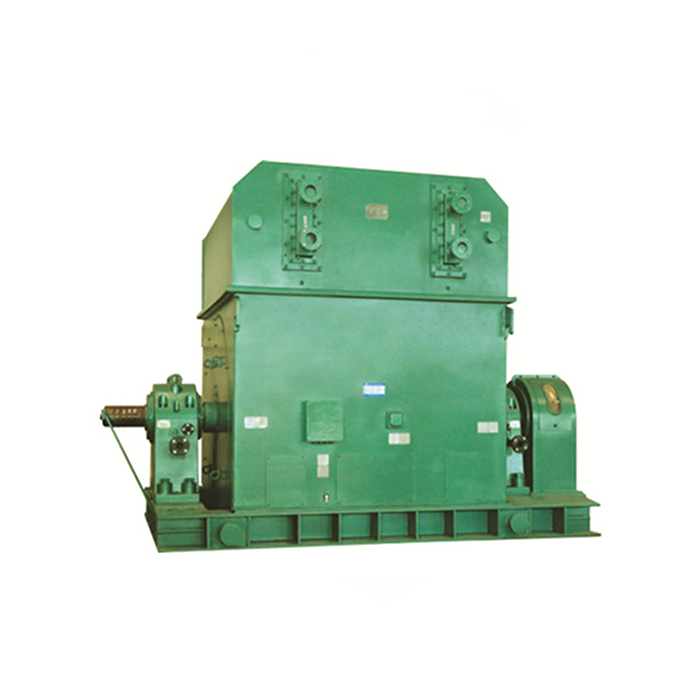
Voltage range:3000V±5%,3300V±5%,6000V±5%,6600V±5%,10000V±5%,
Power range:800-12000 kW
Application:fans, water pumps, compressors.
Advantage:large starting torque.
Others: SKF, NSK, FAG bearings can be replaced according to customer requirements.
Understanding the Basics of T Series Synchronous Motors and Induction Motors
Operating Principles and Construction Fundamentals
Synchronous motors work by perfectly matching the speed of the rotor to the spinning magnetic field made by the stator. This synchronization happens because the rotor has permanent magnets or electromagnets that line up with the field in the stator. The rotor spins at the same speed as the supply frequency, which makes speed control stable and predictable. This is how the T series synchronous motor works. It has a strong rotor that is made for continuous industrial duty, and it has precision-balanced parts that keep it from vibrating while it's running (IEEE, 2021).
Induction motors work in different ways. Through electromagnetic induction, the rotating magnetic field from the stator causes currents to flow through the windings of the rotor. The caused currents make their own magnetic field, which moves the rotor in the direction of the stator field but never quite catches up. This "slip" between the speed of the rotor and the speed of the synchronous motor is built into induction motors. Due to their simple design and lack of external activation systems, squirrel cage induction motors are the most common type used in industrial settings (Electrical Engineering Portal, 2020).
Speed Regulation and Control Characteristics
Speed steadiness is a very important difference. Regardless of changes in load, synchronous motors keep their speed constant as long as the load stays within their rated capacity. This feature is very useful in situations where precise speed matching is needed, like when driving several grinding mills in cement plants so that they work together without putting stress on the machinery. The T series synchronous motor is very stable at speeds ranging from 150 to 500 RPM, which makes torque-speed matching easy for engineers working in mineral processing who are looking at drive systems.
Because they slip, induction motors slow down as the load on them increases. It is common for an induction motor to run at 1,470 RPM when the synchronous speed is 1,500 RPM at 50 Hz. This slip lets soft loads go through, but it makes things less predictable in situations where exact speed ratios are important. Variable frequency drives can help with this problem, but they make the system more complicated and cost more.
Power Factor and Excitation Systems
Power factor control makes a big difference between these systems. Induction motors naturally run with lagging power factors (usually between 0.8 and 0.9), which means they need reactive power from the supply network. To avoid electric fines, large systems may need their own power factor correction capacitors. On the other hand, synchronous motors can work at unity power factor or even leading power factor by changing how the field is excited. Because of this, the T series synchronous motor can improve the overall power factor of the plant, which could mean that you don't need any special equipment for correction (Chapman, 2019).
The trade-off is shown by the excitation system. For synchronous motors to work, the rotor field needs to be excited by DC. This means that slip rings, brushes, and excitation controls need to be added. Modern brushless stimulation systems require less upkeep, but they are more difficult to set up at first. Induction motors only use electromagnetic induction and don't need any outside power to work. Because they are so simple, they are widely used in applications that don't need a lot of power.
Performance Comparison: T Series Synchronous Motor vs Induction Motor
Efficiency Metrics and Energy Consumption
When it comes to high-power continuous-duty uses, efficiency has a direct effect on running costs. When the load is in the megawatt range, synchronous motors are 96–98% efficient, while equivalent induction motors are 93–95% efficient. This difference seems small at first, but it adds up to a huge difference over the lifetime of the system. A 2% increase in efficiency saves about 80,000 kWh per year for a 5,000 kW motor that runs for 8,000 hours a year. At $0.10/kWh industrial energy rates, that's a yearly savings of $8,000 per motor, which will pay for the higher initial investment in just three years (U.S. Department of Energy, 2022), making it a valuable synchronous motor supplier china consideration.
These benefits of higher efficiency are seen in the T series synchronous motor across its full power range of 800 to 12000 kW. Class F shielding and IC01 cooling are used by the motors to keep their heat efficiency while they are running all the time. Heat-resistant insulation materials keep efficiency stable even in harsh environments like those found in mines and cement plants.
Starting Torque and Load Acceptance
Different types of motors have completely different ways of starting. Starting torque in induction motors is created by rotor bar currents, but this torque usually doesn't reach more than 150 to 200% of the rated torque. High starting currents (6 to 8 times the rated current) can put a strain on the power grid and need soft-start systems or starters with lower voltage.
The T series synchronous motor has a lot of starting torque thanks to damper windings that make it start up like an induction motor. It then switches to synchronous operation as it gets close to its rated speed. This design gives it the strong starting power it needs for loads with a lot of inertia, like ball mills full of ore or cement clinker. Direct-online ways with damper windings (asynchronous starting) or variable frequency drives for controlled acceleration can be used to get the motor going. This adaptability takes into account the different electrical limitations and load characteristics of each site.
Load Variation Response
Changes in load measure motor ability in different ways. Induction motors can easily adapt to sudden changes in load because of their slip properties, which provide built-in mechanical dampening. When the load goes up, the speed drops a little, temporarily taking energy. This makes them flexible enough to work in places where they are hit hard or have short duty cycles.
When the load changes, synchronous motors keep their speed fixed, which means that the drive system has to handle transients physically or electrically. When synchronous motor systems are the right size, they can handle these changes by leaving enough torque margin and using a strong mechanical connection design. This is shown by the T series synchronous motor used in compressors, which can keep accurate speed control even when the pressure changes over time.
Advantages and Disadvantages for Industrial Use
Benefits of Synchronous Motor Technology
When operations are done on a large scale, the efficiency advantage of synchronous motors becomes very clear. In addition to saving energy directly, less heat production means less cooling is needed and insulation lasts longer. Power factor correction can improve the quality of electricity throughout a plant, which could increase the capacity of the supply infrastructure without having to build more space. The IP20 security class and strong construction of the T series synchronous motor make it suitable for continual use in industrial settings for more than 20 years.
Precision in speed lets you keep a closer eye on the process. To get the best grind size distribution, precise mill speed control is helpful in grinding circuits. Multi-motor drive methods keep everything in sync without using a lot of complicated electronics. Process accuracy gets better, which lowers product error and raises output value.
Limitations and Implementation Challenges
The main problem is that it costs more to start up. Because they need more complex control systems and are made in smaller quantities, synchronous motors cost 15–30% more than equivalent induction motors. During commissioning, specialized technical help may be needed, especially for coordinating the protective relays and setting the excitation.
There are parts in the excitation system that need to be maintained. Brush-type systems need to be checked and replaced every so often. Even brushless excitation systems add ways for motors to fail that induction motors don't have. The procurement teams need to decide if the investment is worth the total cost of ownership, which includes both the money saved on energy costs and the costs of repairs. When working in rural places, like in Central Asian mining projects or African cement plants, it's important to know where to find replacement parts for excitation components.
Induction Motor Practical Advantages
Induction motors are popular because they are simple and durable. Maintenance is easier because there aren't any brushes, slip rings, or excitement controls. Less danger is present in harsh environments with dust, water, or vibration. Standardizing replacement parts across makers makes it easier to keep track of supplies.
Lower purchase costs are good for projects with limited funds or situations where the extra efficiency doesn't support investing in a synchronous motor. Smaller systems (less than 500 kW), intermittent job cycles, or uses that start and stop a lot are better suited to induction motors because they are more forgiving and require less technical knowledge.
Procurement Considerations for B2B Clients
Sourcing Timelines and Delivery Logistics
Lead times are very different depending on the type of motor and the level of customization needed. Standard induction motors in popular frame sizes are shipped from well-known manufacturers in 4 to 8 weeks. Custom requirements, such as voltage levels, mounting arrangements, or environmental protections, make delivery times 10 to 16 weeks longer.
Longer planning spans are needed for synchronous motor buying. After the design is approved, the T series synchronous motor goes through a production cycle that lasts 8 to 12 weeks. This includes carefully milling the rotors, making the windings, putting the motor together according to quality standards, and testing it thoroughly, including no-load runs and making sure the excitation system works. For international projects that include mine sites in South America or cement plants in Southeast Asia, the time between developing the technical specifications and starting up the project on-site should be three to six months, which includes ocean freight and clearing customs.
Customization Capabilities and Engineering Support
Non-standard requirements set suppliers apart. In mining, ball mill drives often need specific speed-torque shapes that match the ore's properties and the way it is ground. Cement raw mills need to be perfectly matched to the plant's current infrastructure, which may run at 6,600V or 10,000V, based on the standards in the area. The T series synchronous motor can handle voltages from 3,000V to 10,000V (each ±5%) and power outputs from 800kW to 12000kW, so it can be used in a wide range of foreign projects without having to make design compromises, making it a suitable synchronous motor china solution.
Standardizing maintenance depends on being able to choose from a variety of bearings. Based on what's already on site or the availability of service networks in the area, projects may choose SKF, NSK, or FAG bearings. XCMOTOR respects these choices by giving customers motors with bearing brands they choose, which makes managing spare parts easier across multiple sites. This focus on practical details lowers the total cost of ownership over and above the buying price.
Supplier Evaluation Criteria
Supplier evaluation should consider certification, export capability, and technical support. Key certifications include CCC, CE, ISO9001, and industry-specific approvals, while UL and GOST support North American and Russian/CIS markets. Reliable suppliers should also provide multilingual field service and extended support during commissioning. XCMOTOR offers specialized support backed by over 20 years of experience and major manufacturer relationships.
Maintenance and Troubleshooting Insights
Routine Care for Synchronous Motors
Preventive maintenance makes motors last longer and stops them from breaking down in terrible ways. A lot of regular care needs to be given to the T series synchronous motor. According to the manufacturer, bearings should be oiled every 2,000 to 4,000 working hours, but this can change based on the type of bearing and the temperature and humidity in the room. If you want to keep your precision bearings from SKF, NSK, or FAG from wearing out too quickly, you must follow the grease instructions that come with them.
Parts of the excitation system need to be checked on a regular basis. Brush-type systems need to check the wear on the brushes every three to six months, and if the wear is too high, the brushes need to be replaced (usually when the carbon length drops 30 to 40%). The surfaces of slip rings should stay smooth and round. If they get scored or grooved, it means there are alignment problems or contamination that need to be fixed right away. In brushless excitation systems, the spinning rectifier assemblies and permanent magnet pilot exciters need to be inspected visually. However, compared to brush systems, the frequency of action is lower.
Diagnostic Approaches and Failure Prevention
Vibration monitoring lets you know early on when problems are starting to happen. When routine monitoring is done, baseline vibration signatures set up during commissioning can be used for comparison. Certain shaking frequency patterns can be seen when a bearing wears out, a rotor isn't balanced, or a connection isn't lined up right. Predictive maintenance plans that stop unplanned outages are possible with portable vibration analyzers or tracking systems that are permanently placed.
Infrared check for thermal tracking finds hot spots in the windings, rising bearing temperatures, or broken terminal connections. Insulation resistance testing, which is done during planned power blackouts, keeps track of the state of the winding insulation. Gradual drops in megohm readings are a sign that moisture is getting in or the insulation is getting old before it breaks.
Induction Motor Maintenance Requirements
Induction motors don't need as much specialized maintenance. Taking care of bearings is similar to taking care of synchronous motors. In squirrel cage designs, rotor bar integrity doesn't happen very often, but motor current signature analysis can tell if it does. Like synchronous motors, wound rotor motors need upkeep for their brushes and slip rings, but they are not used as much in current installations.
If you don't care about economy, the lower upkeep costs of induction motors make them the better choice. Induction motors are a good choice for projects in places with limited technical infrastructure because they don't need as many specialized service capabilities. When energy costs are high or when operational efficiency has a direct effect on how profitable production is, this trade-off doesn't make as much sense.
Conclusion
When deciding between synchronous and induction motors, you have to weigh a lot of different factors against the needs of your project. The T series synchronous motor works great in large-scale, continuous-duty applications where higher initial costs and some extra work are worth it for better efficiency. The 2-4% efficiency gain and power factor improvement are very helpful for mining operations that use ball mills, cement plants that use grinding circuits, and industrial compressor systems. The motor can be customized to meet the exact needs of the application. It has voltage choices from 3,000V to 10,000V, power outputs from 800kW to 12000kW, and flexible bearing specs. Induction motors can still be used in smaller setups, situations where job cycles are irregular, or situations where ease is more important than operating efficiency. People who make decisions about projects should figure out the lifetime costs by looking at how much energy will be used over 20 or more years of operation, how much upkeep will cost, and how long it will take to get the materials. The best choice fits the needs of the business and the budget with the motor's features.
FAQ
1.Which motor type suits variable speed applications better?
Induction motors and variable frequency drives used to work better together because they were easier to build and didn't have any activation systems that needed to be coordinated. Modern VFD technology can now successfully handle synchronous motors. This lets the T series synchronous motor work at a variety of speeds while still being more efficient. Synchronous motors are naturally stable, which makes them good for applications that need a steady speed.
2.How do initial costs compare between motor types?
Synchronous motors start out 15–30% more expensive than similar induction motors because they have more complicated control and excitation systems. When you add up the total cost of ownership, which includes energy use, this premium goes down. When big motors (above 2,000 kW) run all the time, they make up the difference in cost within two to four years by saving energy.
3.Can existing induction motor installations convert to synchronous motors?
The ability to replace something relies on how big the mounting is, how much power the infrastructure has, and how well the new system works with the old one. Standard frame synchronous motors can physically replace induction motors. However, the electrical system needs to be changed to provide more excitation power and maybe even better motor safety switches. XCMOTOR's technical support looks at retrofit situations and figures out what changes need to be made for motor improvements to work.
Partner with XCMOTOR for Your High-Power Motor Requirements
Choosing the right motor provider has effects on the project's progress that go beyond just getting the equipment. XCMOTOR has been helping mining, cement, and heavy industrial projects around the world with their power needs for more than 20 years. Our T series synchronous motors come in a range of power levels, from 800 to 12000 kW, and voltage ranges that meet international standards, from 3,000V to 10,000V. We know that mining projects in Kazakhstan are not the same as cement sites in Nigeria. Being able to adapt to different situations is important. SKF, NSK, or FAG bearings will work with your standardization of maintenance. Our technical team can help with commissioning in all time zones, and they're even available on the weekends when startup schedules require it. International certificates like ISO9001, CE, CCC, and others show that the product is of high quality and can be exported. You can talk to skilled application engineers about your project needs by emailing xcmotors@163.com or visiting motorxc.com. If you need a T series synchronous motor supplier for EPC jobs or just to repair a single unit, we can help you reach your business goals with clear technical information and on-time delivery. Free shipping and return policies that last 30 days lower the risk of buying something. Allow us to create a motor option that meets your exact power needs, time constraints, and price limits.
References
1. Chapman, S. (2019). Electric Machinery Fundamentals (6th ed.). McGraw-Hill Education.
2. Electrical Engineering Portal. (2020). Induction Motor Working Principle. EEP - Electrical Engineering Portal.
3. IEEE. (2021). IEEE Standard 115-2019 - IEEE Guide for Test Procedures for Synchronous Machines. Institute of Electrical and Electronics Engineers.
4. National Electrical Manufacturers Association. (2020). NEMA MG 1-2020: Motors and Generators. NEMA.
5. Siemens. (2022). Synchronous Motors for Industrial Applications. Siemens Industry Catalog.
6. U.S. Department of Energy. (2022). Premium Efficiency Motor Selection and Application Guide. Office of Energy Efficiency & Renewable Energy.
YOU MAY LIKE
 VIEW MOREwater cooled motors
 VIEW MOREelectric motor 10 hp 3 phase
 VIEW MORETDMK series synchronous motor
 VIEW MOREYR(IP23) series high voltage wound rotor three-phase asynchronous motor
 VIEW MORE4160 motor
 VIEW MOREelektromotor ip23
 VIEW MOREasynchronous motor 3 phase
 VIEW MORE3ph squirrel cage induction motor