



Globe Valve for Steam Line: Working Principle Explained
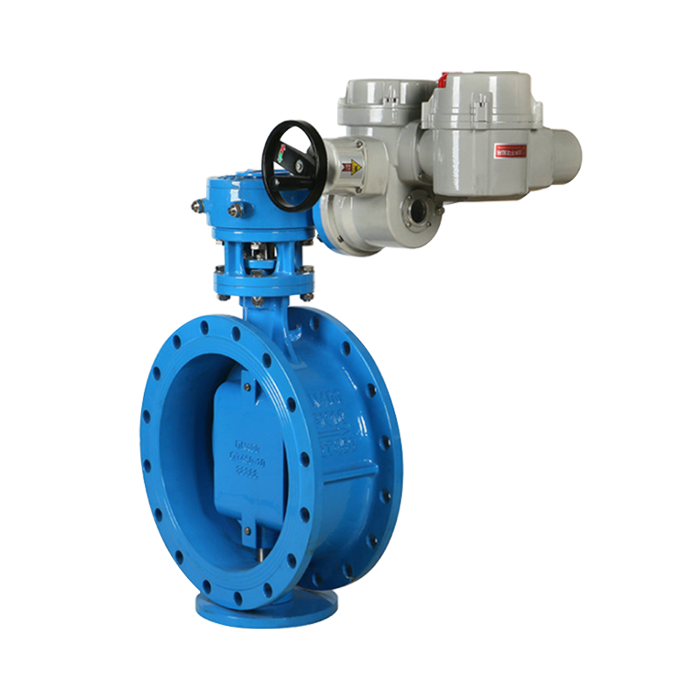
In industrial steam applications, precise flow control isn't just a luxury—it's an operational necessity. A globe valve for steam line systems offers unmatched throttling capabilities combined with robust construction designed specifically for high-temperature, high-pressure environments. These valves regulate steam flow in power generation, petrochemical refining, and food processing sterilization by using a movable disk that compresses against a stationary seat ring, creating a variable flow path perpendicular to the pipe axis. Their spherical body shape and linear motion design allow operators to fine-tune steam delivery with millimeter precision while maintaining leak-tight shutoff under extreme conditions.
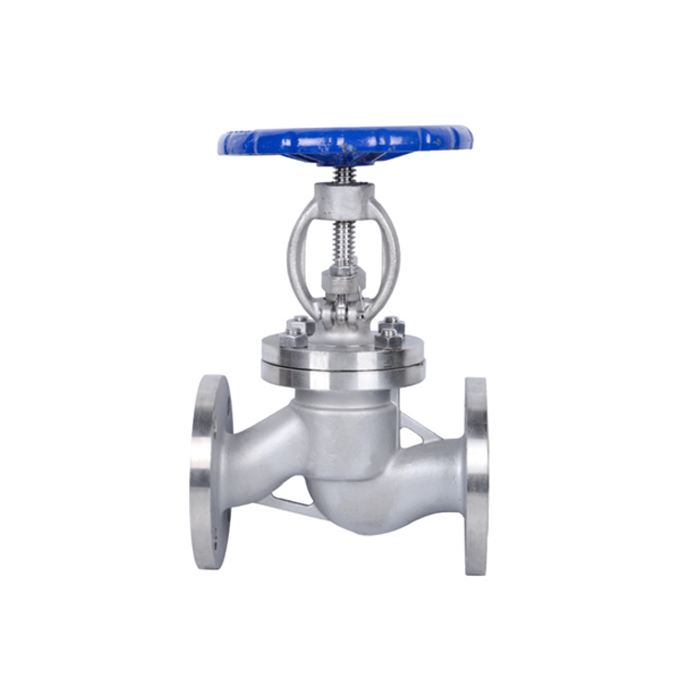
Series:J41
Diameter:DN10~DN600,
PN:16;25;40
Application specification: Design, manufacture:GB12235 Length of the structure:GB12221 Connecting flange: JB/T79/82~1994,GB9113,HG20592-20635 Valve inspection and test:JB/T9092-1999,GB13927
Understanding Globe Valves in Steam Lines
Core Structure and Design Philosophy
Engineers who work on steam systems depend on these valves because the way they are built makes them perfect for slowing. The globe design is different from gate or ball valves because it has a disk tied to a stem that moves perpendicular to the seat. The stem moves up and down, lifting or lowering the disk to change the flow, when the handwheel turns. This Z-shaped flow path makes turbulence, which loses energy. This makes it perfect for lowering pressure in turbine bypass circuits or isolating boiler feedwater.
Body construction usually follows the rules for ASTM A216 WCB carbon steel, which keeps the structure strong at temperatures ranging from -29°C to 425°C. These tried-and-true materials are used in our J41 series valves, so they can handle both superheated and saturated steam situations that are typical in power plant thermal loops[^1].
Operating Principle in Steam Service
At system pressure and temperature, steam comes in through the valve's intake and flows around the disk in the middle. As the stem is turned clockwise, the disk moves closer to the seat ring, making the annular opening smaller and smaller. The precisely machined parabolic disk profile keeps linear flow characteristics, which means that the rate of steam flow changes in a way that is proportional to the distance the disk moves. Because this behavior can be predicted, thermal engineers can accurately figure out pressure drop coefficients during the design phases of a system.
Graphite packing material that is pressed around the stem stops steam from leaking along the shaft. This keeps emissions below the 100 parts per million limit set by ISO 5208 Rate A. The bonnet piece, which can be bolted or welded, protects the internal parts and makes it easy to do upkeep. Rising stem designs let you see where the disk is, which is very important for safety rules in refineries that handle dangerous steam loads.
Common Valve Configurations
Depending on how hard the treatment is, different types of bonnets are needed. Standard bolted bonnets can handle pressures up to PN40 and allow for regular changes to the packing. Welded bonnets get rid of possible leak paths for Class 600+ services in steam lines that are over 400°C superheated. Pressure-seal bonnets use the pressure in the system to make the seal tighter. As the working conditions get tougher, the seal becomes even stronger, making it ideal for turbine extraction lines in combined-cycle plants.
Different types of stems are also available. For example, outside screw and yoke (OS&Y) structures put threads outside, away from steam, so they last longer in harmful condensate conditions. When pipes run under boiler platforms are crowded, non-rising stems save vertical space. Materials vary from standard carbon steel stems with SS316 trim for light duty use to Inconel parts that don't rust in petrochemical plants that process sour crude feedstocks.
Key Performance Parameters for Globe Valves in Steam Applications
Temperature and Pressure Ratings
Choosing the right pressure-temperature ratings affects how long valves last and how safe the system is for steam globe valve specification. The ports in our DN10 to DN600 range are from 1/2 inch to 24 inches in size, and they can handle flow rates from pilot steam tracing to main steam headers. In metric units, pressure levels range from PN16 (about 232 psi at 38°C) to PN40 (580 psi), which are the same as ASME Class 150 to Class 900 rates used in North American standards.
The limits of an application are set by the material's temperature range. Up to 425°C, WCB carbon steel bodies keep their mechanical qualities. After that, there is a risk of creep warping. Internal trim parts made of SS316 stainless steel don't oxidize or sulfidate at these high temperatures, and they also don't rust when wet steam buildup happens during starting. Our improved J41 models have ceramic-coated seat surfaces that make this thermal capability last longer by lowering galling when hot steam causes the disk and seat to expand at different rates.
Flow Characteristics and Efficiency
Values for flow coefficient (Cv) show how much steam moves at a certain pressure drop. A 2-inch globe valve usually has a value of Cv = 25, which means it lets 25 gallons of water run per minute with a pressure drop of 1 psi. For steam uses, this needs to be changed to mass flow using superheated steam tables and the effects of compressibility need to be taken into account. Engineers like the linear flow curve because it makes setting the control loop easier. For example, a 50% disk opening results in about 50% of the highest flow, while with butterfly valves the flow increases exponentially.
These valves recover pressure less quickly than streamlined designs, which is good for steam systems. Depending on where the disk is positioned, the permanent pressure loss runs from 15 to 30 percent of the inlet pressure. This wastes energy that could otherwise cause waterhammer during quick closure events. This energy absorption keeps downstream parts like heat exchangers and condenser tubes safe from shock loads when the power goes out in an emergency[^2].
Comparison With Alternative Valve Technologies
Gate valves have a smaller pressure drop when they are fully open, but they aren't very good at throttling because when they are partly open in high-speed steam, their wedge-shaped gate chatters and wears away. Ball valves can quickly close, but when they are used for modulation, they cause a lot of turbulence, which speeds up the wear on the trim. Check valves stop backflow, but they can't change the rate of forward flow. The globe design strikes a perfect balance between being easy to control, safe to shut off, and easy to maintain. This is why it is so popular in steam service, even though it costs more at first than simpler options.
This style of valve works best for leak tightness. When they are brand new, metal-seated designs get ISO 5208 Class A ratings, which means they allow small leaks that can be found and are good for isolation duties. Soft-seated versions made of graphite-filled PTFE reach Class VI shutoff with no detectable leaking, which is needed for toxic steam vents in clean rooms for pharmaceuticals. These differences in performance help with buying decisions—control valves focus on exact throttling across wide flow ranges, while isolation valves focus on tight cutoff.
Common Challenges and Maintenance of Globe Valves in Steam Systems
Typical Operational Issues
The main way that things break down is through steam erosion. High-speed steam with water droplets in it hits the disk and seat at speeds of more than 300 feet per second, cutting away material slowly like a sandblaster. This damage, which looks like cavitation, shows up as pitted holes on the sitting surfaces and makes it impossible to close tightly in the end. Stellite hardfacing on touch areas increases the time between service intervals in main steam uses by protecting against this erosive attack with stronger material.
When steam chemistry doesn't follow the rules, corrosion speeds up. Boiler feedwater with dissolved oxygen makes iron oxide scale, which builds up in valve openings and stops moving parts. When cooling water leaks into steam generators and contaminates them with chlorine, it causes stress corrosion cracking in austenitic stainless steel parts. To protect the inside of the valves during the steam cycle, chemical cleaning systems must keep the pH between 9.0 and 9.5 and keep the amount of dissolved solids below 1 ppm.
During startup and shutdown, thermal cycling puts stress on parts. A 300°C temperature change makes the thick valve bodies and thin stem parts expand at different rates, which could damage threads or bend seats. For steam trap stations to work, their valves have to be able to handle 20 or more thermal cycles every day. This means they need materials with low thermal expansion coefficients and tight production standards to keep the valves from binding when temperatures change.
Preventive Maintenance Protocols
Inspection times are set based on risk and how bad the operation is. During plant outages, critical main steam isolation valves are checked internally every three months to make sure the seats are in good shape and the packing is intact. Auxiliary steam valves on non-critical systems need to be overhauled every two years. Acoustic emission monitoring and other predictive technologies can find internal leaks without shutting down the system. This lets them see degradation trends before they lead to catastrophic failures.
The first step in maintenance is to drain and depressurize the system. Next, the bonnet is removed and the internals are extracted. Technicians use feeler gages to check the space between the seat and the disk and replace parts when the gaps are bigger than the manufacturer's limits, which for metal seats are usually 0.002 inches. To change the packing, you have to take out the old graphite rings, clean the stuffing box, and put in new packing sets that are properly compressed. Before valves are put back into service, they are tested hydrostatically at 1.5 times the rated pressure to make sure the repair was done right.
Keeping track of spare parts inventory means weighing the costs of keeping it with the risks of downtime. High-failure parts like seals and packing sets are kept on hand at 200% of their annual usage. For critical valves with lead times longer than maintenance windows, replacement disks and seats are kept in stock at all times. In case of an emergency where in-situ repairs are not possible because of forced outages, full valve assemblies will still be available.
Sizing and Selection Guidelines
Using the right valve size keeps operations from going wrong. Too small of valves cause too much pressure drop, which lowers the steam pressure downstream below what is needed for the process and forces boilers into inefficient overfire conditions. When valves that are too big work close to being closed, control becomes unsteady and erosion speeds up. When figuring out the right size, you need to think about the highest flow rate, the allowed pressure drop (usually 10-15% of the input pressure), and the rangeability you need, which is the ratio between the maximum and minimum flows that can be controlled.
To find out what Cv numbers are needed, engineers use steam tables and flow models. When you figure out the mass flow rate, you have to take into account things like steam density adjustments, viscosity effects at superheated conditions, and critical flow limits where velocity hits sonic conditions. Control valves are usually sized so that they are 70% open at maximum flow. This keeps the overhead capacity for process upsets while keeping the valves controllable at low flows. Isolation valves are made so that full-bore flow is allowed with little resistance when they are fully open.
Choosing and Procuring the Right Globe Valve for Steam Lines
Material Selection Criteria
Material selection balances temperature resistance, corrosion protection, hardness, and cost for steam globe valve specification. Carbon steel suits temperatures below 425°C, while alloy and stainless steels serve higher-temperature or corrosive applications. Trim materials must prevent wear and galvanic corrosion. Flexible graphite remains standard for steam packing, with Inconel reinforcement and live-loading improving sealing under pressure and thermal cycling.
Evaluating Supplier Capabilities
Supplier evaluation should consider capacity, customization, quality systems, technical support, and after-sales service, not price alone. Stock valves can ship within 72 hours, while unusual materials require 4–8 weeks. ISO 9001, inspection records, MTRs, and witness testing verify quality. Engineering assistance, spare parts, commissioning support, and emergency services ensure long-term reliability.
Procurement Best Practices
Procurement should clearly specify design, structural, flange, and testing standards, including pressure and leakage requirements. Commercial terms should balance cost and service, using volume discounts, suitable payment terms, and Incoterms such as DDP. Lead-time planning should prioritize critical components, account for specialty materials, and use blanket orders for recurring projects.
Installation and Operational Tips for Globe Valves in Steam Lines
Step-by-Step Installation Guidelines
Installation requires correct valve orientation, proper stem positioning, and pipe supports that prevent thermal loads and body distortion. Flanges should use suitable gaskets and three-stage star-pattern bolt tightening according to JB/T79. Actuators require aligned brackets, calibrated torque switches, and proper air supply, while positioners should be tuned for accurate, linear valve response.
Commissioning and Testing Procedures
Commissioning includes leak testing before steam introduction, using nitrogen pressure tests and acoustic monitoring to detect hidden leaks. Performance checks verify closing torque, stroke time, control response, and valve calibration. During hot commissioning, temperature and vibration monitoring identifies thermal shock, waterhammer, and flow-related issues while establishing baseline data for predictive maintenance.
Emerging Technologies and Future Trends
Digital automation makes valves intelligent by using smart positioners and sensors for condition monitoring and predictive maintenance. Advanced ceramic and carbide materials reduce friction, wear, and lifetime costs. Additive manufacturing enables complex valve geometries, improved flow passages, lower turbulence and pressure loss, and rapid customization, significantly shortening tooling and prototyping times.
Conclusion
Choosing and maintaining valves that are made for harsh conditions is important for a steam system to work well. The globe valve for steam line uses accurate throttling and a strong design. It can handle temperatures up to 425°C and pressures up to Class 900 while still meeting ISO 5208 leak security standards. Engineers can choose the right pressure ratings, materials, and configurations by understanding how things work, from the shape of the disk seat to how fluids flow through it. Using preventive maintenance and correct size to deal with common problems increases service life and stops expensive unexpected outages. To be successful at procurement, you need to look at suppliers' quality systems, their ability to make changes, and their technical support that goes beyond basic product offerings. Correct construction and commissioning processes ensure the integrity of the system, and new digital technologies offer higher dependability through predictive analytics. All of these things make sure that steam delivery systems work safely, effectively, and affordably throughout their entire design span.
FAQ
1.Can globe valves handle both saturated and superheated steam?
Yes, models that are properly specified can handle both types of steam. For saturated steam close to condensation temperatures, you need materials that don't corrode when they get wet, and for superheated situations, you need high-temperature alloys that stay strong above 400°C. With WCB frames and SS316 trim, the J41 series can handle temperatures from -29°C to 425°C, which means it can handle everything from vacuum condensate extraction to superheated main steam. To make sure safe and reliable performance across all steam qualities seen in normal operation and temporary conditions, the materials used and the pressure ratings must match the exact working conditions shown in process flow diagrams.
2.How often should maintenance inspections occur?
How often an inspection is done depends on how important and how bad the service is. Due to high cycle and erosive conditions, power plants check their main steam isolation valves every three months during planned outages. Auxiliary steam valves on heating systems that aren't critical allow for 24-month breaks between overhauls. Condition-based maintenance is possible with continuous tracking systems that use acoustic emission detection or stem position trends to find wear and tear before they happen and find the best inspection schedule to balance efficiency with maintenance costs.
3.What distinguishes globe valves from gate valves in steam applications?
Because their disks move perpendicularly and flow is linear, globe valves are great at slowing and changing flow. Gate valves, on the other hand, have minimal pressure drop when fully open but damage when used partly open in high-velocity steam. The disk-to-seat compression forces in globe designs make them better at shutting off tightness, reaching ISO 5208 Class A ratings. This is in contrast to gate valve wedge designs, which can leak because of thermal distortion. Steam service puts tight shutoff and controllability ahead of minimizing pressure drop. This means that the globe configuration is better for control and isolation tasks, even though it has higher flow resistance.
Partner With XCMOTOR for Reliable Steam Valve Solutions
Expertise is needed to choose the right globe valve for steam line uses by balancing technical requirements with real-world operations. For power generation, petrochemical, and industrial steam systems where dependability can't be compromised, XCMOTOR is the company to go to for high-performance valves. Our J41 series valves have port sizes ranging from DN10 to DN600 and pressure values from PN16 to PN40. They are made of ASTM A216 WCB and have SS316 trim, so they can handle temperatures from -29°C to 425°C and still be ISO 5208 Rate A leak tight.
As a well-known supplier of globe valves for steam lines, we offer full support, from initial sizing calculations to installation commissioning and ongoing maintenance. Our engineering team answers technical questions in two hours and provides CAD 3D models for system integration as well as custom changes in 48-hour trial cycles. Large-scale projects can be cost-effective when they order 100 units or more, and 72-hour expedited shipping makes sure that important extra parts get to your plant without causing production delays.
Email our steam systems experts at xcmotors@163.com to talk about the needs of your particular application. You can look through our full catalog of valves at motorxc.com and ask for detailed technical documentation like material certifications, dimensional drawings, and performance curves. XCMOTOR has the quality products and support that keep your steam systems running safely and efficiently, whether you need standard catalog items or solutions that are made just for your specific needs.
References
1. American Society of Mechanical Engineers. (2020). ASME B16.34: Valves - Flanged, Threaded, and Welding End. ASME Standards Publications.
2. International Organization for Standardization. (2019). ISO 5208: Industrial Valves - Pressure Testing of Metallic Valves. ISO Technical Committee 153.
3. Crane Company. (2018). Flow of Fluids Through Valves, Fittings, and Pipe - Technical Paper 410. Crane Engineering Publications.
4. American Petroleum Institute. (2021). API 602: Compact Steel Gate Valves - Flanged, Threaded, Welding, and Extended-Body Ends. API Publishing Services.
5. Emerson Automation Solutions. (2019). Control Valve Handbook (5th ed.). Fisher Controls International.
6. British Standards Institution. (2017). BS EN 12516: Industrial Valves - Shell Design Strength. BSI Standards Limited.