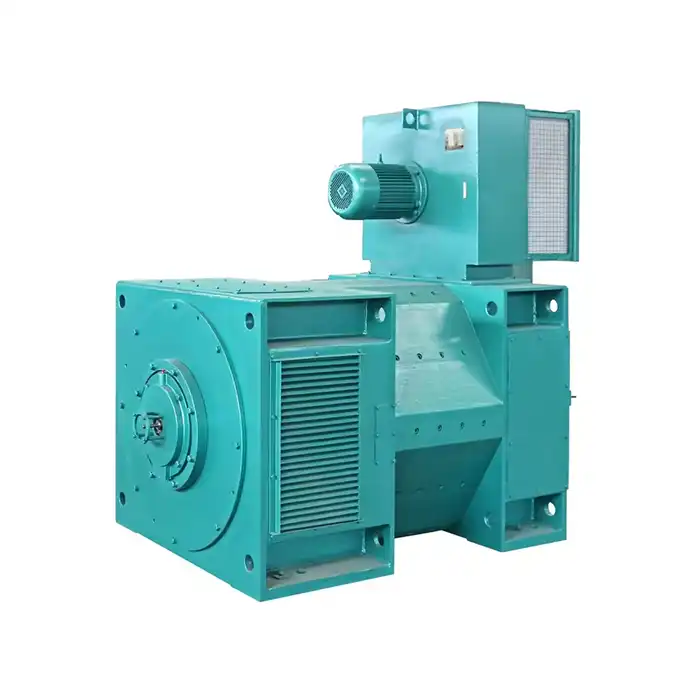




What are the advantages of an inverter duty ac motor?
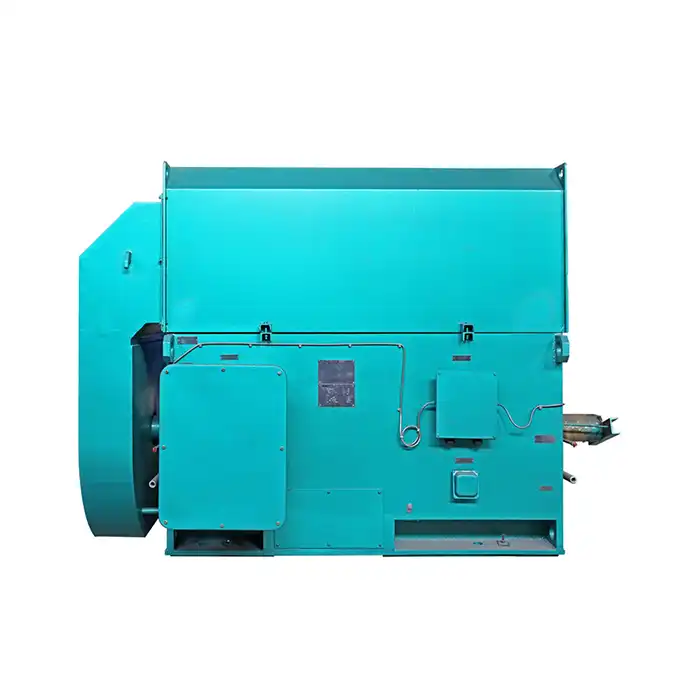
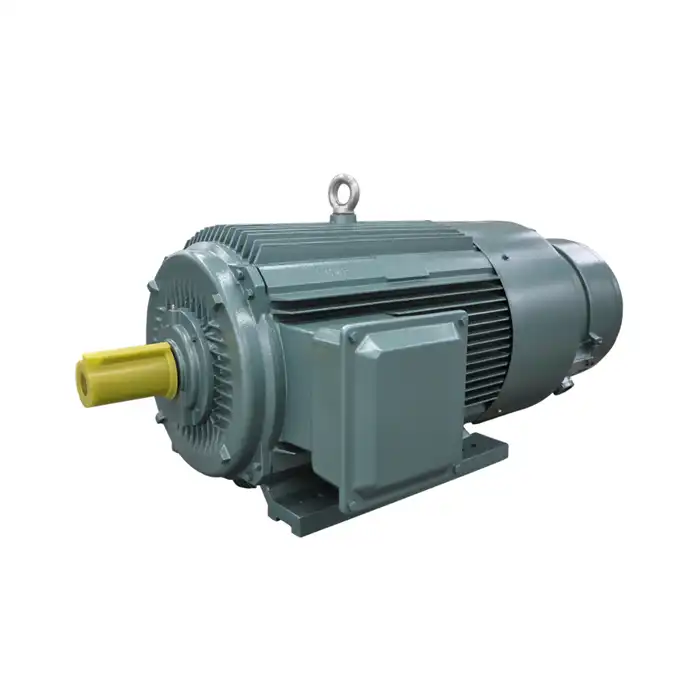
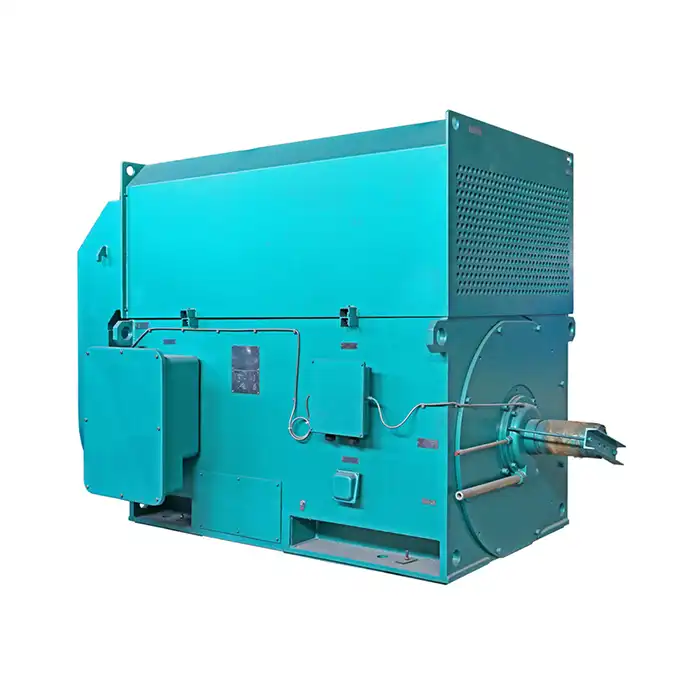
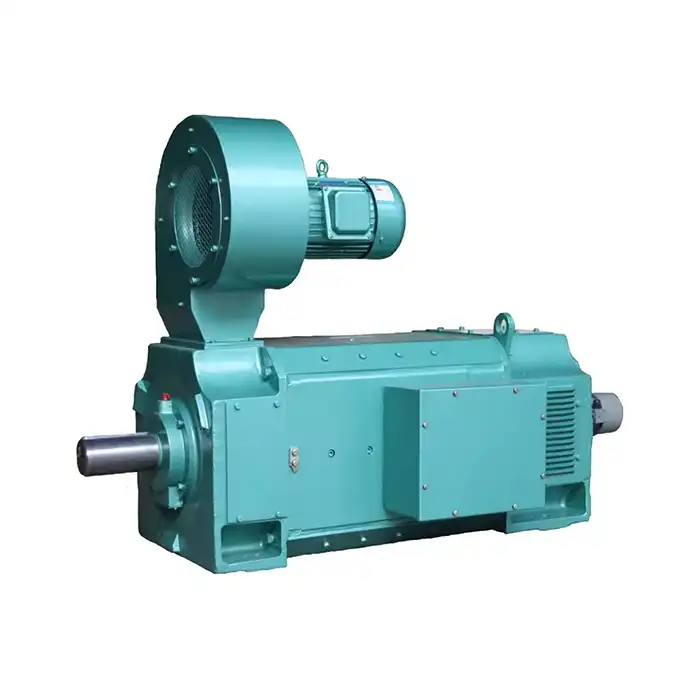
An inverter duty AC motor offers substantial advantages for industrial applications requiring variable speed control through VFDs (variable frequency drives). These specialized motors deliver superior energy efficiency, typically reducing operational costs by 20-40% compared to standard motors. They provide precise torque control across the entire speed range, maintaining consistent performance from zero to maximum RPM. Enhanced insulation systems protect against voltage spikes generated by frequency converters, extending service life significantly. The motors also handle heat and vibration more effectively, reducing maintenance requirements and minimizing unplanned downtime in demanding production environments.
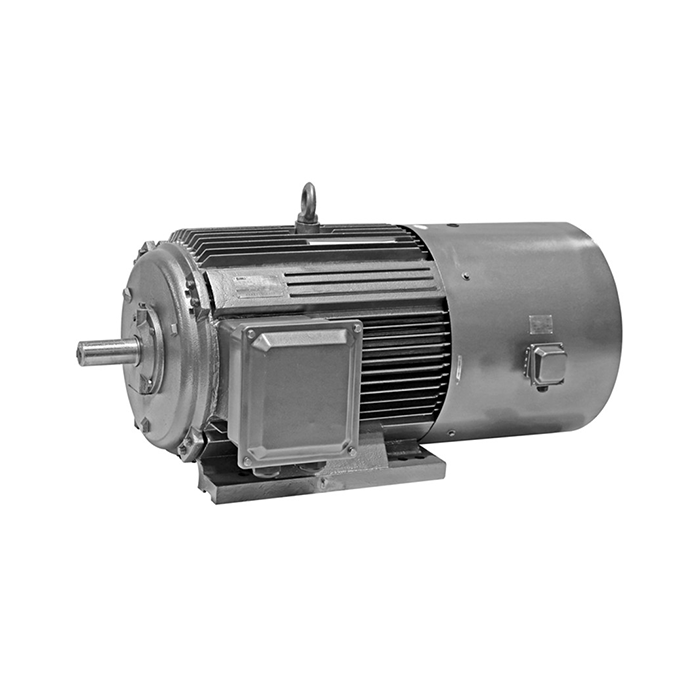
Series:YVFE3
Frequency conversion range:30hz~50hz,5hz~70hz,5hz~100hz
Power range:0.75-1000kW
Protection level:IP55
Application:are suitable for driving various mechanical equipment that require continuous and frequent forward and reverse rotation, such as steel rolling, lifting, transportation, machine tools, printing and dyeing, papermaking, chemicals, textiles, pharmaceuticals, etc., and can be used with various domestic and foreign variable frequency power supplies.
Advantage:high efficiency, wide speed range, high precision, stable operation, and easy operation and maintenance.
Certificate:installation dimensions comply with International Electrotechnical Commission (IEC) standards.
Others: SKF, NSK, FAG bearings can be replaced according to customer requirements.
Understanding Inverter Duty AC Motors
What Makes These Motors Different
When used with variable frequency drives, standard AC motors can burn, suffer bearing failure, and lose insulation prematurely. A specially designed inverter duty ac motor solves these problems by handling VFD stresses. These specialised units can operate at very different frequencies without losing reliability, unlike regular motors that work at 50Hz or 60Hz.
Small architectural features that may appear unimportant at first but are crucial when the machine runs make the difference. Electronic drives create voltage jumps and harmonic distortions, but improved shielding can manage them. Regardless of shaft speed, cooling systems function. Although fans on the shaft slow down when frequency is low, they can maintain the temperature. The bearing assemblies employ high-quality SKF, NSK, and FAG parts. They can withstand steady rotation in both directions and speed changes that would soon ruin ordinary bearings.
How Variable Frequency Drive Compatibility Works
Variable frequency drives control motor speed by changing the frequency and strength of electricity to the motor windings. This method allows accurate speed control but introduces electrical circumstances not encountered in standard motor construction. In motor lines, high-frequency voltage variations, termed reflected waves, may be twice as intense as the source voltage. Turn-to-turn shorts and winding breakdown result from typical motor insulation breaking down fast under these circumstances.
For high voltage pressures, inverter duty ac motors have graded insulation. XCMOTOR's YVFE3 series uses Class F insulation and special winding to increase conductor spacing. This design can withstand electrical stress and temperature changes, enabling stable 5Hz to 100Hz operation. The motors may operate at 30Hz to 50Hz for low-speed jobs, 5Hz to 70Hz for moderate change, and 5Hz to 100Hz for maximum flexibility. Power output ranges from 0.75kW to 1000kW.
Critical Design Components
The cooling system may be the biggest design modification. Quality inverter duty ac motors use IC416 forced cooling separate from the motor shaft. A special outside fan maintains airflow regardless of motor speed. This prevents normal motors from overheating at low frequencies. This continual cooling helps the motor continue at low speeds without slowing down, allowing it to maximise power across all speeds.
Bearing systems load differently with VFD control than across-the-line beginning. Frequent speed changes, continuous operation at different RPMs, and rotation in both directions need long-lasting bearings. High-quality bearing assemblies have advanced metalworking, tight tolerances, and variable-speed duty cycle lubricants. Many firms create custom bearings. Engineers may choose names and kinds that suit their projects.
Core Advantages of Inverter Duty AC Motors
Energy Efficiency That Impacts Your Bottom Line
Operations are a motor's most costly portion during its lifespan, sometimes several times its purchase price. A properly implemented VFD and inverter duty ac motor can save energy through several mechanisms. Simply slowing down improves efficiency. In variable-torque usage like fans and pumps, slowing down by 20% saves 50% energy. The affinity principles that regulate fluid dynamics reduce power when speed decreases by a cube.
Changeable speed saves money, and these motors fulfil IE3 premium efficiency criteria by reducing design losses. Better magnetic steel kinds and wire size and winding designs reduce core and resistive losses. Their combined effects save energy during the system's lifetime. Industrial establishments with several motors may save over five figures on energy expenses by switching to correctly built inverter duty ac motors with VFD controllers.
Precise Process Control and Product Quality
Manufacturing operations increasingly need precise speed control to maintain quality and product stability. A smooth acceleration and deceleration pattern from an inverter duty ac motor reduces equipment stress. In conveyor systems that handle fragile items, mixing equipment that needs to stir things up, and textile machinery that needs precise tension control, this gentle ramping protects the product.
Even at moderate speeds, torque characteristics remain constant, therefore performance is consistent. This accuracy lets you carefully regulate the process, unlike fixed-speed motors or mechanical speed-reduction techniques. The YVFE3 series maintains torque output from 0 to maximum speed. This makes it handy for beginning or running at modest speeds that need full pushing strength. Speed control accuracy is high enough for machine tools, printing equipment, and automatic assembly systems.
Extended Equipment Life and Reduced Maintenance
When across-the-line starting occurs, motors and driven equipment are loaded several times more than when running. Shock fatigue shortens bearing life, loosens mechanical fasteners, and stresses shaft couplings. The soft-start function in VFD control eliminates beginning current spikes and mechanical stress, extending the life of all drive system elements.
Better heat regulation and reduced vibration extend operating life. Separate cooling systems prevent hotspots and stabilise temperatures, slowing insulation wear. High-performance bearing kits for variable-speed job cycles last longer and require less maintenance, reducing unplanned downtime. Many companies report that switching to correctly specified inverter duty ac motors reduced repair expenses by 30% or more and increased failure time.
Comparative Insights: Inverter Duty vs. Standard AC Motors
Performance Under Variable Speed Conditions
Standard motors with a defined frequency have several issues when powered by variable frequency drives. Unreliable cooling is the major issue. Shaft-mounted fans don't flow enough air at low speeds, which raises temperature fast and shortens insulation life. When utilised below 30Hz, many typical motors need a lot of de-rating, limiting their utility and forcing customers to pick larger, more expensive, and less efficient motors.
Inverter duty ac motors operate at full speed across their frequency range. Regardless of engine speed, independent cooling systems regulate heat. This keeps the engine operating at low speeds with full torque. This feature lets you choose the right motor size to save money and improve efficiency without having to make too many choices. For applications that need frequent low speeds or large speed variations, inverter duty ac motor design is ideal.
Durability and Reliability Considerations
Normal motors used with VFDs usually break down due to insulation issues. Fast-switching drive parts overload standard insulation with voltage spikes. Each change cycle worsens the damage, causing insulation disintegration and catastrophic collapse. The cost of repairs includes motor replacement or rewinding and productivity lost when the machine was down for no reason.
Inverter duty ac motors with superior insulation can manage these pressures with safety precautions. Large voltage margins over typical operating levels result from more conductor area, thicker insulation, and superior material compositions. Normal motor insulation would soon be damaged by voltage jumps of double the source voltage, but these motors can tolerate them. Due to longer service life, higher starting costs are offset by lower failure rates and longer replacement periods.
Total Cost of Ownership Analysis
Buying based on the initial purchase price ignores the motor's high operating expenses during its lifetime. Over a 15-year service life, energy use accounts for 95% or more of total ownership costs. Maintenance, downtime, and replacement expenses comprise operational costs. An inverter duty ac motor costs 15–25% more than a regular motor, but it pays for itself quickly by reducing running costs.
Depending on how frequently the company is open and how much utilities cost, energy savings alone may pay for the investment in two to three years. Longer work lifetimes and fewer maintenance speed up payback and improve reliability. Comprehensive VFD techniques and correctly matched motors reduce total cost of ownership by over 40% compared to fixed-speed systems. These savings add up and give facilities that run dozens or hundreds of motors a competitive edge by lowering running costs.
Applications and Industry Use Cases
Industrial Automation and Manufacturing
Modern manufacturing and product quality depend on accurate motion control. In automated assembly lines, robotic work cells, and CNC machines, inverter duty ac motors are essential for speed adjustment. Soft starting protects product integrity, and changeable speeds improve conveyor system performance uphill and downstream. Material handling equipment softly accelerates, keeping the load steady and correct.
Steel rolling mills need good torque control to change material width and stress during continuous rolling. They can tackle these demanding duties because the YVFE3 series can generate constant torque at a broad variety of speeds and rotate in both directions. Printing and dying machines carefully adjust speed to maintain web tension. This prevents errors and waste. These examples demonstrate how motor selection affects product quality and manufacturing efficiency.
HVAC and Building Systems
Commercial and residential climate control systems use lots of energy. Facility energy budgets include fan and pump motors. Inverter duty ac motor variable-flow systems use less energy than throttling control installations. Building automation adjusts fan speeds to cooling and heating demands. This eliminates energy loss from oversized equipment.
Capacity modulation matches thermal demands, reducing compressor cycles and improving temperature stability in refrigeration. When partly loaded, variable-speed condenser fans and evaporator blowers enhance heat exchange efficiency and reduce noise. These systems save 30–50% more energy than fixed-speed solutions and improve temperature and humidity management. Building owners and facility managers benefit from VFD installations with the correct motors since they pay for themselves rapidly.
Process Industries and Utilities
Drug factories, water treatment plants, and chemical processing plants need reliable pumping systems that can handle different flow rates. An inverter duty ac motor and the right drives can precisely control flow without throttling losses or mechanical wear from the control valve. Maintaining optimal mixing and agitation speeds enhances batch uniformity and product quality.
Power plants and renewable energy projects require powerful motors for feedwater pumps, cooling tower fans, and material handling equipment. Effective functioning requires inverter duty ac motor design to tolerate frequent starting, variable loads, and severe weather conditions. Variable-speed pumps that match demand rather than worst-case design conditions save energy and stabilise water treatment plants.
Procurement Guide: Choosing and Buying Inverter Duty AC Motors
Matching Motor Specifications to Application Requirements
Do a full application study to determine the real performance needs, not just yours, before choosing a motor. Determine the projected speed range torque profile. Conveyors and positive displacement pumps need consistent torque at all speeds. Fans and centrifugal pumps need less torque as speed increases. This difference greatly affects motor size and performance.
Motor choice and construct depend on operational work cycle. Continuous-duty applications need long-lasting heat management and bearing systems, whereas intermittent service patterns allow alternate construction approaches. Environmental factors including temperature, humidity, altitude, and air pollution impact vehicle choice and safety. IP55 protects against dust and water in most commercial situations, although higher classifications may be required for specialised jobs.
Expectations for frequency range must match motor capabilities. The YVFE3 series includes three frequency bands: 30Hz to 50Hz for limited range, 5Hz to 70Hz for moderate range, and 5Hz to 100Hz for maximum range. Power requirements range from 0.75kW to 1000kW for small process equipment to large industrial machines. When genuine demands are met, performance and cost-effectiveness are optimal.
Evaluating Quality and Support
The quality of the parts and the standards used in production have a big impact on how reliable the motor is. The service life of premium bearing sets from well-known brands like SKF, NSK, and FAG is much longer than that of generic options. IEC-compliant mounting dimensions make sure that they can be used with existing systems and can be swapped out anywhere in the world. Certification to well-known efficiency standards like IE3 gives you speed guarantee that you can check, backed by standard testing procedures.
Some indicators of manufacturing quality for an inverter duty ac motor are the methods used for winding, the steps taken for balancing the rotor, and the thorough testing protocols. Dynamic balancing at different speeds gets rid of the sources of shaking that make noise and speed up bearing wear. Before being shipped, performance traits are confirmed by no-load testing, locked-rotor testing, and full-load proof. Quality makers use clean-room manufacturing methods to keep products from getting contaminated, which shortens their useful life.
When choosing motors for complicated jobs or fixing operational problems, being able to get technical support is very important. Being able to talk to engineering staff who are informed about both motor technology and application needs helps make sure that the right product is chosen. Support that is available seven days a week cuts down on downtime when questions come up during installation or operation. Long-term operation is supported by detailed documentation such as installation manuals, maintenance instructions, and information on spare parts.
Understanding Pricing and Purchasing Terms
Typically, an inverter duty ac motor costs more because it is better built and has better parts. Clear price systems help buyers understand how costs relate to each other and compare products fairly. People who buy a lot of things often get better prices, which makes consolidating purchases across multiple places or projects a good financial idea. Delivery lead times depend on the power grade and the level of customisation needed. Stock units ship quickly, but custom designs need more time to be made.
Warranty coverage protects against manufacturing defects and early failures. Warranty durations typically run 12–24 months from shipping or commissioning. Extended coverage is offered for crucial applications. Understand what the guarantee doesn't cover to avoid misunderstanding. Damage from improper installation, maintenance, or usage beyond restrictions is usually not covered by warranties. If you purchase anything wrong or your requirements change, the return policy protects you. This will also clarify restocking costs and who pays to return the goods.
Conclusion
An inverter duty ac motor is an important piece of technology for industrial tasks that need to control speed, save energy, and be precise. Compared to regular motors, these specialised motors offer measurable benefits such as 20–40% less energy use, longer equipment life, less upkeep needs, and better process control. Better insulation, separate cooling, and high-quality bearing assemblies make it possible to work reliably over a wide frequency range without derating. Even though the initial investment is higher than the price of a regular motor, the total cost of ownership analysis always shows strong returns through lower operating costs and higher reliability. When you fit the motor's capabilities to the needs of the application, you get the best performance, which supports manufacturing productivity, process quality, and operating efficiency across many industries.
FAQ
1. Can I use a standard motor with a variable frequency drive?
Standard motors can work with VFDs in some situations, but they have a hard time staying reliable. When drives cause voltage spikes, insulation systems that aren't up to par break down quickly, usually within months instead of years. When speeds are slowed down, not enough cooling leads to warming that needs a lot of derating. An inverter duty ac motor is designed to solve these problems by supporting reliable VFD operation across a wide frequency range without sacrificing performance or shortening service life.
2. What maintenance practices extend motor lifespan?
By checking the state of the bearings, the resistance of the insulation, and the amount of vibration on a regular basis, problems can be found before they break. Keeping the outside of motors clean helps them get rid of heat properly, and keeping water out keeps the insulation in good shape. Bearing damage can be avoided by lubricating them according to the manufacturer's instructions. However, many high-quality motors have sealed bearings that don't need regular maintenance. Keeping motors within certain limits for temperature, voltage, and frequency stops stress from building up and shortening their service life.
3. Do these motors reduce operational noise?
Compared to across-the-line starting, an inverter duty ac motor that is run with the right VFD control makes a lot less noise. When you use soft acceleration, the magnetic and mechanical noise spikes that come with starting transients are taken away. Variable-speed operation lets you match the motor speed to the needs of the process, so you don't have to run it at high speeds when you don't have to. Instead of always running at full speed, independent cooling fans can be set to the best speeds for their jobs. These factors work together to make the process much quieter, which is helpful in noise-sensitive areas or situations where the speed needs to be changed often.
Partner with XCMOTOR for Reliable Inverter Duty Motor Solutions
Choosing the right inverter duty ac motor provider affects how well and how cheaply operations run in the long run. XCMOTOR has been helping businesses across North America with their power equipment needs for more than 20 years. Our YVFE3 line has been tested and shown to work well in a wide range of demanding environments, including manufacturing, HVAC, process industries, and utilities. It can convert frequencies and produce power rates ranging from 0.75kW to 1000kW.
We only buy from certified manufacturers, so you can be sure that the parts you get are real and will work well. Our dedication to customer success is shown by the fact that we offer free delivery, 30-day open buy policies, and seven-day technical help. Our engineering team helps with specifications from the first choice of specifications all the way through installation and operation. To speak with our inverter duty ac motor supply team about your unique needs, please email us at xcmotors@163.com. We'll help you find the best option for your application in terms of speed, dependability, and value.
References
1. Bonnett, A. H. & Yung, C. (2008). Increased Efficiency Versus Increased Reliability: The Role of Insulation in Motors Operating on Inverters. IEEE Transactions on Industry Applications, 44(2), 396-406.
2. National Electrical Manufacturers Association. (2016). NEMA MG 1-2016: Motors and Generators Standard. Rosslyn, Virginia: NEMA Publications.
3. De Almeida, A. T., Ferreira, F. J., & Baoming, G. (2014). Beyond Induction Motors: Technology Trends to Move Up Efficiency. IEEE Transactions on Industry Applications, 50(3), 2103-2114.
4. Petroleum and Chemical Industry Committee. (2011). Recommended Practice for the Design of Reliable Industrial and Commercial Power Systems. IEEE Standard 493-2007 (Gold Book). Piscataway: Institute of Electrical and Electronics Engineers.
5. Nailen, R. L. (2003). Why Inverter-Duty Motors Are Unique. Electrical Apparatus Service Association Technical Journal, 18(4), 22-28.
6. United States Department of Energy. (2014). Improving Motor and Drive System Performance: A Sourcebook for Industry. Washington, DC: Office of Energy Efficiency and Renewable Energy.