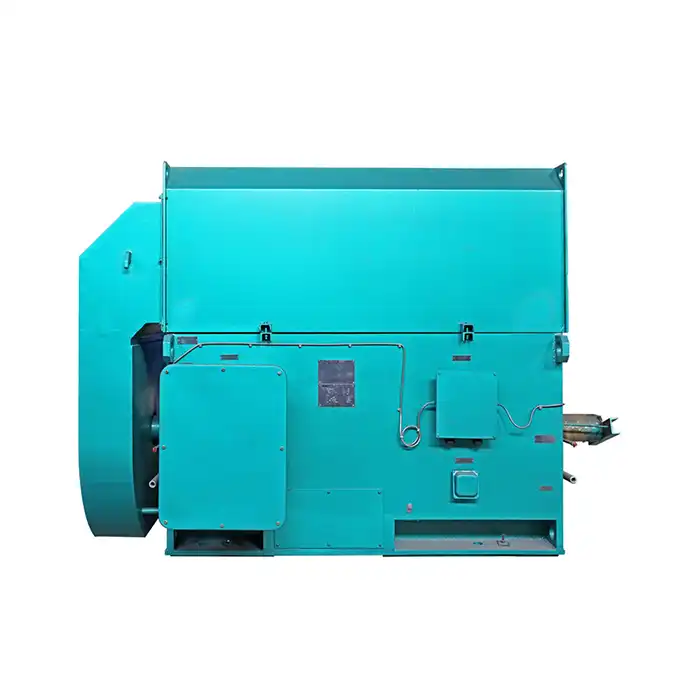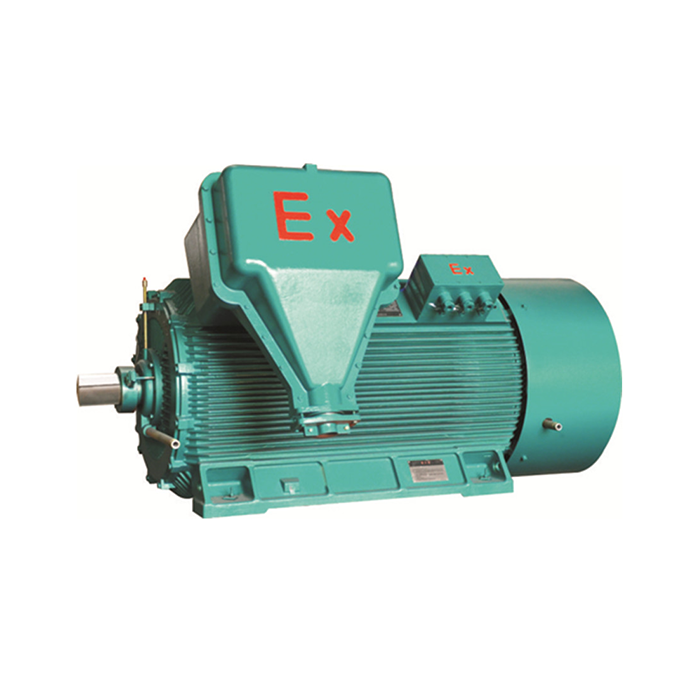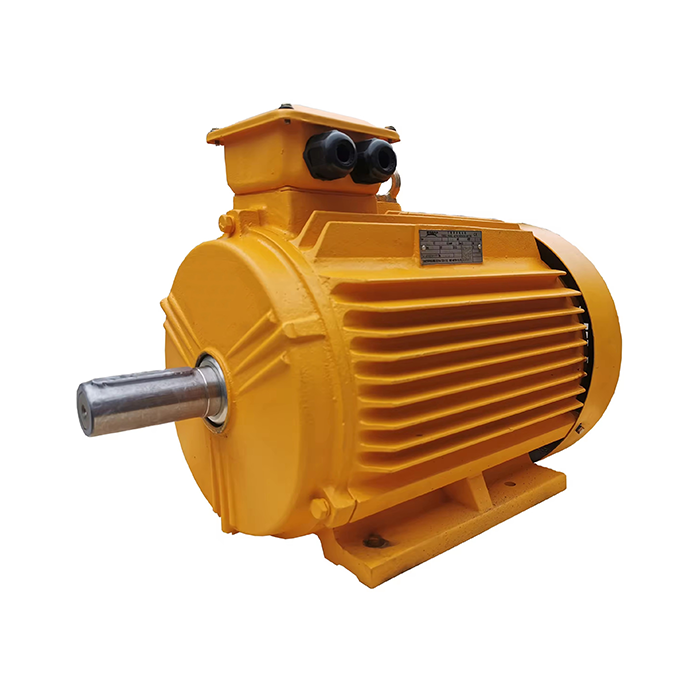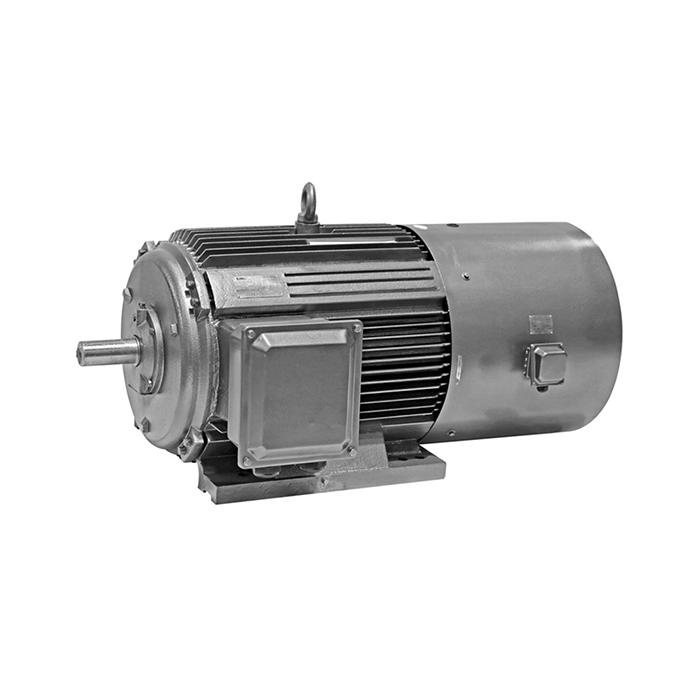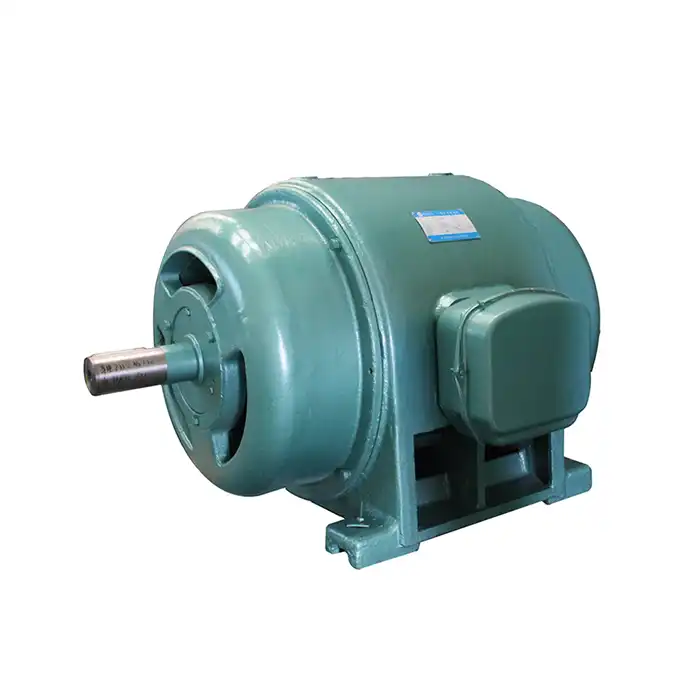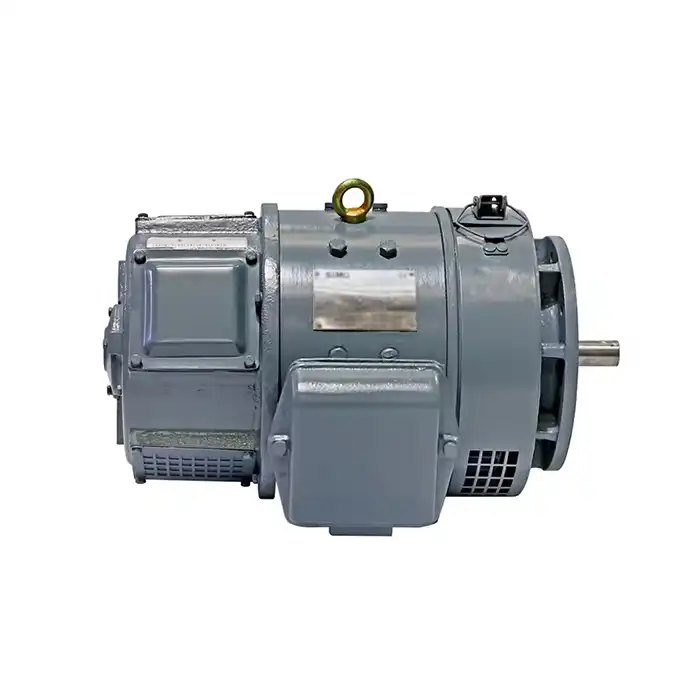




Sourcing medium voltage induction motors directly from manufacturers has become increasingly crucial for businesses seeking cost-effective power solutions. With global demand surging across industrial automation, HVAC systems, and renewable energy sectors, understanding market dynamics helps procurement professionals secure optimal pricing. Direct sourcing eliminates intermediary markups while ensuring authentic quality standards. Medium voltage induction motor specifications ranging from 3kV to 11kV power ratings between 185kW to 1800kW cater to diverse industrial applications including compressors, water pumps, and transportation machinery.
Global Market Price Breakdown for Medium Voltage Motors
Factory Price Ranges and FOB/CIF Considerations
The medium voltage electric engine market has seen notable shifts globally over the past year. Chinese manufacturers typically offer competitive prices for three-phase engines within the 100kW to 1800kW power rating range, with pricing varying widely. European suppliers tend to command higher prices for similar specifications. North American manufacturers fall somewhere in between in terms of cost for comparable motor winding configurations.
CIF pricing generally adds a percentage to FOB costs, depending on destination ports and shipping volumes. Factors such as rotor design complexity, insulation class, and thermal protection specifications all influence the final pricing structure. Squirrel cage medium voltage induction motors are typically more affordable than slip ring variants due to their simpler manufacturing process.
Minimum Order Quantities and Bulk Purchasing Benefits
Minimum Order Quantities (MOQs) are usually set between a few units for standard voltage rating setups, while custom specifications may require higher minimum quantities, depending on the complexity of the design. Bulk purchasing benefits can include notable discounts for larger order volumes.
Volume-based pricing is often structured with discounts increasing as the quantity of units ordered rises. Suppliers tend to offer better pricing for regular and larger orders, encouraging repeat business and long-term partnerships.
Additional Costs and Hidden Expenses
Additional costs such as import duties add to the overall acquisition costs. Tax rates may vary depending on the country of origin and destination. Shipping costs for standard delivery can also fluctuate, with express or specialized shipping methods increasing the total cost significantly.
Other associated costs include customs clearance, documentation fees, and local handling charges, which may add to the final cost per shipment. Insurance coverage is often an additional expense, typically calculated as a small percentage of the total cargo value. Pre-shipment testing and vibration analysis certification can also contribute to the overall price per motor unit.
Critical Factors Influencing Motor Pricing Globally
Raw Material Costs and Manufacturing Variables
Copper pricing directly affects medium voltage induction motor winding costs, representing 25-35% of total material expenses. Steel pricing for stator laminations contributes another 15-20% to manufacturing costs. Rare earth elements for permanent magnet applications create additional price volatility.
Labor costs vary dramatically across manufacturing regions. Chinese facilities benefit from competitive labor rates, while European manufacturers face 3-4 times higher labor expenses. Automation levels in production facilities help offset labor cost differentials in developed markets.
Exchange Rate Fluctuations and Economic Policies
Currency exchange rates create significant pricing volatility in international procurement. USD strengthening against manufacturing currencies reduces import costs for American buyers. European buyers benefit when EUR appreciates against Asian currencies.
Government policies including export incentives, environmental regulations, and trade agreements directly impact manufacturer pricing strategies. Energy efficiency standards drive design complexity, potentially increasing manufacturing costs by 8-12%.
Seasonal Demand Patterns and Supply Chain Risks
Industrial application seasons create predictable demand cycles. HVAC sector purchases peak during spring months, driving prices up 5-10% during March-May periods. Mining and oil industry procurement typically occurs during budget cycle periods, creating Q4 demand surges.
Supply chain disruptions from raw material shortages or transportation bottlenecks can increase prices by 10-25% temporarily. Lead times extend from standard 8-12 weeks to 16-20 weeks during supply constraints, affecting project timelines and emergency procurement costs.
Regional Price Comparisons and Market Advantages
China versus Alternative Manufacturing Markets
Chinese producers keep up critical taken a toll focal points, advertising costs 25-40% than European counterparts for comparative torque appraisals and productivity guidelines. Vietnamese and Indian producers give elective sourcing alternatives with costs ordinarily 10-15% higher than Chinese providers but still competitive against Western manufacturers.
Quality measures of Asian producers change impressively. Chinese producers with ISO 9001:2015 certifications provide comparable quality to Western providers while keeping up fetched points of interest. Stack torque testing and comprehensive quality control forms guarantee unwavering quality standards.
Technology and Innovation Considerations
European producers lead in speed control innovation and progressed separator lesson improvements. German and Italian providers offer prevalent vibration investigation capabilities and specialized support conventions. These innovative focal points legitimize premium estimating for basic applications requiring the highest reliability.
American producers exceed expectations in custom building arrangements and quick model advancement. Their estimating reflects these specialized capabilities, especially for special mechanical applications requiring adjusted stator setups or specialized warm security systems.
Strategies for Optimal Pricing Negotiations
Supplier Relationship Management
Building long-term associations with solid producers empowers way better estimating structures. Yearly volume commitments regularly secure 5-8% cost changes compared to spot acquiring. Specialized collaboration on effectiveness advancements and application optimization creates shared value.
Regular provider reviews guarantee quality consistency while illustrating commitment to the relationship. Sharing estimating data makes a difference for producers to optimize generation planning, possibly lessening costs through made strides capacity utilization.
OEM and Customization Cost Management
Standardizing details over applications decreases customization premiums. Common voltage rating choices and standardized mounting arrangements minimize building costs. Adaptability in conveyance plans permits producers to optimize generation runs, sharing toll savings.
Technical determination audits with building groups distinguish openings for toll lessening without compromising execution. Elective bearing determinations, streamlined cooling strategies, or altered security classes can altogether decrease total costs while keeping up operational requirements.
Market Outlook and Price Predictions
Economic Indicators and Trend Analysis
Global inflation pressures suggest continued price increases of 3-6% annually through 2026. Raw material costs remain elevated, particularly for copper and specialized steels. Energy costs in manufacturing regions influence production expenses and final pricing.
Renewable energy sector expansion drives increased demand for medium voltage motors, potentially creating supply constraints. Wind power installations and solar tracking systems require specialized motor configurations, supporting premium pricing for these applications.
Technology Evolution Impact
Smart engine advances with coordinates observing capabilities command 15-25% cost premiums over routine plans. Web network and prescient upkeep highlights legitimize higher beginning costs through decreased support costs and progressed reliability.
Energy productivity controls proceed fixing all inclusive, requiring producers to contribute in progressed plans. These administrative changes may increment base estimating by 5-10% but convey operational fetched reserve funds through decreased vitality consumption.
Conclusion
Direct sourcing of medium voltage induction motors requires comprehensive understanding of global pricing dynamics and market factors. Successful procurement strategies balance initial costs against long-term reliability and operational efficiency. Regional price differences create opportunities for cost optimization while maintaining quality standards. Effective supplier relationships, volume commitments, and technical standardization enable optimal pricing negotiations. Market outlook suggests continued price pressures from raw material costs and regulatory requirements, making strategic sourcing partnerships increasingly valuable for industrial applications across manufacturing, HVAC, and energy sectors.
Frequently Asked Questions
Q1: What factors most significantly impact medium voltage motor pricing?
A: Crude fabric costs, especially copper and steel, speak to the biggest estimating components. Trade rates, fabricating area, and customization necessities too altogether impact last costs. Volume commitments and provider connections can decrease costs by 8-15%.
Q2: How do lead times affect motor procurement costs?
A: Standard lead times of 8-12 weeks offer ideal estimating. Sped up conveyance increments costs by 40-60%, whereas amplified lead times may give 3-5% rebates. Supply chain disturbances can amplify timelines to 16-20 weeks with potential fetched increases.
Q3: Which certifications are essential for international motor procurement?
A: ISO 9001:2015 quality management, IEC 60034 compliance, and CE marking are fundamental requirements. Regional certifications like CCC for China or UL for North America may be necessary depending on application and installation location.
Partner with XCMOTOR for Premium Medium Voltage Solutions
Through direct manufacturer ties and thorough technical support, XCMOTOR offers outstanding value. Our medium voltage induction motor line serves industrial automation applications from 185kW to 1800kW at 3kV to 11kV. Through streamlined supply chains, Shaanxi Qihe Xicheng Electromechanical Equipment Co.,Ltd. offers competitive prices and high quality. Application engineering help from our technical team ensures appropriate motor selection for load torque and operating circumstances. We reduce procurement risks and improve operational dependability with 30-day returns, weekend assistance, and speedy delivery. As a trusted medium voltage induction motor supplier, we offer comprehensive solutions from standard configurations to custom engineered designs.
Experience our commitment to excellence and competitive pricing. Contact us at xcmotors@163.com for detailed quotations and technical specifications.
References
1. International Electrotechnical Commission. "Rotating Electrical Machines - Part 1: Rating and Performance Standards." IEC 60034-1:2017.
2. IEEE Power & Energy Society. "Global Medium Voltage Motor Market Analysis and Trends 2023-2024." IEEE Industry Applications Magazine, Vol. 29, No. 4.
3. Industrial Motor Manufacturers Association. "Medium Voltage Induction Motor Efficiency Standards and Global Compliance Requirements." Technical Report IMMA-2024-01.
4. World Trade Organization. "Tariff Analysis: Electrical Machinery and Equipment Trade Statistics 2023." WTO Statistics Database Annual Report.
5. Asian Development Bank. "Manufacturing Cost Analysis: Electrical Equipment Production in Asia-Pacific Region." ADB Economic Research Paper Series, 2024.
6. European Committee for Electrotechnical Standardization. "Energy Efficiency Requirements for Medium Voltage Motors in Industrial Applications." CENELEC Technical Specification EN 60034-30-2.