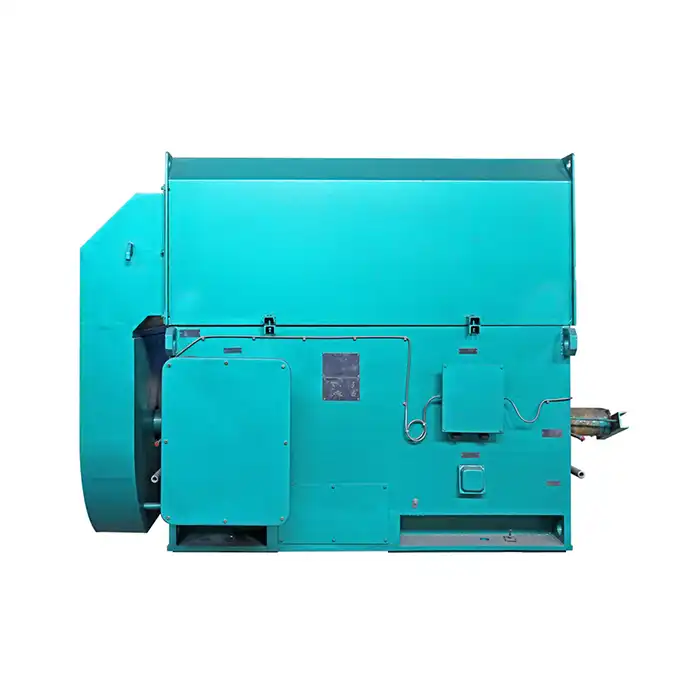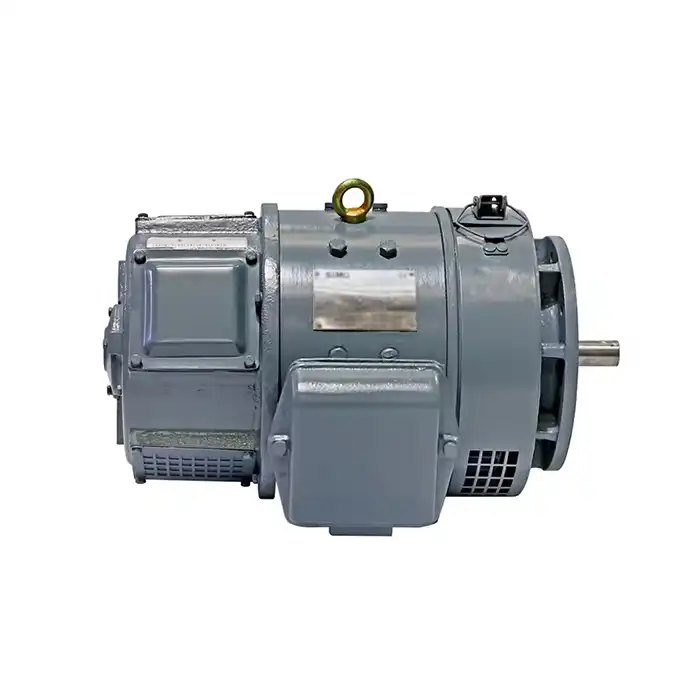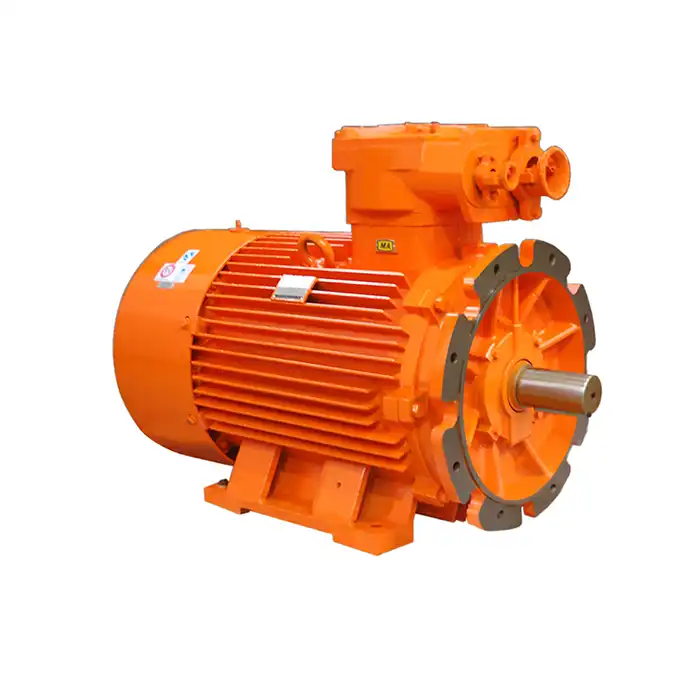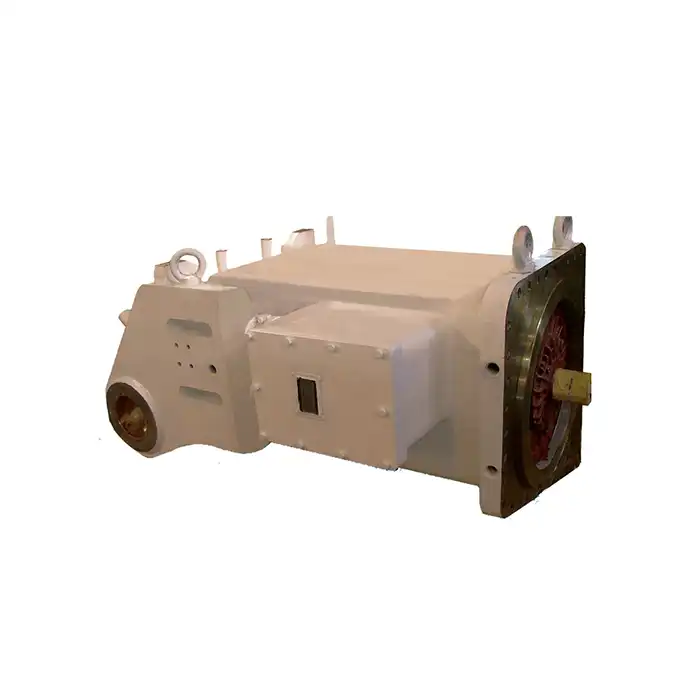




Understanding IE4 motor specifications is crucial for industrial professionals seeking maximum energy efficiency and operational reliability. IE4 induction motors represent the highest standard of motor efficiency, offering up to 96% efficiency ratings while significantly reducing energy consumption across manufacturing, HVAC, and utility applications. These advanced electric motors feature power ranges from 0.75kW to 1000kW with IP55 protection levels, making them ideal for demanding industrial environments where performance and sustainability matter most.
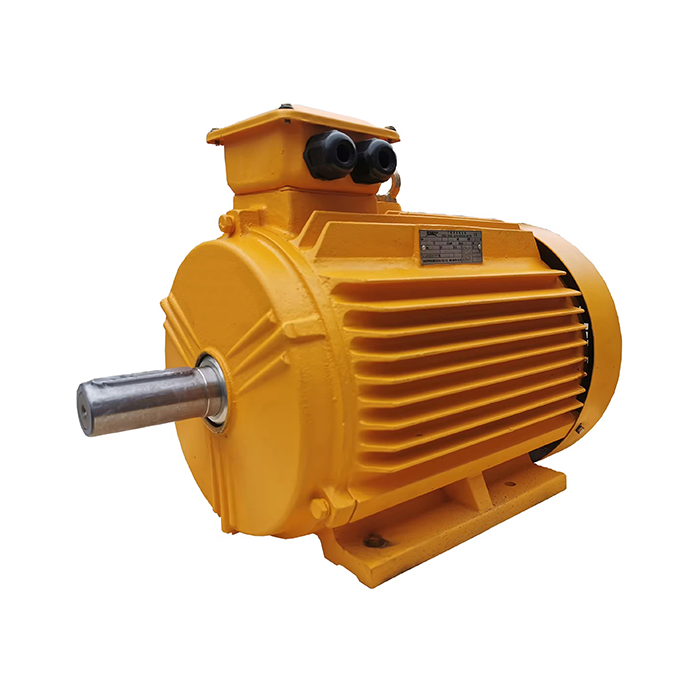
Series:YE4
Frame number: 80-450
Power range:0.75-1000kW
Protection level:IP55
Energy efficiency class: IE4
Voltage range: 380V,400V,415V, 660V,etc.
Application:can be used in various fields of the national economy, such as machine tools,water pumps,fans,compressors,and can also be used in transportation, mixing, printing, agricultural machinery, food and other occasions that do not contain flammable, explosive or corrosive gases.
Certificate: international standard IEC60034-30 ""Efficiency Classification of Single-speed Three-Phase Squirrel Cage Induction Motors"".
Advantage:The high quality of the electric motor guarantees high operational reliability.
Others: SKF, NSK, FAG bearings can be replaced according to customer requirements.
Understanding IE4 Efficiency Standards and Classification
The Worldwide Electrotechnical Commission (IEC) set up IE4 as the Super Premium Effectiveness course under standard IEC60034-30. This classification framework revolutionizes how we assess engine execution and vitality utilization. IE4 productivity appraisals surpass conventional IE3 engines by 2-5%, resulting in significant operational fetched decreases over time.
The electric engine plan has advanced significantly to accomplish these proficiency levels. Advanced IE4 engines join progressed rotor plans, optimized attractive circuits, and precision-wound stators. These advancements decrease electromagnetic disturbances while keeping up strong development measures required for mechanical applications.
Energy-sparing potential gets to be surprising when considering lifecycle costs. Ponders show power costs speak to 97% of a motor's add up to ownership costs, whereas starting costs account for as it were 1-2%. This proportion emphasizes why contributing to high-efficiency engines conveys remarkable returns through decreased vitality consumption.
Technical Specifications and Performance Parameters
Power and Speed Compatibility
The integration of power electronics significantly enhances the capabilities of the ie4 induction motor across diverse applications. These motors are designed to operate within standard voltage ranges, including 380V, 400V, 415V, and 660V configurations, allowing them to accommodate various international power grid standards seamlessly. Furthermore, they offer considerable speed control flexibility, typically spanning from 500 to 3000 rpm. This wide operational range enables precise matching of motor speed to specific application requirements, ensuring optimal performance in both industrial and commercial settings where variable speed drives are essential.
Operational Performance Characteristics
Motor torque characteristics in an IE4 induction motor demonstrate superior performance under varying load conditions, providing reliable starting and running torque. A key electrical feature is the limitation of starting current to below 6.5 times the rated current, which significantly reduces stress on the electrical distribution system during motor startup. Additionally, these high-efficiency motors maintain a power factor exceeding 0.85 at full load. This high power factor improves the overall system efficiency by reducing reactive power demands and minimizing energy losses, contributing to lower operational costs and enhanced grid stability.
Thermal Management and Durability
Effective motor thermal management systems ensure the reliable operation of the ie4 induction motor in challenging environments. Standard insulation is provided by Class F systems, with optional Class H insulation available for applications involving extreme ambient temperatures or demanding duty cycles. These robust thermal protection systems are crucial for dissipating heat generated during operation, thereby preventing insulation degradation and bearing failure. This focus on thermal resilience extends the motor's operational lifespan while maintaining consistent performance levels, even under continuous or heavy load conditions, ensuring long-term reliability.
Construction Features and Design Innovations
Motor winding innovation speaks to a basic progression in IE4 plan. Exactness die-casting makes ideal rotor execution, whereas progressed winding strategies minimize electrical losses. These fabricating forms guarantee reliable quality and dependable operation over the whole control range.
Motor cover frameworks ensure against natural challenges while keeping up electrical astuteness. IP55 security levels shield inner components from tidy entrance and water splash, making these engines reasonable for harsh mechanical situations. Higher IP evaluations are accessible for specialised applications requiring improved protection.
Bearing frameworks utilise premium components from SKF, NSK, or FAG producers. These high-quality orientation diminish engine vibration examination necessities while amplifying maintenance interims. Appropriate bearing choice contributes essentially to by and large engine reliability and operational longevity.
Application Scenarios Across Industries
Manufacturing sectors benefit tremendously from IE4 motor installations. Automotive assembly lines, aerospace production facilities, and electronics manufacturing plants require precise speed control and reliable operation. These motors excel in machine tool applications where consistent performance directly impacts product quality.
Process control applications utilize IE4 induction motors for pumps, valves, compressors, and conveyor systems. Water treatment facilities depend on these motors for critical pumping operations where efficiency translates into reduced operational costs. Food processing equipment benefits from the robust construction and reliable performance characteristics.
HVAC systems in commercial and residential buildings leverage IE4 efficiency for climate control applications. Variable frequency drive compatibility enables precise temperature control while minimizing energy consumption. Refrigeration systems achieve optimal performance through the enhanced efficiency characteristics of these advanced motors.
Energy Efficiency and Environmental Impact
Motor performance optimization delivers measurable environmental benefits beyond cost savings. Reduced energy consumption directly correlates with decreased CO2 emissions, supporting corporate sustainability initiatives. Companies implementing IE4 motors often achieve significant progress toward carbon reduction goals.
Electromagnetic induction efficiency improvements result from advanced rotor and stator designs. These enhancements minimize energy losses while maximizing useful work output. The improved efficiency becomes particularly valuable in applications requiring continuous operation over extended periods.
Lifecycle analysis demonstrates attractive payback periods, typically under four years for motors operating more than eight hours daily. This rapid return on investment makes IE4 motors financially compelling while delivering environmental benefits throughout their operational lifetime.
Maintenance Requirements and Reliability Factors
Motor maintenance schedules for IE4 units remain minimal compared to traditional motors. Regular visual inspections, proper lubrication schedules, and thermal monitoring ensure optimal performance. These preventive measures extend motor lifespan while maintaining efficiency ratings over time.
Motor noise reduction features enhance workplace environments while indicating proper operation. IE4 motors typically operate 3-5 dB(A) quieter than standard motors, contributing to improved working conditions. Reduced noise levels often indicate superior bearing quality and balanced rotor construction.
Motor reliability stems from quality components and precision manufacturing processes. Every motor undergoes comprehensive performance testing before shipment, ensuring consistent quality and reliable operation. This attention to quality reduces unexpected failures and associated downtime costs.
Selecting the Right IE4 Motor for Your Application
Application matching requires careful consideration of load characteristics, operating environment, and performance requirements. Power range selection spans 0.75kW to 1000kW, accommodating applications from small pumps to large industrial drives. Proper sizing ensures optimal efficiency and reliable operation.
Motor control systems must complement ie4 induction motor characteristics for maximum benefit. Variable frequency drives enhance motor capabilities while providing precise speed control. This combination delivers exceptional performance across varying load conditions while maintaining high efficiency levels.
Environmental considerations influence motor selection decisions. IP55 protection suits most industrial applications, while higher ratings accommodate harsh environments. Temperature ranges, humidity levels, and chemical exposure require specific motor configurations for optimal performance.
Installation and Integration Considerations
Mounting alternatives incorporate foot-mounted (B3), flange-mounted (B5), or combination arrangements. These flexible mounting courses of action oblige differing establishment necessities for mechanical applications. Appropriate mounting guarantees ideal execution while encouraging support access.
Electrical integration includes legitimate assurance, control, and monitoring frameworks. Circuit breakers, contactors, and over-burden assurance must coordinate engine determinations for secure operation. Checking frameworks track execution parameters while giving early caution of potential issues.
Commissioning strategies confirm legitimate establishment and execution characteristics. Beginning testing affirms productivity appraisals, vibration levels, and warm execution. These confirmation steps guarantee engines meet determination prerequisites while recognizing any establishment issues requiring correction.
Conclusion
IE4 engines speak to the apex of engine effectiveness innovation, conveying significant vitality reserve funds and natural benefits over mechanical applications. Understanding engine details, proficiency appraisals, and application necessities empowers educated choices supporting both operational and sustainability objectives. The combination of progressive plan, quality development, and demonstrated unwavering quality makes IE4 engines basic for present-day mechanical operations looking for competitive points of interest through upgraded productivity and decreased working costs.
Why Choose XCMOTOR for Your IE4 Induction Motor Requirements
XCMOTOR delivers exceptional value through comprehensive power equipment solutions tailored to demanding industrial applications. Our IE4 induction motor manufacturer capabilities ensure quality products meeting international efficiency standards while providing reliable performance across diverse operating conditions. We maintain extensive inventory enabling fast delivery of standard models within 2-4 weeks, supporting your project timelines effectively.
Our technical expertise spans manufacturing, HVAC, energy utilities, and specialized applications requiring high-efficiency motor solutions. Original components from trusted bearing manufacturers ensure long-term reliability while dedicated support covers both weekend operations. Thirty-day return policies provide purchase confidence while our engineering team assists with application-specific requirements. Experience the difference quality makes in your operations. Contact us at xcmotors@163.com to discuss your IE4 motor requirements and discover how our solutions enhance your operational efficiency while reducing energy costs.
References
1. International Electrotechnical Commission. "IEC 60034-30-1: Rotating electrical machines - Part 30-1: Efficiency classes of line operated AC motors (IE code)." 2014.
2. European Commission. "Commission Regulation (EU) No 640/2009 implementing Directive 2005/32/EC with regard to ecodesign requirements for electric motors." Official Journal of the European Union, 2009.
3. De Almeida, Anibal T., et al. "Energy-efficient motor systems in the industrial and in the services sectors in the European Union: characterization, potentials, barriers and policies." Energy 28.7 (2003): 673-690.
4. Saidur, Rahman. "A review on electrical motors energy use and energy savings." Renewable and Sustainable Energy Reviews 14.3 (2010): 877-898.
5. Waide, Paul, and Conrad U. Brunner. "Energy-efficiency policy opportunities for electric motor-driven systems." International Energy Agency Working Paper, Energy Efficiency Series, 2011.
6. Ferreira, Fernando JTE, and Anibal T. de Almeida. "Novel multiflux level, three-phase, squirrel-cage induction motor for efficiency and power factor maximization." IEEE Transactions on Energy Conversion 23.1 (2008): 101-109.