



Soft Starter vs VFD: Which to Choose for Your Motor
If you manage procurement for cranes, elevators, stage machinery, or HVAC systems, this question comes up constantly: should you use a soft starter or a VFD? The short answer is that it depends on what your load actually needs. For applications requiring precise speed control, low-speed high torque, or regenerative braking, a VFD paired with a purpose-built inverter duty motor is typically the right call. For simpler start/stop cycles where speed variation is not needed, a soft starter may suffice. This guide breaks down both options clearly.
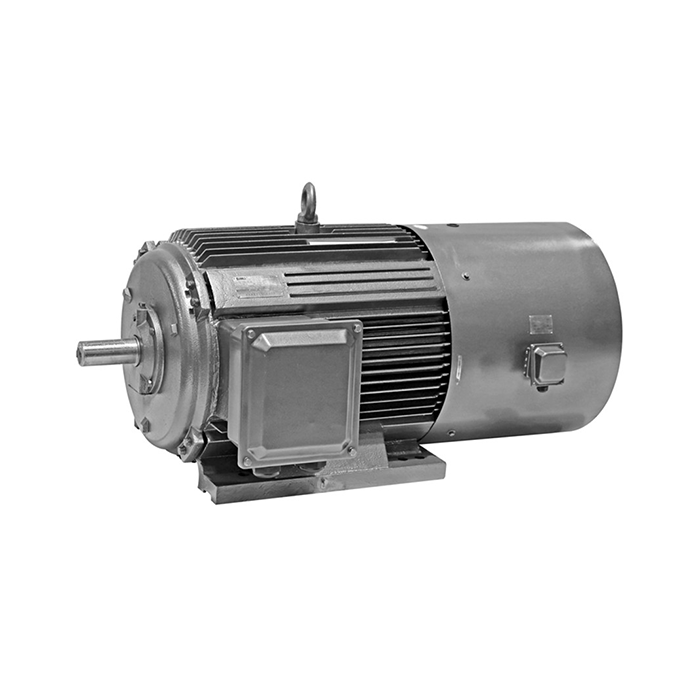
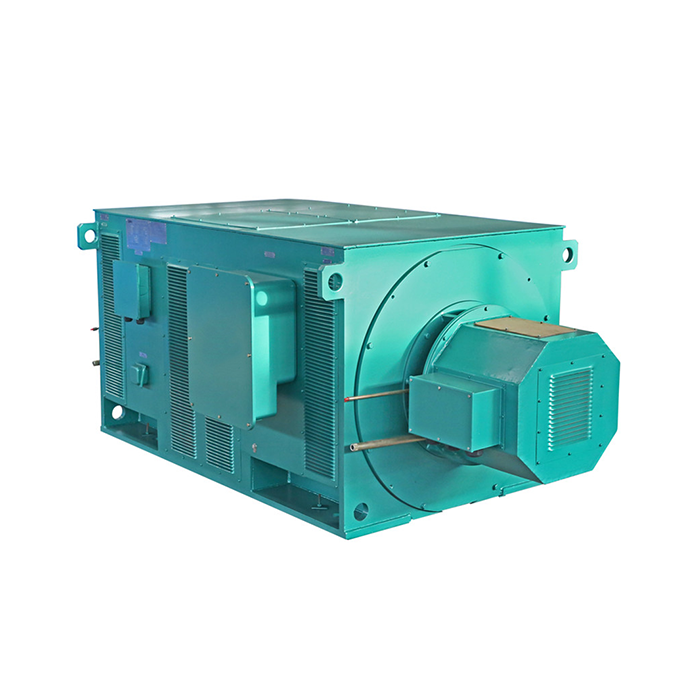
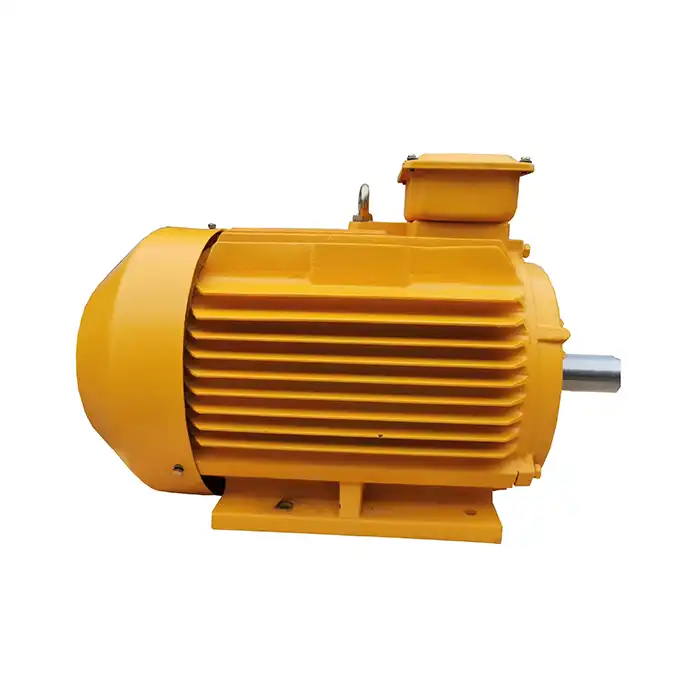
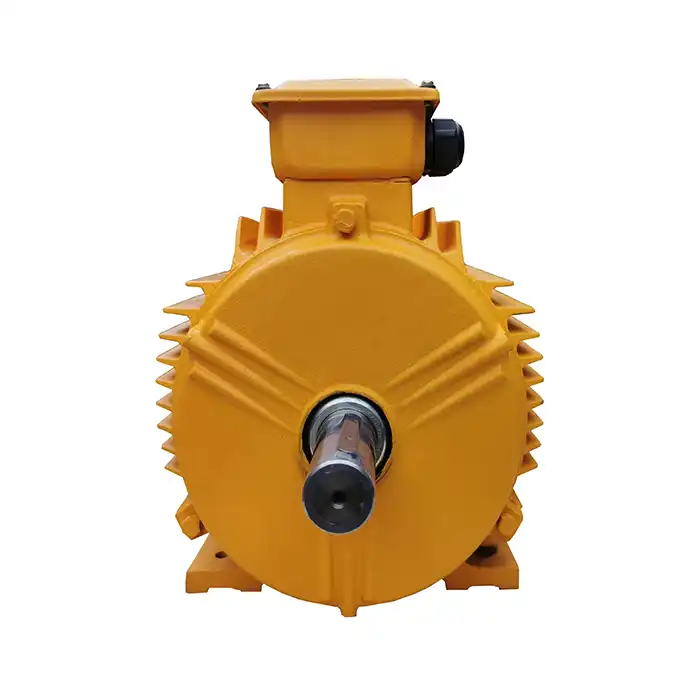
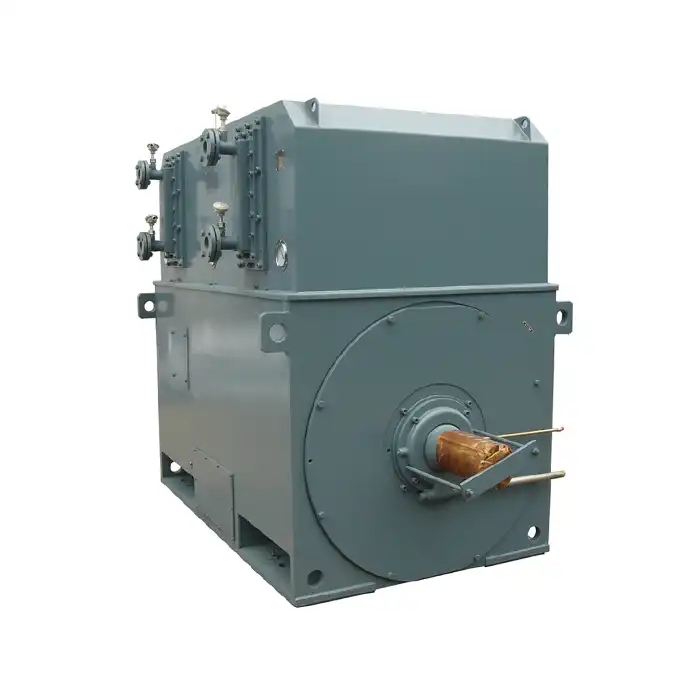
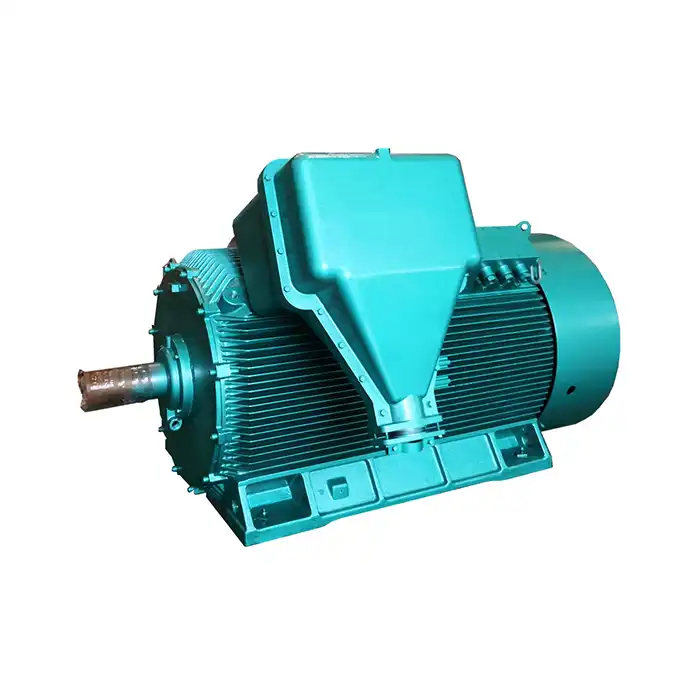
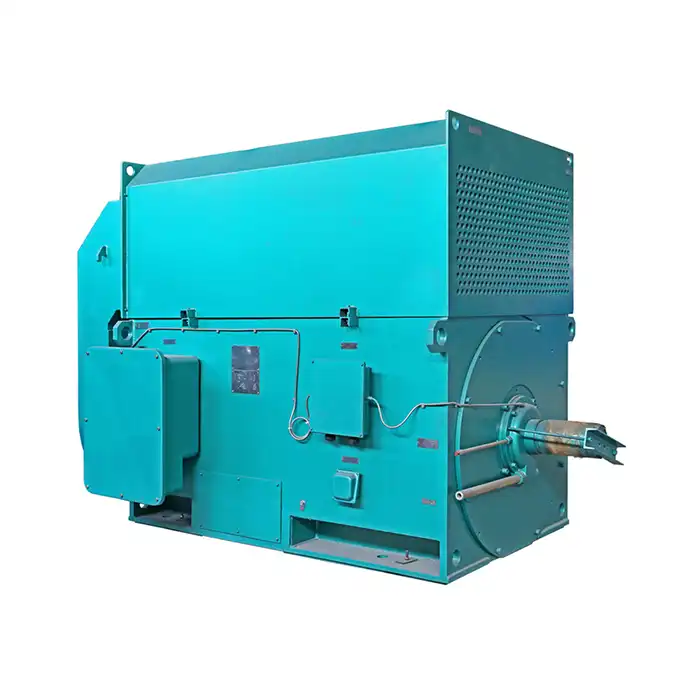
Series:YVFE3
Frequency conversion range:30hz~50hz,5hz~70hz,5hz~100hz
Power range:0.75-1000kW
Protection level:IP55
Application:are suitable for driving various mechanical equipment that require continuous and frequent forward and reverse rotation, such as steel rolling, lifting, transportation, machine tools, printing and dyeing, papermaking, chemicals, textiles, pharmaceuticals, etc., and can be used with various domestic and foreign variable frequency power supplies.
Advantage:high efficiency, wide speed range, high precision, stable operation, and easy operation and maintenance.
Certificate:installation dimensions comply with International Electrotechnical Commission (IEC) standards.
Others: SKF, NSK, FAG bearings can be replaced according to customer requirements.
Understanding Motor Starting Technologies
What a Soft Starter Does?
A soft starter controls the voltage that goes to a motor when it first starts up. It slowly raises the voltage to avoid mechanical shock and inrush current. The soft starter doesn't work when the motor is at full speed; instead, the motor runs straight on line power. During normal use, it doesn't control speed. It's a useful and inexpensive way to start and stop pumps, fans, and compressors that only need a softer start and stop.
What a VFD Does?
A variable frequency drive manages the power and frequency sent to the motor, letting you precisely set the speed across the whole range of operations. It makes PWM (pulse-width modulation) patterns with high dv/dt voltage spikes because it changes the output all the time. Most motors aren't made to handle these kinds of stresses, which is why VFD-driven applications need an inverter duty motor.
Why Inverter Duty Motors Matter?
It is designed so that an inverter duty motor can work with a VFD. It has precision balancing to lower vibrations, independent forced cooling (IC416) to keep temperatures safe at low speeds, and reinforced winding insulation to resist voltage stress caused by PWM. The XCMOTOR YVFE2 series inverter duty motor can handle power levels between 0.75 and 355 kW and can change frequencies between 30 and 50 Hz, 5 and 70 Hz, and 5 and 100 Hz. It meets IEC installation standards and is protected by IP55. If these features aren't built in, running a regular motor on a VFD speeds up the wear on the insulation and bearings.
Comparing Soft Starters and VFDs for Inverter Duty Motors
Performance and Speed Control
Once the motor is running at full speed, a soft starter doesn't let you change the speed. A VFD, on the other hand, lets you run an inverter duty motor at speeds ranging from almost nothing to above base speed. A VFD with a properly rated inverter duty motor is the only way to go for crane lifting, elevator traction, or stage lifts that need to move smoothly and decelerate slowly. The YVFE2 has a constant torque range of 5 Hz to 50 Hz and a constant power range of 50 Hz to 100 Hz. This directly meets the needs of lifts and theater tools that need a 1:10 to 1:1000 speed ratio.
Motor Protection Considerations
Any motor that is run on a VFD without proper shielding protection will wear out faster. High voltage spikes from IGBT switching put stress on the covering of the windings. Over time, common-mode voltages cause bearing currents that eat away at bearing races. The YVFE2 inverter duty motor has Class F insulation that can handle temperatures up to 155°C, and you can add protected end caps to stop current paths along the shaft if you want to. When purchasing motors for continual VFD service, procurement engineers should make sure they meet the requirements of NEMA MG 1 Part 31 and IEC TS 60034-25. These standards cover insulation withstand and shaft current safety for inverter-driven motors.
Cost and ROI Analysis
Soft starters are cheaper up front and easier to set up. The only things they don't do, though, are speed-based process control and energy saves during part-load operation. A VFD with a motor with inverter lets you change the speed, which can greatly lower the amount of energy used by fan and pump loads that follow affinity laws. The difference in running costs is big over the 15-year life of the equipment, which is how long most HVAC systems are designed to last. For OEM applications that make 200 to 1,500 units per year, picking the right motor-drive combination during the design phase has a direct effect on the cost per unit over its entire life.
How to Choose the Right Motor Starting Solution for Your Procurement Needs?
Matching Technology to Load Profile
If the load doesn't start very often and stays at the same speed, like centrifugal pumps, simple conveyor drives, or big fans, a standard induction motor and a soft starter may be enough. A VFD and an inverter duty motor are needed for loads like overhead cranes, elevator drives, winding machines, and stage hoists that need to be able to change speed, move precisely, brake using regenerative braking, or have a high starting torque at low speed. By defining the load profile first, you can avoid guessing and expensive repairs in the future.
Evaluating Motor Specifications for VFD Applications
If you're looking for an inverter duty motor for VFD duty, these are the specs that mean the most:
- Insulation class: Class F minimum (155°C) to handle thermal stress from PWM waveforms
- Cooling method: IC416 independent forced cooling ensures adequate heat removal at low operating speeds
- Speed range: Confirm the motor's rated constant-torque and constant-power bands match your application's required speed ratio
- Overload capacity: For lifting and hoisting, a minimum 2× rated torque for 60 seconds is a standard requirement
- Optional features: Encoder feedback, integrated brakes, and thermal sensors support closed-loop control and safety-critical applications
It's not possible to switch between these specs for normal motors and inverter duty motors. A common reason for early failure in the field is using a normal motor instead of a VFD motor to save money.
Procurement Logistics and Supplier Assessment
Lead time, documentation, and support after the sale are just as important as the motor specification itself. XCMOTOR works with more than 30 well-known manufacturers, manages its production system with SAP, and checks every motor's performance 100 percent before sending it out. The YVFE2 line has CCC and CE approval, ISO 9001:2000 quality system registration, and IEC-compliant installation dimensions. This makes it easier to add to current machine designs without having to change the sizes.
Maintenance Best Practices for Soft Starter and VFD-Driven Inverter Duty Motors
Routine Monitoring
Every year, using a megohmmeter at the right test voltage, you should check the winding insulation resistance, the temperature and vibration of the bearings, and the flow of cool air for any motor that runs on a VFD. This is especially important for motors with IC416 independent ventilation, where the fan works regardless of the motor speed. Most heat failures in inverter duty motors that work at low speeds for long periods of time are caused by airflow being blocked.
Troubleshooting Common Issues
Two problems keep coming up in applications that use VFD-driven inverter duty motors. First, shaft currents can cause bearings to fail early. This can be fixed by adding insulated end caps or bearing insulation rings to the end that isn't being driven. Second, voltage spikes can cause winding insulation to break down. This can be fixed by making sure the motor's insulation system meets NEMA MG 1 Part 31 peak voltage tolerance (1,600 V for 460 V systems). The Class F insulation and reinforced windings of the YVFE2 are made to directly deal with both types of failure.
Predictive Maintenance Tools
These days, VFDs have information built in about the output current, regularity, and history of faults. By combining this information with regular vibration analysis, maintenance teams can find problems with bearing wear, winding degradation, and cooling before they lead to unplanned downtime. Thermal imaging cameras are a quick and painless way to find hot spots in motor windings while they are running. When you do these things, you make an inverter duty motor last much longer than when you only do reactive maintenance.
Case Studies – Successful Implementation of Soft Starters and VFDs with Inverter Duty Motors
Water Pumping Station
The main circulation pumps at a local water pumping station got VFDs and inverter duty motors instead of direct-on-line starters. The change got rid of water hammer when the system first started up, lowered peak demand charges, and let the flow rate adjust itself to meet demand. The motors didn't have to deal with repeated high-inrush starting stress, so maintenance intervals got longer. It was important to choose inverter duty motors that could run continuously on a VFD with IC416 cooling because the pumps usually ran at 30–40 Hz during off-peak hours.
Overhead Crane Drive System
A bridge crane OEM got rid of two gear steps by replacing a mechanical gearbox with a single inverter duty motor and VFD. The inverter duty motor had constant torque across its low-speed range, which made it easy to position the load precisely. It also worked in four directions, including regenerative braking, which used lowering cycles to recover energy. Positioning accuracy was within millimeters thanks to encoder feedback. The change made it much easier to repeat hoist cycles and cut down on mechanical maintenance by a large amount.
Conclusion
Some people choose a VFD over a soft starter, but not everyone does. Soft starts work well for simple tasks like starting and stopping. When you need to control speed, get precise positioning, or use regenerative braking, a vfd rated motor is the best choice. However, they need an inverter duty motor that can handle constant frequency changes. For these kinds of situations, the XCMOTOR YVFE2 line is perfect. It has a large frequency range, Class F insulation, IC416 cooling, and the choice to include an encoder and brake. Choosing the right motor during the design phase keeps failures from being expensive and makes maintenance easier over time.
FAQ
1. Can a standard induction motor run on a VFD?
A normal motor can work with a VFD for a certain amount of time, but it's not meant to work with a changing frequency all the time. High dv/dt voltage spikes from the VFD's IGBT switching wear out normal shielding systems more quickly than imagined. An inverter duty motor with reinforced insulation and the right amount of cooling is needed for VFD operation that lasts for a long time.
2. What signs indicate a motor needs replacing with an inverter duty motor?
The current motor is not rated for VFD service if the windings keep breaking, it gets too hot at low speeds, the bearings wear out too quickly, or the insulation resistance readings on a megohmmeter test are all less than 1 M©. These patterns of failure can be fixed by switching to an inverter duty motor.
3. What warranty and certification does the YVFE2 carry?
There are also thermal sensors that can be used for predictive maintenance.
Request Your YVFE2 Inverter Duty Motor Quote from XCMOTOR
The YVFE2 inverter duty motor type is sold by XCMOTOR to OEM buying teams for use in HVAC, cranes, elevators, and stage equipment. The YVFE2 is a reliable inverter duty motor supplier for tough drive applications. It has a power range of 0.75–355 kW, IP55 protection, Class F insulation, and the ability to integrate encoders and brakes. To get specs, samples, or bulk pricing, email our engineering team at xcmotors@163.com or go to motorxc.com.
References
1. NEMA Standards Publication MG 1 — Motors and Generators, National Electrical Manufacturers Association, 2021.
2. IEC TS 60034-25 — Rotating Electrical Machines: Guidance for the Design and Performance of AC Motors Specifically Designed for Use with Variable Frequency Inverters, International Electrotechnical Commission, 2014.
3. IEC 60034-30-1 — Rotating Electrical Machines: Efficiency Classes of Line-Operated AC Motors, International Electrotechnical Commission, 2014.
4. Mohan, N., Undeland, T. M., & Robbins, W. P. — Power Electronics: Converters, Applications, and Design, John Wiley & Sons, 2003.
5. Chapman, S. J. — Electric Machinery Fundamentals, McGraw-Hill Education, 2012.
6. Toliyat, H. A., & Kliman, G. B. — Handbook of Electric Motors, CRC Press, 2004.