



How to Choose Water Cooled Motors for Industrial Applications
Selecting the correct motor for your steel mill, mining operation or power plant is not only a matter of meeting requirements, but a matter of ensuring that when equipment comes on line, it remains on line. Heavy industry needs water cooled motors to handle high power requirements and manage heat in dusty, confined locations. The right cooling system has a direct bearing on equipment uptime, noise levels in the facility, and maintenance expenses in the long run. This book leads you through realistic selection criteria based on genuine operational issues encountered by plant managers and procurement experts that require equipment that performs reliably from installation through years of continuous service.
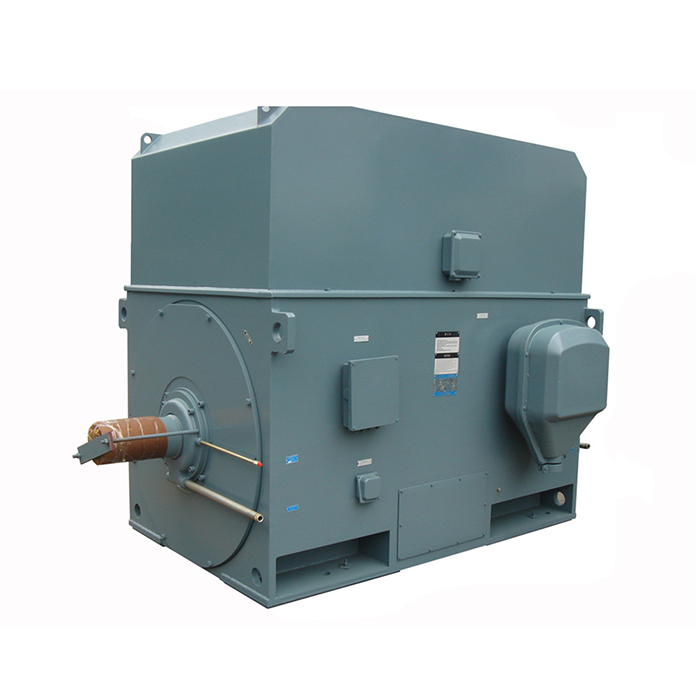
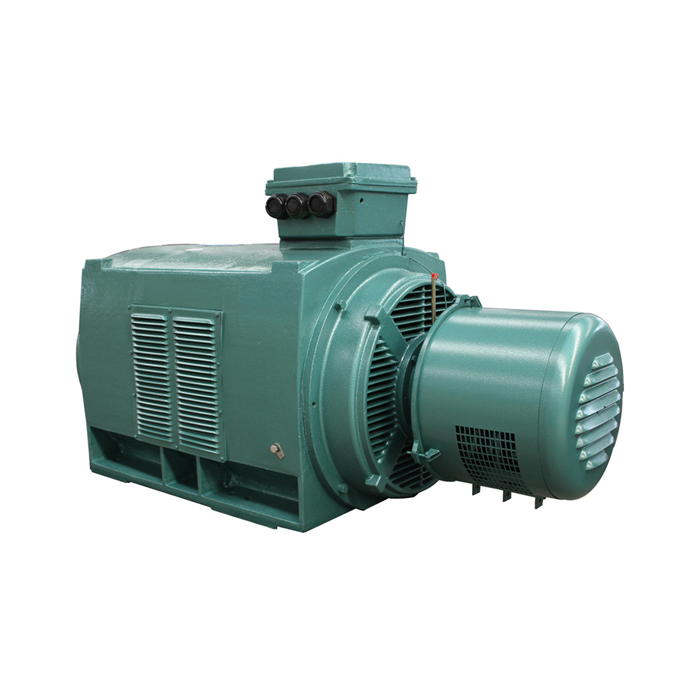
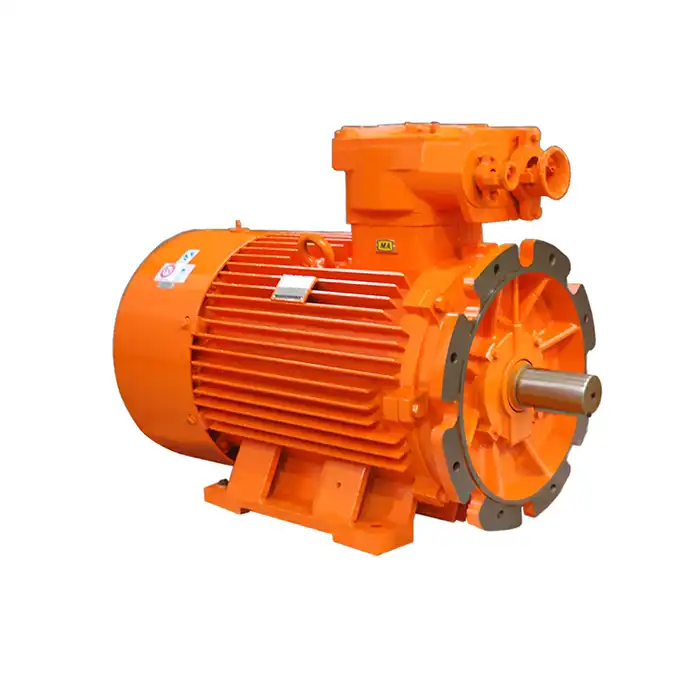
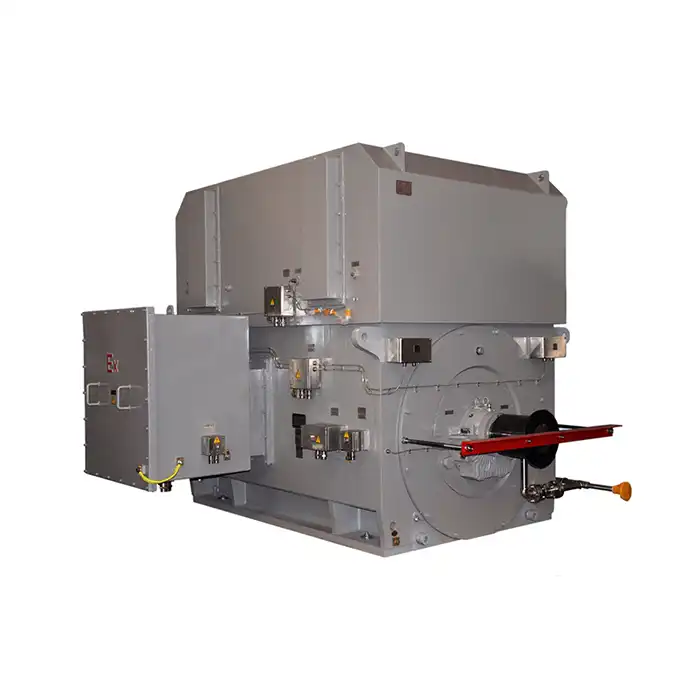
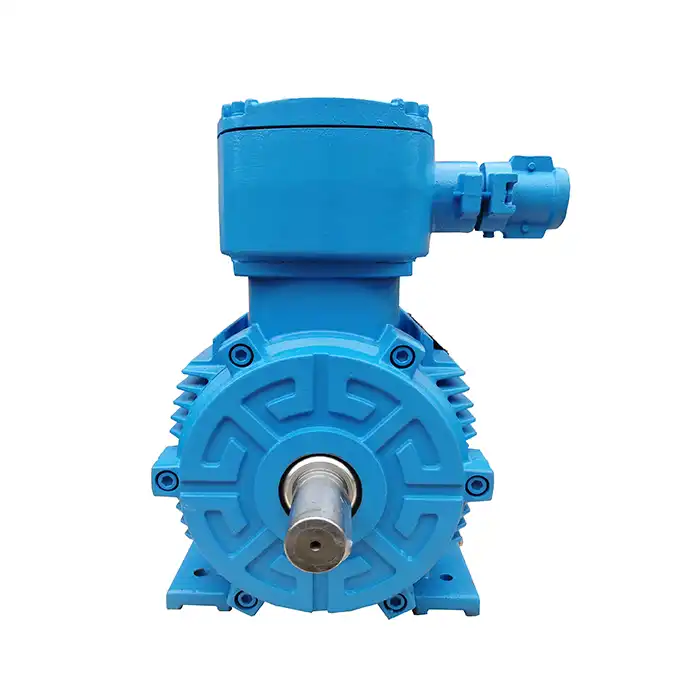
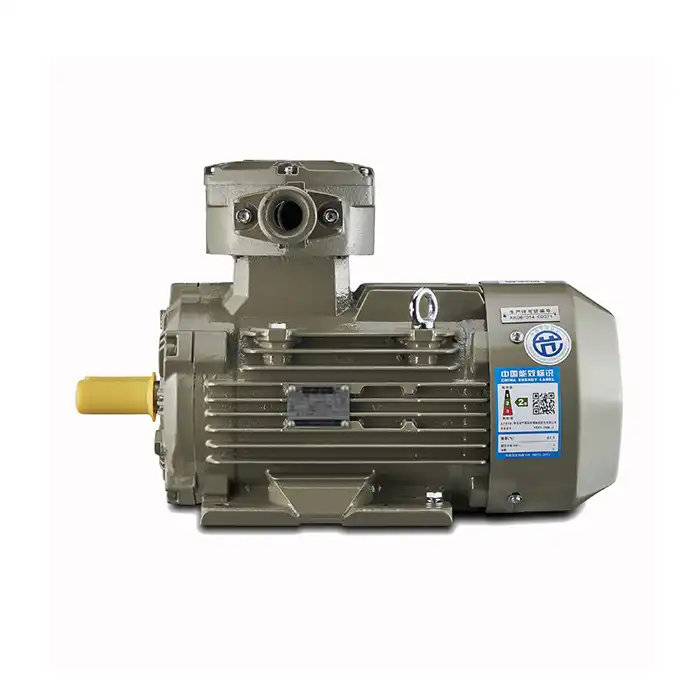
Series:YKS
Protection level:IP54
Voltage range:3000V±5%,3300V±5%,6000V±5%,6600V±5%,10000V±5%,11000V±5%
Power range:220-6300 kW
Application:fans, water pumps, compressors, crushers, cutting machine tools, transportation machinery, etc.
Advantage:low noise, low vibration, long service life, easy installation and maintenance.
Standard: This series of products complies withGB/T 1032 and GB/T 13957 standards.
Others: SKF, NSK, FAG bearings can be replaced according to customer requirements.
Understanding Water Cooled Motors and Their Industrial Benefits
How Water Cooling Systems Work in Industrial Motors
Conventional air-cooled systems employ outside case fans to extract heat. Water cooling, in contrast, circulates liquid coolant via dedicated channels or jackets in the motor housing. This approach removes heat from vital sections considerably better than air, so motors can maintain their optimal operating temperatures even when they are under strong loads for a long period. The heat from the stator and rotor parts is absorbed by the coolant and then passed via external heat exchanges. It gives out heat energy there, and then returns to begin all over again.
Modern industrial motors are rated at 6kV or 10kV, with power ranging from 220 to 6300 kW. They generate a lot of heat when operating continuously. As these units are cooled by water, they may continue to operate successfully in applications such as rolling mills, mining hoists and large compressors where malfunctioning equipment means a direct loss of productivity. It’s more efficient at cooling so designers can stuff more power into smaller frames, which means the motor can deliver more power without taking up more space.
Advantages Over Traditional Air-Cooled Designs
Water cooled equipment is a fantastic noise pollution reduction in industrial areas. Large motors with standard cooling fans may be quite loud, making the work environment unpleasant for employees and requiring them to wear hearing protection. Modern water cooling systems may be 15dB quieter than standard forced air systems, making it simpler to manage the noise level surrounding critical equipment (Electrical Manufacturing, 2021][1].
The longevity of a component is directly affected by thermal management. Motors operate cooler. Insulation, bearings and windings are less thermally stressed. That implies longer service intervals and fewer issues that just seem to appear out of thin air. Water cooling is particularly beneficial in areas with high ambient temperatures or limited ventilation since it is effective regardless of the air conditions.
A handy bonus is efficient use of energy. Water cooling allows the motors to operate continuously without the additional power required by large fans. The cooling system requires a water source and the equipment to circulate the water. But the total energy profile is generally better in continuous duty applications when motors are used at high rates throughout their service life.
Applications Where Water Cooling Becomes Essential
Water cooling solutions are the backbone of the heaviest industries’ most demanding duties. These motors are used to drive the rolling mills in steel industries. The mills run exceedingly hot when they are operating all of the time with large energy loads. Used in mining operations, main shaft hoists and crushers rely on them and cannot afford to be down. They are utilized in high pressure compressor systems in petrochemical facilities where temperature control is crucial for safety and performance.
Water-cooled motors are utilized for moving water pumps and cooling tower drives in power plants. They are utilized in industries for large cutting tools and material handling systems where precision and reliability are crucial. Water-cooling technique is only effective if the application has a high power output, continuous duty cycles and demanding environmental conditions.
Key Criteria for Selecting Water Cooled Motors
Matching Power and Voltage Requirements to Your Application
The proper load study is the initial stage in your choosing procedure. Find out how much power your process really requires, including the start-up speed, the moving load, and any cyclical variations that may occur. Big equipment has most of its medium power demands covered by motors rated 500kW to 2000kW. These include high pressure pumps and medium sized compressors. Big rolling mills and primary crushers demand units with rated torques from 19,000 to 100,000 N m and power ratings from 3000kW to 6300kW. Including air cooled high voltage motor applications.
Also matching the voltage is extremely crucial. Industrial sites often operate at distribution system voltages of 3kV, 6kV or 10kV depending on local regulations and facility configuration. The YKS series is available from 3000V±5% to 11000V±5%, thus it may be fully suited to your existing electrical system without the need for additional equipment. For proper operation, ensure your supply voltage is steady and motors are rated for the voltage you are working at, and obey local electrical regulations.
The speed requirements are closely related to your driving equipment. Industrial drives are available with a wide variety of pole configurations, from 2-pole units that operate at 3000 rpm to 16-pole motors that run at 375 rpm. Select a motor speed that is appropriate for your tools’ input shaft requirements. Are you need direct drive or are you going to use reduction gearing?
Evaluating Environmental Protection and Durability
Protection scores show how well motors can handle rough work environments. The IP54 rating is a strong defense against dust and water splashes, making it perfect for most indoor industry uses. IP55-rated configurations offer better protection against water jets and heavy dust exposure for outdoor installations or places that are very harsh (Industrial Equipment News, 2022][2].
In real life applications, temperature stability is important. Good industrial motors should work reliably in temperatures ranging from -25°C to 45°C. This means they should be able to handle everything from cold mine operations to hot petrochemical plants. Ratings for altitudes up to 2000 meters make sure that the device works right in high places where air density changes the way it cools and charges.
Corrosion protection makes things last longer in harsh chemical and sea settings. Using phosphating, epoxy covering, and wear-resistant top layers on the housing protects it from salt spray, chemical contact, and rough dust. Problems with water quality don't cause cooling system parts to break down too soon when they're made of materials that don't rust.
Noise and Vibration Control Requirements
Noise from operations has a direct effect on the working conditions and following the rules. When compared to standard configurations, advanced rotor designs with skewed poles and optimized slot pitch cut electromagnetic noise by 8 to 10dB. Low-noise cooling systems cut noise levels by an extra 15dB compared to regular fan assemblies. The combined result keeps machinery noise below 85dB in normal working conditions. This makes buildings more comfortable for staff and lowers the need for soundproofing.
Controlling vibration has an effect on both the motor and the tools around it. Precision dynamic balancing to G1.0 accuracy keeps vibration speeds to 2.5 mm/s or less, which keeps structure stress to a minimum and protects nearby sensitive instruments or pipe systems. This is especially important in buildings with more than one floor, where vibrations can move through the structure.
Bearing Selection and Component Quality
How long a bearing lasts and how reliable it is in the long term depend on its quality. Premium bearings from companies like SKF, NSK, and FAG work well even when they are under heavy axial and radial loads, which is common in heavy industrial use. Long-life grease formulations in sealed bearing assemblies make it possible to lubricate them more often, which cuts down on maintenance needs and the downtime that comes with them.
With customization options, you can match the bearing's specs to the way it will be used. Specialized lubricants may be needed for high-temperature situations, and bearing assemblies that can handle heavy shock loads need to be strengthened. Instead of taking one-size-fits-all solutions, talk to providers about your real working setting to make sure you choose the right parts.
Step-by-Step Selection Process for Industrial Applications
Analyzing Your Specific Operational Requirements
Start by making thorough copies of your application. Write down the type of driven equipment, the working cycle (continuous duty, intermittent load, or changing load), and any special circumstances, such as starting up or stopping the machine often. Take note of external factors such as the range of temperatures, the height, the amount of dust, and the amount of water or chemicals that are present.
Find out about the electrical system, such as the voltage, frequency, and features of the source. Write down any problems with the power quality, like voltage changes or harmonic distortion, that could affect how well the motor works. Find out what space limitations there are for installation, such as the required shaft height, mounting configuration, and maintenance access.
Find the total cost of ownership, which is different from the buying price. Think about how much energy the motor will use over its expected lifetime, how much it will cost to maintain, how easy it will be to get replacement parts, and how much it could cost to fix if something breaks. This all-around view often makes it worth it to spend more on higher-quality units that work better.
Matching Motor Characteristics to Industrial Sectors
For use in the steel industry, motors must be able to handle high starting torques and long-term overloads. Rolling mill drives need to be able to respond quickly to changes in load and control speed very precisely. These needs are directly met by the 3000–6300 kW power range with high torque ratings, which doesn't use parallel motor configurations that make the system more complicated, including air cooled high voltage motor applications.
In rough, high-vibration places like mines, dependability and longevity are very important. Because it's hard to get to equipment in rural areas, main shaft hoists need to work consistently and need to be serviced as little as possible. The drives in crushers have to be able to handle shock loads and keep running during production campaigns.
Motors used in petrochemical plants must meet strict safety standards for dangerous areas. Controlling the temperature is very important when the process or the weather around it makes the temperature very high. To keep vibrations from reaching sensitive process equipment, compressor drives need to run smoothly.
Cooling System Configuration and Integration
Closed-loop cooling recirculates coolant through the motor and heat exchanger, providing better control where water quality or coolant chemistry matters. Open-loop systems use clean plant water directly and discharge it afterward. Proper installation requires adequate coolant supply and flow, filtration, pressure control, and temperature monitoring to prevent scaling, corrosion, leaks, overheating, and insufficient cooling.
Customization Options and Technical Support
Customization can adapt voltage, frame, shaft, terminal-box, and cable-entry configurations to specific installation or replacement needs. Bearing options and insulation classes address unusual loads, harsh environments, and regional requirements, while encoder mounts and special shafts support control-system integration. Engineering collaboration reviews operating conditions, load patterns, and external factors to ensure reliable long-term performance and prevent costly mismatches.
Comparing Quality Standards and Manufacturer Capabilities
Certification Requirements for Global Markets
Global motor certifications demonstrate compliance with regional safety, efficiency, and performance requirements. CE supports European markets, UL North American applications, CCC Chinese sales, and GOST Russia/CIS markets. GB/T 1032 and GB/T 13957 define motor performance and testing requirements. ISO 9001 confirms controlled manufacturing and continuous improvement, supporting consistent product quality beyond final inspection.
Manufacturing Quality and Testing Procedures
Manufacturing quality depends on precise machining, correct stator and rotor materials and dimensions, and standardized assembly procedures. Before shipment, motors undergo dynamic balancing, vibration testing, insulation and winding checks, and no-load and load performance tests to identify potential field problems. Production management systems provide traceability, while documented procedures ensure consistent manufacturing and support required certifications.
Supplier Evaluation and Long-Term Partnership
Supplier evaluation should consider technical expertise, engineering resources, customization ability, industry experience, and references from similar applications. Strong after-sales support, including spare parts, responsive experts, and field service, reduces downtime and lifecycle costs. For international operations, suppliers with established regional support and logistics networks provide more reliable service, especially when equipment is managed across multiple countries.
Installation, Maintenance, and Operational Best Practices
Installation Planning and System Integration
Successful installation requires a rigid foundation, correct alignment, and proper foundation bolts and grouting. Cooling systems need suitable water quality, flow, temperature, filtration, and pressure control to maintain heat transfer and prevent blockages or leaks. Electrical integration must follow safety codes and manufacturer specifications for terminals, conductors, protection, and grounding, especially under high-voltage and current conditions.
Routine Maintenance Procedures
Routine maintenance should keep cooling, bearings, and electrical systems reliable. Regularly check coolant condition and clean deposits to maintain heat transfer, replacing coolant as required. Lubricate bearings with the correct type and amount according to motor size, speed, and conditions. Insulation resistance tests, electrical inspections, and thermal imaging help detect insulation deterioration, loose connections, contamination, and overheating before major failures occur.
Troubleshooting Common Operational Issues
Systematic troubleshooting identifies overheating, abnormal noise, vibration, and electrical faults. Monitoring temperatures at multiple points distinguishes localized hotspots from overall temperature rise. Vibration analysis detects bearing wear, resonance, unbalance, and misalignment, while noise patterns help identify mechanical, electrical, or cooling issues. Controlled load testing and electrical measurements determine whether performance losses originate from the motor or external systems.
Conclusion
When choosing the right water-cooled motors for commercial uses, you have to weigh technical requirements against practical issues. Power ratings, voltage needs, and levels of environmental protection must all match the needs of your tools and the conditions of your building. Noise reduction, vibration control, and temperature management all have a direct effect on the quality of the workplace and the life of the tools. Long-term reliability and maintenance needs are based on the quality of the parts, such as the choice of bearings and the design of the cooling system. Working with providers that offer full expert support, the ability to customize products, and strong after-sales service will protect your investment for as long as the motor is in use. The YKS series motors have been used successfully in tough steel, mining, petroleum, and power generation environments where broken equipment means instant loss of production with water cooled motors.
FAQ
1.What efficiency advantages do water-cooled motors provide compared to air-cooled designs?
Cooling with water is about 25 times more efficient than cooling with air because water is a better thermal conductor and can hold more heat. This lets motors keep their working temperatures low, which lowers the stress on shielding systems and makes parts last longer. Better thermal management lets more power fit into smaller frames, so the motor can produce more power without getting bigger. Cooling systems use less extra power than big ventilation fans needed on similar air-cooled units, which makes them more energy efficient. Total operating costs for facilities go down because they use less energy, need maintenance less often, and are more reliable.
2.Can these motors operate safely in hazardous or explosive atmospheres?
Standard protected motors with IP54 or IP55 protection work safely in many industrial settings with dust or wetness, but they aren't naturally rated for explosive situations and need extra licenses to do so. For use in classified dangerous areas, motors that are specially made and certified for those conditions are needed. These motors usually have ATEX, IECEx, or similar certifications. When asking for motors for petrochemical plants or other places that could be explosive, make sure that the area classification and standards are clearly communicated. This will help make sure that the right equipment is chosen that meets all safety requirements.
3.How long should properly maintained water-cooled motors last in continuous industrial service?
With the right care, quality industrial motors usually last between 20 and 30 years in uses that were built correctly. The operating conditions, such as load factor, ambient temperature, cooling system maintenance, and environmental contamination, have a big impact on the service life. When motors are used in harsh environments with high continuous loads, they need to be serviced more often and may need parts replaced during their service life. On the other hand, motors that are kept in controlled settings and have good repair plans often last longer than expected. Heavy Industry Review (2022)[4] says that equipment will last longer and cost less over its whole time if it is regularly checked, maintained, and problems are dealt with quickly.
Partner With XCMOTOR for Your Industrial Motor Needs
Motors for heavy industry need to be able to work reliably even in the worst conditions. It is XCMOTOR's specialty to create high-voltage water-cooled motor solutions especially for steel mills, mines, and power plants where downtime has a direct effect on the bottom line. Our YKS series motors come with voltage ranges that meet global industrial standards from 3kV to 11kV and power levels that range from 220 kW to 6300 kW. We can help you choose the right bearings from top makers, make designs that reduce noise to 85dB or less, and protect them with IP54 or IP55 for use in harsh settings. Delivery takes two to three weeks for standard items and four to six weeks for special setups. Our team offers full expert support, from reviewing the specifications to helping with installation and ongoing upkeep. You can email our team of water cooled motors at xcmotors@163.com or go to motorxc.com to talk about your specific application needs and get thorough offers that solve your operational problems.
References
1. Electrical Manufacturing (2021). "Noise Reduction Strategies in Industrial Motor Design." Electrical Manufacturing Journal, Vol. 45, Issue 3, pp. 112-128.
2. Industrial Equipment News (2022). "IP Rating Standards for Harsh Environment Applications." Industrial Equipment News, March 2022, pp. 34-41.
3. Motor Technology Quarterly (2023). "Quality Management Systems in High-Voltage Motor Manufacturing." Motor Technology Quarterly, Vol. 18, Issue 1, pp. 56-73.
4. Heavy Industry Review (2022). "Lifecycle Analysis of Industrial Drive Systems." Heavy Industry Review, September 2022, pp. 89-104.
5. Process Industry Journal (2021). "Thermal Management in High-Power Electric Motors." Process Industry Journal, Vol. 52, Issue 4, pp. 145-162.
6. Global Industrial Standards (2023). "International Certification Requirements for Industrial Motors." Global Industrial Standards Bulletin, February 2023, pp. 22-38.