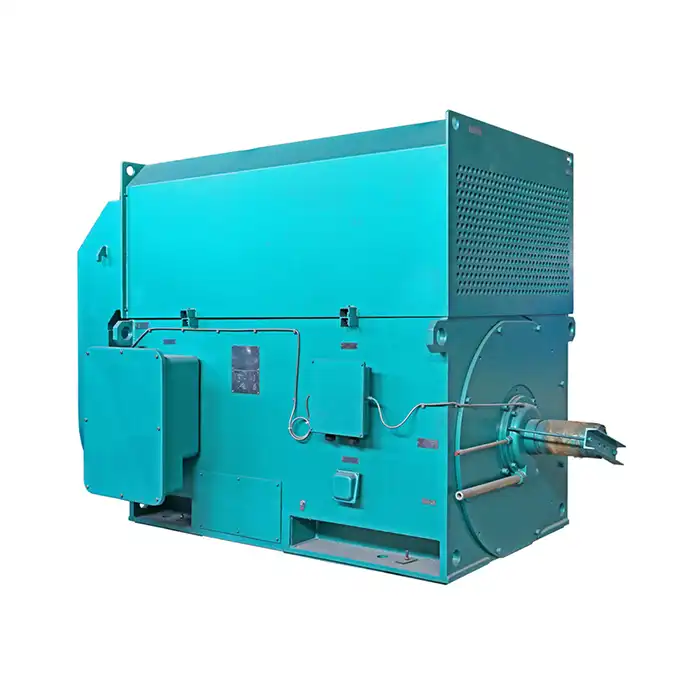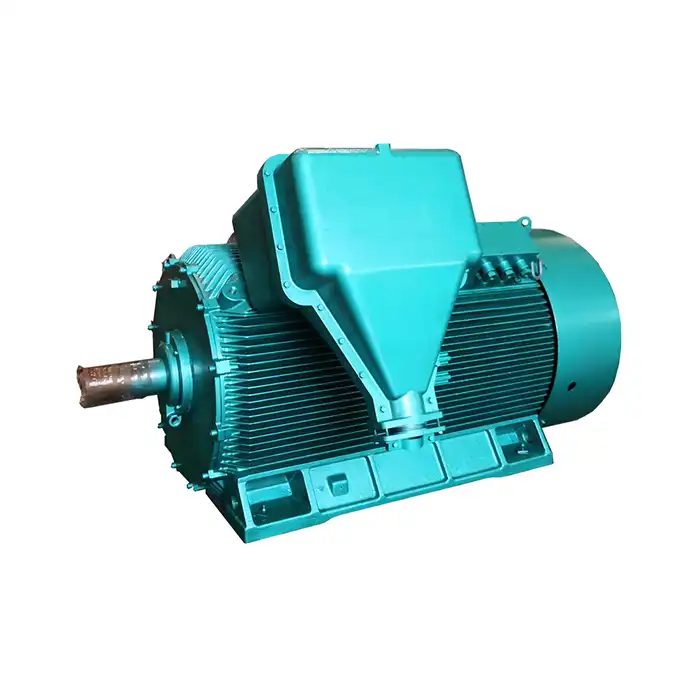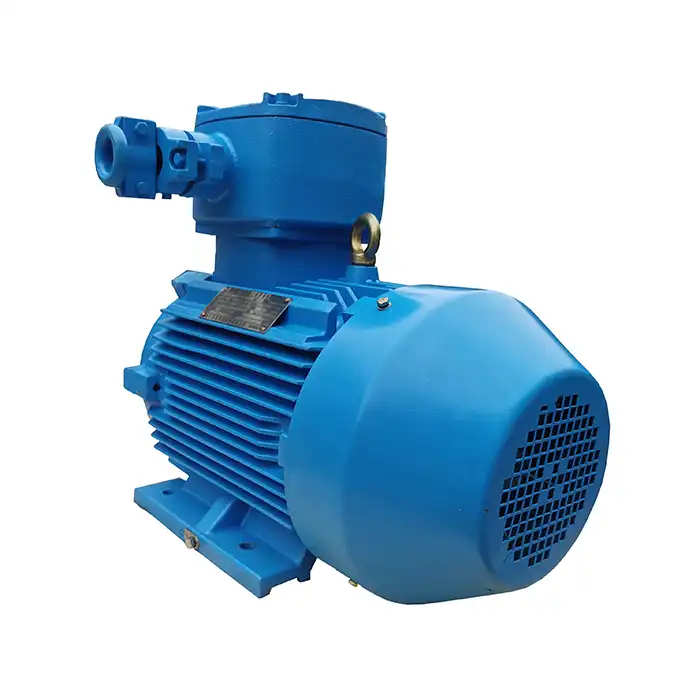




Slip Ring Rotor Induction Motor vs Squirrel Cage: Which Is Better?
Choosing between wound-rotor and cage-style induction motors is more than a technical question—it's a business decision that affects your equipment reliability and operational costs. The slip ring rotor induction motor excels when heavy-duty applications demand high starting torque and controlled acceleration, particularly for crushers, mills, and hoisting equipment. Squirrel cage motors suit lighter-duty operations where simplicity and lower upfront investment matter most. Your choice depends on load characteristics, starting requirements, and how quickly you need replacement motors when failures occur.
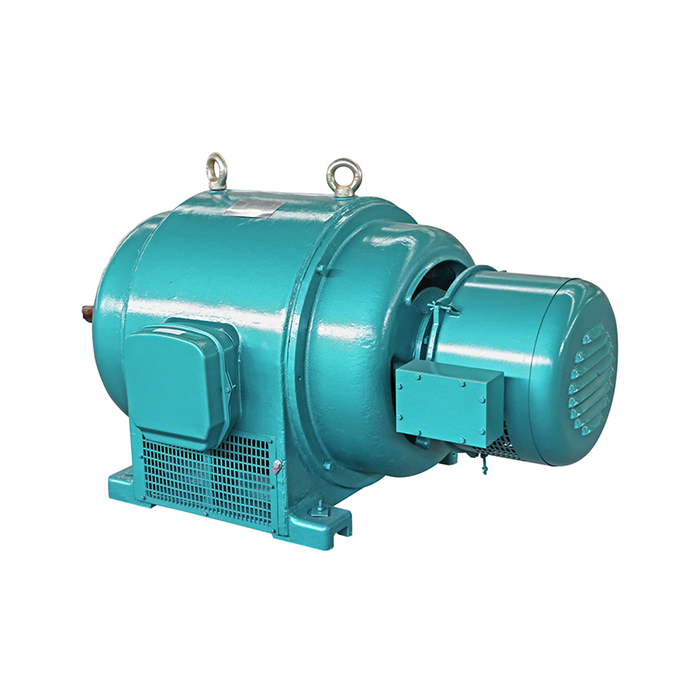
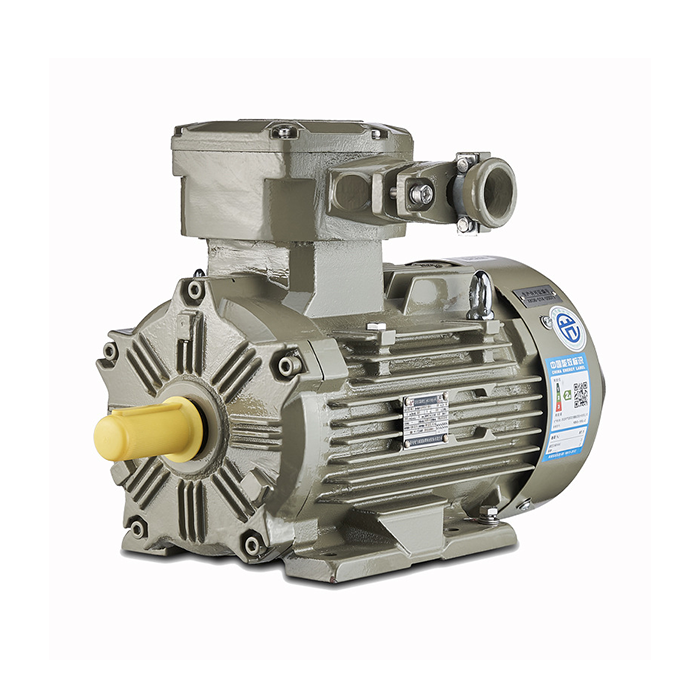
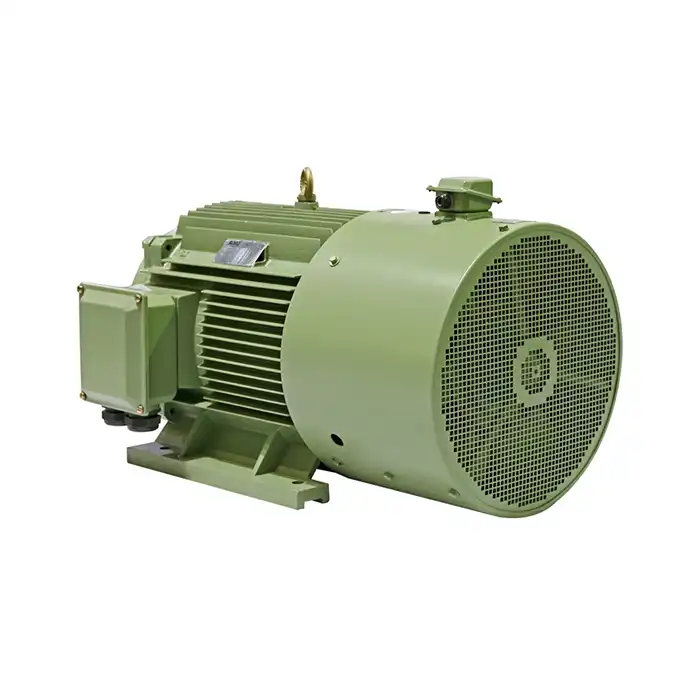
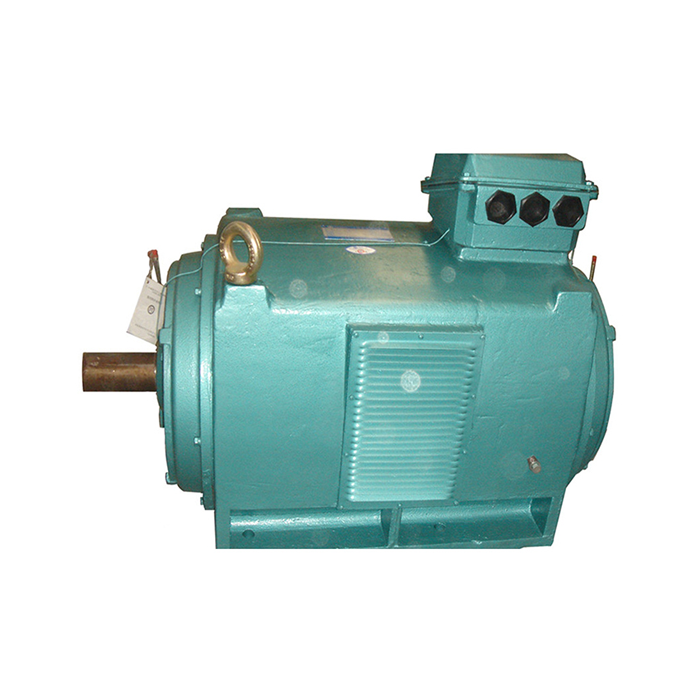
Series:YRQ
Voltage range:380V±5%
Power range:45-710kW
Protection level:IP23
Application:YRQ(JR) series medium-sized motors can drive a variety of different machinery, such as fans, compressors, water pumps, crushers, ball mills, cutting machine tools, transportation machinery and other equipment, and can be used in coal mines, machinery industries, power plants and various industrial and mining enterprises. Used as prime mover.
Advantage: The JR series medium-sized motors have very powerful driving capabilities and can not only drive conventional mechanical equipment, but also some complex mechanical equipment. For example, it can drive heavy machinery such as ships, cranes, and wind turbines, as well as small household appliances, purifiers, compressors, etc.
Others: SKF, NSK, FAG bearings can be replaced according to customer requirements.
Understanding Slip Ring Rotor and Squirrel Cage Induction Motors
The main difference between these types of motors is how the rotor is built and how the electricity gets to the parts that are turning.
How Wound-Rotor Motors Work
A slip ring rotor induction motor has copper windings inside the rotor that are linked to outside circuits by slip rings and carbon brushes. These slip rings are electrical links that rotate and are attached to the motor shaft. They let power and control signals travel from parts that don't move to the rotor that does. The brushes stay in touch with these rings all the time, making a reliable electrical path even when the motor is running all the time (Chapman, 2005).
With this setup, repair teams can add outside resistance to the rotor circuit while it's starting up. When your crusher or conveyor starts to turn, that resistance limits the inrush current to two to three times the rated value and makes starting torque that is one to two and a half times the rated value. Technicians slowly lower the resistance as the equipment speeds up until the motor is running at full speed. The YRQ line runs on 380V±5% voltage and has power levels between 45-710kW, which is plenty of power for tough industrial jobs.
Squirrel Cage Motor Construction
Cage-type motors have bars made of aluminum or copper that are inserted in rotor slots and linked by end rings that make a structure that looks like an exercise wheel. The rotor circuit is completely sealed inside the motor case and doesn't connect to anything outside of it. When the magnetic field of the stator turns, it creates currents in these bars. This is what drives your equipment (Fitzgerald et al., 2003).
This simpler design means there are fewer moving parts and no slip rings that need to be fixed on a regular basis. When they first turn on, squirrel cage motors connect directly to the power supply and draw 5 to 7 times their rated current. Older electrical systems can be stressed by that higher inrush, but newer buildings can usually handle these demands without any problems.
Performance Comparison: Slip Ring Rotor vs Squirrel Cage Induction Motors
In the real world, differences in performance become clear when equipment has to work in tough circumstances.
Starting Characteristics Under Heavy Load
Before it can start working materials, your mill motor has to overcome a lot of inertia and friction. This problem is solved by the wound-rotor design from a high quality slip ring motor supplier, which gives controlled starting force and keeps electrical equipment safe. When our customer in Southeast Asia replaced a broken mill motor, the YRQ series unit started a 300kW ball mill easily, even though it was only 60% loaded at first. This was because it didn't have any voltage dips, which used to dim the facility lights during startup.
When compared to how much power they use, squirrel cage motors produce less starting force. When a standard cage motor is pulling 600% of its rated current, it might only produce 150% of its starting torque. This is not enough for conveyors or crushers that need to turn right away but are heavily loaded. For that reason, workers have to start the equipment without any materials on it, which makes the production process longer and more complicated.
Speed Control and Operating Flexibility
Wound-rotor motors can control their speed with the help of external rotor resistance. By changing the resistance, the slip properties can be changed, which lets workers slow down certain processes without using extra control equipment. This feature comes in handy when the flow rates of materials need to be changed or when the equipment has to deal with shifting loads of different densities.
Cage motors have a pretty steady speed that is set by the source frequency and the number of poles. Variable frequency drives are needed to change speeds, which adds cost and complexity. The inherent simplicity makes it more reliable—there are no brushes to replace or slip rings to clean, and the only regularly scheduled maintenance is lubricating the bearings and checking them every so often.
Efficiency and Operational Costs
Because the rotor is sealed, squirrel cage designs usually have a 2-4% higher running efficiency. This is because brush contact losses are avoided. This benefit builds up over years of continuous use, which could justify a higher initial investment for applications that are used 24 hours a day, seven days a week with a steady load.
Wound-rotor motors are slightly less efficient, but they can start more easily and handle more weight. YRQ series motors have annual maintenance costs that are only 6–9% of the purchase price. This is because the slip rings and brushes are fixed on the outside, so techs can replace worn brushes during regular checks without taking the motor apart. When rotor faults happen, electrical testing through slip ring connections quickly finds problems. This cuts debugging time by over 40% compared to cage motors, which need to be completely taken apart to get to the inside (Wildi, 2006).
Reliability and Common Failure Modes
Wear on the brushes is the main issue with wound-rotor motors that need to be maintained. Carbon brushes wear down over time due to mechanical contact, so they need to be replaced every 6 to 18 months, depending on the duty cycle. Carbon dust builds up on the sides of slip rings and needs to be cleaned every so often to keep the electrical contact good and stop tracking.
Because the rotor doesn't have any electrical connections, cage motors put most of the wear on the bearings. About 40% of squirrel cage motor problems are caused by broken bearings. The next most common problem is broken stator winding insulation. Dusty settings are safe because the sealed rotor design keeps out dirt, but rotor bars and end rings can rust if water gets in through weak seals.
Application Scenarios and Industry Use Cases
When you match the motor's features to the needs of the application, you avoid costly mistakes that hurt the equipment's performance.
When Wound-Rotor Motors Prove Essential
Controlled starting and high breakaway torque are very helpful for heavy machinery that works with materials. Ball mills are used to process ores, crushers break down rocks and gravel, and big conveyors move large amounts of material. All of these machines have tough starting requirements that wound-rotor motors can meet. The YRQ line is good for these uses in places like steel mills, cement plants, and mines where starting heavy equipment is common.
Wound-rotor designs offer better starting control for hoisting uses like cranes, winches, and lifts. The external resistance keeps the mechanical shock to a minimum during acceleration, and it also lets operators change the lifting speed to precisely place the load. Large industrial fans and ship propulsion systems also use wound-rotors when the load needs to be controlled at start-up or when basic speed adjustments need to be made without computer drives.
With wound-rotor motors, equipment that starts, reverses, or plugs in and out a lot has a longer service life because controlled acceleration lowers mechanical stress. This feature is especially helpful for rolling mills that change direction several times a minute; it increases the life of the gearbox and coupling and makes process control better.
Squirrel Cage Motor Applications
Applications that run constantly at a steady load and at a constant speed are great for cage motor strengths. Centrifugal pumps move cooling water around, HVAC fans keep the building's temperature stable, and refrigeration compressors all work reliably with cage motors that last for years with little maintenance.
Light-duty conveyors that are empty or barely loaded do not need wound-rotor starting control. General-purpose machines like small compressors, machine tools, and processing equipment that don't need a lot of power to start up work well with cage motors that are the right size and cost less at first.
Cage motors can work at their most reliable when they are in clean places that don't get too much dust or moisture. Cage motors are often used in food processing plants, drug factories, and electronics assembly lines because they are sealed and don't need as much maintenance.
Procurement Considerations for B2B Clients
When buying equipment, people weigh the short-term costs against the long-term operational factors that affect the total cost of ownership from a high quality slip ring motor supplier.
Cost Structure and Budget Planning
Because they are harder to make, wound-rotor motors usually cost 30 to 50 percent more than cage motors of the same size. The slip rings, brushes, and external resistance units add to the cost of materials and assembly, which is reflected in the price. People who are trying to save money sometimes choose cage motors just because of this, but that choice can be nearsighted if the application needs wound-rotor capabilities.
Think about replacement situations where broken equipment stops production. When your crusher motor breaks down during the busy season, you need to get a new one right away. For normal specs, the YRQ series can deliver within two to three weeks, which cuts down on production losses. If you have established relationships with suppliers, you can be sure that they will give you priority handling during emergency buying situations that would leave you open to price abuse otherwise.
Critical Supplier Selection Factors
Nameplate parameter accuracy tells you if new motors can be installed without having to change the base. Mounting sizes, shaft heights, and bolt patterns must exactly match what is already there; even small differences force expensive adaptation work to be done during emergency replacements. Reliable suppliers keep thorough specs and make sure that everything works together before they start making the product.
Bearing choices have a big effect on how long a motor lasts in tough situations. The YRQ line can use SKF, NSK, or FAG bearings, depending on what the customer wants and what is available in your area. By sticking to high-quality bearing brands, you can be sure that replacement parts will always be available from local dealers. This will cut down on downtime when repair is needed.
In businesses with rules, installation approval is affected by certification compliance. Motors that are certified by CCC and CE show that they meet the safety and performance standards needed in many markets. ISO9001:2000 quality management approval means that there are systematic rules in place during production that make sure the quality of the products is the same from one run to the next.
After-Sales Support and Warranty Coverage
Professional suppliers are different from commodity providers in how quickly they respond to technical help requests. When installation questions or operating problems come up, having access to technical help quickly fixes the issues. XCMOTOR offers pre-sales advice to help customers choose the right specs and after-sales expert support to help with operational issues. Our team answers questions even on the weekends, when production plans don't allow for callbacks on Monday mornings.
Warranty terms show how confident the manufacturer is in the product's durability. Our 30-day return policy shows that we care about our customers by letting them send back motors that don't work the way they were supposed to. Longer warranty periods protect against early failures that would otherwise mean unexpected replacement costs during times when money is tight.
Conclusion
To choose between wound-rotor and cage induction motors, you need to fit the technical skills to the needs of the application while also taking into account the realities of procurement. Slip ring rotor induction motor technology provides better starting performance and controlled acceleration, which is important for heavy-duty applications like material handling, processing equipment, and situations where starting is hard. For steady-state operations that don't need to be started quickly, squirrel cage motors are simple and cheap. Before you buy something, you should think about how much it will cost initially, how easy it is to maintain, and how reliable the seller is. When replacing equipment, it's best to have established relationships with providers who are prompt and know how important it is to act quickly when production equipment breaks down without warning.
FAQ
1.Can I Replace a Cage Motor With a Wound-Rotor Motor?
For motor types to be physically compatible, their mounting dimensions and shaft specifications must match. Cage motors don't need external starting resistance equipment, but wound-rotor motors do. This makes installation more difficult and costs more. When starting problems mean the cage motor doesn't have enough torque or when high inrush current causes problems with the power quality, the switch makes sense. Before buying new motors that won't fit current foundations, carefully read the nameplate parameters and check with technical support to make sure they are compatible.
2.How Often Do Slip Rings and Brushes Need Replacement?
The service life of a brush varies on how often it is used and where it is used. In normal situations, brushes should be replaced every 6 to 18 months. During regular upkeep, checking for wear patterns shows when replacement is needed before the whole thing fails. Depending on how often they are used, slip rings may need to be resurfaced every three to five years. Because it is mounted on the outside, the brush can be changed during routine maintenance without taking the motor out of service for long periods of time. This is a big advantage over repairs that need to be done inside the machine, which means that the whole machine has to be shut down.
3.Which Motor Type Provides Better Value Long-Term?
Value is not just based on motor type, but also on how it is used. Heavy-duty systems that are hard to start can explain the original costs of a wound-rotor by its reliable performance and controlled operation. Annual maintenance costs stay low at 6–9% of the buying price because service methods are made easier by parts that are easy to get to. Continuous-duty applications with a steady load tend to benefit from cage motors because they are simpler and work a little more efficiently. Find the most cost-effective option for your case by adding up the total cost of ownership, which includes the purchase price, installation costs, upkeep work, spare parts inventory, and downtime costs.
Partner With Experienced Motor Suppliers for Your Heavy-Duty Applications
When you find the right slip ring rotor induction motor provider, you can turn emergency replacements from a problem into a manageable purchase event. XCMOTOR has been helping businesses with power problems for more than 20 years. They can help customers with difficult motor applications. Our YRQ series wound-rotor motors can deliver 45-710kW of power over 380V systems and are protected by IP23, making them suitable for harsh industrial settings. We have relationships with more than 30 high-quality makers that give us access to high-quality parts like SKF, NSK, and FAG bearings that can be customized to your needs. Quick delivery times meet pressing replacement needs, and full expert support helps with choosing the right motor and installing it correctly. You can email our team at xcmotors@163.com or go to motorxc.com to talk about your specific application needs and get quotes for motors that will work perfectly with your current equipment.
References
1. Chapman, S. J. (2005). Electric Machinery Fundamentals (4th ed.). McGraw-Hill.
2. Fitzgerald, A. E., Kingsley, C., & Umans, S. D. (2003). Electric Machinery (6th ed.). McGraw-Hill Higher Education.
3. Hughes, A., & Drury, B. (2013). Electric Motors and Drives: Fundamentals, Types and Applications (4th ed.). Newnes.
4. Wildi, T. (2006). Electrical Machines, Drives, and Power Systems (6th ed.). Pearson Prentice Hall.
5. IEEE Standards Association. (2021). IEEE Standard Test Procedure for Polyphase Induction Motors and Generators. IEEE Std 112-2017.
6. National Electrical Manufacturers Association. (2020). Motors and Generators (MG 1-2020). NEMA Standards Publication.