




Benefits of 4160V Motor for High Power Efficiency
The 4160v motor is a useful tool for factories that want to optimize their operations and lower their costs at the same time. Medium-voltage electric machines like these are very good at saving power in places like factories, utilities, and processing plants. These motors can send electricity with less current flow when they are running at higher volts. This means that they have lower resistance losses and make less heat. Because of this basic electrical benefit, they are perfect for powering big machinery like compressors, water pumps, and breakers, where energy use has a direct effect on profits. These motors are used in many fields, from oil and gas to water treatment, because they work well and offer measured efficiency gains that can be seen on monthly energy bills.

Series:YKS
Protection level:IP54
Voltage range:3000V±5%,3300V±5%,6000V±5%,6600V±5%,10000V±5%,11000V±5%
Power range:220-6300 kW
Application:fans, water pumps, compressors, crushers, cutting machine tools, transportation machinery, etc.
Advantage:low noise, low vibration, long service life, easy installation and maintenance.
Standard: This series of products complies withGB/T 1032 and GB/T 13957 standards.
Others: SKF, NSK, FAG bearings can be replaced according to customer requirements.
Understanding 4160V Motors: Specifications and Working Principles
Core Voltage and Power Specifications
Medium-voltage motors work within certain voltage bands that are made for large-scale commercial uses. Our high-performance units can work with a range of voltages, from 3000V±5% to 3300V±5%, 6000V±5% to 6600V±5%, 10000V±5% to 11000V±5%. For many North American sites, the 4160v motor is the best option. The range of power is from 220 kW to 6300 kW, which includes everything from secondary tools to main process drivers. This gives buying teams the freedom to stick to a single motor model while still meeting the different load needs of their buildings.
Insulation and Protection Features
Thermal control decides how long a motor lasts and how reliable it is. These units have Class F insulation and B temperature rise traits, which gives them a large thermal margin for difficult tasks. With an IP54 grade, the inside parts are protected from dust and water splashes that are typical in industrial settings. In some cases, IP55 security is available for use in tougher environments. The ICW37 cooling method moves air around effectively, keeping the right temperature even during long job cycles at full load.
Operational Principles and Starting Methods
Three-phase induction motors use electromagnetic contact between the stator windings and rotor conductors to turn electrical energy into mechanical motion. When turned on, the stator makes a magnetic field that spins and causes current in the rotor, which makes power. Our motors have a high starting power, which lets big loads move quickly without too much inrush current. The speed can be anywhere from 500 to 3000 rpm, based on the frequency and pole setup, so it can be used in a variety of situations. The improved rotor design improves the magnetic flux patterns, which makes the machine more efficient across the entire speed range and wastes less energy.
Advantages of 4160V Motors for High Power Efficiency
Medium-voltage motors have engineering benefits that go beyond their electrical properties. Here are the main perks that are pushing acceptance across all industries:
1. Superior Energy Conversion: When you run at higher volts, you need less current to give the same amount of power. Less current means that wires, switches, and motor windings lose less resistance. Companies that use these motors say they are 2-4% more efficient than low-voltage options. This adds up to big savings over years of continued use.
2. Extended Equipment Lifespan: Better control of heat and less electrical stress add to longer equipment life. Precision die-casting in our motors makes sure that the dimensions are correct and the structure is strong. Good materials don't break down when they go through changes in temperature and mechanical stress. With good care, customers usually get 20 to 25 years of service.
3. Reduced Installation Costs: Higher voltage transmission needs smaller wire cross-sections, which greatly reduces the cost of cables used for long distances between distribution points and motor places. Smaller cables also make it easier to place them and reduce the amount of conduit that needs to be used. This is especially helpful when replacing old cable boxes that can't hold as many cables.
4. Lower Noise and Vibration Levels: Magnetic noise and torque ripple are kept to a minimum by using advanced electromagnetic design. Vibrations stay well within strict limits thanks to precise balance of spinning parts. Most of the time, these motors run at sound pressure levels below 85 dBA, which makes the workplace better and eliminates the need for extra noise control measures.
These benefits all help with the main things that facility managers worry about, like prices, dependability, and the surroundings at work. In businesses with ongoing processes, where motors run for more than 8,000 hours a year, the efficiency gains are especially important.
Optimizing Procurement for 4160V Motors: What B2B Buyers Should Know
Matching Motor Specifications to Application Requirements
To choose the right 4160v motor, you must first understand how the load behaves. Applications with constant torque, like positive-displacement pumps and conveyors, need different performance ratings than applications with changing torque, like centrifugal fans and pumps. The job cycle affects the thermal design margins, while the speed needs determine the pole count. To make sure the right motor size is chosen, procurement specialists should give specific application data such as atmospheric temperature, altitude, load profile, and starting frequency.
Evaluating Total Cost of Ownership
The cost to buy a motor is only a small part of how much it will cost over its lifetime. Over a 20-year working life, energy use usually makes up 95% or more of the total cost of ownership. A motor that is 95% efficient instead of 93% efficient saves about 2 kW for every 100 kW of shaft power. At industrial energy prices, this difference adds up to tens of thousands of dollars over the life of the motor. Smart buyers figure out what the real value is by comparing the amount of energy saved to the cost of adding new equipment.
Customization and Technical Support Considerations
Catalog motors that are already made can be used for many tasks, but sometimes they need to be changed to fit the needs of a particular process. You can choose from different gear configurations, mounting setups, feedback devices, and bearings. When developing specifications, suppliers who offer technical support are very helpful. This is especially true for important situations where motor failure can lead to big production losses. Suppliers who understand how factories work are different from those who are just filling orders because they can offer expert advice.
Lead Times and Inventory Management
It usually takes longer to make medium-voltage motors than it does to make common goods. Standard setups may ship in 8 to 12 weeks, but special units can take up to 16 to 20 weeks, based on how complicated the specifications are. Strategic buyers plan when to buy motors based on project schedules and make sure they place orders early enough to keep schedules from getting pushed back. Some businesses keep important spare motors on hand to reduce the chance of downtime. They see them as production insurance rather than extra stock.
Case Studies: Real-World Applications and Efficiency Outcomes
Water Treatment Facility Upgrade
At a city water treatment plant, old low-voltage motors that drove main circulation pumps were swapped out for 4160v motor units that were each rated at 750 kW. The plant has four pumps that work all the time, processing 50 million gallons of water daily. All four units used 280,000 kWh less electricity each year after their efficiency went up from 91.5% to 94.8%. With a cost of $0.11 per kWh, this saved $30,800 a year. The higher-voltage distribution system got rid of two transformer steps, which made the power better and required less upkeep.
Chemical Processing Plant Compressor Application
A petrochemical plant put medium-voltage motors on refrigerator units that were very important to the quality of the products they made. The old motors' bearings often broke because they weren't cooled well enough when the temperature outside was high. Our motors, which had better heat performance and high-quality SKF bearings, worked consistently for two summers without any problems. The factory decided that the motor purchase was worth it because it would save them from having to deal with just one unexpected shutdown, which would have cost them about $180,000 in lost production and restart costs.
Mining Operation Crusher Drive
An gravel site changed the motors in their crushers from 480V to medium-voltage motors with a 1,500 kW rating. The higher voltage made it possible to combine delivery equipment into fewer pieces, which made the electrical infrastructure easier to use. The high starting torque of the new motors made it easier to clear out material jams, which reduced the stress on the crusher's moving parts. During busy production times, maintenance teams noticed that the winding temperatures dropped by a huge amount. This means that the thermal cushion has improved, which makes the insulation last longer.
These examples from real life show how to measure gains on investment. The increased productivity, higher dependability, and lower upkeep costs directly lead to higher profits and more stable operations.
Future Trends and Innovations in 4160V Motor Technology
Variable Frequency Drive Integration
Variable frequency drives that change speed to match process needs are used more and more in modern 4160v motor control. In the past, medium-voltage drives were hard to use and cost a lot of money, but new technologies are making them easier to get. Higher volts are handled better by newer semiconductor devices, which lowers drive losses. Smart buying teams are asking for motors that are ready to be driven and have better insulation systems that can handle the voltage stress from PWM patterns. This planning puts in place the tools to add speed control later without having to replace the motor.
Predictive Maintenance Capabilities
Adding sensors to motors turns them from inactive pieces of tools into smart assets. Monitoring temperatures, analyzing vibrations, and finding partial discharges are all ways to find problems before they become fails. Our motors have standard mounting holes for tracking devices. Some facilities keep an eye on important machines all the time and send information to centralized systems for managing repair. With this proactive approach, maintenance moves from fixing things when they break down to doing things on a regular basis that keep things running smoothly and make them last longer.
Sustainability and Energy Regulations
Standards for efficiency keep going up because of pressure from regulators. Because energy saving rules have been broadened, they now cover medium-voltage motors in many places. It's possible that future specifications will require premium efficiency scores as a minimum. Buyers who are looking to the future are already asking for motors that are stronger than the current minimums. This protects against regulatory obsolescence. Companies are interested in energy-efficient tools because they have to report on sustainability issues and keep track of carbon loads and energy intensity measures.
Materials and Manufacturing Advances
Performance will get even better as new materials are developed. Newer types of magnetic steel cut down on core losses. Better shielding systems can handle higher temperatures, which lets designers make designs that are smaller. Additive manufacturing techniques may one day make it possible to make rotor shapes that are better than those that can be made with traditional casting methods. Over the life of a product, these small improvements add up to make new motors much more efficient than units that were put even ten years ago.
The motor industry keeps changing because of the need to be more efficient, the development of new technologies, and the pressure to stay competitive. Buyers who stay on top of these trends set their companies up to take advantage of new technologies that give them real business benefits.
Conclusion
Medium-voltage motors represent tried-and-true technology for industrial uses that need stable high-power performance. Operating at higher voltages has electrical benefits like lower losses, less power, and easier distribution. These benefits directly translate into practical benefits that make the building more profitable. When current design features like improved thermal management, precision manufacturing, and choosing high-quality parts are added to the 4160v motor, they make them more efficient, which saves a lot of money over their many years of use. Industries ranging from mining to water treatment have seen measured results through lower upkeep needs, better dependability, and less energy use. These benefits are at their highest when you carefully buy things and think about the total cost of ownership instead of just the purchase price. The efficiency benefits of properly defined medium-voltage motors become more useful to industrial processes as rules get stricter and concerns about the environment grow.
FAQ
1. What factors most significantly impact motor efficiency?
The main things that determine how efficient a motor is are its electric design, how well it handles heat, and how much mechanical loss it has. EMF efficiency is affected by the type of core steel, the way the coils are wound, and the size of the air gaps. How well heat moves through a cooling system is affected by its design, which in turn affects resistance losses that rise with temperature. Quality bearings and grease help keep mechanical friction to a minimum. Our motors take all of these things into account by having the best design possible, Class F insulation with a B temperature rise, and high-quality bearings from SKF, NSK, or FAG, depending on what the customer wants.
2. How do medium-voltage motors compare with low-voltage alternatives?
For high-power uses, the 4160v motor is clearly better than the 480V units. Reduced current requirements lower cable costs, simplify switchgear, and decrease resistive losses. Depending on the power level, the difference in efficiency is usually between 1% and 3%, which means that large motors can save a lot of energy. Because the wires are smaller, the cost of installation goes down. But low-voltage motors can still be used for smaller loads where the cost of building the equipment for medium-voltage distribution is not worth it.
3. What maintenance practices maximize motor lifespan?
Regular inspection intervals should monitor bearing condition, winding insulation resistance, and vibration levels. Failures of bearings can be avoided by lubricating them properly and following the manufacturer's instructions. Thermal efficiency can be kept up by keeping motors clean and making sure there is enough air flow. Keeping track of working factors such as temperature and vibration sets baselines that can be used to spot slow wear and tear. Our motors feature easy installation and maintenance characteristics, with accessible terminal boxes and standard mounting dimensions that simplify service procedures.
Partner with XCMOTOR for Your High-Efficiency Motor Solutions
Shaanxi Qihe Xicheng Electromechanical Equipment Co., Ltd. delivers power equipment solutions tailored to demanding industrial applications. There are 220 to 6300 kW of 4160v motor in our range. These motors can power fans, water pumps, compressors, crushers, cutting tools, and moving equipment in the industrial, utilities, and processing industries. We keep working with reliable providers of parts, which helps us keep quality high throughout the whole production process. Our motors meet the requirements of GB/T 1032 and GB/T 13957 and have been certified by ISO 9001:2015 and IEC 60034. As a manufacturer of 4160v motors with a lot of experience, we know that choosing the right tools means balancing technical needs, budget limits, and practical goals. Our team is here to help you 24/7, even on Saturdays and Sundays. You can return any item within 30 days, and we'll get it to you quickly. For expert advice, full specs, and competitive quotes, email xcmotors@163.com to XCMOTOR. Visit motorxc.com to see all of our products and learn how our high-efficiency motors can help you save money and make your business more reliable.
References
1. Bonnett, A. H. (2008). Root Cause AC Motor Failure Analysis with a Focus on Shaft Failures. IEEE Industry Applications Magazine, 14(4), 22-34.
2. De Almeida, A. T., Ferreira, F. J., & Baoming, G. (2014). Beyond Induction Motors—Technology Trends to Move Up Efficiency. IEEE Transactions on Industry Applications, 50(3), 2103-2114.
3. Nailen, R. L. (2003). Understanding Medium-Voltage Motors. IEEE Industry Applications Magazine, 9(2), 11-16.
4. Stone, G. C., Boulter, E. A., Culbert, I., & Dhirani, H. (2004). Electrical Insulation for Rotating Machines: Design, Evaluation, Aging, Testing, and Repair. Wiley-IEEE Press.
5. Toliyat, H. A., & Kliman, G. B. (2004). Handbook of Electric Motors, Second Edition. CRC Press.
6. Yeadon, W. H., & Yeadon, A. W. (2001). Handbook of Small Electric Motors. McGraw-Hill Professional.
YOU MAY LIKE
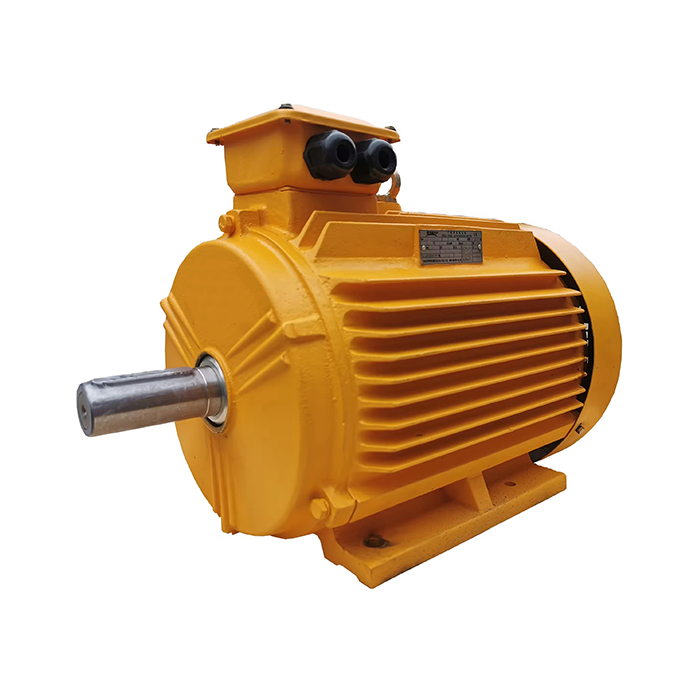 VIEW MOREelectric motor 10 hp 3 phase
 VIEW MOREYR(IP23) series high voltage wound rotor three-phase asynchronous motor
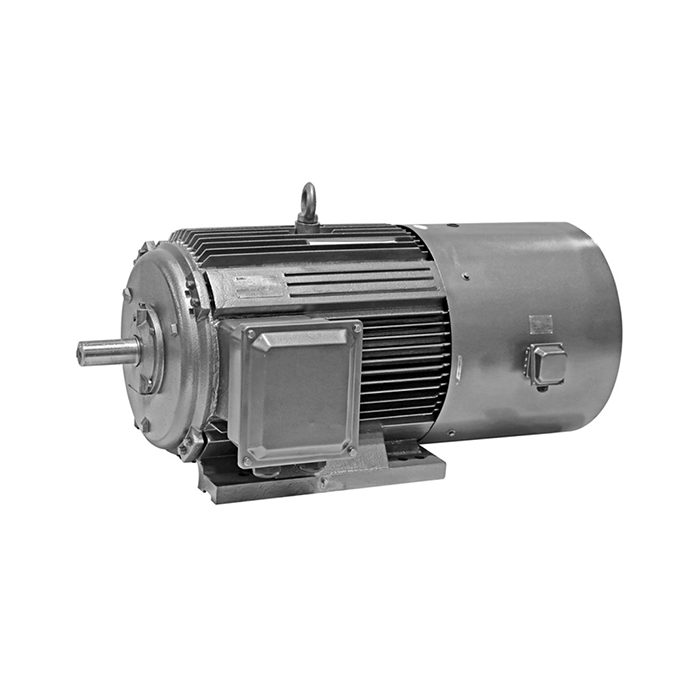 VIEW MOREinverter duty ac motor
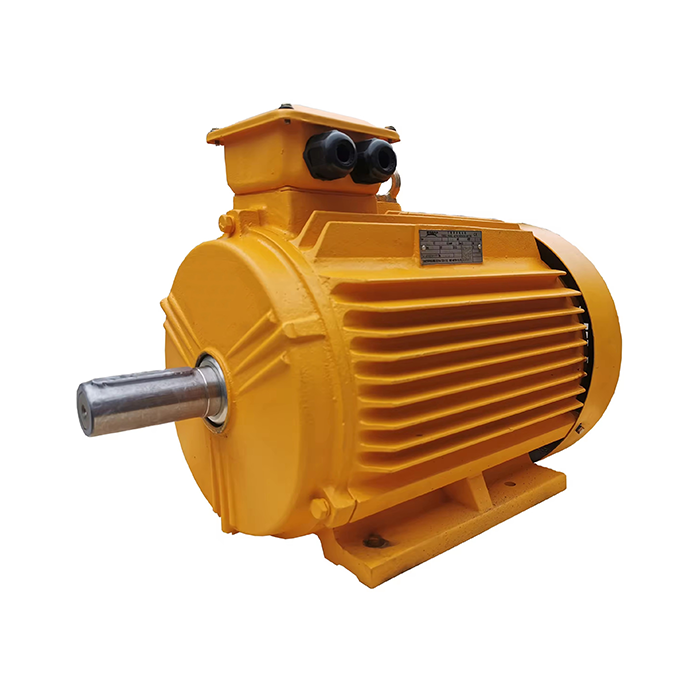 VIEW MOREmotors for pulp mills
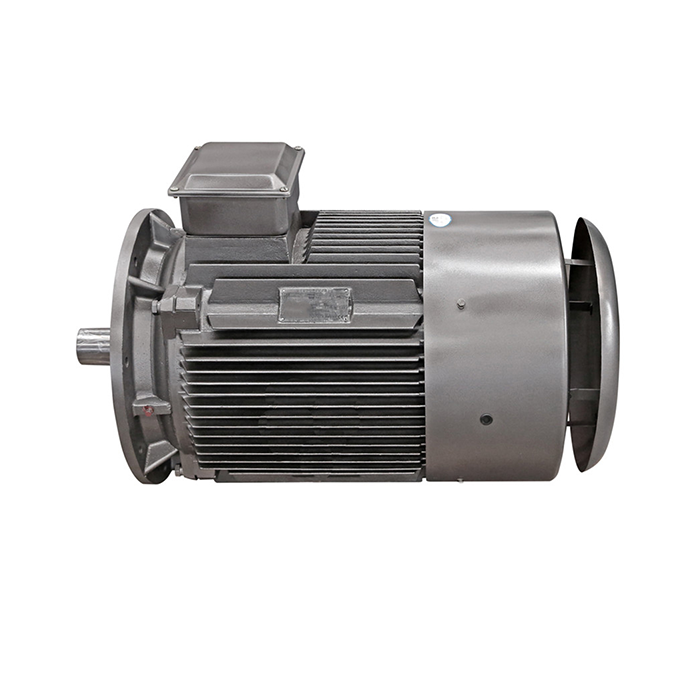 VIEW MORElong shaft electric motor
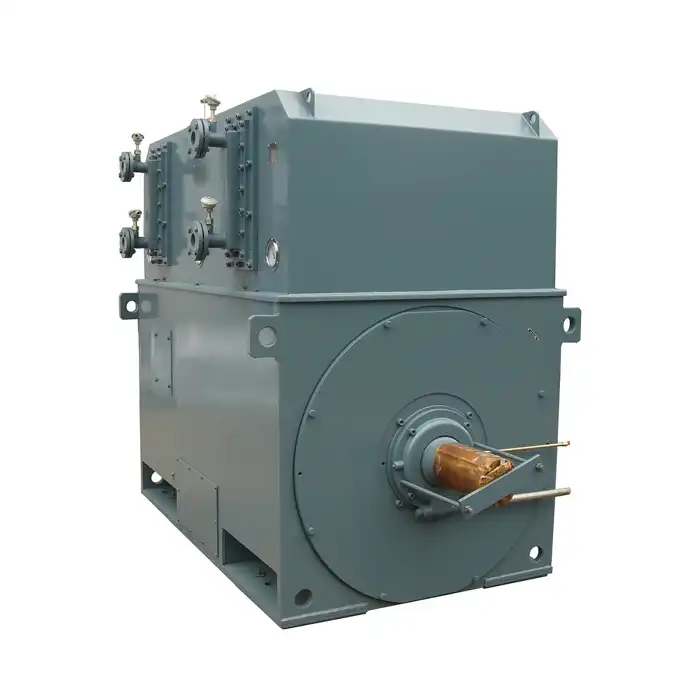 VIEW MORE4160v motor
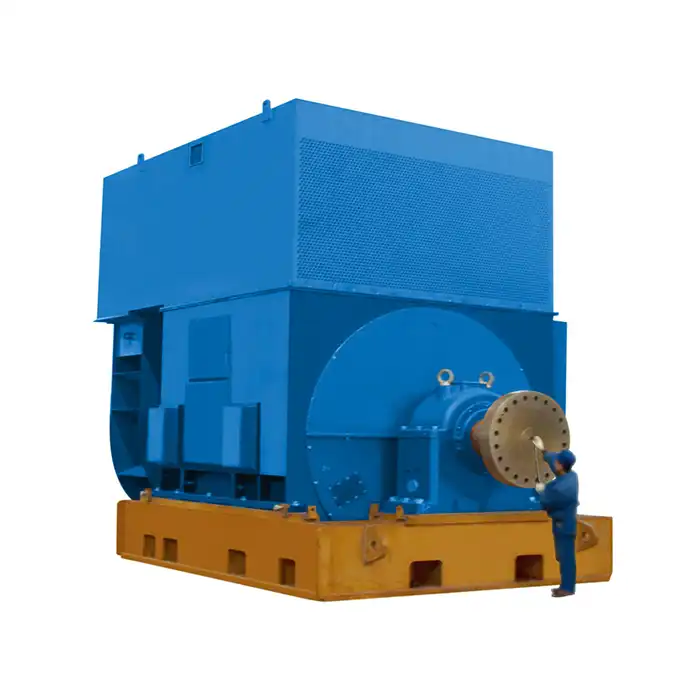 VIEW MOREYAKK high voltage increased safety motor
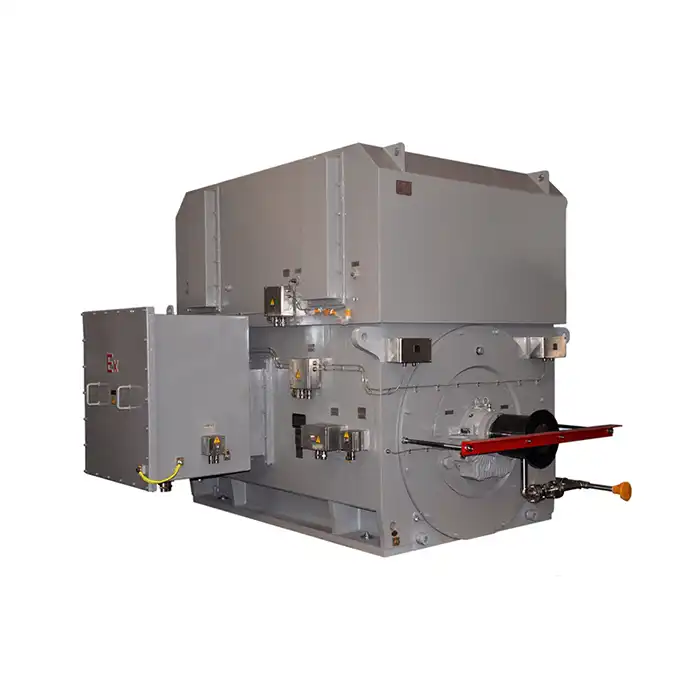 VIEW MOREmedium voltage electric motors