



Main Uses of Vertical Water Pump Motors Explained
Vertical water pump motor are important parts of business and industrial fluid management systems. They are made to work well when they are standing up. For example, these motors work very well in places with limited room, like deep well pumping, sump draining, and tight installation spaces. In contrast to horizontal configurations, vertical motors have small footprints and strong operating capabilities. This makes them essential in city water systems, HVAC uses, wastewater treatment facilities, and farm irrigation networks. Advanced engineering is used in their design to make sure that fluids are moved reliably while keeping installation and upkeep to a minimum.

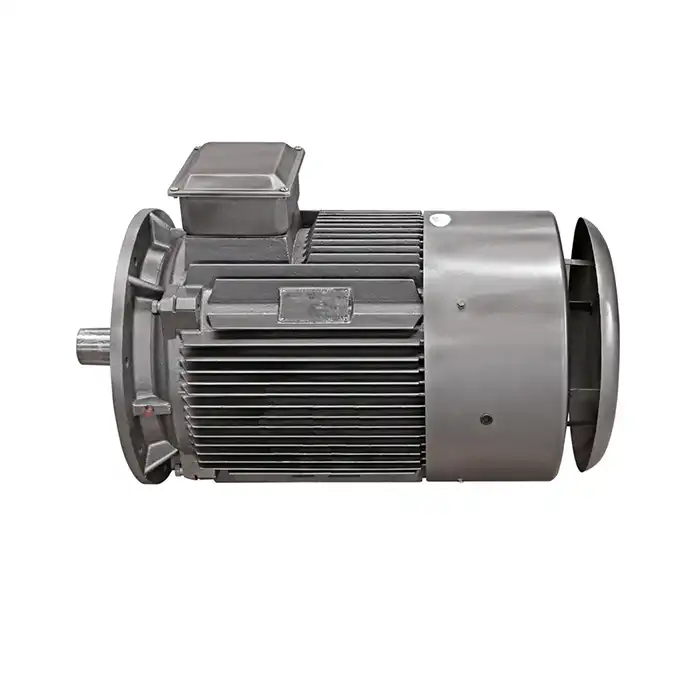
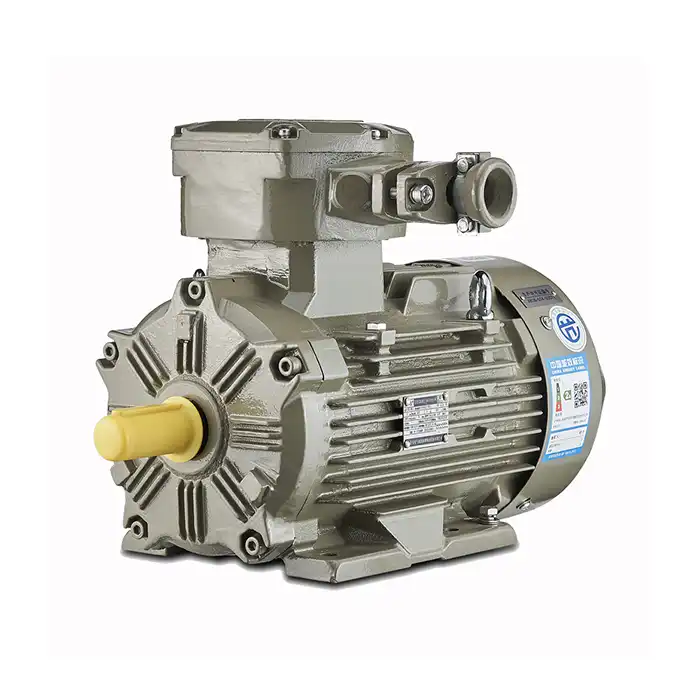
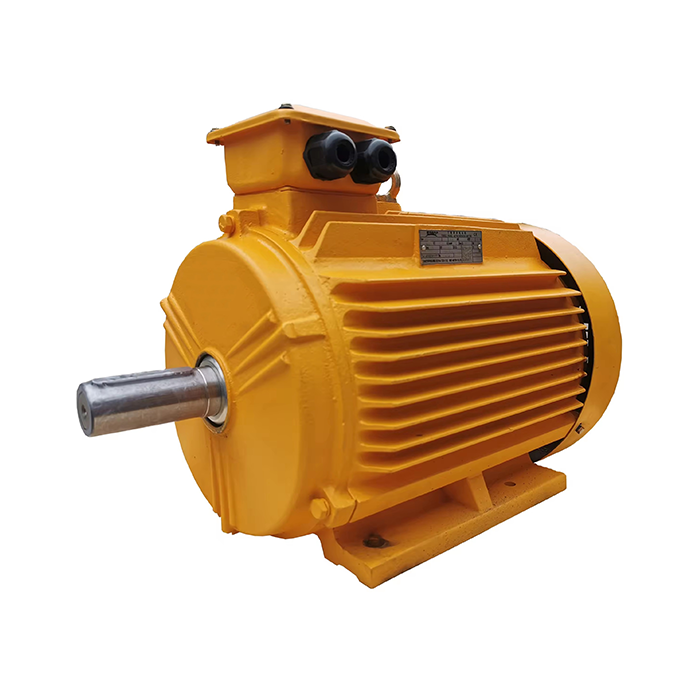
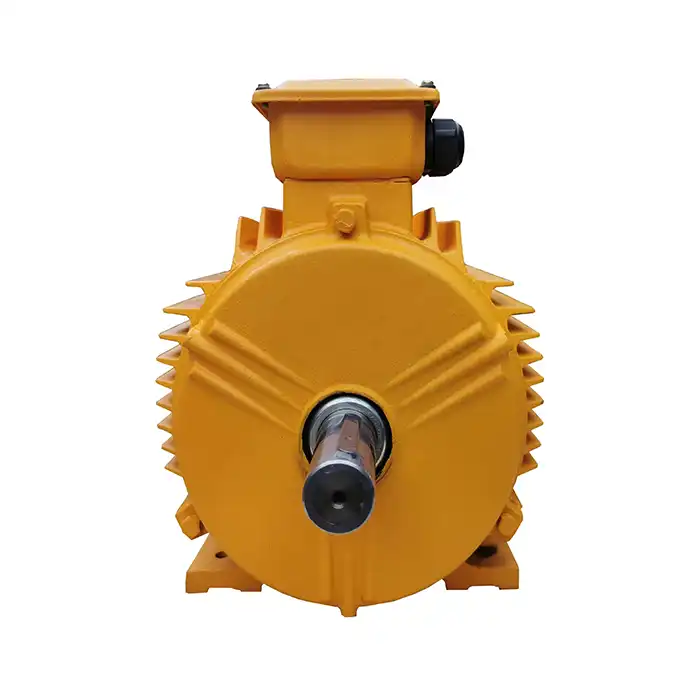
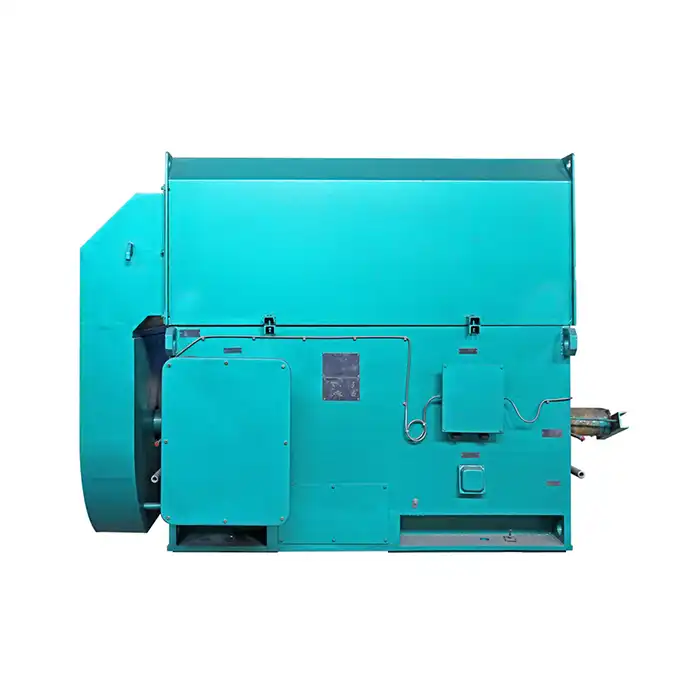
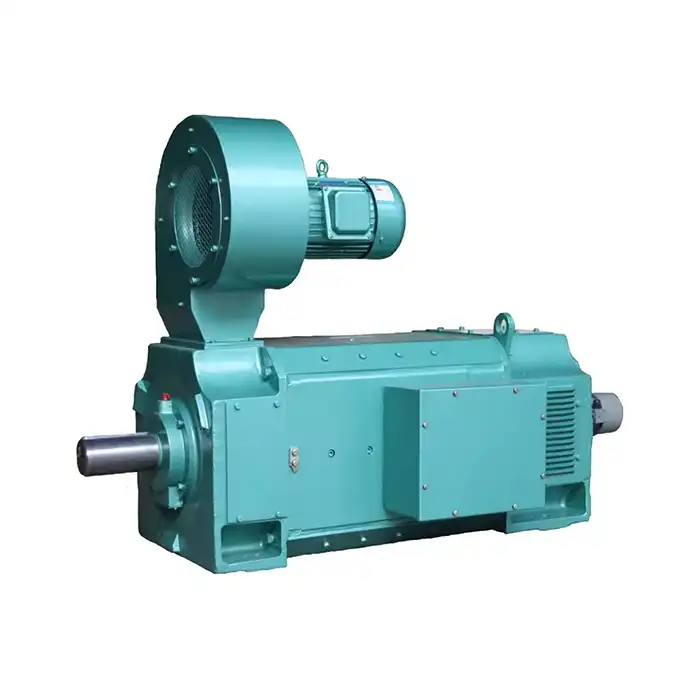
Series:YVFE2
Frequency conversion range:30hz~50hz,5hz~70hz,5hz~100hz
Power range:0.75-355kW
Protection level:IP55
Application:are suitable for driving various mechanical equipment that require continuous and frequent forward and reverse rotation, such as steel rolling, lifting, transportation, machine tools, printing and dyeing, papermaking, chemicals, textiles, pharmaceuticals, etc., and can be used with various domestic and foreign variable frequency power supplies.
Advantage:high efficiency, wide speed range, high precision, stable operation, and easy operation and maintenance.
Certificate:installation dimensions comply with International Electrotechnical Commission (IEC) standards.
Others: SKF, NSK, FAG bearings can be replaced according to customer requirements.
Understanding Vertical Water Pump Motors and Their Operating Principles
Understanding how vertical water pump motor work is important.When it comes to upright pump designs, vertical water pump motor are specialized technical solutions. These motors work perfectly with centrifugal pump units, making small systems that make the best use of vertical room while still being able to handle fluids well.
Core Components and Design Architecture
A lot of important parts have to work together for vertical water pump motor to be built. The motor's stator has fine copper coils that create electromagnetic fields, and the rotor assembly turns electrical energy into mechanical spinning. For specific needs, sealed bearings from top brands like SKF, NSK, or FAG can support the longer shaft that links directly to the impeller below. The sturdy cast iron frames of our products are very long-lasting, and the IP55 protection levels keep the inside parts safe from dust and water jets. Thermal protection systems keep an eye on the working temperatures all the time, which keeps things from getting too hot during long job cycles.There are clear benefits to the vertical layout over other arrangements. The motor shaft and pump rotor stay straight by nature, which lowers mechanical stress and vibration. As heat moves more efficiently through the vertical structure, cooling efficiency goes up. This is especially important for ongoing operation in temperatures range from -20°C to +40°C.
Operating Mechanism and Performance Characteristics
Electricity that comes in three phases is turned into spinning force by vertical motors using electromagnetic induction. Our YVFE2 series motors can produce power levels between 0.55kW and 315kW, and they can be configured to work with 380V, 400V, 415V, or 660V. Variable frequency support lets it work across frequencies from 5-100Hz, giving you exact control over speed for a wide range of applications.The perfectly adjusted rotors make sure that the machine runs smoothly at all speeds, from 30Hz baseline rates to high-performance 100Hz operation. This broad frequency range works well for tasks that need to continuously and frequently switch between forward and reverse rotation patterns. It provides stable performance in steel rolling mills, lifting equipment, transportation systems, and factories that make textiles, drugs, chemicals, and paper.
Main Industrial Applications and Use Cases of Vertical Water Pump Motors
Vertical water pump motor are very important in many different types of industries, and each one takes advantage of the unique benefits these systems offer. Understanding the unique needs of an application helps procurement workers find the best motor specs for their work environments.
Municipal Water Infrastructure and Treatment Systems
Vertical pump motors are a big part of municipal water supply networks because they keep the pressure constant throughout delivery systems. These motors power deep well pumps that get water from deep underground. Because the shafts need to be very long, vertical designs are the best way to make them work. Vertical motors are used in water treatment plants for backwashing, chemical dosing, and clarification processes where area economy is important.Vertical motors are strong enough to handle fluids with suspended solids and acidic chemicals, which is good for wastewater treatment plants. The sealed bearing design and IP55 protection keep the bearings from getting dirty and keep them working reliably. Vertical motors are used in drainage and sump pumping systems in city structures to control stormwater flow and keep cities from floods.
HVAC and Building Climate Control
Commercial HVAC systems use vertical water pump motor to move cool water through large cooling loops that go through several stories. The vertical form saves space and works well in mechanical rooms where floor space is valuable. For hydronic heating movement and geothermal heat pump systems in homes, smaller vertical motors are used.Vertical motors are needed to keep the water flowing through cooling towers so that heat can be removed. These motors can work reliably in damp places with temperatures up to 40°C, which makes them good for installs on roofs. With variable frequency, HVAC systems can change flow rates based on the temperature load, which makes the best use of energy throughout the day.
Agricultural and Irrigation Systems
Vertical pump motors are used in agriculture for irrigation well pumps that bring water from underground sources to networks of pipes on the ground level. Copper windings that are very efficient and rotor designs that work better together to cut down on energy costs during longer watering seasons. The simple upkeep needs are liked by farmers because vertical setups make it easier to get to bearings and seals than submersible options.Variable frequency control is useful for precision agriculture because it lets farmers change the pump speed and flow rates based on the needs of the crops and the conditions of the field. The motors can work with different types of power sources from around the world, so they can be easily added to current irrigation automation systems.
Industrial Manufacturing and Process Control
Facilities that make things in the automobile, aircraft, electronics, and food processing industries use vertical motors to clean, cool, and move chemicals around. The motors' agreement with IEC dimensional standards makes it easier to update or add to systems that are already in place. The exact flow control that these motors offer is useful for moving water around in machine tools, moving printing and dyeing fluids, and processing pharmaceuticals.Chemical processing plants use vertical motors to pump toxic fluids. The motors' strong construction and protected bearing design make them safe and long-lasting. Vertical motors are used in cooling water movement, condensate extraction, and auxiliary service water systems that are very important to the running of power plants.
How to Choose the Right Vertical Water Pump Motor for Your Business
To choose the right vertical water pump motor, you need to carefully look at the operating conditions, the surroundings, and how well you expect the motors to work in the long run. We list the most important things to think about when making buying choices.
Technical Specifications and Performance Parameters
Determining flow rate and head pressure is essential when selecting a vertical water pump motor, as these define the required power range. Motors from 0.75kW to 355kW cover applications from light-duty transfer to heavy industrial pumping. Fluid characteristics such as temperature, viscosity, and chemical composition influence seal materials and lubrication strategies. Insulation class F (155°C) ensures sufficient thermal margin for demanding environments. Duty cycles—continuous (S1) or intermittent—must align with process requirements. Voltage and frequency compatibility is critical, especially when integrating with variable frequency drives. Options from 5Hz to 100Hz allow flexibility across global standards. Pole configurations (2, 4, 6, 8) directly affect speed and torque, ensuring proper alignment with pump performance curves.
Environmental and Installation Considerations
Space constraints often make vertical configurations ideal for a vertical water pump motor, requiring evaluation of floor area, headroom, and maintenance accessibility. Flexible mounting options such as B3, B5, B35, and V1 support different structural setups and alignment needs. Environmental conditions significantly influence motor performance. Motors typically operate reliably up to 1000 meters without derating, but higher altitudes may require adjustments. Exposure to dust, moisture, or corrosive substances demands appropriate protection levels. The standard IP55 rating suits most industrial environments, while harsher conditions may require upgraded protection. Proper ventilation, ambient temperature control, and structural stability ensure consistent operation, reduce wear, and extend service life in demanding installations.
Procurement Factors and Supplier Evaluation
Beyond specifications, procurement decisions for a vertical water pump motor must consider total lifecycle cost. Energy-efficient designs with optimized electromagnetic structures reduce long-term operating expenses. Variable frequency compatibility enhances efficiency by adjusting speed to demand. Manufacturing quality ensures durability, supported by precision machining, controlled assembly, and comprehensive testing. Certifications such as ISO 9001:2015 and CE demonstrate adherence to international standards. Warranty coverage and responsive technical support reduce operational risk and downtime. Lead times should align with project schedules, particularly for customized units. Establishing strong supplier relationships improves communication, ensures quick problem resolution, and provides reliable after-sales service, contributing to stable long-term operation.
Maintenance, Troubleshooting, and Optimization Tips for Vertical Water Pump Motors
Proactive repair plans make vertical water pump motor last longer and stop expensive unexpected downtime. Regular inspection plans and organized ways of fixing problems get the most out of the money you spend on tools.
Preventive Maintenance Protocols
Establishing routine inspection schedules is essential for maintaining a vertical water pump motor. Monthly visual checks identify leaks, unusual noise, or increased vibration. Proper bearing lubrication, following manufacturer guidelines, ensures smooth operation and prevents premature wear. Quarterly temperature monitoring using infrared tools detects abnormal heat patterns early. Seal inspections prevent fluid ingress that could damage internal components. Annual comprehensive maintenance includes disassembly, cleaning, shaft alignment checks, and insulation resistance testing. Precision-balanced rotors maintain consistent performance when properly serviced. Adhering to these protocols improves reliability, reduces unexpected breakdowns, and ensures that motors continue operating efficiently under varying load and environmental conditions.
Common Issues and Diagnostic Approaches
Diagnosing problems in a vertical water pump motor requires systematic analysis of noise, vibration, and temperature changes. Unusual sounds often indicate bearing wear, misalignment, or impeller damage. Vibration analysis using accelerometers helps identify imbalance or structural issues. Excessive heat may result from electrical faults, insufficient cooling, or overload conditions. Checking ambient temperature, airflow, and electrical balance ensures proper operation. Hydraulic issues such as blocked flow or increased system resistance can also overload the motor. Identifying root causes early allows targeted corrective actions, preventing further damage and maintaining system efficiency. Accurate diagnostics improve reliability and reduce maintenance costs over time.
Performance Optimization Strategies
Optimizing performance of a vertical water pump motor focuses on improving efficiency and reducing operating costs. Variable frequency drives adjust motor speed to match demand, eliminating energy waste from throttling. Selecting appropriate operating frequency ranges balances performance and energy consumption. Upgrading components such as bearings from premium brands enhances durability and reliability. Maintaining seal integrity preserves protection levels and prevents contamination. Regular insulation testing detects degradation before failure occurs. System-level optimization, including proper pipe design and correct pump sizing, ensures efficient operation. Monitoring parameters like power usage, flow rate, and pressure enables data-driven improvements, maximizing efficiency across the entire pumping system.
Procurement and Supply Chain Insights for Vertical Water Pump Motors
Strategic procurement methods combine the needs of the current project with those of the long-term operations. This makes sure that there is a steady supply of vertical water pump motor while also lowering overall costs.
Supplier Capabilities and Partnership Development
Selecting capable suppliers is critical when sourcing a vertical water pump motor. Manufacturers with integrated production processes—from raw material sourcing to final testing—ensure consistent quality. Certifications like ISO 9001:2015 and CE confirm compliance with international standards. Technical support availability, including rapid response channels, enhances operational reliability. Long-term partnerships enable suppliers to better understand application requirements and provide tailored solutions. Reliable communication channels ensure prompt resolution of technical and procurement issues. Strong supplier relationships contribute to improved product performance, reduced downtime, and efficient lifecycle management.
Pricing Structures and Value Considerations
Pricing for a vertical water pump motor depends on specifications, customization, and protection levels. Bulk purchasing offers cost advantages for large projects. Evaluating total cost of ownership—including energy consumption, maintenance, and installation—provides a more accurate financial picture. High-efficiency motors reduce long-term operating costs despite higher initial investment. Warranty coverage mitigates financial risks associated with early failures. Market fluctuations in raw materials such as copper and steel can influence pricing, requiring careful budgeting. Coordinating delivery schedules with installation timelines ensures smooth project execution and avoids unnecessary delays or additional costs.
After-Sales Service and Support Networks
Comprehensive after-sales support is essential for maintaining a vertical water pump motor throughout its lifecycle. Return policies, maintenance packages, and spare parts availability reduce downtime risks. Long-term supplier relationships provide deeper understanding of operational needs, enabling proactive improvement recommendations. Technical training programs enhance maintenance team capabilities, improving troubleshooting efficiency. Reliable supply chains ensure quick access to critical components such as bearings and seals. Strong support networks contribute to consistent performance, faster repairs, and reduced operational disruptions, ensuring that equipment continues to meet performance expectations in demanding industrial environments.
Conclusion
Industrial machinery, HVAC systems, public works infrastructure, and farming all depend on vertical water pump motor to do their jobs. Their vertical form saves room, and their strong construction and ability to change frequency make them useful for a wide range of fluid management tasks. To choose the right motors, you need to carefully look at the technical specs, the surroundings, and the supplier's skills. Routine upkeep and systematic troubleshooting make technology last longer, and methods for optimization make it use less energy. Strategic buying that focuses on quality production, full support, and long-term relationships with suppliers guarantees that the motor is reliable and cost-effective throughout its lifespan.
Frequently Asked Questions
1. What advantages do vertical orientations provide compared to horizontal motor configurations?
There are a few specific reasons why vertical water pump motor are better in some situations. The upright position makes a smaller footprint on the floor, which is important in machinery rooms or setups with limited space. When the motor and pump are naturally aligned, there is less mechanical stress and shaking than when they are placed horizontally and coupling parts are needed. As heat naturally rises away from vital parts, cooling efficiency goes up. This is because thermal margins get bigger during continuous operation.
2. How often should vertical water pump motors be checked for maintenance?
How often maintenance is done depends on the job cycle and working conditions. Visual checks done once a month find clear problems like leaks or strange sounds. Measure the temperatures of the bearings and check the stability of the seals every three months. As part of the yearly complete maintenance, the machine is taken apart to clean it thoroughly, check its parts, and test its insulation resistance. In heavy-duty settings or when dealing corrosive fluids, it may be necessary to check on things more often. On the other hand, clean water uses in controlled conditions can wait longer between checks.
3. Can vertical pump motors effectively handle fluids containing suspended solids or corrosive chemicals?
Modern vertical motors are made with features that deal with difficult fluid properties. IP55 security levels keep outside contaminants out, and sealed bearings keep grease away from process fluids. Moderately acidic surroundings can be handled by choosing materials like strong cast iron frames and the right sealants. Applications with a lot of solids or serious rust may need higher levels of protection or unique seal designs that can be made to fit specific needs.
Partner with XCMOTOR for Your Vertical Water Pump Motor Solutions
XCMOTOR—operated by Shaanxi Qihe Xicheng Electromechanical Equipment Co., Ltd.—specializes in providing high-performance vertical water pump motor designed for tough industrial uses. Our wide range of products includes pumps with power outputs from 0.55kW to 315kW and frequency ranges from 5Hz to 100Hz, so they can meet the needs of a wide range of industries, including industrial, HVAC, municipal, and farming. Each motor has high-quality parts, like high-grade copper windings, available SKF, NSK, or FAG bearings, and IP55 protection that makes sure it works reliably in harsh conditions. We offer full solutions for power tools by combining technical know-how with quick help that's available 24/7, even on weekends. Our ISO 9001:2015-certified production methods and adherence to IEC standards ensure that the quality of every delivery is the same. As a reliable vertical water pump motor provider, we offer low prices, free shipping, 30-day returns, and expert technical support to help with selection, installation, and upkeep. You can talk to our team at xcmotors@163.com or visit motorxc.com to talk about your unique needs and get suggestions that are tailored to your business.
References
1. Karassik, Igor J., et al. Pump Handbook, Fourth Edition. McGraw-Hill Education, 2008.
2. Hydraulic Institute. American National Standard for Rotodynamic Vertical Pumps for Nomenclature and Definitions. ANSI/HI 2.1-2.2-2014.
3. Gülich, Johann Friedrich. Centrifugal Pumps, Third Edition. Springer, 2014.
4. European Committee for Standardization. Rotating Electrical Machines - Part 1: Rating and Performance. IEC 60034-1:2017.
5. McNally, William J. Industrial Water Pumping Systems: Design and Practice. Professional Engineering Publishing, 2005.
6. American Society of Mechanical Engineers. Vertical Pump Applications and Installation Guidelines. ASME Technical Paper Series, 2019.