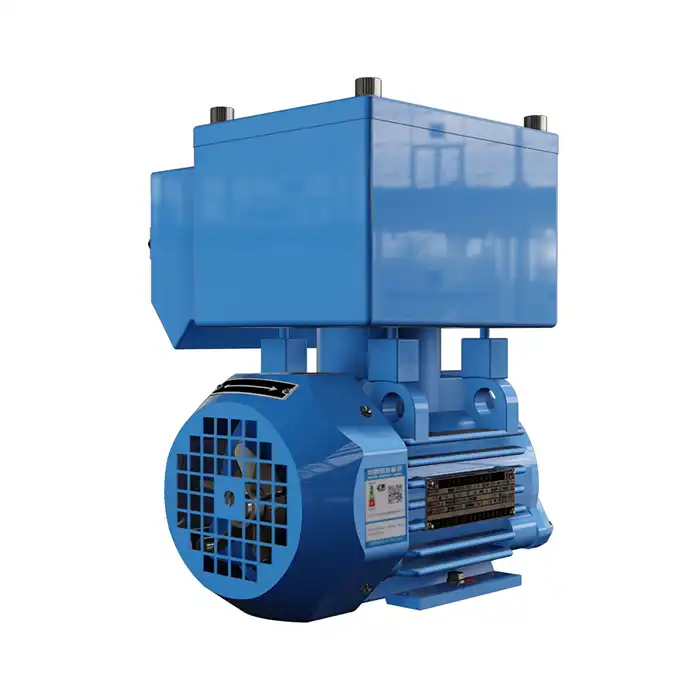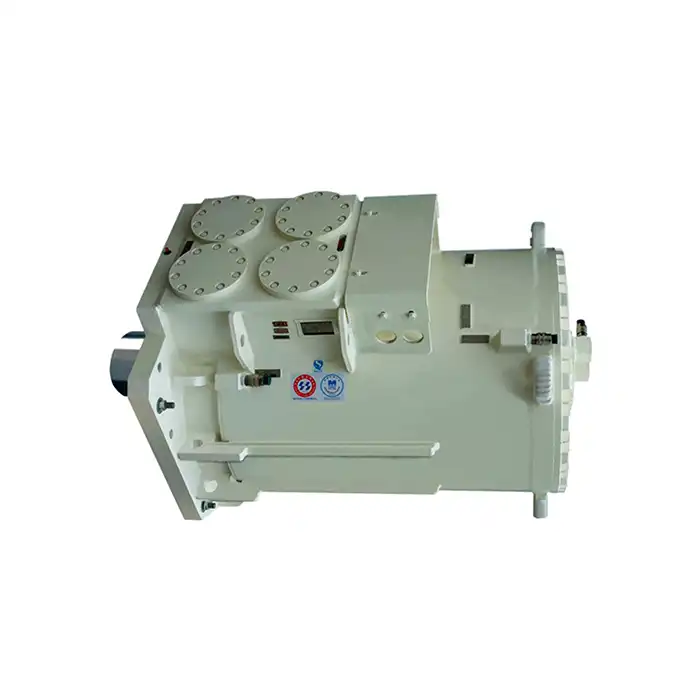




3.3 kV Motor Applications in Cutting Machine Tools
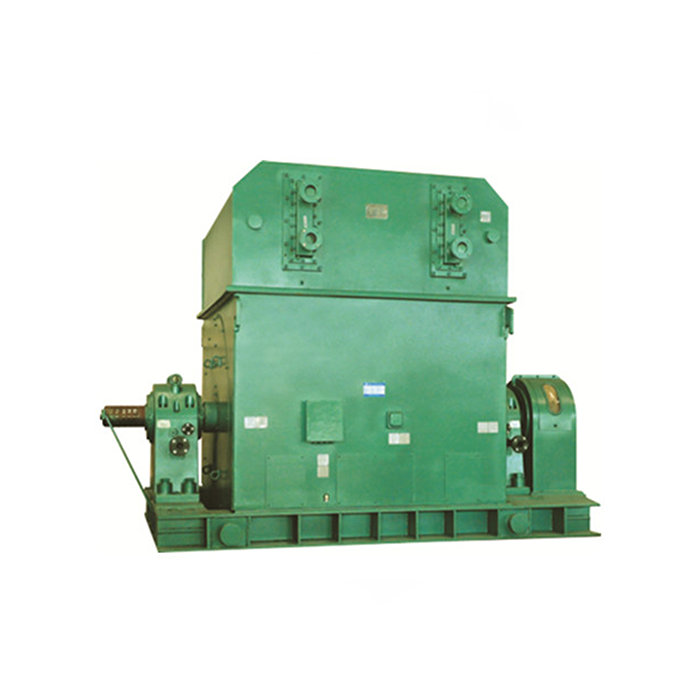
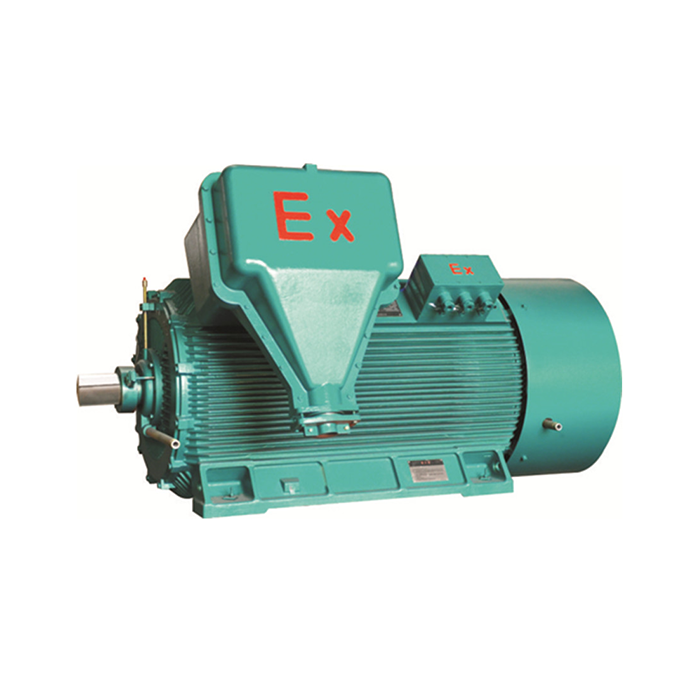
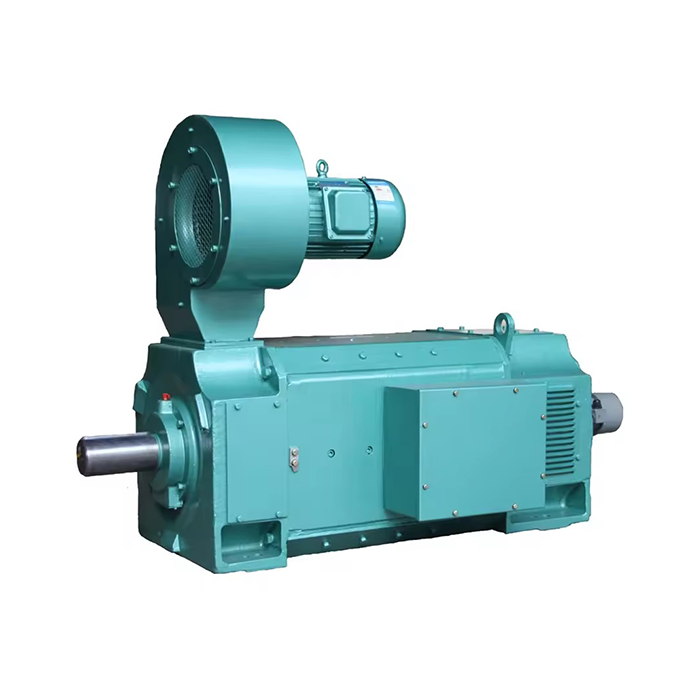
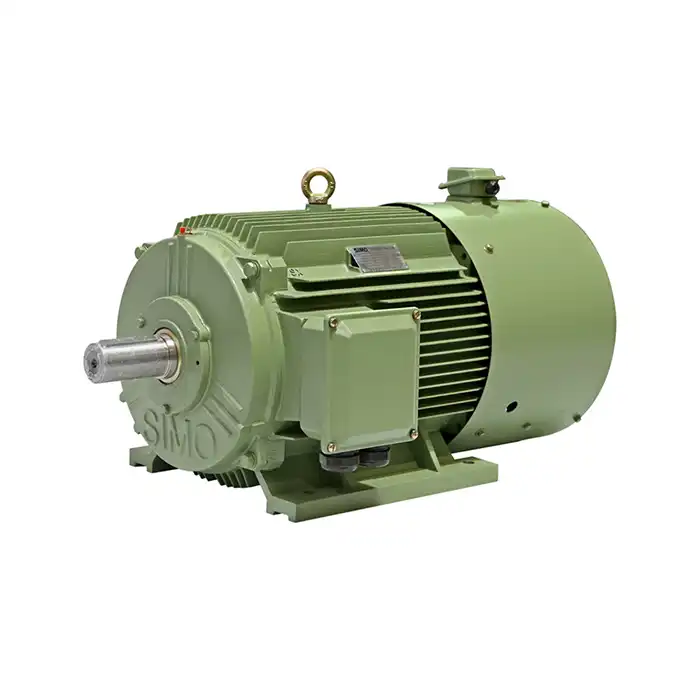
In modern industry, high-voltage motors are a must, especially for precise cutting tasks where power and dependability are most important. The 3.3 kV motor stands out as a tried-and-true way to power cutting machine tools in the electronics, aircraft, and automobile industries. These motors have steady power, use very little energy, and last a long time even in harsh industrial circumstances. Because they can handle power levels between 160 kW and 1600 kW, they can be used in CNC machining centers, plasma cutters, water jet systems, and laser cutting tools, where accuracy and service directly affect how much money the business gets.

Series:Y2
Protection level:IP54
Voltage range:3000V±5%,3300V±5%,6000V±5%,6600V±5%,10000V±5%,11000V±5%
Power range:160-1600 kW
Application:fans, water pumps, compressors, crushers, cutting machine tools, transportation machinery, etc.
Advantage:compact structure, light weight, low noise, small vibration, long service life, easy installation and maintenance.
Standard: This series of products complies withJB/T10444-2004 standards.
Others: SKF, NSK, FAG bearings can be replaced according to customer requirements.
Understanding the Working Principle of 3.3 kV Motors in Cutting Machine Tools
Electromagnetic induction is how high-voltage motors turn electrical energy into mechanical movement. When electricity is given to a stator inside the motor case, it makes a spinning magnetic field. When this field hits the rotor, it creates force that moves the cutting tool shaft or feed mechanism. Carefully wrapped coils, bonded steel cores, and precisely balanced blades are used in this design to keep shaking and noise to a minimum while it works.
Core Components and Their Functions
The stator system has shielded copper or metal windings that can handle voltage stress and temperature cycling. Temperature changes that happen a lot in welding settings must not affect the dielectric strength of these windings. The magnetic field is turned into spinning force by the rotor, which can be a squirrel-cage or wound type. Bearings of good quality from companies like SKF, NSK, or FAG hold the rotor shaft in place. This cuts down on friction and increases the bearing's life. The casings on our motors are rated IP54, which protects the internal parts from dust and water splashes that are common during cutting operations. IP55 protection is also available for areas that need a stronger seal.
Electrical Connections and Safety Standards
For safety, it's important that the wiring is connected correctly. For motors that run at 3000V±5% or 3300V±5%, you need wires that are rated for high-voltage use and have enough insulation thickness. To stop arcing or ground problems, connection points must be safely locked in place and shielded inside junction boxes. Motors meet safety and efficiency standards when they follow JB/T10444-2004 guidelines. To keep people and devices safe during fault situations, grounding systems need to be strong and keep resistance values below certain levels.
Cooling Methods for Sustained Performance
Continuous cutting creates a lot of heat that needs to be removed from the motor to keep it running efficiently. The IC411 cooling method works well in most machine settings because it uses an outside fan to move air across motor housings with fins. When temperatures outside of standard ranges happen or when motors run at high loads for a long time, different cooling methods can be used, like closed-loop oil cooling systems or water-cooled heat exchanges. Good temperature management stops insulation from breaking down and bearing grease from wearing out, which are two common reasons why motors fail too soon in cutting applications.
Key Applications and Benefits of 3.3 kV Motors in Cutting Machine Tools
Depending on the qualities of the material and the level of accuracy needed, factories use a variety of cutting technologies. CNC milling and turning centers have high-voltage motors that move multi-axis wheels that remove material with accuracy down to the micrometer level. To keep the beam focus and feed rates constant, laser cutting devices need motors with stable speed control. Plasma cuts need to be able to quickly speed up and slow down in order to follow complex curve lines without losing edge quality. When water is pushed to very high pressures, high-voltage motors give water jet cutting tools a lot of starting power.
Performance Advantages Over Lower Voltage Options
When compared to 440V options, 3.3 kV motors made for higher voltage sources have a number of practical advantages. As voltage goes up, current draw goes down by the same amount. This lowers resistance losses in power lines and switches. This increase in efficiency means that the motor will cost less to run over its lifetime. Designs with higher voltage also have higher torque densities, which means they can cut with more power in a smaller size. The lower current levels make heat management easier and make it possible to install cables that are lighter, which lowers the cost of installation and makes plant plans more flexible.
Our motors are built in a small way that takes up little floor room while still producing power between 160 kW and 1600 kW. Noise and vibration levels that are low make the workplace safer and cut down on the need for sound barriers or vibration separation mounts. The design is lightweight, which makes it easier to install, and the maintenance points are easily available, which makes regular checks easy and keeps your cutting operations going smoothly.
Common Issues and Maintenance Best Practices
Motors in industrial settings are exposed to dirt, high temperatures, and heavy loads that can wear them down over time. A megohmmeter should be used to check insulation resistance every three months to find signs of moisture getting in or dielectric weakening before they happen. Monitoring the state of bearings through vibration analysis or sound emission testing finds wear patterns early, so bearings can be replaced on time instead of having to be shut down in an emergency. To keep air flowing, cooling system screens need to be cleaned once a month, and metal chips and coolant residue on the outside should be avoided because they can trap heat or make ways for rust to happen.
Comparing 3.3 kV Motors to Other Voltage Motors for Cutting Applications
To choose the best voltage grade, you have to weigh the needs for speed against the needs for infrastructure connectivity. When a building already has medium-voltage distribution networks, 3.3 kV motors work well with the current electrical systems. They are a good compromise between low-voltage motors that can't handle a lot of power and higher voltage units like 6.6 kV or 11 kV motors that need bigger investments in electrical infrastructure.
Voltage Class Performance Characteristics
440V motors usually have a maximum power output of around 500 kW, which means they can't be used for heavy-duty cutting tasks that need power above this level all the time. The 3.3 kV motor range goes up to 1600 kW, which is more than enough for most industrial cutting machines without having to switch to 6.6 kV or 11 kV systems. Higher voltage motors draw less power, but they need more complex switches, better organization of insulation, and specialized repair skills. The 3.3 kV motor is the best choice when power needs are between 160 kW and 1600 kW. It offers the best mix of performance, cost, and ease of maintenance.
Insulation Classes and Bearing Selection
Insulation systems need to be able to handle both electrical stress and changes in temperature. Class F insulation, which comes standard in many high-voltage motors, can handle temperature increases of up to 155°C, which is enough for most cutting tasks. This goes up to 180°C with Class H insulation, which is helpful in places with high outdoor temperatures or when motors are constantly running close to their maximum capacity. The choice of bearing is based on the shaft's loads, speed ranges, and how often it is expected to be serviced. Deep-groove ball bearings can handle radial and light axial loads that are common in direct-drive cutting wheels. Cylindrical roller bearings, on the other hand, are better for situations where radial forces need to be stronger. Our motors can use SKF, NSK, or FAG bearings, depending on what the customer wants. This makes sure that they work with existing repair supplies and provider ties.
Cost-Benefit Considerations for Procurement
A lifecycle cost study should look at the initial cost of buying something, the cost of installing it, how much energy it uses, and how often it needs to be maintained. A 3.3 kV motor usually costs more up front than a similar 440V unit, but in continuous-duty situations, the extra cost is recovered in two to three years by lower energy bills. The longer service life (often more than 20 years with proper upkeep) and less need for repairs make the total cost of ownership even better. When choosing motors for cutting machine upgrades or new installs, make sure that the rated power matches the real load needs with a safety range of 10 to 15 percent. This will keep the motors from burning and prevent oversizing, which wastes energy.
Procurement Guide: Sourcing Quality 3.3 kV Motors for Cutting Machine Tools
Partnering up with dependable providers will protect your investment and make sure that you have parts and help for as long as the 3.3 kV motor works. At XCMOTOR, we know that making choices about what to buy is more than just looking at data sheets. For decades, our team at Shaanxi Qihe Xicheng Electromechanical Equipment Co., Ltd. has been matching motor features to application needs in the United States' precision welding, aircraft component production, and car manufacturing sectors.
Supplier Evaluation Criteria
When looking for important business tools, reputation is important. We use strict quality control methods that are in line with JB/T10444-2004 standards to make sure that every motor that leaves our plant meets the performance requirements that have been written down. After-sales service is what sets good providers apart from great ones. Our dedicated support team is available seven days a week to help you with computer issues, fixing, and getting parts quickly so that you don't have to wait. Product certificates show that the product meets safety standards and environmental rules. This keeps your business safe from legal problems and fines from the government.
Pricing Structures and Lead Times
Clear price helps you make good budgets and compare value offers well. Costs for motors depend on their power level, safety class, bearing requirements, and how they need to be customized. We work closely with our transportation partners to make sure that delivery times don't conflict with your production planning timelines. For example, when you buy multiple units, we can arrange for them to be shipped together or for deliveries to happen during plant maintenance shutdowns.
Warranty Coverage and Service Contracts
Most of the time, these deals cover things like yearly checks, sound analysis, insulation resistance tests, and getting new parts before anyone else. These kinds of tools make it easier for your repair team to do their jobs while also making sure that motors get regular, professional care that makes them more reliable and extends their useful life. Our standard warranty covers materials and workmanship for 12 months from shipment date or 12 months from installation, whichever occurs sooner.
Future Trends and Innovations in 3.3 kV Motors for Cutting Machine Tools
Digitalization, rules about being environmentally friendly, and pressure from competitors to be more productive are all pushing manufacturing technology to change quickly. Smart motor technology puts monitors right into motor parts to keep an eye on things like temperature, shaking, and power use in real time. This information flows to central tracking systems, where computers look for trends that don't make sense, which can be a sign of problems starting to form. Instead of service based on a schedule, predictive maintenance scheduling that takes into account the real state of the equipment is used. This cuts down on needless work and finds problems before they cause unplanned outages.
Advanced Materials and Design Improvements
New shielding materials have made it possible for motors to work at higher temperatures without losing their durability. Better thermal conductivity in the covering around the windings speeds up the process of removing heat, which lets designers make motors with more power and less space. Permanent magnet motor schemes, which were previously only used in low-voltage situations, are now being changed to work with medium-voltage systems. These systems are more efficient than induction designs by 2 to 5 percent. Even though these motors are more expensive right now, they might become more affordable as magnet materials become easier to find and production volumes rise.
Regulatory Drivers and Industry Adoption
Global rules on energy efficiency are getting stricter, which is pushing makers to make motors with higher efficiency that use less energy and leave less of a carbon footprint. Adopting Industry 4.0 ideas stresses connection, making decisions based on data, and adaptable production systems. Communication methods like Modbus, Profibus, or EtherCAT make it easy for motors to connect to factory automation networks and control cutting settings across multiple machines. Facilities that use these technologies report 15–25% higher output and 10–20% lower energy use. These impressive returns on investment speed up the uptake rate.
Strategic Procurement Planning
To protect your 3.3 kV motor investments for the future, you need to think about both how technology will change and how application needs will change. If you need to replace old motors, you might want to look at ones that have sensors built in, even if you're not going to use scheduled maintenance right away. The small price increase keeps the choice to use these features later without having to replace the motor. Talk to providers early on in the planning stages of your tools to find out what customizing options are available to make the motor work best for the cutting processes you need.
Conclusion
The 3.3 kV motor has enough power for tough cuts without the infrastructure problems that come with 6.6 kV systems. It strikes a good balance between performance needs and realistic considerations for most industrial cutting activities. Selecting appropriate motors for cutting machine tools directly influences production efficiency, maintenance costs, and equipment longevity. Understanding operational principles, comparing voltage alternatives objectively, and partnering with experienced suppliers positions your facility for sustained competitive advantage.
FAQ
1. What maintenance practices extend 3.3 kV motor lifespan in cutting applications?
Regular insulation resistance testing catches deterioration before failures occur. Quarterly measurements establish trending data that reveals gradual degradation. Bearing lubrication should follow manufacturer intervals, typically 2000-4000 operating hours depending on speed and load. Vibration monitoring detects mechanical issues like misalignment or bearing wear early. Keep cooling passages clear of debris, maintain proper ambient ventilation, and protect motors from coolant spray to prevent corrosion and overheating that shorten service life.
2. How does voltage selection impact cutting precision and machine performance?
The 3.3 kV motor provides ample torque for demanding cuts without the infrastructure complexity of 6.6 kV systems, balancing performance needs with practical implementation considerations for most industrial cutting operations. Higher voltage motors reduce current flow for equivalent power output, minimizing voltage drop in supply cables. This stability ensures consistent spindle speeds critical for surface finish quality.
3. Can these motors integrate easily with existing CNC controllers?
Modern high-voltage motors can be controlled by standard signals sent by variable frequency drives that are linked to CNC computers. The VFD takes instructions from the processor and turns them into the right voltage and frequency outputs so that the speed can be controlled precisely. Our motors are compatible with drives from major automation providers, so they won't need any special connections or setup to work with your current control system.
Partner with XCMOTOR for Your High-Voltage Motor Needs
Getting high-quality 3.3 kV motors from a reliable source to upgrade your cutting tools will increase output while keeping costs low over its lifetime. XCMOTOR excels in custom power solutions for the HVAC, production, industrial automation, and energy industries across the United States. We find motors that meet strict requirements, such as having IP54 protection, power ranges from 160 to 1600 kW, and compliance with JB/T10444-2004 standards. Our small and light designs make little noise, don't vibrate much, and are easy to maintain, which makes your work easier. We make the buying process easier for you by offering original parts from well-known names, free shipping on all orders, easy returns within 30 days, and dedicated help on the weekends. You can talk to our team at xcmotors@163.com or motorxc.com about your cutting machine needs and get advice from expert engineers who can help you find the best motor designs. We give your business the knowledge and service it needs, whether you need a single 3.3 kV motor provider or ongoing relationship support.
References
1. Chapman, Stephen J. Electric Machinery Fundamentals, 5th Edition. McGraw-Hill Education, 2012.
2. Bonnett, Austin H. Root Cause AC Motor Failure Analysis. IEEE Press, 2008.
3. Nailen, Richard L. "Understanding Medium-Voltage Motors." IEEE Industry Applications Magazine, vol. 15, no. 3, 2009, pp. 25-31.
4. Toliyat, Hamid A., and Gerald B. Kliman. Handbook of Electric Motors, 2nd Edition. CRC Press, 2004.
5. Stone, Greg C., et al. Electrical Insulation for Rotating Machines: Design, Evaluation, Aging, Testing, and Repair. IEEE Press, 2014.
6. Thorsen, Olav Vidar, and Magnus Dalva. "A Survey of Faults on Induction Motors in Offshore Oil Industry." IEEE Transactions on Industry Applications, vol. 31, no. 5, 1995, pp. 1186-1196.