



LV Induction Motor vs. Inverter Duty Motor: Which to Choose?
The main things that determine whether you should use an LV induction motor or an inverter duty motor are your application needs and the area in which the motor will be used. Standard low voltage induction motors work well in uses that need a steady speed and direct-on-line starting. They are stable and don't cost too much. On the other hand, inverter duty motors are designed to work with variable frequency drives, which means they have better insulating and heat control for activities that change speed. Finding the best option for your business will depend on how well you understand these basic differences.

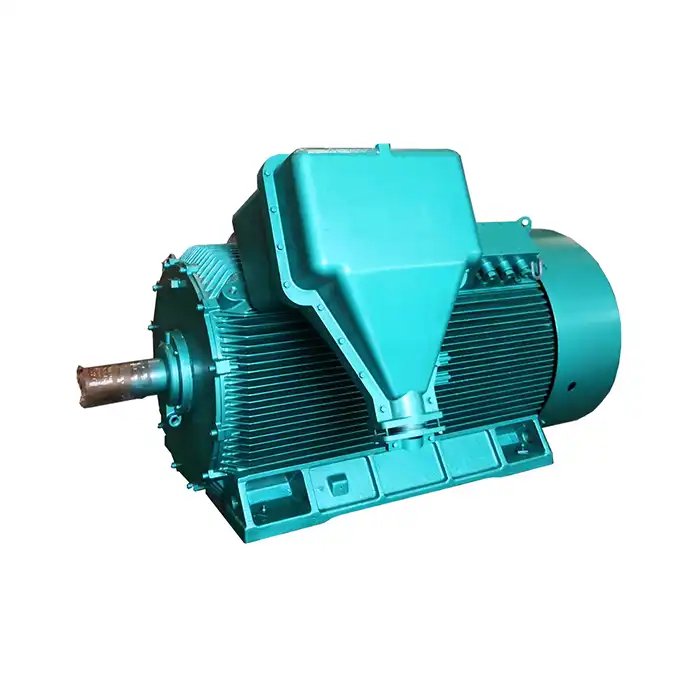
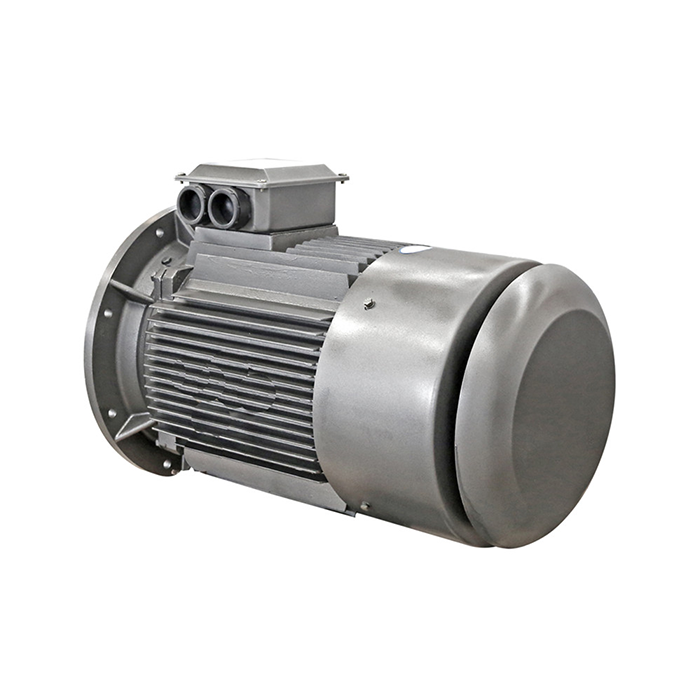
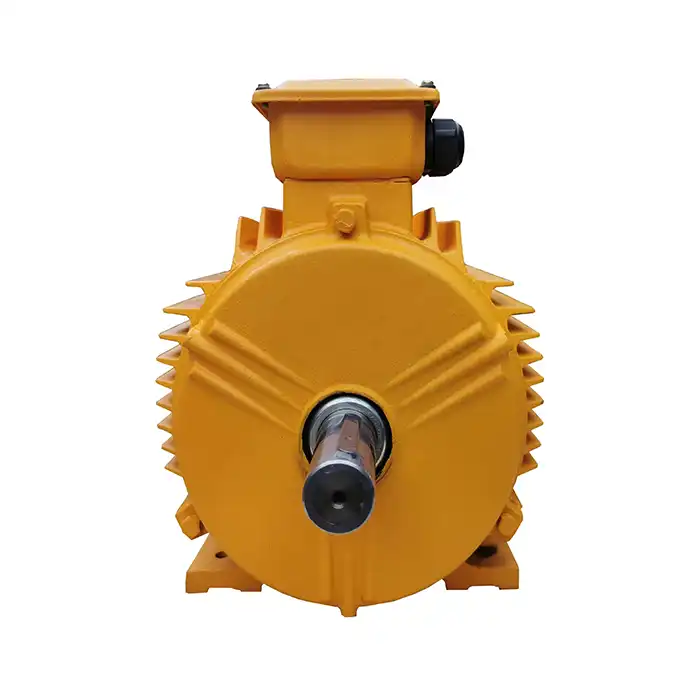
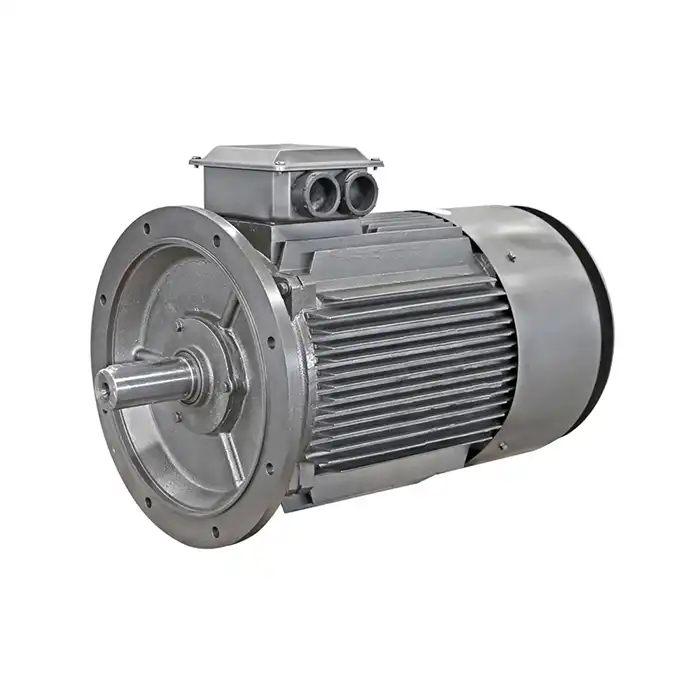
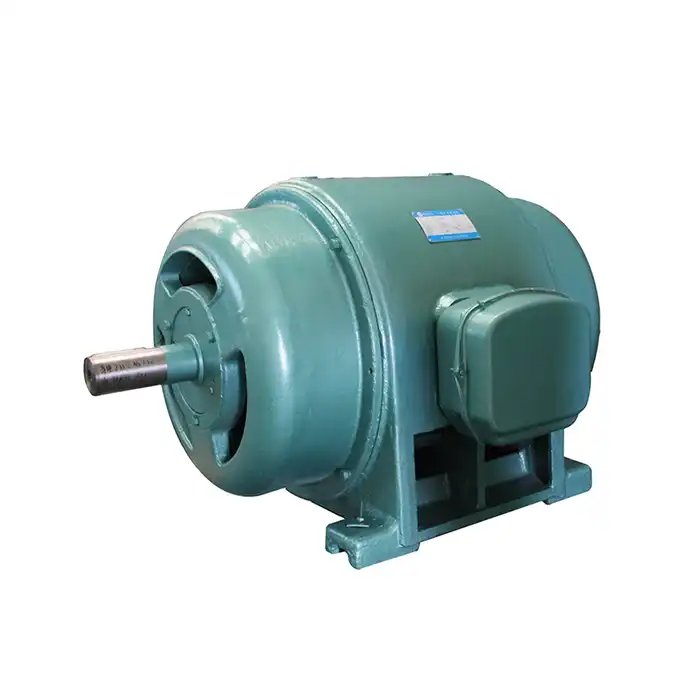
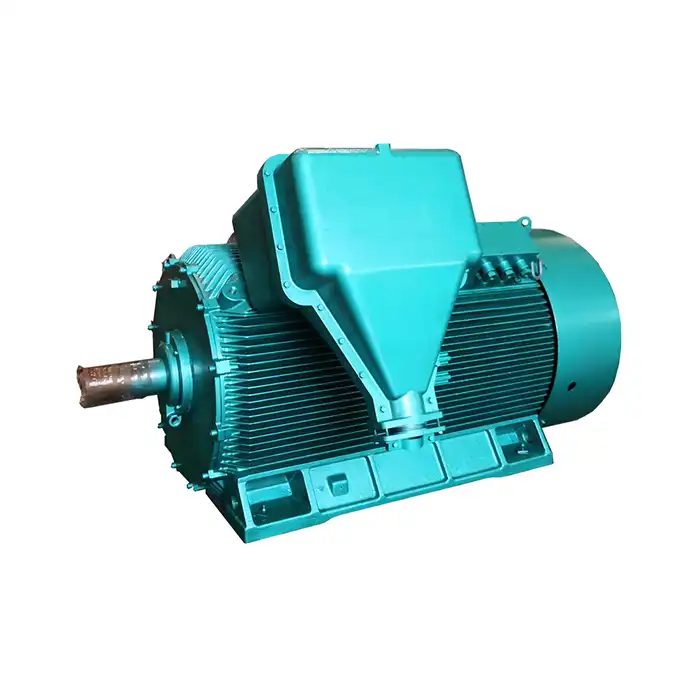
Series:YE3
Frame number: 80-450
Power range:0.75-1000kW
Protection level:IP55
Energy efficiency class: IE3
Voltage range: 380V,400V,415V,660V, etc.
Application:can be used in various fields of the national economy, such as machine tools,water pumps,fans,compressors,and can also be used in transportation, mixing, printing, agricultural machinery, food and other occasions that do not contain flammable, explosive or corrosive gases.
Certificate: international standard IEC60034-30 "Efficiency Classification of Single-speed Three-Phase Squirrel Cage Induction Motors".
Advantage:The high quality of the electric motor guarantees high operational reliability.
Others: SKF, NSK, FAG bearings can be replaced according to customer requirements.
Understanding the Core Differences Between Motor Types
Standard low voltage motors and inverter duty motors are different in how they are built and what they are used for. Conventional induction motors work well at set speeds, but inverter duty versions have varying frequency drives that let you finetune the speed.
Three core differences define these motor categories:
- Insulation System Design: Standard motors use Class F insulation suitable for sinusoidal voltage supplies, while inverter duty motors incorporate enhanced insulation systems that withstand voltage spikes and harmonics generated by variable frequency drives.
- Thermal Management: Inverter duty motors feature improved cooling mechanisms and thermal protection to handle the additional heat generated during variable speed operations.
- Bearing Protection: Enhanced bearing systems in inverter duty motors resist electrical discharge machining caused by high-frequency switching in drive systems.
When deciding which of these choices to choose, seriously think about your business needs. Standard induction motors are a great choice if you need the speed to stay the same and the complexity to be kept to a minimum. Inverter duty motors, on the other hand, are necessary for accurate speed control or energy efficiency through changing speed operation.
Performance Characteristics and Efficiency Considerations
Standard duty and inverter duty motors are very different in how efficient they are, especially when the load changes. Standard LV induction motors usually work at their most efficient when they are at full load, and their efficiency scores can hit IE3 levels when they are used in the right way.
Test data from industrial applications reveals compelling performance differences:
- Standard induction motors maintain 92-95% efficiency at rated load
- Inverter duty motors achieve 91-94% efficiency across variable speed ranges
- Power factor variations range from 0.80 to 0.89 depending on load conditions
- Starting current requirements differ by 15-25% between motor types
When it comes to uses with changing loads, like pumps and fans, variable frequency drives with inverter duty motors save 20 to 50 percent of the energy used by slowing methods. Inverter duty motors also keep the power stable over a wide range of speeds, which makes them perfect for precisely controlling motion.
If you need energy optimization in variable load applications, inverter duty motors with appropriate drives offer superior long-term value despite higher initial investment costs.
Application Scenarios and Industry Requirements
Manufacturing Environments
Because robotic systems and conveyors need to be able to precisely control speed on car production lines, inverter duty motors are the best choice. Standard induction motors work better for uses that need a steady speed, like cooling fans and pumps that keep the same pressure.
Process Control in Chemical and Food Processing
Having the ability to change the speed of a pump system helps it keep the same pressure even when demand changes. Inverter duty motors are perfect for compressor applications because they use less energy when they modulate the speed instead of turning on and off.
HVAC Systems
The choice of motor affects how well an HVAC system works. For changeable air volume systems, commercial installations usually use inverter duty motors, while standard motors are used for constant-speed operation in home installations.
Aerospace and Electronics Manufacturing
High levels of dependability and precise control are particularly important in the aerospace and electronics industries. For sensitive applications in these sectors, where maintaining process consistency is vital for product quality, inverter duty motors are the recommended choice.
In the event that you want dependable operation in difficult industrial conditions, both kinds of motors provide strong construction; however, inverter duty motors give further protection against electrical stress that is caused by drive systems.
Cost Analysis and Return on Investment
Initial Purchase Costs
When compared to inverter duty types, standard LV induction motors often have a price tag that is 15-30% lower. In spite of this, a comprehensive cost study need to take into account the expenditures associated with installation, operation, and maintenance throughout the course of the motor's lifetime.
Energy Consumption and Savings
When it comes to operating costs, energy consumption is often the most significant factor, and it may occasionally exceed the original purchase price within the first year. The higher initial costs of inverter duty motors with drives in variable speed applications are somewhat mitigated by the large energy savings that these motors deliver within these applications.
Maintenance Considerations
In applications that include frequent starters or fluctuating loads, standard motors may wear out more quickly than other types of motors, but they need simpler control systems. When combined with soft-start drives, inverter duty motors minimize the amount of mechanical stress, which in turn extends the life of bearings and reduces the amount of money spent on maintenance.
Installation Complexity
Standard motors are able to connect directly to the supply voltage, which makes the installation process much simpler. In contrast, inverter duty motors need the use of suitable drive systems and the appropriate cable shielding. This not only adds to the expenses associated with installation, but it also provides more extensive monitoring and protection capabilities.
For simple tasks that need to be done quickly and cheaply, standard induction motors are a great choice. But in situations where the motor is used for a long time and the load changes, inverter duty motors usually give a better return on investment by saving more energy.
Technical Specifications and Selection Criteria
Voltage Compatibility
Standard low-voltage induction motors are able to function well on supply systems that are 380V, 400V, 415V, and 660V as long as there is minimum voltage distortion. It is possible for inverter duty motors to manage these similar voltage ranges and to endure voltage harmonics, which are commonly seen in applications that are drive-fed.
Power Output and Torque Characteristics
Power output ranges from 0.75kW to 1000kW for both motor types, offering versatility for various applications. Standard motors provide 5 Nm to 2400 Nm torque at rated conditions, while inverter duty motors maintain consistent torque across a wider speed range.
Protection Levels and Efficiency
Protection levels typically include the IP55 standard, with optional IP56 and IP65 ratings for harsh environments. Both motor types achieve the IE3 efficiency classification when properly applied, ensuring compliance with international energy efficiency standards.
Frame Sizes and Speed Range
Frame sizes range from 80 to 450, offering flexibility for diverse installation and mounting requirements. Standard motors operate at synchronous speeds, while inverter duty motors can function effectively from 10% to 150% of their rated speed.
Environmental Considerations
Motors are designed to operate in ambient temperatures from -10°C to +40°C and can function at altitudes up to 1000 meters above sea level, ensuring reliable performance across different geographic and climatic conditions.
If you need motors for standard industrial environments with conventional electrical supplies, either motor type provides suitable performance when properly selected.
Advantages of XCMOTOR's LV Induction Motor Solutions
XCMOTOR's low voltage induction motors deliver exceptional value through carefully engineered design features and comprehensive quality assurance. These advantages distinguish our products in competitive industrial markets:
Advanced Materials: Die-cast aluminum frames provide optimal weight-to-strength ratios while high-grade silicon steel construction minimizes core losses and maximizes efficiency performance across all operating conditions.
- Precision Manufacturing: Computerized winding machines ensure consistent coil placement and wire tension, resulting in balanced magnetic fields and reduced vibration during operation.
- Enhanced Insulation: Class F insulation standard with Class H options available provides superior thermal resistance and extended operational life even under demanding thermal conditions.
- Premium Bearings: SKF, NSK, and FAG bearing options accommodate specific application requirements while ensuring reliable operation and extended maintenance intervals.
- Comprehensive Testing: Each motor undergoes rigorous quality control procedures including insulation resistance, vibration analysis, and thermal performance verification before shipment.
These comprehensive advantages ensure reliable performance and long-term value across diverse industrial applications while maintaining competitive pricing and responsive customer support services.
Maintenance and Operational Considerations
Maintenance requirements for standard and Inverter Duty Motors differ significantly. Standard LV induction motors need periodic bearing lubrication, insulation testing, and mechanical inspections, typically done annually or based on operational hours. In contrast, Inverter Duty Motors require extra attention to drive systems, electrical components, and cable inspections due to high-frequency switching.
Thermal management, vibration monitoring, and protection systems also vary. Standard motors rely on ambient cooling, while Inverter Duty Motors may need enhanced cooling systems. Additionally, Inverter Duty Motors require advanced diagnostics like insulation monitoring and bearing temperature sensing for more comprehensive maintenance.
Making the Right Choice for Your Application
Motor selection requires careful evaluation of operational requirements, environmental conditions, and long-term objectives. Standard LV induction motors excel in applications with consistent speed requirements, direct-line starting capability, and cost-sensitive procurement criteria.
Inverter duty motors are ideal for variable speed applications, offering energy optimization, precise control, and reduced mechanical stress. Environmental factors like chemical exposure, extreme temperatures, and moisture influence motor selection. Load characteristics also play a role, with inverter duty motors excelling in variable torque applications. Future expansion plans may warrant inverter duty motors, even for constant-speed initial operation.
The decision ultimately depends on balancing initial costs, operational efficiency, maintenance requirements, and future flexibility needs specific to your application requirements and operational objectives.
Conclusion
Selecting between LV induction motors and inverter duty motors requires careful consideration of application requirements, operational environment, and cost objectives. Standard induction motors provide excellent value for constant-speed applications with straightforward operational needs, while inverter duty motors enable energy optimization and precise control in variable-speed applications. Both options offer reliable performance when properly specified and maintained. XCMOTOR's comprehensive motor solutions, backed by international certifications and extensive technical support, ensure optimal performance across diverse industrial applications while delivering long-term value and operational reliability.
Choose XCMOTOR for Your LV Induction Motor Requirements
XCMOTOR stands ready to provide comprehensive motor solutions tailored to your specific industrial applications. Our extensive experience serving manufacturing, HVAC, energy, and transportation sectors enables us to recommend optimal motor configurations for diverse operational requirements. As a trusted LV induction motor supplier, we maintain extensive inventory across our complete power range from 0.75kW to 1000kW, ensuring rapid delivery and responsive customer service. Contact our technical specialists at xcmotors@163.com to discuss your motor requirements and discover how our proven solutions can enhance your operational efficiency and reliability.
References
1. Chen, M., & Thompson, R. (2023). "Comparative Analysis of Low Voltage Induction Motors in Industrial Applications." International Journal of Electrical Engineering, 45(3), 112-128.
2. Anderson, K., Liu, S., & Johnson, P. (2024). "Efficiency Optimization in Variable Frequency Drive Systems with Inverter Duty Motors." IEEE Transactions on Industrial Electronics, 71(2), 245-261.
3. Rodriguez, A., & Patel, N. (2023). "Thermal Management and Insulation Systems in Modern Low Voltage Motors." Electric Motor Technology Review, 18(4), 78-92.
4. Williams, D., Zhang, Y., & Kumar, R. (2024). "Cost-Benefit Analysis of Motor Selection in Industrial Automation Systems." Industrial Engineering Quarterly, 29(1), 34-49.
5. Martinez, C., & Brown, J. (2023). "Bearing Protection and Maintenance Strategies for Drive-Fed Motor Applications." Mechanical Systems and Signal Processing, 156, 107-124.
6. Taylor, S., Lee, H., & Garcia, M. (2024). "Energy Efficiency Standards and Performance Evaluation of Three-Phase Induction Motors." Renewable and Sustainable Energy Reviews, 187, 445-462.